
Yellowstone's Stunning Costumes: The Secret to TV's Most Authentic Western Drama
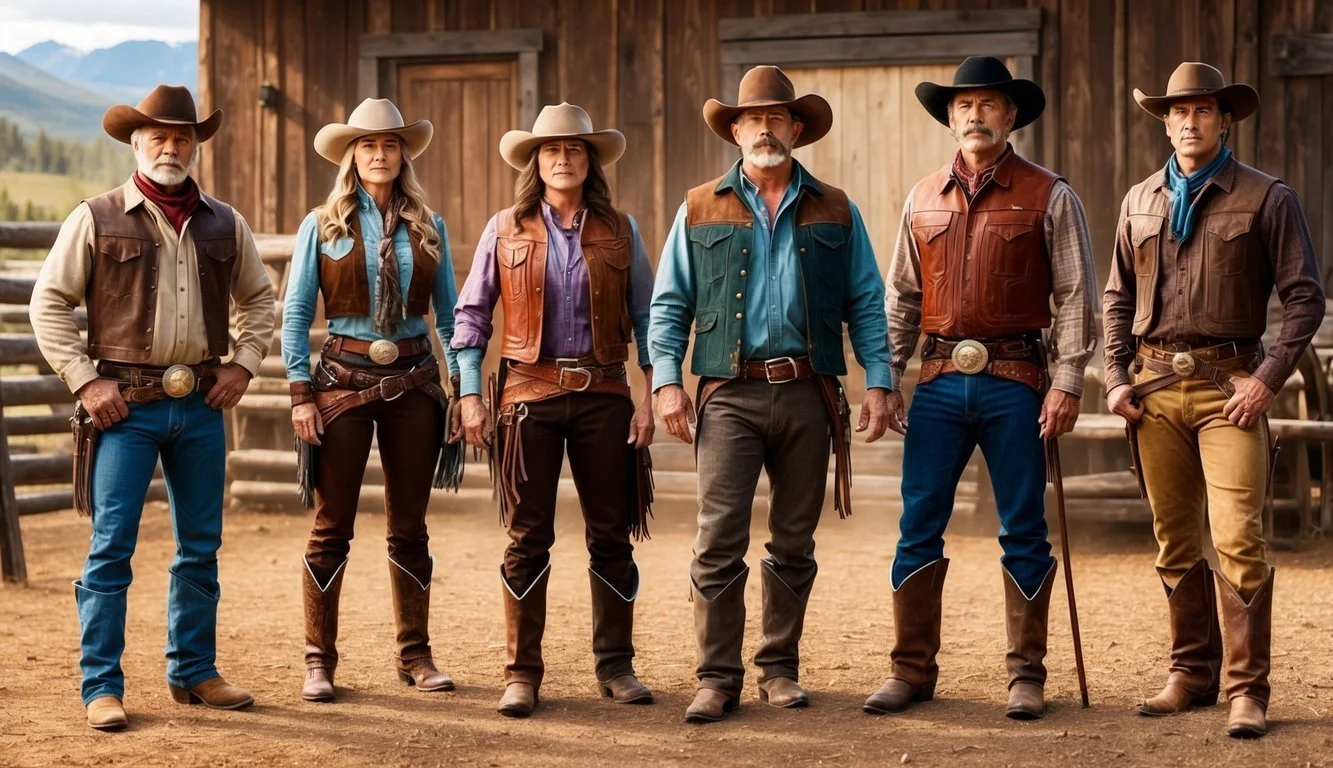
Yellowstone's costume design stands as a masterful example of visual storytelling, bringing the modern American West to life through carefully crafted wardrobes. Each character's clothing on the hit series reflects not only their personality and status but also the authentic heritage of Western attire that spans generations. The show's costume designers meticulously research historical patterns, materials, and techniques to create wardrobes that balance authenticity with contemporary Western fashion.
The series showcases everything from ranching work clothes to powerful business attire, with particular attention paid to iconic Western elements like hats, boots, and belt buckles. These details may seem small, but they communicate volumes about character backgrounds and motivations without a single word being spoken. Costume choices distinguish the Dutton family's traditional ranching roots from the more polished corporate rivals and the tribal members with their own distinct heritage.
Western wear has experienced a resurgence in popularity largely thanks to Yellowstone's compelling visual presentation. The distinct silhouettes, practical functionality, and timeless appeal of these garments resonate with viewers who appreciate both the craftsmanship and cultural significance behind each piece. This attention to detail elevates the viewing experience while preserving and celebrating authentic Western style traditions.
The Essence of Yellowstone's Fashion
Yellowstone's distinctive wardrobe creates an authentic Western aesthetic that balances historical accuracy with contemporary style. The costume design team meticulously crafts each character's appearance to reflect their position within the ranch hierarchy and the Montana landscape.
Defining Western Style in the Show
Yellowstone's costume design embraces functional Western wear with thoughtful attention to detail. Characters frequently don denim, leather, and canvas fabrics that withstand the harsh realities of ranch life.
The show distinguishes between working ranch hands and the Dutton family through subtle quality differences. Ranch hands wear practical, worn-in clothing with visible signs of daily labor, while maintaining authentic Western elements like properly shaped cowboy hats and appropriately worn boots.
Weather considerations play a significant role in the costume choices. Characters layer with vests, heavy coats, and gloves during Montana's harsh winters, while transitioning to lighter materials in warmer scenes.
Color palettes remain earthy and natural, reflecting the Montana landscape with browns, greens, and blues dominating the visual aesthetic. These choices ground the characters in their environment while emphasizing their connection to the land.
Influence of the Dutton Family on Fashion Choices
The Dutton family's wardrobe clearly establishes their status as ranch owners through elevated Western wear. John Dutton favors crisp button-downs, premium denim, and immaculately maintained hats and boots that communicate authority without sacrificing authenticity.
Beth Dutton's fashion represents the family's wealth through high-end Western pieces mixed with contemporary business attire. Her wardrobe creates a compelling visual contrast between boardroom scenes and ranch activities.
Kayce Dutton's clothing bridges military influence with traditional ranch wear, reflecting his complex character background. His wardrobe evolves throughout the series as his relationship with the ranch changes.
Jamie Dutton stands apart with more urban professional attire, using clothing to visually separate himself from the ranch's daily operations. This sartorial choice underscores his outsider status despite his family connections.
Each Dutton family member's distinct style contributes to their character development while maintaining the show's cohesive Western aesthetic.
Behind the Scenes: The Role of the Costume Designer
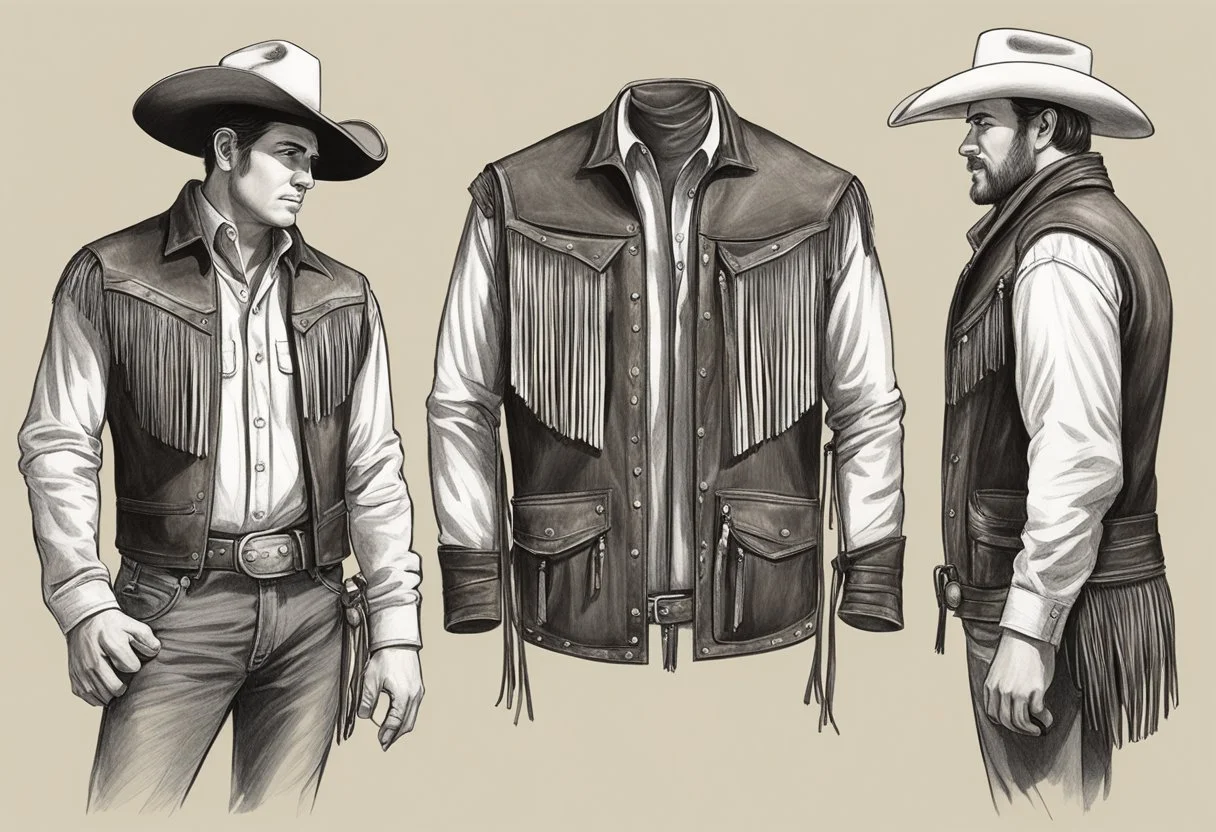
Costume designers on shows like Yellowstone create visual identities for characters through careful selection of clothing, accessories, and textures. Their work bridges historical accuracy with modern storytelling needs while ensuring each character's wardrobe reflects their personality and circumstances.
Meet Costume Designer Johnetta Boone
Johnetta Boone took over as Yellowstone's lead costume designer in season two, bringing her extensive experience from film and television projects. Her background in fashion design and understanding of Western wear proved invaluable to the show's authentic aesthetic.
Boone's approach combines meticulous research with creative vision. She studies historical photographs, visits Western museums, and consults with working ranchers to ensure accuracy in every piece.
"My goal is to make the clothing invisible yet impactful," Boone has explained in production interviews. "When viewers don't question the authenticity but still notice the details, I've done my job properly."
Her work earned industry recognition for blending period-appropriate elements with subtle contemporary touches that help modern audiences connect with the characters.
Philosophy and Process in Costume Selection
Boone's design philosophy centers on character development through visual storytelling. Each character's wardrobe evolution mirrors their personal journey, with subtle changes in color palette, fit, and quality reflecting their changing circumstances.
The costume selection process begins with character analysis and script breakdown. Boone's team identifies key personality traits, social status, and practical needs for each role before sourcing or creating appropriate items.
Weather considerations play a crucial role in Yellowstone's costume design. Montana's dramatic temperature changes require layering strategies that remain visually cohesive while being practical for outdoor filming.
Key factors in Boone's selection process:
Character background and occupation
Regional authenticity
Practical durability for action scenes
Color symbolism that supports storytelling
Boone collaborates closely with actors during fittings, often adjusting designs based on their character interpretations and physical comfort needs for demanding ranch scenes.
Character-Specific Costumes
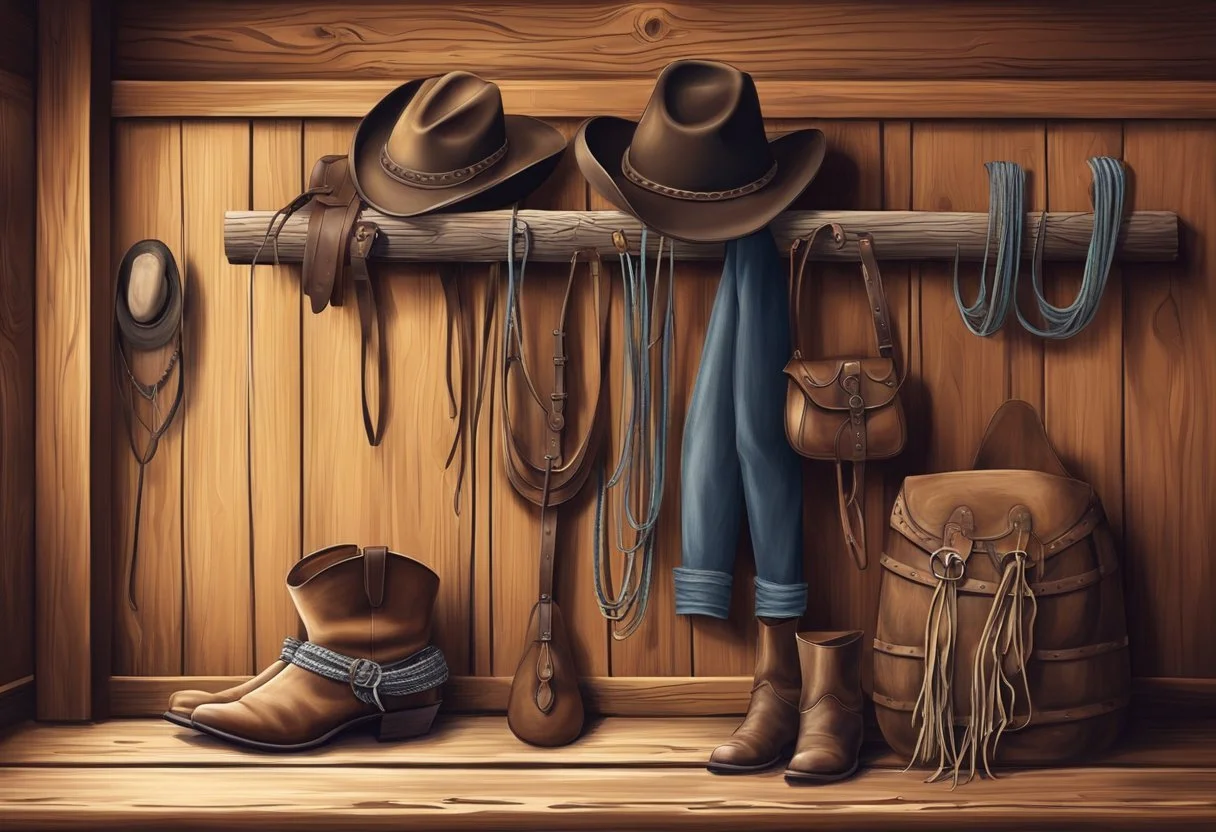
Yellowstone's distinctive character wardrobes establish personality and status while maintaining period authenticity. Each character's clothing reflects their position in the ranch hierarchy and their personal journey throughout the series.
Beth Dutton: Power Dressing in the West
Beth Dutton's wardrobe merges corporate power with frontier sensibility. During business hours, she commands attention in tailored blazers and pencil skirts, often in dark colors that signal her no-nonsense approach to business dealings.
Her transformation when returning to the ranch is equally deliberate, with costume designer Johnetta Boone selecting feminine yet practical pieces. Beth frequently wears flowing dresses paired with rugged boots, creating a visual tension that mirrors her character's complexity.
Accessories play a crucial role in Beth's look. Statement jewelry, often featuring turquoise or silver elements, connects her to Western heritage while maintaining her sophisticated edge. These pieces aren't merely decorative but tell the story of her dual existence between corporate America and her Dutton roots.
Rip Wheeler: The Iconic Cowboy Look
Rip Wheeler's costume design has created one of television's most recognizable modern cowboys. Actor Cole Hauser's character maintains a consistent uniform of dark work shirts, worn jeans, and his signature black cowboy hat—practical attire that has become iconic to fans.
The weathering techniques applied to Rip's clothing convey authenticity. His shirts show natural wear patterns at the elbows and collar, while his jeans display the genuine fading of a working rancher. This deliberate distressing tells the story of his lifetime of physical labor.
His black vest serves both practical and symbolic purposes. Beyond providing warmth and utility with its multiple pockets, it visually represents his protective role on the ranch. Rip's boots—scuffed, worn, and broken-in—complete this meticulous costume design that has become a blueprint for authentic ranch wear.
The Dutton Men: Cattlemen and Protectors
The Dutton men's wardrobes establish a clear visual hierarchy within the family's ranching dynasty. Patriarch John Dutton maintains a distinct look combining traditional rancher elements with subtle indicators of his wealth and position as a powerful landowner.
His son Kayce's wardrobe evolution reflects his character journey. Initially dressed in more casual, sometimes military-influenced clothing, his transition to ranch life shows in his increasingly traditional cattleman attire. This visual transformation parallels his growing acceptance of family responsibilities.
Jamie Dutton's costumes create deliberate separation from his family through more urban professional attire. His suits and dress shirts contrast sharply with the practical working clothes of his siblings, visually reinforcing his outsider status despite sharing the family name.
Signature Elements of a Yellowstone Wardrobe
The authenticity of Yellowstone's costume design relies on carefully selected wardrobe pieces that blend traditional Western wear with modern functionality. Each character's clothing tells a story about their role on the ranch and their place in the hierarchy.
The Cowboy Boots: From Ariat to Custom Designs
Cowboy boots serve as the foundation of any Yellowstone character's wardrobe. Ariat boots frequently appear on screen due to their reputation for combining traditional styling with modern comfort technology. This practical choice reflects the show's commitment to authenticity.
Ranch hands typically wear well-worn, functional boots with rubber soles for durability during long workdays. In contrast, the Dutton family often sports higher-end options, including the distinctive Shepherd Western Boot with its intricate stitching and premium leather.
Custom boot designs appear throughout the series, especially for special occasions. These feature personalized tooling and sometimes incorporate family crests or symbols that reinforce character identity and status. The height, color, and wear of each character's boots subtly communicates their position on the ranch.
Boot selection also changes with the seasons, with waterproof options appearing during winter scenes and lighter styles during summer. This attention to detail helps ground the characters in their environment.
The Classic Western Denim Shirt
The Western denim shirt represents another staple in the Yellowstone wardrobe department. The Weekly Denim Shirt appears frequently, known for its pearl snap buttons and reinforced stitching at stress points. These practical details showcase the costume designer's attention to authenticity.
Characters often wear these shirts in various stages of wear—from crisp new versions for visits to town to faded, worn options for daily ranch work. The coloring ranges from traditional indigo to lighter stonewashed varieties depending on the character's status and role.
Fit variations tell their own story: ranch hands typically wear looser cuts for mobility, while business-minded characters opt for more tailored silhouettes. Women's versions feature subtle feminized details while maintaining practicality.
Many shirts display subtle Western yokes or embroidery that adds character without becoming costume-like. This restraint in design helps maintain the show's credible portrayal of modern ranch life.
Accessorizing the Yellowstone Way
Accessories separate authentic Western wear from generic cowboy costumes. Wide leather belts with distinctive buckles appear consistently, often showcasing rodeo achievements or family heritage. These pieces tell stories without dialogue.
Hats represent perhaps the most important accessory, with each character's specific style and wear pattern developed purposefully. Beaver felt hats for cooler weather give way to straw versions in summer, while the shape and condition of each brim conveys personality.
Functional accessories like work gloves, bandanas, and pocket knives appear organically as needed. Unlike stylized Western films, Yellowstone's accessorizing follows practical considerations first, with aesthetic choices supporting character development.
Jewelry remains minimal but significant, with women's turquoise pieces and men's watch choices carefully selected to reflect their background and values. Even small details like Beth Dutton's occasional scarves or Rip's leather cuffs reinforce character traits while maintaining authenticity.
Costume Design Challenges and Considerations
Creating authentic Western wardrobes for Yellowstone involves navigating practical constraints while maintaining historical accuracy. The design team constantly balances visual storytelling needs with the realities of filming in challenging environments.
Authenticity Versus Practicality
Yellowstone's costume designers face the delicate balance of historical accuracy against actors' comfort and production demands. Period-appropriate materials like heavy wool and leather present challenges during long shooting days in Montana's extreme weather conditions. Designers often modify authentic pieces with hidden stretch panels or lightweight alternatives that maintain visual authenticity.
Weather considerations significantly impact wardrobe decisions, requiring multiple versions of the same costume for different shooting conditions. The team creates specialized gear allowing movement during horseback riding and action sequences while preserving the Western aesthetic.
Budget constraints also influence design choices. Authentic vintage pieces can be prohibitively expensive, forcing designers to age modern items through specialized techniques including stone washing, dyeing, and strategic distressing.
Realism in Contemporary Western Costume
Yellowstone's costume department meticulously researches modern ranch life to create believable contemporary Western wardrobes. They regularly consult working cowboys and ranchers to understand the functional aspects of Western clothing beyond stereotypical representations.
Brand authenticity matters significantly in portraying modern Western style. Designers incorporate legitimate Western brands like Carhartt, Filson, and Stetson that actual ranchers use rather than fashion-forward alternatives. This attention to detail extends to label placement and wear patterns.
The distinction between "working Western" and "rodeo Western" influences design decisions. Characters like John Dutton wear practical, understated pieces while flashier characters display more ornate Western wear. These distinctions convey social status and personality traits without dialogue.
Color selection plays a crucial role in Yellowstone's visual storytelling. Designers use earth tones that both complement Montana's landscape and reflect the practical nature of ranch work attire.
Impact on Pop Culture and Fashion Trends
Yellowstone's costume design has sparked a significant revival in Western fashion since the show's premiere in 2018. Retailers across America have reported substantial increases in sales of cowboy boots, hats, and denim workwear directly attributed to the "Yellowstone effect."
Major fashion brands like Wrangler and Carhartt have collaborated with the show, creating limited-edition collections inspired by character wardrobes. These partnerships have introduced authentic Western style to audiences who might never have considered this aesthetic previously.
The show's influence extends beyond casual wear into high fashion. Designers including Ralph Lauren and Tom Ford have incorporated Western elements into runway collections, featuring distressed denim, statement belts, and Western-inspired outerwear.
Key Fashion Items Popularized by Yellowstone:
Wide-brimmed cowboy hats
Western boots with intricate stitching
Heavy shearling coats
Vintage-style pearl-snap shirts
Statement belt buckles
Women's Western fashion has seen particular growth, with Beth Dutton's blend of feminine and rugged styles creating a distinctive look that many viewers emulate. Her character demonstrates how Western wear can be both practical and fashion-forward.
Social media platforms feature thousands of accounts dedicated to Yellowstone-inspired fashion, with hashtags like #YellowstoneFashion and #DuttonStyle generating millions of impressions. Fashion influencers regularly recreate looks from the series.
The authenticity of the show's costumes has encouraged consumers to seek genuine Western brands with heritage and craftsmanship, rather than fast-fashion interpretations. This has benefited traditional Western outfitters who focus on quality and authenticity.
