
Yellowstone's Stunning New Camera Techniques Transform Wildlife Photography
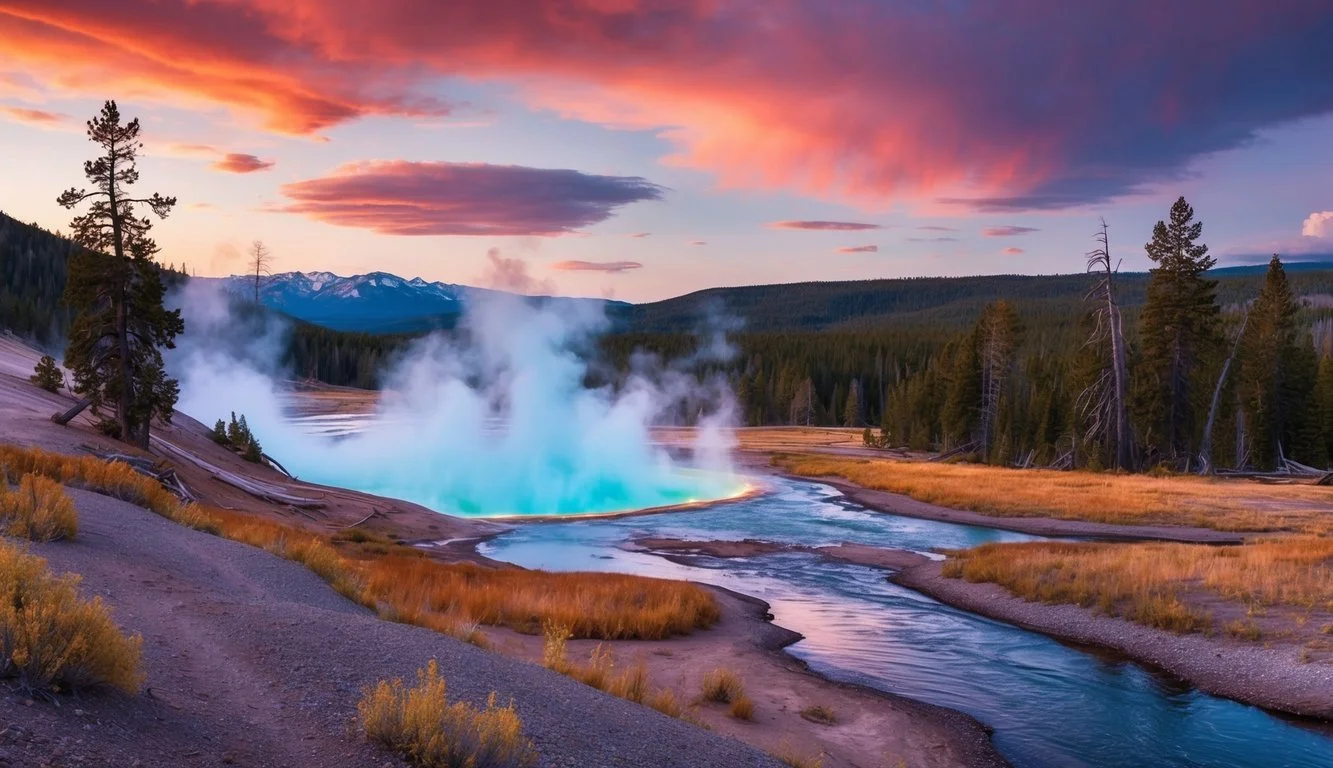
Yellowstone National Park has become a canvas for photographers employing groundbreaking camera techniques to capture its natural splendor. From time-lapse sequences revealing geothermal features to infrared photography highlighting thermal zones invisible to the naked eye, these methods have transformed how we experience America's first national park.
Remote camera traps and drone photography have revolutionized wildlife documentation in Yellowstone, allowing photographers to capture intimate moments of elusive species without human interference. These technologies have yielded unprecedented footage of wolf packs, grizzlies, and other shy creatures in their natural behaviors, providing valuable research data while creating stunning visual narratives.
The integration of advanced stabilization systems has also opened new possibilities for filming Yellowstone's dynamic landscapes, enabling smooth tracking shots of everything from rushing waterfalls to explosive geyser eruptions. These technical innovations continue to evolve, pushing the boundaries of nature photography while showcasing Yellowstone's majesty in increasingly immersive ways.
The Evolution of Camera Technology in Yellowstone
Photographers in Yellowstone National Park have witnessed remarkable transformations in camera equipment over the decades. These technological shifts have fundamentally altered how the park's dramatic landscapes and wildlife are captured and shared with the world.
From Film to Digital
The early documentation of Yellowstone relied entirely on film cameras, with pioneers like William Henry Jackson producing the first significant photographic record of the park in the 1870s. These early photographers faced immense challenges, transporting heavy equipment and glass plates through rugged terrain. By the mid-20th century, 35mm film cameras became the standard for both professional and amateur photographers visiting the park.
The digital revolution of the early 2000s transformed landscape photography in Yellowstone. Photographers could now immediately review images, adjust settings for changing light conditions, and capture thousands of photos during a single visit. Digital sensors gradually improved to match and eventually surpass film quality.
Higher ISO capabilities particularly benefited wildlife photographers, allowing them to work in low light conditions during dawn and dusk when animals are most active. Weather-sealed DSLRs from Canon and Nikon became essential tools for professionals working in Yellowstone's unpredictable environments.
Rise of Mirrorless Cameras
Around 2010, mirrorless cameras began making inroads among Yellowstone photographers, offering significant advantages over traditional DSLRs. The elimination of the mechanical mirror created lighter, more compact systems ideal for backcountry expeditions.
Key mirrorless advantages in Yellowstone photography:
Silent shooting for undisturbed wildlife photography
Electronic viewfinders showing real-time exposure preview
Superior video capabilities for capturing geothermal features
Reduced weight for long hikes to remote locations
By 2020, professional-grade mirrorless systems from Sony, Nikon and Canon had largely replaced DSLRs among serious landscape photographers in the park. The electronic viewfinders proved particularly valuable in Yellowstone's challenging lighting conditions, such as photographing geysers against bright skies or capturing the subtle colors of Grand Prismatic Spring.
Technological innovations like in-body image stabilization have revolutionized low-light photography, allowing handheld shots of the park's night skies that previously required tripods. Weather sealing has also improved, making these sophisticated cameras more resilient to Yellowstone's temperature extremes and occasional geyser spray.
Landscape Photography Mastery
Yellowstone National Park presents exceptional opportunities for photographers seeking to capture breathtaking landscapes. The park's diverse terrain demands specific techniques to properly showcase its unique features, dynamic lighting conditions, and expansive vistas.
Capturing Yellowstone's Geothermal Features
Geothermal features require special attention to detail and safety considerations. Photographers should use polarizing filters to cut through steam and enhance the vibrant colors of bacterial mats around hot springs and geysers.
Maintaining a safe distance while using telephoto lenses (70-200mm) creates compressed compositions that emphasize the drama of erupting geysers. Morning shoots often provide the best combination of light and steam visibility, as the cool air makes thermal features more pronounced.
For Grand Prismatic Spring and similar features, elevated positions from designated boardwalks offer better composition opportunities. Bracket exposures when photographing these high-contrast scenes, especially when bright mineral deposits contrast with darker surroundings.
Consider time-lapse techniques for geysers to showcase their complete eruption cycle in a single dynamic piece.
Wide-Angle Wonder: Expansive Vistas
Wide-angle lenses (14-24mm) excel at capturing Yellowstone's expansive landscapes. These lenses emphasize foreground elements while maintaining background context, essential for conveying the park's scale.
When photographing locations like Lamar Valley or Hayden Valley, include foreground elements such as wildflowers, rocks, or fallen logs to create depth. This gives viewers a more immersive sense of place.
Focus stacking techniques help maintain sharpness from foreground to background. This involves taking multiple shots at different focus points and combining them in post-processing.
Use a sturdy tripod with a bubble level to ensure horizon lines remain straight when capturing wide vistas. The rule of thirds helps create balanced compositions, particularly when photographing mountain ranges against dramatic skies.
Utilizing Natural Light and Weather Conditions
Yellowstone's lighting conditions change dramatically throughout the day and seasons. The golden hours (first hour after sunrise and last hour before sunset) provide warm, directional light that enhances textures and creates depth.
Best lighting conditions:
Dawn/dusk: For rim lighting on wildlife and golden reflections on rivers
Overcast days: Ideal for photographing waterfalls and forest scenes
Storm fronts: Dramatic opportunities for landscape photography
Weather apps like Clear Outside and PhotoPills help predict optimal light conditions and can be invaluable for planning. Dramatic weather events—approaching storms, clearing fog, or rainbow formations—often create the most memorable landscape photographs.
Graduated neutral density filters help balance exposure between bright skies and darker foregrounds. Always protect equipment from elements during unfavorable weather, especially around geothermal areas where sulfur can damage camera components.
Wildlife Photography Innovations
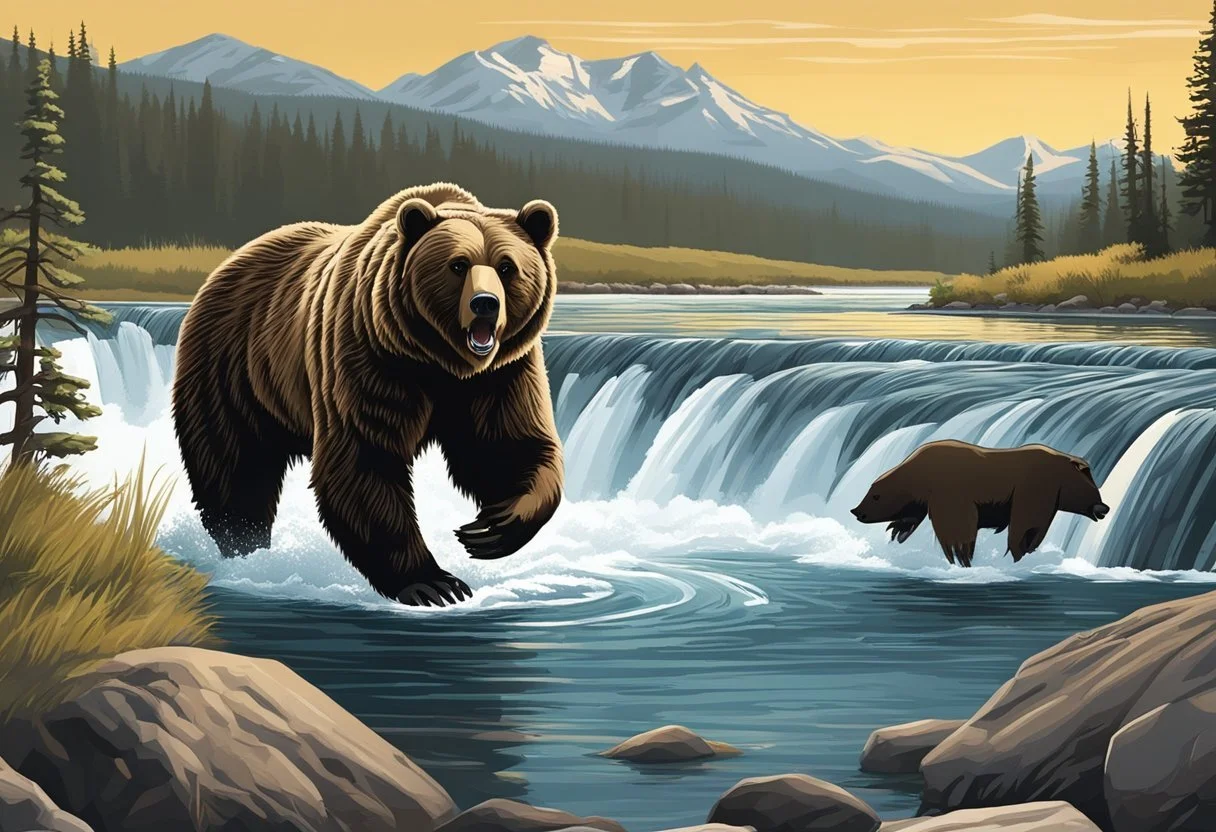
Yellowstone National Park has become a testing ground for revolutionary wildlife photography techniques that capture the essence of animal behavior while respecting natural habitats. These innovations have transformed how photographers document the park's diverse ecosystem.
Telephoto Techniques for Distinct Fauna Shots
Modern super-telephoto lenses have revolutionized wildlife photography in Yellowstone by allowing photographers to maintain safe distances from animals. The 600mm f/4 lenses with teleconverters effectively bring distant subjects like wolves and grizzlies into frame without disturbing their natural behavior.
Focal length compression, a technique achieved with telephoto lenses, creates dramatic layering effects that showcase animals against Yellowstone's iconic landscapes. This approach produces distinctive portraits where bison appear majestically positioned against steaming geysers.
Key equipment developments include:
Image-stabilized lenses that reduce vibration for sharper images
Lighter carbon fiber lens bodies that enable longer field sessions
Enhanced coating technology that minimizes glare during dawn/dusk shooting periods
Photographers now combine telephoto techniques with portable blinds strategically placed near water sources, creating unobtrusive observation points for capturing intimate wildlife moments.
Ethical Practices in Wildlife Photography
Ethical wildlife photography in Yellowstone centers on the principle of minimal interference with natural behaviors. Photographers adhere to the park's regulation of maintaining at least 100 yards from predators and 25 yards from other wildlife.
Remote triggers and camera traps have emerged as vital tools that eliminate human presence during critical moments. These setups allow photographers to document natural behaviors without creating stress or altering animal routines.
Ethical considerations include:
Avoiding the use of calls or food to attract subjects
Respecting closures around denning areas
Not revealing specific locations of sensitive species
The park's wildlife photography workshops now emphasize ethical approaches first, teaching techniques that prioritize animal welfare over getting the "perfect shot." This shift reflects a growing understanding that preservation of natural behavior is essential to authentic wildlife documentation.
High-Speed Photography for Animals in Motion
High-speed photography techniques have transformed how Yellowstone's dynamic wildlife moments are captured. Modern camera systems capable of 20+ frames per second with continuous autofocus track predator-prey interactions with unprecedented precision.
Electronic shutters reaching 1/8000 second freeze motion that would be impossible to document with traditional equipment. These advancements reveal details of bald eagles snatching fish or wolves in full pursuit that remain invisible to the human eye.
Technical innovations include:
Pre-programmed subject recognition for birds and mammals
Buffer capacities exceeding 100 RAW images
AI-predictive focusing that anticipates movement patterns
Flash photography with specialized diffusers allows for action shots even in challenging light conditions. Photographers strategically position multiple flash units to illuminate subjects without causing stress, creating dramatic stop-motion effects of wildlife in their natural environment.
Creative Composition and Framing
Beyond technical skill, Yellowstone photographers have developed distinctive composition techniques that capture the park's unique beauty. These creative approaches transform ordinary scenes into compelling visual stories through thoughtful framing choices.
Incorporating Foreground Elements
Skilled Yellowstone photographers regularly use foreground elements to create depth and context in landscape photography. Adding wildflowers, weathered logs, or textured rocks in the foreground establishes a multilayered composition that guides viewers through the scene.
This technique particularly shines during golden hour when the low-angled light creates dramatic shadows across foreground textures. A fallen aspen leaf floating in a thermal pool can provide scale and interest against the vibrant bacterial mats below.
Foreground Tips:
Position yourself lower to emphasize foreground elements
Use wide-angle lenses (16-35mm) to maintain sharpness throughout
Seek contrasting elements like snow against dark rocks
Experiment with selective focus to create separation between layers
The most effective foreground elements complement rather than compete with the primary subject, creating visual harmony.
The Golden Ratio and Rule of Thirds
Yellowstone photographers frequently employ the golden ratio (1:1.618) and rule of thirds to create balanced, visually pleasing compositions. These mathematical proportions appear throughout nature and resonate intuitively with viewers.
When photographing thermal features, positioning the main steam vent or colorful bacterial mat at key intersections creates dynamic tension. Many professionals use their camera's built-in grid overlay to precisely align these elements.
The rule of thirds works exceptionally well when capturing Yellowstone's expansive landscapes with dramatic skies. Placing the horizon line along the upper or lower third creates a more engaging composition than centering it.
For wildlife photography, positioning animal subjects at these key points creates space for them to "move into" the frame, even in a static image. This approach conveys motion and intention rather than static documentation.
Leading Lines and Symmetry in Nature
Yellowstone's natural environment offers abundant opportunities to incorporate leading lines and symmetry into photographs. Boardwalks cutting through geyser basins, river edges, and mountain ridgelines all serve as powerful compositional tools.
These lines draw the viewer's eye through the frame toward the main subject. At Grand Prismatic Spring, photographers often use the curved edges of the colorful bacterial mats as circular leading lines that emphasize the vibrant blue center.
Symmetry appears naturally throughout the park:
Perfect reflections in still mountain lakes
Mirrored thermal features with steam rising from center points
Balanced formations in travertine terraces at Mammoth Hot Springs
Breaking symmetry occasionally with a single asymmetrical element often creates more memorable images. A lone bison reflected in an otherwise perfectly symmetrical lake scene creates visual tension that elevates the composition beyond documentation.
The Role of Post-Processing
Post-processing transforms raw Yellowstone footage into the stunning imagery viewers recognize from the series. Digital manipulation enhances natural elements while maintaining the authenticity that makes wilderness photography powerful.
Editing for Visual Impact
Raw footage from Yellowstone rarely captures the majesty witnessed by photographers in the field. Adjusting contrast helps define the stark silhouette of bison against winter snow, while clarity adjustments bring out texture in geothermal features. Professional landscape photographers typically employ selective sharpening to focus viewer attention on crucial elements.
Exposure blending combines multiple shots of the same scene to overcome camera limitations. This technique proves essential when capturing Yellowstone's dramatic lighting conditions, such as rays of sunlight breaking through storm clouds over the Lamar Valley.
Many Yellowstone photographers use luminosity masks to target specific brightness ranges without affecting others. This precision editing preserves detail in both highlights and shadows simultaneously.
HDR Techniques and Panoramic Stitching
High Dynamic Range (HDR) processing has become essential for Yellowstone landscape photography. Photographers bracket exposures when shooting Grand Prismatic Spring, capturing detail in both the brilliant blue water and surrounding steam.
The best HDR results maintain natural appearances rather than creating oversaturated, artificial-looking images. Subtle tone mapping preserves realistic lighting while extending the visible range beyond what a single exposure could capture.
Panoramic stitching allows photographers to capture Yellowstone's vast landscapes in their entirety. Software like Adobe Lightroom automates much of this process, blending multiple frames into seamless wide-format images.
Field techniques for successful panoramas include:
Using manual exposure settings
Overlapping frames by 30-50%
Employing a nodal slide to eliminate parallax
Shooting quickly to minimize lighting changes
Color Correction and Grading
Accurate color representation remains crucial when documenting Yellowstone's unique geological features. White balance adjustments ensure the true blue of Morning Glory Pool or the vivid orange of Grand Prismatic's bacterial mats appears authentic.
Selective saturation helps reproduce the visual experience of being in Yellowstone. Many photographers slightly enhance blues in sky and water while maintaining neutral tones in landscapes and wildlife.
Color grading establishes mood and creates visual consistency across an entire series. Split toning has become a signature technique, subtly warming highlights while cooling shadows to emphasize depth in landscape photography.
Professional colorists often create custom adjustment presets that maintain Yellowstone's natural appearance while enhancing visual impact. These presets typically avoid extreme adjustments that might undermine the documentary integrity of wildlife and landscape photography.
Adventures in Travel Photography

Yellowstone National Park presents unique opportunities for photographers to capture stunning landscapes, wildlife, and thermal features. The diverse environments within the park demand specific techniques and equipment to document the experience effectively.
Documenting the Yellowstone Experience
Travel photography in Yellowstone requires patience and preparation. Photographers should scout locations before peak lighting hours to maximize their chances of capturing iconic scenes without crowds.
Morning fog over thermal features creates ethereal images that convey the park's mysterious character. These conditions typically occur between 6:00-8:00 AM, particularly near Mammoth Hot Springs and Grand Prismatic Spring.
Wildlife photography demands different timing, with dawn and dusk offering the best light and animal activity. Photographers should maintain the required 25-yard distance from most wildlife (100 yards from bears and wolves) while using telephoto lenses.
Seasonal changes dramatically alter the park's appearance. Winter showcases steam rising from thermal features against snow, while autumn highlights golden aspens framing the Lamar Valley.
Gear Selection for the Traveling Photographer
Mirrorless cameras have revolutionized travel photography in Yellowstone due to their lightweight design and silent shooting modes. The Sony Alpha series and Fujifilm X-T4 are particularly popular for their weather sealing and dynamic range capabilities.
A versatile lens kit should include:
Wide-angle zoom (16-35mm) for landscapes and thermal features
Standard zoom (24-70mm) for general travel scenes
Telephoto zoom (70-200mm or longer) for wildlife photography
Protection from environmental hazards is essential. Photographers should carry lens cleaning kits to remove dust and moisture, plus rain covers for unexpected weather changes.
Tripods remain necessary for low-light conditions and long exposures of flowing water or night sky photography. Carbon fiber models offer the best balance of stability and portability.
Developing a Narrative Through Images
Successful Yellowstone travel photography tells a cohesive story rather than presenting disconnected beautiful images. Photographers should approach the park with a thematic intention, perhaps focusing on contrasts between fragile ecosystems and powerful geothermal forces.
Capturing human interactions with the landscape adds narrative depth. Including hikers on boardwalks near thermal features provides scale and demonstrates the delicate balance between accessibility and preservation.
Morning, midday, and evening shots of the same location reveal how dramatically light transforms the landscape. This technique works particularly well at Yellowstone Lake and Artist Point.
Detail shots complement wide vistas by highlighting textures and patterns in bacterial mats, tree bark, or animal fur. These intimate perspectives create a more immersive viewing experience when paired with grand landscapes.
