
How 1000-lb Sisters Depicts the Rural Kentucky
Experience Through Everyday Life and Culture
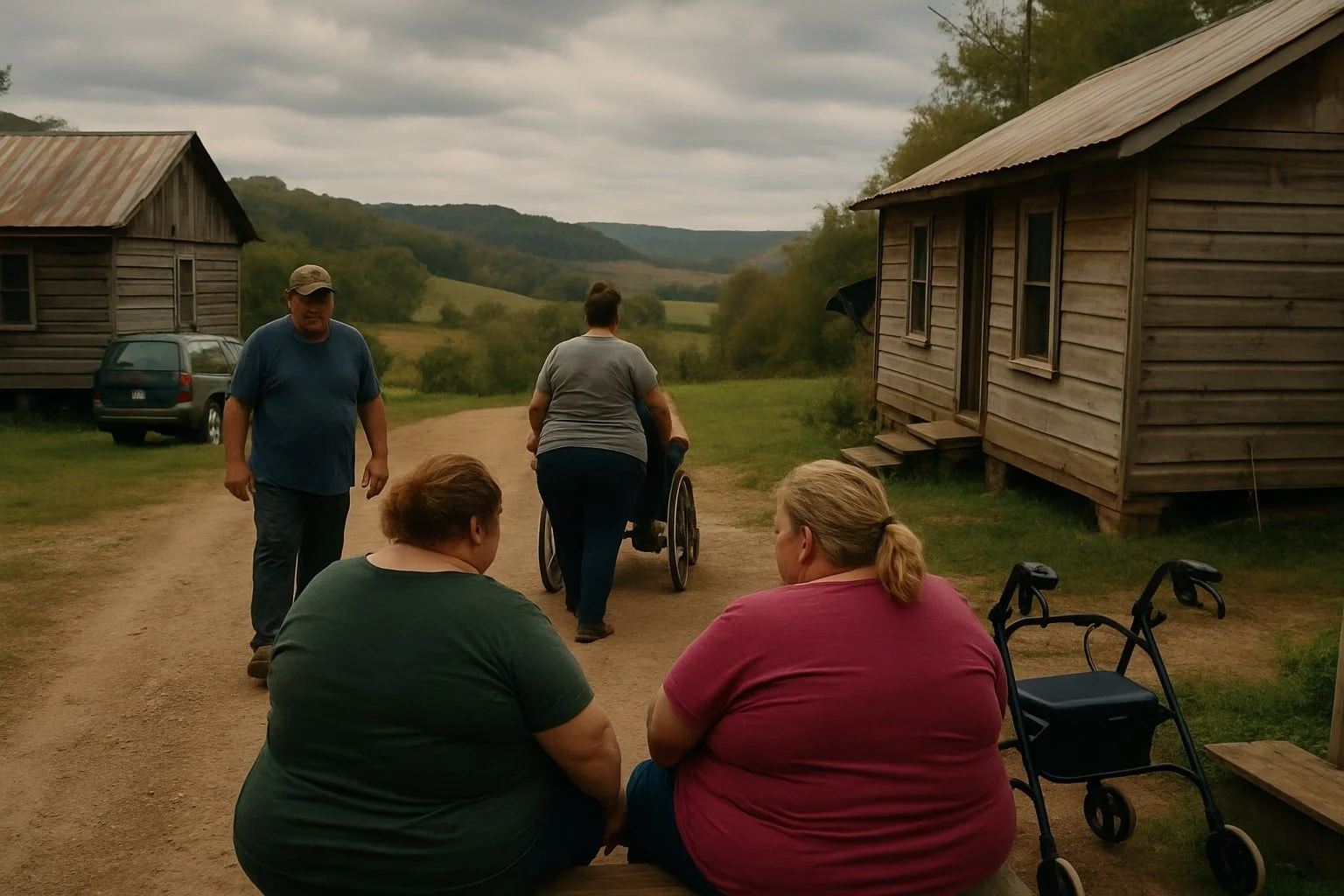
1000-lb Sisters offers a realistic look at life in rural Kentucky through the daily lives of Tammy and Amy Slaton, showing both personal struggles and the local culture. Set in Dixon, Kentucky, a town with fewer than 1,000 residents, the show highlights how small-town dynamics shape everything from access to health care to family routines. The rural setting becomes a constant backdrop, influencing their decisions and challenges along their weight-loss journey.
The series doesn’t glamorize rural life but instead provides scenes both inside and outside the sisters’ modest homes, giving viewers a sense of what it means to live in a close-knit community where everybody knows each other. By focusing on local customs and working-class realities, 1000-lb Sisters captures the spirit of rural Kentucky in ways that are rarely seen on mainstream television.
How 1000-lb Sisters Captures Rural Kentucky Life

The show consistently grounds its stories in the small-town rhythms and close-knit community typical of rural Kentucky. Family life, local landmarks, and shared beliefs feature in many scenes, painting a direct portrait of daily living in places like Dixon.
Portrayal of Daily Routines
Viewers see Amy and Tammy navigating small-town life, with scenes featuring grocery trips, errands along Main Street, and conversations at home. The sisters face practical challenges, such as limited access to healthcare and shopping, which is common in less populated rural areas.
Routine tasks often require planning due to fewer services and longer travel distances. The show sometimes highlights family gatherings, meals prepared in modest kitchens, and visits to local businesses, reflecting everyday habits of many Kentucky residents.
Landmarks, such as the local church, serve as focal points for important conversations and family events. The slower pace, interruptions by neighbors or relatives, and reliance on one another showcase the distinctive feel of small-town living. Simple routines are shaped by regional traditions and available resources.
Cultural and Community Values
Faith and community ties are consistently present in the sisters’ lives. Attendance at the Christian church, both for worship and for support from fellow townspeople, underscores the significance of religion and shared values in rural Kentucky.
Neighbors often play a role in offering help or advice, reinforcing a strong community network. The show depicts family as a central support system, with extended relatives frequently involved in caregiving and emotional support.
Respect for tradition and local customs shapes behavior, from meal preparation to celebrating milestones. The series avoids stereotypes, instead focusing on sincere interactions and challenges. This approach offers viewers a realistic look at the beliefs and support systems that are foundational in towns like Dixon and Hazard.
Geographic and Social Setting
Rural Kentucky serves as more than just a backdrop in "1000-lb Sisters"—it actively shapes the lives, routines, and challenges faced by Tammy and Amy Slaton. The show's setting reflects how local geography and social structures influence health, relationships, and daily options for many residents.
Depiction of Small Towns
The series spotlights small-town life in Dixon, Kentucky, and nearby areas. With a population close to 1,000, the community is marked by familiarity, routine, and strong ties. Streets like Main Street typically feature essential services: a post office, convenience stores, diners, and churches.
Hazard, another rural town mentioned at times in similar contexts, demonstrates similar patterns—limited access to recreation, healthcare, and social spaces. The local infrastructure centers around a handful of gathering places, and the sisters' daily routes often highlight the town's compact, interconnected nature.
Filming in Paducah and similar towns allows the show to depict small-town social networks, where everyone knows each other's struggles and support can be both a blessing and a source of pressure. This sense of collective familiarity impacts the sisters’ privacy and their ability to forge independent routines.
Economy and Local Businesses
Economic opportunities in areas like Dixon and Paducah revolve around agriculture, small retail businesses on Main Street, and services such as banking. The presence of local banks, hardware stores, and groceries illustrates how commerce is dominated by family-owned establishments rather than large chains.
Employment largely depends on farming, basic healthcare, and schools. Many families work in the same trade for generations, which shapes their expectations for the future. The scarcity of gyms or specialized health centers makes formal wellness support less accessible, affecting the sisters’ health journey.
Local businesses are often gathering points, as seen in scenes where Tammy and Amy visit stores or interact with bankers and shopkeepers. This interconnectedness underscores how the rural economy impacts daily living—where each business is crucial for both employment and social life.
Public Health Representation in the Series
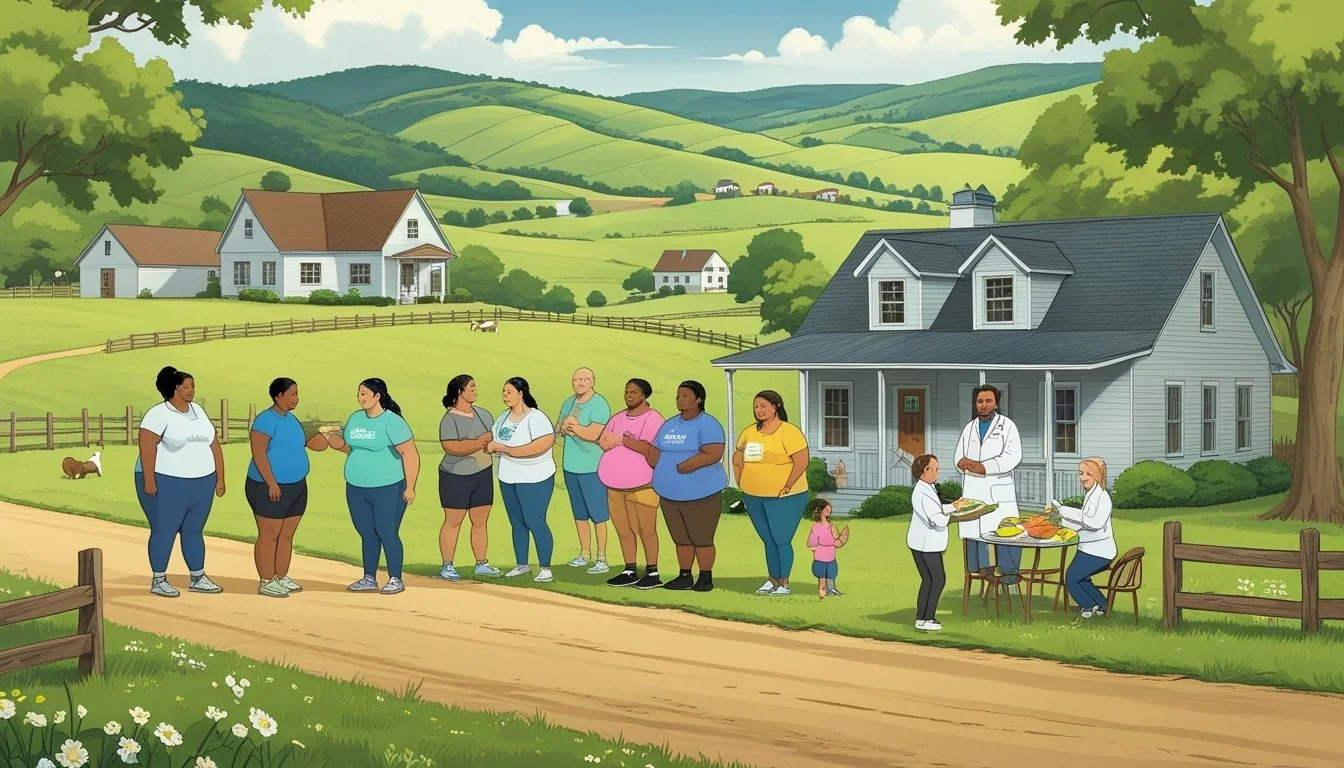
The show highlights several public health concerns commonly found in rural Kentucky, including obesity, limited access to care, and lifestyle factors such as smoking. These issues are portrayed through the daily lives and health journeys of Amy and Tammy Slaton.
Health Challenges in Rural Populations
Rural Kentucky faces higher rates of obesity and chronic illness compared to more urban regions. Access to healthcare services is limited by distance, transportation barriers, and availability of specialists, making it harder for individuals to address long-term health needs.
On 1000-lb Sisters, viewers consistently see the Slaton sisters struggle with these obstacles. Delays in medical appointments, trouble finding local specialists, and reliance on family support are recurring themes and reflect real public health disparities.
Some of the most common health challenges in this rural setting include:
Type 2 diabetes
Mobility issues
Heart disease
Mental health concerns
The show accurately represents how environment and geography contribute to persistent health problems.
Impact of Smoking and Lifestyle Choices
Smoking rates in Kentucky remain among the highest in the United States. The series often displays members of the Slaton family using cigarettes, providing a realistic view of how ingrained smoking habits are within the local culture.
Lifestyle choices such as frequent fast food consumption and low physical activity are also documented. These factors are not portrayed as unique to the Slaton family, but are shown as commonplace in their community.
The combination of unhealthy diet, physical inactivity, and smoking contributes significantly to poor health outcomes. By illustrating these habits, the show draws attention to major public health challenges impacting rural Kentucky.
Social Gatherings and Rural Institutions
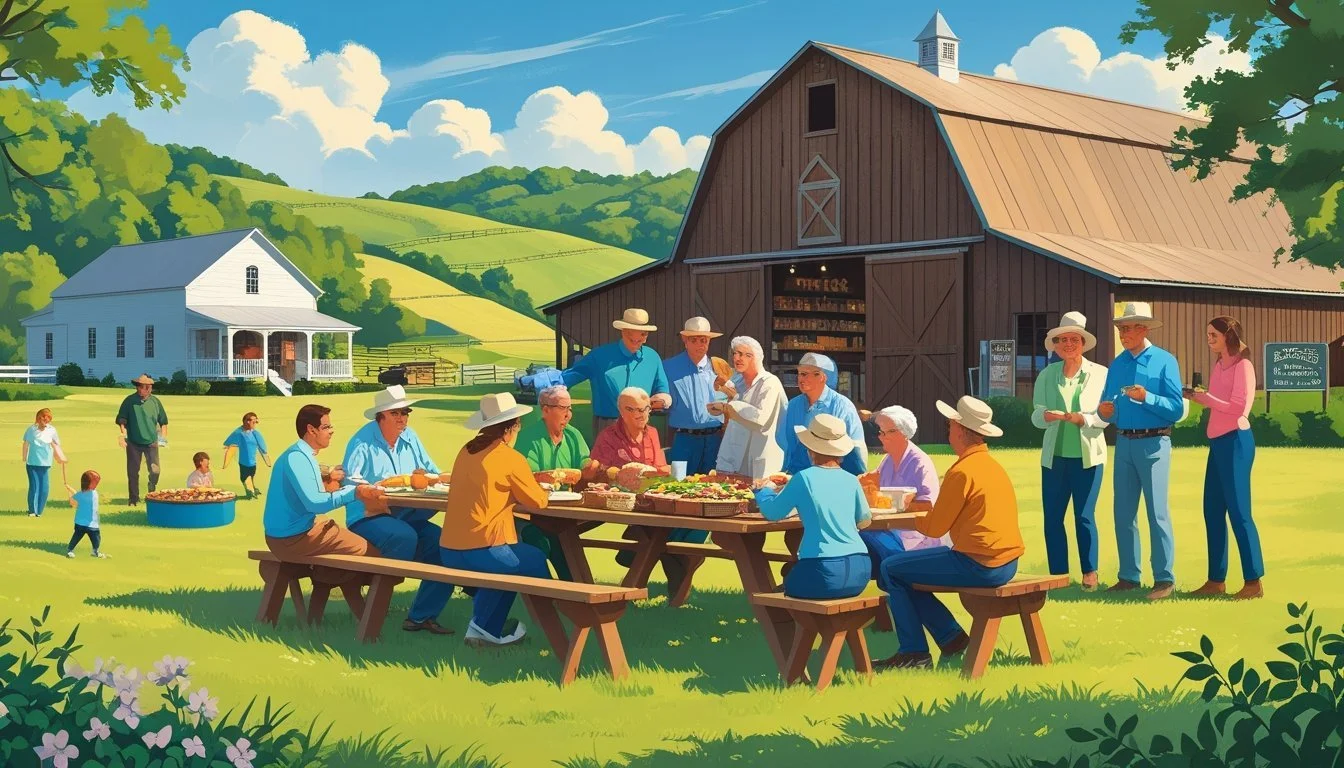
Daily life in rural Kentucky often revolves around longstanding social traditions and community spaces. These environments have a direct role in shaping local values and connections, as seen in the world of 1000-lb Sisters.
Role of the Christian Church
The Christian church is a major institution in Dixon, Kentucky, and nearby rural towns. Attendance at Sunday services is regular for many families, serving not just as religious practice but as a weekly social anchor.
Congregations often gather for more than worship, such as potlucks, Bible study sessions, and charity drives. These activities help local residents reconnect, share news, and support one another during hardships.
For individuals like Tammy and Amy Slaton, the church provides a network of support outside their home life. It is a place where people share milestones, seek advice, and find a sense of belonging that extends beyond immediate family.
The church’s influence shapes community attitudes toward health, family responsibilities, and personal change. It frequently hosts events and charity efforts that reinforce these ties in practical ways, influencing both behavior and values.
Community Events and Sharing
Community events are regular fixtures in Dixon, from seasonal fairs to town-led charity auctions. These gatherings are not just for entertainment—they are practical ways for neighbors to help one another and maintain local traditions.
Common activities include fish fries, yard sales, and school fundraisers. Recipes are shared, homegrown produce is swapped, and locals rely on each other during difficult times, reflecting the region’s agricultural roots.
Residents value face-to-face interaction, and these events allow them to uphold traditions, mark life changes, and address communal needs together.
The depiction of such interactions in 1000-lb Sisters offers viewers insight into how collective routines and mutual support persist in smaller, close-knit rural communities. This can highlight both strengths and challenges unique to rural Kentucky culture.
Visual Elements: Cleanliness and Environment
The series uses realistic set design and location shots to provide glimpses into the day-to-day living conditions in a small Kentucky town. Viewers notice details about the standards of cleanliness and the unique characteristics of the environment.
Hygiene Standards in Portrayal
"1000-lb Sisters" presents hygiene as an ongoing challenge, especially in relation to health and mobility. Frequent scenes show Amy and Tammy struggling with personal care, requiring family assistance or special equipment to complete daily tasks.
The show often zooms in on routines like bathing and laundry, highlighting both difficulties and the extra steps required. For example, modifications like customized showers or portable wash basins are visible in the home.
By directly showing these moments, the series avoids glamorization. Instead, it provides an honest look at the impact of size and limited resources on cleanliness, which sets a practical tone for the audience.
Presentation of Home and Neighborhood
Homes depicted in the series are small, practical, and sometimes in need of repair, reflecting actual rural Kentucky living. The interiors often appear cluttered, with everyday items and medical equipment visible throughout rooms.
Outside, homes typically have modest yards, weathered outbuildings, and basic fencing. External shots show rural roads, patchy lawns, and neighboring homes close by, giving a sense of community spacing common in small towns.
Photos from listings and promotional materials support this portrayal, showing older homes with simple, functional designs. The lived-in aspect of these spaces emphasizes the economic realities and environmental conditions that shape the sisters’ daily routines.
Contrasts and Comparisons With Other Regions
“1000-lb Sisters” presents daily life in rural Kentucky, shaped by local culture, economic realities, and community dynamics. Other regions such as British Columbia in Canada offer a different backdrop with distinct social norms, lifestyle, and healthcare accessibility.
How Rural Kentucky Differs From British Columbia
Rural Kentucky, as shown in the series, frequently highlights issues like limited access to healthcare facilities, fewer public transportation options, and a stronger reliance on local family networks. The portrayal often includes traditional Southern foods, close-knit communities, and economic challenges that impact lifestyle choices.
British Columbia, by contrast, encompasses rural areas that are shaped by Canada’s publicly funded healthcare system and a strong emphasis on outdoor activities. While BC does have remote communities with some comparable issues, there is generally greater support for healthcare and wellness programs. The natural environment also encourages recreation such as hiking, fishing, and skiing, which stands in contrast to the more sedentary activities depicted in the Kentucky setting.
Comparison Table: Rural Kentucky vs. British Columbia
Aspect Rural Kentucky British Columbia (rural) Healthcare Access Limited, private-focused Universal, publicly funded Transportation Often lacking Mixed availability Community Structure Tight-knit, family-based Community-oriented Typical Activities Home-based, sedentary Outdoor, active
Highlighting the Uniqueness of the Canadian Experience
Canadian rural life, especially in places like British Columbia, stands out because of its integration with national policy and infrastructure. The existence of universal healthcare substantially affects health outcomes, placing less financial burden on individuals compared to the American system in Kentucky.
Cultural diversity in British Columbia is also notable. Many communities are shaped by a mix of Indigenous, Asian, and European influences, which can be seen in food, traditions, and community events. These cultural blends differ sharply from Kentucky’s more homogeneous and traditionally Southern character.
Environmental factors in BC contribute significantly to daily life. Residents often engage in activities encouraged by their surroundings, such as kayaking, mountain biking, or nature walks. These differences reinforce that experiences depicted in “1000-lb Sisters” are not directly transferable to the Canadian context, given both the policy landscape and the way rural living is shaped by geography and culture.
Economic Realities and Everyday Hardships
Many families in rural Kentucky, including those featured on "1000-lb Sisters," face financial challenges and have limited access to key services. Economic pressures, restricted job opportunities, and difficulties in accessing modern banking are part of daily life for many residents in the region.
Limited Access to Banking and Services
Rural areas in Kentucky often have fewer bank branches compared to urban locations. Residents may need to travel significant distances—sometimes over 20 miles—to visit a full-service banking facility.
Alternatives like check-cashing stores and payday lenders are more common. These options usually have higher fees, which can place a greater financial burden on families living paycheck to paycheck.
Reliable internet access is also limited in many communities. Without consistent online access, managing accounts, transferring funds, and applying for loans online becomes difficult, especially for older residents or those without smartphones.
Essential services such as grocery stores, clinics, and government offices are often outside walking distance. This creates additional transportation costs and logistical barriers—especially when specialized care or services are needed.
Financial Struggles Faced by Residents
The show’s focus on Amy and Tammy Slaton hints at the broader economic reality faced by many in rural Kentucky. Employment opportunities are often limited to low-wage jobs such as retail, fast food, and seasonal work.
Unpredictable work schedules and a lack of benefits create income instability. Health concerns and mobility issues, as seen with the sisters, can make it even harder to maintain steady employment.
Medical costs frequently become overwhelming, especially when insurance coverage is inadequate or unavailable. Many households turn to local charities, churches, or public assistance programs to make ends meet.
Small expenses, such as higher food and utility prices, add up quickly. For families with limited budgets, even minor financial setbacks can lead to significant hardships, affecting their overall well-being and ability to improve their living situation.
