
How 1000-lb Sisters Highlights the Complexity of Family Loyalty in Real-Life Relationships
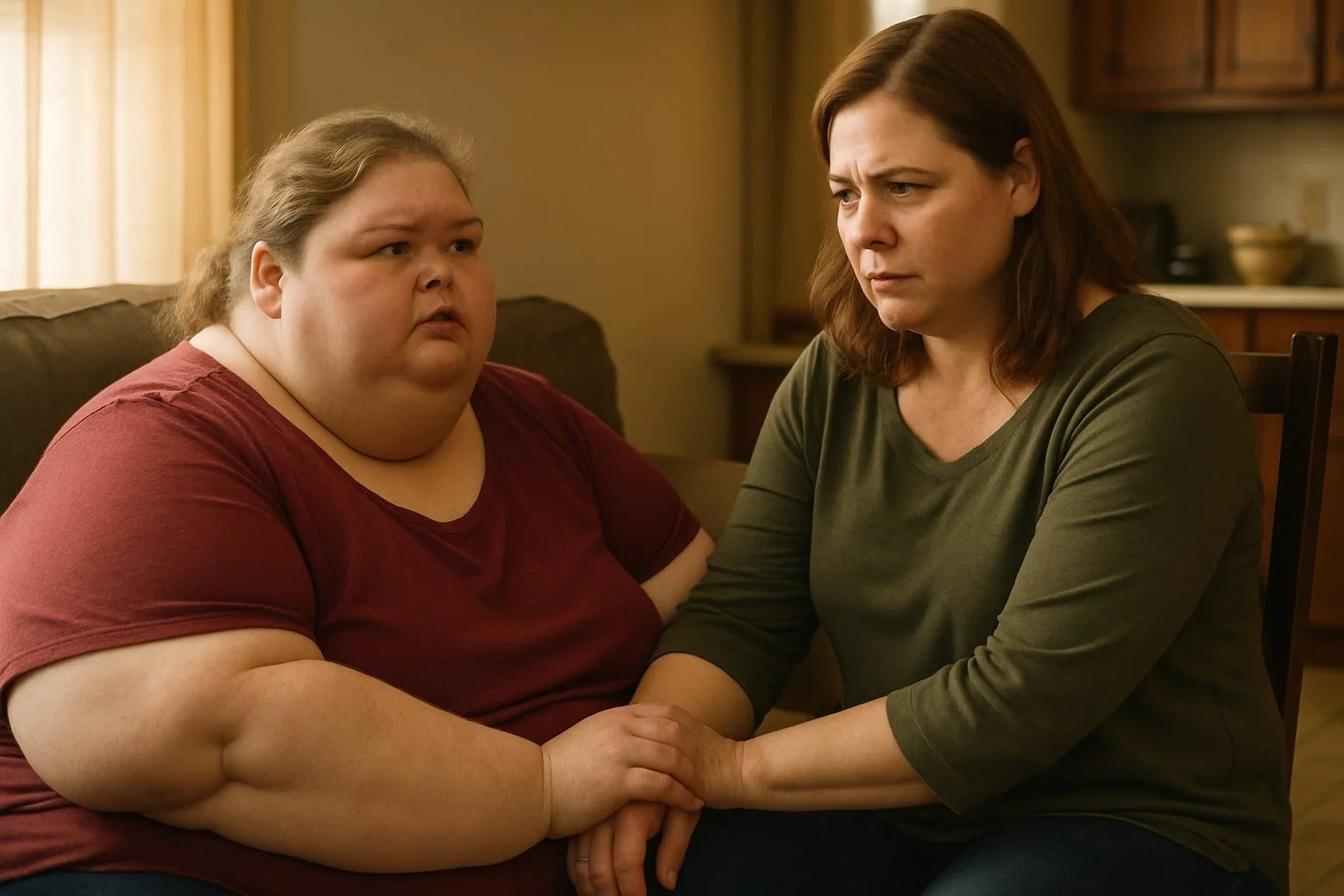
1000-lb Sisters, the TLC reality TV show featuring Amy and Tammy Slaton, brings the complexities of family loyalty into sharp focus. The series dives into the daily lives of the Slaton family as they navigate health issues, relationship challenges, and personal setbacks, revealing just how complicated support can be among relatives facing adversity together.
Viewers see not only the bond between Amy, Tammy, and their siblings, but the frustrations, disagreements, and emotional strain that come with caring for loved ones in difficult situations. The show highlights how loyalty within the Slaton family is often tested, especially when personal goals and family responsibilities conflict.
This unfiltered look into the Slaton family’s interactions invites viewers to consider what it really means to stand by family through tough times, encouraging a deeper empathy for anyone balancing love, loyalty, and personal boundaries.
Overview of the 1000-lb Sisters Reality Series
"1000-lb Sisters" is a TLC reality series that follows the lives of Amy and Tammy Slaton as they navigate the challenges of obesity, health, and family relationships. The show’s setting in rural Kentucky and its focus on complex family dynamics contribute greatly to its appeal and cultural resonance.
Premise and Themes
The reality series centers on Amy and Tammy Slaton, two sisters whose combined weight exceeded 1,000 pounds when the show began in 2020. The main premise follows their attempts to lose weight and qualify for bariatric surgery.
Throughout the series, viewers see the sisters’ personal struggles, health crises, and evolving relationships with each other and their family. The show addresses themes such as loyalty, dependence, and conflict within families dealing with extreme obesity.
Mental health and personal growth are woven into the narrative, highlighting not just the physical aspects of weight loss but the emotional hurdles as well. Episodes often feature candid discussions with healthcare professionals, illustrating the medical and psychological challenges the sisters face daily.
Setting in Rural Kentucky
Filmed in Dixon, Kentucky, "1000-lb Sisters" gives a detailed view of life in rural America. The depiction of rural Kentucky provides insight into community dynamics, limited access to healthcare, and the social environment affecting Amy and Tammy’s journey.
The rural setting is significant, as it emphasizes the logistical challenges in accessing specialized medical care. Scenes often show family gatherings at modest homes and visits to small-town venues, reflecting the real-world context in which the sisters live.
Cultural attitudes toward food, body image, and support systems are shaped by the region's traditions. The show’s cinematography frequently features local landscapes and highlights the role of extended family members who live nearby or participate in daily routines.
Popularity and Cultural Impact
"1000-lb Sisters" quickly gained a dedicated following after its premiere on TLC in 2020. The combination of candid storytelling, relatable struggles, and sibling dynamics drew millions of viewers across the United States and internationally.
The show has sparked conversations on social media regarding obesity, body positivity, and the reality of living with severe weight challenges. Clips from the series, as well as commentary and memes, regularly trend online, helping to cement its status as a pop culture phenomenon.
The visibility given to rural Kentucky and the nuanced approach to complex medical and family issues have influenced public discussions on health and family loyalty. The series is frequently discussed in online forums, blogs, and entertainment news outlets.
Family Loyalty Within the Slaton Family
The Slaton family’s structure reveals how strong bonds can be tested by differences and personal challenges. Their dynamics focus attention on how support, loyalty, and intergenerational ties shape relationships.
Core Bonds and Support System
Family loyalty between Amy and Tammy Slaton has often appeared as a fundamental support. Both sisters have faced unique health challenges and have frequently depended on each other for physical help and emotional encouragement. Their relationship is marked by regular, visible acts of care such as helping with daily tasks and attending medical appointments together.
At times, the sisters’ loyalty to each other is supported by other family members, especially during crises. Shared responsibilities, such as caring for Amy’s children or assisting with Tammy’s needs, highlight a mutual — if sometimes strained — commitment. Despite recurring disagreements, the pattern consistently returns to acts of solidarity.
Outside support from extended relatives, like siblings Chris and Amanda, also influences how the sisters cope. Their efforts to intervene or mediate demonstrate that family loyalty, for the Slatons, includes both direct and indirect contributions.
Family Tree and Relationships
The Slaton family tree is complex, involving multiple half-siblings and diverse parental backgrounds. Amy and Tammy share the Slaton surname but have different fathers from other siblings. This structure adds layers to the family's relationships, sometimes leading to confusion or friction over roles and responsibilities.
A simplified overview of key relationships:
Name Relationship Notes Tammy Sister Shares mother with Amy Amy Sister Shares mother with Tammy Chris Half-brother Different father Amanda Half-sister Different father
The distinctions in parentage can have a direct impact on loyalty and expectations. For example, half-siblings may feel more or less connected based on childhood experiences or shared responsibilities in adulthood.
Challenges to Loyalty
Despite strong connections, the Slaton family experiences internal conflict that tests loyalty. Arguments over health decisions, personal lifestyles, and family roles are frequent. These disputes sometimes become public, amplifying the pressure on individual bonds.
Health setbacks, particularly Tammy’s medical emergencies and Amy’s responsibilities as a mother, place additional demands on family relationships. Each crisis provides a test of who steps up and reinforces family commitments. This dynamic often forces family members to balance honesty with compassion when addressing sensitive issues.
Therapy sessions and interventions sometimes reveal the limits of patience and trust within the family. Rather than unconditional support, loyalty in the Slaton family often includes negotiation, compromise, and difficult conversations.
Generational Influences
Generational perspectives in the Slaton family also shape loyalty. Older siblings and relatives tend to encourage traditional support roles, placing high value on unity and accountability. These expectations can lead younger members to internalize a strong sense of duty to one another, even when personal circumstances make this difficult.
Parental figures and family elders set examples that influence attitudes towards caregiving and mutual aid. Traditions around holidays, caregiving, and collective responses during crises illustrate the pull of generational influence.
There is, at times, tension between these longstanding expectations and the evolving needs of each family member. As the family confronts new challenges, their loyalties adapt but often remain rooted in these generational patterns.
Key Members of the Slaton Family
The Slaton family, as shown on "1000-lb Sisters," demonstrates the challenges and strengths involved in navigating health, relationships, and shifting loyalties. Each member brings a unique perspective and influence to the group dynamic, shaping both the successes and difficulties the family experiences.
Tammy Slaton’s Role
Tammy Slaton is at the center of the family's ongoing health narrative. Her struggle with obesity has deeply affected not only her own life but also the roles and responsibilities of her siblings.
Tammy’s self-reliance is often complicated by her health setbacks, which include repeated hospitalizations and struggles with mobility. This has required significant involvement and support from relatives, particularly during her most challenging periods. The presence of her late husband, Caleb Willingham, added another layer of emotional complexity.
Her interactions with Amy and the rest of the family reveal deep-rooted loyalties, but also tension. Tammy’s sometimes blunt demeanor and stubbornness have been a source of conflict, especially when the family disagrees about her care or life decisions. Despite these challenges, Tammy remains a focal point, catalyzing both unity and friction in the Slaton family.
Amy Slaton’s Journey
Amy Slaton has balanced her own health journey with her roles as a mother, sister, and wife. She was once the caretaker for Tammy, especially before her own weight-loss surgery and the birth of her children with Michael Halterman.
Amy’s transition to motherhood brought new pressures, and marital issues—including a divorce from Michael—created further strain. Despite personal setbacks, Amy has often stepped up to support Tammy, sometimes at the cost of her own well-being.
Amy’s ongoing transformation is marked by balancing her loyalty to Tammy with her need to prioritize her own family and mental health. Her vulnerability and frequent honesty have made her relatable to viewers, emphasizing the difficult choices and sacrifices that accompany family loyalty.
Chris Combs’ Contributions
Chris Combs, a half-brother to Tammy and Amy, emerged as a strong support figure in later seasons. He became involved not only in his sisters’ weight-loss journeys but also began his own transformation.
Chris’s steady approach has often helped to diffuse tense family moments. He has accompanied Tammy to medical appointments and repeatedly advocated for her well-being, acting as both confidant and motivator. His bond with other siblings like Misty and Amanda also adds stability to the family dynamic.
While Chris faces his own health challenges, his involvement is crucial for Tammy and Amy’s continued progress. His willingness to confront difficult truths without aggression sets him apart in the family, and his humor often lightens difficult conversations.
Weight Loss Journeys and Their Impact on Family Dynamics
The weight loss journey of the 1000-lb Sisters, Amy and Tammy Slaton, brings to light shifting family relationships, conflicting personal motivations, and the emotional toll of obesity on loved ones. Their efforts to lose weight, improve mobility, and address health concerns show how goals and challenges often affect more than just the individual.
Joint Weight Loss Goals
Amy and Tammy started their weight-loss journey together, emphasizing shared commitment and mutual support. Joint weight loss goals helped create a sense of teamwork as they navigated mobility issues and changing daily routines.
Family members, such as their brother Chris Combs, also participated, further reinforcing the importance of a collective mindset. This shared focus often meant that meals, exercise routines, and health appointments became group efforts.
Companionship in weight loss increased accountability and provided encouragement during setbacks. However, it also added pressure, as progress was visible and sometimes compared between siblings. Differences in pace and outcomes sometimes led to frustration.
Key examples of joint efforts:
Attending medical consultations together
Coordinating meal plans
Celebrating milestones as a family
These cooperative efforts highlighted both the strength and fragility of their family ties under stress.
Individual Motivations
Unlike shared plans, each family member brought personal motivations to their weight loss. Amy was motivated by her desire to start a family and improve her daily function, while Tammy’s initial motivation centered more around regaining independence in mobility.
Differences in health issues, such as diabetes or lung problems, influenced the urgency and approach each took toward their goals. Personal history and individual struggles with mental health also played significant roles in their commitment and resilience.
Achieving milestones such as qualifying for surgery or overcoming food cravings became highly personal victories. At times, individual motivations caused misunderstandings, as family members failed to fully grasp each other's priorities.
Balancing self-advocacy with a sense of responsibility to one another required ongoing communication.
Obstacles and Setbacks
Obstacles in their weight loss journey included both physical and emotional barriers. Mobility issues limited exercise options and sometimes led to discouragement. Health setbacks, including infections or surgical complications, created moments of crisis.
Mental health also profoundly influenced their progress. Both sisters faced periods of depression and anxiety, exacerbated by slow progress, public scrutiny, and familial stress. At times, frustration spilled over into arguments or passive resistance to healthy habits.
Family dynamics became strained when blame or resentment surfaced, especially if one sibling experienced more success. Setbacks quickly shifted the group’s mood, requiring renewed effort to rebuild trust and support.
These recurring challenges highlighted how deeply intertwined health and family loyalty were throughout their weight loss journeys.
Support, Sacrifice, and Emotional Challenges
Family loyalty in 1000-lb Sisters is expressed through persistent emotional support, active roles in each other's rehabilitation, and personal sacrifices that affect every family member. These elements define how Tammy, Amy, and their relatives confront daily and long-term challenges together.
Emotional Support Systems
Consistent encouragement and emotional presence from family and friends have anchored Tammy and Amy throughout their journeys. Relatives often step in to mediate conflicts, offer reassurance, or rally encouragement during setbacks. This support is not limited to immediate family. Extended relatives and close friends serve as a secondary network, offering practical advice and shoulders to lean on.
Despite frequent family feuds, emotional support remains a crucial foundation. The complexity of these relationships is evident when disagreements arise but are set aside to prioritize well-being. Such dynamics demonstrate the necessity of strong emotional networks in coping with chronic illness and mental health struggles.
A table summarizing the sources of emotional support:
Source Example of Support Siblings Offering comfort after setbacks Parents Providing reassurance, encouragement Extended Family Mediation during arguments Friends Advice and companionship
Rehabilitation and Recovery
Rehabilitation efforts are at the core of the sisters' shared experiences as they pursue weight loss and improved health. These efforts involve strict medical plans, frequent appointments, and lifestyle overhauls, with family participation vital for sustained progress.
Their path is filled with personal challenges, such as managing setbacks or adhering to new routines. Family members help with transportation, cooking healthier meals, and tracking appointments. This support system often functions as both motivator and accountability partner.
Visible progress can be uneven, and setbacks common, making consistent family involvement critical. Rehabilitation extends beyond physical health, encompassing emotional resilience and adaptation to setbacks, especially when frustrations or doubts escalate.
Sacrifices for the Family
Family members frequently compromise their time, finances, and personal plans to support the sisters. Attending appointments, helping with daily care, and mediating ongoing conflicts are common sacrifices observed on the show.
Siblings may delay their own goals, such as career opportunities or social plans, to fulfill caregiving responsibilities. These sacrifices can foster resentment and exhaustion, but are also a testament to the family's loyalty and commitment to one another.
In some instances, family members put their own health or relationships on hold. Their willingness to shift priorities highlights the ongoing tension between individual needs and collective responsibility within the 1000-lb Sisters household.
Marriage, Motherhood, and Family Changes
The Slaton family’s story includes major shifts tied to marriage, motherhood, divorce, and the integration of half-siblings. These experiences have reshaped loyalties and roles within the family, often intensifying emotions and responsibilities.
Marriage and Divorce
Marriage has brought new dynamics to the Slaton sisters’ lives. Amy Slaton married Michael Halterman, which led to a period of hope and increased stability. However, their eventual divorce introduced a wave of challenges, testing family ties during an already stressful time.
Tammy Slaton’s own romantic relationships have also influenced her path. Rumors and occasional appearances of partners like Caleb Willingham contributed to ongoing family discussions about trust and support. Each marriage, and subsequent split, required the family to adapt and reconsider boundaries.
Bringing spouses into the family network often meant balancing outside influence and personal goals. Navigating divorce, especially publicly, added pressure and exposed private disagreements. The Slatons have repeatedly shown that commitments—whether forming or ending—directly affect collective loyalty and support.
Motherhood’s Influence
Motherhood had a significant impact on Amy Slaton and her relationships. The birth of her son Gage with Michael Halterman highlighted a shift in her priorities. New responsibilities influenced her availability and changed how she relied on her siblings for help.
Having a child introduced the need for new routines and support systems. Amy’s journey as a mother also affected her approach to her own health and well-being. She faced difficult choices, balancing care for her child and meeting her own recovery goals.
Motherhood even shaped how roles shifted within the larger family group. For example, Amy’s siblings, including Tammy and Chris, sometimes helped with childcare. These adjustments made the importance of family loyalty more visible, as support was needed to navigate new parenthood.
Blended Families and Half-Siblings
The Slaton family extends beyond full siblings. Relationships with half-siblings like Amanda, Misty, and Chris have played an important role in shaping the group’s interactions and shared responsibilities.
External partners and children, including spouses like David Wentworth and figures such as Brittany, created a blended family structure. Family trees grew more complex as marriages, divorces, and new connections introduced more relatives and step-siblings.
Navigating blended family life brought different loyalties and potential conflicts. Recognizing and respecting each member’s place, regardless of blood relation, has required patience and communication. The need to accommodate each person’s needs highlighted how these changes test and reinforce bonds within the Slaton family.
Medical Interventions and Lifestyle Transformations
Medical interventions such as bariatric surgery and weight loss surgery have played a crucial role in the progress of the Slaton sisters. Sustainable transformation required not only medical procedures but also major adjustments in daily habits and routines.
Bariatric Surgery Journeys
Bariatric surgery became a turning point for both Tammy and Amy Slaton. Their decisions to pursue this type of surgery stemmed from a combination of medical necessity and a desire for improved health outcomes.
Tammy, in particular, faced several medical challenges before being approved for surgery. Multiple healthcare professionals, including Dr. Eric Smith, evaluated her physical and psychological readiness. The approval process required meeting specific weight loss goals and demonstrating commitment to healthier behaviors.
Key Points in the Journey:
Psychological evaluations are essential prerequisites.
Pre-surgical diet and lifestyle changes are mandatory for approval.
The procedure is not guaranteed; strict criteria must be met.
Support from family and professionals greatly influenced their ability to maintain required changes leading up to surgery.
Gastric Bypass and Weight Loss Surgery
Gastric bypass is a specific type of weight loss surgery that alters the digestive system. This procedure can reduce the amount of food a person can eat and how nutrients are absorbed. Tammy underwent gastric bypass after intensive preparation and monitoring.
Benefits and Challenges:
Rapid weight loss can occur, often reducing health risks linked to severe obesity.
Follow-up care is essential, involving routine check-ins with surgeons and dietitians.
Risks include surgical complications, nutritional deficiencies, and the need for strict adherence to new eating patterns.
On the show, the sisters’ surgical teams provided ongoing guidance, making sure post-surgical care was prioritized. The emphasis on aftercare highlights the complexity and responsibility needed for long-term results.
Long-Term Lifestyle Changes
Surgical interventions alone are not enough for sustained success. Both sisters needed to adjust their eating habits, adopt regular physical activity, and continue with medical follow-up.
Lifestyle transformations included preparing meals at home, tracking food intake, and addressing emotional eating. The sisters attended nutritional counseling and participated in therapy to help manage stressors that could trigger setbacks.
Practical long-term strategies included:
Setting small, measurable goals.
Building support networks with family and peers.
Emphasizing routine medical checkups and mental health support.
Consistent effort and behavioral changes are required to prevent weight regain and encourage ongoing health improvements. The Slaton sisters’ stories demonstrate that sustainable results depend on more than surgery alone.
Community, Media, and Social Influence
Family struggles on “1000-lb Sisters” do not happen in isolation. Media coverage and online communities shape both how the family interacts and how viewers interpret family loyalty and support.
Role of Social Media
Platforms such as TikTok, Facebook, and Instagram are central to the Slaton sisters’ story beyond television. Fans use these channels to discuss episodes, share opinions, and sometimes interact directly with family members. This creates a cycle where the sisters’ lives are not just observed but actively discussed and sometimes criticized in real-time.
Tammy and Amy have personal social media accounts, which provide more candid glimpses into their daily lives. These posts often receive thousands of comments, ranging from encouragement and advice to negative remarks. Social media gives supporters a place to celebrate milestones and extend encouragement, but it also magnifies disputes or mistakes.
Key impacts of social media participation:
Amplifies emotional reactions from the public
Allows for real-time feedback and support
Increases public scrutiny of family choices
With hashtags related to the show trending on TikTok after new episodes, the line between private and public continues to blur. Family loyalty is tested not just within the home, but in front of millions online.
Public Perception and Stigma
The portrayal of the Slaton family by reality TV and news outlets shapes how the public views individuals struggling with obesity. “1000-lb Sisters” brings attention to complex family dynamics but sometimes fuels harsh judgments and stigmatizing language.
Comments and memes on social media can lean toward mockery or blame, especially when discussing setbacks. While some viewers express empathy, others reinforce stereotypes about weight and willpower.
The sisters’ visibility has led to both stigma and solidarity. Discussions frequently touch on themes of responsibility, familial obligation, and the nature of support. Public perception fluctuates after each significant event—such as Tammy’s health scares or Amy’s weight loss progress.
Media coverage influences family loyalty, as relatives may feel pressure to show unity or, at times, defend themselves against outside criticism. The reality show’s reach extends beyond the TV screen, shaping narratives that can affect the well-being of the Slaton family both online and offline.
