
How 1000-lb Sisters Shows the Power of Tough Love in Achieving Life-Changing Results
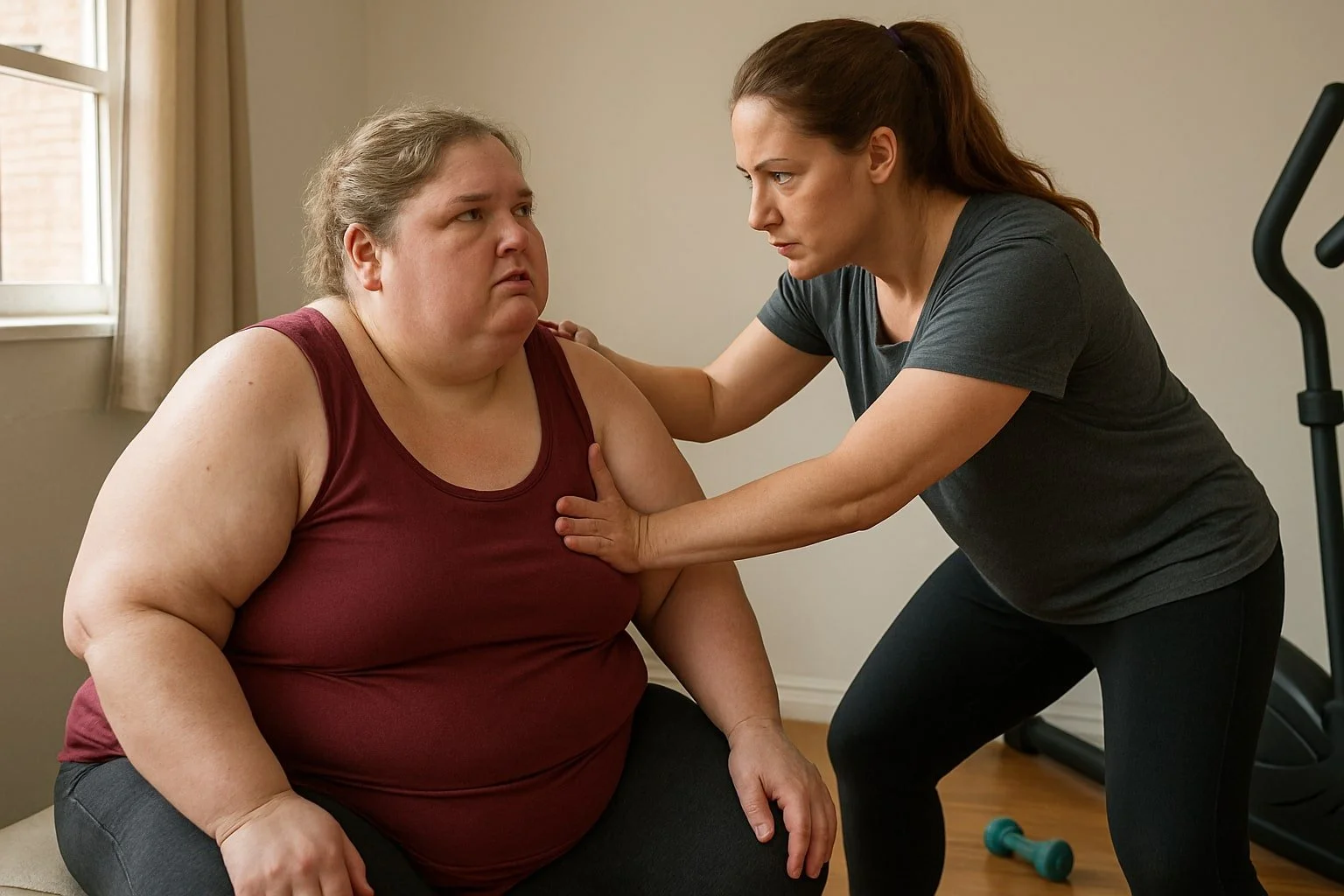
The TLC series 1000-lb Sisters follows Amy and Tammy Slaton as they confront the realities of extreme obesity and its impact on their lives. As the sisters work toward better health, their journey illustrates the challenges, setbacks, and small victories that come with life-changing goals.
The show demonstrates how tough love—an honest, sometimes difficult form of support—can help people face uncomfortable truths and motivate real change. Family members, healthcare professionals, and even each other all push the sisters to keep going, highlighting the importance of accountability and encouragement in difficult circumstances.
By focusing on the Slaton sisters’ struggles and the tough conversations that come with them, 1000-lb Sisters gives viewers an unfiltered look at how boundaries, honesty, and direct support can be powerful tools for growth. This approach not only challenges participants but also inspires audiences who are navigating their own journeys toward better health.
Overview of 1000-lb Sisters
1000-lb Sisters is a TLC reality series centered on the personal and health journeys of Tammy and Amy Slaton from Kentucky. The show draws attention to the sisters’ struggles with severe obesity, their family dynamics, and the realities of pursuing weight loss under challenging conditions.
Premise and Format
1000-lb Sisters follows the day-to-day lives of Tammy and Amy Slaton as they attempt to address their weight, face medical complications, and pursue bariatric surgery. Each episode documents milestones, setbacks, and the interventions of health professionals.
The show’s structure blends real-life challenges with moments of humor and heartbreak. Storylines often focus on doctor visits, family interactions, and pivotal decisions around nutrition and physical activity. Viewers see how the sisters’ weight shapes their mobility, relationships, and independence.
TLC uses a serialized format, allowing the sisters’ long-term progress to unfold across multiple seasons. The editing spotlights both raw emotions and important medical updates, making the show accessible and engaging for a broad audience.
Meet Tammy and Amy Slaton
Tammy and Amy Slaton, born and raised in Dixon, Kentucky, are at the heart of the series. Tammy began the show at over 600 pounds, facing serious health risks like limited mobility and respiratory issues. Amy weighed over 400 pounds and was determined to change her life, especially after getting married and hoping to become a mother.
The sisters have different personalities and coping mechanisms. Tammy is often portrayed as more resistant to change, while Amy is typically more optimistic and proactive about weight loss. Despite their differences, both women share a strong bond and frequently offer each other support, even when opinions clash.
Their interactions showcase honest and, at times, confrontational conversations. The show highlights how their relationship evolves as they face medical emergencies, undergo surgeries, and set personal goals.
The Role of TLC
TLC plays a significant role in shaping 1000-lb Sisters. Known for its focus on real-life family stories, the network provides the resources and platform to bring the Slaton sisters’ journey to a large audience.
TLC works closely with the Slaton family and healthcare professionals to ensure medical accuracy and responsible storytelling. The network’s production team crafts a narrative that offers viewers insight into obesity, weight loss, and the emotional aspects involved.
By airing the series, TLC increases public awareness of complex health issues and the daily realities of extreme weight. The network also offers online content such as interviews, episode clips, and behind-the-scenes footage to extend viewer engagement between broadcast seasons.
Defining Tough Love on 1000-lb Sisters
Tough love is a recurring approach on 1000-lb Sisters, shaping how family and friends challenge Amy and Tammy Slaton to change unhealthy habits. The show displays how support often means interventions, honest feedback, and setting boundaries to encourage real progress.
What Tough Love Means in the Series
On 1000-lb Sisters, tough love is the act of supporting someone through direct and sometimes uncomfortable honesty. Unlike passive encouragement, this approach does not ignore harmful behaviors or make excuses for setbacks.
Family and friends, such as Amanda Halterman, often express tough love by confronting the sisters about unhealthy choices. Instead of constant reassurance, they highlight the real consequences of certain actions. This approach aims to help Amy and Tammy recognize when they are enabling each other or when their decisions threaten long-term health.
Tough love is also seen when loved ones set limits. For example, refusing to bring fast food or confronting denial about medical advice. Their methods aren’t meant to hurt but rather to instill accountability and promote lasting change.
Notable Examples of Tough Love Moments
Tammy’s journey to rehab featured direct conversations from her sisters and relatives, who firmly encouraged her to get professional help. They refused to accept excuses, underscoring the importance of seeking effective treatment for her health.
Amanda Halterman’s approach especially stands out. After her own difficult divorce and weight loss challenges, Amanda confronts issues directly—pushing Tammy to face her struggles rather than offering easy comfort. This active stance helps sustain motivation and focus.
Other significant moments include family members drawing lines when they feel enabling behavior is present. Whether by declining to support risky lifestyle choices or insisting on adherence to doctors’ guidelines, these actions consistently reinforce the need for change and self-care.
Family Member Example of Tough Love Amanda Halterman Honest talks about weight and life choices Amy Slaton Calling out enabling behaviors Extended Relatives Refusing to bring unhealthy food to visits
The Impact of Tough Love on Weight Loss Journeys
Tough love can create positive change for individuals facing extreme weight challenges. Through a blend of honesty, consistent support, and boundaries, it often helps drive real progress, especially for those struggling with deeply rooted habits.
Breaking Harmful Habits
Weight loss journeys like those on “1000-lb Sisters” reveal how tough love confronts long-held, damaging routines. Family members and friends address unhealthy behaviors directly, such as overeating, avoiding exercise, or ignoring doctor’s advice.
By setting firm but caring limits, loved ones encourage accountability. For instance, when Amy or Tammy Slaton reverted to old habits, direct intervention—like removing unhealthy food from the home—was sometimes necessary. This approach often challenges denial and highlights the real consequences of choices, making harmful patterns unmistakable.
Tough love is not harshness for its own sake. Instead, it is structured support that respects the individual's strength to change. When destructive habits are addressed head-on, people are more likely to recognize the gravity of their situation and start making small, sustainable improvements.
Motivation and Accountability
Long-term weight loss depends on staying motivated and holding oneself accountable. On “1000-lb Sisters,” tough love is shown when family members or professionals set clear expectations and check on progress regularly. This removes ambiguity about what needs to change.
Motivation springs from knowing others believe that change is possible—and are willing to push for it. A combination of praise for small wins and constructive criticism for setbacks helps drive commitment. For example, if Tammy skips a scheduled workout, a firm reminder from a sibling can prompt her to refocus.
A key aspect is using tangible goals and regular check-ins. This could be as simple as shared meal planning or scheduled weigh-ins. Support systems built around tough love provide encouragement, but also make sure excuses do not get in the way of results.
Overcoming Setbacks
Setbacks are part of any weight loss journey. Tough love emphasizes not just encouragement, but also resilience after disappointment. When progress stalls or old habits re-emerge, family and professionals offer a balanced response—acknowledging the setback while insisting on renewed effort.
Emotional support is paired with clear expectations for moving forward. Instead of enabling defeat, loved ones help the person accept responsibility and identify what caused the problem. This process may include revisiting goals, adjusting routines, or seeking additional help when needed.
Practical strategies often include revising meal plans, increasing physical activity, or addressing emotional triggers. Tough love in these moments means showing belief in the person’s ability to recover, while not allowing setbacks to derail the pursuit of lasting change.
Family Dynamics and Support Systems
The Slaton family's journey on 1000-lb Sisters demonstrates how direct honesty, personal accountability, and emotional encouragement are all necessary for real progress. Their support structures, both at home and online, shape their ability to persevere in the face of setbacks.
Amy and Michael Halterman’s Approach
Amy Slaton and Michael Halterman model a support system built on consistency and practicality. Michael often assists Amy with daily activities and supports her weight loss goals, showing patience even amid setbacks. Their approach relies on clear communication and a shared commitment to health improvements for both themselves and their young son, Gage.
Table: Elements of Amy & Michael’s Support
Element Example Practical Help Michael helps with meals and mobility Emotional Support Encouragement during doctor visits Accountability Joint planning for meals and activity
Michael’s quiet encouragement and willingness to take on more responsibility at home lighten Amy’s stress. They focus on small, manageable changes that accumulate over time rather than quick fixes.
Sibling Relationships
Amy and Tammy Slaton’s relationship is marked by frequent disagreements, moments of affection, and persistent honesty. Amy often has to deliver hard truths to her sister, pushing Tammy to confront unhealthy habits. While these confrontations are sometimes tense, they reflect genuine concern and have led to important turning points in Tammy’s journey.
Other siblings, like Chris Combs, also play roles in motivating and challenging Tammy. The family’s mix of tough love and unconditional support becomes clear in group interventions and joint health appointments.
Even when arguments arise, there is a baseline of loyalty that prevents rifts from becoming permanent. Small acts of kindness and joint goals, such as weight loss surgery, illustrate that their support is both emotional and practical.
Community and Online Support
Outside the immediate family, Amy and Tammy receive significant encouragement and critique from the public. Social media platforms like Instagram and YouTube allow the sisters to share updates, track milestones, and interact directly with fans. Comments and messages often provide both praise and constructive criticism.
The online community serves as a broader accountability network. Fans celebrate weight loss achievements, question unhealthy choices, and offer advice, sometimes echoing the tough love approaches seen within the family.
This digital support loop reinforces the idea that progress and setbacks are visible, which motivates the sisters to remain committed. Their willingness to share vulnerable moments online has helped foster a sense of solidarity among fans experiencing similar obstacles.
Diet, Nutrition, and Exercise Plans
The 1000-lb Sisters’ journey highlights how disciplined routines and dietary strategies can support significant weight loss. Consistent changes to food choices, exercise, and daily habits were central to their progress.
Implementing Sustainable Routines
Both Amy and Tammy Slaton had to follow structured schedules that included meal planning, physical activity, and regular check-ins with healthcare professionals. Setting realistic goals helped them track progress and maintain motivation. Foregoing fad diets, the sisters focused on behavior modification, often relying on family support or professional guidance.
Exercise routines started with low-impact activities due to limited mobility. These included:
Short walks
Chair exercises
Water aerobics
Gradually, duration and intensity were increased as fitness improved. Over time, regular movement helped burn calories and reduce belly fat.
Accountability played an important role. Weekly weigh-ins and progress journals created a sense of responsibility and allowed small achievements to be recognized. Staying consistent with routines was vital to avoid setbacks.
Role of Nutrition in Transformation
Nutrition became the cornerstone of their weight loss. Amy Slaton reported focusing on high protein, low carbohydrate meals. This approach promoted satiety and assisted in preserving muscle mass during fat loss. Meals emphasized:
Lean proteins (chicken, fish, eggs)
Non-starchy vegetables
Limited processed foods and sugars
The sisters avoided most supplements, preferring to get nutrients from whole foods unless advised by their physician. Portion control was a major adjustment. Eating smaller, more frequent meals reduced overeating and regulated blood sugar.
Professional dietary support or guidance from nutritionists helped identify food swaps and healthier options. Careful tracking of daily intake prevented calorie surplus and contributed to steady progress.
Weight Loss Surgery and Medical Interventions
Weight loss surgery has played a central role in the transformation of the Slaton sisters and their family members on 1000-lb Sisters. The journey involves strict medical criteria, preparation, and ongoing challenges after surgery.
Eligibility and Pre-Operative Requirements
To qualify for bariatric surgery, each sibling had to meet specific medical guidelines. These included having a body mass index (BMI) above a certain threshold and demonstrating obesity-related health risks. Doctors also required a history of failed non-surgical weight loss attempts.
Candidates needed to prove commitment through lifestyle changes, such as following a strict diet and participating in physical activity. Medical teams examined their mental and physical health, looking for factors that might complicate surgery or recovery. Psychological evaluations were often necessary to assess readiness and motivation.
Before surgery, the sisters attended multiple appointments with surgeons, dietitians, and therapists. They had to document steady weight loss, sometimes needing to reach a set goal before being approved. Support from family and professionals was emphasized to improve the chances of long-term success.
Post-Surgery Challenges and Progress
After surgery, the Slaton sisters faced both physical and emotional obstacles. Rapid weight loss led to excess skin, which sometimes required additional operations like skin removal surgery. Tammy Slaton, for example, lost over 500 pounds and underwent procedures to address the leftover skin.
Adjusting to dietary limitations was difficult. Smaller portions and nutrition tracking became part of daily life to prevent complications like nutrient deficiencies. They experienced periods of frustration, setbacks, and, in some cases, hospitalization due to complications.
Progress depended on consistent medical follow-up and support from family. Recovery required continued therapy, physical activity, and adherence to new routines. The series highlighted their realistic struggles and achievements, showcasing the full scope of medical intervention in severe obesity cases.
Media Influence and Online Engagement
1000-lb Sisters has created a significant presence beyond television, shaping perceptions through social media, educational discussions, and its availability on streaming services. Its reach extends into different audiences through platforms like Instagram, YouTube, and Amazon Prime, influencing conversations around health and family dynamics.
Role of Social Media Platforms
Social media has played a crucial role in the popularity and sustained relevance of 1000-lb Sisters. Instagram and YouTube enable cast members, especially Tammy and Amy Slaton, to interact directly with fans. Their posts provide updates, share personal milestones, and clarify misconceptions, which builds a sense of community among viewers.
These platforms also serve as a forum for discussions about weight loss, self-acceptance, and challenges depicted on the show. Comments and reactions generate ongoing engagement, helping to turn individual stories into larger public conversations. Social media reactions can influence production directions and highlight what viewers value most.
Another aspect is instant feedback—producers and cast can quickly gauge audience sentiment. This immediate exchange often spills over into other platforms, keeping the show present in audiences’ minds even between episodes.
Educational Impact and Industry Reach
The show has contributed to education on obesity, family interventions, and healthy living. Health professionals and educators sometimes reference 1000-lb Sisters in discussions about the psychological and practical challenges faced by people with obesity. Medical experts may use specific moments or storylines to explain concepts related to bariatric surgery, nutrition, and support systems.
Within the television and health industries, the show's format is cited as a model for blending entertainment with real-life health discussions. Other networks and content creators have mirrored this approach, aiming to foster conversation while retaining audience engagement. The show’s impact extends to conferences, webinars, and even classroom settings where episodes or clips are analyzed for their educational value.
This bridging of media and learning highlights how reality TV can influence more than just entertainment, moving into areas of professional training and public health outreach.
Streaming on Amazon Prime
Streaming on Amazon Prime has expanded the show’s viewership well beyond cable audiences. Availability on-demand allows new viewers to discover and binge-watch episodes, contributing to the show's popularity in international markets.
It also creates convenience for existing fans who may have missed broadcasts on TLC. Reviews and ratings on Amazon Prime provide data about audience preferences, helping distributors and producers gauge demand. This data can affect scheduling, renewals, and marketing efforts.
Amazon Prime’s user interface makes it easy to access related content, encouraging viewers to engage further with similar health-oriented programming. Such syndication across major streaming platforms helps 1000-lb Sisters maintain its visibility and attract diverse viewers.
Personal Growth, Faith, and Resilience
Amy and Tammy Slaton’s journey charts not only weight loss but also their evolution in self-belief, spirituality, and perseverance. Facing overwhelming personal and health challenges, the sisters use a mixture of inner strength, faith, and tough love from family to confront setbacks and celebrate milestones.
Building Confidence and Self-Esteem
Throughout “1000-lb Sisters,” Amy and Tammy display moments of progress that influence how they view themselves and their capabilities. Achievements such as surgical approval or reaching mobility goals often lead to small but significant boosts in confidence.
Daily tasks, like walking or preparing meals independently, become markers of self-sufficiency. As confidence grows, both sisters set new goals, motivated by encouragement from medical professionals and their close-knit support system.
Positive feedback and visible changes, such as fitting into different clothing or being able to leave the house unaided, serve as clear reminders of progress. These earned victories help to counteract years of self-doubt.
Faith and Prayer in the Healing Process
Faith and spirituality play an important role in Amy and Tammy’s outlook. Prayer is sometimes used as a form of comfort during medical procedures or tough decisions. For the sisters, moments of prayer—shared with family or experienced privately—underscore the importance of hope and trust during times of uncertainty.
Faith is not just personal; it often brings family members together. The show sometimes highlights joint prayer before hospital visits or during emotional events, illustrating the value of communal support. This aspect of their journey provides an anchor, helping the sisters find calm in an otherwise stressful situation.
Spirituality also encourages resilience. Turning to faith traditions, such as reading scripture or talking to a spiritual mentor, enables both sisters to manage setbacks with perspective and maintain motivation between milestones.
Inspiring Stories of Transformation
The Slaton sisters’ efforts have led to significant physical and emotional changes. After years of relying on others, both have achieved increased independence, marking a turning point in their daily lives.
Amy’s pursuit of motherhood and Tammy’s determination to enter rehab for health concerns are examples of how their transformation goes beyond numbers on a scale. These personal milestones inspire viewers who face their own obstacles.
Elements of their story—including overcoming addiction, rebuilding relationships, and acting as pioneers for others in similar circumstances—highlight the show’s focus on resilience. Through public vulnerability, the sisters motivate many who struggle with obesity, chronic illness, or low self-worth.
