
What Dr. Procter’s Absence Meant for 1000-lb Sisters and the Show’s Future
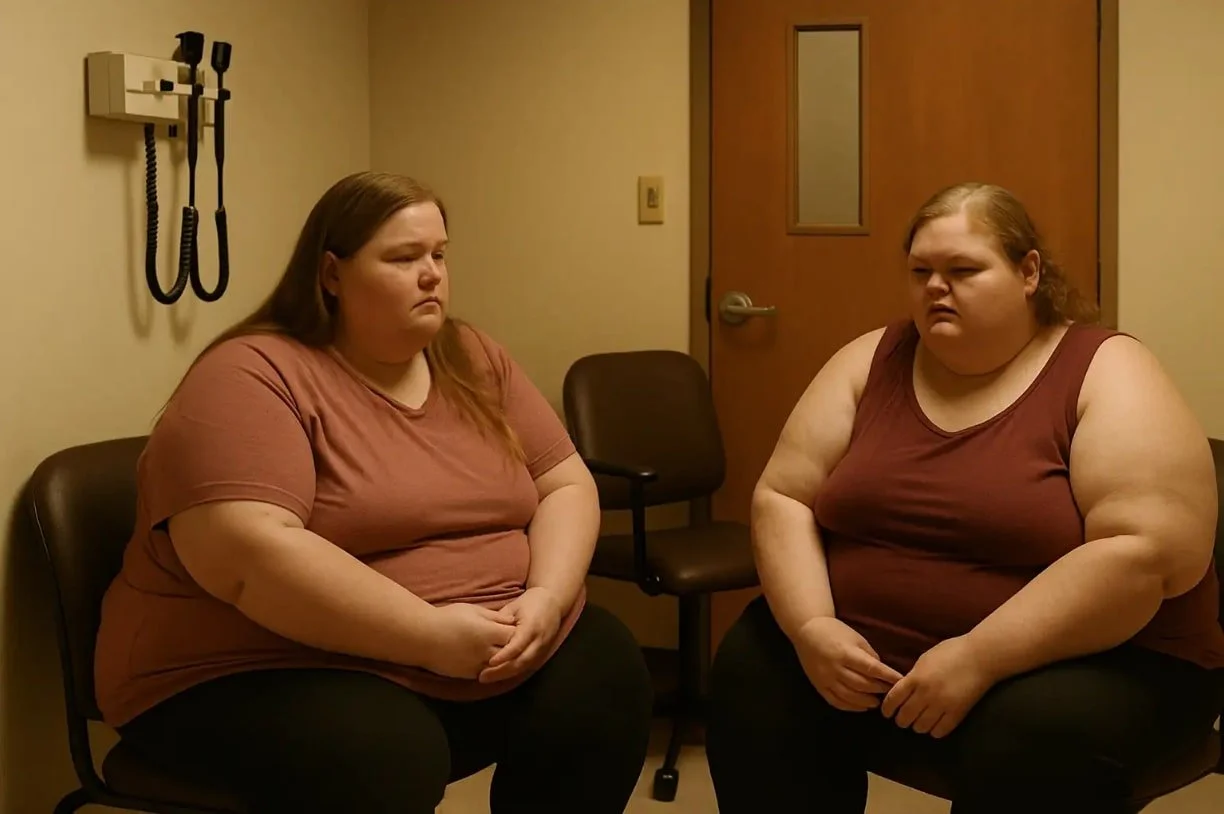
Dr. Procter’s absence on 1000-lb Sisters created a significant shift in the dynamic of the TLC reality series, especially for Tammy and Amy Slaton. As a key medical figure who guided the Slaton sisters through their weight loss challenges, his straightforward approach and medical expertise were often pivotal during the show’s most difficult moments.
Without Dr. Procter’s guidance, the Slaton sisters faced new hurdles in staying accountable and managing their health journeys. Fans noticed the impact of losing a doctor who didn’t hesitate to address tough issues, which left viewers questioning how the sisters would find the structure and support needed for long-term progress.
Viewers who followed the series could see how much Dr. Procter influenced not only the sisters, but the overall direction of the show. His absence highlighted the crucial role a medical professional plays in reality TV formats focused on extreme weight loss, leaving fans eager to see how the sisters and the series would adapt.
Overview of Dr. Procter’s Role in 1000-lb Sisters
Dr. Charles Procter Jr. is a bariatric surgeon who played an integral part in the weight-loss journeys of Amy and Tammy Slaton. His presence on the show combined medical intervention with personal support during critical phases of their transformation.
Guidance and Medical Expertise
Dr. Procter brought over a decade of experience in bariatric surgery to "1000-lb Sisters." His main responsibility was to evaluate each sister’s eligibility for weight loss surgery, requiring careful analysis of their health status and behavioral readiness.
He was often seen guiding Amy and Tammy through the health risks associated with severe obesity, explaining procedures, and discussing realistic weight loss goals. His clear communication helped the sisters understand not just the physical requirements but also the lifestyle changes necessary for long-term success.
Procter also collaborated closely with nutritionists, therapists, and other medical professionals. This coordinated care addressed issues like diet, mental health, and exercise. His detailed medical oversight aimed to reduce surgical risks and maximize the chances of positive outcomes after bariatric procedures.
Support During Key Milestones
Dr. Procter provided direct support during several pivotal moments for both Amy and Tammy. For instance, he marked significant milestones such as qualifying for bariatric surgery and achieving early weight loss targets.
He was present before and after major surgeries, monitoring recovery and offering encouragement. During setbacks—like weight gain or plateauing—his approach remained supportive but firm, balancing empathy with accountability.
His involvement made the process more structured for the sisters. He offered reassurance during emotionally challenging periods and reinforced the importance of consistency in health habits. The combination of personal encouragement and professional oversight established a safer, more reliable weight-loss journey for each patient.
Immediate Impact of Dr. Procter’s Absence on the Slaton Sisters
Dr. Procter’s departure from the show led to shifts in the sisters’ motivation, emotional well-being, and the practical structure of their weight-loss journey. Without consistent guidance from a familiar medical professional, Tammy and Amy faced heightened uncertainty and disruptions in their routine care.
Tammy and Amy’s Emotional Responses
Tammy Slaton reacted strongly to Dr. Procter’s absence. She had built a sense of trust and familiarity with him, so his leaving led to increased anxiety and feelings of abandonment.
Amy Slaton also felt the impact, as she often relied on Dr. Procter for reassurance and support during difficult times. The sudden change in their support system triggered emotional challenges, including moments of depression and stress.
This emotional strain was evident in the sisters’ interactions on the show, with both expressing uncertainty about their future progress. Increased stress sometimes led to setbacks, including instances where emotional eating resurfaced.
Changes in Medical Care and Supervision
Without Dr. Procter’s regular supervision, the continuity and quality of medical guidance changed. Both sisters had to adjust to working with different doctors who did not have the same history with their cases.
Tammy, who struggled with health crises such as rehab stays and even a medically-induced coma, encountered gaps in accountability. The new medical professionals needed time to understand her complex needs, delaying critical interventions.
Amy faced a less personalized monitoring approach. Hospitalization and regular checkups became less predictable, and adjustments to their care plans happened more slowly than before.
Challenges With Weight Loss Progress
The absence of Dr. Procter made it harder for Tammy and Amy to maintain steady progress in their weight-loss journey. Regular feedback and structured plans had previously kept them focused, but without his oversight, inconsistencies emerged.
Tammy, in particular, struggled to stay motivated. Several relapses with food addiction and trouble adhering to diet regimens were widely reported. She sometimes missed key appointments or resisted recommendations from new doctors.
Amy also found it challenging to track her progress. Her weight loss slowed, and she experienced setbacks linked to the transition in medical care. The sisters’ journey became less predictable, highlighting how consistent, trusted medical guidance was essential to their success.
Implications for Family Dynamics and Relationships

Dr. Procter's absence shifted how the Slaton sisters navigated their support systems and affected the stability of relationships within their households. Family members faced new challenges in maintaining healthy interactions and balancing the pressures of personal and shared responsibilities.
Shifts in Family Roles and Support
Without Dr. Procter’s consistent oversight, Amy and Tammy Slaton had to rely more on each other and their extended family, such as Chris, Misty, and Amanda Halterman, for guidance and motivation.
This increased reliance sometimes led to tension when expectations and support needs were not clearly communicated. For example, Amanda stepped up in season 3 to help mediate conflicts and offer practical assistance during difficult times, especially when setbacks or disagreements arose over weight loss or household responsibilities.
The division of roles within the family began to blur, making it more complicated for each person to focus on their own health journey or personal relationships. Emotional support from outside professionals being less available made issues like communication breakdowns or unaddressed frustrations more likely. This sometimes contributed to stress in situations where family support was stretched thin, especially during periods of relapse or regression in progress.
Effects on Marriages and Partnerships
Marriages and partnerships also experienced increased strain during Dr. Procter’s absence. Amy’s relationship with Michael Halterman, for instance, faced challenges related to balancing new motherhood with her weight loss goals after the birth of Gage Deon Halterman.
Decisions about parenting, household duties, and personal health became more difficult without professional input. As Amy and Michael navigated postpartum changes, the lack of structured support raised stress levels and sometimes led to disagreements over priorities.
For Tammy, the absence of regular medical oversight sometimes made it harder to maintain her boundaries and expectations in dating and engagement scenarios. The uncertainty around her progress could influence her self-esteem and approach to relationships.
When conflicts or misunderstandings arose, families without Dr. Procter’s mediation tools had to cope on their own, occasionally leading to unresolved issues or even conversations about engagement and divorce. This dynamic highlighted how important external guidance was in keeping relationships stable amidst significant life changes.
Health Setbacks and Medical Concerns Followed
Without Dr. Procter’s regular oversight, the sisters faced new challenges in managing their physical and mental health. Medical issues and emotional stress became more pronounced as lapses in care led to noticeable setbacks.
Risks Associated With Lack of Supervision
The absence of consistent medical guidance left the sisters vulnerable to worsening health conditions. Chronic issues such as diabetes and high blood pressure require close monitoring to avoid complications. Without Dr. Procter’s intervention, risks of infections and mobility problems also increased.
Tammy, for instance, has a history of blood clots in her lungs, making medical supervision critical. Missed appointments and lack of check-ins made it easier for unhealthy habits to return. The threat of severe illnesses like COVID-19 also demanded strict attention, which was harder to maintain alone.
Table: Common Risks
Condition Possible Consequence Without Supervision Diabetes Blood sugar spikes, organ damage High Blood Pressure Stroke, heart attack COVID-19 Severe illness, hospitalization
Mental Health Struggles
Emotional well-being suffered as the sisters dealt with setbacks alone. Depression and low motivation became more difficult to manage without Dr. Procter’s encouragement and accountability. Emotional eating often resurfaced as a coping mechanism.
The stress from isolation and worries about health amplified negative feelings. Regular support is essential for managing the emotional toll of weight loss. Without it, the sisters sometimes found it hard to stay focused on their goals.
Persistent feelings of frustration, shame, and discouragement built up over time. The lack of professional guidance increased the risk of relapse into unhealthy behaviors, which affected both mental and physical health.
Food Addiction and Rehab Challenges Without Dr. Procter

When Dr. Procter stepped away from regularly appearing on "1000-lb Sisters," the show's cast faced distinct challenges in both medical support and emotional resilience. The absence of his expertise was particularly felt as participants struggled to navigate food addiction and the realities of rehab without his direct guidance.
Struggles With Food Addiction
Food addiction presents unique barriers for individuals seeking to lose weight. Without Dr. Procter’s active involvement, cast members like Tammy Slaton had to rely more heavily on other medical staff and their own coping mechanisms.
Episodes highlighted recurring relapses and setbacks with nutrition and portion control. Several attempts at rehab demonstrated that sustained progress is difficult when specialized bariatric support is intermittent or missing.
Key issues included:
Increased difficulty adhering to meal plans
Limited access to personalized medical advice
More frequent emotional distress following relapses
Dr. Procter’s absence removed a stabilizing influence, and progress often stalled as participants lacked the encouragement and clarity his check-ins provided.
Community and Support Systems
Community support became critical after Dr. Procter left. The cast turned to family, friends, and group counseling to fill gaps in their recovery process.
Tammy’s stints in rehab, especially after setbacks, underscored how essential a strong support network is for people coping with food addiction. There was a notable increase in reliance on peer encouragement and digital communities.
While medical professionals continued to play a role at rehab centers, they often could not duplicate the rapport and understanding Dr. Procter developed with participants. Peer connections, emotional support, and accountability from the community became a primary source of motivation during periods of struggle and recovery.
Personal Development and Growth in Dr. Procter’s Absence
Without Dr. Procter’s consistent guidance, the Kentucky sisters had to rely more heavily on their own strengths and coping skills. Their journey showed how personal development and motivation shifted as they adapted to new challenges.
Lessons Learned by the Sisters
Amy and Tammy Slaton faced difficult moments after Dr. Procter was no longer directly involved in their progress. They could not depend on regular check-ins or professional advice from their trusted surgeon. This absence forced them to confront setbacks and plateaus on their own, pushing their sense of responsibility.
The sisters learned to communicate more with each other about their challenges and possible solutions. They sought advice from family, friends, and occasionally other health professionals, which broadened their support network and helped them make informed decisions when setbacks occurred.
Adapting to this new situation also highlighted the importance of accountability. The sisters sometimes struggled to keep their goals without Dr. Procter’s steady encouragement. However, this experience showed them the need for clear routines and honest self-reflection, helping them become more self-reliant.
Motivation and Coping Mechanisms
Tammy and Amy often had to turn inward to find motivation. When Dr. Procter was present, his medical expertise and caring disposition acted as external motivation. In his absence, they cultivated new strategies to stay driven—such as tracking their personal milestones, setting realistic daily goals, and relying on positive encouragement from each other.
The sisters developed several coping mechanisms for dealing with stress and temptation, including journaling, preparing healthy meals together, and finding creative outlets outside of eating. Family support played a larger role, with relatives offering reminders and encouragement to maintain progress.
These changes revealed their ability to adapt and remain strong, even in challenging situations. The sisters’ growth was evident in moments where they chose healthier habits or reached out for support instead of giving in to old patterns.
Public Perception and Community Response
Conversations among viewers and fans of the TLC reality series often centered on how Dr. Procter's absence influenced the narrative and the dynamic between the sisters. The reaction spanned online forums, social media platforms, and recap articles, reflecting a range of opinions about the shifts in medical guidance and support.
Audience Reactions and Expectations
Many devoted viewers voiced concern about the lack of continuity in care for Tammy and Amy. Dr. Procter had previously established trust and a clear, straightforward approach, which resonated with the community, especially in cities like Cincinnati and Chicago where audience engagement with the show runs high.
Social media sites such as Reddit and Twitter featured threads criticizing the transition between doctors. Viewers debated whether Dr. Smith could meet expectations set by Dr. Procter or if the sisters would struggle with new guidance.
Fans also discussed the implications of Dr. Procter's absence for the show's storytelling. Lists of favorite episodes frequently mentioned his impactful scenes, showing that he played a significant role not just as a medical professional but as a key storyteller within the show.
Media Coverage and Speculation
Media reactions included both objective recaps and speculative articles examining why Dr. Procter stepped back. Outlets often highlighted shifts in the sisters' progress and framed Procter's absence as a pivotal point in the series.
Journalists and bloggers made note of changing medical advice offered to Tammy and Amy, sometimes compiling comparisons between Dr. Procter’s style and that of his successor. This led to public debates on health forums and entertainment news websites, where tables comparing episode structures and outcomes under each doctor were shared.
Some articles suggested the absence opened opportunities for different story arcs within the TLC reality series. The community response remained active, contributing quotes and feedback directly to reporters, which further fueled discussion and maintained high engagement around the show’s developments.
Looking Ahead for the Slaton Sisters and 1000-lb Sisters

The future of Amy and Tammy Slaton on 1000-lb Sisters depends on the progress they make in their health journeys and the support systems they have around them. As they continue to share their experiences on television, changes in their care will likely play a significant role.
Future Health Goals and Aspirations
Tammy Slaton has made substantial progress, having lost over 500 pounds and undergone multiple surgeries. She is now focused on maintaining her weight loss and avoiding hospitalizations, which have occurred in the past due to significant health concerns.
Amy Slaton remains committed to her ongoing health transformation, balancing nursing her family while striving for improved wellbeing. She has shared aspirations of being able to better care for her children without physical limitations impacting her daily life.
Key future goals for both sisters include:
Sustained weight loss
Building mobility and strength
Reducing long-term health risks
Fostering independence with daily activities
In addition, they continue to navigate the demands of reality television, which adds pressure but also accountability to their journey.
Potential Impact of New Medical Professionals
The absence of Dr. Procter has prompted speculation about the involvement of new medical professionals. Changes in the medical team could lead to new strategies for weight management and long-term health maintenance.
If the sisters engage with different doctors, nutritionists, or nursing specialists, they may encounter varied approaches to their care. For example:
Role Possible Influence Bariatric Surgeon Adjusted surgical aftercare plans Nutritionist Tailored diet recommendations Nurse or Care Staff Direct daily health monitoring
An increased focus on hospitality and patient-centered care could provide more emotional support, while consistent nursing assistance might help with medication, mobility, and routine health monitoring. Such support is crucial as the Slaton sisters face ongoing health challenges and work toward greater stability in their lives.
