
The Role of Enablers in 1000-lb Sisters—Understanding Their Influence and Complications
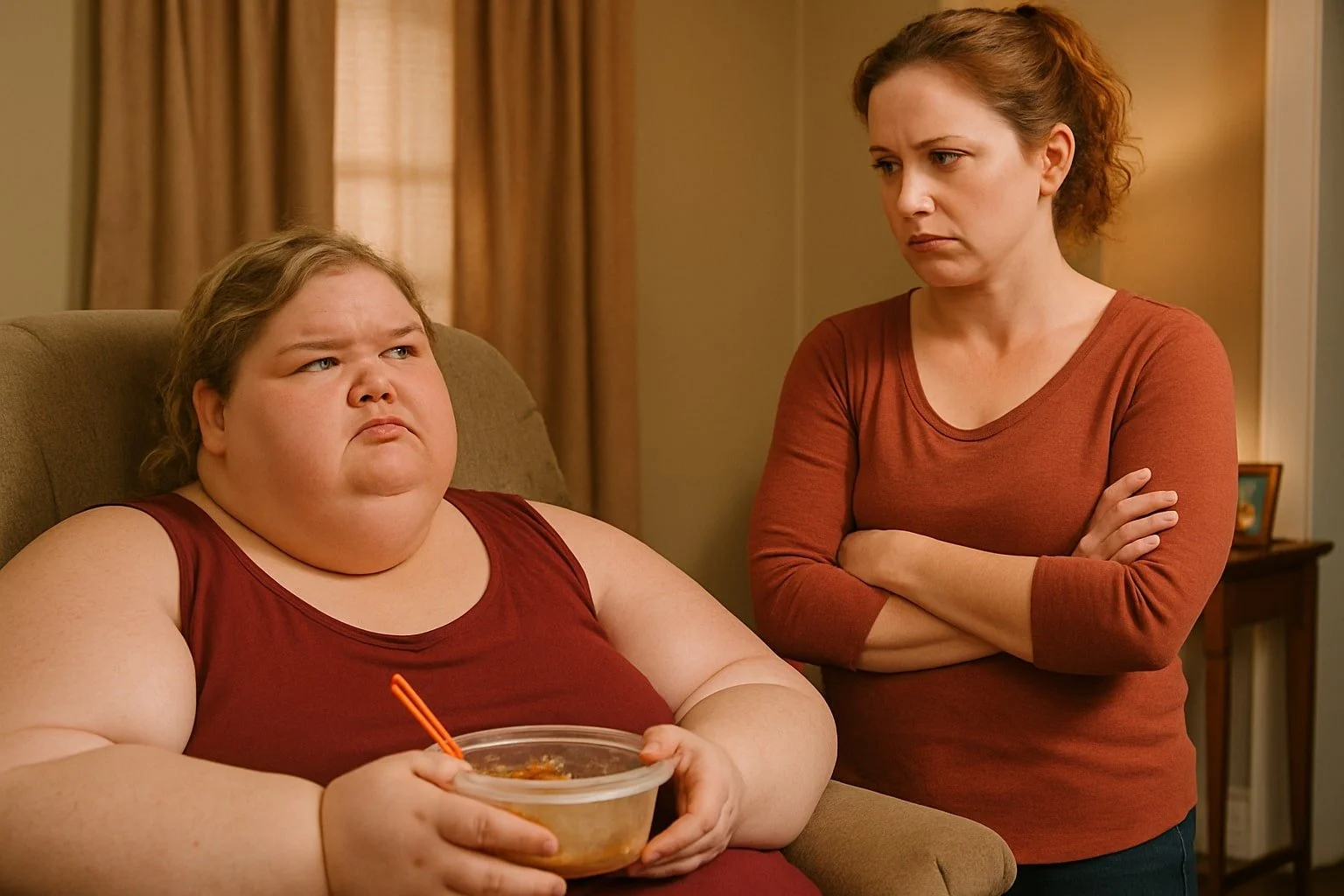
On 1000-lb Sisters, the presence of enablers—often family members or close friends—frequently shapes the paths Tammy and Amy Slaton take in their weight loss journeys. Enablers can unintentionally hinder progress by making unhealthy food accessible or downplaying the risks of poor health choices. Their influence is not always malicious; it often stems from concern, habit, or a desire to avoid conflict, making their role especially complex.
This dynamic creates a challenging environment for both sisters as they strive for better health. Family relationships, shared households, and emotional dependencies add further layers to the situation, complicating attempts at positive change.
Understanding how enablers impact the lives of the Slaton sisters offers insight into the broader struggles faced by individuals dealing with obesity and their support networks. Readers interested in the real effects of family and social circles on weight loss will find the subject both sensitive and deeply revealing.
Understanding Enablers in 1000-lb Sisters
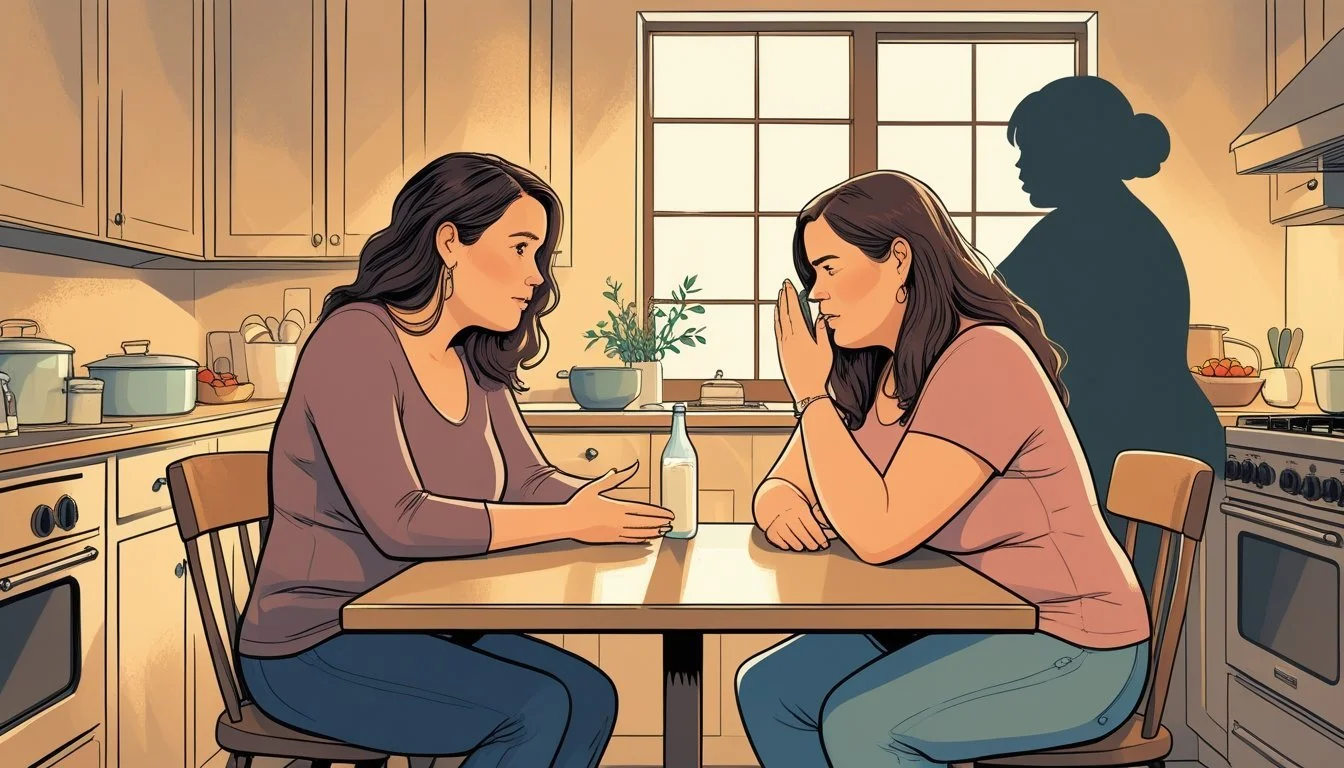
Enablers directly influence the lives and wellbeing of cast members by shaping daily choices and patterns of care. Their involvement can affect progress, medical management, and even self-esteem.
Definition and Types of Enablers
Enablers are people who, intentionally or not, make it easier for individuals to maintain unhealthy behaviors. In 1000-lb Sisters, this often involves family members or close friends who provide food, avoid confrontation, or help the person avoid medical appointments.
Key types include:
Passive enablers: Avoid discussing health issues or setting healthy boundaries.
Active enablers: Participate in unhealthy patterns, such as buying fast food or assisting with behaviors that conflict with medical recommendations.
These roles are complex because enablers may believe they are supporting or protecting loved ones, not realizing how their actions contribute to ongoing medical risks and hinder control over weight loss.
The Role of Family Dynamics
Family members play a significant and sometimes conflicting role in the show. Many, like Chris or Amanda, try to balance care management with setting clear boundaries.
The family’s history, emotional ties, and shared responsibilities can create cycles of enabling. For example, a family member might provide comfort by bringing food during stressful times, not recognizing that this can undermine both weight loss efforts and self-worth. Discussions about control and personal autonomy become difficult within these close relationships.
Family members also face pressure from the healthcare system to support weight loss, which adds further emotion and responsibility to their actions. The belief that family must always support, no matter the consequences, complicates attempts to change enabling behaviors.
Impact on Weight Loss Journeys
Enabling affects progress toward weight loss goals in both direct and indirect ways. When cast members receive help to avoid medical appointments, skip exercise, or consume unhealthy foods, it makes achieving sustained weight loss much more difficult.
These behaviors can worsen underlying medical conditions due to missed treatments or poor diet choices. Control over personal health is diminished, often leading to repeated setbacks or plateaus.
The self-worth of individuals trying to lose weight is closely linked to their experiences of support or enabling. Positive encouragement aids their commitment; in contrast, enabling can reinforce feelings of dependence and frustration, complicating their interactions with both family and the healthcare system.
Psychological and Emotional Factors

Family members in 1000-lb Sisters often face strong emotional pressures. Their decisions are shaped by stress, empathy, and ongoing efforts to protect or heal, but unhealthy boundaries can enable destructive habits.
The Influence of Stress and Coping Mechanisms
Chronic stress is common for people living with or caring for someone with extreme obesity. The daily management of mobility issues, medical emergencies, and emotional volatility places families under significant pressure.
Coping mechanisms develop as a way to handle this constant stress. Enablers may find it easier to give in to requests for food or avoid confrontation. While this might bring momentary relief, it often reinforces harmful behaviors in the long term.
The urge to "keep the peace" can outweigh long-term concerns for health or well-being. Over time, stress can erode self-worth for both the enabler and the person being enabled, making them believe they cannot change the relationship’s dynamics.
Empathy, Healing, and Compromise
Empathy drives many enablers to try to alleviate suffering, especially when witnessing a loved one in distress. Their emotional response can blur the lines between genuine support and harmful enabling.
The desire to facilitate healing often leads to compromise. Family members might overlook negative behaviors, hoping to avoid conflict or emotional pain. These compromises may delay necessary interventions, as discomfort with confrontation leads to postponing difficult conversations.
Sometimes, compromise is seen as kindness when, in reality, it can undermine real healing. Empathy needs to be paired with honest support and clear communication to avoid unintentionally feeding harmful patterns.
The Importance of Boundaries
Establishing and respecting boundaries is critical. Without clear limits, enablers may find themselves overextended and emotionally depleted. Poor boundaries contribute to cycles of dependency and resentment.
Setting boundaries helps both parties develop self-worth and accountability. It encourages healthier choices by clarifying what will and will not be supported. Assertive boundary setting is not a sign of neglect; rather, it is a necessary step for promoting recovery and independence.
Examples of boundaries include refusing to buy unhealthy food or declining to participate in enabling routines. Over time, these actions reframe relationships and foster growth for everyone involved.
Communication and Control Within Relationships

Family relationships on 1000-lb Sisters are shaped by both how people talk to each other and how power is asserted or withheld. These factors influence the ability of individuals to make choices and to set or violate boundaries, sometimes leading to harassment or even instances of violence.
Patterns of Communication Among Family Members
Communication in the Slaton family is direct but can be confrontational or dismissive. When discussing sensitive topics, such as weight loss or personal boundaries, conversations often escalate quickly. Family members sometimes speak over each other, which can make resolving conflicts difficult.
Reliance on food as comfort or avoidance, as seen in comments from and about Amy and Tammy, means emotional issues are often avoided rather than addressed. This creates repeated cycles of frustration and confusion.
Sometimes, concern or advice is mistaken for criticism. This pattern often leads to defensiveness and emotional shutdown, making productive dialogue challenging. Despite care, genuine understanding can be limited by how openly—or guardedly—each person communicates.
Power Dynamics and Issues of Control
Control and dependency are central themes in these family dynamics. Certain relationships, such as between Tammy and her sister Amy or their partners, show elements of co-dependency. When one person begins to assert independence, it can trigger anxiety or controlling behavior in others.
Power may be wielded through restricting access to resources, making decisions for others, or even withholding support as punishment. For example, reliance on others for daily needs gives those helpers significant influence, sometimes leading to tension.
A brief table of observed control behaviors:
Behavior Example Decision-making One member decides what others eat Withholding help Refusing rides as leverage Emotional guilt Using guilt to maintain dependence
These issues complicate attempts at personal growth or independence throughout the show.
Addressing Harassment and Violence
The series occasionally highlights harassment, frequently manifesting as repeated criticism or public shaming. This might be seen in how family members push or pressure each other about life changes or medical decisions.
In rare instances, arguments have become heated and crossed into verbal abuse, with yelling and personal insults. This can escalate stress and undermine emotional safety in the home.
While there are no regular patterns of physical violence shown, emotional and verbal conflicts can create an environment where boundaries are not respected and participants feel unsafe or unsupported. Addressing these issues requires clear rules and consequences, which are not always present in the Slaton family dynamic.
Medical, Social, and Economic Challenges
Obesity on the scale seen in 1000-lb Sisters involves complex layers of health, society, and finances. Medical barriers, rigid reimbursement systems, and care management needs often determine the options open to patients and families.
Healthcare System and CMS Reimbursement
Access to specialized obesity care in the United States is closely tied to insurance coverage and reimbursement, particularly from the Centers for Medicare & Medicaid Services (CMS). Bariatric surgery, mobility devices, and even long-term therapy may only be covered if strict criteria are met.
The process for approval is often lengthy. Many services must be justified repeatedly with documentation of patient need, failed prior weight loss attempts, and demonstrated medical necessity. This creates delays and exposes patients to extra administrative burdens.
Families sometimes take on medical costs out-of-pocket. Because financial limits prevent optimal care, some individuals remain under-treated or have conditions that worsen before help arrives.
Managing Chronic Medical Conditions
Individuals with extreme obesity usually carry multiple chronic illnesses, such as diabetes, cardiovascular disease, sleep apnea, and lymphedema. Daily life is marked by mobility restrictions, frequent medical appointments, infections, and a greater risk of hospitalization.
Table: Common Chronic Conditions in Extreme Obesity
Condition Examples Cardiovascular Hypertension, heart failure Endocrine Type 2 diabetes Respiratory Sleep apnea Musculoskeletal Osteoarthritis Skin Chronic wounds, cellulitis
Managing these conditions requires coordinated care across several medical specialties. Transportation challenges, limited access in rural areas, and social stigma can all discourage regular treatment.
Role of Care Management in Treatment
Care management is a structured approach to support people with complex health needs. For the 1000-lb Sisters, this means coordinating between primary care, specialists, physical therapists, social workers, and support staff.
Effective care managers act as advocates, helping patients schedule appointments, manage prescriptions, and navigate the healthcare system. They also educate families about condition management and available resources.
Structured care management can reduce hospital admissions, coordinate preventive care, and address gaps caused by insurance or system barriers. However, success depends on regular communication and the ability of each team member to recognize evolving needs and risks.
Complex Moral and Cultural Contexts

Enabling behavior on 1000-lb Sisters exists within layers of moral questions and cultural influences. Family, religion, and social norms all interact with issues of weight, support, and personal responsibility in complex ways.
Religion and Morality in Enabling Behavior
Religion can shape how individuals perceive care, support, and boundaries. In some Christian communities, helping a loved one through hardship is seen as an act of compassion and faith. However, these same values can complicate decision-making when support turns into enabling.
Moral values rooted in religious teachings often promote forgiveness, sacrifice, and loyalty. This can cause family members to struggle with setting healthy limits, as withholding assistance may feel morally wrong. The belief in unconditional love may blur the line between nurturing and contributing to harm.
Self-worth is sometimes tied to those same values. Family members may view their willingness to help—even when it is damaging—as evidence of their goodness. This can reinforce cycles of enabling, as individuals feel morally obligated to continue offering support, even when it undermines health or independence.
Societal Attitudes Toward Weight and Support
Society’s views on weight directly influence how enabling is discussed and perceived. Public attitudes toward obesity often range from harsh judgment to misplaced sympathy, both of which can reinforce enabling cycles. For example, stigma around weight can lead to secrecy, making it harder for families to seek help or change patterns of support.
Popular media and community standards may equate overweight individuals with moral weakness or lack of self-control. This labeling can affect both the person struggling with weight and those around them. Family members might compensate for this stigma by offering extra comfort, food, or protection, unintentionally enabling harmful behaviors.
Lists, comparisons, and praise for rapid weight loss can also be harmful, especially in settings where self-worth is already low. Social acceptance or blame impacts not only the individual but also the whole family system, influencing attitudes and daily choices around food, health, and care.
Broader Perspectives and Literary Parallels

Enabling behaviors on 1000-lb Sisters can be understood more deeply through the lens of classic literature, where family ties, societal norms, and questions of agency appear prominently. Exploring works by Jane Austen and modern novels like In the Distance reveals various forms of control, compromise, and complex empathy.
Family and Control in Mansfield Park
Jane Austen’s Mansfield Park examines the tensions between familial authority and individual responsibility. The Bertrams wield substantial influence over Fanny Price, often blurring the boundaries between support and paternalism.
Mrs. Norris, in particular, exemplifies an enabler—she encourages unhealthy dependency under the guise of care. This echoes the dynamics seen in 1000-lb Sisters, where family members sometimes enable destructive habits despite good intentions.
Austen shows how well-meaning interference can reinforce passivity rather than foster autonomy. The tension between “helping” and “controlling” becomes a subtle but persistent force throughout the novel, mirroring real-world relationships seen on the show.
Slavery, Compromise, and Antigua
Mansfield Park is deeply entangled with issues of slavery and colonialism, specifically through the Bertram family’s connection to estates in Antigua. These overseas interests are rarely mentioned directly, yet their presence underlies the Bertrams’ wealth and moral compromises.
The silence surrounding Antigua represents the reluctance to confront uncomfortable truths. In the context of enabling behaviors, this avoidance reflects how families may downplay problematic actions to preserve harmony.
Compromise is central. The Bertrams’ financial and moral entanglements with slavery quietly pressure them to overlook its implications. This parallels how enabling in 1000-lb Sisters often involves silent trade-offs—sacrificing long-term health for short-term peace.
Empathy and Distance in In the Distance
In the Distance by Hernan Diaz explores empathy under extreme isolation. The protagonist, Håkan, roams the American West, including Montana, encountering both hostility and kindness from strangers. His journey offers a stark look at isolation and the longing for connection.
Empathy in the novel is complicated by distance—emotional and geographical. Unlike the close-knit world of Mansfield Park or 1000-lb Sisters, Håkan struggles to trust and be trusted. Yet, his encounters highlight how empathy can emerge without enabling self-destructive dependence.
This contrast brings a critical lens to reality television: true support sometimes requires stepping back. Accepting distance can empower individuals rather than trap them in cycles of reliance.
Lessons from Jane Austen and Henry Crawford
Jane Austen’s novels often feature figures like Henry Crawford, who seem outwardly charming but have complex motives. Henry’s capacity for both manipulation and genuine feeling complicates the idea of “enablers.”
In Mansfield Park, Henry’s actions show how charisma can mask self-interest. While he provides comfort and excitement, his influence rarely leads to positive change for others. Comparing him to enablers in 1000-lb Sisters illustrates how well-meaning gestures sometimes serve personal ends.
The lesson is that enablers are not always malicious or simple. Austen’s nuanced characters encourage readers to question surface-level good intentions and consider deeper patterns of compromise, control, and genuine empathy.
