
The Most Powerful Doctor Interventions on 1000-lb Sisters
Key Moments That Changed Lives
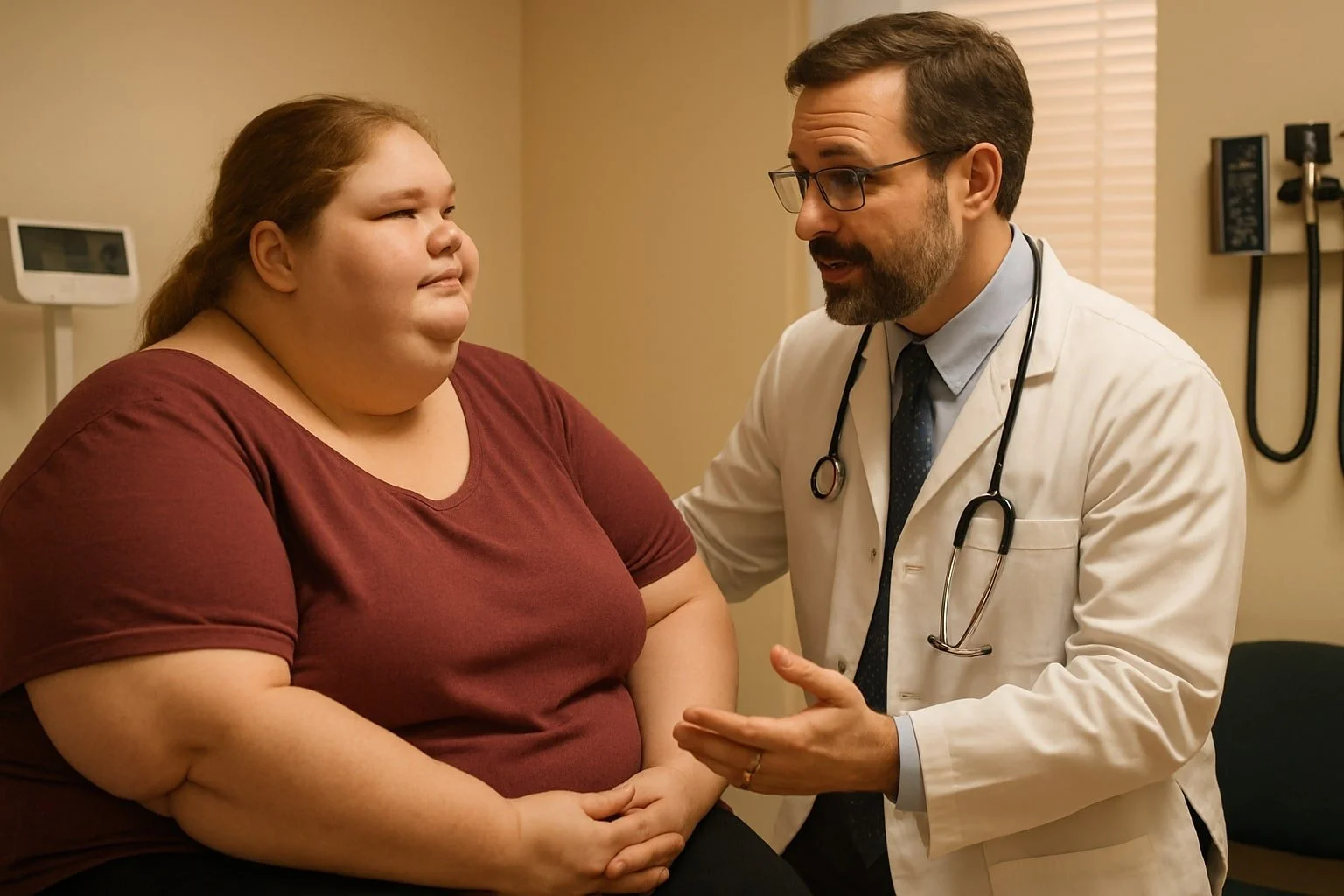
The show 1000-lb Sisters has featured several impactful medical interventions that have deeply influenced Amy and Tammy Slaton's journeys. Bariatric specialists like Dr. Charles Procter Jr. and Dr. Eric Smith have played crucial roles, whether by guiding significant weight loss or providing tough, honest guidance during moments of struggle. The most powerful doctor interventions on 1000-lb Sisters have been those that combined medical expertise with clear communication and emotional support, leading to life-changing results for the Slaton sisters.
Fans have witnessed remarkable moments ranging from the approval for surgery after months of hard work to doctors addressing setbacks with compassion rather than judgment. These interventions not only shaped the sisters' physical health but also addressed underlying emotional barriers to success. Each interaction underscores how dedicated and thoughtful medical care can be pivotal on the path to recovery and a healthier life.
Key Medical Interventions on 1000-lb Sisters
Major medical procedures have played essential roles in Tammy Slaton's and Amy Slaton's weight loss journeys. These interventions include surgical solutions and follow-up operations that addressed urgent health needs and enabled significant transformation.
Bariatric Surgery
Bariatric surgery was a turning point for both Tammy and Amy. The show documented their struggles to meet weight, lifestyle, and psychological requirements before being approved by specialists such as Dr. Eric Smith and Dr. Charles Procter Jr. This procedure, known commonly as gastric bypass or sleeve gastrectomy, reduced the size of their stomachs.
The primary objective was to limit food intake and support rapid weight loss. Both sisters experienced strict medical assessments before surgery, including consultations on diet, exercise, and mental readiness. The procedure's impact became evident with their substantial weight reductions, leading to better mobility and fewer obesity-related health risks.
Psychological counseling and ongoing supervision were also important. Doctors closely monitored each patient's emotional and physical state, adjusting care plans as needed. This comprehensive medical approach helped the sisters avoid complications and stay on track during recovery.
Skin Removal Surgery
After dramatic weight loss, Tammy Slaton underwent excess skin removal surgery. This operation was carefully planned and involved a large surgical team — in one noted instance, 12 medical professionals participated, and the surgery lasted for an entire day. Doctors removed about 7 pounds of excess skin.
Skin removal was not merely for cosmetic purposes. The extra skin can cause hygiene problems, skin infections, and physical discomfort. The operation improved Tammy's day-to-day comfort, eased movement, and supported personal hygiene.
Preparation for this surgery was extensive. Patients must be near their target weight and healthy enough for the procedure. Recovery involved strict post-operative care and follow-up assessments. This step was a critical milestone in Tammy's transformation, helping her quality of life after major weight loss.
Weight Loss Journey and Doctor Strategies
Doctors working with the stars of 1000-lb Sisters used a combination of nutrition planning and extensive counseling to guide patients through their weight loss journey. Medical professionals made adjustments at critical points based on progress, health status, and behavioral challenges.
Customized Diet Plans
A main focus for Dr. Smith and other bariatric specialists was designing diet plans tailored to each patient's individual health needs. These plans prioritized lean protein sources while strictly limiting sugary drinks and processed foods.
Portion control became essential, with many meals designed to be filling while keeping overall calorie intake low. Patients often received lists comparing foods to avoid versus foods to include, making decision-making easier.
Sample inclusion/exclusion table:
Include Avoid Grilled chicken Sugary sodas Steamed veggies Fried foods Greek yogurt Packaged snacks Water Processed meats
Doctors also monitored lab results to check for nutritional deficiencies or metabolic problems. They adapted diet plans as patients lost weight or faced new medical concerns.
Behavioral and Psychological Support
Addressing the psychological side of obesity was a major intervention. Patients attended regular therapy sessions led by mental health professionals experienced in eating disorders and food addiction.
Counseling addressed not just food choices but also emotional triggers and stress management. Behavior modification techniques, such as journaling and mindfulness exercises, were taught to help manage cravings and impulsive eating.
Support was often extended to family members to improve home environments and relationships around food. Group sessions and peer support gave patients accountability and practical tips for coping with setbacks.
Nutritional Guidance for Long-Term Success

Long-term weight management for individuals with severe obesity often requires deliberate dietary changes. Key recommendations include increasing daily protein intake and reducing or eliminating processed foods.
High Protein Diet Recommendations
A high protein diet is a cornerstone of medical nutrition therapy for weight loss and maintenance. Protein supports muscle preservation during periods of rapid weight loss and helps control hunger by promoting satiety. Many specialists suggest aiming for 1.2 to 1.5 grams of protein per kilogram of body weight daily, distributed throughout meals.
In clinical interventions, patients are often encouraged to select lean protein sources such as grilled chicken, fish, turkey, tofu, and legumes. Including protein at every meal is critical for supporting metabolic health and preventing muscle wasting. Supplementing with protein shakes may sometimes be necessary if intake from whole foods is inadequate.
Eating enough protein can also help maintain energy levels during periods of caloric deficit. This targeted approach minimizes loss of lean body mass, which is especially important for individuals with significant excess weight.
Eliminating Processed Foods
Processed foods are frequently high in added sugars, sodium, saturated fats, and calorie content, making them a major barrier to sustained weight reduction. Medical teams prioritize education around reading food labels and recognizing ultra-processed products such as sugary beverages, packaged snacks, deli meats, and baked goods.
A clear approach includes replacing highly processed foods with whole and minimally processed items, like fresh vegetables, fruits, whole grains, and nuts. Structured meal planning that avoids fast food, convenience foods, and prepackaged meals is emphasized to foster healthier habits.
Limiting processed food not only assists with weight management but also supports improvements in metabolic and cardiovascular health. Simple substitutions—such as using fresh proteins and whole grains instead of boxed mixes—can significantly impact daily nutrient quality.
Post-Surgical Transformation and Maintenance
Effective care after bariatric and skin removal surgery is critical for maintaining health and supporting continued weight loss. Success depends on structured follow-up, proactive management of complications, and long-term behavior changes guided by medical teams.
Monitoring Health After Surgery
After bariatric or skin removal surgery, patients undergo regular medical checkups that evaluate vital signs, nutritional status, and weight stability. Routine blood work tests for vitamin and mineral deficiencies, which are more common after significant weight loss or restricted diets. Follow-up visits allow doctors to identify complications early, such as infection or delayed wound healing.
A typical monitoring plan may look like this:
Time After Surgery Key Checks Common Issues Monitored 1-2 weeks Wound healing, pain control Infection, fluid buildup 1-3 months Blood tests, diet adherence Nutrient deficiency, weight plateaus 6+ months and yearly Blood work, physical changes Long-term nutrition, weight maintenance
Regular communication with dietitians and mental health providers also supports emotional health, which can be challenged during rapid physical transformation.
Continued Weight Loss Success
After the initial rapid weight drop, sustained success depends on continued adherence to diet, physical activity, and follow-up care. Medical teams often recommend high-protein diets, limited simple sugars, and strict portion control to prevent regaining weight. Structured physical activity—such as walking or strength training—is introduced gradually.
Support groups, therapy, and ongoing counseling help patients address emotional eating and body image concerns after transformation. Patients who undergo skin removal surgery may face additional recovery needs, requiring specialized wound care and gradual return to exercise routines.
Many continue regular visits with their care teams to adjust medications and meal plans as needed, ensuring lasting health outcomes and ongoing support for long-term weight management.
Challenges Faced and How Doctors Overcome Them
Patients on 1000-lb Sisters often face complex medical and psychological issues that complicate treatment. Doctors must address urgent health threats and adapt care plans when recovery is not linear.
Medical Barriers to Intervention
Extreme obesity puts patients at severe risk for heart disease, sleep apnea, diabetes, and mobility loss. These risks complicate standard treatments and can make even routine procedures dangerous.
The diagnosis and surgical preparation stages involve extra imaging, customized equipment, and anesthesia adjustments. For example, hospital beds and surgical tables must support extreme weights, and vital sign monitoring can be more challenging.
Medical management often requires a team, including bariatric surgeons, cardiologists, physical therapists, and dieticians. Each professional focuses on different health threats, such as wound care, respiratory support, and glycemic control. Precise coordination is crucial to avoid complications.
Steps doctors take to reduce medical risks include:
Staging weight loss goals
Monitoring cardiac and respiratory status closely
Using modified surgical techniques designed for high-risk patients
Addressing Setbacks During Recovery
Recovery is rarely smooth for these patients. Regain of weight, depression, and complications after surgery are frequent challenges.
Doctors employ behavioral therapy, frequent medical check-ins, and ongoing patient education to address setbacks. For example, sessions with psychologists help patients navigate emotional triggers for overeating.
Infections, poor wound healing, or lack of mobility can slow progress. Physicians often adjust medications or physical therapy programs as setbacks arise. They may increase monitoring or coordinate with home care services.
Key tools doctors use for overcoming setbacks:
Regular progress tracking through lab tests and check-ins
Family and caregiver engagement for ongoing support
Flexible, patient-centered care modifications
Careful communication and persistence from the care team play a major role in helping patients resume progress after any delay.
