
The Role of Southern Culture in 1000-lb Sisters Influence on Family, Food, and Community

Southern culture deeply shapes the daily lives, relationships, and challenges documented on 1000-lb Sisters. The show follows Amy and Tammy Slaton in Kentucky, where traditions, family bonds, and regional customs play a significant role in their experiences. Viewers see how local norms influence food choices, social expectations, and the sisters' support systems.
The presence of tight-knit family structures is a hallmark of Southern living, and it becomes a central element in the Slaton sisters’ weight loss journey. These family dynamics—along with the surrounding community and Midwestern-Southern environment—create both support and obstacles as the sisters strive for better health. For many fans, the portrayal offers a unique look at how Southern identity affects personal transformation and daily reality.
Understanding Southern Culture in 1000-lb Sisters
Southern culture shapes many aspects of daily life for the Slaton sisters, influencing their traditions, family structure, and relationship with food. TLC’s 1000-lb Sisters often highlights how these distinct cultural elements affect the sisters’ choices and interactions.
Regional Traditions and Values
The Slaton family’s Kentucky roots play a visible role throughout every season of the reality TV show. Close family ties and respect for elders are regularly highlighted in their conversations and daily routines.
Celebrations for events like birthdays, holidays, and church gatherings reflect an emphasis on community. Neighbors and relatives are present at milestones—from hospital visits to family meetings—demonstrating the importance of social networks in Southern settings.
Humor and resilience are used to handle challenges, which is apparent in the sisters’ approach to weight loss and personal setbacks. Traditional expectations, such as caring for relatives and sticking together during hardships, also emerge in their decisions, often guiding how Amy and Tammy interact and support one another.
Significance of Food and Gatherings
Food serves as both comfort and celebration in Southern culture, a pattern clearly seen in 1000-lb Sisters. Shared meals, potlucks, and barbecues not only provide nourishment but also strengthen bonds among family and friends.
In the Slaton household, meals are large and often homemade, with favorites like casseroles and fried foods taking center stage. Family gatherings revolve around the table, showing how food is a connection point for the Slaton sisters and extended relatives.
The show frequently depicts the struggle to balance these food traditions with medical advice for weight loss. Episodes focus on the tension between preserving family habits and pursuing healthier choices, which adds depth to the sisters’ journey and reveals the broader challenges faced by many in similar Southern contexts.
The Slaton Family’s Southern Roots
The Slaton sisters, Tammy and Amy, grew up in rural Kentucky, where traditions and close family ties strongly influenced their daily lives. Their experiences reflect the impact of Southern environments on both personal relationships and broader social connections.
Family Dynamics and Support Systems
The Slaton family's relationships are shaped by their upbringing in a small Kentucky town. Living in a rural area has fostered strong bonds between Amy, Tammy, and their siblings, including Chris, Misty, and Amanda.
Extended relatives often play a visible role in supporting the sisters through their health journeys. Amy Slaton receives help from her husband, Michael Halterman, while Chris Combs regularly participates in the sisters' weight loss plans and doctor visits.
Southern culture places value on interdependence among family members. The family's habit of gathering for meals, attending appointments together, and assisting one another is a recognizable trait of their community. These support systems provide emotional and practical assistance, helping Tammy and Amy face significant challenges.
Portrayal of Community Connections
The local community in Dixon, Kentucky, features heavily in the sisters' daily lives. Friends and neighbors routinely offer help, demonstrate concern, and often appear in the background of important moments on the show.
Participation in church events, shopping at local stores, and interactions with hometown residents showcase the Slaton family's integration into small-town life. The family's story highlights how rural Southern communities look out for their own, particularly in times of crisis.
The show illustrates the honest, sometimes blunt style of support found in the region, balancing tough love with unwavering loyalty. The Slaton sisters’ experiences stress the importance of community bonds as a means of resilience and encouragement.
Southern Cuisine and Its Impact on Weight Loss
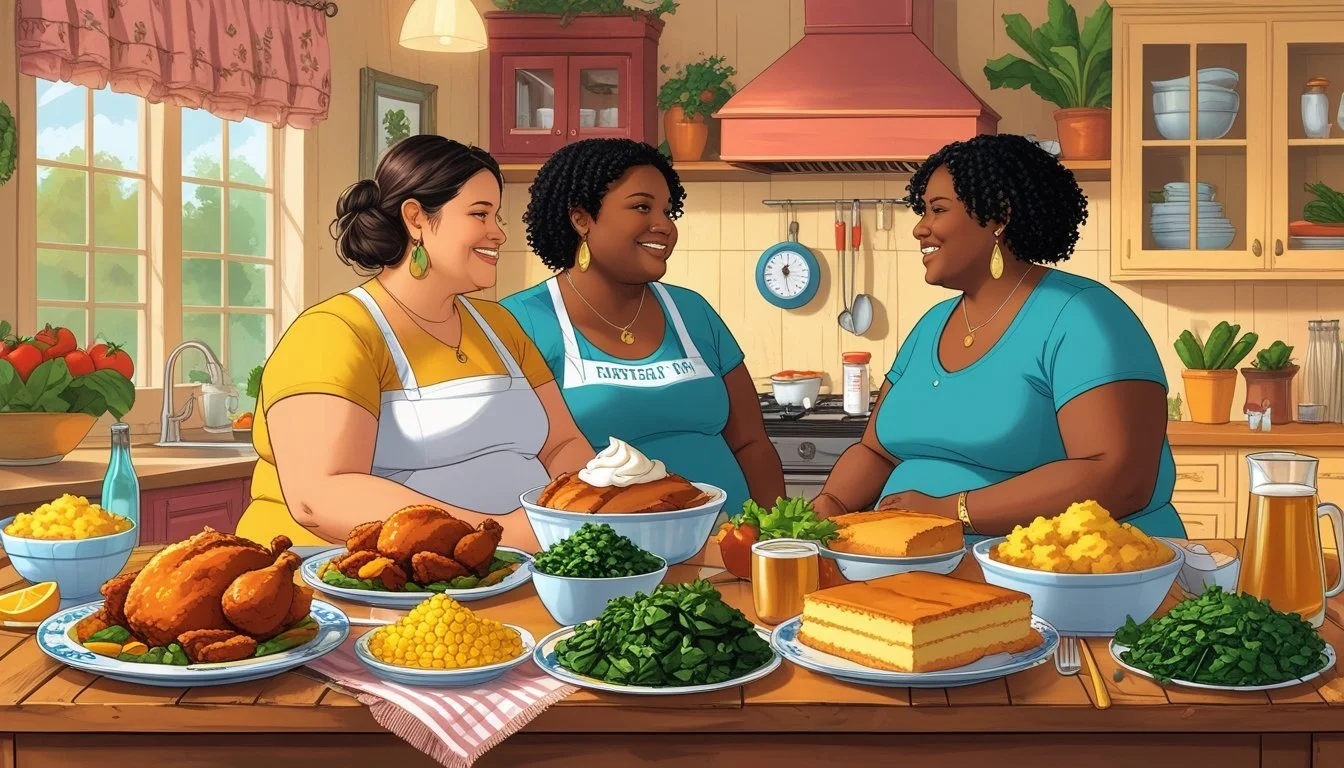
Southern food traditions have shaped the daily diet of the 1000-lb Sisters, often influencing their physical health and weight-loss journey. Understanding the ingredients and customs of this cuisine helps to explain the challenges faced during their attempts to adopt healthier habits, including before and after bariatric surgery.
Food Culture and Cooking Traditions
Southern cuisine features dishes such as fried chicken, biscuits with gravy, macaroni and cheese, and sweet tea. These foods tend to be high in calories, fat, and sugar. The frequent use of lard, butter, and processed meats in home cooking has deep roots in the region’s history.
Meals are often shared as social events, reinforcing family connections and tradition. Celebrations and gatherings usually center around large portions and recipes passed down for generations, making comfort food a part of daily life.
The sisters’ upbringing in Kentucky exposed them to this environment, highlighting how deep-seated food culture can affect eating habits. These inherited cooking traditions present unique challenges when trying to lose weight or prepare for weight-loss procedures shown on TLC.
Challenges Faced in Changing Eating Habits
Transitioning away from calorie-dense Southern dishes is a difficult process for many pursuing weight loss, including the sisters featured on the show. Family and social pressures may create resistance to dietary changes, especially when certain foods are tied to memories and identity.
Adjusting daily routines often means learning new cooking techniques and ingredients, such as grilling instead of frying or using fresh vegetables in place of prepared sides. This switch can be emotionally and financially taxing, particularly when family members have differing priorities.
During their journey and especially after bariatric surgery, the sisters had to focus on portion control, meal planning, and monitoring intake of sugar and fats. The process highlighted the tension between maintaining cultural traditions and adopting new habits essential for long-term success.
Cultural Barriers and Support in the Slaton Sisters’ Weight-Loss Journey
The Slaton sisters’ progress has been shaped not only by their personal determination but also by the cultural environment of their Southern Kentucky community. Family, local attitudes, and longstanding social norms have played a significant role in both helping and hindering their weight-loss efforts.
Addressing Social Stigma
Amy and Tammy Slaton have faced ongoing stigma within their hometown due to their size and their participation in “1000-lb Sisters.” Large body size often carries negative judgments in public, especially in smaller Southern communities, causing the sisters to experience frequent unwanted attention.
Daily activities like grocery shopping or dining out were often marked by stares and occasional comments. This heightened the pressure they felt, especially after episodes aired. The spotlight from television sometimes intensified these reactions, making them more self-conscious.
Table: Social Challenges Faced by the Slaton Sisters
Issue Impact Public comments Increased anxiety, reduced outings Local gossip Strained family relationships Media attention Added scrutiny, mixed support
These factors often created additional stress during their weight-loss journey. However, they also fostered a stronger bond between the sisters, who leaned on each other for emotional support.
Community Response to Health Goals
While initial reactions from some members of the Slatons’ community included skepticism and skepticism, several local churches, friends, and their brother Chris offered encouragement. Support became more visible after Amy qualified for bariatric surgery and later when Tammy celebrated her progress in season 3.
Community members sometimes organized healthy meal trains or checked in with the family to show their support. Some neighbors recognized the difficulty of overcoming old eating habits, acknowledging the cultural traditions of high-calorie Southern cuisine.
Key Support Systems:
Family involvement: Chris Slaton’s public weight-loss journey inspired local viewers.
Healthcare team: Local professionals guided surgery decisions and follow-up care.
Church groups: Provided moral support and accountability.
Despite setbacks, such as periods of weight gain or health emergencies, these community responses were instrumental. They gave the sisters a sense of accountability and made their goals seem more attainable within their local context.
Media Representation of Southern Identity

Southern culture plays a central role in shaping both the tone and content of 1,000-lb Sisters on TLC. Its portrayal on reality TV informs audience perceptions about the South and brings common regional themes into mainstream American media.
Depiction on Reality TV
1,000-lb Sisters uses real-life events and settings in rural Kentucky to highlight key aspects of Southern identity. Family ties, local customs, and speech patterns are core to the show's narrative structure. Small-town life, including neighborhood support and community gatherings, is featured regularly.
The series often includes everyday activities like church gatherings, home-cooked meals, and traditional celebrations. These details serve to root the story in a specific cultural context, distinguishing it from other reality TV shows. The presence of Southern dialect, foodways, and values is evident across all seasons, particularly in season 3 when the sisters’ connection to family and community is shown after significant life changes.
By focusing on these traditions, the show both normalizes and brings attention to Southern customs. As a result, viewers are introduced to a version of the South that is relatable but also unique to the sisters’ experiences.
Influence on Viewer Perceptions
Media representation impacts how viewers interpret the South and its people. 1,000-lb Sisters amplifies certain Southern traits—such as resilience, familial loyalty, and directness—through its main characters. The frequent appearance of Southern speech and expressions helps reinforce regional authenticity.
Some elements, like the sisters’ adherence to local foods and customs, may strengthen stereotypes about Southern diets and daily life. However, viewers also see moments of change and adaptation, especially as the sisters seek to improve their health. This complexity provides a fuller picture than many scripted depictions.
Viewers encounter both positive and negative attributes associated with the region. The consistent display of kinship and community support can challenge narrow outside views of Southern life. In this way, the series becomes a cultural touchstone for discussions around media portrayal and real-life Southern identity.
The Role of Relationships in Southern Context

Relationships in the Southern United States are often characterized by strong family bonds, marital traditions, and deep connections with close friends or community members. These ties play a significant role in shaping behaviors, expectations, and the daily lives of the Slaton family, Michael Halterman, Amy Slaton, and Tammy Slaton.
Marital and Familial Influences
Marriage and family are central to Southern tradition. For the Slaton family, these dynamics often shape who provides care and emotional support. Amy Slaton’s relationship with Michael Halterman is an example of how spouses in the South may be expected to take on both practical and emotional roles, such as caregiving for loved ones and managing household tasks.
Within many Southern families, loyalty and a sense of duty run deep. The Slaton sisters, Amy and Tammy, often rely on one another for encouragement but also experience tension rooted in traditional expectations and family roles. These obligations can lead to both close support and interpersonal conflict, reflecting longstanding cultural beliefs about kinship and responsibility.
Key Marital and Family Elements:
Spousal caregiving
Traditional roles for women
Sibling support and rivalry
Extended family involvement
Friendships and Support Networks
Friendships and community ties carry significant weight in Southern culture, often functioning as an extended family for those facing personal challenges. For Amy and Tammy Slaton, friends sometimes step in to provide encouragement or practical help, especially when immediate family relationships are strained.
Support networks, such as neighbors or church groups, are often sources of both emotional comfort and logistical aid. These connections illustrate the Southern ideal that relationships outside the household can be just as vital as biological family ties.
Examples of support roles:
Offering transportation and meals
Providing accountability and companionship
Celebrating personal victories
Helping navigate healthcare and resources
Evolution of Southern Culture Throughout 1000-lb Sisters
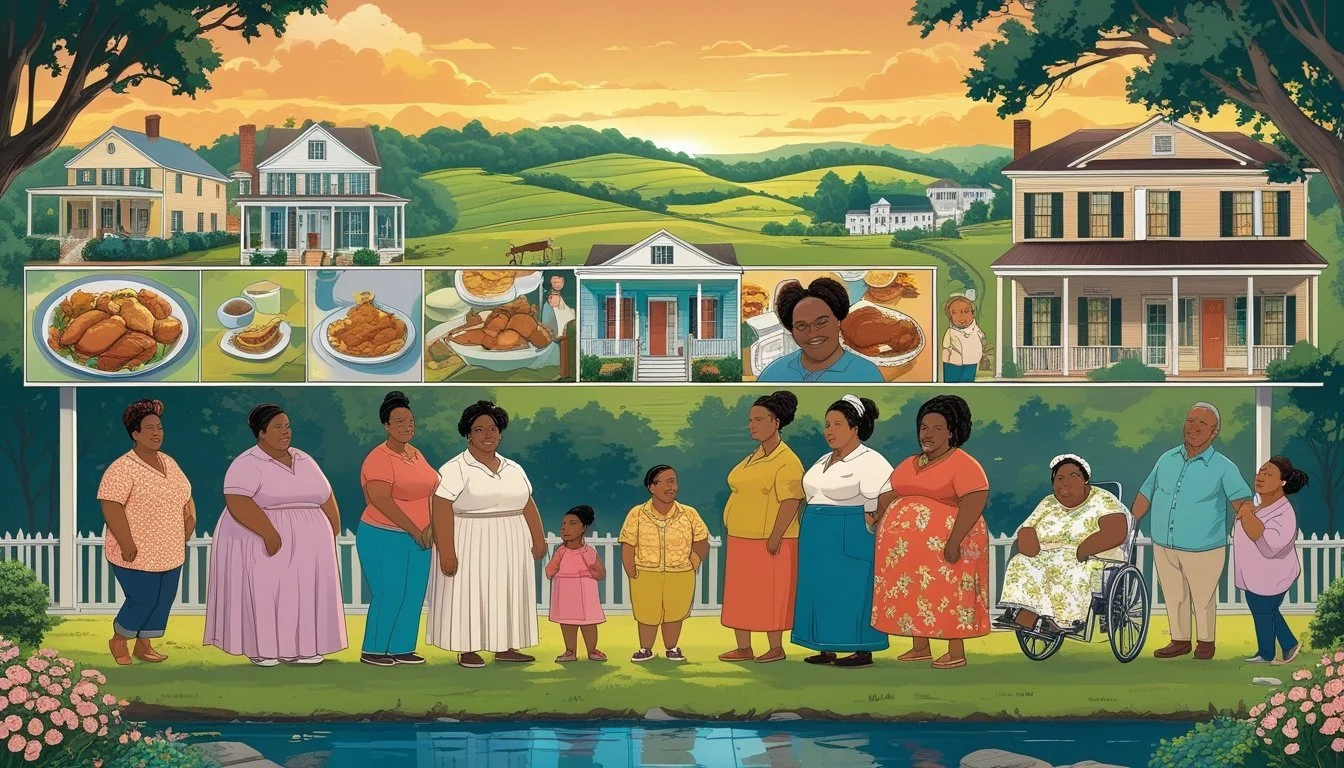
The social environment in Kentucky is central to the 1000-lb Sisters series, with local customs, food traditions, and family ties influencing daily life. As the show progresses, these elements respond and shift alongside the Slaton sisters’ changing circumstances.
Changes Across Different Seasons
Each season of 1000-lb Sisters highlights shifts in how Amy and Tammy Slaton interact with Southern traditions. Early episodes often show large family gatherings, staple foods like fried chicken and casseroles, and a focus on communal meals. These scenes reflect the region’s deep roots in hospitality and comfort food.
By season 3, health concerns prompt both sisters to rethink their participation in certain cultural norms. They start declining certain dishes at gatherings or suggest alternatives, showing an evolving relationship with food. Social events still play a key role, but the focus gradually moves from food to togetherness and support.
Seasonal changes also bring differences in how the sisters navigate public life and local attitudes. The show reveals both support and judgment from within their community, mirroring broader shifts in Southern attitudes about health, weight, and family reputation. These factors shape the sisters’ actions as their story unfolds.
Adapting Traditions Over Time
The Slaton sisters face the challenge of modifying cherished traditions without losing their sense of identity. Food swaps—like grilled instead of fried meals—become more common at family events. Lists of new recipes and portion sizes are discussed and sometimes even displayed in the kitchen.
Religious gatherings, church potlucks, and neighborhood cookouts remain important social anchors. However, the sisters increasingly advocate for healthier contributions, blending old customs with their new priorities. Family members slowly adapt as well, supporting changes that help Amy and Tammy reach their goals.
Cultural storytelling, accents, and humor continue to be part of their everyday interactions, but now include open conversations about well-being. These adaptations show how the Slaton sisters honor their Southern heritage while making deliberate, health-oriented adjustments in their lives.
Conclusion

Southern culture shapes much of the daily life and relationships seen in 1000-lb Sisters. Family gatherings, traditional food, and local customs provide a recognizable backdrop throughout the series.
Community values and regional identity strongly influence how Tammy and Amy relate to those around them. The sisters’ support network often revolves around family, church, and neighbors, reflecting typical Southern priorities.
Regional foods and eating habits appear frequently, highlighting both comfort and challenges. For example:
Southern Staple Context in Show Fried Chicken Shared at family dinners Biscuits and Gravy Shown as a favorite meal Sweet Tea Common in family gatherings
Dialogues and interactions often feature Southern dialects and expressions, adding authenticity. This language helps ground the series in its Kentucky setting.
Geography also impacts the sisters’ experiences with healthcare and weight loss resources. Rural settings can limit access and shape personal choices.
Despite differences in personality, the sisters rely on familiar Southern traditions to navigate both hardships and celebrations in their shared journey.
