
Behind the Scenes of Alaskan Bush People
Revealing Off-Camera Moments and Secrets

Much of what viewers see on Alaskan Bush People is a blend of genuine wilderness moments and planned scenes designed for television. While the Brown family's off-grid lifestyle captures attention, the reality behind the cameras is often more complex. Crew members face unique challenges, and not every event or hardship on the show happens exactly as presented.
Production teams work alongside the family, sometimes orchestrating parts of daily life or adding dramatic elements to build a compelling narrative. Real dangers, such as wildlife encounters and accidents, do occur but are managed under close supervision. The contrast between on-camera storytelling and off-camera reality offers a deeper understanding of how the show is made and why it stands out among reality TV series.
Exploring these behind-the-scenes details reveals the effort and coordination required to bring each episode to life. Readers will gain insight into both the genuine and constructed aspects of the Brown family's life in the wilderness.
Life Off Camera: The True Daily Routine
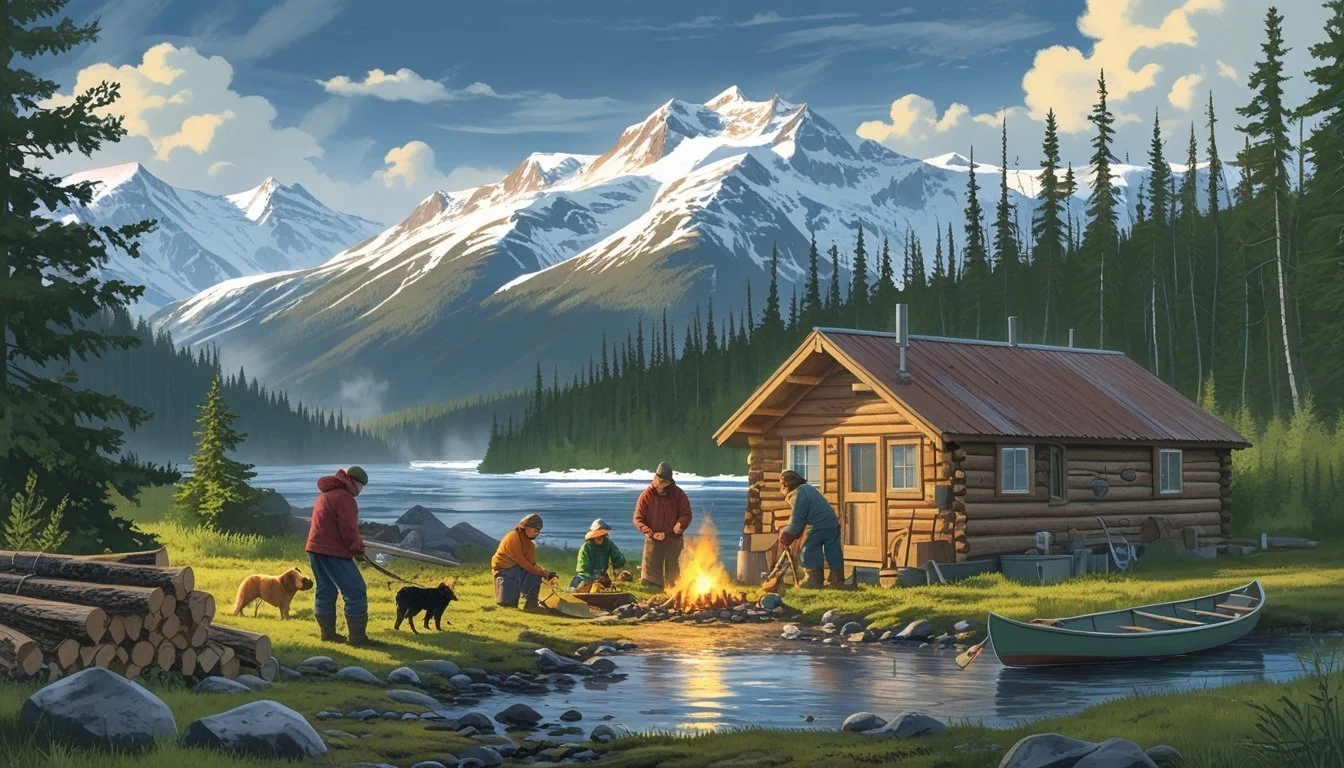
Daily life for the Brown family shifts dramatically when cameras stop rolling. With no production crew present, family priorities, routines, and personal interactions often differ from what is shown on television.
Family Dynamics Without the Film Crew
Without the presence of producers and camera operators, the Brown family’s relationships take on a noticeably more relaxed tone. Conversations are less scripted, and family disputes tend to resolve with less drama.
Meals are often shared quietly, focused on practicality rather than entertainment value. Children and adults alike contribute to tasks by necessity. The family tends to spend evenings together by the fire or working on ongoing projects.
Privacy increases considerably, allowing individuals to have personal time or space. Siblings may pursue individual interests or repairs that the show doesn’t highlight.
Unscripted Challenges in the Alaskan Wilderness
Life in the Alaskan bush means contending with unpredictable weather, wildlife, resource scarcity, and basic survival. Off camera, the Browns address these issues without support from the crew, relying on their skills and resourcefulness.
Obtaining food involves daily chores such as foraging, hunting, and maintaining fishing gear. Equipment failures, animal encounters, and sudden storms are genuine challenges not always captured on film.
Example Daily Wilderness Tasks:
Task Who Participates Frequency Chopping wood Multiple family members Daily Gathering water Rotates Daily Repairs By skill/expertise As needed Cooking Rotates Every meal
The absence of production schedules enables the family to prioritize pressing needs, sometimes changing plans abruptly when faced with real dangers.
Adaptations for Privacy and Comfort
Sustaining comfort off the grid requires ongoing adjustments and practical solutions. The Browns make modifications to their home to improve warmth, storage, and workspace, using whatever materials are available.
Hygiene routines are devised around weather conditions and access to water. Temporary barriers or curtains are set up in living areas to give each family member personal space. Quiet time is respected, especially after strenuous days.
Personal comfort is enhanced through layers of insulated clothing, homemade furnishings, and careful selection of sleeping areas. The family adapts spaces for activities like reading, crafting, or quiet reflection, which helps them maintain morale and privacy year-round.
Production Secrets of Alaskan Bush People
Alaskan Bush People requires careful planning and a strong focus on realism and safety behind the scenes. Filming in remote, rugged environments brings unique challenges for both the family and the production team.
How Filming Affects the Bush Family
Filming dramatically shapes the daily lives of the Brown family. The presence of cameras and crew means their routines must be timed with production schedules rather than the natural flow of life in the wilderness.
They often adjust chores, meals, and travel to align with shot lists and set-ups. Family members may repeat certain scenes to ensure clarity or better camera angles. For example, pivotal moments like building a shelter or gathering food might be filmed from multiple perspectives.
Privacy can be limited when producers and camera operators are always nearby. The family must balance genuine activities with the needs of the television format, sometimes leading to moments being staged or recreated for the audience’s understanding.
Coordination Between Cast and Crew
Smooth coordination is essential to keep production on track. Each episode requires detailed communication between producers, the Brown family, camera operators, and technical staff.
Key coordination steps include:
Daily planning meetings
Reviewing scripts and shot lists
Assigning crew roles for logistics and safety
Joshua “Bam Bam” Brown has been noted to sometimes assist behind the scenes, stepping into minor directing duties. Schedules are flexible when the environment changes, such as sudden weather shifts, requiring quick decisions to adapt plans.
Producers also manage supplies, equipment drops, and communication tools, since access to stores or emergency help is often limited in the bush. The collaboration ensures the family’s activities and the crew’s needs are balanced efficiently.
Off-Camera Safety Protocols
Filming in the Alaskan wilderness poses significant risks. The crew follows strict safety guidelines to protect everyone on location.
Safety measures include:
Emergency medical kits on-site
GPS and communication devices for remote shoots
Wildlife safety briefings
Several crew members are responsible for monitoring environmental hazards like bears, extreme weather, or dangerous terrain. Routine check-ins and predetermined evacuation routes are in place if urgent situations arise.
All cast and crew must wear appropriate clothing and gear when moving through hazardous areas. The production team coordinates with local authorities and wilderness experts to ensure up-to-date protocols, including first aid responses and emergency rescue plans.
Behind-the-Scenes Interactions and Relationships
Family members often navigate unique dynamics when cameras stop rolling, exchanging candid conversations and sharing routines not seen by the audience. Their connections with the production team also influence the show’s direction and day-to-day logistics.
Off-Screen Moments Among the Brown Family
Away from the spotlight, the Brown family exhibits behaviors and relationships that differ from their on-camera personas. When not filming, they discuss family matters openly, manage everyday routines, and occasionally address conflicts in private. Simple activities like shared meals or planning the next day’s work often reveal their reliance on each other for support.
Bam Bam Brown sometimes takes on additional responsibilities off-screen, including helping direct certain scenes or coordinating family members. The Browns have moments of lightheartedness and humor, as well as tension, especially during difficult weather or personal disagreements. These off-camera moments highlight genuine family bonds that go beyond the show’s narrative.
Interactions With Production Team Members
Collaboration between the Browns and the crew is a regular part of making the show. They interact with camera operators, directors, and producers who guide their daily activities and help stage some shots. Bam Bam’s involvement behind the camera occasionally blurs the line between cast and crew, with him stepping into technical roles.
The family works with production staff to ensure safety and adapt scenes to real-life conditions. They sometimes need to reshoot segments or clarify storylines, creating a give-and-take atmosphere on set. These working relationships are built on routine coordination, mutual respect, and a shared goal of bringing the Alaskan setting to viewers.
Living Arrangements When Cameras Stop Rolling
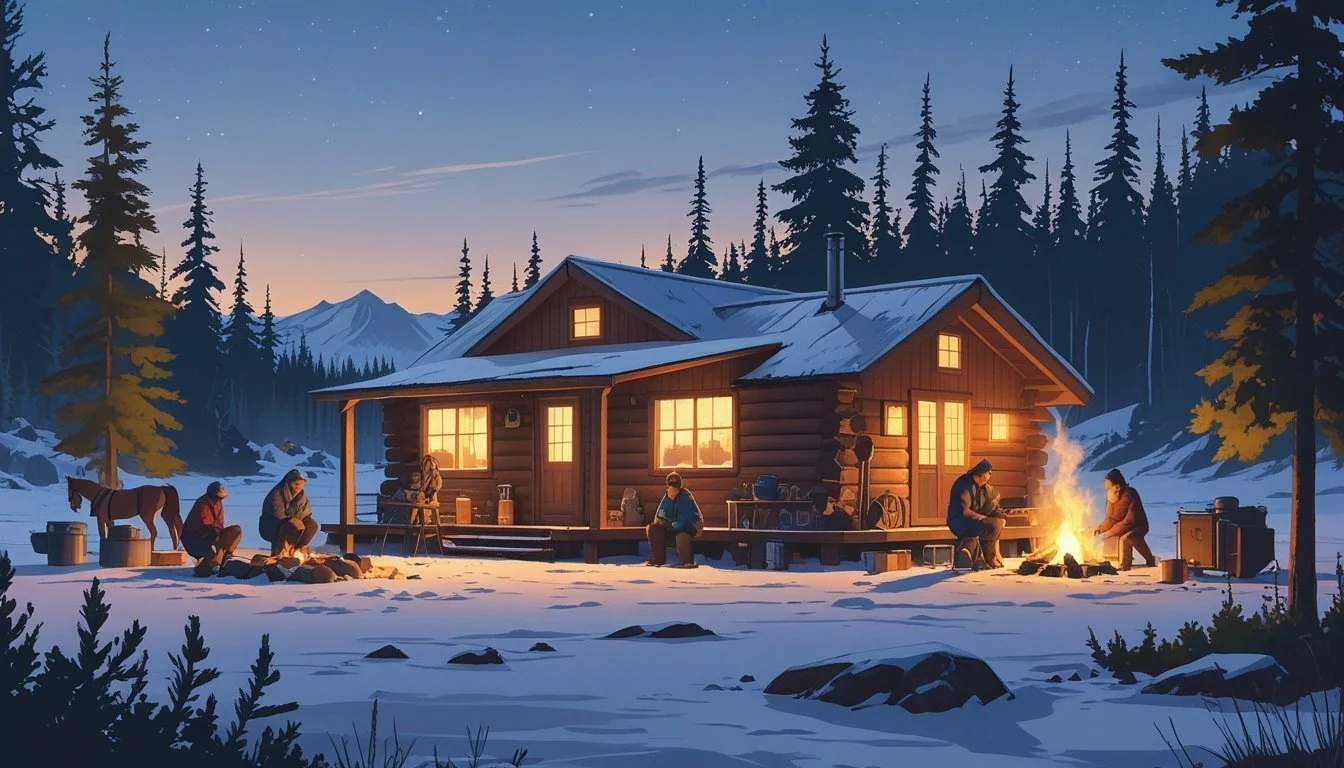
The cast of Alaskan Bush People do not always stay in the wilderness locations seen on television. Their real off-camera living arrangements offer a contrast to what viewers expect from the show’s on-screen portrayal.
On-Location Housing and Amenities
While filming, the Brown family has sometimes stayed in purpose-built cabins or temporary structures set up near shooting sites. Production may also provide basic amenities, such as generators and portable restrooms, to meet health and safety standards.
There are times when hotels or rental properties in nearby towns are used instead of the remote sites portrayed on camera. This approach makes daily logistics more manageable and ensures cast and crew can rest in relative comfort after filming.
Local accounts and media reports have indicated that cast members often spend nights off-set in standard accommodation. This practice has been confirmed by Alaskan residents who have seen the family in town between shoots, demonstrating that the “bush” lifestyle is a controlled environment during production.
Seasonal Moves and Logistics
Production of Alaskan Bush People involves planned seasonal moves due to weather, access, and filming needs. Locations are chosen for convenience, accessibility, and safety as much as for their wild appearance.
In the off-season or when not filming, some of the cast return to more typical homes in town or outside of Alaska. Moves between rural and urban spaces can occur frequently, depending on weather and production schedules.
Table: Typical Housing Scenarios
Scenario Description During Filming Temporary cabins, trailers, hotels nearby Off Season Homes in towns or outside Alaska Severe Weather Relocation to accessible areas as needed
Logistical choices are influenced by equipment storage, medical access, and proximity to supply lines. These factors shape where the cast actually lives when cameras are off.
Off-Camera Challenges and Realities
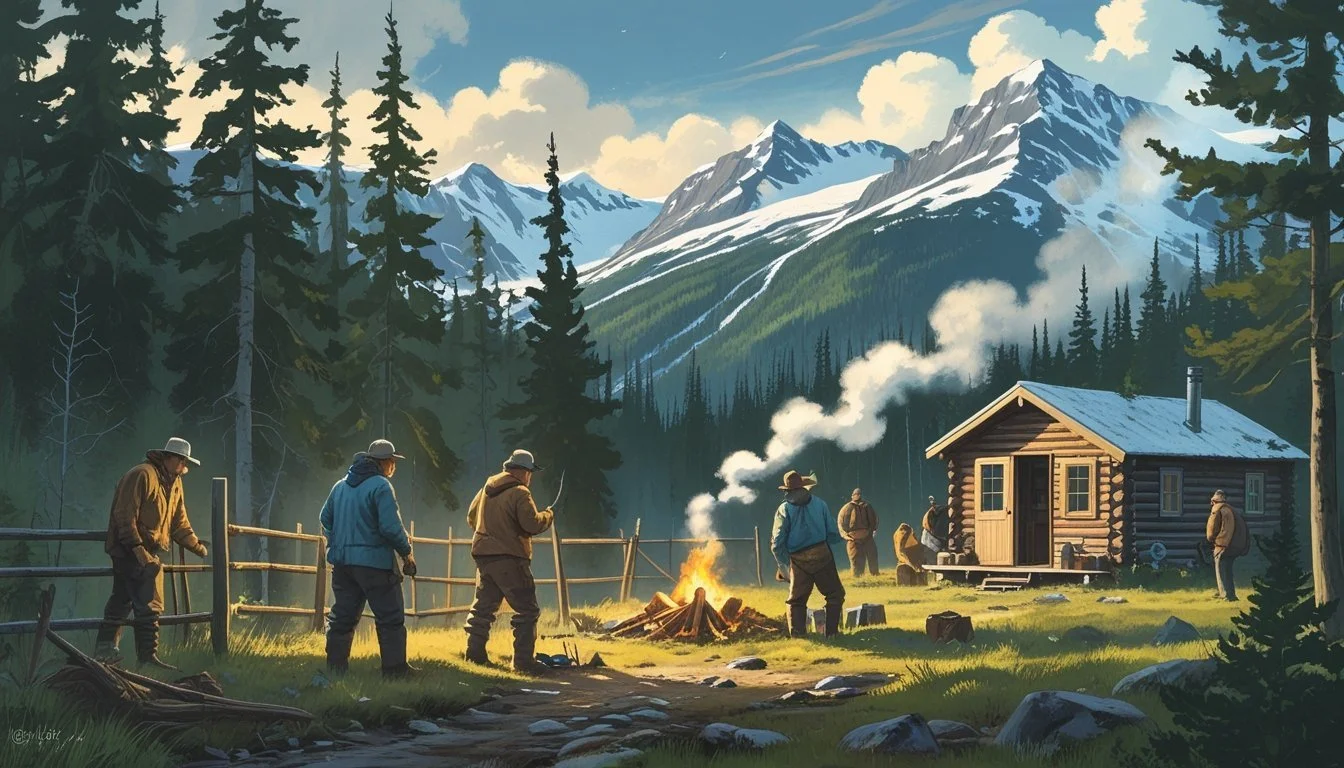
Life for the Brown family during the filming of Alaskan Bush People is not as straightforward as the show’s narrative suggests. Behind every episode are real logistical and physical challenges that the crew and family must manage in remote, unpredictable environments.
Dealing With Health Issues in Remote Locations
Living far from established communities means limited immediate access to medical care and supplies. When someone falls ill or is injured, the time required to reach professional help can be critical. The Browns often rely on basic first-aid knowledge, and only serious emergencies see assistance flown in, sometimes via helicopter.
Chronic health concerns, such as Billy Brown's heart problems, require ongoing management that is more complicated in the wilderness. Transporting prescribed medication, keeping it safe from the elements, and maintaining regular health routines is a constant issue. Crew members and family may experience anxiety about the risks of limited healthcare.
Support staff sometimes remain on alert for extreme cases, but delays are common due to location and weather. Many episodes gloss over these realities, but off camera, health and safety remain a daily concern.
Handling Harsh Weather Without Support
Alaska’s climate brings unpredictable storms, heavy snowfall, and biting cold. The production team and family are not immune to the impacts of these harsh conditions. Each location move, task, or build is delayed or complicated by bad weather more often than seen on screen.
The crew brings in some gear to help, but it’s often up to the Browns to insulate their shelters, secure both food and heating fuel, and adapt quickly to sudden drops in temperature. The risk of hypothermia or frostbite is present, and weather sometimes interrupts not just filming but daily survival routines.
Cold snaps can trap the family in their cabins for days, while rain or wind can destroy progress on construction or damage equipment. Unlike typical television productions, immediate on-site support is limited, which places extra strain on everyone involved.
Impact of Fame on Everyday Life
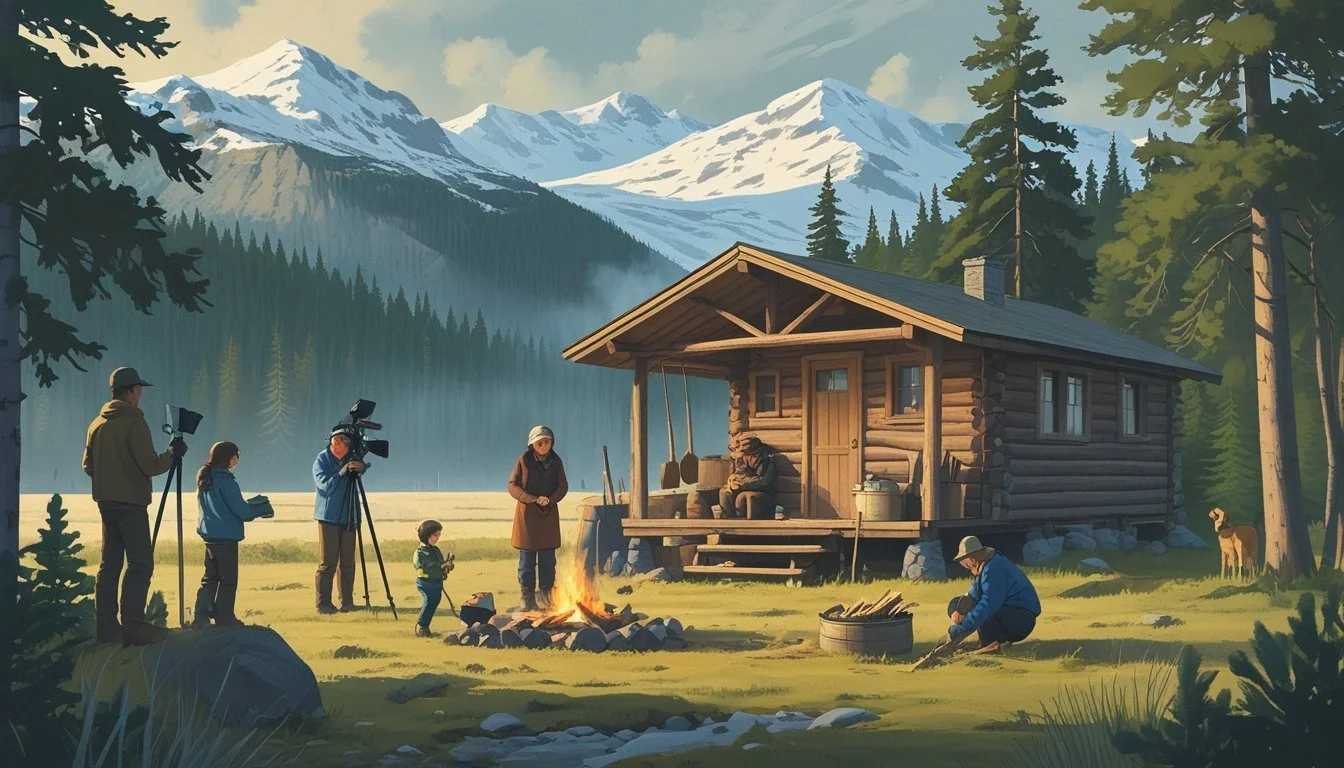
Fame from reality TV significantly changed how the Brown family interacted with their surroundings. Their presence brought increased attention from both fans and critics, directly affecting community relationships and daily routines.
Public Attention and Local Community Reactions
After the show premiered, the Browns began attracting crowds, often drawing fans seeking autographs or photos when they ventured into nearby towns. This visibility also led to mixed reactions from locals. Some residents felt the show misrepresented Alaskan lifestyles, while others appreciated the tourism boost.
Community Feedback:
Positive: Local businesses saw increased activity whenever filming occurred or the family made public appearances.
Negative: Neighboring residents sometimes complained about production disruptions and the portrayal of bush living as staged.
Rumors and speculation often followed the family, further blurring the line between scripted scenes and real-life actions. Encounters with media or paparazzi became much more common, with the Browns needing to navigate privacy concerns even during routine activities like shopping or dining out.
Lifestyle Changes Resulting From the Show
The Browns’ daily lives shifted after moving into the public eye. They were no longer just living off-grid; camera crews, production schedules, and outside expectations became constant factors. Privacy was diminished as their routines and struggles were broadcast to a national audience.
The family's source of income changed as well. Apart from subsistence activities, they now earned money through the show, merchandise, and public appearances. This financial dynamic allowed for improved amenities and upgrades such as better equipment and transportation.
Despite the rustic image portrayed, periods spent in hotels or more conventional housing during production were reported. Adjusting to fame required balancing authentic wilderness living with the demands of television storytelling, ultimately shaping the way the Browns approached everyday decisions.
Personal Projects and Hobbies Away From Filming
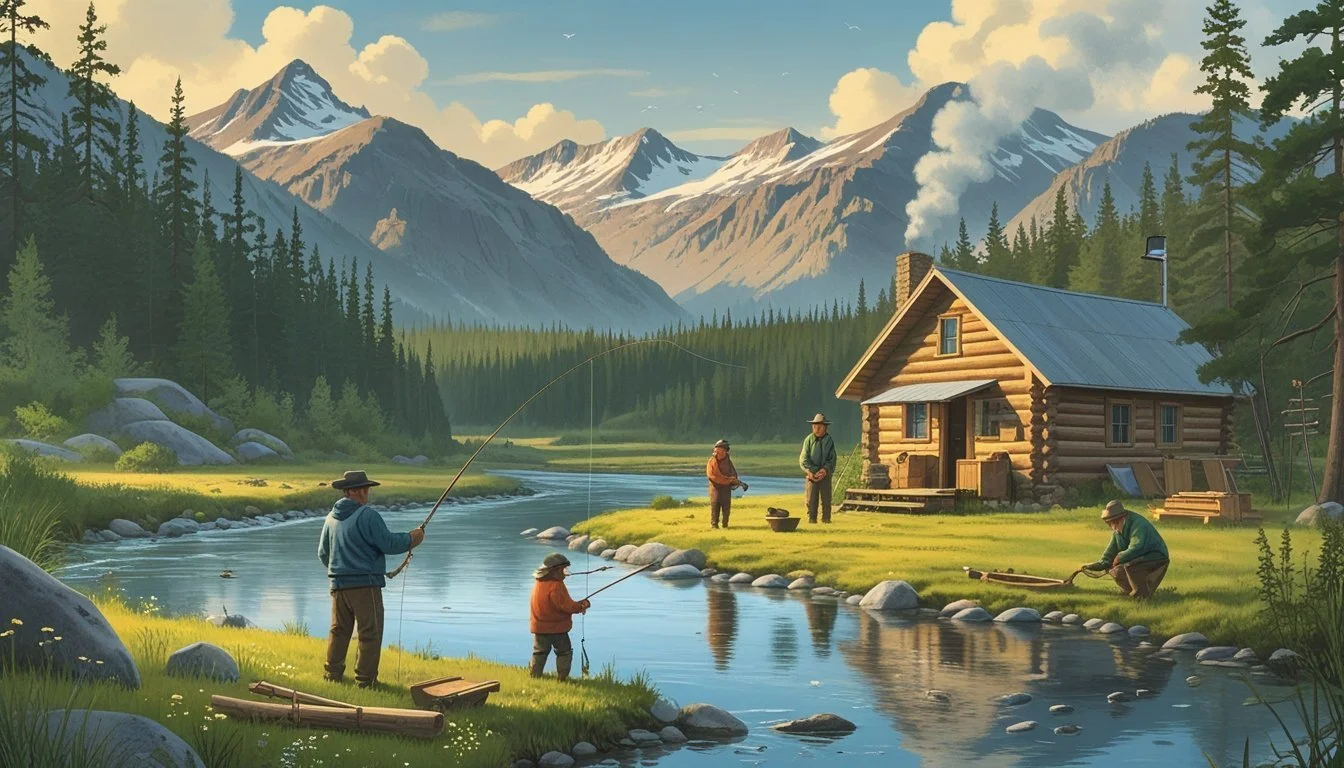
The Brown family members pursue various personal projects and hobbies when cameras are not rolling. Certain members have developed mechanical skills, often working on boats, vehicles, or building tools they need for their lifestyle.
Noah Brown, for instance, has taken on a series of mechanical and engineering tasks. These include projects like maintaining engines and assembling custom equipment, which have had a direct impact on the family's daily life.
Creative expression plays a role in several family members' routines. Some focus on music, playing instruments or writing songs, while others spend time crafting or painting.
A few notable activities away from filming include:
Family Member Personal Project/Hobby Noah Mechanical builds, inventions Gabe Vehicle repair, woodworking Billy Storytelling, writing Bear Outdoor exploration, fishing Ami Gardening, cooking
The family also enjoys group activities such as fishing, hunting, and hiking. These hobbies help maintain their connection to Alaskan wilderness even during breaks from the show.
Their off-camera lives show a mix of practical tasks and personal interests. Each member contributes different skills and passions to their lifestyle beyond what the episodes portray.
Supporting Staff and Unseen Contributors
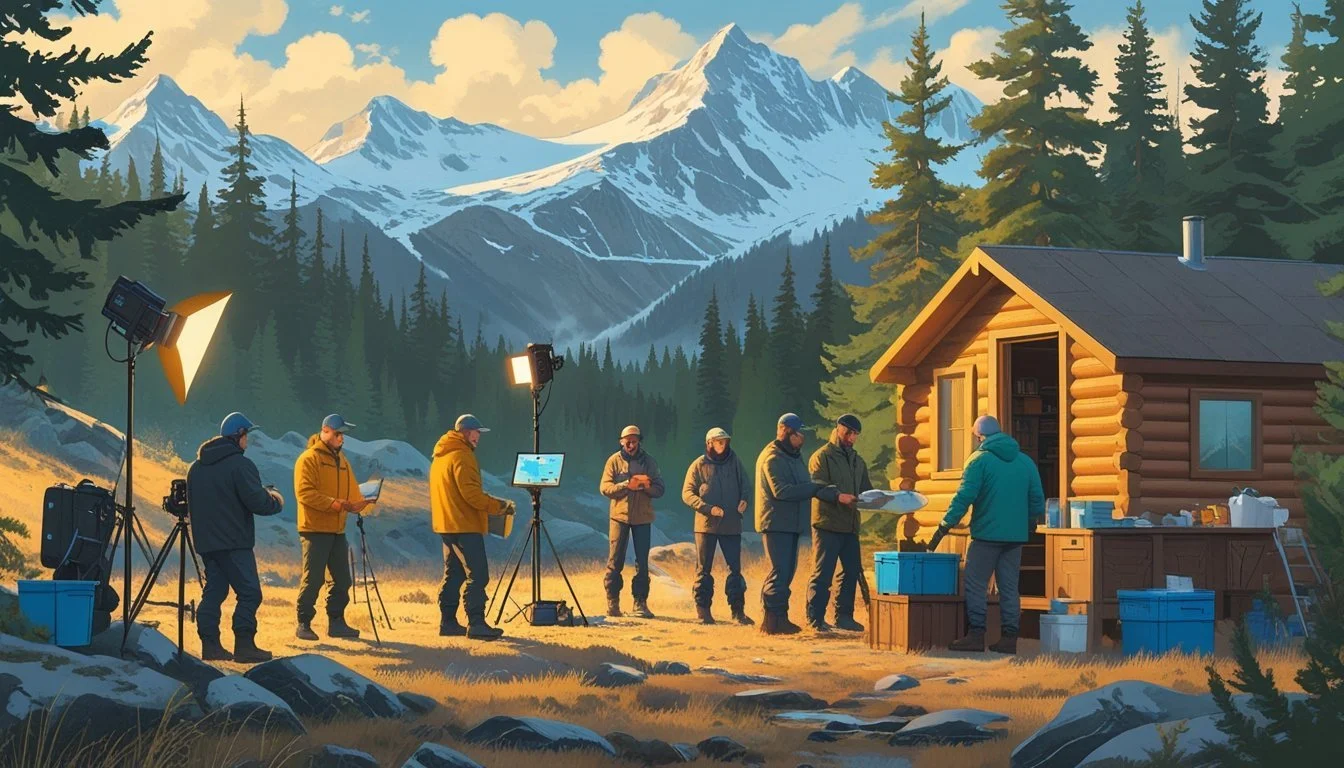
The crew behind Alaskan Bush People plays a key role in each episode’s production. Camera operators, sound technicians, and field producers work in challenging environments to capture the Brown family’s daily activities.
Many crew members endure harsh weather, remote locations, and extended stays away from home. Their expertise ensures both safety and quality filming, often requiring quick adaptations to unpredictable conditions.
Common roles behind the scenes include:
Role Main Responsibility Camera Operator Filming scenes in rugged terrain Field Producer Coordinating logistics and story flow Sound Technician Capturing clear audio outdoors Safety Coordinator Managing risks and emergencies Local Guides Assisting navigation and logistics
Some contributors remain off camera but are still essential. For example, local guides help the team navigate the wilderness, while logistics staff coordinate supplies and transport.
The production also involves editors, script coordinators, and post-production crews. They shape raw footage into the episodes seen on television.
Without these supporting staff and unseen contributors, the realistic and engaging portrayal of bush life on the show would not be possible.
How the Alaskan Setting Influences Off-Camera Life
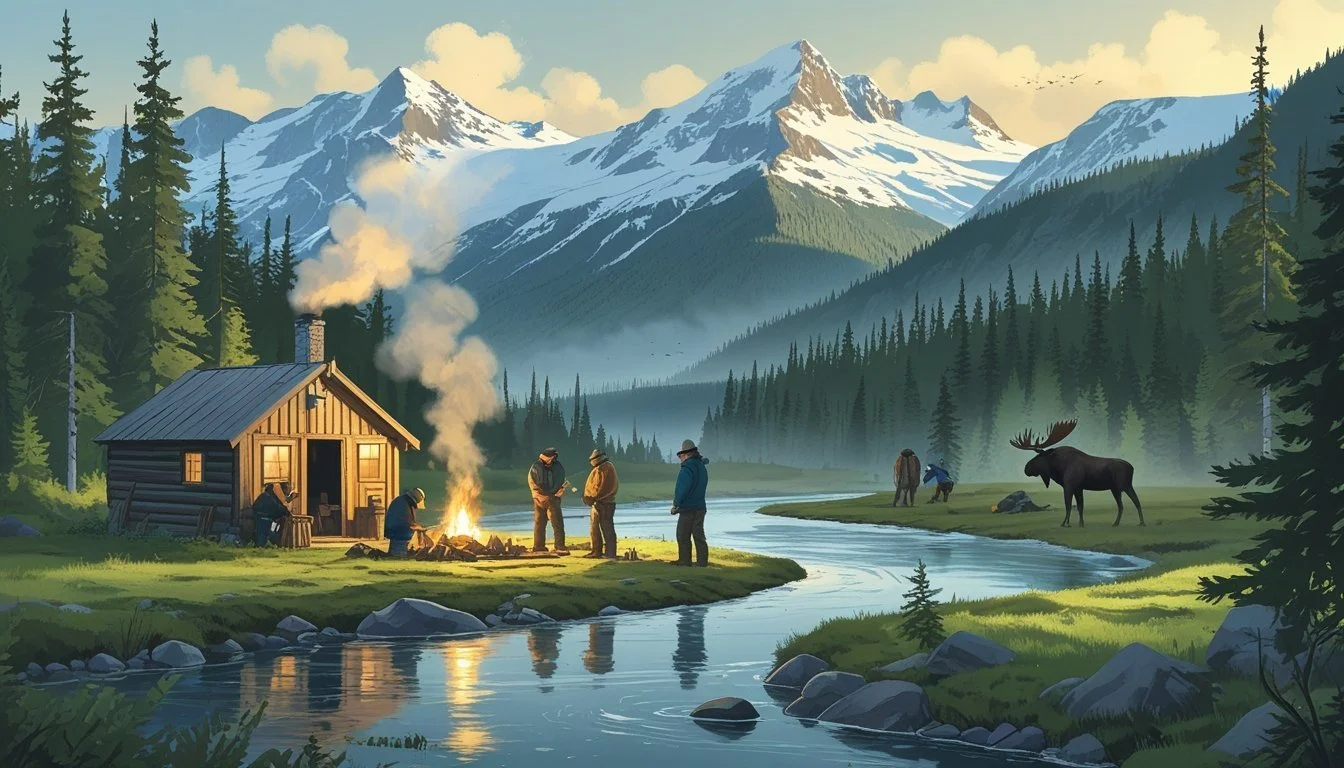
The remote Alaskan wilderness shapes every aspect of life for the crew and the Brown family, both on and off camera. Daily routines and logistics are dictated by weather, wildlife, and distance from civilization.
Weather Impact:
Snow, rain, and extreme temperatures often disrupt filming schedules. Crew members and cast must wear layers of protective clothing, which can make movement and work challenging.
Challenge Effect on Off-Camera Life Freezing temperatures Increased equipment malfunctions Heavy snowfall Limited transportation and mobility Rain and moisture Difficulties in keeping gear dry
Access to Essentials:
Getting food, fuel, and other basics requires significant planning. The need to transport supplies over rough terrain affects how people spend their downtime, with much of it focused on logistics.
Wildlife Encounters:
Encounters with bears, moose, and smaller animals are a regular concern. Crew members are often trained on safety measures and carry deterrents while filming or during breaks.
Isolation plays a major role in off-camera dynamics. Limited internet and phone access mean crews rely on direct conversation and group activities for entertainment or problem-solving.
Filming far from urban centers also means that technical issues—like camera repairs or power outages—must be managed on-site. There is little room for error.
