
Noah Brown’s High-Tech Contraptions on Alaskan Bush People
Assessing Ingenuity Versus Excess

Noah Brown from Alaskan Bush People has built a reputation for inventing unique high-tech devices to solve his family’s daily problems in the wilderness. His inventions range from percussion devices to deter moles to creating wind-powered generators for electricity in the remote setting of Browntown. While some viewers admire his ingenuity, others question whether his solutions are always necessary or practical.
Noah’s high-tech contraptions showcase both creative problem-solving and a tendency toward complex solutions where simpler options might exist. This blend of innovation and overengineering leaves audiences debating whether he is a true genius or sometimes goes overboard with his approach.
These memorable projects often spark both admiration and skepticism, making Noah one of the most talked-about members of the Brown family. Readers curious about the reasoning and results behind his inventive streak will find plenty to consider when looking at his growing list of wilderness creations.
Noah Brown’s Engineering Mindset
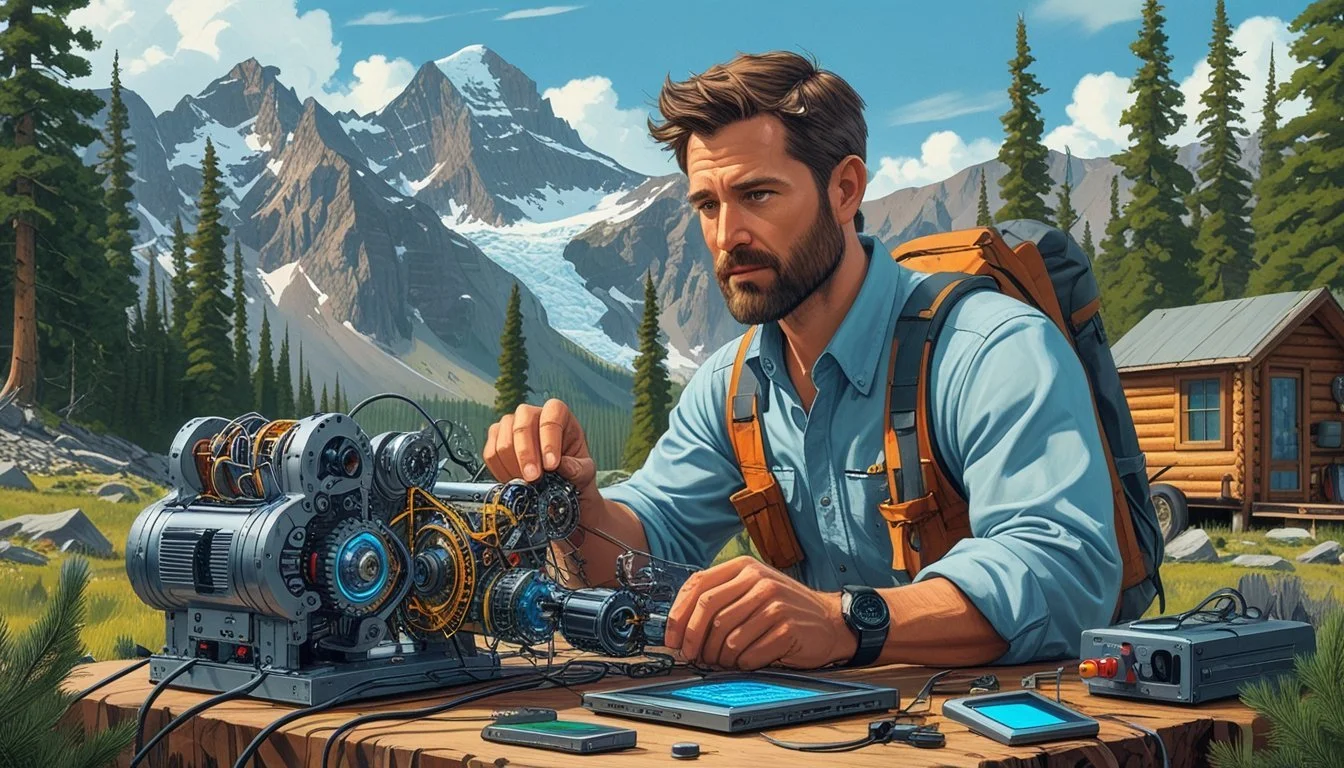
Noah Brown’s approach to creating new technologies on Alaskan Bush People blends practical necessity with inventive problem-solving. His work is shaped by family circumstances, environmental pressures, and inspiration from both natural evolution and human adaptability.
Background and Motivation
Noah Brown grew up in a remote environment where access to tools, electricity, and resources is limited. This scarcity demanded a do-it-yourself mindset early in his life.
He became recognized on Alaskan Bush People for addressing daily challenges with unconventional solutions. For example, he built machines out of scraps and repurposed old equipment, turning seeming waste into useful devices.
Motivated by a desire to support his family’s survival and comfort, Noah’s inventions balance rugged utility with a focus on sustainability. He often prioritizes low-tech or hybrid solutions that can be repaired on-site.
Motivation Examples Family needs Heating, food storage Survival Water filtration, battery banks Comfort Custom-made furniture
Influence of Evolutionary Biology on Design
Noah’s designs are often inspired by adaptations seen in nature. He frequently considers how animals or plants solve problems in their environments and applies similar concepts to his own projects.
Some of his contraptions mimic natural processes, such as water collection methods modeled after certain plant leaves, or using simple mechanical systems that echo how animals store and release energy.
This evolutionary perspective helps him design tools that are both resilient and efficient in harsh Alaskan conditions. His work serves as a real-world case of biomimicry—the practice of adopting nature’s best ideas to human engineering challenges.
Anthropological Perspective on Bush Innovation
Anthropology provides context for Noah’s inventive streak. Communities living off-grid often develop unique toolsets and social systems for meeting basic needs. The Brown family’s reliance on homemade devices fits into this broader anthropological pattern.
Noah’s habit of sharing his inventions with viewers reflects traditions of knowledge transfer seen in small societies, where skills are passed down and adapted over generations.
By combining inherited skills with new ideas, he illustrates how human ingenuity and cultural adaptation drive technical progress—especially in environments where commercial options are unavailable or impractical. His work is an example of the “necessity breeds innovation” principle studied in anthropology.
Signature High-Tech Contraptions
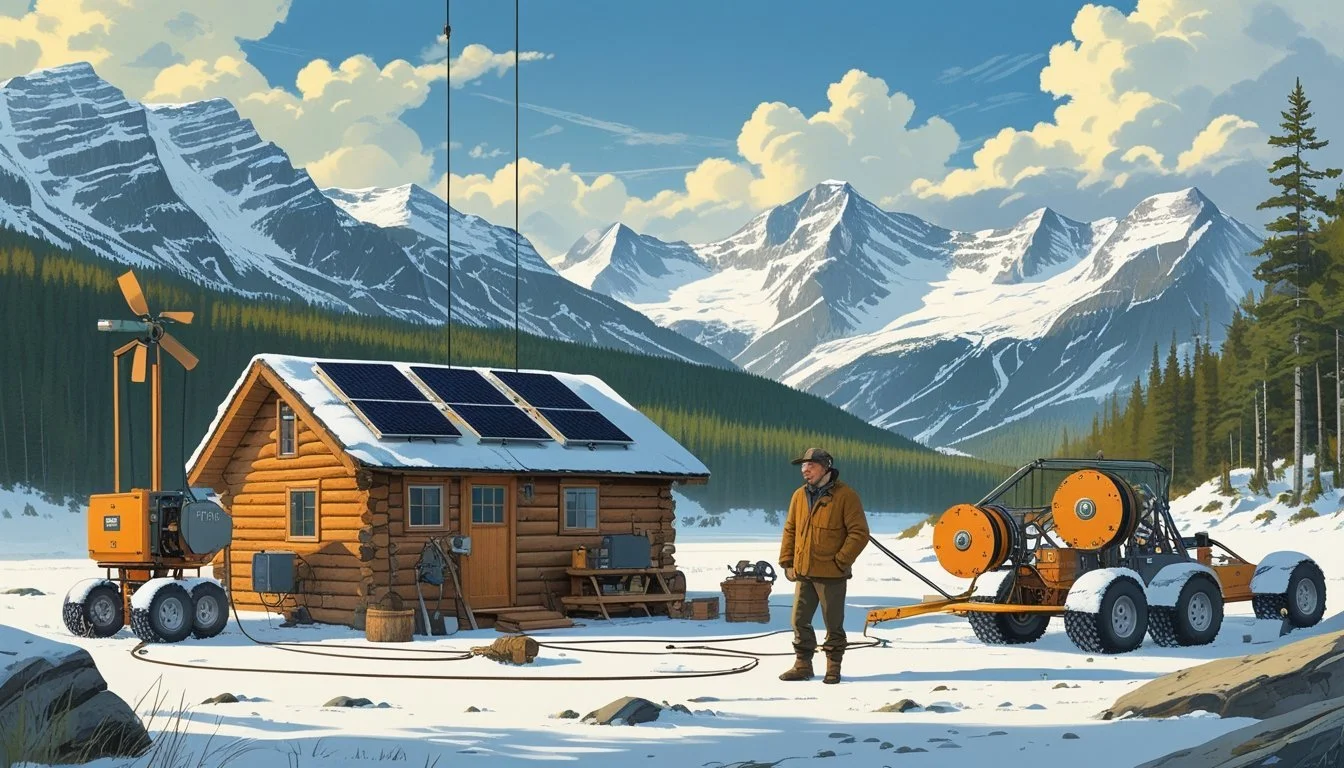
Noah Brown stands out on Alaskan Bush People for designing unconventional contraptions that solve real problems in remote environments. His focus on practical innovation, communication, and self-sufficiency shapes many of the unique devices seen on the show.
Overview of Inventions
Noah Brown’s projects range from hand-powered chainsaws to rugged solar arrays. Some inventions, like the “Bush Brush Whacker”—a chainsaw strapped to his arm—are both clever and controversial.
He frequently repurposes common items, turning salvage into tools for bush life. These often include machine parts, old electronics, and household goods.
Noah’s methods mix improvisation with research. He adapts designs to fit isolated conditions, emphasizing durability and multi-functionality. Each new device is meant to reduce the family’s dependence on outside resources.
Invention Main Purpose Bush Brush Whacker Efficient brush clearing Solar charging setup Energy for tools/devices Portable radio repeater Remote communication Motion alarms (DIY) Wildlife/security alerts
Communication Devices for the Wild
Maintaining contact in the Alaskan wilderness presents significant challenges. Noah’s solutions are often rugged and built to survive the elements.
One of his key projects involved creating portable radio repeaters. By boosting radio signals, these repeaters expanded the family’s communication range across dense forests and rough terrain.
He also set up makeshift intercoms and wireless alert systems between cabins. These networks allow timely updates about weather, wildlife, or emergencies. Batteries, solar chargers, and waterproof housings are always considered in his designs.
Key features of Noah’s devices:
Water-resistant casings
Low power consumption
Adaptability for both voice and data signals
Surveillance and Security Systems
With unpredictable wildlife and isolation, security is a top concern for the Brown family. Noah’s systems often combine old-school know-how with modern sensors.
He built motion-detecting alarms using salvaged car components and basic electronics. These alarms trigger lights or loud signals when movement is detected near critical areas, such as cabins or food storage.
Surveillance extends to battery-powered trail cameras for tracking animals or monitoring property lines. Noah chooses equipment that can handle harsh temperatures and operates independently for long periods.
A typical setup might include:
Motion sensors linked to alarms
Camera traps with infrared capabilities
Perimeter lighting that activates on detection
Sustainable Energy Solutions
Energy generation off the grid is crucial for powering tools, lights, and communication. Noah designed several small-scale sustainable energy solutions based on what was available.
He installed improvised solar arrays for charging batteries and running lights. When sunlight was unreliable, he experimented with hand-crank generators or bicycle-powered systems—sometimes using old vehicle parts.
Noah also worked on simple wind turbines using salvaged fans. While output is modest, these inventions help reduce fuel consumption and provide backup during outages.
Most systems are designed for easy repair with minimal resources, reflecting Noah’s priority on reliability and independence in the wild.
Innovation or Overkill? Viewer Perspectives
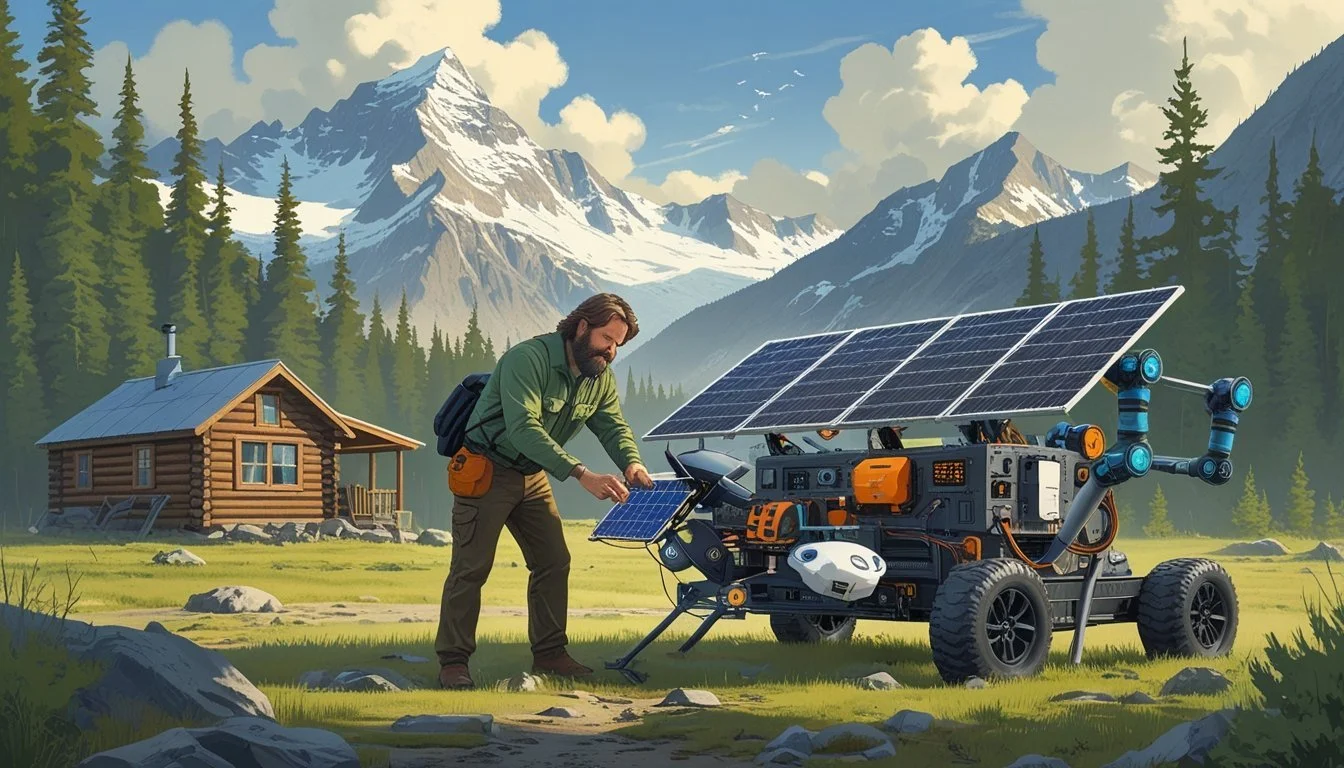
Noah Brown’s inventive spirit on "Alaskan Bush People" sparks both admiration and skepticism. His high-tech gadgets leave a lasting impression on fellow cast members, fans, and his own family, raising questions about usefulness, complexity, and the emotional atmosphere at home.
Reception Among Family and Crew
Noah’s creations, such as custom alarms, water filtration systems, and improvised baby accessories, consistently catch his family’s attention. Some relatives praise his ability to solve immediate challenges, especially in Alaska’s harsh conditions. Others, including crew members, sometimes express doubts about whether these efforts distract from simpler solutions.
Feedback tends to split along generational lines. Older family members prefer bushcraft methods, while younger Browns, particularly his wife Rhain, appreciate the increased comfort and safety Noah’s devices provide. Crew reactions are mixed, with technical staff sometimes intrigued and others seeing added logistical complications.
Despite occasional skepticism, the family recognizes the value of Noah’s technical know-how during emergencies. Several inventions become staples in camp life, blending traditional bush skills with modern ingenuity.
Debate: Practicality vs. Complexity
Viewers and online commentators often weigh in on whether Noah’s innovations serve real needs or unnecessarily complicate basic living. Forums highlight cases where his engineering has saved time and effort, such as automated feeders or tools for heavy lifting. However, debates emerge around the practicality of devices that demand constant maintenance or specialized parts.
Common arguments from critics include:
Increased potential for breakdowns in remote areas
Departure from the “simple living” ethos promoted by the show
Dependency on technologies that are hard to repair off-grid
Supporters counter that Noah’s approach prepares the family for emergencies and enables higher standards of safety. The contrast between necessity and extravagance recurs frequently in viewer polls and social media discussions.
Psychological Impact on the Brown Family
Noah’s technology-driven focus influences the psychological dynamics at home. Some family members report feeling reassured by improvements in comfort and safety, which alleviates stress during harsh seasons. For others, the rapid pace of change and heightened expectations can cause anxiety or a sense of disconnection from their traditional way of life.
Psychologically, Noah himself displays traits often associated with creative problem-solvers: persistence, attention to detail, and adaptability. This drive can foster unity if the family rallies around new projects. Conversely, it may introduce tension when the group struggles to keep up.
Discussions among the Browns sometimes reveal subtle divides between those excited by progress and those who feel overwhelmed by technology. Maintaining open dialogue helps the family adjust to each new invention, balancing mental well-being with practical benefits.
Technical Assessment of Noah’s Designs
Noah Brown’s inventions on Alaskan Bush People combine innovation with functional necessity, reflecting both his technical resourcefulness and the extraordinary challenges of off-grid living. His projects often balance creativity with practical engineering considerations unique to remote frontier conditions.
Recursion and Problem-Solving Methods
Noah’s approach to invention often demonstrates recursive thinking, where solutions are built incrementally—solving one problem leads to identifying and addressing the next. For example, modifying a chainsaw for bush use began with the immediate need for efficiency, then advanced with incremental safety and portability tweaks.
He consistently breaks down large technical challenges into smaller, manageable problems. Iteration is evident; he tests devices like the hand-powered “Bush Brush Whacker,” assesses performance, and revises his design. This recursive feedback loop improves reliability, though it sometimes results in overly complex mechanisms.
Noah documents failures as learning steps. By applying recursive logic, he repurposes failed attempts, salvaging parts and knowledge for future projects. This adaptive approach suits the unpredictable, resource-scarce bush environment.
Engineering Principles in Harsh Environments
Noah’s engineering methods are shaped by Alaska’s rugged, cold, and isolated landscape. His contraptions—such as improvised water systems or power tools adapted for manual operation—prioritize resilience and accessibility over aesthetics.
Material selection is crucial. He heavily uses scavenged or local resources, opting for wood, metal scraps, and old equipment due to limited supply. Every design must be simple enough for field maintenance, often without standard replacement parts.
A table of design considerations he faces:
Factor Influence on Design Extreme cold Insulation, weatherproofing Isolation Repairability, low dependency Limited power supply Manual or low-energy mechanisms
Mechanical reliability consistently outweighs sophistication in his approach. Devices must withstand harsh treatment, and Noah’s focus on robust construction and contingency planning is evident in most builds.
Impact of Technology on Alaskan Bush Life
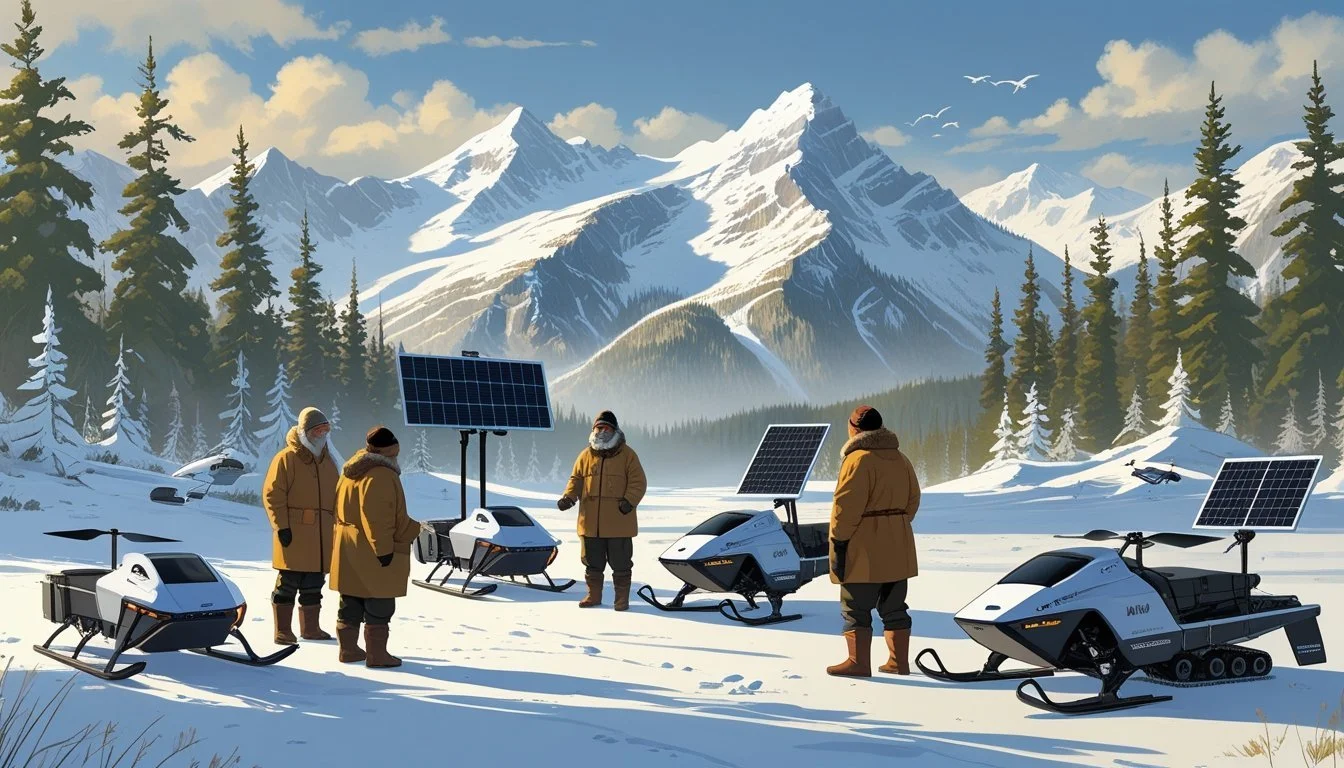
Modern technology has changed daily survival in the Alaskan wilderness by introducing new ways to solve old problems. Devices, tools, and innovations brought by Noah Brown and others have affected not just physical routines but also mindset and behavior.
Neuroscience and Adaptation to Innovation
Exposure to unfamiliar gadgets requires a shift in cognitive and emotional responses. The brain’s adaptability—known as neuroplasticity—enables bush dwellers to learn, integrate, and ultimately rely on new tools.
Adopting high-tech gear activates reward pathways, increasing motivation and confidence when tasks become easier or safer. At first, residents can experience anxiety or skepticism as technology pushes them out of their comfort zone.
Noah Brown’s inventions, for example, force rapid learning and practical reevaluation of routines. This continual adaptation strengthens problem-solving networks in the brain, making even complex solutions feel natural over time.
Mitigating Violence Through Modern Tools
Technology has also played a role in reducing the need for violent confrontations with wildlife and the environment. Surveillance cameras, secure food storage, and electronic alarms allow families like the Browns to detect threats early and act preventively.
Instead of relying on traditional weapons, residents can use non-lethal deterrents, such as motion-activated lights or noise devices. This change reduces direct encounters and thus lowers the chance of injury or escalation.
Practical tools like GPS trackers and weather monitoring systems also help avoid risky situations. The Browns benefit by planning routes and activities with greater knowledge, decreasing the pressure to make split-second survival decisions.
Legacy of Noah Brown’s High-Tech Approach
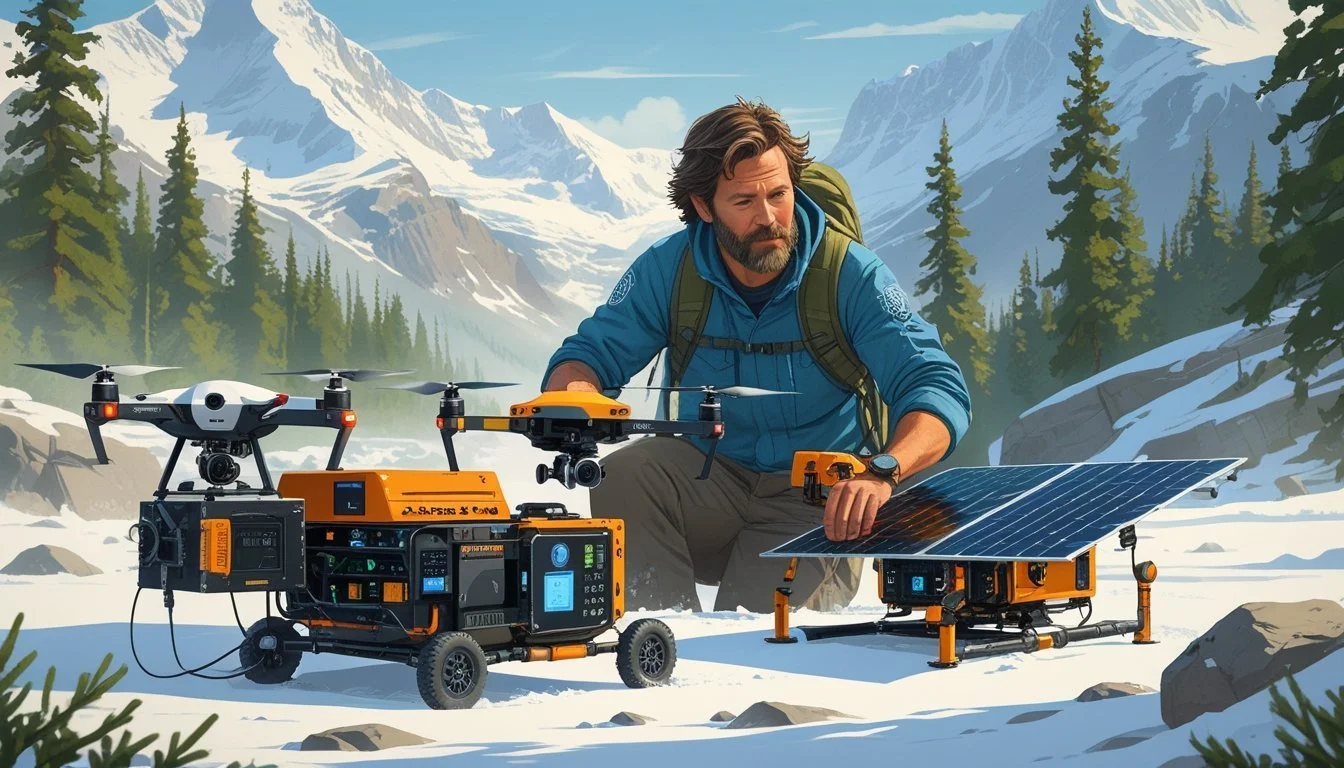
Noah Brown’s inventive projects have visibly shaped both the culture of Alaskan Bush People and the broader perception of homestead innovation. His blend of modern mechanics and traditional lifestyle shows contrast as well as possibilities within bush living.
Long-Term Effects on the Show
Noah’s inventions, including water systems and mole deterrent devices, introduced technology-driven storylines that set the Brown family apart from other reality show homesteaders. The mechanical projects often served as focal points for episodes and contributed to group dynamics, both positively and negatively.
Many viewers noticed a shift in narrative toward engineering challenges. This often led to debates about practicality versus spectacle, as some devices seemed impressive but were not always necessary for survival.
Over several seasons, Noah’s focus on homemade tech has become a defining trait of the series. It attracted audiences interested in engineering solutions for remote environments. The use of new gadgets provided fresh angles for character development, especially around problem-solving and teamwork within the family.
Influence on Modern Bush Craft
Noah’s high-tech methods have influenced how some viewers and fans approach do-it-yourself bush living. On online forums, his inventions are frequently discussed, with people analyzing their construction and potential real-life applications. This has inspired some homesteaders to experiment with integrating wind generators, improvised water systems, and animal deterrents on their own properties.
His approach contrasts with traditional bushcraft, often focused on minimal tools and basic survival skills. The introduction of mechanical solutions in a rustic setting has broadened the definition of “bush craft” to include both innovation and tradition.
Some purists feel that such devices are excessive, but others appreciate the push toward self-sufficiency through creativity. As a result, Noah’s builds spark ongoing conversations about what it means to live off-grid in the modern era.
