
Building a Wilderness Zipline: The Brown Family's Gold Discovery on Alaskan Bush People
The Browns are embarking on an ambitious project to connect their sprawling 400-acre North Star Ranch with a system of zip lines. This family endeavor centers around constructing a 300-yard main line that will link their house to the ranch entrance, creating a practical transportation solution for materials and bringing the family closer together. The anchor tree selection process is critical, as it must withstand significant weight to ensure safety and functionality.
While clearing the area around their chosen tree, Bear and Rain discover something unexpected—quartz scattered across the ground, potentially indicating gold deposits nearby. This discovery leads them to an old mine shaft approximately 500 feet deep, sparking excitement about possible treasure on their property. Despite facing technical challenges with the guide wire installation, the family remains determined to realize Billy's vision of a zip line network that embodies their bush lifestyle and strengthens their bonds.
Key Takeaways
The Browns are building a 300-yard zip line to connect their house with the ranch entrance for both practical use and family unity.
Proper tree selection and cable installation are critical safety considerations when constructing a functional zip line system.
An unexpected discovery of quartz and an old mine shaft during the project opens possibilities for gold exploration on the property.
Planning the Zip Line Network
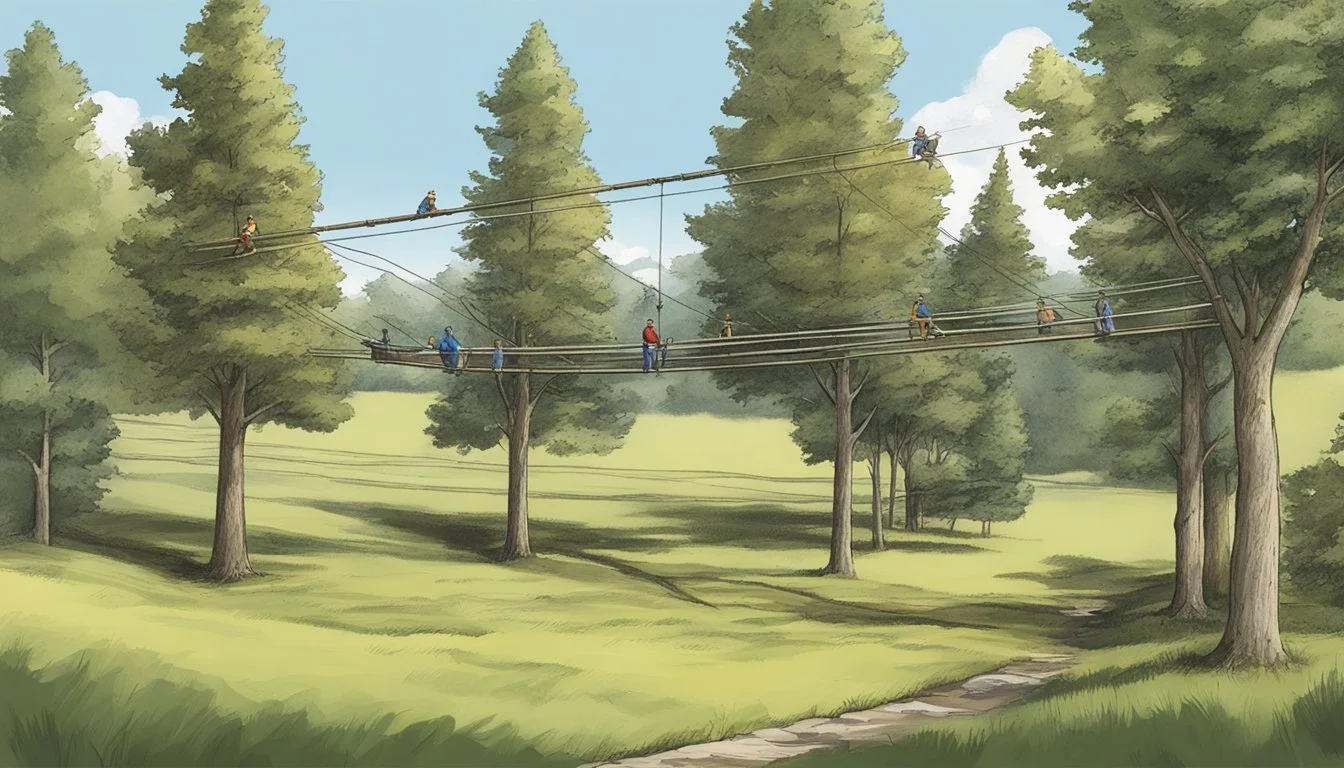
Evaluating the Launch Position
The Browns began their zip line project by carefully examining potential starting points. The natural elevation provided an advantageous drop that would help propel riders along the line without requiring additional structures. This strategic planning focused on utilizing the landscape efficiently.
The team envisioned a comprehensive network of zip lines, with their initial focus on constructing the primary line. This crucial 300-yard route would connect the main house to an area near the ranch entrance, serving as a central hub for construction materials.
Selecting the Support Tree
Finding the right anchor tree required careful consideration of several factors:
Size and stability - Small or tilting trees were immediately dismissed
Location - Accessibility and alignment with desired route
Strength - Ability to withstand substantial weight loads
"That tree, that's been here for a while. He's strong. He's good," remarked one of the family members during the selection process. The Browns recognized that choosing an inadequate tree would make the zip line dangerous and weak for users.
Once they settled on the appropriate tree, they began clearing the surrounding area to create workspace. This involved trimming branches and removing underbrush, which proved to be substantial work requiring proper tools.
Benefits of Materials Transportation
The zip line system offered more than recreational benefits; it provided a practical solution for moving supplies across their 400-acre property. Rather than driving materials along winding roads around the valley, the family could deliver items to the zip line entry point and send them directly to the house.
This approach to materials handling would:
Save significant transportation time
Reduce vehicle wear and tear
Allow more efficient distribution of construction supplies
Overcome challenging terrain obstacles
The implementation required running a guide wire across the longest route—an impressive 1,100-foot trek over undeveloped land. Despite facing setbacks when their initial attempt failed due to equipment issues, the Browns remained determined to complete the project.
"Just because something doesn't work doesn't mean you give up," became their guiding principle as they adjusted their approach after learning from their initial mistakes.
Safety and Setup Process

Choosing a Pole Saw Instead of Tree Climbing
When selecting the right approach for preparing trees for the zip line installation, safety considerations must come first. A pole saw offers significant advantages over manual climbing, particularly when trimming branches at height. This approach eliminates the physical risk of hanging onto a tree with your legs while operating a saw.
The proper tool selection can prevent unnecessary strain and potential injuries. For instance, using a pole saw rather than attempting to climb with traditional tools reduces the risk of falls and allows for more precise cuts from a stable ground position.
Clearing the Area Around the Tree
Before any platform construction can begin, thorough clearing of the surrounding area is essential. Removing brush, fallen branches, and debris creates a safe working environment and provides clear access to the anchor tree.
This preliminary work might seem tedious but proves crucial for several reasons:
Reduces tripping hazards during construction
Provides clear sight lines for safety checks
Allows proper equipment positioning around the tree
Creates space for the eventual platform installation
The effort invested in proper site preparation ultimately saves time and prevents complications during the more technical phases of the zip line installation.
The Zip Line as a Rural Lifestyle Symbol
The zip line project represents more than just a convenient transportation method across the property. It embodies the spirit of rural living through self-reliance, creativity and practical problem-solving.
This installation will connect various areas of the property, making material transport more efficient. Rather than driving materials around the entire valley, items can be efficiently sent down the line, saving considerable time and effort.
Cable Safety Protocols
Working with high-tension cables requires strict adherence to safety measures. When tightening cables for the zip line, maintaining proper distance is critical as a snapping cable can cause serious injuries or even death.
Essential safety precautions include:
Using protective tarps over cables to prevent whiplash injuries
Establishing clear communication signals during tensioning operations
Maintaining safe distances during high-tension work
Inspecting all attachment points before applying pressure
If the cable encounters obstructions during tensioning, it can snap unexpectedly. Initial challenges with attachments breaking provide valuable learning opportunities for improving the system's overall safety and reliability.
Building the Zipline Network
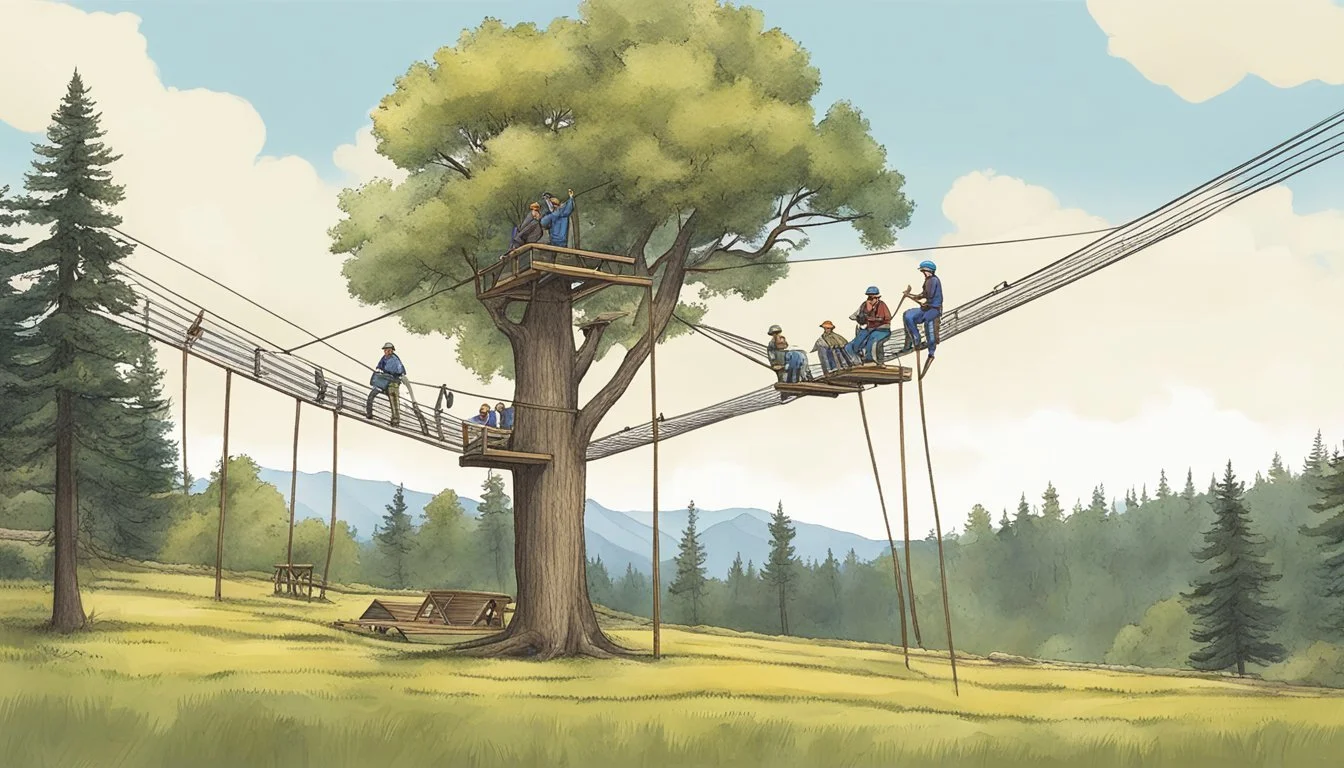
The Browns have begun work on an ambitious project that will link various parts of their 400-acre property. Their vision focuses on creating a zipline system with the main line spanning 300 yards, connecting their house to a central hub near the ranch entrance.
Setting Up the Guide Wire
The first step in creating the zipline system involved selecting the right anchor tree. After careful consideration, the family chose a sturdy, well-established tree that could withstand the significant weight the zipline would place on it.
"The anchor tree is very important because it needs to withstand the weight we'll put on it," one family member explained. "If it isn't strong enough, the zipline would be too dangerous for anyone to use."
Before running the guide wire, they cleared brush and trimmed branches around the selected tree. This preparation work, though time-consuming, was essential for creating a safe pathway for the zipline.
The team then began the challenging task of running the guide wire across the 1,100-foot route over uneven terrain. They worked to find the right balance of tension, making it tight enough to provide guidance without risking breakage.
Elevating the System
With the guide wire in place, the Browns moved to the next critical phase: raising the haywire. This component would serve as the guide for the actual zipline cable, positioned high above the tree line.
The process involved connecting the cable to a tractor, which would slowly pull forward to raise the wire. This delicate operation required careful coordination between team members, with a system of howl signals to communicate when to stop and start the tractor.
Safety precautions were paramount during this phase. The team placed protective tarps over sections of the cable to prevent dangerous whiplash in case of breakage.
"Any time you're dealing with a cable being pulled super tight, one of the main problems is snapping," a family member warned. "That thing can literally take limbs off. It could kill you."
Construction Challenges
The first attempt at raising the haywire didn't go as planned. As the tractor began pulling, the team heard concerning snaps and watched as something broke loose, causing the cable to whiplash back.
"Round one didn't go so well," someone noted. "This goes to the forest instead of the Browns."
Upon inspection, they discovered that the attachment holding the cable had broken. The cable had caught on obstacles, fraying in multiple places before snapping back.
Despite this setback, the family maintained their optimistic outlook. They quickly regrouped and developed a modified approach, adding additional reinforcements to prevent the same failure.
"It actually might have been a good thing that the first round didn't go in our favor," one Brown member reflected. "Now we know exactly what to do to make it work perfectly."
This practical approach to problem-solving exemplifies the family's resilience. Their commitment to completing the zipline system remained unwavering, seeing it as both a practical transportation solution for materials and a symbolic connection between family members across their expanding property.
Unexpected Discovery

Finding Crystal Formations on the Property
While working on the zip line project, Rain and Bear made an interesting discovery. They noticed pieces of quartz scattered on the ground near their work site. The white crystalline rocks caught their attention as they stood out among the regular terrain.
"Hey. Check it, quartz," one of them pointed out. Upon closer inspection, they realized the quartz wasn't isolated to just one spot. The distinctive white mineral appeared to be "overflowing" across an area of their property.
This unexpected find led to excitement as they began collecting samples and examining the distribution pattern. The crystals seemed to form a trail leading uphill, suggesting they might have washed down from a source point at a higher elevation.
Potential for Precious Metals
The discovery of quartz triggered memories of past prospecting adventures. The siblings recalled an important geological connection: quartz formations often indicate the presence of gold deposits in the vicinity.
"Where there is quartz, there is also gold. They're found together," Bear explained, drawing on the family's previous gold-hunting experiences.
This realization transformed their simple crystal find into something potentially more valuable. The trail of quartz could be leading them to a significant gold deposit somewhere on their 400-acre property.
The siblings began speculating about the possibilities. "Could you imagine actually finding gold? Striking gold. That would be outrageous," they enthused, recognizing how such a discovery might impact their development plans for North Star Ranch.
Exploring an Abandoned Tunnel
Following the quartz trail uphill, Bear and Rain made an even more significant discovery. At the top of the rise, they located what appeared to be an old mining tunnel entrance—something they hadn't known existed in this part of their property.
"Hey, I think this is the actual shaft," one called out. The opening was substantial and appeared to extend deep into the hillside.
Unlike other tunnel entrances they'd previously found on their land which had been sealed off, this one remained open. "This guy might still be opened all the way. We're talking like 500 feet," they estimated after peering inside.
The siblings were surprised to find this hidden tunnel, especially given its location "off the beaten path." Its presence suggested there might be several other unexplored mine workings scattered across their property that they hadn't yet documented.
Rain carefully collected rock samples from near the entrance while avoiding any potential hazards. This mining tunnel represented not just a historical feature of their land but possibly a connection to valuable resources that aligned perfectly with Billy's vision for family adventures on North Star Ranch.
