
Wildfire Emergency: How the Alaskan Bush People Survived the North Star Ranch Fire
The intense summer heat at North Star Ranch had been relentless, with temperatures soaring above 105 degrees. As Bear struggled with the debilitating effects of the scorching weather, he noticed an alarming scent of wood smoke funneling between the mountains. Upon further investigation, Bear spotted flames in the distance and quickly alerted the Wolf Pack, triggering an emergency evacuation as the wildfire rapidly advanced toward their homestead.
The wildfire's devastation was immediate and severe, eventually consuming over 18,000 acres of land. Despite the catastrophic threat to everything the Brown family had built—their main house, barn, and ostrich pen—the community rallied together. Local firefighters battled the blaze while the Browns, with help from neighbors and strangers alike, focused on evacuating and later rescuing their livestock during brief windows of opportunity. Through perseverance and determination, the family managed to save their animals, including Woodland and Willow, two horses that hold special significance for Snowbird.
Key Takeaways
A rapidly spreading wildfire forced the Brown family to evacuate their mountain home, threatening years of hard work and dreams.
The family coordinated multiple rescue missions during brief safety windows to save their livestock from the advancing flames.
Community support proved invaluable as neighbors and strangers offered shelter, supplies, and assistance during the crisis.
Bear's Encounter with Extreme Heat and Discovery of Smoke
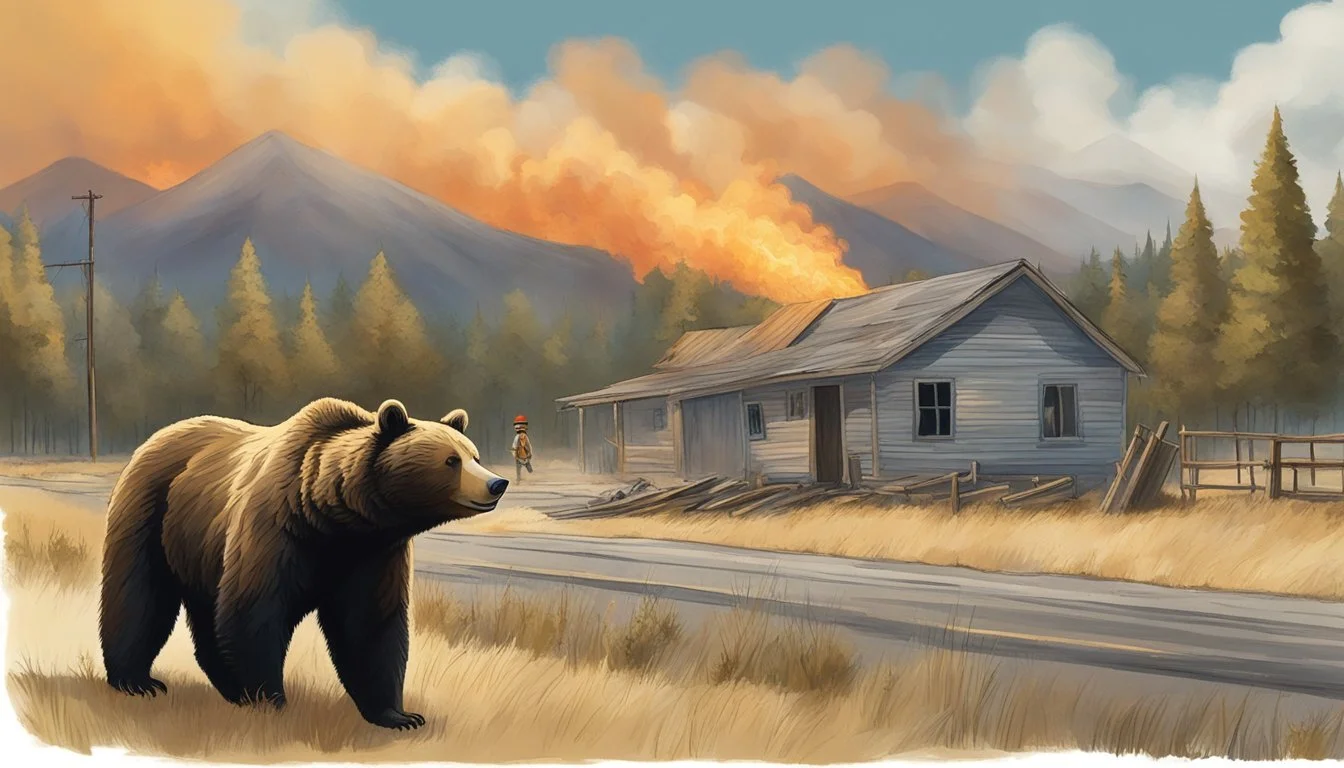
The Oppressive Heat and Its Impact on Bear
The temperature had risen to alarming levels, exceeding 105 degrees recently. For Bear, this extreme heat was particularly challenging as it severely affected his ability to function. He considered heat one of his greatest weaknesses – his "kryptonite" – as it drained his energy and prevented him from engaging in his usual activities.
The scorching temperatures had a debilitating effect on him physically. Unlike other challenges he could overcome, the intense heat rendered him unable to run or draw, leaving him feeling unusually weak and lethargic.
Initial Detection of Smoke and Growing Alarm
Bear first noticed the scent of wood smoke in the air, which immediately caught his attention. The smell was strong and distinctive, causing him to scan the surroundings for its source. He observed smoke funneling between two mountains in the distance, a concerning sight that made him increasingly uneasy.
After identifying the direction of the smoke, Bear realized there was a fire relatively close to their location. The situation appeared serious enough that he immediately decided to alert the rest of the Wolf Pack about the potential danger.
The discovery quickly escalated into an emergency evacuation as the flames spread rapidly. "We've been warned about wildfires, we've been taking precautions. But I never thought for a second that one would spark up so fast and so intense," Bear remarked as the situation deteriorated. The entire mountainside was soon engulfed in flames, threatening everything the family had built.
Alerting the Pack and Emergency Evacuation
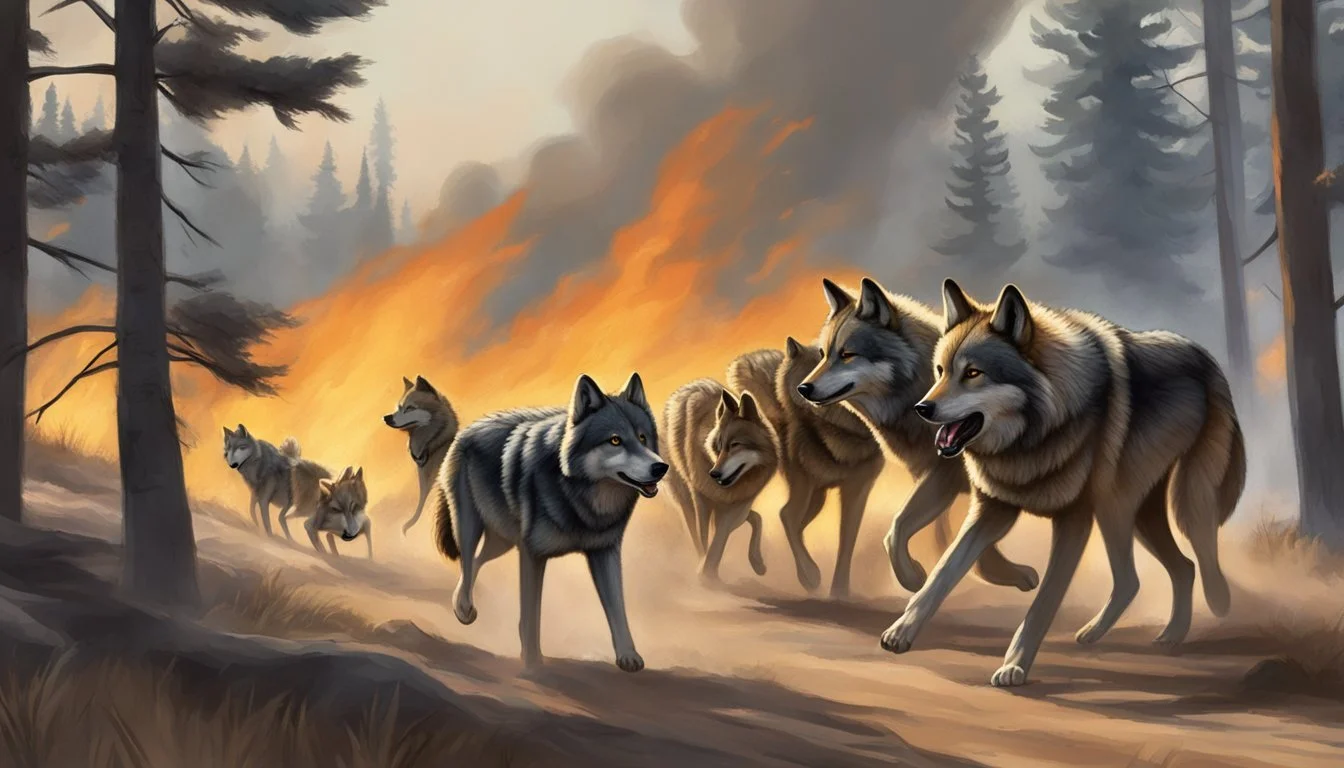
Warning the Wolf Pack
Bear noticed the rising temperatures with concern. The heat had reached dangerous levels, exceeding 105 degrees in recent days. While scanning the horizon, he detected the unmistakable scent of wood smoke carried by the wind. The smoke appeared to be funneling through the two mountains nearby. As he observed more carefully, Bear spotted flames in the distance and immediately recognized the danger.
"I better go ahead and head down and let everybody else know that we do have fire in the area," Bear said as he hurried to alert the others. The situation was quickly becoming serious, and every moment counted in their response.
Rapid Fire Progression
The wildfire spread with alarming speed, transforming from a distant threat to an immediate danger within minutes. "I never thought for a second that one would spark up so fast and so intense," Bear explained as the family watched the flames engulf the mountainside. The situation deteriorated rapidly as the fire grew in intensity and size.
"Holy hell. This is insane. The entire mountain is going up," Bear exclaimed as the family realized the severity of what they were facing. Their carefully built homestead—including the ostrich pen, barn, and main house—all stood in the path of the advancing flames.
The wildfire would ultimately devastate over 18,000 acres of land. Not only was the Brown family affected, but many other families, nearby towns, orchards, and farms were at risk of losing everything.
Emergency Evacuation Procedures
With the fire approaching, immediate evacuation became necessary. The family implemented their emergency procedures, ensuring everyone was accounted for before leaving the property.
"We got everyone evacuated. And now Bear and I are just down here with the fire crew just watching them do their work to save the day," Rain reported as they monitored the firefighting efforts from a safe distance.
The evacuation included several rescue missions for their animals:
Animals Rescued:
Chickens
Ducks
Goats
Horses (6 total)
During a brief window when the fire temporarily died down due to shifting wind patterns, Snowbird and the team returned to rescue horses. "We just got permission to go up to the mountain. The Forest Service and the fire department says something to do with the atmosphere. The fire has died a little bit," Snowbird explained about their rescue opportunity.
Despite the chaos, the community rallied together. Neighbors offered shelter, pastures, barns, and supplies to those displaced by the fire. "In the Bush, you know, the code is you help each other. It's not even just friends help friends, it's people help people," Snowbird reflected on the outpouring of support during this crisis.
The Wildfire Danger to Mountain Ridge
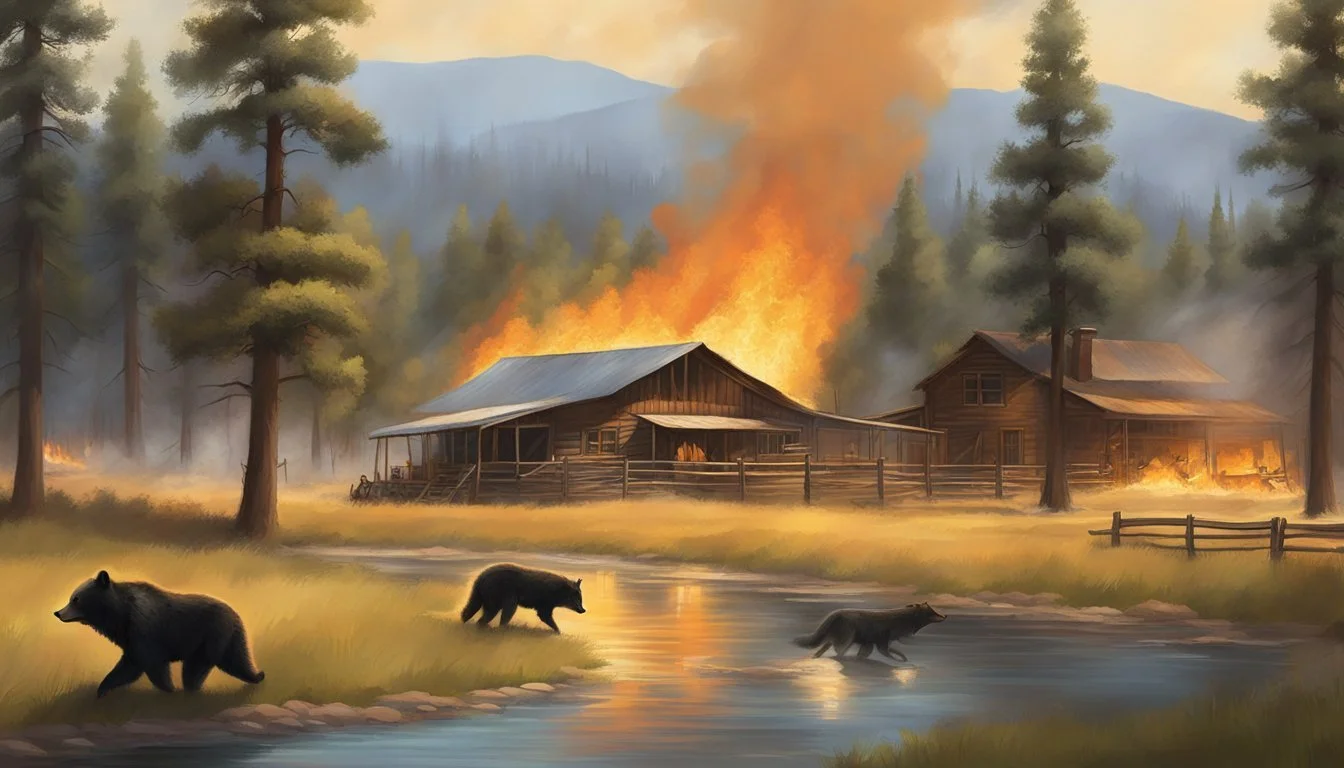
Potential Building and Animal Loss
The wildfire threatening the mountain has created an extremely dangerous situation for all structures and livestock. With temperatures recently exceeding 105 degrees, conditions were already hazardous before smoke was spotted funneling between the mountains. The fire spread rapidly, forcing an emergency evacuation of all people from the property.
Several critical structures face potential destruction:
The main house (representing the family's dream)
The barn
The ostrich pen
The "forever home" being built for parents
The danger to animals was immediate and severe. Initial rescue efforts focused on the most vulnerable livestock:
Horses (particularly sensitive to fire and prone to panic)
Chickens
Ducks
Goats
The wildfire's devastation expanded dramatically over several days, eventually consuming more than 18,000 acres of land. This massive blaze threatened not only the family's property but numerous surrounding areas including towns, orchards, and farms.
Significance of the Property to the Family
This property represents the culmination of years of work and dreams. As Rain noted, "When you finally have everything, there comes this literal wall of fire to destroy it." The potential loss of their home and animals created profound emotional distress for everyone involved.
Snowbird expressed particular anguish about the animals: "They're wondering why I'm not there. And when I'm going to come feed them and when I'm going to come save them. And I can't." Her special bond with the horses Woodland and Willow made their uncertain fate especially difficult.
The family's connection to the land extends beyond mere ownership. The property represents their:
Self-sufficiency
Shared dreams
Future security
Community bonds
Despite the devastation, the community response demonstrated remarkable solidarity. Neighbors and even strangers offered pastures, barns, housing, and clothing to those affected. As Rain observed, "That just means the world in times like this," highlighting how the crisis revealed the strength of their community connections.
Firefighting Efforts and Emergency Response
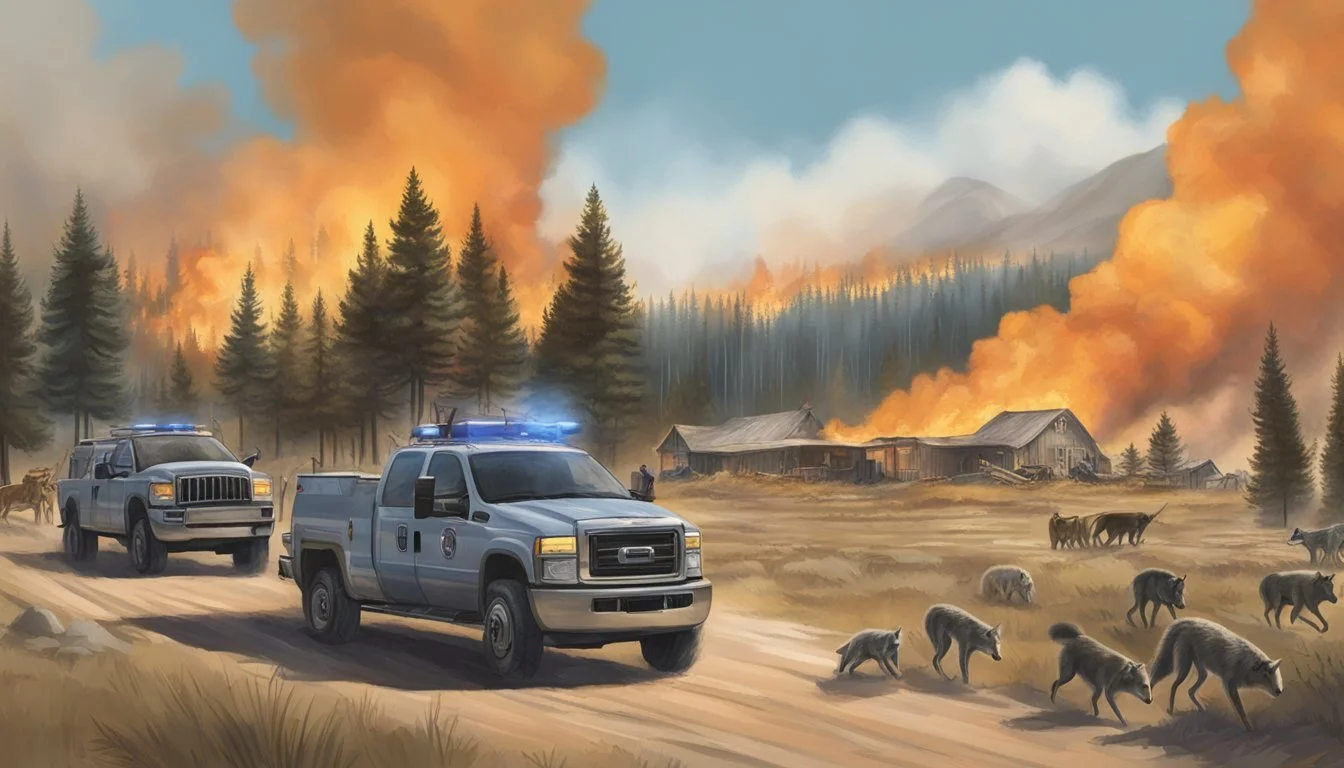
Aerial Water Operations
As flames quickly spread across the mountain, the situation turned critical, forcing an emergency evacuation of the Brown family and crew. Helicopter support arrived promptly to combat the rapidly expanding wildfire. These aircraft began water drops in an attempt to contain the blaze that threatened to consume the entire mountain and the structures the family had built there.
The aerial firefighting efforts intensified over the following days as the wildfire grew from affecting 5,000 acres overnight to devastating more than 18,000 acres. Despite the challenging conditions, firefighting teams deployed multiple aircraft, including helicopters and airplanes, to drop water on the flames. These aerial operations became the primary defense against the advancing fire front.
Community Support During Crisis
The wildfire affected not only the Browns but also other families, nearby towns, orchards, and farms. Many people faced losing everything they owned. In response to this widespread emergency, the community demonstrated remarkable solidarity and compassion.
Local residents offered substantial assistance to evacuees, providing essential resources such as:
Water and camping supplies
Food provisions
Shelter for displaced people
Safe space for livestock and animals
Strangers reached out to offer their pastures, barns, homes, and even clothing to those affected by the disaster. This generosity proved invaluable during such a difficult time, embodying the bush code that "people help people."
The rescued livestock from the Browns' property found temporary shelter at local homes and farms down the mountain. Community members even assisted with animal rescue operations, helping to locate and retrieve horses that had been missing during the fire. This collaborative spirit provided a glimmer of hope amid the devastation, demonstrating that even in crisis, the strength of community support can make a significant difference.
Wildfire Rescue Mission
Temporary Break in Fire Conditions Enables Action
As the wildfire raged through the mountain area, devastating more than 5,000 acres overnight, the Brown family and their crew were forced to evacuate. The fire continued to spread, eventually affecting over 18,000 acres of land. During this crisis, many local residents offered support, providing water, camping gear, and even shelter for those displaced.
Fortunately, a temporary shift in wind patterns created a brief window of opportunity. The Forest Service and fire department informed the family that atmospheric conditions had caused the fire to diminish slightly, allowing for a short-term rescue mission. This narrow timeframe represented their first and potentially only chance to return to the mountain before complete destruction.
"We just got permission to go up to the mountain," Snowbird explained. "The fire has died a little bit. We don't have time to go even tell anybody else. This window has to be now and I'm not going to waste a single second."
Efforts to Save the Horses
The primary concern during the rescue mission was the safety of the horses, as these animals are particularly vulnerable during fires. Unlike other animals, horses tend to become frightened and confused when faced with flames, often making poor decisions in panic.
The rescue team successfully managed to:
Wrangle four horses as the fire dangerously closed in
Guide the animals to safety despite challenging conditions
Secure them in temporary pens away from the fire zone
Over subsequent days, the family conducted additional brief rescue missions to save their livestock:
All chickens
All ducks
All goats
While most animals were rescued, Snowbird remained concerned about two special horses named Woodland and Willow. These were her first horses, and they shared a particularly strong bond. The uncertainty about their fate caused significant distress.
Fortunately, these horses were later discovered wandering through the ash together by helpful neighbors who brought them to safety. The reunion was emotional, with Snowbird noting, "It is a sign of hope. It's a sign that North Star Ranch isn't necessarily lost."
Rain reflected on the successful rescue of all the horses: "It is a huge blessing that all the horses made it off the mountain in one piece. This could have very easily been a lot worse than it has been."
Assessing the Fire's Impact
Fire Damage Progression
The wildfire ravaged over 5,000 acres during its first night alone. Despite firefighters' efforts with helicopter water drops and ground operations, the flames continued to spread at an alarming rate. Within several days, the destruction had expanded dramatically, consuming more than 18,000 acres of land. The fire's impact extended beyond the Browns' property, affecting neighboring farms, orchards, and communities throughout the region.
Animal Rescue Achievements
The family managed to save numerous animals through dedicated rescue operations. During brief windows when it was safe to return to the mountain, they successfully evacuated all their chickens, ducks, and goats. Four horses were initially rescued during the first opportunity to return, despite the dangerous conditions and advancing flames. Local community members offered their barns, pastures, and homes to shelter the rescued livestock temporarily. This outpouring of support came from both friends and strangers alike, embodying the spirit of mutual aid.
Missing Horse Concerns
Two horses named Woodland and Willow remained unaccounted for after the initial evacuations. These animals held special significance for Snowbird, as they were the first horses she ever owned. The uncertainty about their fate caused considerable emotional distress, with fears they might not have survived the wildfire. Fortunately, someone discovered the pair wandering through the ash together and brought them down from the mountain. Their rescue represented a profound sign of hope amidst the devastation. When reunited, the horses appeared to recognize their owners immediately and joined the rest of the rescued herd, which welcomed them with obvious excitement.
Finding Woodland and Willow Once More
Discovering the Horses After the Wildfire
The devastating wildfire that swept through North Star Ranch forced the Browns to evacuate quickly, leaving many of their animals behind. While they managed to rescue most of their livestock during brief windows when firefighters allowed them back to the property, two horses remained missing. Woodland and Willow, Bird's first horses with whom she shared a special bond, were nowhere to be found during the initial rescue efforts.
As the fire continued to ravage over 18,000 acres of land, the family held onto hope that the missing horses had somehow escaped to safety. The uncertainty weighed heavily on Bird's heart. "The hardest part for me right now is not knowing if they're OK," she confessed, trying to push away thoughts that she'd broken her promise to always be there for them.
Emotional Impact and Future Hope
When Bird finally reunited with Woodland and Willow, the moment was filled with profound emotion. A kind neighbor had found them wandering together through the ash and brought them down from the mountain. "I can't thank the people that actually went up and got the horses down enough," Bird expressed with immense gratitude.
The horses appeared to recognize Bird immediately, making the reunion even more touching. As Bird gently whispered to them and removed their halters, the connection between them was evident. Rain observed the significance of this moment, noting, "It is a huge blessing that all the horses made it off the mountain in one piece."
For the Brown family, the horses' survival represented more than just animals being saved—it symbolized hope for their future. Bird saw it as "a sign that North Star Ranch isn't necessarily lost." When the other horses greeted Woodland and Willow with excitement, it reinforced the strong bonds that existed among all the animals. This touching reunion amid devastating circumstances reminded the family that despite losing so much to the fire, what mattered most—their loved ones, both human and animal—had survived.
