
How Alaskan Bush People Changed the Way Viewers See Wilderness Living
A New Perspective on Survival and Family Life

Alaskan Bush People shifted viewers' perspectives on wilderness living by giving a close look at the challenges and realities faced by a family striving for self-sufficiency in remote Alaska. The show presented a lifestyle that differed from the typical comforts and routines of modern society, inviting audiences to reconsider what it means to live off the land.
While some aspects of the show have been debated for authenticity, the impact on how people think about the wilderness is clear. The series sparked new interest in remote living, survival skills, and the appeal—and hardships—of carving out an existence surrounded by nature.
For many viewers, Alaskan Bush People turned the abstract idea of wilderness living into something tangible and detailed, changing both expectations and attitudes toward life away from civilization.
Overview of Alaskan Bush People
Alaskan Bush People is a reality TV show that documents the Brown family’s efforts to live a self-sufficient lifestyle in remote Alaska. The series attracted attention for its portrayal of wilderness survival, family dynamics, and its unique approach to modern reality television.
The Concept and Format
The show debuted in 2014 on the Discovery Channel. It follows the Brown family as they build homes, hunt, fish, and face the challenges of living far from modern civilization in Alaska’s wilderness.
Episodes typically feature day-to-day survival tasks and the interpersonal relationships among family members. The format blends reality TV storytelling with docudrama elements, highlighting both the logistics and emotional reality of living off the grid.
Alaskan Bush People emphasizes the uncompromising environment and tasks such as gathering food, constructing shelters, and navigating bushcraft skills. The series has evolved over time, shifting locations and occasionally focusing on external challenges, but it remains centered on the family's adaptation to remote conditions.
Discovery Channel’s Influence
The Discovery Channel’s production values played a significant role in shaping the show’s narrative and visual style. The network’s choice of camera angles, soundtrack, and editing enhances both the perceived stakes and emotional aspects of wilderness living.
Discovery positioned the series alongside other survival and adventure-based programming, helping to draw in viewers interested in rugged, alternative lifestyles. Marketing campaigns promoted both the family’s authenticity and the harshness of their environment.
Critics and viewers have noted the blending of reality and entertainment, with some questioning the extent to which situations are staged or dramatized. The Discovery Channel’s influence ensured the show maintained a balance between entertainment value and the depiction of real-life survival.
Background on the Brown Family
The Brown family consists of Billy and Ami Brown and their seven children. They present themselves as a close-knit group with a stated philosophy of living independently from mainstream society.
Family members often rely on each other for support, pooling skills and effort to meet daily needs. The children each take on specific roles, including hunting, carpentry, and managing household tasks.
Over the years, the family’s journey has included changing homes within Alaska and later relocations due to personal and legal challenges. Their story remains focused on themes such as resilience, adaptability, and familial bonds, which are highlighted throughout the reality TV show.
Transforming the Public Perception of Wilderness Living

The reality show Alaskan Bush People brought the daily struggles and lifestyle of a family in rural Alaska to television audiences. By following the Browns as they lived off-grid, the show provided a look at routines, challenges, and values that differ from urban and suburban life.
Portrayal of Alaskan Survival Skills
Alaskan Bush People depicted the Brown family's reliance on practical skills to survive in an unpredictable environment. Viewers saw Billy Brown and his children repair cabins, build essential tools, and hunt or gather food for their needs.
These scenes highlighted that wilderness living requires constant adaptation. The importance of firewood, clean water, and secure shelter became clear as the family faced variable weather and limited supplies. Many viewers gained an understanding of resource management, improvisation, and teamwork.
A focus on everyday obstacles, like broken generators or wild animal encounters, helped demystify survival in Alaska. By making challenges and solutions visible, the series changed how people imagine life in isolated regions.
Family Dynamics and Resilience
The family's interactions were central to the show's narrative. Billy Brown often took the lead in planning, but each member had a role, whether it was Matt Brown's outdoor skills or the younger siblings' contributions to daily chores.
Resilience stood out as a primary value, as disagreements, health emergencies, and logistical setbacks tested the family regularly. Audiences saw how collective problem-solving and emotional support are just as crucial as technical abilities in harsh environments.
This focus on group cooperation framed wilderness living as demanding but not solitary. Viewers observed that strong family bonds and mutual trust enable survival, especially when adversity strikes.
Challenging Stereotypes About Alaska
Prior shows and media often presented Alaska through extremes—either pristine wilderness or hardship filled with danger. Alaskan Bush People complicated this by combining real family struggles with moments of humor, conflict, and routine.
The Browns' lifestyle, though unconventional, countered myths that only rugged individuals thrive in Alaska or that life there is solely about constant survival. The show portrayed both vulnerability and competence, dispelling the idea that living in Alaska requires superhuman strength or isolation.
By showing daily routines, cultural values, and community interactions, the reality show fostered a broader and more balanced image of Alaska beyond stereotypes.
Impact on Reality Television and Documentary Storytelling
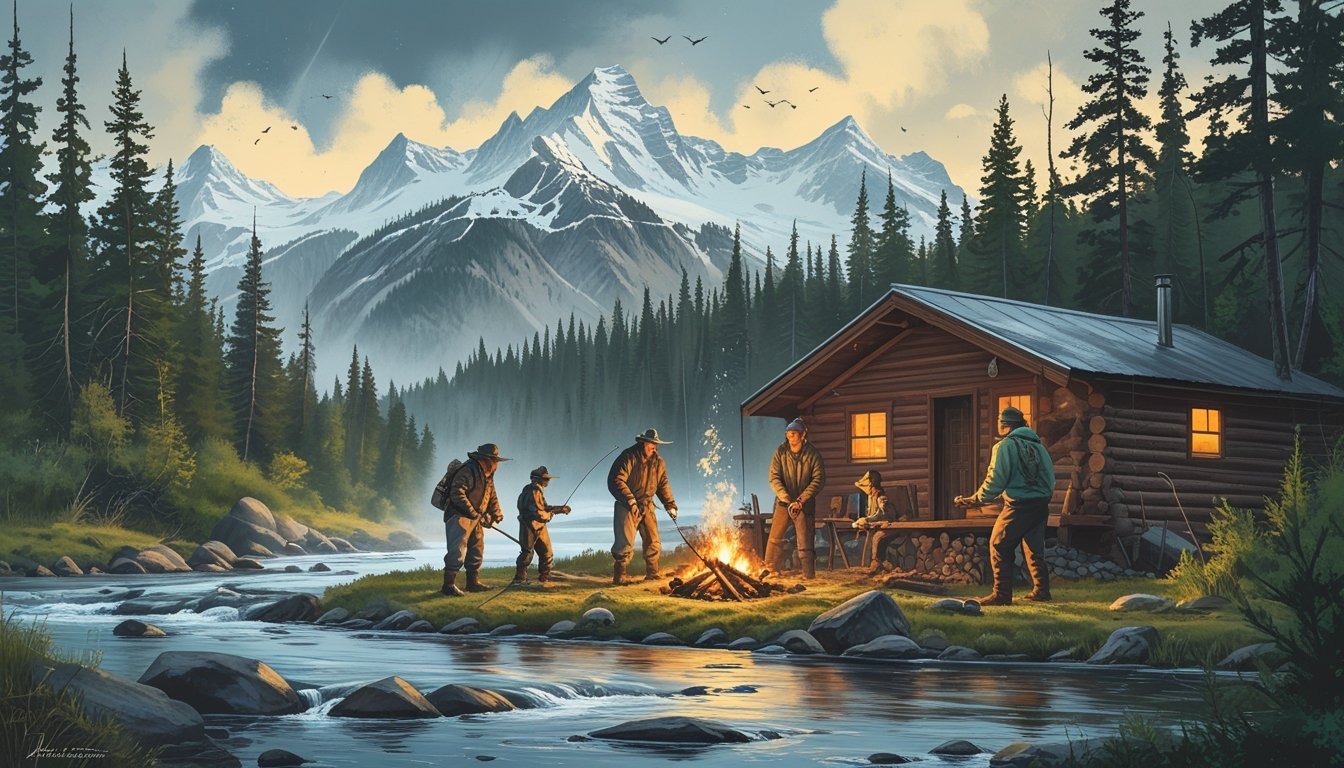
Alaskan Bush People introduced new ways of presenting wilderness living to audiences and influenced how reality shows approach both filming and authenticity. The series altered expectations about what documentary storytelling can achieve in mainstream reality television.
Innovative Filming Approaches
The show used a combination of handheld cameras, drone shots, and stationary setups to capture the remote Alaskan landscapes. These techniques enhanced viewer immersion and offered unique vantage points of the wilderness environment.
Filmmakers often worked in difficult conditions—dealing with unpredictable weather, isolation, and limited resources. This demanded flexibility in production, setting a standard for future wilderness-based reality shows.
In Alaskan Bush People, everyday tasks like sourcing water or building shelter were shot with close attention to detail. Quick cuts, interviews with family members, and time-lapse sequences provided a sense of both the challenges and rhythms of life in the wild.
Many current nature-based reality series have adopted similar filming styles. The emphasis on raw, natural sound and integrated commentary from cast members has become a hallmark of the genre.
Blurring Lines Between Reality and Scripted Content
Alaskan Bush People drew attention for how it balanced genuine documentary moments with staged or planned scenes. Critics and viewers have sometimes questioned the authenticity of events, especially as certain episodes appeared highly dramatized or edited for effect.
The show illustrates a wider trend in reality television where the distinction between fact and fiction becomes less clear. While the Brown family’s daily life provided real content, producers often re-shot or guided scenarios to enhance narrative flow.
This blend of reality and scripting shifted viewer expectations. Audiences now recognize that “reality” shows often craft story arcs similar to traditional scripted series, using editing and selective storytelling to shape perceptions.
The debate around authenticity in Alaskan Bush People has sparked similar discussions across the reality genre, making transparency about production processes more important to viewers and networks alike.
Media Reception and Public Discourse
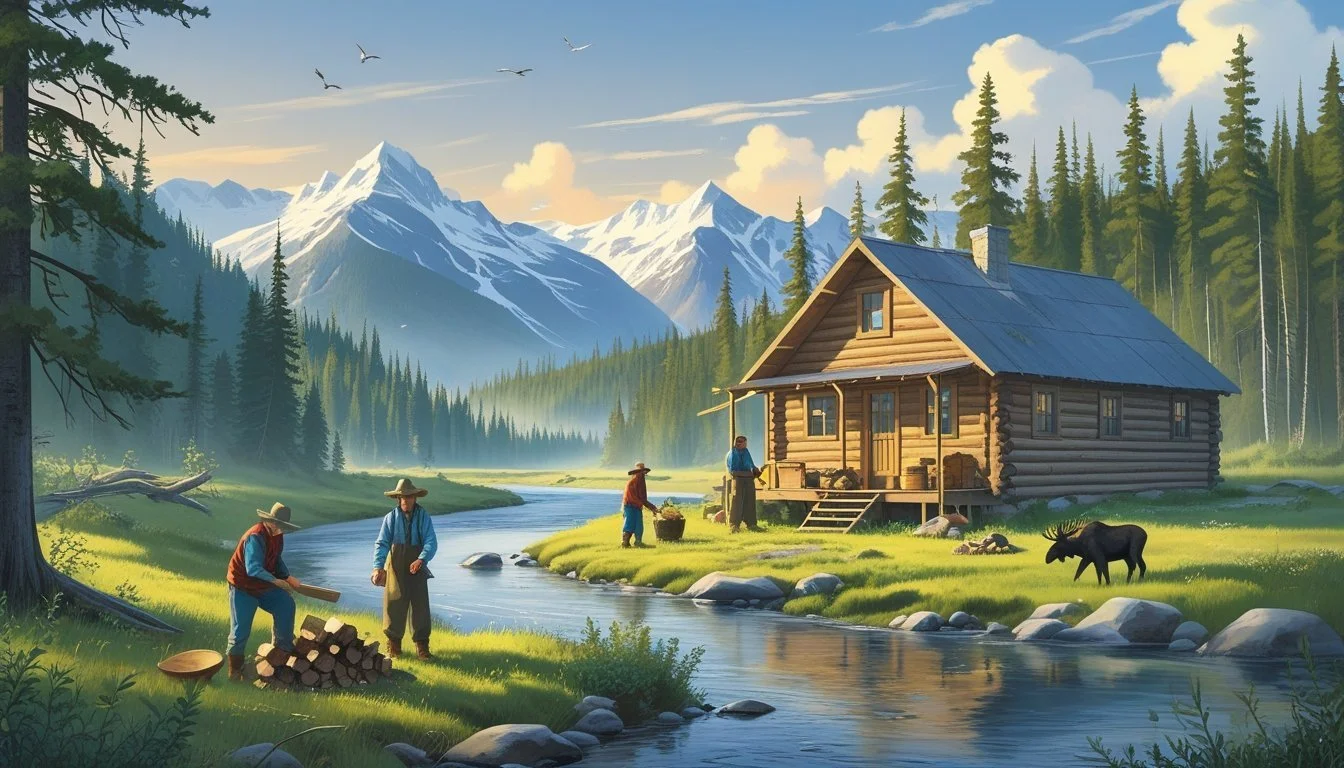
The debut of Alaskan Bush People generated significant attention from critics, news outlets, and fans. Media coverage has focused on the show’s authenticity, the portrayal of off-grid life, and how it compares to similar wilderness reality programs.
Critical Reviews and Controversies
Alaskan Bush People sparked discussions about the accuracy of its wilderness depiction. Several sources and viewers questioned whether the Brown family truly lived off the grid as the show suggested.
Reports claim that much of the series was filmed near inhabited areas rather than remote wilderness. This led to accusations that certain scenarios and hardships were exaggerated for entertainment purposes. Skeptics also highlighted inconsistencies in family members’ accents and the family’s lifestyle.
Despite controversies, the show maintained a loyal audience for 14 seasons. Its ability to blur the boundaries between genuine hardship and staged drama contributed to ongoing public discourse.
Coverage by Alaska Dispatch News
Alaska Dispatch News routinely reported on Alaskan Bush People, focusing on its real-world impact and its relationship with the local community. The publication addressed resident reactions, noting that some Alaskans felt the show misrepresented daily life in the state.
Coverage included insights into how local economies were affected by filming and public opinion about the Brown family’s presence. The news outlet investigated claims about authenticity, sometimes uncovering discrepancies between the on-screen story and real events.
Alaska Dispatch News also covered legal issues faced by the family, such as residency disputes, which further fueled debate about the show’s legitimacy.
Comparisons to Other Wilderness Shows
Alaskan Bush People has been frequently compared to other wilderness reality series like Deadliest Catch. Unlike Deadliest Catch, which documents the commercial fishing industry in Alaska and features genuine peril, Alaskan Bush People centers on family-driven narratives and survival.
Critics and viewers often debate which program represents wilderness living more accurately. Deadliest Catch is usually cited for its raw depiction of harsh conditions and authentic risk, while Alaskan Bush People is known for its focus on family dynamics and dramatic storytelling.
Viewers who watch both shows often cite notable differences in tone, editing style, and the extent to which producers stage scenes. These comparisons help audiences frame their expectations when watching different types of wilderness programming.
Cultural and Social Effects
Alaskan Bush People has influenced public perceptions of Alaska through its depiction of daily life, hardship, and unique aspects of the state. Interest in wilderness living, state-specific benefits like the Permanent Fund Dividend, and local discussions on cultural representation have all been impacted.
Tourism and Interest in Alaska
The show’s focus on rugged wilderness and self-reliance sparked an uptick in curiosity about Alaska as a travel destination. Viewers were drawn to the portrayal of dense forests, remote locations, and outdoor survival, which influenced many to consider visiting areas featured on the show.
Tour operators sometimes highlighted sites similar to those seen on television, capitalizing on renewed interest in off-the-grid experiences. While this brought more visitors and boosted some local businesses, it also raised questions about the accuracy of the show’s representation of real Alaskan life.
For some, the program prompted an interest in learning traditional skills or exploring guided wilderness tours. Others recognized that the show’s sometimes dramatized lifestyle was not typical for most Alaskans and approached their travel plans informed by this context.
Permanent Fund Dividend Awareness
The Permanent Fund Dividend (PFD), a unique benefit for Alaskan residents, was occasionally referenced or alluded to during the series. As a result, some viewers outside Alaska became aware of the annual payment distributed from state oil revenues.
This exposure led to increased discussion online, with people researching how the dividend works and debating its merits. The show unintentionally advanced national curiosity about why Alaska offers this program and how it shapes local economies.
For Alaskans, the show’s discussion of PFD sometimes triggered debate over media portrayal of the dividend and whether it accurately reflects its impact on residents. This became a recurring topic within Alaska-centered forums and news outlets.
Influence on Local and National Conversations
The portrayal of Alaskan life in the series influenced conversations beyond entertainment, especially regarding the representation of indigenous cultures and rural residents. Critics highlighted concerns that the show misrepresented Alaska Natives and perpetuated stereotypes.
Locally, debates surged over whether the show’s depiction was fair or if it reinforced inaccurate views of wilderness living. These conversations contributed to ongoing discussions about cultural sensitivity and the role of reality television in shaping public opinion.
Nationally, the popularity of the show raised awareness of Alaska’s unique challenges, such as remote access, community resilience, and traditional lifestyles. It also fueled broader conversations about how the media influences perceptions of places and people unfamiliar to most viewers.
Personal Challenges and Off-Screen Realities
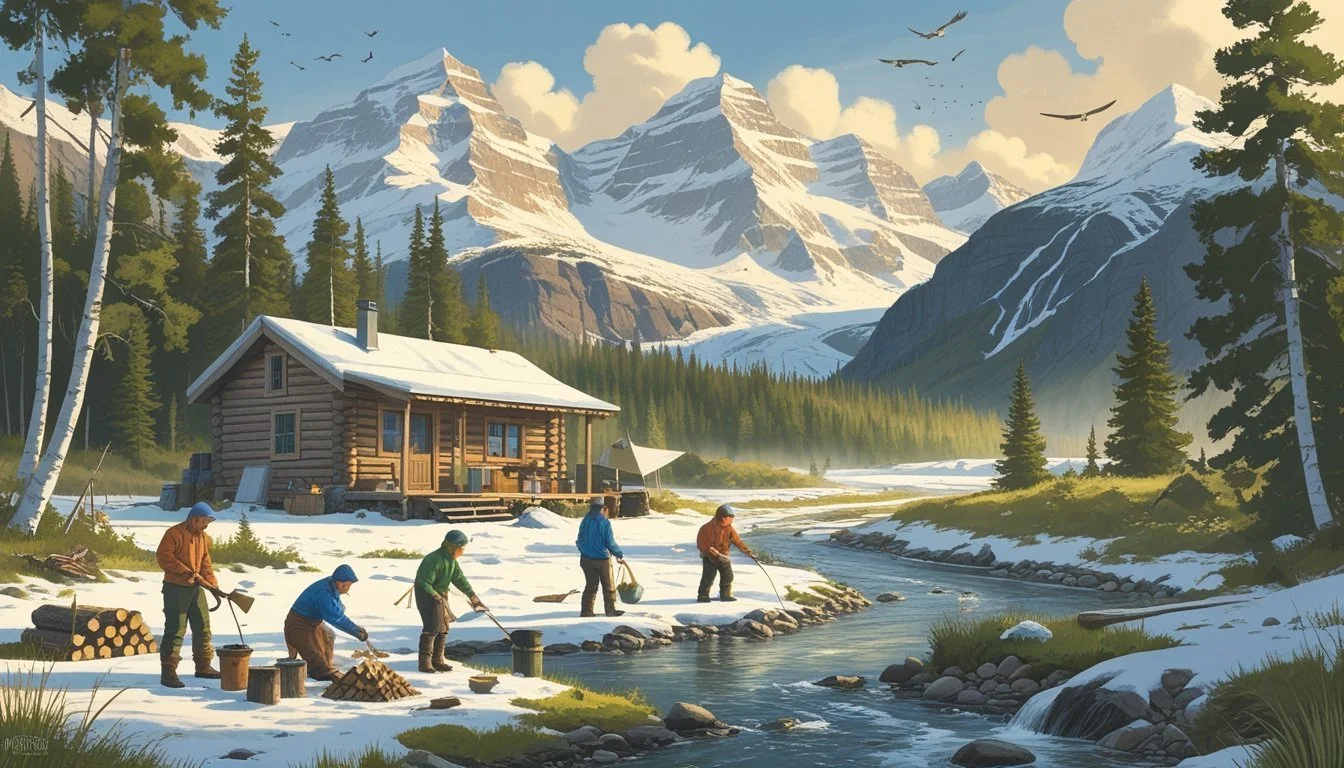
Beyond the camera, the Brown family faced significant events that shaped their lives and the direction of the series. Issues such as addiction recovery, the impact of loss, and major relocations played a decisive role in their journey.
Matt Brown’s Rehab Journey
Matt Brown, the eldest Brown sibling, dealt publicly with substance abuse, which influenced both his personal trajectory and the family's story. He entered rehab multiple times between 2016 and 2019 to address his struggles with alcohol. This decision led to his prolonged absence from the show and strained relationships with family members.
Viewers saw less of Matt as his recovery took precedence over returning to television. His challenges highlighted the pressures of reality TV and the difficulties of maintaining privacy while navigating recovery. Today, Matt lives away from the limelight, focusing on sobriety and a quieter lifestyle in Washington. His journey is often discussed as an example of the real-life battles faced by the cast that viewers rarely see on screen.
Billy Brown’s Legacy
Billy Brown, as the patriarch, shaped the family’s approach to wilderness living and served as the driving force behind the show’s original concept. He promoted self-sufficiency, resourcefulness, and a commitment to family unity in harsh environments. His leadership both inspired his children and set high expectations for their lifestyle.
Billy’s passing had a profound effect on the family. The absence of his guidance created emotional and practical challenges during filming and day-to-day life. For many fans, Billy’s legacy is closely linked to the values of perseverance and discipline, even as controversies occasionally surrounded his portrayal of off-grid living.
The family continues to refer to Billy’s influence in moments of difficulty, underscoring the pivotal role he played in shaping their values and decisions.
Family Transitions and Relocation to Texas
Following major health crises and Billy Brown’s death, the Brown family experienced a period of significant transition. They faced a need for greater stability, access to medical care, and new opportunities. This led to the decision to relocate from their traditional Alaska setting.
The family established a new home base in rural Texas. This move marked a major departure from their prior wilderness environment. The relocation affected the show’s dynamic and forced the Browns to adapt their lifestyle to new surroundings.
Viewers noticed changes in the family’s daily routines, landscape, and overall challenges. While the rugged Alaskan wilderness remained a core theme, the shift to Texas introduced different obstacles and realities, further highlighting the evolving nature of their off-screen lives.
Conclusion
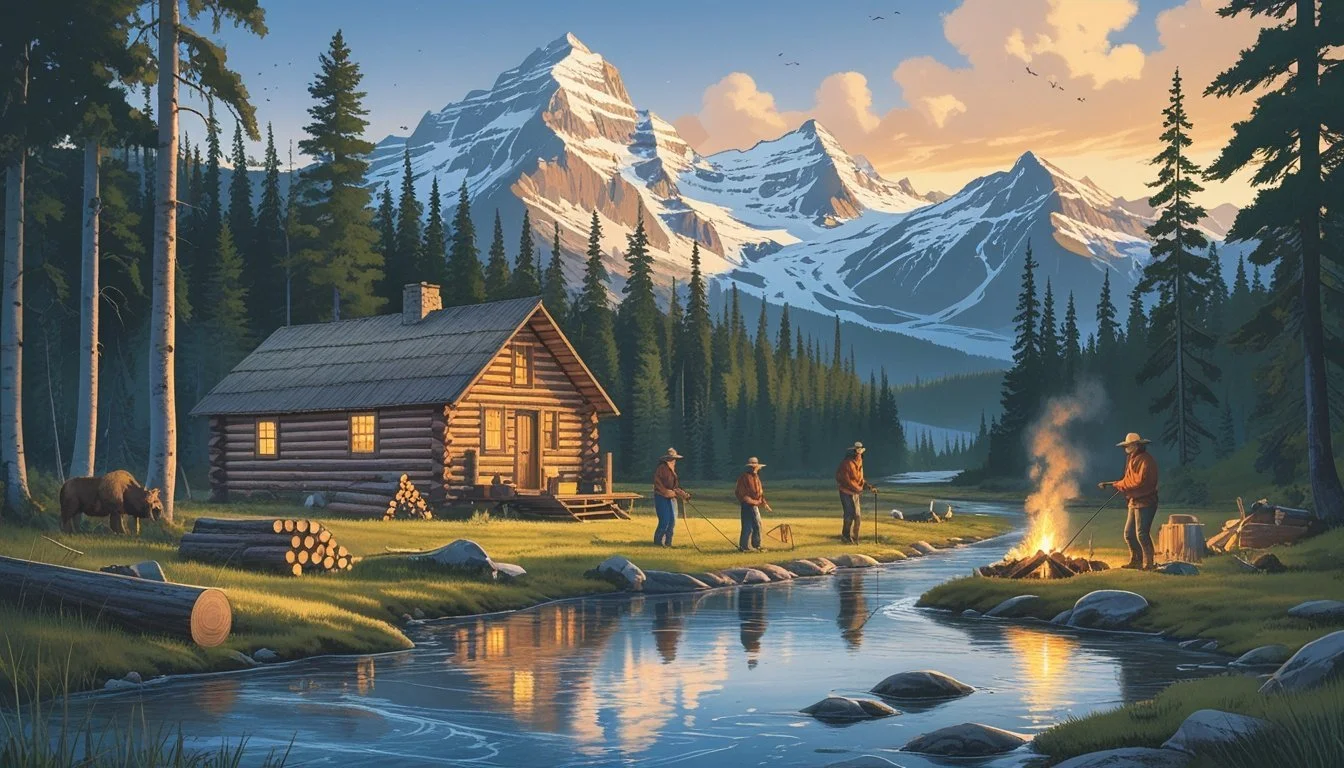
Alaskan Bush People introduced mainstream audiences to unconventional approaches to surviving in remote, harsh environments. Many viewers saw a family adapting to nature with limited reliance on modern technology.
The show’s depiction of daily challenges—like building shelters, hunting for food, and handling emergencies—gave insight into the resourcefulness required for wilderness living.
Some aspects of the series prompted debates about authenticity, as reports suggested certain situations may have been staged. Despite this, the core themes of family unity and adaptability resonated with many.
Key shifts in perception:
Increased awareness: Viewers grew more familiar with the demands and unpredictability of wilderness life.
Discussion of reality TV ethics: Questions about what is genuine versus scripted raised broader conversations about television’s portrayal of reality.
Human connection to nature: The show highlighted both the hardships and rewards of living closer to the land.
While Alaskan Bush People may not represent everyone’s wilderness experience, it offered a unique lens on survival and self-sufficiency. The show’s impact lies in encouraging audiences to rethink the possibilities, challenges, and meaning of life off the grid.
