
How Alaskan Bush People Depicts the Power Struggles Within the Family
A Closer Look at Family Dynamics

Alaskan Bush People consistently showcases the power struggles within the Brown family as they navigate the challenges of living off the grid. The series brings viewers into the daily tensions that arise from disagreements over survival strategies, decision-making, and leadership in their unconventional lifestyle. These dynamics often reveal how each family member manages conflict and cooperation in demanding conditions.
The show doesn’t shy away from displaying the impact of health struggles and shifting responsibilities on the family’s internal balance. With each episode, viewers see how competition, generational differences, and personal ambitions influence who takes charge or steps back within this close-knit group. The result is an ongoing portrayal of real-life negotiation and adaptation amidst both extreme environments and family bonds.
By witnessing how the Browns manage disputes and share responsibilities, audiences gain insight into the complexities of power and unity within a family determined to thrive in isolation.
Overview of Alaskan Bush People and the Brown Family
Alaskan Bush People is a reality television series chronicling the Brown family's unconventional life in remote locations. The show offers a direct look into their daily routines, adaptions to wilderness living, and interactions with one another that sometimes reveal underlying tensions.
Premise of the Show
The series follows the Brown family, led by Billy and Ami Brown, as they raise their seven children far from typical society. The family claims to survive without modern conveniences, relying on basic skills and cooperation.
Set amid isolated landscapes, each episode highlights tasks such as gathering food, building shelters, and overcoming environmental obstacles. The camera often captures moments where family members must negotiate roles, responsibilities, and decision-making.
Their self-sufficient lifestyle and the challenges they face have become the central focus. Viewers see not just the physical hardships of remote living, but also interpersonal dynamics and disputes that naturally arise from living together under such circumstances.
Life in Alaska and Hoonah
Early seasons were set in Alaska, near places like Copper Center and Chichagof Island, with later filming moving to areas around Hoonah. The harsh climate and rugged terrain of Alaska shape much of the family's daily existence.
The Browns’ efforts in hunting, fishing, and dealing with long winters are central storylines. Here, the family is often shown navigating emergencies—like storms or shortages—while maintaining unity.
Adaptation to local customs and environments, rather than total isolation, also comes through in some episodes. Despite their remote lifestyle, they interact with nearby communities for supplies, legal matters, or emergencies, reflecting a balance between independence and occasional outside support.
Reality Television and the Discovery Channel
Alaskan Bush People premiered on the Discovery Channel in May 2014. The program is part of Discovery’s broader lineup of survival and family-based reality TV content.
As a docudrama, the show blends documentary footage with dramatized narratives. This format sometimes shapes the portrayal of family struggles or creates heightened tension for viewers.
The Discovery Channel’s wide reach helped propel the Brown family to national attention. High ratings, especially in the early seasons, indicate sustained viewer interest. Over time, the show evolved, and later seasons shifted filming from Alaska to Okanogan County in Washington while still emphasizing wilderness survival and family relationships.
Family Hierarchy and Central Figures
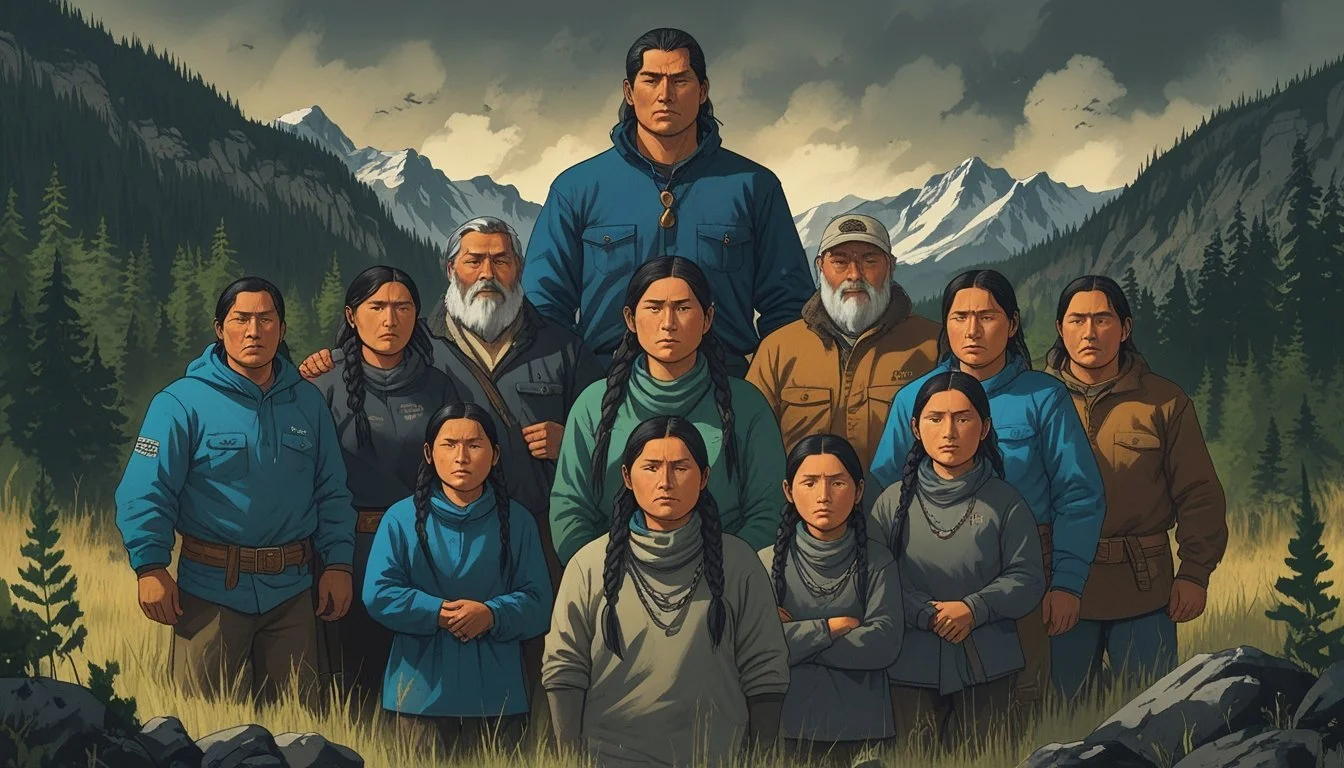
The Brown family’s structure is defined by the leadership of its parents and the influence they wield over major decisions. Each member's role is shaped by expectations, responsibilities, and the necessity of survival in an isolated environment.
Billy Brown as Patriarch
Billy Brown is the central authority within the Brown family. He is regularly portrayed as the primary decision-maker, setting the family's survival strategies and long-term vision.
Family rules, work assignments, and movement within the Alaskan “Bush” are typically established by Billy. He often mediates conflicts between children, retaining final say in disputes. His leadership style is direct, and he relies on a mix of practical experience and his interpretation of the family’s needs.
The show frequently highlights Billy’s dominance in both critical moments and day-to-day routines. In difficult situations, he is expected to remain calm and formulate a plan, which the rest of the family is expected to follow.
Ami Brown’s Influence
Ami Brown’s role is less publicly dominant but equally essential to family dynamics. She acts as a stabilizing force, focusing on emotional needs, caregiving, and maintaining household cohesion.
Ami manages much of the daily logistics, such as food preparation and health care. She is consulted by Billy on important issues, reflecting her significant input behind decisions even if she is not front and center during family meetings.
Her influence extends to guiding her children’s values, encouraging cooperation, and addressing interpersonal tensions. Through her actions, Ami reinforces the family’s unity and resilience, complementing Billy’s leadership with a softer but persistent authority.
Depiction of Power Struggles Within the Family
Tensions within the Brown family often arise due to their off-grid Alaskan lifestyle and the expectations placed on each member to maintain self-sufficiency. These dynamics give rise to both overt and subtle conflicts, shaping how decisions are made and alliances are formed.
Sibling Rivalries and the Wolf Pack Dynamic
Within the Brown family, the “wolf pack” identity is central. This nickname reflects the siblings’ tight bond but also their internal pecking order. Sibling rivalries frequently emerge during group projects, such as building infrastructure or preparing for the harsh winters.
Disagreements often revolve around assigned roles and perceived favoritism. For example, Noah may clash with Bear or Bam over leadership on key tasks. Minor disputes over resources, chores, and approaches to wilderness challenges highlight the competitive environment in the household.
These rivalries are compounded by each sibling's desire to prove themselves capable within the pack. While cooperation is essential for survival, individual personalities sometimes come to the forefront, testing the strength of their collective identity.
Key points:
Competitive roles in daily survival tasks
Leadership disputes, especially during major family projects
Impact on unity due to personal ambitions
Conflicts Over Family Decisions
Family decisions in "Alaskan Bush People" often lead to pronounced disagreements, especially between the parents, Billy and Ami, and their children. Billy’s strong leadership and vision for a self-reliant lifestyle sometimes conflict with the wishes or ideas of individual sons and daughters.
Tension can peak when major changes are proposed, such as relocating, responding to external threats, or adapting to new lifestyles following health issues—like Ami’s cancer diagnosis. Some members are more resistant to change, creating factions within the family.
Family meetings depicted on the show regularly feature heated debates, with emotional responses to critical topics such as resource allocation, safety plans, or the direction of the wolf pack. The struggle for influence underscores the Browns’ challenge to honor both collective goals and individual perspectives.
Common conflict triggers:
Relocation or significant lifestyle shifts
Parental authority vs. adult children’s independence
Split opinions on responding to emergencies or hardships
Impact of Off-the-Grid Living on Family Power Dynamics
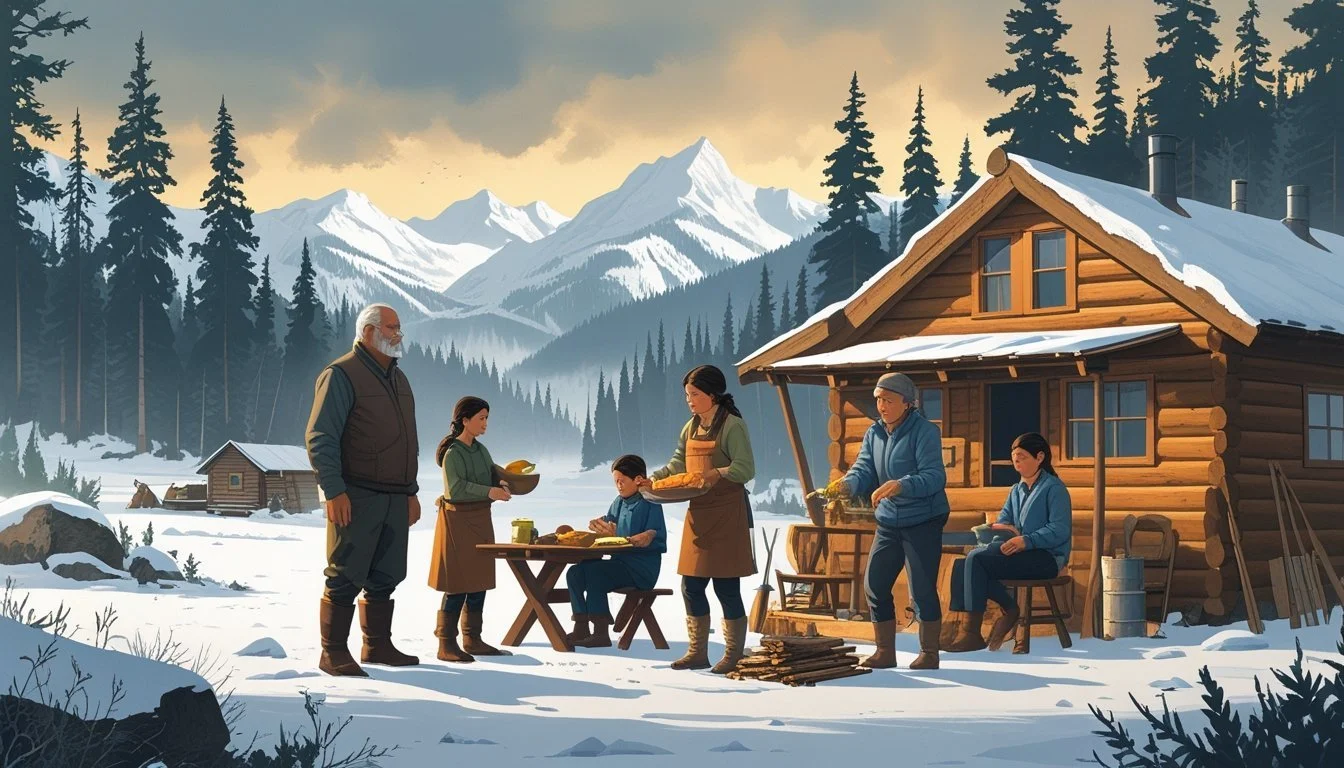
Off-the-grid living forces the Brown family into unique situations where leadership and responsibility are constantly negotiated. Harsh natural conditions and the constant need for self-sufficiency shape decision-making and drive shifts in authority among family members.
Challenges of Extreme Weather
Surviving Alaskan winters means frequent exposure to severe cold, heavy snowfall, and unpredictable storms. These weather extremes test both physical resilience and emotional stability. Family members sometimes disagree on safety protocols, evacuation plans, or how to distribute labor during weather emergencies.
Leadership roles often shift depending on the crisis at hand. For example, when a blizzard hits, a more experienced member may take charge, while younger or less experienced members follow instructions. Disputes may arise about who knows best, especially as younger members gain experience and try to assert themselves. Extreme weather amplifies stress and tension, highlighting differences in opinions and revealing underlying power struggles.
Resource Management and Survival
Managing limited resources—food, fuel, building materials, and medical supplies—requires careful planning and strong decision-making. Choices about when and how to hunt, gather, or ration supplies can become sources of conflict, with individuals advocating for different approaches.
The family regularly faces critical questions:
Who decides when supplies need restocking?
Who takes responsibility for risky hunting or gathering trips?
How are chores divided when tensions are high?
Disagreements over these issues often reflect deeper family dynamics, such as trust, authority, and independence. The need to survive off the grid elevates the importance—and the stakes—of leadership and cooperation, intensifying both collaboration and conflict within the family.
Influence of Fame and Privacy Concerns

The Brown family's rise to fame brought both opportunity and risk. As their daily lives became public, personal boundaries and control over their image grew increasingly difficult to maintain.
Navigating Public Attention
Fame on Alaskan Bush People quickly transformed the Browns from a private family to national television figures. With a growing fan base and increased media scrutiny, their actions and decisions were constantly evaluated by viewers and critics. This public attention made it hard for family members to act without speculation or judgment.
Legal challenges and controversies, such as accusations of fraud and theft, exposed even more of their private lives. The resulting court battles forced the Browns to confront not only public opinion but also the invasive nature of fame. Their experiences highlight the struggle for autonomy amid relentless public interest.
Balancing Privacy with Reality Television
Reality television demands openness, often blurring the line between private and public moments. The Browns faced tough decisions about which parts of their lives to share and what to keep hidden from the cameras. Contracts and production decisions sometimes left them with little control over what was broadcast.
Their attempts to maintain privacy sometimes clashed with the expectations of viewers and network producers. Balancing the need for authenticity with self-protection was a constant negotiation. The family’s approach to handling private matters on air shows the challenges reality stars face in safeguarding personal boundaries while delivering compelling television.
External Pressures and Family Unity

The Brown family navigates both natural hazards and the necessity of resourcefulness to maintain stability and survive. Environmental conditions and daily subsistence activities have shaped their interactions and decision-making.
Wildfires and Other Environmental Threats
Wildfires are a frequent risk in many Alaskan regions, and their unpredictability has repeatedly tested the Browns' preparedness and adaptability. When fires threaten their homestead, immediate coordination is required, putting stress on family roles and responsibilities.
Evacuations or preparations to defend their home mean gathering supplies, constructing firebreaks, or relocating equipment. Decision-making must be efficient, which sometimes leads to disagreements over the best course of action. These high-stress moments often reveal both rifts and resilience within the family unit.
Winter storms, flooding, and remote isolation add another layer of constant vigilance, with family members forced to react quickly to rapidly changing conditions. Adapting to Alaska’s environment consistently reinforces the need for cooperation but also exposes tensions about leadership and priorities.
Fishing and Sustenance Strategies
Fishing is not just a tradition—it's essential for year-round food security. The Browns rely on salmon runs and carefully coordinate fishing expeditions, deciding who leads and how catch is processed and stored. Roles are often assigned based on experience, but competing ideas about timing and methods can spark disagreements.
Other subsistence strategies, including hunting and foraging for berries and plants, require planning and close teamwork. Disputes may arise over the allocation of resources or handling of tasks, as success directly impacts the family’s well-being. Every step, from setting traps to cleaning fish, becomes a focal point for both unity and underlying struggles.
Key practices include:
Group fishing trips
Shared responsibility for preserving food
Regular planning meetings
These activities reinforce the importance of clear communication and decisive action—fundamental to the Browns’ ongoing survival in Alaska.
Conclusion
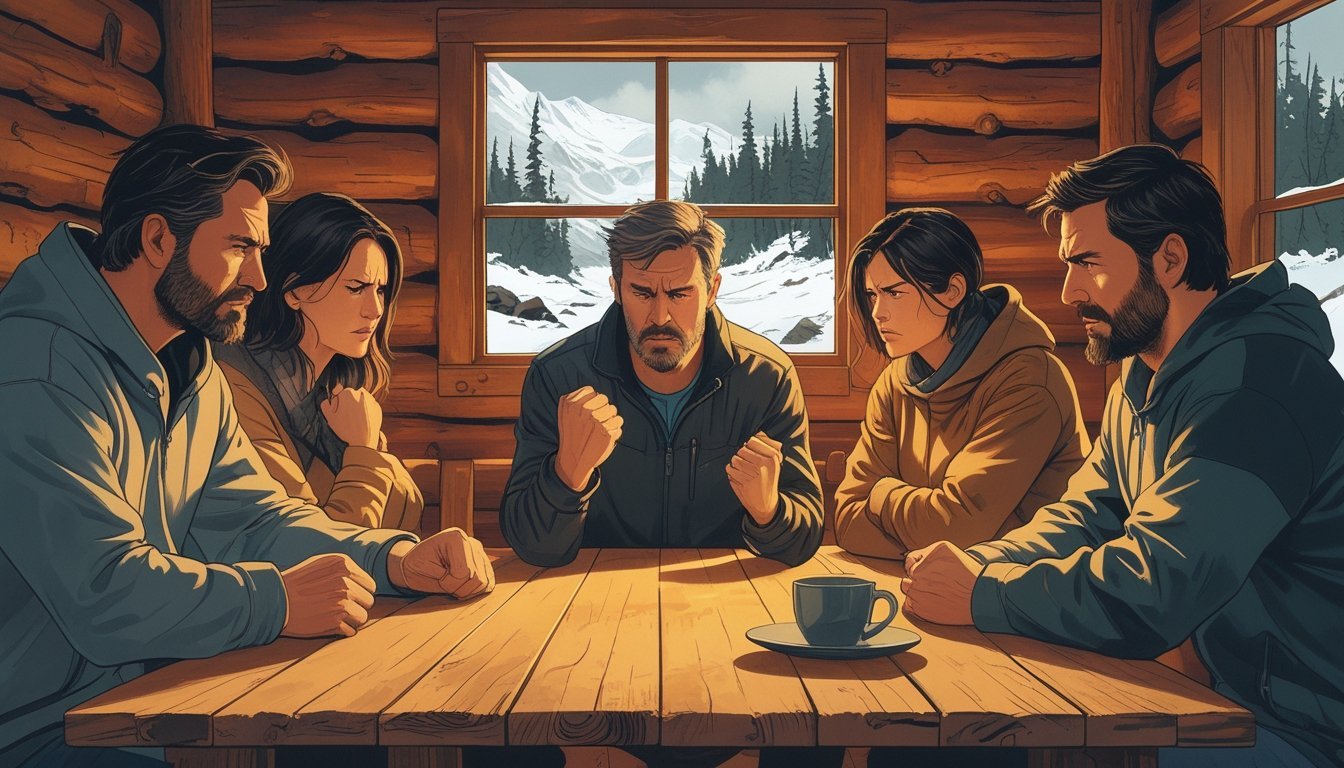
Family power struggles on “Alaskan Bush People” are depicted through everyday decisions and relationships rather than dramatic confrontations. The Browns navigate leadership, responsibilities, and conflicting ideas about survival. These moments are presented honestly, without theatrical embellishment.
Key elements of the show’s approach include:
Leadership shifts: Authority moves between parents and older children, especially as the family adapts to new environments.
Generational conflict: Differences in values and priorities appear as the children grow and seek independence.
Coping with change: The family faces challenges such as relocation, health issues, and the loss of Billy Brown.
Interpersonal tensions are shown with restraint. The show highlights how family members communicate and resolve disagreements while remaining committed to one another.
The series does not overstate conflicts but provides a straightforward look at how real-life families adapt to adversity and change. Through these depictions, viewers see the balance between individual autonomy and family unity.
