
How Alaskan Bush People Redefined Reality TV Survivalism by Blending Family Drama and Wilderness Skills
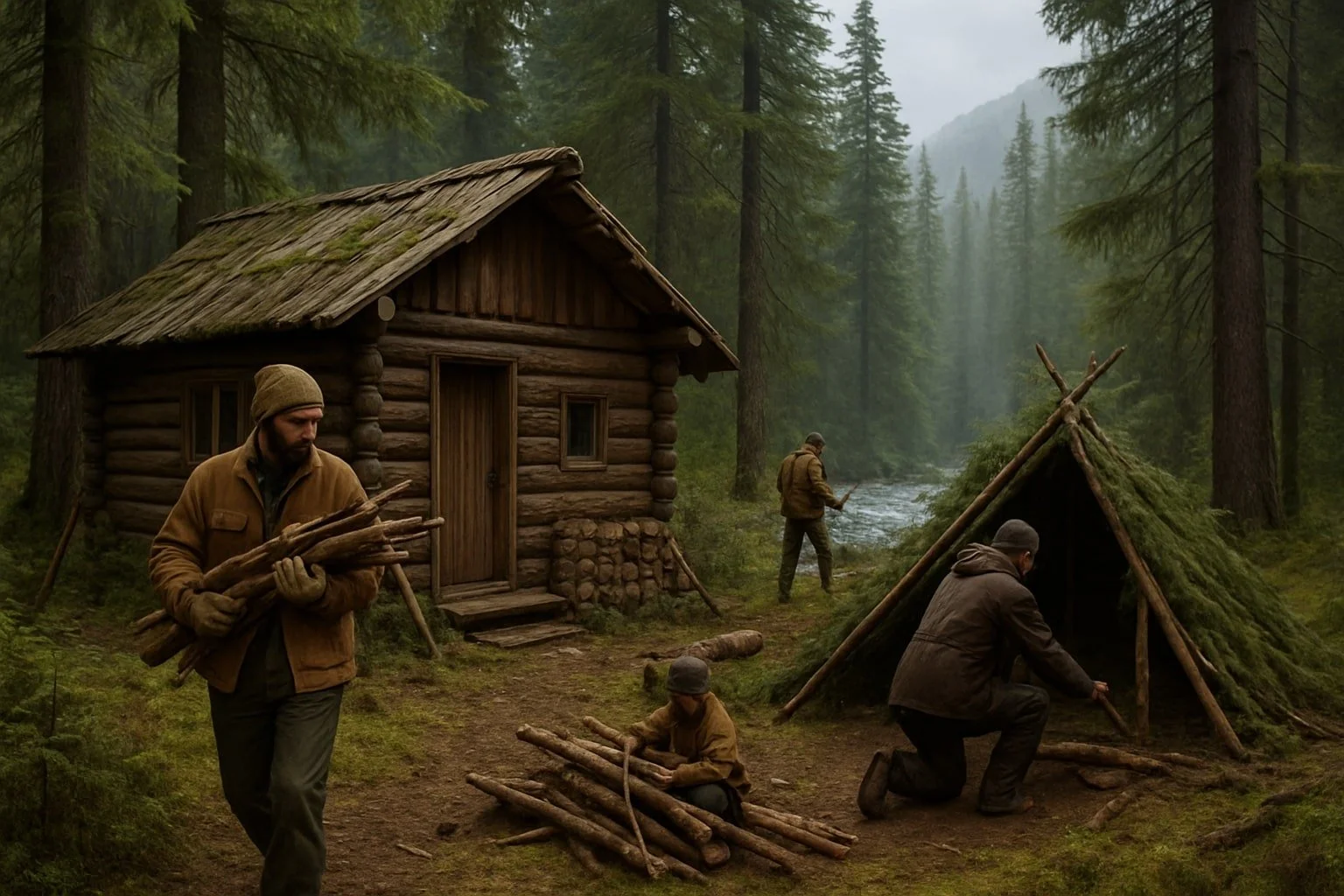
When Alaskan Bush People debuted in 2014, it stood out by capturing the Brown family's daily existence in the remote Alaskan wilderness. Unlike many reality TV survival shows that focus on competitive challenges or staged emergencies, the series immersed viewers in the Browns’ ongoing effort to thrive apart from modern society, using practical skills to tackle real barriers in the wild.
Alaskan Bush People redefined reality TV survivalism by blending authentic family dynamics, long-term wilderness living, and the challenges of isolation into the heart of the narrative. Audiences became invested not just in survival techniques, but in the personalities and relationships that shaped each episode.
This unique approach sparked both popularity and debate, drawing attention to the complexities of blending reality and entertainment on TV. The Browns’ lifestyle offered a different lens on survival, influencing how viewers perceive wilderness reality programming today.
Origins of Alaskan Bush People
Alaskan Bush People began as a reality television experiment centered on the Brown family's unconventional life in the Alaskan wilderness. Blending documentary and drama, the series brought remote living to mainstream audiences and documented real challenges of isolation.
Background and Inspiration
The core of Alaskan Bush People is the Brown family—Billy, Ami, and their children—who pursued a life largely removed from modern conveniences. Their decision stemmed from a desire for self-reliance and resilience in the face of nature’s unpredictability.
Billy Brown, in particular, had long expressed interest in wilderness living and authored books reflecting his off-grid ideals. The family's story drew attention because of their determination to build a home and survive without traditional resources.
The unique setting of Alaska, with its harsh climate and remote landscapes, was vital in drawing both interest and skepticism. The show sought to capture the raw experience of individuals who embraced the region’s formidable challenges rather than avoid them.
Concept Development
Discovery Channel partnered with the Brown family to create a series that blended elements of survivalism, family dynamics, and adaptability. Producers aimed not just to document daily routines but to immerse viewers in the mindset required to thrive in remote settings.
The show quickly distinguished itself by focusing on real consequences, such as food scarcity and rough weather, rather than relying solely on scripted drama. Each family member contributed distinct skills, from hunting and fishing to construction, making the depiction of their lives feel collaborative.
Alaskan Bush People was positioned to stand apart from typical survival shows. The emphasis was as much on family relationships and teamwork as it was on the technical aspects of survival in Alaska.
Early Filming Locations
Initial episodes featured the Browns living near Copper Center and later on Chichagof Island, close to Hoonah, Alaska. The locations were chosen for their isolation, dense forests, and challenging terrain, which added visual authenticity. These sites are characterized by remote wilderness and unpredictable weather.
Chichagof Island's proximity to Hoonah provided access to limited supplies but still required the family to depend heavily on subsistence skills. The area's wildlife and rugged coastlines introduced constant challenges for filming.
Filming in these locales required logistic planning and adapting to unpredictable Alaskan conditions, further highlighting the commitment to realism the series aimed to achieve. Discovery Channel’s decision to use authentic, challenging locations emphasized the Browns' genuine engagement with off-grid survival.
The Brown Family and Cast Members
The Brown family’s unique background, relationships, and living arrangements set Alaskan Bush People apart from many other survival-based reality shows. Over time, cast changes and new faces have shaped both the family’s story and the show’s dynamic.
Key Family Members
The core of the series is Billy Brown and his wife, Ami Brown, who became the foundation of this unconventional family unit. Billy, born in Fort Worth, Texas in 1952, was widely considered the driving force behind the family's move to the Alaskan wilderness and their self-sufficient lifestyle. He passed away in February 2021 at age 68.
Ami Brown remains a central figure, especially following Billy’s death. The couple’s seven children—Matt, Bam Bam (Joshua), Bear, Gabe, Noah, Snowbird (Amora Jean), and Rain (Merry Christmas)—each brought their own personalities and skills to the screen.
Here's a quick reference to their names and roles:
Name Relation Notes Billy Brown Patriarch Deceased 2021 Ami Brown Matriarch Mother of seven Matt Brown Son Eldest child Bam Bam Brown Son Real name Joshua Bear Brown Son Known for high energy Gabe Brown Son Known for practical skills Noah Brown Son Focus on technical solutions Snowbird Brown Daughter Real name Amora Jean Rain Brown Daughter Youngest
Family Dynamics
The Browns have always emphasized self-reliance and a close-knit support system in the face of isolation, health challenges, and the Alaskan environment. Each family member has specific responsibilities, from gathering food to building shelters, highlighting a clear division of labor.
Tensions and conflicts are often portrayed, particularly when adapting to outside influences or with interpersonal disputes. Key moments, such as managing health issues (including Ami's cancer diagnosis) or dealing with Billy's health struggles, often showed strong family bonds.
Sibling relationships stand out as a source of both strength and tension. Brothers like Bam Bam and Bear often take on leadership or adventurous roles, while the sisters, Snowbird and Rain, focus on animal care and supporting their mother. This balance has helped the family adapt to ongoing changes.
New Additions and Relationships
As the series developed, romantic partners and new family members began to shape the family’s narrative. Notably, Bear Brown’s relationship with Raiven Adams (Raiven Brown) drew attention, especially with the birth of their son, River. Their relationship has been marked by public ups and downs but remains part of the show’s ongoing storyline.
Other marriages and partnerships, such as Noah Brown’s marriage to Rhain Alisha and the birth of Elijah Connor Brown, further expanded the family structure. These changes brought fresh dynamics, showing the Browns adjusting to new roles as parents, spouses, and, in some cases, co-parents.
The integration of new members highlighted the challenge of balancing traditional Bush living with modern family needs. Changes in residence from Alaska to Washington have also influenced relationships, pushing family members to navigate a changing environment both physically and emotionally.
Redefining Reality TV Survivalism
Alaskan Bush People reshaped the image of televised survival by focusing on a real family’s day-to-day challenges in the wild. The series emphasized not just momentary crisis survival, but the ongoing demands of living off-grid and outside modern convenience.
Survival Skills on Screen
The Brown family demonstrated a wide range of wilderness survival tactics on the show. Skills such as hunting, fishing, and gathering resources were shown as routine parts of their life rather than isolated events.
Rather than expert-led demonstrations, most tasks appeared rooted in necessity—fixing cabins, building tools, and adapting to unpredictable weather. Audiences watched the family use basic materials and ingenuity rather than relying solely on specialized equipment.
These skills weren't just for drama. Many episodes detailed the learning process, including setbacks, which revealed the reality of survival as a series of trial-and-error lessons rather than perfection.
Off-Grid Living Approach
The show depicted off-grid living as an intentional and long-term decision. The Browns built homes using local timber, created makeshift water systems, and generated their own power.
Viewers saw how the family managed daily life without many of the standard comforts of modern society—no stable electricity, unreliable transport, and minimal access to ready-made food. Instead, they showcased strategies for cooking, heating, and keeping safe in what they called “the bush.”
Their depiction of the last frontier focused on the practicalities and hardships of sustaining themselves throughout Alaska’s harsh seasons, highlighting the demands of a true off-the-grid existence.
Self-Sufficiency and Modern Society
Unlike many shows that drop participants into the wild temporarily, Alaskan Bush People chronicled a family’s long-term commitment to self-sufficiency. This lifestyle, built on mutual cooperation, meant growing food, raising animals, and creating shelter.
Their approach drew contrasts with modern society. Family members wore handmade clothing, crafted needed objects, and often repaired or reused items that others might throw away. Lists outlining chores, maintenance routines, and food preservation illustrated just how much work is involved.
The tension between their self-sufficient ideals and occasional reliance on modern tools or trips to town became a recurring theme, reflecting the balance many off-grid families face between old and new.
Comparison with Traditional Survival Shows
Traditional wilderness survival shows like Survivorman or Man vs. Wild typically focus on solo experts demonstrating short-term survival techniques: finding water, making shelter, and signaling for rescue.
In contrast, Alaskan Bush People centered on family dynamics, multi-generational problem-solving, and the challenges of long-term wilderness habitation. It was less about escaping danger and more about thriving in an isolated setting.
A comparison table illustrates key differences:
Element Traditional Survival Shows Alaskan Bush People Survival Duration Short-term (days/weeks) Long-term (years) Setting Varied, often global locales Consistent Alaskan frontier Focus Individual survival skills Family and community effort Interaction with Society Minimal contact Periodic interaction
This shift expanded viewers' understanding from surviving the wilderness to living in it, highlighting daily realities over dramatic emergencies.
Filming and Production Aspects
Alaskan Bush People uses a blend of carefully structured storytelling, immersive filming techniques, and changing locations to create a unique reality TV experience. The production process involves balancing authentic moments with elements designed to enhance drama and keep viewers engaged.
Scripted Reality vs. Authenticity
The line between reality and scripting on Alaskan Bush People is often discussed among viewers and critics. While the show markets itself as unscripted, there are frequent claims that some scenes or situations are planned or directed to fit a specific narrative arc.
Producers have sometimes guided dialogue or set up scenarios to highlight the Brown family's survival skills or family dynamics. Authenticity can fluctuate by episode, as natural moments are mixed with scenes that may be reenacted or exaggerated for entertainment.
This approach helps maintain pacing and tension across episodes, but it can raise questions for those seeking raw, unfiltered content. Not every interaction or predicament shown occurs spontaneously, though the family's off-grid lifestyle and real hardships still play a central role.
Docudrama Elements
Alaskan Bush People incorporates classic docudrama techniques, blending real-life events with stylized editing and dramatic music. These elements create a heightened sense of urgency and emphasize emotional moments within the family.
Voiceover narration, slow-motion shots, and careful scene sequencing are used to build a sense of story. In several episodes, production teams prioritize visuals of the harsh landscape, family cooperation, and survival tactics to anchor the series within the docudrama genre.
The show’s format shares traits with other scripted reality programs: it reconstructs or enhances certain situations to increase narrative impact. This hybrid method provides both information about bush living and ongoing storylines that attract dedicated viewers.
Filming Locations and Changes
Alaskan Bush People originally filmed around Hoonah and Chichagof Island, Alaska. These remote areas provided authentic wilderness settings but brought significant logistical challenges, including harsh weather and limited access.
In later seasons, the Brown family relocated to rural Washington state. This move led to shifts in scenery and new production adjustments, but the show continued to emphasize isolation and outdoor living. Some members have lived in separate homes or moved temporarily, changing the group’s dynamics.
The use of multiple filming locations has influenced the show's authenticity and generated discussions about how much of the series’ wilderness lifestyle is preserved in new settings. Each filming location required special planning, resources, and changes to daily routines to capture the intended survivalist atmosphere.
Geographic and Cultural Impact
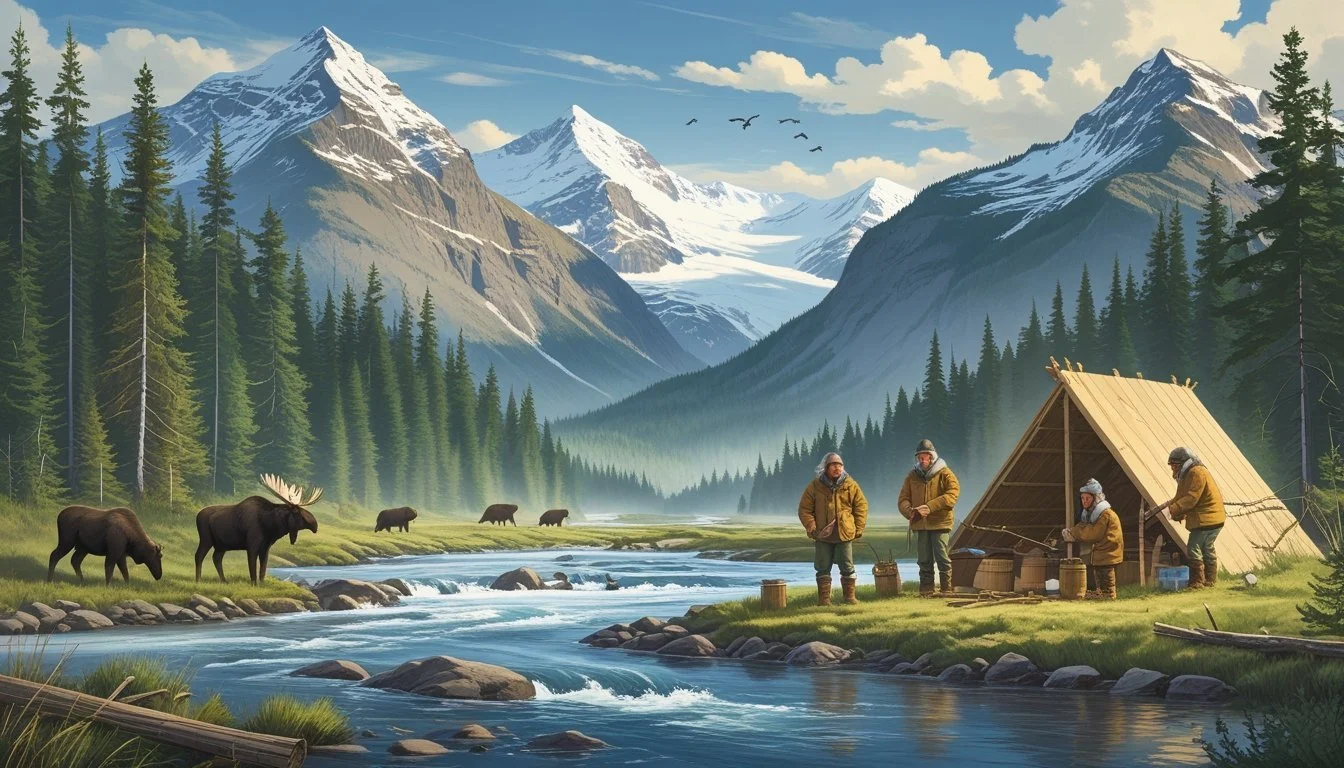
Alaskan Bush People influenced perceptions of Alaska, both as a remote wilderness and as a place where unique lifestyles are possible. Its depiction of rural life and survival had measurable effects on public interest, tourism, and local economies.
Influence on Alaska’s Image
The show presented Alaska as a land of extremes, amplifying its reputation for natural beauty and perceived isolation. By focusing on the Brown family’s “bush life,” it shaped international views of the state as rugged and untamed.
Hoonah and the Copper River Basin became points of interest due to filming and storyline settings, even though much of later production occurred on the North Star Ranch in Okanogan County, Washington. Map references and on-screen visuals reinforced the idea that wilderness and self-reliance define Alaskan identity.
Some locals felt the portrayal leaned into stereotypes rather than the complexity of real Alaskan life. However, for many viewers, the series solidified Alaska as the ultimate destination for adventure and testing personal limits.
Tourism and Local Economy
Following the show’s rise, Hoonah and nearby regions reported increased curiosity from tourists. Businesses like the Icy Strait Lodge and tour operators noticed visitors asking about the Brown family or seeking experiences similar to those depicted on-screen.
While specific economic data are limited, anecdotal evidence points to spikes in bookings and inquiries tied to Alaskan Bush People. Real estate agents in the Copper River Basin noted that some viewers expressed interest in off-grid properties inspired by the show’s narrative.
However, some of the economic benefits went to Washington State when production moved, with Okanogan County receiving short-term boosts from cast, crew, and fan interest in the North Star Ranch area.
Depiction of Isolation
Alaskan Bush People heightened the sense of geographic isolation. Scenes often showed the Browns braving harsh weather, dense forests, and logistical challenges far from urban comforts.
Episodes usually avoided depictions of modern amenities, even when these were nearby, to reinforce a sense of self-sufficiency. The family’s daily routines—hunting, fishing, and constructing new shelters—underscored survival as a constant priority.
The show’s narrative sometimes blurred reality, but it consistently presented isolation not just as a physical state but as a cultural value, associating it with freedom and resourcefulness unique to Alaska and remote communities like Copper Center.
Public Perception and Media Coverage
Alaskan Bush People’s influence has extended from reality television audiences to Alaskan residents, sparking a combination of fascination, skepticism, and debate. The show’s depiction of off-grid survival and family dynamics has faced close examination from journalists, critics, and state officials.
Reception and Criticism
Alaskan Bush People drew strong ratings and maintained a dedicated audience during its 14-season run. Many viewers were captivated by the Brown family’s supposed isolation and resourcefulness in the Alaskan wilderness.
However, local media such as the Anchorage Daily News often highlighted skepticism from Alaskans and neighbors. They questioned whether the show’s portrayal of traditional bush life was authentic, noting that the Browns at times appeared closer to town or relied on resources not usually available to true off-grid residents.
A frequent criticism was that the narrative exaggerated the dangers and difficulties of daily living, contributing to misconceptions about life in rural Alaska. Some locals voiced concerns that the show presented Alaska in an unrealistic and sometimes negative light, especially for viewers unfamiliar with the region.
Controversies and Legal Issues
The series faced several public controversies, attracting attention from law enforcement and media alike. Notably, members of the Brown family were charged with fraud related to the Alaska Permanent Fund Dividend, which is reserved for permanent state residents. The family was accused of claiming residency while allegedly living outside Alaska for significant periods.
Alaska State Troopers were occasionally cited in investigations, further fueling public debate. Legal proceedings led to guilty pleas and brief jail time for some Browns. These events reinforced viewer suspicions and provided ammunition for critics who already doubted the show’s authenticity.
Neighbors reported that the family’s off-camera lifestyle sometimes contrasted with their on-screen image, leading to more negative stories in the press. These controversies shifted public focus from the show’s survival ethos to legal compliance and ethical standards.
Effects on the Genre
Alaskan Bush People shifted expectations within reality television, especially for survival-based programming. It blended traditional survival elements with heavily produced family drama, influencing later shows to place equal emphasis on character and conflict.
The show’s controversies—particularly allegations of staged scenes and legal trouble—brought lasting scrutiny to authenticity in the genre. Producers now face increased pressure to verify claims and represent situations accurately.
Its reception by both fans and critics demonstrated the potential impact of local perspectives and real-world legal outcomes on national reality programming. As a result, viewers and media outlets more often question the reality on display, making transparency more important to the success of similar shows.
Personal Struggles and Health Challenges
The Brown family’s journey on "Alaskan Bush People" has been punctuated by significant personal and health-related challenges. These hardships have directly influenced both their lives and the direction of the series.
Addiction and Substance Abuse
Some members of the Brown family have struggled with addiction and substance abuse, placing strain on relationships and daily life in the wilderness. The pressure to adapt to the remote lifestyle, coupled with public scrutiny, reportedly contributed to the emergence of these issues.
Periods of substance abuse sometimes led to conflicts and required intervention. In the past, certain family members have sought professional help through rehab. These efforts aimed to support recovery and prevent relapse.
Transparency about addiction helped raise awareness among viewers. The show occasionally addressed these struggles openly, providing insight into the complexities of maintaining sobriety while isolated from traditional support networks.
Medical Issues
Health challenges have played a prominent role for the Browns. Ami Brown’s widely publicized battle with lung cancer was particularly significant. She underwent extensive treatment, including chemotherapy and radiation, which forced the family to temporarily relocate for medical care.
Billy Brown suffered from longstanding heart-related problems and bouts of pneumonia, both of which impacted his ability to participate in strenuous activities. These medical crises brought considerable stress to the family and changed their approach to survival in the wilderness.
The presence of these health issues often altered filming schedules and daily routines. Medical updates and treatment progress became narrative threads on multiple seasons of the series.
Hiatus and Rehabilitation
The cumulative impact of addiction and health concerns resulted in key hiatuses during the production of "Alaskan Bush People." Extended breaks allowed family members to prioritize recovery, seek medical treatment, and adjust to life-altering diagnoses.
Ami Brown’s cancer diagnosis in particular led to a months-long pause in wilderness living as the family supported her treatment. Rehabilitation periods for substance abuse also shaped the flow of the show, with affected members stepping away from filming as needed.
These hiatus periods underscored the importance of health and well-being over television production. The family’s openness about taking breaks for rehabilitation provided viewers with a candid perspective on the demands of surviving in both nature and everyday life.
Seasons, Episodes, and Legacy
Alaskan Bush People aired for 14 seasons on Discovery Channel, tracing the Browns’ efforts to forge a remote lifestyle and overcome challenges unique to Alaska and, later, Washington state. The show’s events and approach to survival storytelling set it apart from other reality TV series.
Major Events from Key Seasons
The first season, which aired in 2014, introduced viewers to Billy and Ami Brown and their seven children. They adapted to Alaska’s wild conditions, constructing shelters and learning to survive with minimal resources.
Season 8 marked a significant shift, as the family relocated to Okanogan County, Washington, after Ami’s cancer diagnosis. This move showcased their adaptation to new terrain and ongoing medical challenges.
Key episodes frequently showed the family dealing with health struggles, legal battles, and the demands of building self-sufficiency.
Here's a list of notable milestones:
Season 1: Building Browntown in Alaska
Season 5: More family members marry and start their own families
Season 8: Move from Alaska to Washington
Season 13-14: Coping with the loss of patriarch Billy Brown
Season 12 Highlights
Season 12 aired in 2020 and focused on life after the family’s relocation. The episodes highlighted day-to-day survival tasks and rebuilding their homestead in Washington, under complex weather conditions.
Ami continued her recovery from cancer, while Bear and Raiven’s relationship became a recurring storyline.
Sibling dynamics shifted, with most children becoming more independent and starting families of their own.
Key Plot Points:
Episode Focus 1 Rebuilding after wildfires 3 Medical emergencies 7 Family rifts and reconciliations 10 Preparing for harsh winter
Footage from Season 12 is often cited as a turning point, as the family faced both natural disasters and internal challenges.
Influence on Reality TV
Alaskan Bush People contributed to the evolution of survival-focused reality TV. The series emphasized long-term adaptation rather than staged or competition-driven moments.
Unlike typical survival shows, which often remove participants after set periods, the Browns’ episodic arc showcased an ongoing lifestyle. Their blend of bushcraft, family dynamics, and relocation storylines set a precedent for later series attempting to balance human drama with environmental challenges.
Discovery Channel’s approach—filming over extended periods and focusing on real events—became a model for other docudramas.
Legacy Elements:
Expanded interest in off-grid living content
Inspired similar family-focused wilderness shows
Demonstrated audience appeal for real-life perseverance and adaptation
Role of Social Media and Online Presence
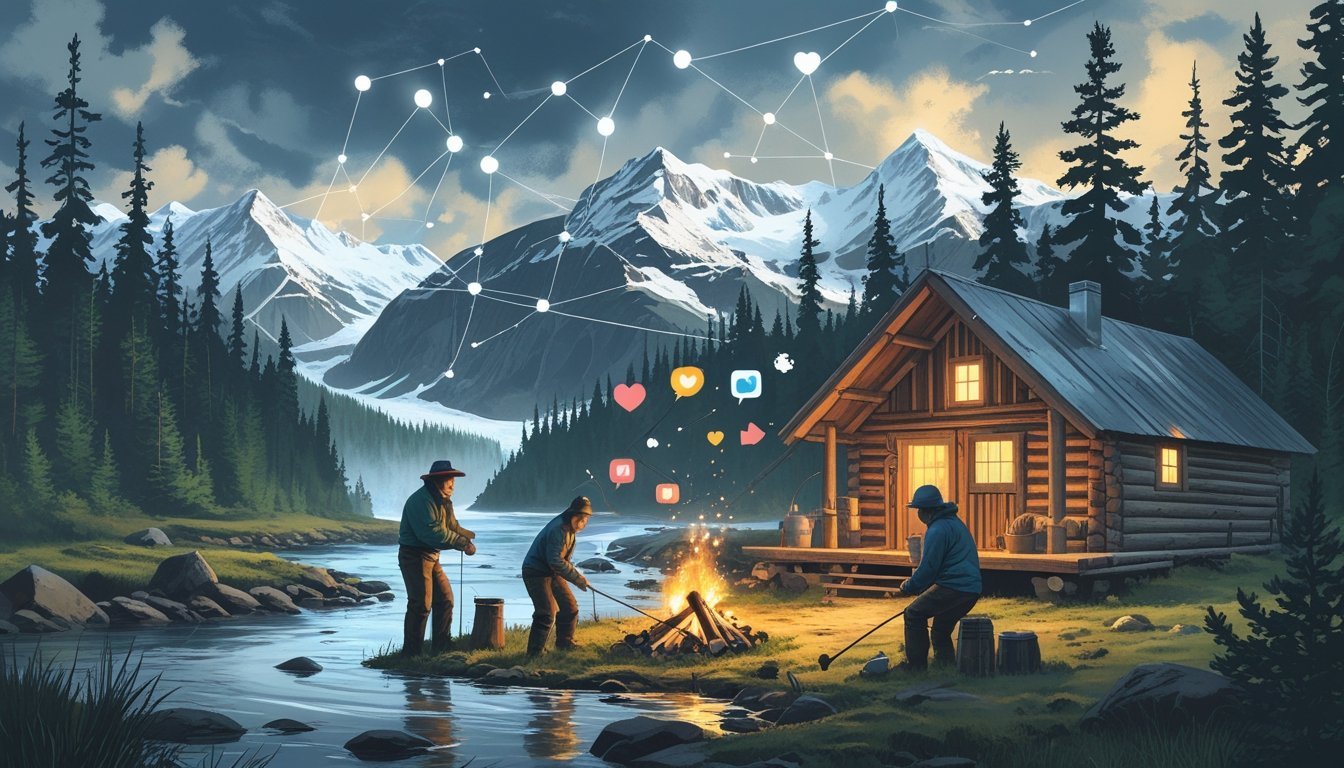
Social media has played a significant role in building the visibility of Alaskan Bush People well beyond television. It has provided fans access to the Browns’ daily lives, personal struggles, and off-screen personalities, fostering a broader and more engaged audience.
Instagram Impact
Instagram strengthened direct connections between the Brown family and viewers. Members like Rain Brown use their pages to share candid photos and updates, offering perspectives often missing from the TV edit. These posts often highlight personal milestones, challenges, and moments of reflection.
Visual content on Instagram helps document the reality of their rural life, including weather hardships or handling isolation. Rain’s posts sometimes address mental health and personal struggles, resonating with many followers and breaking down stereotypes about those who choose an off-grid lifestyle.
Family updates, birthday celebrations, and behind-the-scenes looks gain thousands of interactions. Instagram’s format, focused on stories and images, suits the family’s wilderness backdrop, making each post a glimpse into the bush rather than polished reality TV production.
YouTube and Fan Communities
YouTube offers a space for extended content, such as behind-the-scenes clips, interviews, and fan-made compilations. This platform enables fans to rewatch memorable moments and analyze episodes in detail. Some fan channels even create discussion panels, speculate about future seasons, or spotlight individual family members like Rain.
Fan communities often gather in comment sections and forums to discuss new developments, offer support, or share theories. This digital engagement creates a sense of ongoing connection, even when the show is not airing.
Key types of content found on YouTube:
Clips of notable episodes
Personal vlogs or updates from the Browns
Fan Q&A sessions
Participation in these communities allows viewers to not only follow the family’s adventures but also voice their opinions and experiences, making the survivalist narrative more personal and multifaceted.
