
How Alaskan Bush People Uses Landscape to Reflect Emotion in Storytelling
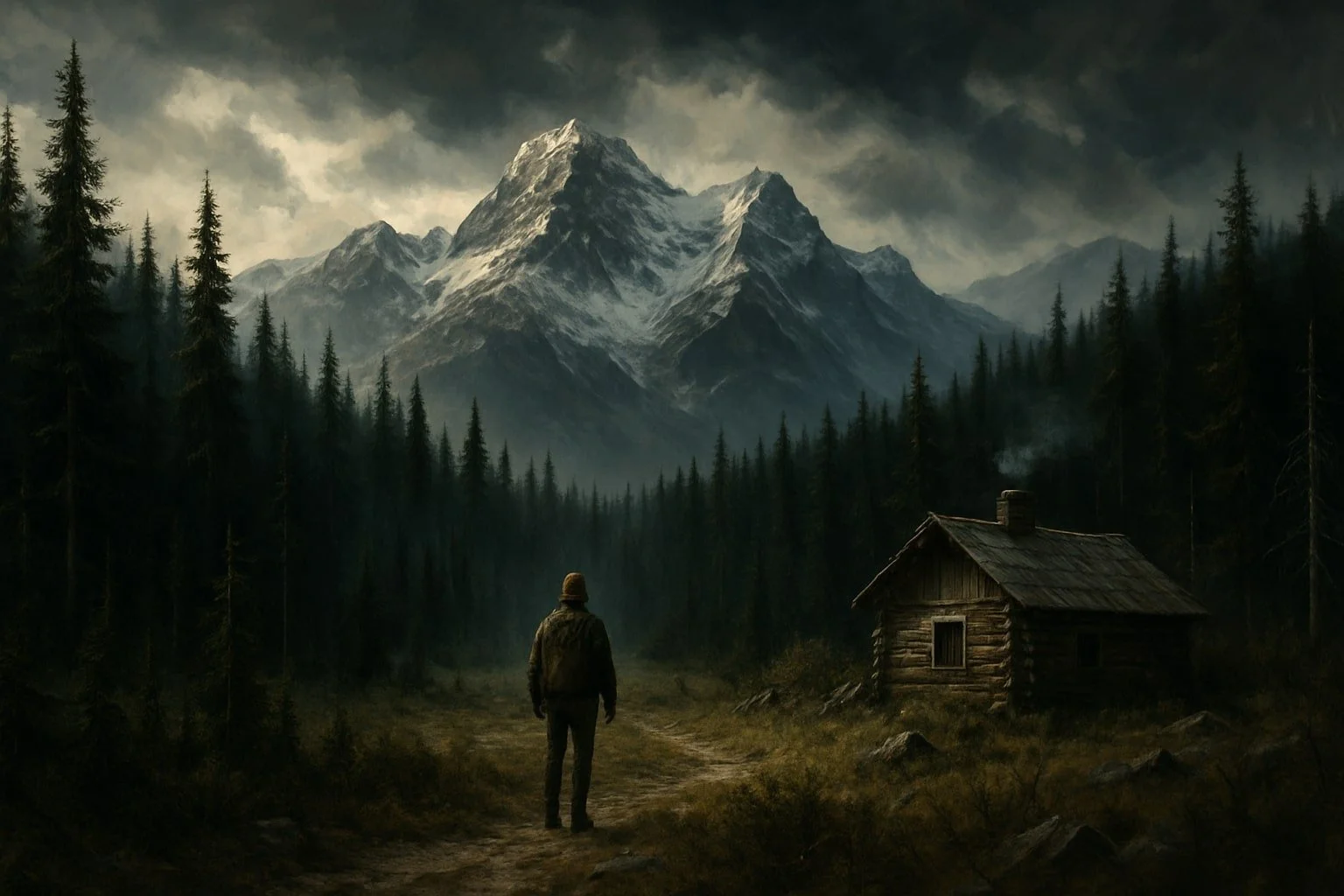
Alaskan Bush People uses the vast Alaskan landscape not just as a backdrop, but as a reflection of the Brown family's emotions, challenges, and triumphs. Scenes filled with harsh, snow-covered wilderness often mirror moments of struggle or tension, while sweeping vistas and open skies can signal hope or new beginnings.
Viewers notice how changing seasons, storms, and even tranquil views are woven into the narrative to intensify the atmosphere. These natural elements help to emphasize the emotional journey, making each episode feel grounded and authentic.
By blending visual storytelling with the raw elements of nature, the show creates a deeper connection between the audience and the family's experiences. The land is more than scenery; it becomes a living part of the family's story.
The Significance of Landscape in Alaskan Bush People
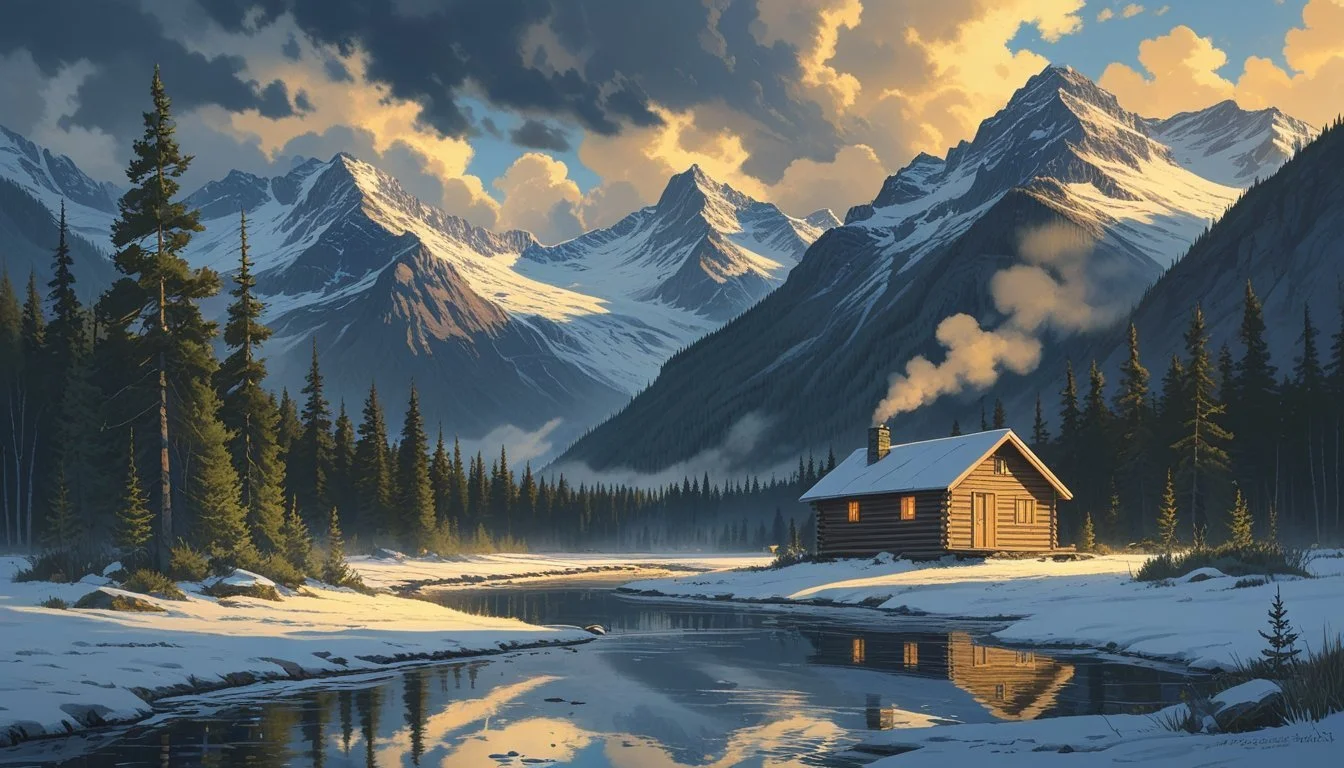
Landscape is never just a backdrop in Alaskan Bush People. It functions as a dramatic element, shaping the daily experiences, emotional responses, and resilience of the Brown family amid Alaska’s vast wilderness.
Depicting Harsh and Beautiful Alaskan Wilderness
The series often highlights the contrast between the daunting challenges and striking beauty of Alaska’s terrain. Towering forests, sweeping rivers, and snow-covered peaks are consistently shown, not just for visual appeal, but to emphasize the reality of isolation and physical demands faced by the family.
Nature is portrayed as both a provider and an obstacle. The Brown family’s survival depends on reading weather patterns, respecting wildlife, and adapting their routines with the seasons. Unforgiving winters bring scenes of hardship and solitude, while blooming summers are used to express relief and renewed energy.
Visuals of expansive wilderness reinforce the scale of the Brown family’s isolation. The absence of urban life or neighbors underscores themes of self-reliance and connection to the land.
Contrasting Environments and Emotional Tone
Changes in environment signal shifts in the emotional landscape of the show’s narrative. Episodes set deep in the woods, surrounded by dense fog or encroaching shadows, tend to accompany moments of uncertainty or tension among the family.
Conversely, gatherings around a fire or scenes by the river often correspond with unity, calm, or celebration. Still, even peaceful locations maintain a sense of vulnerability due to the inherent unpredictability of Alaska.
The balance between comfort and danger is illustrated by how quickly an inviting setting can become treacherous. For example, a clear sky may shift quickly to threatening weather, mirroring the unpredictability of personal or family struggles within the Brown family.
Natural Settings as Symbolic Elements
Natural elements are frequently used to symbolize internal states and relationships. Majestic mountains and open spaces evoke themes of aspiration or hope, while thick forests can evoke confusion, secrecy, or struggle.
Solitude in the vast wilderness often represents both the Brown family’s independence and their spiritual connection to Alaska. This connection is further reflected in their home-building choices, such as using local materials and traditional methods to echo a sense of belonging and respect for the land.
Scenes set amid changing landscapes, from shifting glaciers to growing forests, reinforce how the family’s environment shapes their identities and experiences. For the Alaskan Bush People, every feature of the land is more than a setting—it becomes a direct reflection of their journey and inner lives.
Emotional Storytelling Through Alaska’s Natural World
The vast Alaskan landscape plays a central role in shaping both the emotional tone and depth of the stories told in Alaskan Bush People. It acts as more than a backdrop, often reflecting the psychological states, challenges, and traditions of the family at the heart of the show.
Reflecting Family Challenges in Rugged Terrain
When the Brown family faces hardship, the Alaskan terrain amplifies their struggles. Harsh weather, dense forests, and remote locations physically manifest the obstacles encountered in their pursuit of self-reliance.
These landscapes reflect not just the external environment but internal conflict. For example, snowstorms and isolation reinforce the family's moments of fear, uncertainty, or separation. Every challenge in nature—clearing fallen trees, enduring long winters, or navigating wild rivers—mirrors the difficulties of living off-grid and the strain it can place on family relationships.
Such visual storytelling, supported by atmospheric sound design and narration, immerses viewers in these struggles. The landscape becomes a character in itself, shaping how the Brown family navigates setbacks and echoing stories familiar to Alaska's ancestors who also relied on resilience to survive.
Celebrating Joy and Unity in the Wilderness
The wilderness of Alaska is also a setting for celebration and togetherness. Scenes of family gatherings for fishing, hunting, or preparing meals use open meadows, riversides, and blooming wildflowers to convey warmth and unity.
During moments of joy, the camera often pans across sunlit valleys and lush forests. These visuals highlight a sense of connection—not only between family members but also to the land and their heritage. Such connections recall the subsistence lifestyles of Alaska’s Native peoples, whose traditions honor cooperation and gratitude for nature’s bounty.
By framing moments of happiness against vibrant wild backdrops, the show conveys how the wilderness fosters a sense of purpose and belonging. Nature is not only a challenge but a source of comfort and fulfillment.
Landscape as a Mirror of Resilience
Alaska’s natural world continuously tests and defines the resilience of those who live there. Whether rebuilding after a storm, braving harsh climates, or inventing new solutions to survive, the family’s endurance is reflected in their environment.
Mountains and glaciers symbolize permanence and resolve. Thawing rivers and the return of migratory animals mark hope and renewal after hardship. The series uses these changes in landscape to visually narrate cycles of challenge and recovery, drawing on a rich tradition of storytelling rooted in adapting to external forces.
Through these cues, the landscape becomes a living record of survival, echoing both the pioneering spirit of the Brown family and the ancestral wisdom of those who came before them. Resilience is thus portrayed not only through the family’s actions but also in the enduring presence of Alaska’s wild, ever-changing environment.
Cultural Heritage and the Emotional Power of Place
The deep ties between indigenous peoples and the Alaskan landscape shape emotional life and provide context to personal experiences. The connection between place, heritage, and feelings is complex, drawing from Native traditions and the ongoing relationship with the land.
Honoring Alaska Native Traditions in the Series
Alaskan Bush People often references the significance of the land through practices and symbols rooted in Alaska Native heritage. While the Brown family is not indigenous, they frequently highlight the enduring wisdom and survival skills found in Native communities like the Yup’ik, Tlingit, Haida, and Inupiat.
Storytelling methods—such as sharing family memories around a fire—echo indigenous practices that honor ancestors and collective identity. Traditional resource use and respect for the wilderness also mirror values seen in Athabascan, Tsimshian, Aleut, and Alutiiq cultures. Simple shelters and handmade tools reflect age-old ways of adapting to Alaska’s extremes.
The series occasionally uses talking circles or group reflection, a concept present in several Alaska Native traditions for building emotional and communal support. These visual and narrative elements pay tribute to the cultural heritage of indigenous peoples, reminding viewers that emotional resilience often starts with a strong sense of place.
Nature as a Bridge Between Past and Present
The landscape in Alaskan Bush People becomes a vessel for memory and emotional expression. Vast forests, tundra, and glaciers visually connect characters to a larger, ongoing story, transcending personal experience. This mirrors how indigenous peoples—such as the Eyak and other coastal groups—use natural surroundings to maintain links to their heritage.
Changing seasons and dramatic weather shifts are used to represent struggle, celebration, and transformation. Moments of silence in the series, especially when the camera lingers on rivers or mountains, echo the sacred reverence found in many indigenous traditions. These visual pauses foster reflection and create emotional space for both the characters and the audience.
Table: Emotional Symbolism in Alaskan Landscapes
Landscape Element Indigenous Significance Emotional Use in Series Glaciers Endurance and change Transition, loss, and renewal Forests Ancestry, shelter Security, memory Rivers Life, continuity Hope, reflection
Nature thus becomes more than a backdrop; it is a living participant, continually linking past experiences to the feelings and identities of those within it.
Traditional Practices and Survival in the Alaskan Landscape
Traditional survival in Alaska relies on adaptive skills passed down for generations. The region’s demanding climate and geography shape daily life, often turning hunting, fishing, and gathering into deeply emotional experiences as families depend on the land for sustenance and continuity.
Hunting, Fishing, and Gathering in Emotional Story Arcs
Hunting, fishing, and gathering are core activities for families living in the Alaskan bush. These tasks require resilience and teamwork, often serving as the backdrop for stories of hardship and achievement.
Discoveries of game or fish frequently mark turning points in family narratives, highlighting relief, joy, or tension when resources are scarce. Moments spent foraging or tracking animals can mirror feelings of hope, frustration, or unity among group members.
These activities take place across forests, rivers, and tundra, each landscape element influencing the emotional tone. For example, the isolation of dense forests may underscore feelings of anxiety, while successful hunts on vast open plains can symbolize renewal or optimism.
Subsistence Activities and Cultural Preservation
Subsistence activities extend beyond survival; they are central to cultural identity and the transfer of traditional knowledge. Indigenous groups such as the Inupiat, Yup’ik, and Alutiiq use hunting, fishing, and gathering not only to meet daily needs but also to maintain long-standing customs.
Sustainable practices—like regulated fish harvests or selective hunting—reflect a respect for natural balances and often align with conservation guidance from organizations like the U.S. Fish and Wildlife Service. This careful stewardship helps protect resources for future generations.
Key aspects:
Traditional practices ensure knowledge is retained within families.
Conservation rules create a framework for ethical harvests and resource management.
Community events, like seasonal salmon runs, reinforce interpersonal bonds and cultural continuity.
Artistic Expression and the Spiritual Significance of Nature

Alaskan Bush People find meaning and comfort in their environment, using both art and tradition to express their relationship with the land. Their craftsmanship, rituals, and spiritual practices are deeply influenced by the landscape and serve as vital forms of communication and connection.
Art and Craftsmanship as Reflections of Landscape
Art and craftsmanship among Alaskan Bush People are often inspired by the natural world around them. Carvings, beadwork, textiles, and other handmade objects frequently feature motifs that echo local flora, fauna, and geological features. The use of materials such as wood, stone, and animal hide further anchors their artistic expression in the environment.
These works of art do more than decorate—they also serve as records of family histories and spiritual beliefs. For example, traditional symbols found in carvings or woven items may represent ancestors, animals with spiritual significance, or important natural events. Attention to detail and the use of local resources reinforce the idea that art making is both a practical skill and a spiritual act.
Craft Type Natural Influence Spiritual Significance Carving Totem animals, landscapes Ancestral spirits, protection Beadwork Local plants, weather Storytelling, symbolism
Rituals, Drumming, and Traditional Dances
Rituals are an integral part of life, marking seasons, welcoming changes, and honoring spiritual relationships with nature. Traditional drumming and dance are key elements in these ceremonies. The rhythms of drums often mimic natural sounds—such as rainfall or the beat of migrating caribou—creating a sensory bridge to the landscape.
Dances are performed not simply for entertainment but as expressions of gratitude, remembrance, and requests for harmony or abundance. Drumming helps unify participants and is sometimes accompanied by singing in native languages. Each ritual, whether it celebrates a successful hunt or invokes protection, ties the participants' inner emotions directly to the forces and cycles of the natural world.
Ceremonies, Festivals, and Community Gatherings
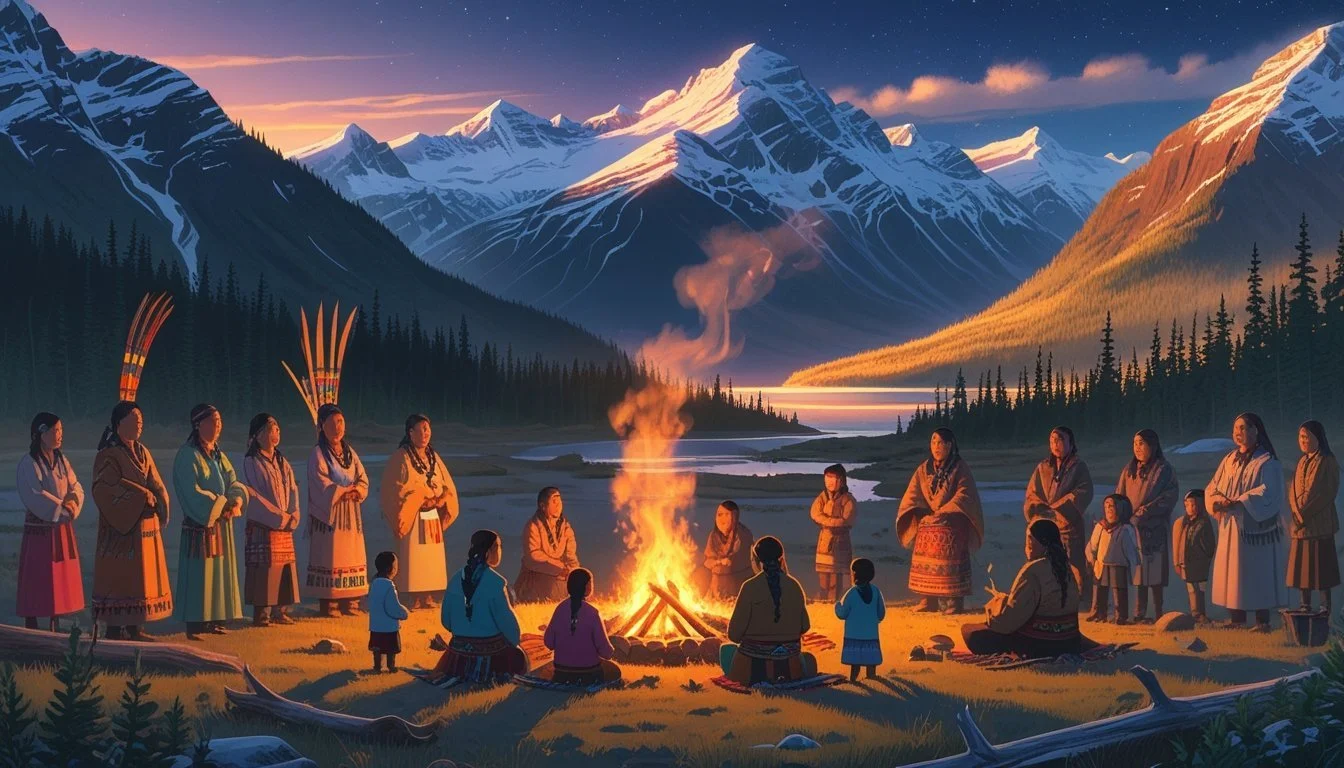
Alaskan Bush communities engage in unique gatherings that express both individual and shared emotions through the land. The landscape itself sets the stage for cultural connection and meaning during these events.
Potlatch and Potlatches: Emotional and Cultural Importance
The potlatch is a key cultural ceremony for many Native Alaskan groups. It involves feasting, gift-giving, dancing, and storytelling that marks important life transitions such as births, marriages, and memorials. These occasions also serve as public displays of respect and generosity.
Potlatches often take place outdoors or in communal lodges, where the surrounding landscape becomes part of the experience. The sights, sounds, and smells of the natural environment reinforce emotional connections between participants and their heritage. Emotional release and renewal are central to this ceremony, as individuals and families publicly express gratitude, grief, or celebration.
Traditionally, potlatches solidify social ties among families, ensuring the transfer of rights, names, and stories across generations. The land is both a backdrop and a living participant in these cultural expressions.
Seasonal Festivals and Community Balance
Seasonal festivals are tied directly to subsistence cycles, such as salmon runs, berry harvests, and the return of migratory animals. These festivals mark transitions in community life and are often accompanied by collective ceremonies, singing, and shared meals.
Community gatherings like these depend on the landscape’s rhythms. The environment’s changes signal when to prepare for festivities, reflecting the balance between people and place. For example, the timing of festivals may be based on natural indicators like daylight or animal behaviors, not a fixed calendar.
At these events, social bonds are strengthened, responsibilities reinforced, and communal emotions acknowledged. The celebrations highlight community resilience and adaptation to the environment, using the landscape as a source of both livelihood and identity.
Landscape, Language, and Oral Traditions
Language, landscape, and oral traditions are closely connected in Alaska, where the environment shapes both the emotional world and the cultural practices of its people. The interplay of indigenous languages and landscape-based storytelling reveals a deep relationship between memory, history, and identity.
Indigenous Languages and Place-Based Storytelling
Indigenous languages in Alaska, such as Inupiaq, Yupik, and Tlingit, encode place names that serve as more than navigational markers—they function as anchors for story and meaning. Each named location often carries with it narratives that recall events, warnings, or lessons from the past. These names are part of an oral landscape, mapping not just geography but also emotional and historical resonance.
Storytellers use specific terms tied to features like rivers, mountains, or harvest sites, making the landscape itself a participant in the telling. This mutual shaping of language and place helps listeners connect the physical environment to personal and communal emotions. In this way, the landscape reflects both lived experience and the collective memory of the people.
Language Preservation and Emotional Memory
Language preservation in Alaska is deeply tied to maintaining the emotional heritage embedded in the land and its stories. Efforts to revitalize indigenous languages focus on teaching younger generations the vocabulary and oral traditions linked to specific places. This process helps ensure that emotional memories—joy, grief, danger, belonging—remain accessible within the community.
Interpretive programs, educational work, and family storytelling reinforce the idea that language is not only a tool for communication but also for emotional continuity. When traditional terms and phrases for landscape features disappear, important layers of meaning and feeling risk being lost as well. Protecting indigenous languages safeguards both cultural knowledge and the unique ways communities express their relationship with the land.
Spiritual Beliefs, Animism, and the Meaning of Place
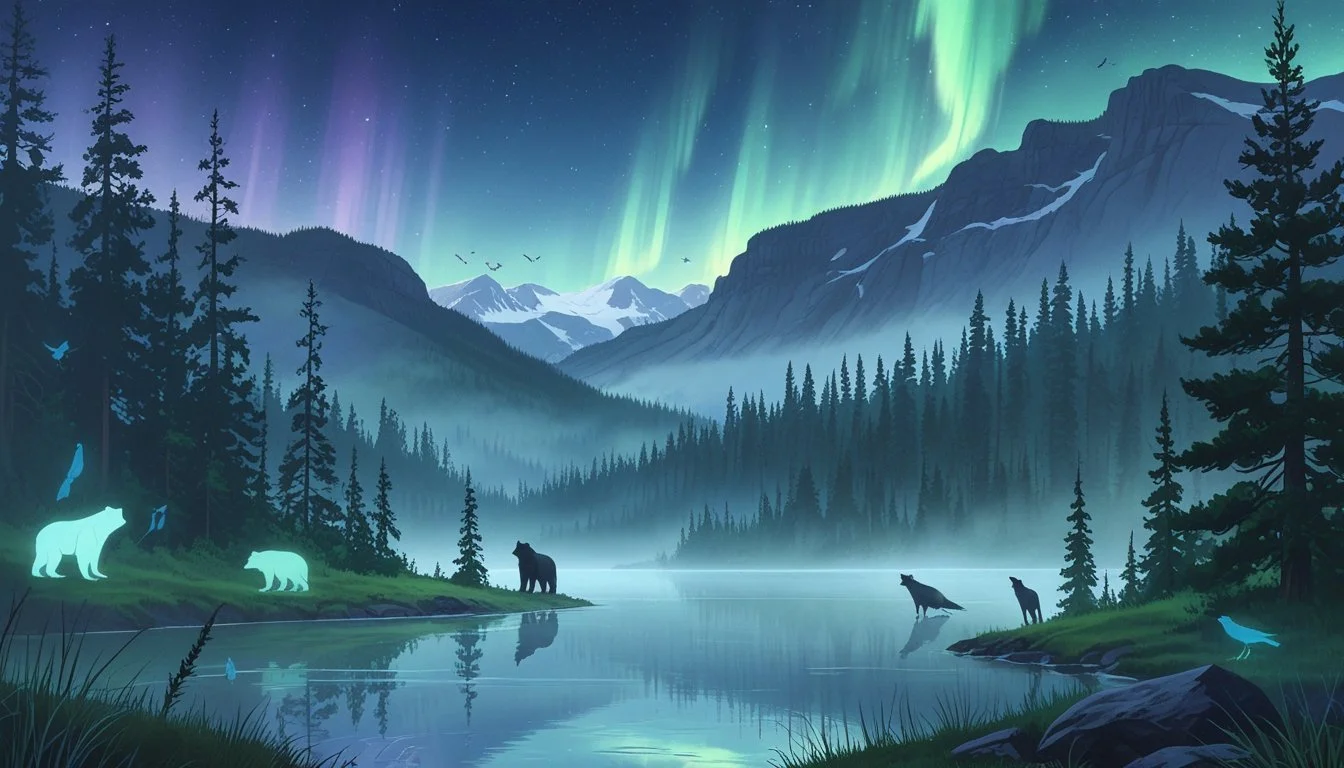
The series shows how the Alaskan landscape is more than just a setting; it is deeply connected to spiritual beliefs and traditions. Viewers see places hold layered meanings, rooted in animism and the reverence of ancestors.
Ancestral Lands and Spiritual Significance
For many Indigenous peoples and featured families, land represents a living presence, not just a resource. Ancestral lands serve as a direct link to the past, preserving stories, practices, and memories. These places become sacred due to the generations that lived on and cared for them.
Animism, the belief that everything in nature has a spirit, shapes how characters understand their environment. Rivers, mountains, and forests are often approached with respect, as they are believed to hold spiritual energies. This worldview fosters a sense of responsibility and gratitude for the land.
Ceremonial sites and particular landmarks frequently symbolize important events or family stories. Viewers hear about these locations in relation to rites of passage, honoring ancestors, and seasonal celebrations. The emotional impact of the landscape is apparent in scenes of reflection, storytelling, and remembrance.
Role of Shamans in Interpreting the Environment
Shamans—sometimes referred to as spiritual healers—play a crucial role in bridging the material and spiritual worlds. Traditionally, these figures mediate between humans and the spirits inhabiting the land or animals. Their insights influence how communities interpret natural events and respond to environmental changes.
Spiritual specialists are consulted for guidance during hardships, such as illness or ecological shifts. They may conduct ceremonies to honor spirits, seek blessings, or ensure balance between people and nature. This mediation underlines the spiritual significance attributed to the landscape.
The series often gestures to traditions where shamans interpret signs from nature, like animal behavior or unusual weather patterns. Through these practices, the environment becomes a source of wisdom and emotional resonance, informing the group’s connection to their ancestors and surroundings.
Climate Change, Conservation Efforts, and Emotional Impact
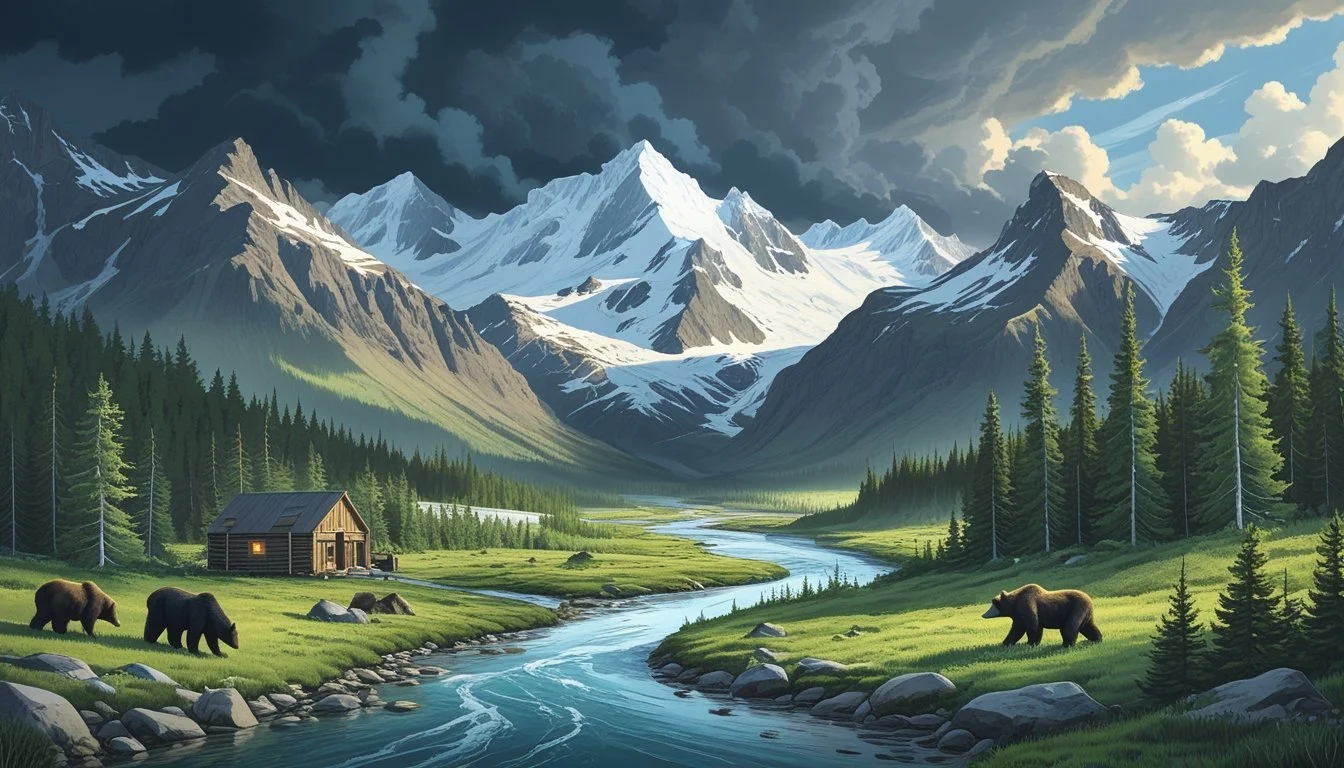
Climate change is directly reshaping the Alaskan landscape, threatening both natural and cultural resources. Conservation efforts are evolving as communities adapt and seek to protect traditions under stress from environmental transformation.
Changing Landscapes and the Future of Alaskan Traditions
Alaska’s bush communities are seeing rapid changes to land and water caused by warming temperatures, erosion, shifting animal populations, and more frequent wildfires. Erosion of coastal areas has led to the forced relocation of several villages. Rivers may shift course, tundra thaws, and permafrost melts, altering hunting routes and subsistence patterns.
These changes disrupt not just the physical space but also the emotional landscape for residents. Traditional knowledge—built on centuries of observation of seasonal cycles—loses reliability. Hunting, fishing, and cultural practices tied closely to the land become more challenging. The uncertainty about the sustainability of time-honored traditions leads to anxiety and a sense of loss among many residents.
Community Responses and Conservation Initiatives
Local organizations, tribal councils, and state agencies have launched targeted conservation programs to address climate impacts. Initiatives include monitoring wildlife and fish stocks, restoring habitats, and implementing erosion control projects along vulnerable coastlines. Some groups emphasize teaching traditional ecological knowledge in schools, combining science with heritage.
Community efforts often focus on resilience. Mental health support, food sovereignty campaigns, and sustainable resource management are common priorities. Villages work together to share strategies and advocate for both policy support and funding. These actions help maintain a sense of agency and emotional stability despite ongoing environmental challenges.
Colonization and Enduring Cultural Identity
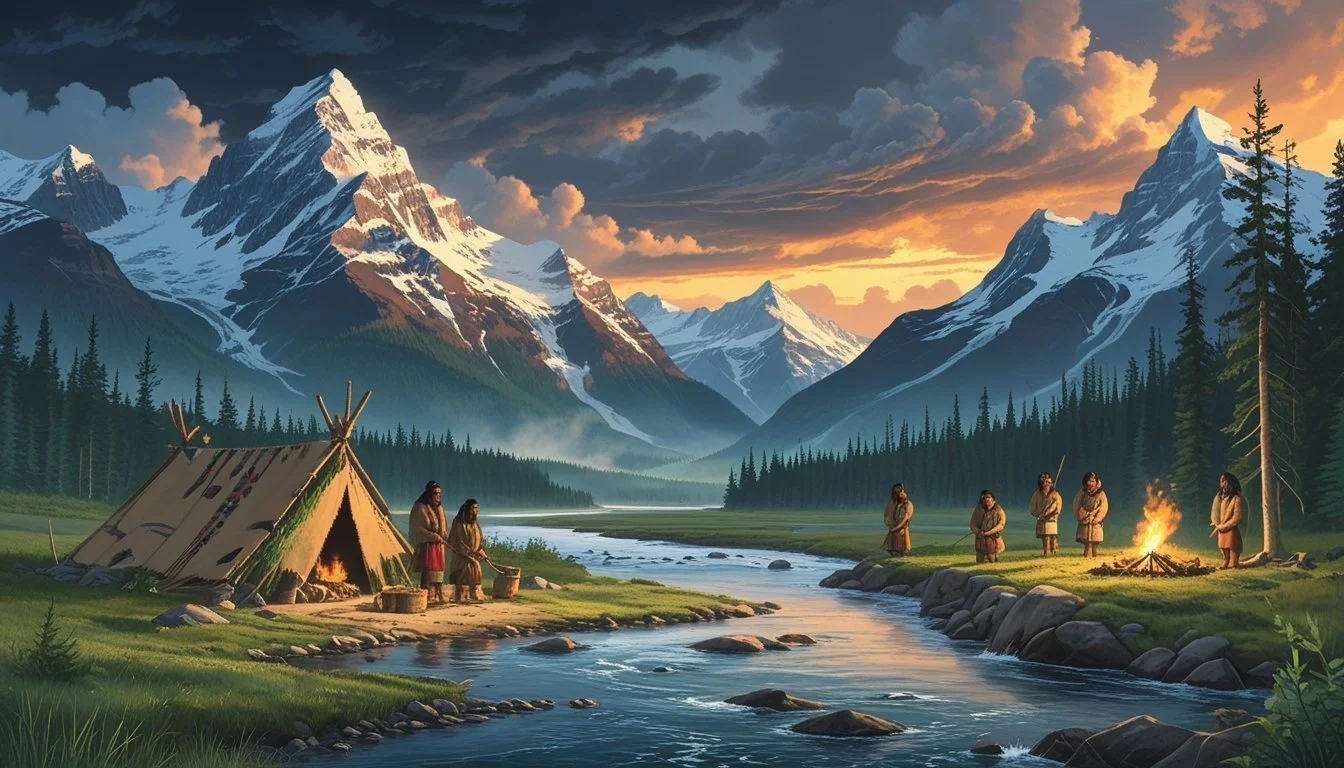
Alaskan Indigenous peoples have faced profound changes due to colonization but continue to maintain distinct cultural identities. The interplay between historical pressures and present-day preservation efforts shapes both the daily lives and broader worldview of these communities.
European Contact and Cultural Resilience
European contact in Alaska began in the 18th century, introducing new technologies, diseases, and trade goods to the region. Russian, British, and later American explorers established settlements and missions. This contact brought significant disruptions, including loss of land, population decline due to epidemics, and forced changes in social structure.
Despite these pressures, Alaskan Native peoples—such as the Iñupiat, Yup'ik, and Tlingit—retained aspects of their language, spiritual life, and traditional practices. Elders passed down stories and skills, ensuring continuity through oral traditions. This resilience formed a foundation for cultural survival despite assimilation policies and external control.
Table: Major Impacts of Early European Contact
Impact Result Disease introduction Population loss and stress on family structures Trade and technology Shift in subsistence patterns Missionization Religious and educational changes Land loss Displacement and resource challenges
Preserving Alaskan Identity Amidst Change
Efforts to preserve Alaskan Indigenous identity involve both adaptation and advocacy. Communities organize cultural events, language revitalization programs, and educational initiatives for younger generations. Storytelling, dance, and traditional crafts remain central to community life, reinforcing heritage.
Legal and political actions, such as Tribal sovereignty and land claims, aim to restore autonomy and resources. Collaboration between Elders and youth strengthens knowledge transmission. Modern media, including TV and film, showcase these identities and contribute to broader recognition.
The continued use of the Alaskan landscape in arts and daily rituals ties people to their ancestral roots. Through a blend of adaptation and preservation, Native peoples maintain a sense of identity while navigating ongoing change.
