
The Ethics of Filming Tragedy in Alaskan Bush People
Navigating Reality TV Responsibility
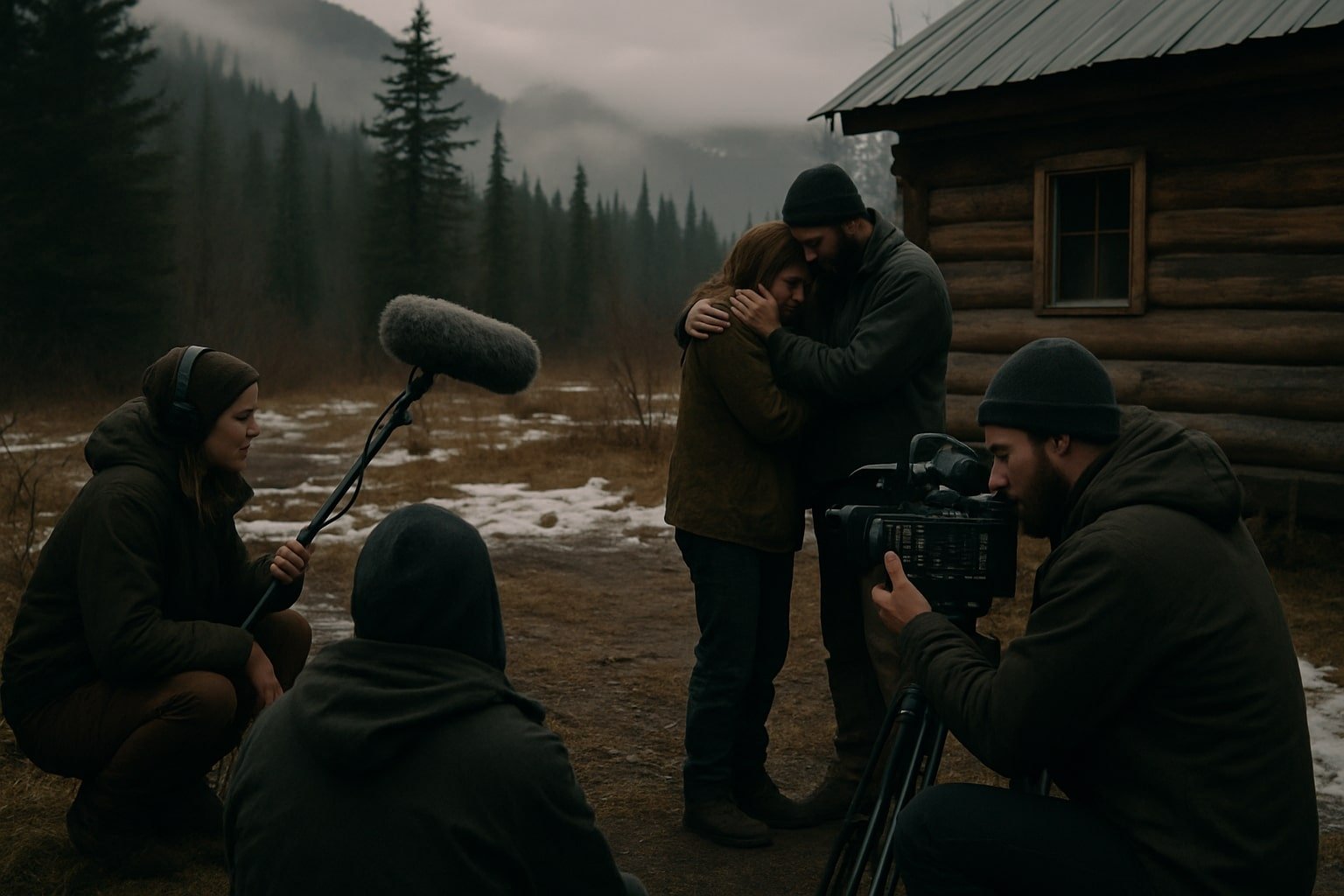
The reality show Alaskan Bush People, featured on the Discovery Channel, has documented the lives and challenges of the Brown family since 2014. Over the years, the series has sparked debate over its portrayal of real tragedies, such as the sudden passing of Billy Brown and the family's struggles with illness and natural disasters.
Filming personal and often tragic moments has raised questions about the ethics of turning real-life hardships into entertainment for a wide audience. Critics have voiced concerns about possible exploitation, especially when episodes highlight deeply personal losses or sensitive family matters.
With the line between authentic storytelling and sensationalism becoming increasingly blurred, examining how the Browns’ experiences are shown on television is essential for viewers and producers alike.
Overview of Alaskan Bush People
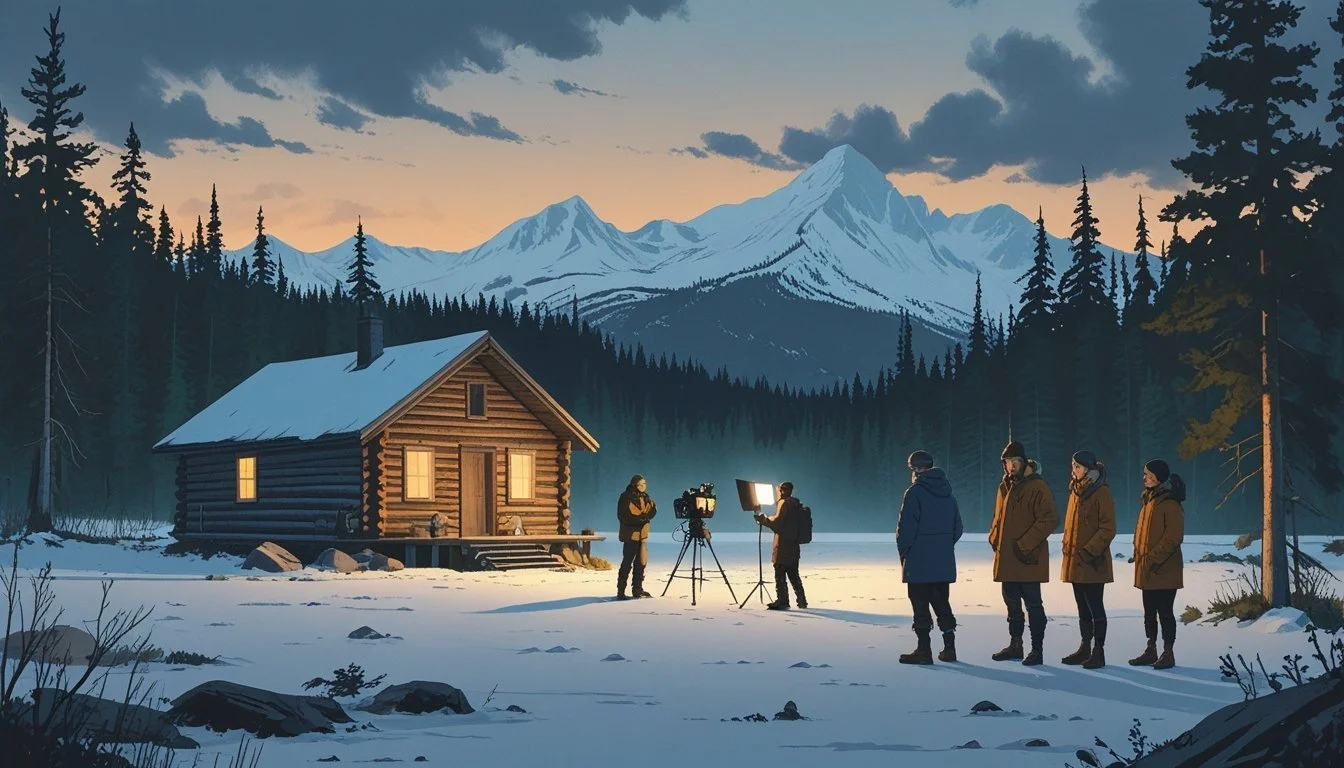
Alaskan Bush People is a reality television series centered on the Brown family and their attempts to live off the land. The show has influenced perceptions of wilderness survival and unconventional lifestyles through its portrayal of daily challenges in remote environments.
Background of the Brown Family
The Brown family consists of Billy and Ami Brown and their seven children. Originally from Texas, they relocated several times before settling in Alaska to pursue a self-reliant lifestyle.
Throughout the show’s run, the family became known for their strong bonds and commitment to living away from urban comforts. Loss and health struggles, such as Billy Brown's passing and Ami’s cancer diagnosis, became central storylines in later seasons.
Public appearances and social media hint that not all family members have stayed committed to off-grid living. Several have spent periods living in more traditional settings outside the Alaskan wilderness, particularly after legal and health issues affected the family’s circumstances.
Premise of the Television Series
Alaskan Bush People aired on the Discovery Channel, premiering in 2014 and running for 14 seasons. It presented the Brown family as living in isolation, using only their skills and resourcefulness to survive.
The show featured a variety of challenges—building shelters, hunting, and foraging—in sometimes harsh and unpredictable environments. Its appeal largely stemmed from viewers' curiosity about off-grid living and survival techniques.
Viewers have sometimes questioned the authenticity of certain situations depicted on the show. Allegations of staged scenes and time spent outside Alaska have fueled debate about the boundaries between reality and scripted television content.
Living in the Alaskan Wilderness
The series was originally filmed near Hoonah, Alaska, portraying the region’s dense forests and rugged terrain. The Alaskan wilderness served as both backdrop and obstacle, demanding adaptability and courage from the Brown family.
Realities of living in such remote locations include extreme weather, wildlife encounters, and limited access to supplies. Survival required constant effort, from securing food to maintaining shelter.
Eventually, the family relocated to Washington State due to health concerns and legal matters. This change prompted further scrutiny of the family’s actual lifestyle versus its televised portrayal as permanently isolated and self-sufficient.
Filming Tragedy in Reality Television
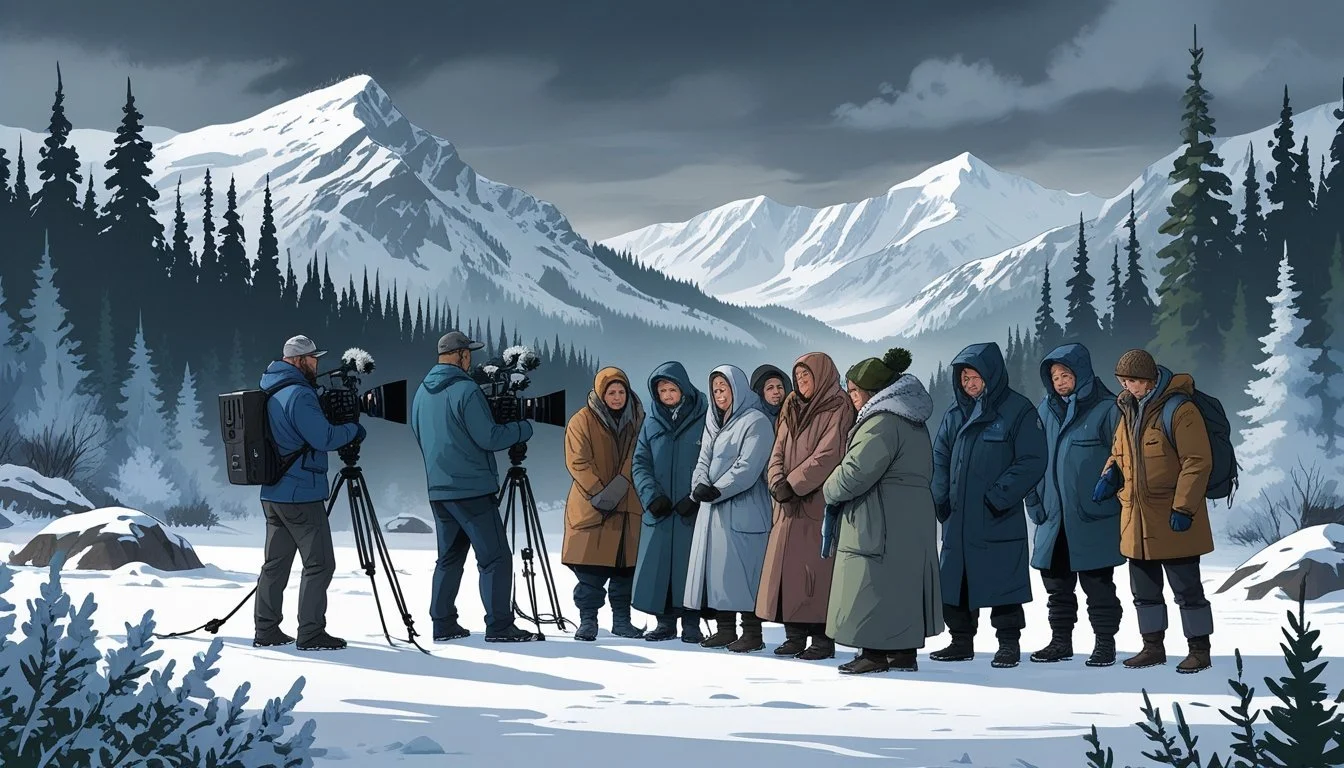
Alaskan Bush People has broadcast personal hardships and significant losses experienced by the Brown family. This approach raises questions about representation, public response, and the balance between private grief and public consumption in reality television.
Defining Tragedy on Alaskan Bush People
Tragedy on Alaskan Bush People has included the illness and eventual passing of patriarch Billy Brown. Producers incorporated archival footage and interviews to communicate the family’s grief while documenting their continued resilience. Sensitive moments, such as tributes and conversations among family members, illustrate attempts to honor both Billy Brown and the family’s privacy.
The choice to show these events distinguishes Alaskan Bush People from some reality television, as it directly shares the emotional impact and aftermath with its audience. This opens discussion on the distinction between authentic storytelling and potential exploitation. Ethical questions arise regarding how much to reveal and what is appropriate when filming real distress, especially given the burdens such visibility can place on grieving individuals.
Viewer Reactions and Public Discourse
Viewer responses to the depiction of family tragedy have been mixed. Some express appreciation for the honest portrayal and acknowledge the strength of the Brown family during difficult times. Others question whether broadcasting such deeply personal events crosses ethical lines or contributes to sensationalism.
Key concerns from viewers and critics include:
The balance between transparency and privacy.
Whether the show's narrative remains respectful or becomes exploitative.
The impact of repeated coverage on both the family and the audience.
Public forums and social media reveal ongoing debate about the role of reality television in documenting true pain. Discussions sometimes compare Alaskan Bush People to other reality series, evaluating whether it maintains dignity or blurs ethical boundaries.
Impact on the Brown Family
The televised documentation of tragedy has clear effects on the Brown family. The show’s focus on personal loss brought their grief before a national audience, possibly intensifying public attention during vulnerable moments. Family members have sometimes used the platform to share memories, comfort one another, and show collective resilience.
This exposure can offer a sense of community support, but it may also create pressure to process emotions publicly. Repeatedly revisiting tragedy on screen can challenge boundaries between public life and private mourning. The experience highlights the complex reality of coping with loss when cameras are present, and how resilience is sometimes shaped by both personal strength and external scrutiny.
Ethical Considerations in Documenting Personal Hardship
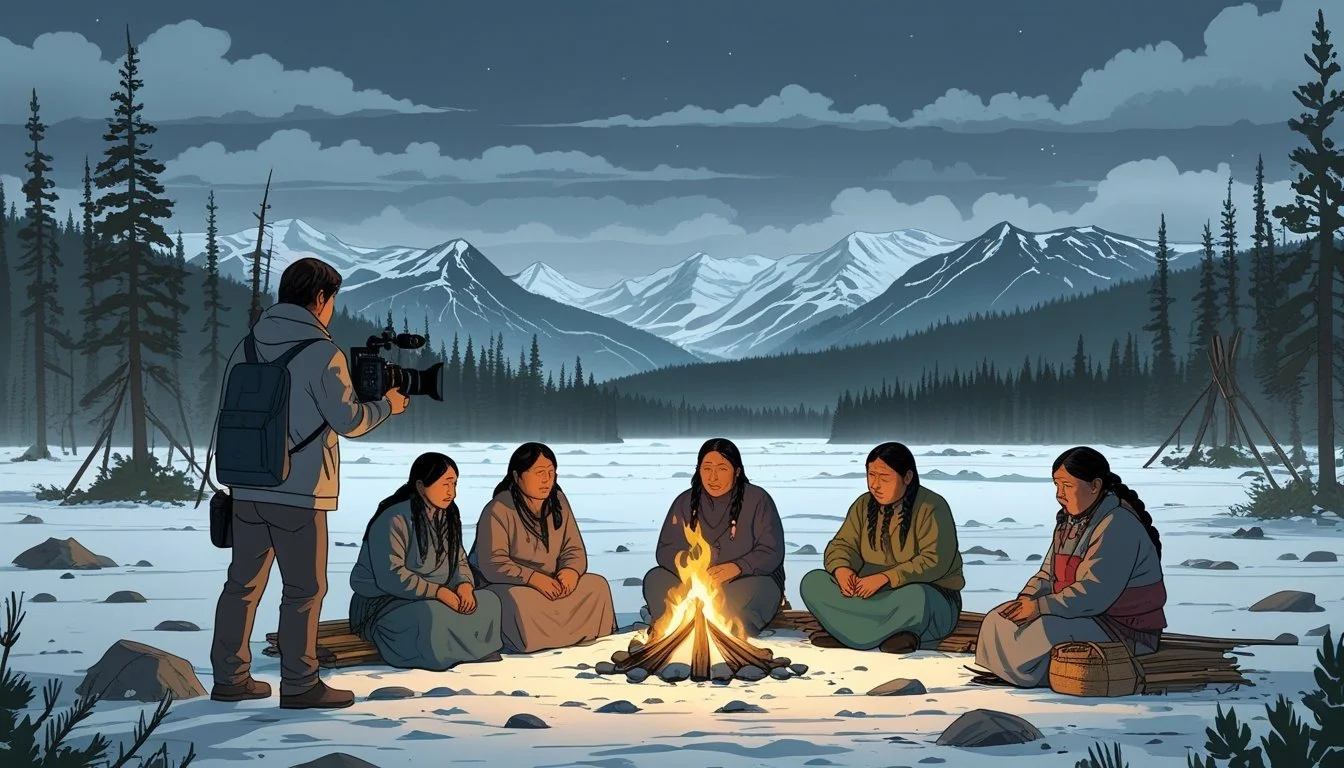
Filming personal hardship for reality television presents complex ethical dilemmas. Managing the subjects’ vulnerability while maintaining authenticity and respecting privacy shapes the portrayal of real-life tragedy.
Consent and Participation
Obtaining clear, informed consent from cast members is essential, particularly when documenting sensitive topics such as Ami Brown’s lung cancer diagnosis or a family’s response to a miscarriage. Genuine participation requires producers to ensure that individuals understand what footage will be recorded, how it will be used, and its potential impact.
The unique isolation of the Alaskan bush magnifies these concerns. Family members may feel pressure to participate due to contractual, financial, or emotional reasons. Producers must continually reaffirm consent, especially during highly stressful situations. There is an ethical obligation to allow subjects to withdraw or limit participation if they feel overwhelmed.
Depicting Health Challenges
Chronicling health challenges such as cancer treatment or mental health struggles places a spotlight on authenticity. The decision to film Ami Brown’s lung cancer journey, or to address topics like depression within the family, involves balancing the public’s right to information with sensitivity to the individual’s experience.
The following factors guide ethical storytelling:
Avoiding dramatization or sensationalism
Consulting with medical professionals to ensure accuracy
Respecting the pace at which the family is ready to share details
Minimizing harm while fostering understanding should take precedence over creating dramatic content.
Portrayal of Grief and Loss
Capturing moments of grief, such as the family processing the death of a loved one or mourning a miscarriage, requires particular care. Viewers may see unfiltered expressions of sorrow, confusion, or anger that reflect genuine hardship.
Filmmakers face decisions about which moments to show. There is a risk of intrusion if cameras continue rolling amid private grief. Restraint is crucial, and it is often appropriate to discuss with participants which scenes they are comfortable sharing, especially if the event involves sensitive topics such as the loss of a pregnancy or the hopes tied to a rainbow baby.
Respecting Privacy During Crises
Privacy is often at its most vulnerable during health and family crises. Protecting intimate details—such as medical information, private conversations, or moments of emotional distress—demands strict editorial standards.
Producers should redact or anonymize information when appropriate and offer the subjects veto power over especially personal content. The ethical approach includes creating safe environments off-camera and respecting requests for privacy, especially when mental health or the family bond is tested under stress.
Key ethical practices include:
Privacy Risk Protective Measure Medical records exposed Blur or omit identifying details Emotional outbursts Allow subject review before airing Sensitive confessions Film only with explicit permission
Authenticity Versus Sensationalism
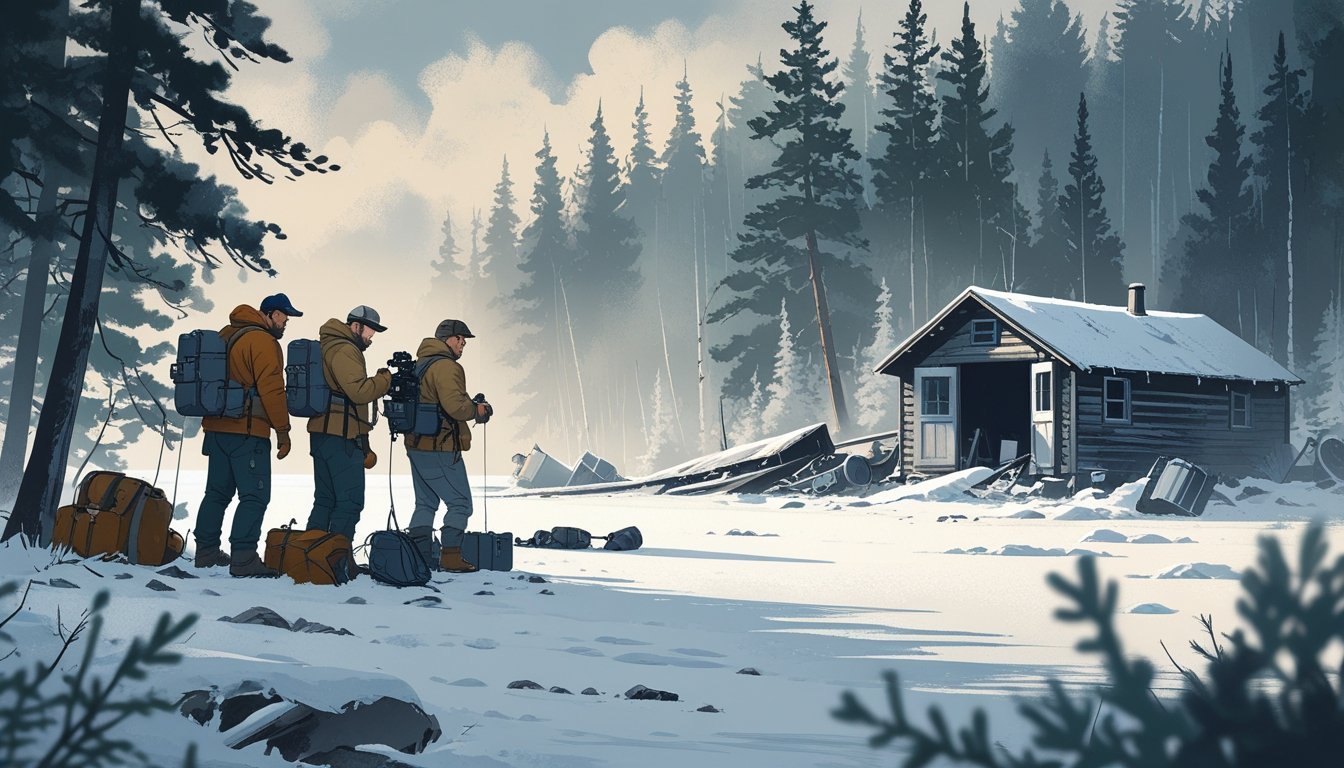
The tension between authenticity and sensationalism in Alaskan Bush People shapes both the content and public perception of the show. Key issues include how producers frame narratives, handle sensitive events, and the degree to which reality is edited for drama.
Balancing Storytelling and Truth
Producers of Alaskan Bush People regularly face decisions about emphasizing dramatic storylines over strict accuracy. While many viewers expect unscripted authenticity, there are frequent allegations of manipulated scenarios or exaggerated conflicts.
Clear examples include sequences that appear staged or events presented in a way that heightens viewer suspense rather than documents actual events. This gap between what is real and what is shown can erode audience trust.
When familial tragedies or crises occur, the show’s editing and narrative choices become even more significant. The ethical responsibility to present truthfully, rather than sensationalize, is debated among critics and fans.
The Role of Producers and Editors
Producers and editors have a direct role in shaping how tragedy and conflict are portrayed. They often control what is included or cut, how scenes are ordered, and the tone of the episode.
Table: Key Producer Decisions in Reality TV
Decision Influence on Authenticity Editing sequences Can increase drama or accuracy Music/Effects May heighten emotional impact Reshoots/Re-enactments Risk undermining authenticity
These choices can sometimes lead to sensational moments that prioritize ratings over facts. Scandals involving cast members or controversial events may be highlighted or downplayed based on editorial judgment.
Critics argue that editorial interference can mislead viewers, especially during episodes that deal with tragedy or hardship. Responsible production teams must weigh the ethical implications of each decision.
Sensationalism in Reality Shows
Sensationalism refers to the practice of exaggerating or dramatizing real events for entertainment. In the case of Alaskan Bush People, this often involves amplifying family struggles, survival challenges, or reactions to loss.
Reality shows tend to use cliffhangers and selective editing to create tension. For some viewers, this enhances entertainment; for others, it distracts from genuine stories and may feel exploitative when involving tragedy.
Media scrutiny and fan backlash have spotlighted cases where authenticity is compromised for sensational effect. Ethical concerns grow when sensitive topics, such as illness or death, are presented more for spectacle than for honest storytelling.
Effects on the Brown Family Members

Filming moments of personal tragedy in Alaskan Bush People has had profound and varied effects on family members. The presence of cameras has shaped daily life, influenced mental health, and intensified public criticism.
Children’s Experiences On and Off Camera
The Brown children—including Bear, Noah, Gabe, and Rain—have grown up navigating the constant presence of cameras. Their childhood and adolescence unfolded in front of viewers, making privacy scarce for milestones and hardships.
Bear Brown often exhibited adventurous behavior, but off camera, he faced emotional challenges few fans saw. Rain Brown, the youngest, became an example of growing up in the spotlight, facing unique pressures that affected her self-image and relationships.
Noah Brown and his son, River, represent the next generation experiencing this cycle. Off camera, the children have sometimes struggled to adapt socially, as the reality TV environment differs greatly from typical settings. The focus on survival and family bond sometimes clashed with the demands of performance for an audience.
Impact on Mental Health and Wellbeing
Exposure to televised tragedy has tested the resilience of each family member. Publicly documented hardships, including injuries and deaths, took a toll on collective and individual mental health.
Rain Brown, in particular, has openly discussed struggles with depression and anxiety. Extended filming sessions often coincided with significant personal and family losses, amplifying emotional strain. The stress of reliving traumatic events for viewers or addressing rumors in interviews added an extra burden.
Support systems existed within the family, but isolation and frequent relocation reduced access to outside help. Therapy or counseling was not always an available resource, especially during intensive filming periods far from urban centers.
Public Scrutiny and Family Dynamics
The Brown family’s bond has been repeatedly tested by intense external attention. Scandals, such as Noah Brown’s marital issues or Rain’s run-ins with law enforcement, were amplified by media coverage and online speculation.
Public reaction sometimes led to intrusive commentary about the family’s authenticity and choices. This scrutiny placed pressure on relationships, with members forced to navigate public opinion on personal matters.
Moments of tragedy—such as the loss of patriarch Billy Brown—received immediate and widespread attention. For Bear and Raiven Brown, handling grief while in the public eye complicated personal healing and sometimes intensified conflicts within the family. The balance between collective support and individual needs was frequently difficult to manage.
Audience Perspective and Media Responsibility
How a tragedy is filmed for reality TV, such as on Alaskan Bush People on the Discovery Channel, often shapes both public discussion and private judgments, especially regarding ethical practices and responsibilities. Viewer reactions and debates can influence how future episodes address sensitive events and interact with the people affected.
Viewer Empathy and Ethical Consumption
Viewers of reality TV are regularly confronted with real-life suffering presented for entertainment. When a tragedy unfolds on Alaskan Bush People, viewers must consider not just what they are watching, but why they are watching it, and at what cost to those being filmed.
Empathy often leads to critical questions about the emotional impact on the individuals featured. Some viewers actively research whether those shown in distress gave informed consent or received support during and after filming. There is often increased scrutiny of the Discovery Channel’s role in framing and editing these moments, as choices in what to broadcast may amplify or soften the reality faced by those involved.
Ethical consumption involves more than passive viewing. Many viewers choose to communicate their concerns directly to networks or participate in online discussions questioning the motives behind airing certain footage. These actions reflect a growing recognition that audience demand and feedback play a significant part in shaping reality TV ethics.
Public Debate on Filming Sensitive Subjects
Filming sensitive material, especially tragedies, triggers debate over the balance between public interest and personal dignity. The inclusion of real-life grief or hardship often leads viewers and critics to question if such content is necessary for storytelling or merely exploitative.
Online forums and media columns have highlighted cases from Alaskan Bush People where audience members debate whether coverage of family crises went too far. Some defend the documentary approach as an honest portrayal of life in the Alaskan wild, citing a need for transparency. Others argue that showing such moments risks violating a basic duty of care, especially if those involved are vulnerable or unaware of potential impacts.
A table summarizing key public concerns may look like this:
Concern Often Raised About Viewer Reactions Informed Consent Family emergencies, health crises Calls for clearer policies Editing Manipulation Emotional conflicts Criticism of distortion Monetization/Profit Advertisements during crises Public complaints
Each of these issues illustrates how reality TV content about tragedy on major platforms like Discovery Channel is subject to ongoing public debate and ethical scrutiny.
Alaskan Context and Community Response
Alaskan Bush People presents a distinctive image of survival in Alaska, blending rugged wilderness life with structured storytelling. Local residents and authorities have voiced concerns about how accurately the show represents their way of life and the impact on their communities.
Portrayal of Alaskan Wilderness Life
The series often highlights challenges in the Alaskan wilderness, such as harsh weather, isolation, and the need for resourcefulness. Locations connected to the show include Hoonah, Alaska, Browntown, and occasional references to areas like Copper Center and the Copper River Basin.
Episodes frequently focus on building shelter, hunting, and fishing, aiming to showcase a true off-grid lifestyle. However, this depiction does not always reflect the broader realities for most Alaskans, many of whom benefit from modern infrastructure and the state's Permanent Fund Dividend.
Businesses featured, such as Grizzly Pizza and Icy Strait Lodge, add some local character but do not necessarily represent typical community life. The narrative often blends entertainment with claims of authenticity, making it difficult for viewers to separate fact from production choices.
Community Reactions and Criticism
Many Alaskan residents, including those from areas like Hoonah, have expressed skepticism about the show's representation of local culture. Online forums and social media contain regular criticism that the Browns do not live as isolated or ruggedly as portrayed.
Some viewers and locals note that the family spends significant time outside Alaska, particularly after initial seasons. Others question the accuracy of events depicted, including interactions with wildlife and law enforcement such as the Alaska State Troopers.
Local businesses sometimes see a tourism boost, but not all feedback is positive. Critics argue that the show perpetuates stereotypes about the wilderness lifestyle, which can frustrate those working to represent their communities more accurately. Production decisions, rather than genuine local experience, frequently shape the story.
Comparing Alaskan Bush People to Other Reality Shows

Shows like Alaskan Bush People approach real-life tragedy and hardship with different production strategies and editorial choices. By examining how these moments are handled and received in other programs, viewers can better understand patterns of controversy, audience expectation, and criticism in the reality TV genre.
Handling Tragedy in Similar Programs
Programs such as Deadliest Catch are known for openly confronting real-world danger, death, and disaster. Producers typically balance the need for authenticity with sensitivity, often including tributes, interviews with affected crew, or counseling support for cast members.
Alaskan Bush People has occasionally faced criticism for its depiction of tragedy, as some viewers question the authenticity or tone of these moments. In contrast, shows set in hazardous environments often consult with families before airing dramatic or distressing content.
Editorial decisions—such as using narration, music, or flashbacks—serve to shape emotional response. Viewers and critics routinely debate whether these techniques respect or exploit real suffering, especially when personal stories become part of an ongoing media narrative.
Notable Cases and Public Backlash
Several reality shows have sparked public outcry after airing scenes of tragedy. When Deadliest Catch documented the death of Captain Phil Harris, the producers faced challenges balancing respect and transparency.
News outlets and fans have pointed out instances in Alaskan Bush People where perceived dramatization or staging of hardship fueled accusations of insensitivity or exploitation. Social media reaction can be swift, with viewers sometimes organizing petitions or demanding apologies.
High-profile scandals in the genre—such as falsified danger or misleading editing—have made audiences more critical of how tragedy is portrayed. Transparency about production choices and clear communication with viewers remain key factors in avoiding backlash and maintaining credibility.
Long-Term Consequences and Legacy
The decision to film and broadcast tragedy on Alaskan Bush People has affected not only the Brown family but also how viewers understand survival in the wild. The show's approach to documenting hardship shapes both personal and cultural legacies.
Influence on Perceptions of Wilderness and Resilience
Portraying the Browns in the Alaskan wilderness has contributed to how audiences think about self-sufficiency and hardship. The televised depiction of struggle and adaptability in remote conditions elevates ideas of family resilience and endurance in the face of adversity.
Viewers may develop a romanticized image of life off the grid. However, repeated exposure to real suffering and loss can also generate important conversations about mental health and ethical media consumption. The program has sparked debate about what constitutes respectful filmmaking in documenting personal tragedy.
These portrayals have a measurable influence on perceptions of remote living. They may inspire some to value resilience, but also raise ethical concerns about filming and monetizing real-world hardships.
Lasting Impact on the Brown Family
Public exposure of private loss has left a profound mark on the Brown family’s legacy. The family’s grief and challenges have been documented and shared with a wide audience, turning personal tragedy into public narrative.
Emotional and social consequences have persisted, including challenges related to privacy and the long-term impact of public scrutiny. The family's resilience is frequently highlighted, yet the continued focus on their hardships can be a double-edged sword, reinforcing both sympathy and controversy.
Family members must navigate fame while managing the ongoing effects of loss and exposure. This complex legacy endures as a defining element of their identity both on and off camera.
