
The Hidden Symbolism Behind Every Cabin Build in Alaskan Bush People and What It Reveals About the Family

Each season of Alaskan Bush People introduces new cabin builds that go far beyond mere shelter. Every cabin crafted by the Brown family serves as a reflection of their values, relationships, and resilience, embedding deep symbolism within the timber walls and unique designs. Viewers often focus on survival techniques, but the hidden meanings behind each cabin—seen in the layout, materials, and communal spaces—reveal insights into how the family connects with both each other and the wild Alaskan landscape.
Cabins are often constructed in response to life events, evolving family roles, or significant milestones. The choice of location, use of native materials, and intentional design elements all point to traditions and beliefs rooted deeply in their interpretation of the Alaskan bush lifestyle. Together, these thoughtful details tell a story that viewers may not notice at first glance, but which shapes the narrative and spirit of the entire series.
The Historical Roots of Cabin Building in Alaska
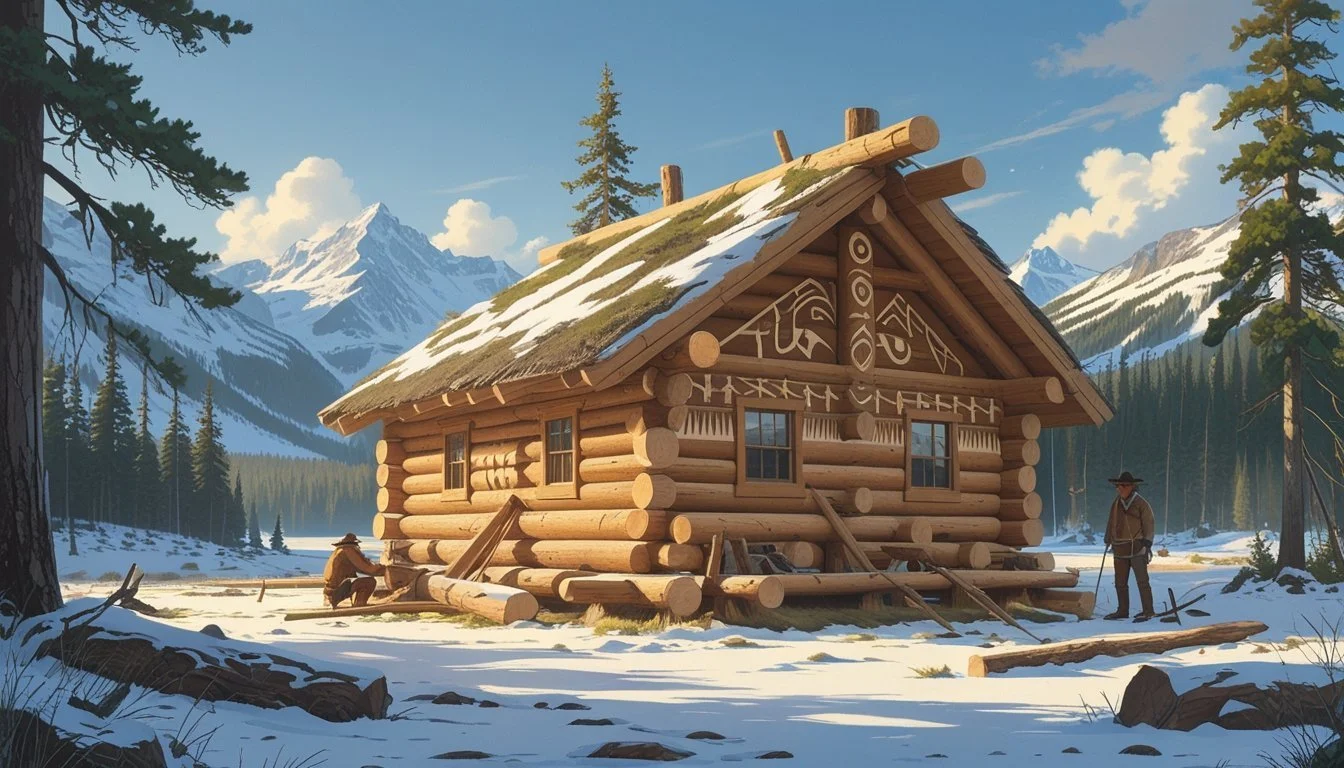
Cabin construction in Alaska traces back to indigenous ways of living and later periods shaped by explorers, settlers, and laborers. Over the decades, these small structures have become symbols of both necessity and cultural identity, reflecting how people adapt to Alaska’s climate and landscape.
Traditions of Remote Living
Indigenous groups in Alaska built climate-adapted dwellings from local materials such as logs, sod, and animal hides. Their shelters prioritized warmth, minimalism, and resource efficiency. These construction methods were gradually adopted and modified by newcomers.
By the early 20th century, as trappers, miners, and homesteaders arrived, the log cabin became central to surviving Alaska’s wilderness. Remote cabin building required knowledge of terrain, weather, and available wood species. This created a tradition of self-reliance, where even basic shelter construction demanded hands-on skill and adaptability. Materials like spruce and birch were favored for their durability and insulation.
Cabins and the Frontier Ethos
The growth of cabins in Alaska during the last century reflected the "frontier ethos"—a belief in rugged independence and minimal reliance on outside support. Early settlers built cabins as central hubs for survival, safety, and work.
These cabins were often small, with utilitarian layouts. Architectural design prioritized practical needs, such as wood stoves for heat and storage for food supplies. The process of raising a cabin from scratch became an expression of perseverance and adaptability.
Cabin building also became a rite of passage for many seeking to prove themselves against Alaska’s environmental challenges, reinforcing the idea of the cabin as a symbol of resilience throughout the decades.
Symbolic Materials and Design Choices
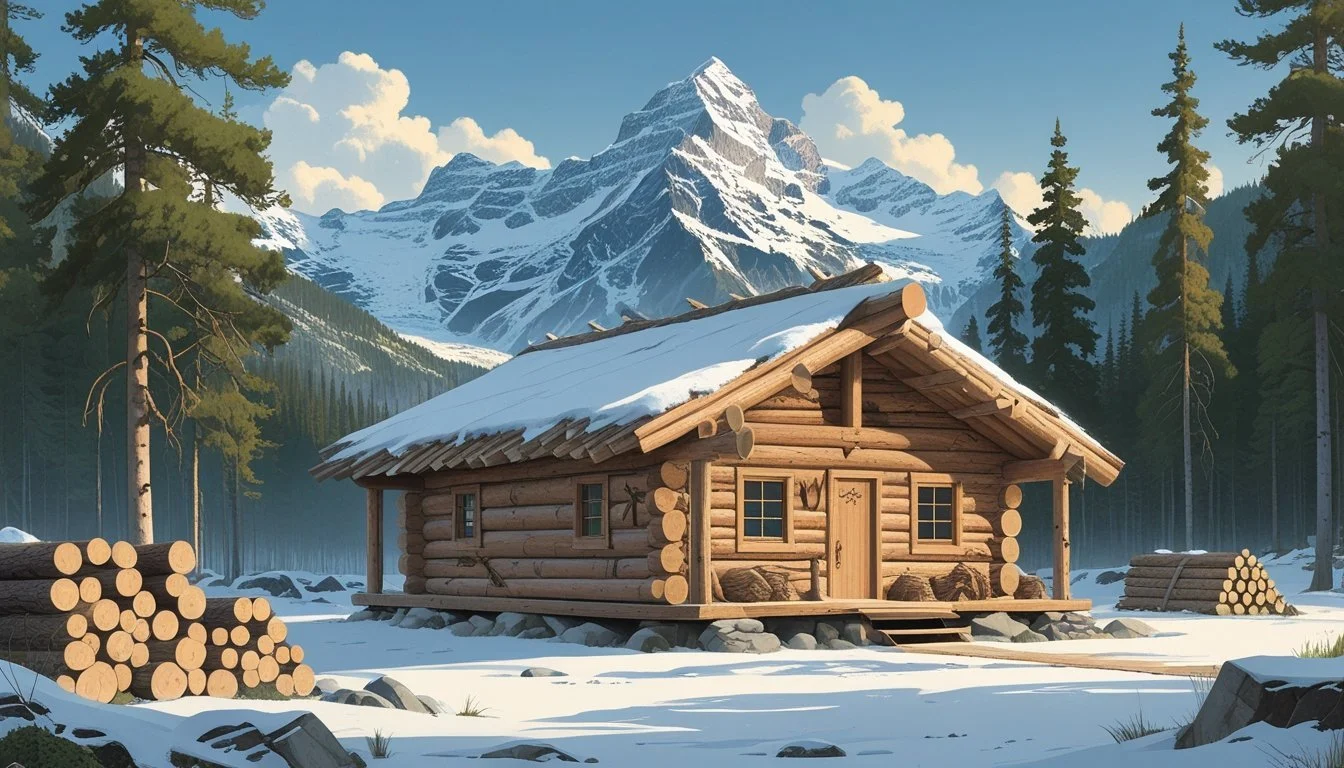
Material and form in cabin construction often hold meaning beyond their practical use. Builders in the Alaskan bush integrate tradition, spirituality, and a sense of place into each structural decision.
Log Selection and Its Deeper Meaning
The choice of logs for a cabin is not arbitrary. Preference is often given to trees native to Alaska, such as spruce or birch, signifying respect for the local environment and resources. This careful selection reflects an ongoing relationship with the land and its cycles.
For many, logs are chosen for their character—knots, bends, and natural markings are valued as signs of resilience. This practice honors each tree's unique history and weaves that story into the home itself. Builders may involve family in log selection as a communal act, reinforcing bonds among those who will inhabit the space.
Traditional knowledge often guides which trees to harvest, considering sustainability and spiritual guidelines. The process is an intentional connection to place, ancestry, and responsibility to both present and future generations.
Orientation: Rivers, Sun, and Spirituality
Cabins in Alaska are frequently positioned with the surroundings in mind. The direction a cabin faces might be chosen to capture sunlight during harsh winters, offering warmth and energy efficiency. Placement often considers river proximity, which provides not only a water source but holds spiritual and practical importance.
Orientation toward a river can symbolize a continuous flow of life and sustenance. In some Alaska Native beliefs, water represents renewal and connection to ancestors. Facing the cabin entrance toward the sunrise or a specific landscape feature can reflect personal or family traditions.
Orientation choices may also involve local wildlife movements or shelter from prevailing winds. Each positioning decision interweaves pragmatic considerations with symbolic respect for nature and culture.
Natural Versus Milled: A Statement of Identity
The decision to use raw, natural logs versus processed, milled lumber communicates values and identity. Cabins built with rough-hewn, unprocessed logs often signify a deeper connection to traditional skills and rugged self-reliance. This style honors generations who worked directly with what the land provided, without industrial intervention.
Choosing milled lumber can reflect a different relationship to modernity, blending heritage with contemporary convenience. Some see this as adapting tradition to current realities; for others, it raises questions about authenticity and connection to the environment.
Table: Material Choice and Associated Values
Material Type Symbolic Value Natural Logs Tradition, authenticity, local resilience Milled Lumber Adaptation, efficiency, blending old/new
Ultimately, the material choice becomes a visual and tactile statement about the builder's place within Alaskan culture and the surrounding wilderness. Each detail reinforces themes of resourcefulness, belonging, and self-expression.
The Cabin as a Representation of Solitude and Self-Reliance
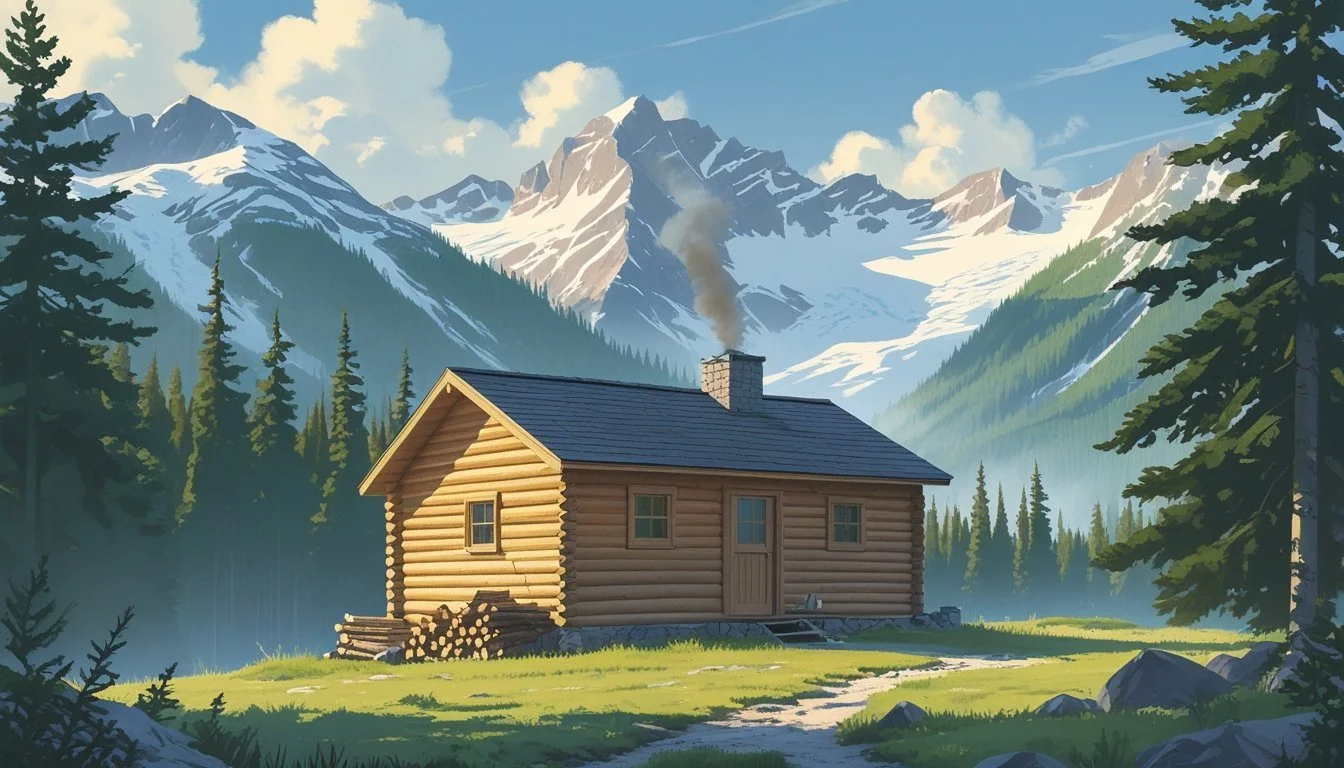
A cabin in the Alaskan wilderness stands as both a practical shelter and a personal statement. It reflects the builder's desire for independence, as well as the reality of isolation and the opportunities that come with living alone.
Living Alone and the Pursuit of Self-Discovery
Building and living in a cabin often means spending extended periods away from society. In this environment, individuals confront their own capabilities and limitations daily. This lifestyle encourages deliberate self-examination, as routine tasks like gathering wood or maintaining shelter highlight strengths and expose weaknesses.
Key aspects:
Routine challenges serve as both practical lessons and catalysts for growth.
The quiet removal from distractions allows for focused reflection and learning.
Many find that solitude in the cabin fosters unexpected skills. Tasks such as carpentry, hunting, and even problem-solving become second nature through necessity. Each new skill or insight adds to the sense of personal accomplishment rooted in self-reliance.
Solitude as a Necessity and Symbol
Solitude in the Alaskan bush is not always a choice—it can be a requirement for survival. The lack of nearby help means that every decision matters. For many, the cabin’s walls become a clear border between the world’s chaos and the controlled environment they must manage alone.
A cabin’s isolation underscores the importance of preparedness and adaptability. Lists and tables, such as inventory charts, are often created to track resources:
Resource Amount Usage Firewood 2 cords Heating Canned Goods 40 units Food supply Tools Full set Repairs
The act of living alone—supported only by what the cabin provides—transforms solitude from a passive state into a badge of competence and self-sufficiency. This existence embodies the core tenets of self-reliance and personal responsibility.
Poetic and Artistic Influences in Alaskan Cabin Culture
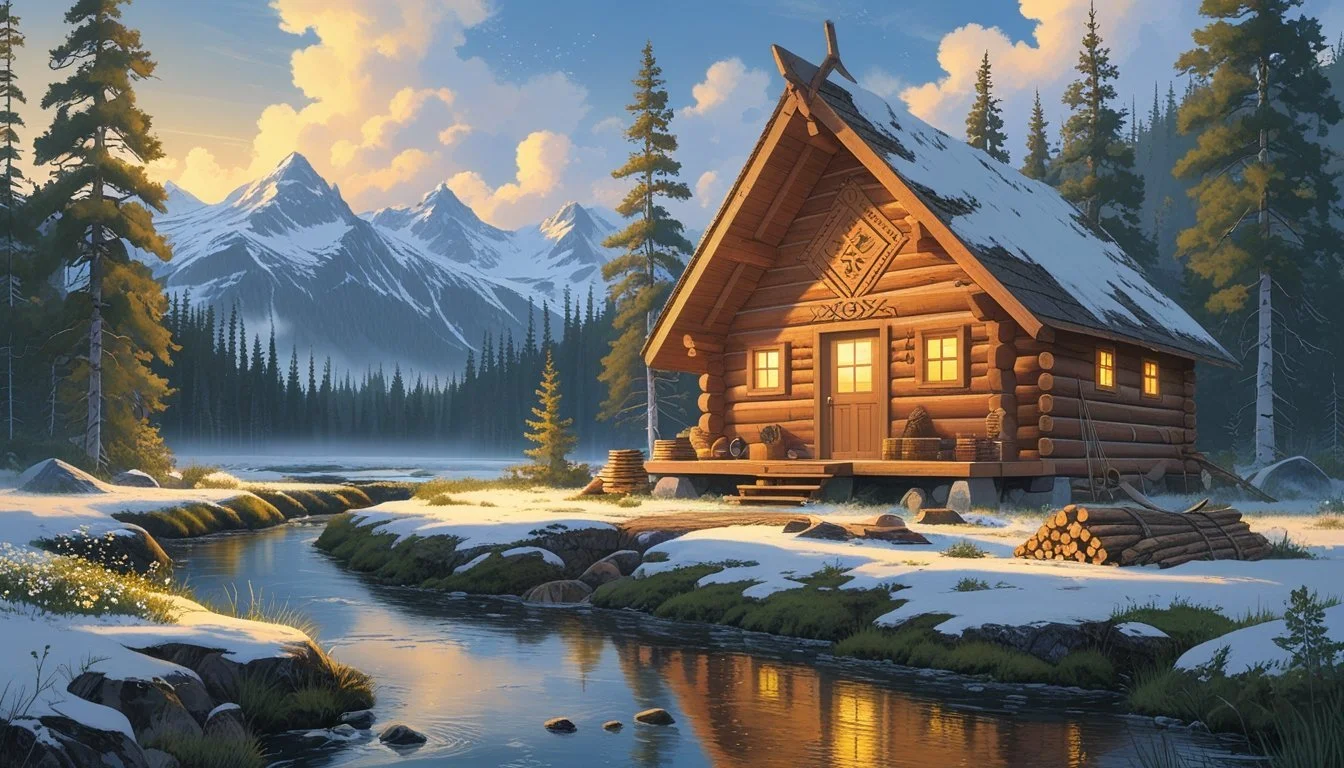
Alaskan cabins often serve as more than simple shelters; they reflect a deeper artistic and poetic connection with the harsh, remote environment. Writers and artists from Alaska have drawn upon the imagery of these builds to express themes of endurance, creativity, and solitude.
Cabins in the Works of Alaskan Poets
Many Alaskan poets have used the cabin as a focal point in their work. The cabin stands as a symbol of survival, independence, and human adaptation to the wild northern landscape.
For example, in the poetry of John Haines, imagery of woodsmoke, thick logs, and small windows recurs as metaphors for shelter and the struggle to carve out a life in Alaska’s cold wilderness. The physical details—sawdust on the floor, the loom of mountains beyond the window—root these poems in tangible reality.
Alaskan poetry often grounds itself in everyday acts around the cabin: chopping firewood, mending tools, or pausing at the door to listen to winter winds. These ordinary scenes gain significance, revealing a constant negotiation between human intention and the demands of nature.
Poetry as a Reflection of Isolation
Isolation is a defining element in both Alaskan poetry and cabin life. The structure of the cabin itself, often built miles from neighbors, becomes an emblem of solitude and introspection.
Many poets describe the cabin as a “listening post” or a “watchtower” amid snowbound silence. This sense of aloneness fosters creativity, compelling poets to reflect inwardly and observe the slow rhythms of natural cycles.
It is common for poetry from Alaska to use images of lantern light, frosted glass, and empty doorsteps to capture the emotional and sensory qualities of isolation. The poems frequently draw connections between the quiet interior of a cabin and the vast, sometimes overwhelming landscape outside, underscoring the cabin's role as both refuge and inspiration.
Passing Down Wisdom: Intergenerational Sharing
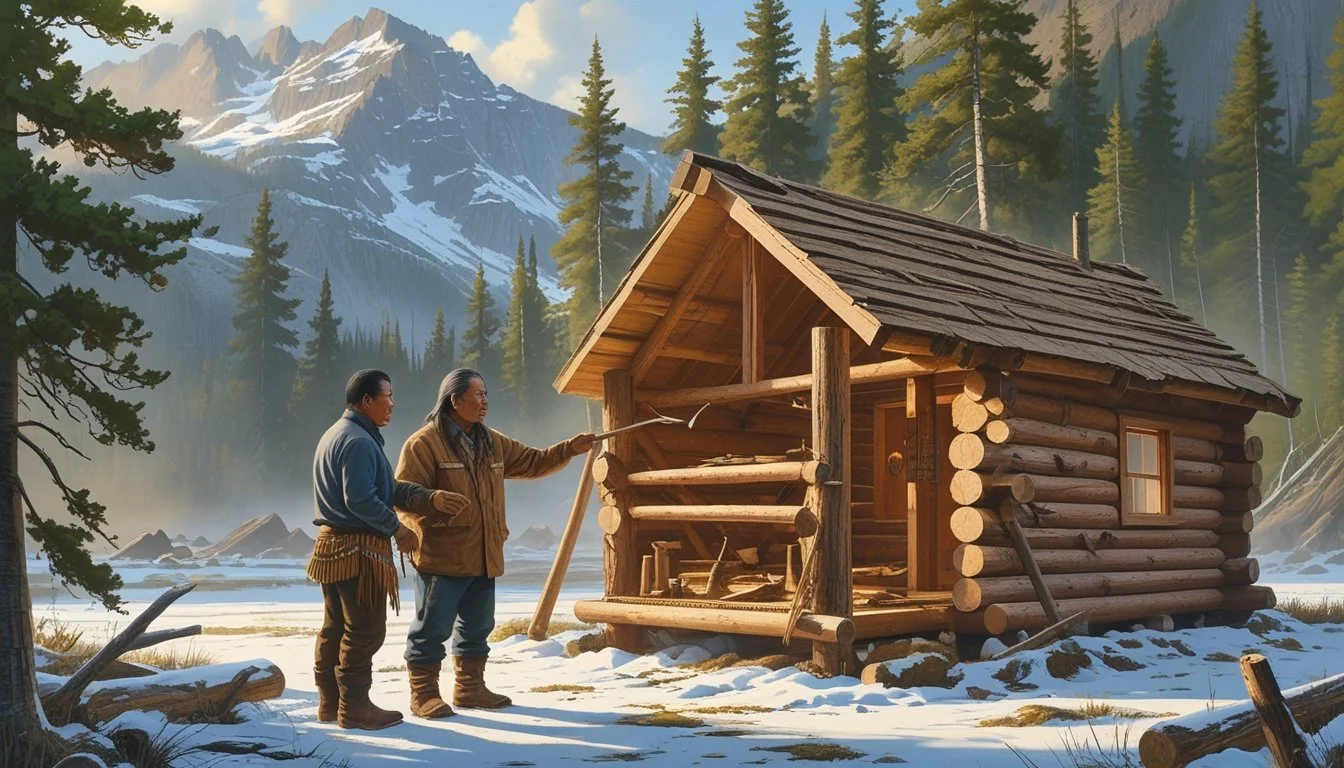
Cabin building in "Alaskan Bush People" is not just about construction. It acts as a bridge between generations, where wisdom and experience are handed down, shaping daily life and family identity.
Practices and Rituals Shared Across Decades
Each cabin build features a blend of old and new methods, rooted in tradition yet adapted for practical needs. For example, log selection, tree-felling rituals, and blessing ceremonies before construction mirror approaches used by previous generations in Alaska. These customs are performed not only out of necessity but as acts of respect for the land and ancestors.
Physical keepsakes, such as engraved tools or handcrafted furniture, often become heirlooms. Items like a father’s axe or a grandmother’s quilt reflect continuity across decades of sharing and learning. Elders may also tell stories about past builds, using storytelling as a practical guide and a reminder of lessons learned from decades in the bush.
Values and Skills Learned from Elders
Elders teach survival skills and values that go beyond technical construction. This includes resourcefulness, resilience, and respect for nature. They show younger family members how to find suitable building materials and endure harsh weather, always stressing safety and careful observation.
Knowledge is also transferred through hands-on instruction. Skills like notching logs, using indigenous knowledge to select the cabin site, or even food preservation during building are shared in real-time settings. Family members are encouraged to learn by doing, allowing wisdom from past decades to remain alive and practical for the next generation.
Integration of Nature and Landscape
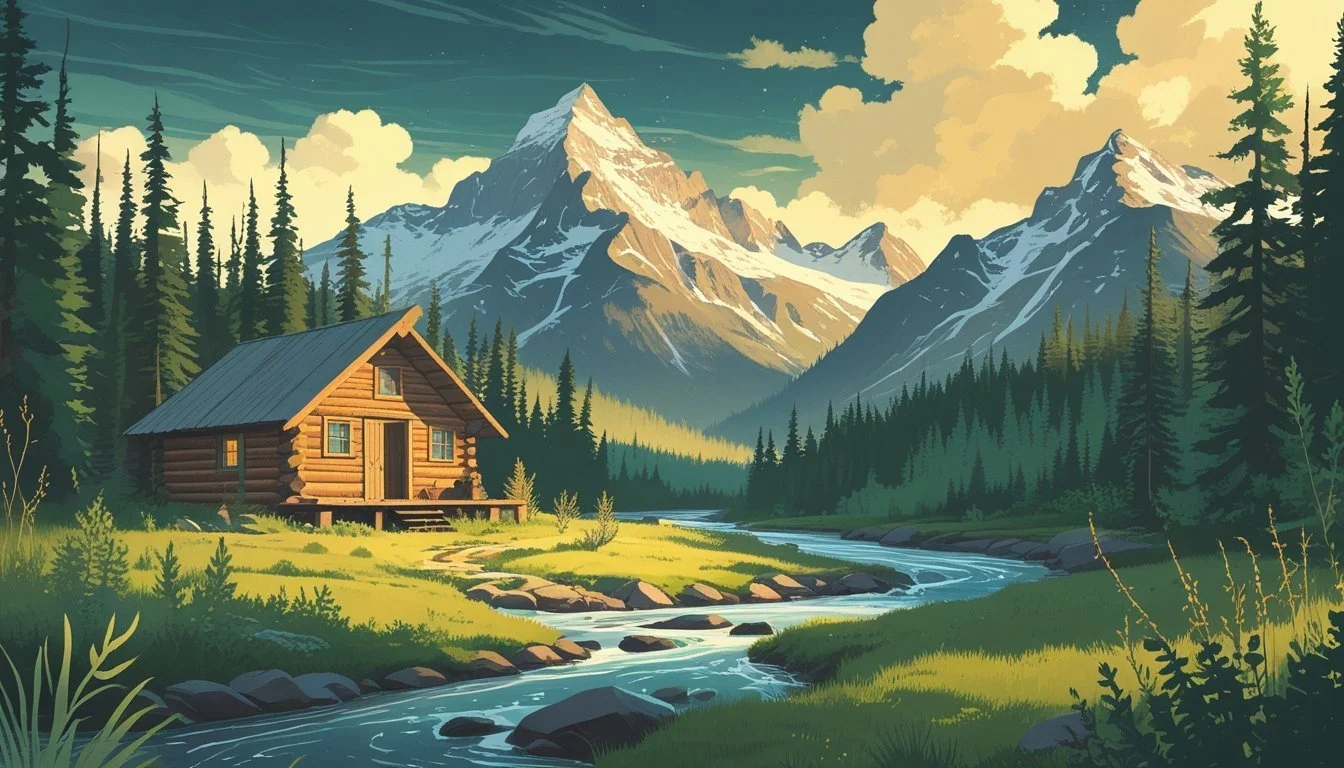
Cabins featured on Alaskan Bush People are carefully designed to harmonize with their rugged natural environments. Every aspect, from placement to orientation, reflects deliberate choices tied to survival needs and local landscape features.
Positioning Cabins to Embrace the Wild
Cabins in Alaska are typically oriented and positioned with both practical and symbolic considerations. Builders pay attention to prevailing winds, sunlight angles, and access to resources like wood and game. Structures often face south or southeast to maximize winter sunlight, providing essential warmth in cold months.
Key factors influencing cabin placement include:
Factor Purpose Sunlight Heating, light, & growing food Wind Shelter Reducing heat loss Terrain Slope Drainage, stability
Builders also evaluate risk from snow loads, avalanches, and animal pathways. Positioning away from ridges and placing cabins into hillsides or clearings can help insulate against harsh Alaskan weather. The surrounding wild landscape is not just a backdrop, but an essential part of daily living and survival.
Relationships with Rivers and Streams
Rivers and streams have practical significance for cabin sites. Proximity to flowing water supports daily needs such as drinking, cooking, and laundry. Access to rivers also enables fishing and sometimes transportation, which are critical in many Alaskan environments without roads.
Builders often select sites above flood levels but within manageable distance to water’s edge. This balance helps avoid flood risks while maintaining usable access even after winter melt. Riverbanks may serve as natural boundaries or entry points, shaping how the cabin and its use are oriented.
Cabins may incorporate porches or windows that face rivers, emphasizing the connection between the dwelling and landscape. In many cases, sustainable building practices prioritize minimal disruption to the river ecosystem, reflecting respect for both cultural and environmental values.
Conclusion: The Enduring Legacy of Alaskan Cabin Symbolism
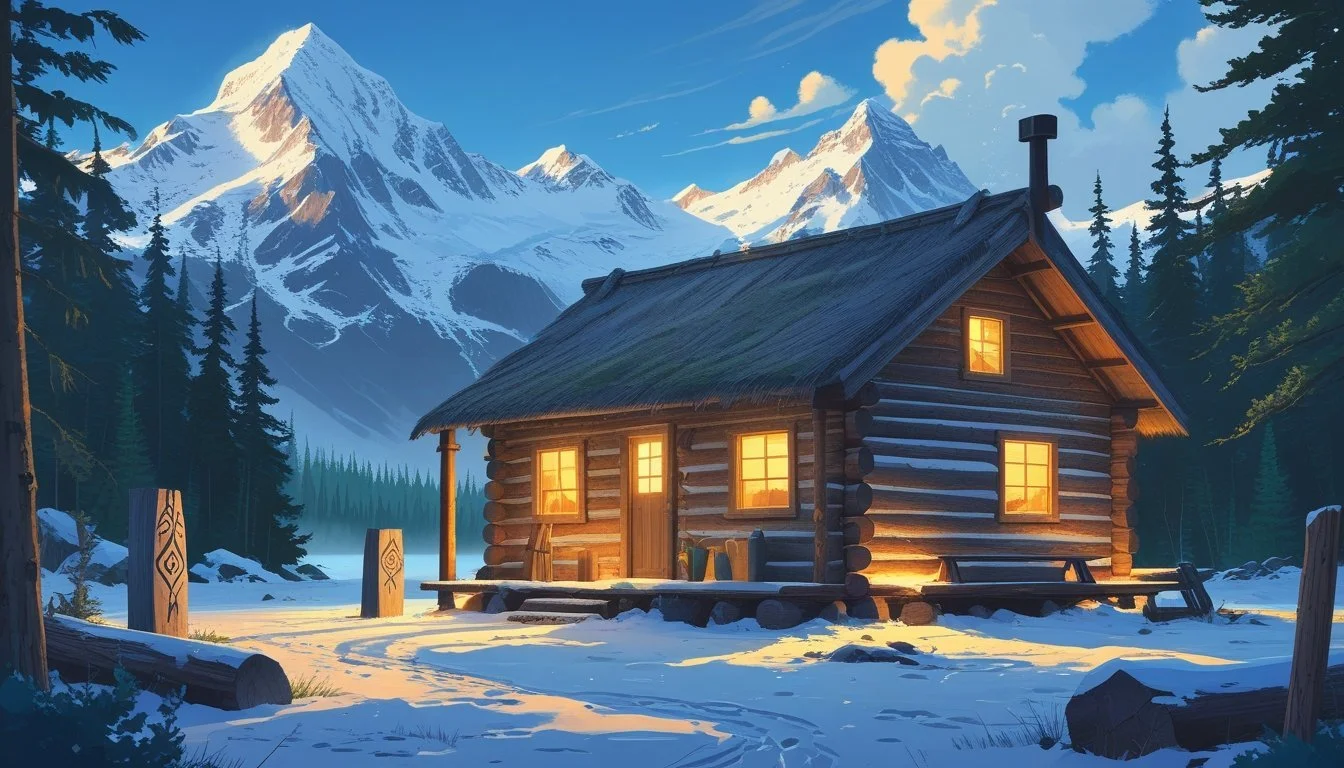
Every cabin built by the Alaskan Bush People reflects more than just shelter—it reveals core values such as resilience, adaptability, and self-reliance. Each feature, from the hand-hewn logs to the placement within the landscape, carries intention.
Cabin symbolism endures as a connection between past survival practices and present identity. The process of building cabins in the Alaskan bush highlights an ongoing relationship with nature and family tradition.
Key Symbolic Elements:
Feature Symbolic Meaning Wood Choice Resourcefulness, adaptation Cabin Orientation Connection to environment Handcrafted Features Ingenuity and self-reliance Central Hearth Family unity, warmth
The act of building is also a form of storytelling. Each cabin documents challenges faced and overcome in the Alaskan wilderness.
These cabins continue to represent a blend of culture, necessity, and the bush lifestyle unique to the region. For those living in the Alaskan bush, cabins remain a practical embodiment of enduring values.
