
Why Alaskan Bush People Will Always Be About More Than Just Survival
Exploring Deeper Family and Cultural Themes

The lasting appeal of Alaskan Bush People goes far beyond the family’s ability to build shelters or live off the land. At its core, the show is about the Browns’ strong family bonds, resilience, and their determination to adapt no matter what challenges come their way. Viewers are drawn not just to survival stories, but to the genuine connections and sense of purpose that shape each season.
While the wilderness backdrop sets the stage for self-sufficiency, what truly sets the series apart is the Browns’ commitment to each other and the values they create together. Their journey highlights that surviving in the bush is as much about family, tradition, and personal growth as it is about hunting or gathering.
The show’s evolution makes it clear that its real heart lies in the people, not just the place or the hardships they face. This focus on family and perseverance continues to resonate with audiences long after the credits roll.
Understanding Alaskan Bush People
Alaskan Bush People is not just a show about enduring harsh wilderness; it highlights family dynamics, adaptation, and the intersection of tradition with modern realities. The series focuses on the Browns, who attempt to live off-grid, bringing to light the challenges and values that define their day-to-day experience.
Origins of the Show
Alaskan Bush People premiered on Discovery Channel in May 2014. The show follows Billy and Ami Brown and their seven children as they navigate remote living far from typical modern conveniences.
Originally, the series was set entirely in the Alaskan bush, where the Browns relied on hunting, gathering, and home-building. Cameras documented their perseverance through seasonal hardships and isolation, showing how life in Alaska shapes individual and family identity.
As the seasons progressed, there were shifts in location—sometimes featuring Washington instead of Alaska—yet the core theme remained: exploring how the Browns create a self-sustaining lifestyle. Ratings grew as viewers became interested not only in their skills but also in their relationships and resilience.
Unique Lifestyle Depicted
The Browns’ lifestyle blends traditional survival skills with elements of modern practicality. Living off-grid means constructing homes from available resources, foraging, and maintaining livestock—or making do with what the environment has to offer.
Key elements of their day-to-day life include:
Building and maintaining shelters in subarctic conditions
Harvesting and hunting for food
Working together on long-term communal projects
Teaching younger family members survival techniques
While the title suggests typical “Alaskan bush” living, later seasons sometimes show the family adapting to environments outside Alaska. Despite these changes, the essence of their story—self-reliance, adaptability, and strong family unity—continues to define Alaskan Bush People.
Survival at Its Core
Life in Alaska’s wilderness requires not just skill, but disciplined self-sufficiency and steady adaptation. Those who persist here must master a series of practical tasks to endure severe climates, find necessities, and respond to rapidly changing environments.
Essential Survival Skills
Effective wilderness survival depends on understanding priorities. The immediate threat to life often comes from exposure, so knowing how to find or create shelter quickly is vital. Fire-building skills are equally important: fire means warmth, safety, and the ability to cook food or purify water.
Adaptation stands out as a core principle. Residents adjust their habits seasonally and pay attention to weather shifts and animal movements. Self-sufficiency is part of daily life, not a backup plan, often involving skills such as basic tool use, navigation, and medical knowledge.
Checklists or plans help—grouping tasks by necessity (shelter, fire, water, food) enables clear thinking when resources or time are limited. This disciplined approach minimizes the risks from unpredictable Alaskan weather and rugged terrain.
Building and Maintaining Shelter
In Alaska, exposure to wind, rain, or freezing temperatures can threaten survival within hours. A reliable shelter acts as the primary barrier against the elements. Simple structures like lean-tos made from available wood and brush can be quickly built for immediate protection.
Permanent or semi-permanent shelters demand an understanding of the landscape. Their placement takes into account wind direction, flood risk, and proximity to essential resources like water. Insulation with moss, bark, or layered branches boosts warmth and comfort.
Fire is closely tied to shelter. The ability to build and maintain a steady flame nearby is crucial for maintaining body heat and deterring wildlife. Residents frequently improve shelters throughout the seasons, focusing on repairs, reinforcement, and improved weatherproofing.
Securing Food and Water
Finding and securing fresh water is nonnegotiable in wilderness survival. Streams, lakes, or natural springs are primary sources, but in their absence, collecting rainwater or melting snow becomes critical. All sources must be treated or boiled to avoid illness from bacteria or parasites.
For food, residents combine immediate sources like berries and edible plants with hunting, trapping, or fishing. This approach maximizes caloric intake and builds food stores for leaner seasons. Preservation methods such as drying or smoking fish and meat stretch supplies through the long winters.
Routes to both water and food supplies are scouted and maintained regularly. This vigilance ensures consistent access and prevents dangerous gaps when conditions worsen suddenly or sources dry up.
Sourcing Food From Nature
The Alaskan wilderness demands skill, adaptability, and deep respect for natural resources. Survival here is not only about immediate needs but also ensuring access to wild food for future generations.
Hunting and Fishing Methods
Hunting and fishing are central to securing food in Alaska's bush. Residents use rifles, bows, and traditional traps to hunt animals such as moose, caribou, and bears. Moose and caribou meat provide dense nutrition throughout the year. Bear hunting, while less common, supplies fat crucial for long winters.
Fishing is equally essential. Families rely on salmon runs, setting nets in rivers or lakes for a steady supply of protein. Ice fishing opens opportunities to catch trout and pike during frozen months. Knowledge of animal migration and fish spawning seasons greatly increases success.
Both practices require permits in many areas, and strict adherence to local regulations is common to avoid overharvesting. Hunters process all parts of their catch, using bones, hides, and fat for various necessities.
Foraging and Gathering Wild Food
Foraging supplements protein sources with vital vitamins and minerals. Alaskan bush families gather blueberries, currants, and crowberries in late summer, drying or preserving them for winter use. Edible plants, such as wild greens, roots, and mushrooms, add variety to their diets.
Safe identification is critical. Mistaking an inedible or poisonous plant can be deadly. Traditional knowledge, often passed down through families, guides what and when to gather.
Gatherers also harvest nuts and wild herbs for seasoning, tea, and nutrition. Seasonal cycles shape gathering routines, with some foods only available for a few weeks each year.
Sustainable Practices in the Wilderness
Sustainability underpins every food-sourcing decision. Overhunting or careless harvesting can quickly deplete animal and plant populations, threatening future access. Many Alaskan bush families follow guidelines prioritizing ecosystem balance, such as taking only what they need and leaving enough behind for wildlife and regeneration.
Preservation methods—smoking, drying, and fermenting—extend food supplies without the need for modern refrigeration. Waste is kept minimal; animal parts not directly consumed often become tools, clothing, or supplies.
Respect for nature is embedded in daily routines. Seasoned residents monitor population health and avoid hunting during breeding or spawning periods. Resourcefulness ensures both immediate survival and the land’s continuing bounty.
The Off-Grid Lifestyle
Living off the grid in Alaska means adapting to one of the most rugged environments in North America. The combination of harsh weather and resource limitations demands constant problem-solving and resilience from residents.
Adapting to Extreme Weather
Alaskan winters often bring temperatures well below freezing, high winds, and long stretches of darkness. The off-grid lifestyle requires constructing sturdy shelters that can withstand snow loads, ice, and cold snaps. Many use metal roofs and extra insulation to prevent heat loss.
Weather can change rapidly, so adaptability becomes a necessary skill. Residents often split their time between preparing for winter and reacting to unexpected storms. They invest in reliable wood stoves and backup heating options to stay safe during power outages.
Daily routines adjust with the seasons. In summer, longer daylight hours allow for more outdoor chores and gathering firewood. In winter, most activities shift indoors, and people conserve energy and resources.
Living With Limited Resources
Off-grid living means relying on what the land and one’s skills provide. Residents often draw water from wells, lakes, or collected rainwater, requiring careful management. Electricity comes from solar panels, generators, or even small wind turbines. Power use is tracked closely to avoid shortages.
Food sources are diverse but limited. Hunting, fishing, trapping, and gardening are essential for sustenance. Most families keep pantries stocked with non-perishables in case roads are impassable.
Necessities like fuel, building materials, and tools must be planned far in advance. Errands to the nearest town may take hours or require weather-dependent travel. This lifestyle rewards organization and careful resourcefulness.
The Importance of Family Bonds
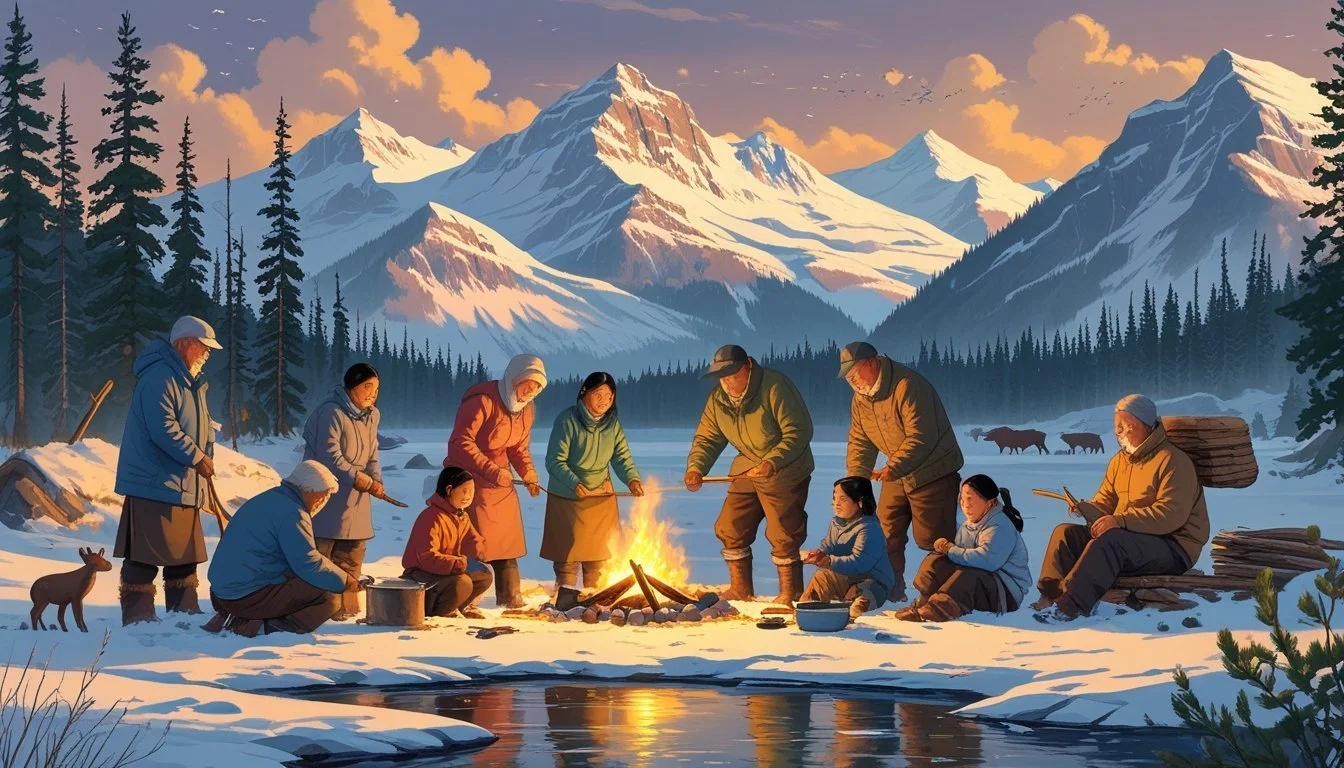
The Brown family’s ability to remain close in the face of adversity shapes both their day-to-day life and their long-term survival. Through every hardship, their relationships, teamwork, and shared experiences act as the backbone that supports their way of living.
Teamwork in the Wilderness
Surviving in remote environments means that every family member plays an important role and contributes specific skills. Each person, from parents Billy and Ami to the seven siblings, is assigned critical tasks such as gathering food, building shelters, and maintaining their camp. The lack of outside resources makes effective teamwork not just helpful, but often essential.
Collaboration is the foundation for completing projects—without it, simple chores become difficult or unsafe. The Browns depend on each other for problem-solving during emergencies, such as injuries or when equipment fails. Trust and reliability ensure that tasks are divided fairly and finished efficiently, reducing potential conflicts and increasing their odds of success.
Daily operations in the bush require constant communication. The family holds discussions when facing new challenges, allowing each member’s input to shape the group’s response. This collective decision-making builds mutual respect while making the most of their diverse skills.
Building Resilience as a Family
Family resilience is developed through the consistent handling of hardship together. The Browns have faced extreme weather, resource shortages, and medical crises, such as Ami Brown’s battle with cancer. Shared adversity teaches adaptability and strengthens emotional bonds, making individuals less likely to falter under pressure.
Resilience is observable in how the family manages setbacks. They openly discuss failures and encourage support through difficult times, reinforcing unity. Their problem-solving process involves evaluating setbacks, learning from mistakes, and quickly adjusting strategies.
Children learn to persevere by watching older members solve problems with calm and determination. This cycle of learning and teaching ensures that resilience is not just an individual trait, but a shared family value that sustains them through all conditions.
Going Beyond Survival: Values and Legac
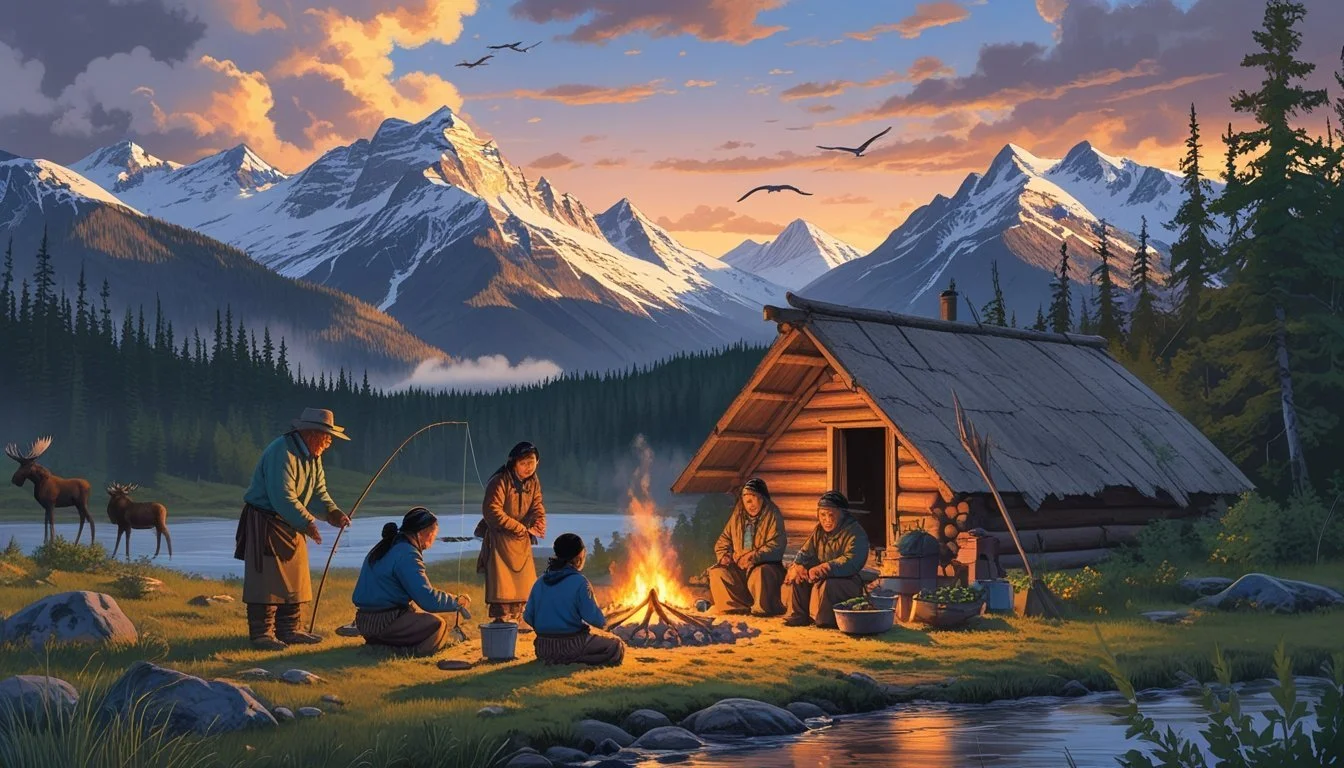
Alaskan Bush People centers on more than just enduring harsh conditions. It emphasizes deep-rooted traditions in survival skills, family unity, and the thoughtful stewardship of nature.
Passing Down Knowledge
The family’s daily life revolves around teaching core wilderness skills such as building shelters, hunting, fishing, and foraging. These lessons go far beyond immediate needs—they represent a dedication to preserving a way of life.
Older generations share not only methods for adapting to the unpredictable Alaskan environment, but also their values of cooperation and resourcefulness. Skills are taught through direct involvement, making each task a chance to learn by doing.
Family members are expected to contribute from a young age, so the passing of knowledge is integrated into normal routines. This creates a cycle where each generation builds on the strengths and experience of those before them.
Inspiring Adaptation and Sustainability
Alaskan Bush People’s approach stresses adapting to nature’s changes and respecting environmental limits. Their use of renewable resources, minimal reliance on outside goods, and innovative problem-solving demonstrate a commitment to sustainable living.
Practical examples include using local wood for construction, repurposing old materials, and limiting waste. The family’s choices show how a sustainable lifestyle requires both discipline and creativity.
These habits foster a deep respect for the land, as shown by their efforts to avoid overhunting and to maintain healthy relationships with natural ecosystems. For viewers, this focus on sustainability stands out as a key part of the family’s legacy.
