
The Real Reason Alaskan Bush People Left Alaska Behind
Exploring the Family’s Bold Move
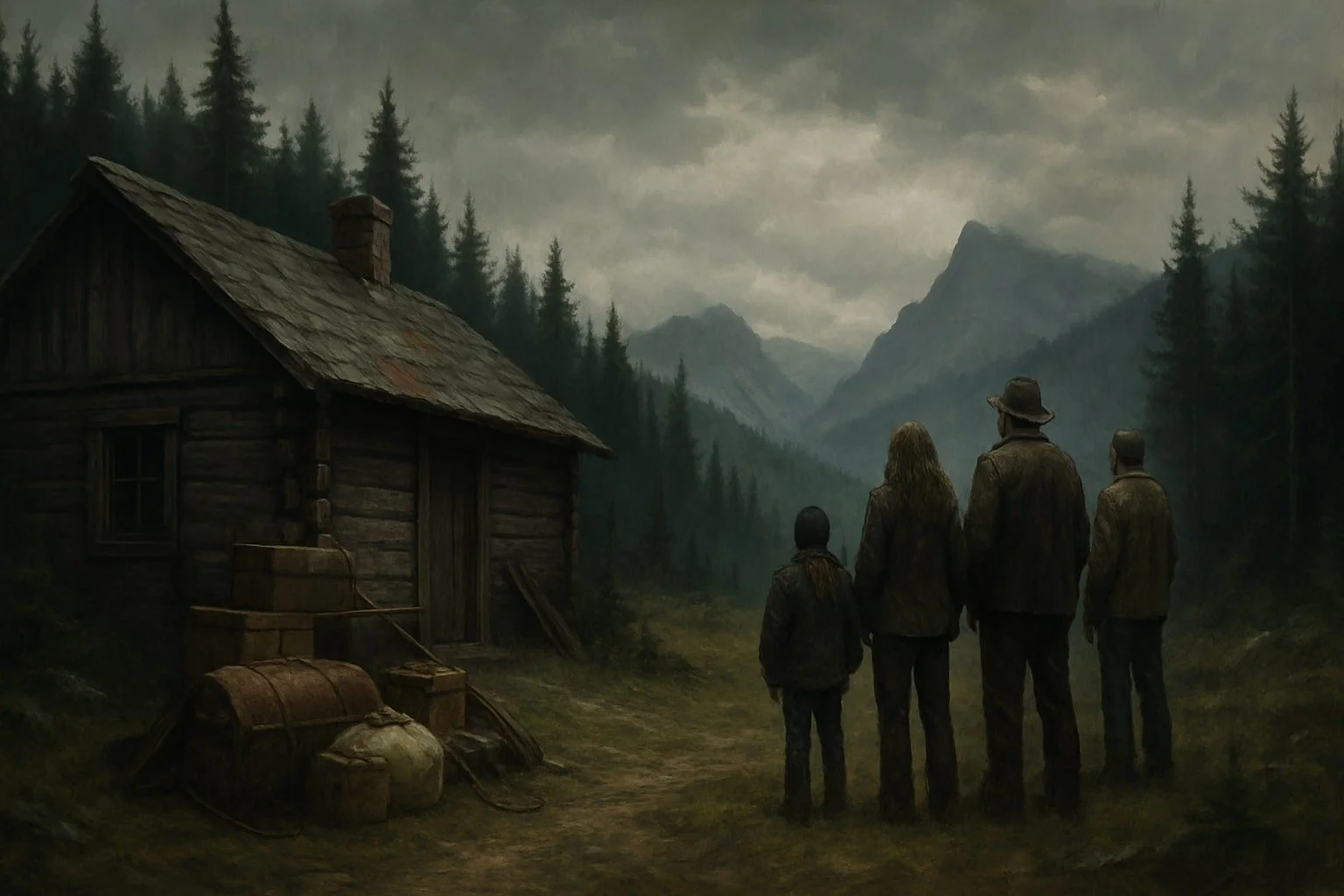
The real reason the Brown family left Alaska was due to Ami Brown’s serious health issues, which required her to relocate for advanced medical treatment. This unexpected turn forced the family to leave their remote homestead and seek care outside the state, marking a major change in their off-the-grid lifestyle.
Many viewers were drawn to the show because of its rugged depiction of Alaskan wilderness life, but the reality behind the scenes was more complex. Legal challenges and shifting family dynamics only added to their need for a new start.
Understanding why the Alaskan Bush People were compelled to abandon Alaska sheds light on the unique hardships they faced and the real-life decisions that impacted their celebrated way of life.
Why the Brown Family Left Alaska
The departure of the Brown family from Alaska was shaped by immediate health issues, changing financial situations, and increased needs that came with their growing presence in reality television. Their move was not a simple choice, but a result of several significant challenges and priorities.
Health Concerns and Ami Brown's Illness
Ami Brown, the mother of the family on Alaskan Bush People, was diagnosed with an aggressive form of lung cancer in 2017. This diagnosis shifted the entire family’s focus. Immediate access to advanced medical care became a necessity, which was not possible in the remote Alaskan wilderness.
The family made the decision to relocate so Ami could receive treatment at UCLA Medical Center in California. Their new home in the North Cascade Mountains of Washington state allowed them to be much closer to specialized hospitals while still living in relative seclusion. This move was driven first and foremost by the need to ensure that Ami could have the best possible chance at recovery.
Family members frequently traveled between hospital visits and their new estate, highlighting how vital treatment and proximity to healthcare professionals became. This was a significant change from the isolation and self-sufficiency the reality TV family had previously showcased.
Legal and Financial Challenges
Beyond health, legal and financial pressures also played a role in the family's decision to leave Alaska. The Brown family, like many reality TV personalities, encountered scrutiny regarding their residency and claims made on the show.
There were questions about the authenticity of their life in the bush, with reports of legal battles and issues related to government assistance. Financially, being closer to larger markets and more connected areas offered better opportunities for managing contracts and obligations associated with reality television production.
Relocating also reduced complications linked to Alaskan residency requirements and eased oversight of the family’s business endeavors. The shift from rural Alaska to Washington allowed them to participate more fully in legal and financial systems without the burden of geographical isolation.
Changing Needs of the Family
Life for the Brown family changed significantly after years in the public eye. Participating in a national reality TV series like Alaskan Bush People brought increased attention, logistical challenges, and evolving priorities.
The family itself grew, with adult children pursuing their own goals. The demands of raising a large family, producing a reality television show, and managing their new notoriety became more complicated in such an isolated environment.
A move to Washington state provided better access to education, services, and support systems. It also allowed the Browns to adapt to their changing lifestyle and personal ambitions, balancing the needs of their unique family with the practicalities of life as well-known reality TV personalities.
Media and Publicity Influences
Media coverage and reality television have had a significant effect on both the public’s understanding of the Brown family and their decisions. Coverage on social media and entertainment news sources has shaped how events surrounding their departure from Alaska have been interpreted.
Impact of Discovery Channel and Reality TV Show
The Discovery Channel played a primary role in framing the Brown family's identity with the launch of Alaskan Bush People. The reality TV show presented their life as rugged and isolated, emphasizing a narrative distinct from mainstream society.
Public perception was shaped by carefully edited footage. Behind-the-scenes decisions by producers influenced which aspects of their daily life were highlighted or downplayed. This dynamic sometimes created tension between the show's image and off-screen realities.
The show's popularity brought national attention to the family, creating both support and scrutiny. Interest from viewers increased the pressure to maintain a consistent narrative, affecting how the Browns managed personal challenges, including their eventual move out of Alaska.
Regular on-screen updates and changes in setting were scripted in ways that maximized viewer interest, sometimes leaving out personal details behind major decisions.
Role of Radar Online and Social Media
Radar Online, Instagram, and other digital platforms became central sources of information and speculation about the Brown family. News articles, behind-the-scenes photos, and social media posts often spread updates, rumors, and theories quickly.
Radar Online published stories about the family's legal troubles and health concerns, sometimes offering details not shown on television. This coverage contributed to a public dialogue that was both supportive and critical.
On Instagram and similar platforms, members of the Brown family shared personal updates, responded to rumors, and addressed questions directly. This direct contact helped clarify issues but also revealed differences between their TV image and real-life circumstances.
Entertainment news, online forums, and social media engagement amplified interest in the family’s private matters. The speed and reach of online commentary meant that information—true or speculative—could rapidly influence how viewers interpreted the Browns' decisions and relationships.
Adapting to Life Outside Alaska

After leaving Alaska, the Brown family faced significant changes in their lifestyle, daily routines, and surroundings. They had to make major decisions about where to settle and how to continue living as a close-knit family in unfamiliar territories.
Relocating to California and Washington State
The family’s initial move took them to California, specifically Los Angeles, for medical reasons. Ami Brown’s cancer diagnosis required her to receive specialized treatment at a facility in Southern California.
During this time, the family lived temporarily in the Los Angeles area. Adjusting to city life brought unique challenges, including adapting to a warmer climate and urban environment after years in the Alaskan wilderness.
After Ami’s treatment was completed, the Browns then relocated to Washington State. This offered more privacy, land, and a climate more similar to Alaska than California. The shift allowed them to reconnect with nature and return to a rural setting that fit their previous lifestyle more closely.
Purchasing New Property
In Washington State, the Brown family invested in a sizeable rural property near North Cascade Mountains. The purchase offered plenty of land for self-sufficiency, which was fundamental to their way of life in Alaska.
Notably, rumors once connected the family to properties like the Icy Strait Lodge, but their main publicized acquisition has been the Washington acreage. The Browns aimed to recreate some aspects of their Alaskan life, including building their own homes and raising animals.
The property became the backdrop for future seasons of "Alaskan Bush People" and allowed the family to maintain their privacy while continuing with familiar, off-grid practices. The land also accommodated extended family members with separate living spaces.
Adjusting to Urban and Rural Environments
Adapting to city life in Los Angeles was not easy for the Browns. They encountered crowded streets, unfamiliar technology, and a lack of wilderness, which contrasted sharply with their experiences in Alaska.
Returning to a rural setting in Washington was more comfortable. The family resumed hunting and building projects while managing the limitations imposed by state laws and a different natural environment.
They also balanced public exposure from the show with a need for privacy. Living near urban centers offered better access to healthcare and resources, while the rural property allowed them to preserve elements of their lifestyle. The transition highlighted the differences in culture, weather, and community engagement between Alaska, California, and Washington State.
Family Dynamics and Personal Struggles
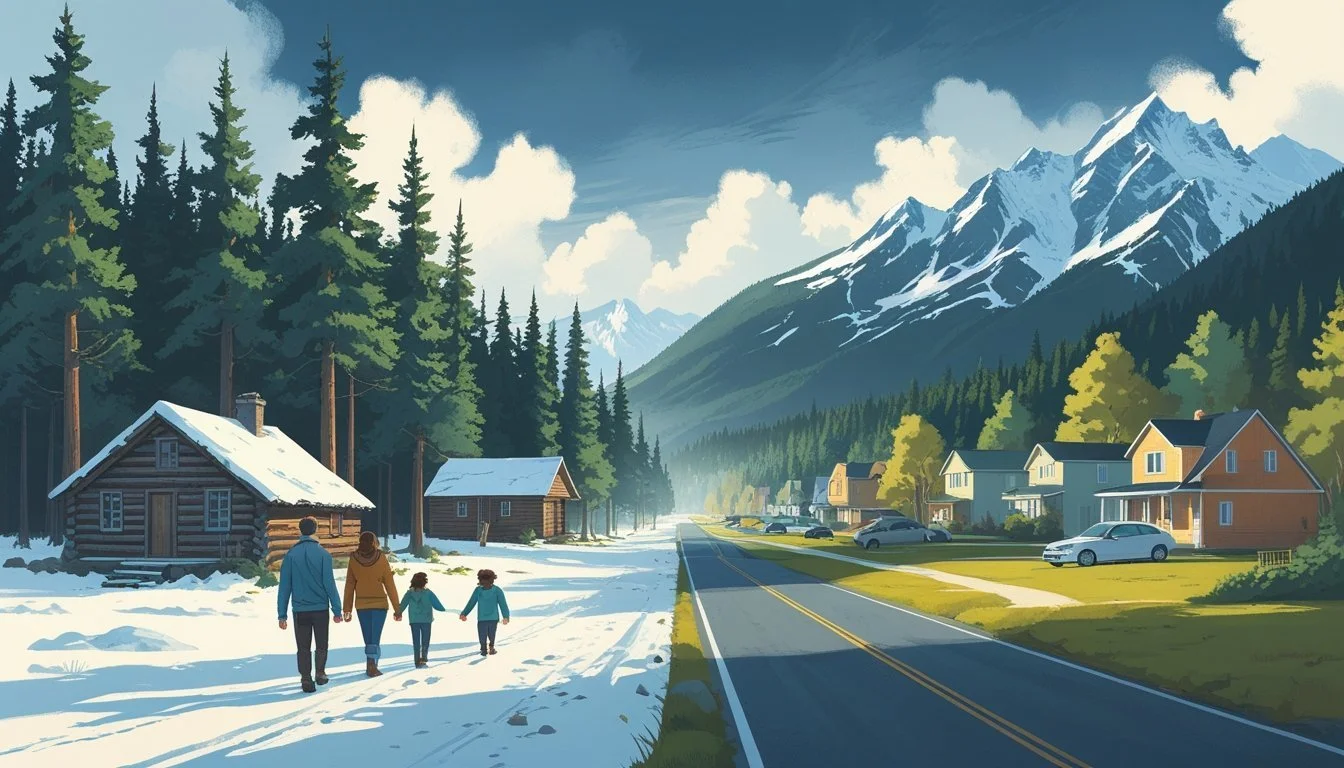
Tensions within the Brown family and their personal challenges played a critical role in their decision to leave Alaska. Issues such as interpersonal conflict, legal matters, and individual battles with sobriety affected the family’s stability and trajectory.
Family Drama and Interpersonal Conflict
Several reports point to repeated tensions among the Brown siblings, which intensified as they grew older. The family’s unconventional lifestyle sometimes amplified disagreements, leading to conflicts over roles and responsibilities on and off the show.
Bear Brown and his relationship with Raiven Adams became a recurring source of public drama. Their disputes, including a restraining order and custody disagreements, added strain to the family dynamic.
Disagreements were not limited to just Bear and Raiven. Changes in family leadership after Billy Brown’s passing also led to shifting roles and adjustments, making it difficult for the Browns to maintain unity as they once did.
Sobriety, Rehab, and Matt Brown’s Journey
Matt Brown struggled with substance abuse, which ultimately resulted in his departure from both Alaska and the family group. He spent time in rehab, and his attempts at sobriety were documented by himself through social media and interviews.
His relationship with the rest of the family became strained during this time. Matt spent extended periods away while living in Washington, trying to build a new life off-grid and away from the show’s cameras.
These personal battles with addiction not only affected Matt but also weighed heavily on the remaining family members. The absence of one sibling altered the group’s structure and influenced decisions about their future.
Relationships and Legal Issues
Legal complications and complex personal relationships contributed further to the family’s instability. Bear Brown’s contentious relationship with Raiven Adams brought public attention due to their on-again, off-again status and legal confrontations involving a temporary restraining order.
Karryna Kauffman’s involvement through business or personal ties also introduced additional layers of complexity. The family faced lawsuits, with Billy Brown’s estate involved in a legal claim worth hundreds of thousands of dollars, impacting finances and public perception.
Custody disputes, court filings, and public statements became routine. Legal troubles underscored the pressures the family faced outside of their isolated lifestyle, influencing their decision to relocate from Alaska.
The Future of Alaskan Bush People

After moving on from Alaska and the end of their television series, the Brown family faced significant changes. Several members pursued new ventures, both on and off camera, while maintaining a presence through social media platforms and personal projects.
New Beginnings and Projects
Since leaving Alaska, the Brown family adapted by exploring new business opportunities and settling in Washington state. Noah Brown and his wife Rhain built a life with their children, focusing on sustainable living and sharing updates with fans.
The family launched “One Wave at a Time” to honor Billy Brown’s legacy by supporting communities in need. This charitable effort became central to their identity, reflecting a commitment to giving back.
Snowbird and her siblings adjusted to life without their father, managing personal challenges and branching into independent pursuits. They often collaborate on home projects, gardening, and small-scale farming to continue their off-grid lifestyle.
Table: Family Member Ventures
Name Notable Project Noah Brown Homesteading, family updates Snowbird Gardening, animal care Rhain Brown Parenting, family activities
Social Media Updates and Instagram
The Browns shifted much of their communication to social media, primarily Instagram. Noah Brown regularly posts about family achievements, outdoor activities, and practical survival skills, giving fans a glimpse into daily life.
Rain Brown, sometimes referred to as Rainy, shared personal milestones and mental health reflections. In December 2024, she used Instagram to announce temporarily stepping away from the platform, signing posts as Rain K B Lorton.
Snowbird posts less frequently but offers honest updates on homesteading work. The family uses their accounts to address rumors, promote “One Wave at a Time,” and connect with long-time viewers. Instagram remains the key channel for updates, personal reflections, and ongoing projects.
Exploring the Alaskan Wilderness Legacy
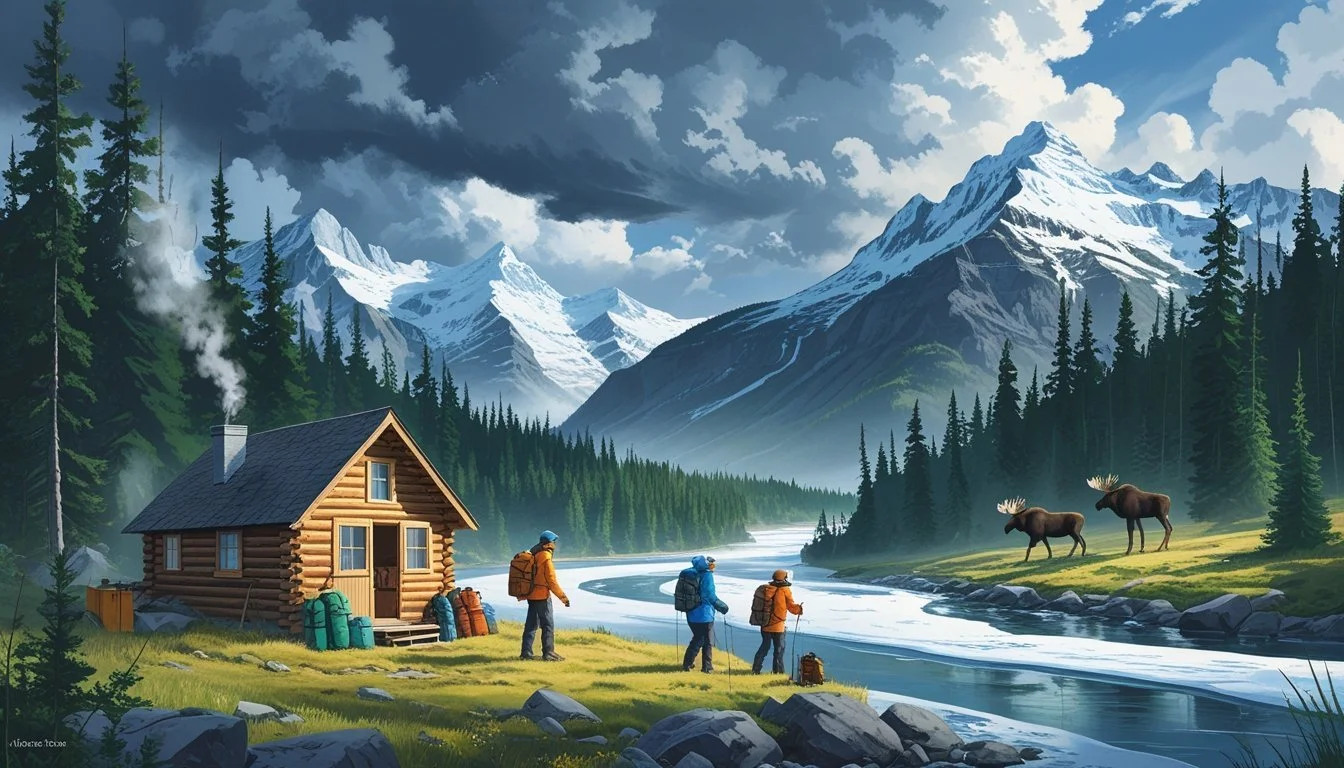
The legacy of the Brown family’s years in the Alaskan wilderness is defined by their profound relationship with nature, reliance on the land, and adaptation to the challenges of remote living. Their bond with their riverfront homestead shaped their daily life and survival strategies in unique ways.
Connection to Nature and Wilderness
The Browns’ day-to-day existence was closely tied to the rugged Alaska landscape. Survival required a deep respect for seasonal changes, wildlife patterns, and local ecology. They relied on hunting, fishing, and foraging, underscoring the direct connection between the family’s well-being and their environment.
Children were often taught practical outdoor skills from a young age. These included tracking animals, building shelters, and using tools specific to the harsh terrain. The openness of the tundra, dense forests, and unpredictable weather demanded self-sufficiency and resilience from every family member.
Life in the wilderness fostered a community spirit. The Browns often assisted neighbors or adapted traditional skills for modern use, blending old knowledge with contemporary needs. Their experiences highlight the real demands of living far from urban infrastructure and support systems.
Significance of the River and Homestead
The river near the Brown homestead filled several vital roles. It was a crucial source of fresh water, food (mainly salmon), and a transportation route. During months when overland travel was difficult, the river became a lifeline, connecting the family to essential resources.
The homestead’s location was strategically chosen to maximize safety from wildlife and access to necessary supplies. Structures were built with available timber and knowledge passed down through generations, featuring simple but sturdy shelters and workspaces.
Seasonal flooding and isolation caused recurring challenges. The river would sometimes isolate the family for weeks, reinforcing their need for planning and ingenuity. Their connection to both river and land illustrates the practical and emotional significance of their Alaskan roots.
