
The Symbolism of Fire in Alaskan Bush People’s Storytelling
Exploring Meaning and Tradition
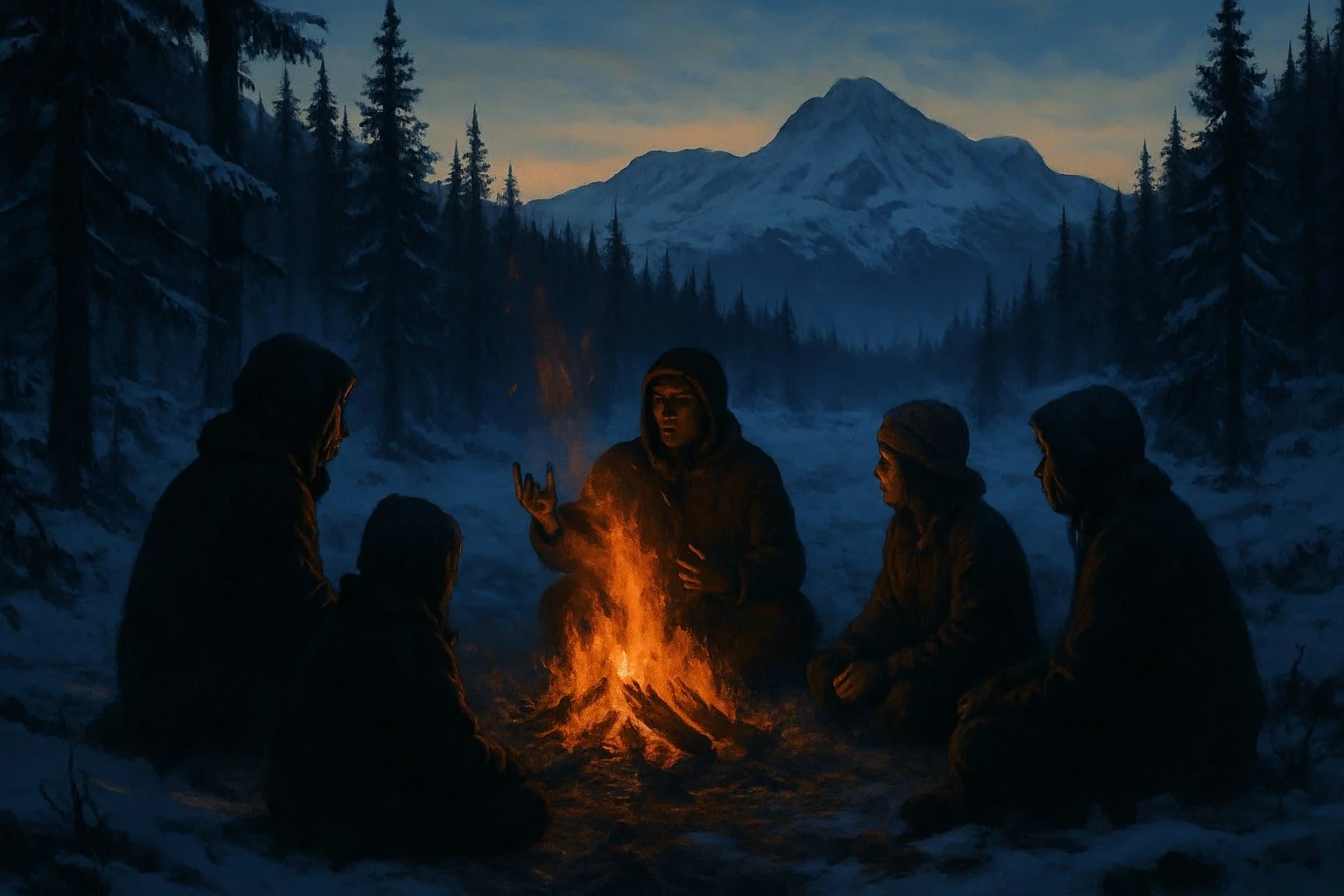
Fire holds a central place in the stories told by Alaskan Bush People, carrying meanings that go far beyond its practical uses for survival in the wilderness. In their storytelling, fire often symbolizes life, community, transformation, and the balance between creation and destruction. This symbolic element is closely tied to both cultural traditions and the everyday realities of living in Alaska's harsh and beautiful environment.
Those who share and pass down these stories use fire as a powerful image, whether it appears as a force that brings families together or as a catalyst for renewal and change. The way fire is featured in tales and legends helps reveal the deeply rooted values and worldviews of the Alaskan Bush People, offering new insight into how they interpret the world around them.
Understanding Fire Symbolism in Alaskan Bush People’s Narratives

Fire is woven into the cultural fabric of Alaska’s indigenous communities and the storytelling traditions of Alaskan Bush People. It holds roles that transcend practical uses, shaping values, beliefs, and social bonds.
Origins of Fire Symbolism
Fire’s symbolism in Alaskan Bush People’s narratives originates from practical necessity and ancestral teachings. For early indigenous groups, fire meant warmth, food, and survival in harsh climates. This everyday reliance shaped its foundational significance.
Beyond utility, fire came to represent spiritual elements such as renewal and life energy. Myths and oral histories often depict fire as a sacred gift to humanity. In some stories, it is seen as a bridge between the physical and spiritual worlds.
Over time, the symbolic meaning of fire expanded, representing purification, transformation, and community. As such, it remains central to rituals and personal milestones.
The Role of Storytelling in Cultural Heritage
Storytelling is a linchpin of cultural preservation among Alaskan Bush People and many indigenous communities. Stories are not just entertainment—they pass down traditions, codes of conduct, and wisdom about living in harmony with nature.
Fire often centers these communal storytelling events. Families gather around it, sharing tales that reinforce bonds and transfer knowledge. The rituals that accompany these moments strengthen community identity and solidarity.
Key storytelling functions include:
Teaching survival skills and moral lessons
Celebrating historical events or ancestors
Preserving indigenous languages and customs
Through these stories, fire itself becomes both a literal and symbolic thread running through generations.
Symbolism of Fire in Indigenous Peoples’ Worldviews
For Alaska Native peoples and other indigenous groups, fire holds diverse symbolic meanings. It is closely linked to spiritual beliefs, often seen as a messenger or medium connecting people to ancestral spirits or the divine.
Many view fire as an agent of transformation—a force that cleanses and prepares for new beginnings. Ceremonies may involve fire to signify purification or renewal. In art and oral history, fire represents adaptation and resilience amid environmental challenges.
The lasting presence of fire in indigenous worldview underscores its importance in expressing respect for nature, balancing destruction with life-giving power, and fostering a sense of sacred connection within the community.
Fire as a Catalyst for Transformation and Rebirth
Fire holds deep significance in the lives of the Alaskan Bush People, acting as both a practical necessity and a powerful symbol. In their storytelling, fire signifies inner change, survival, and the passing of tradition from one generation to another.
Transformation and Spiritual Growth
In Alaskan Bush People’s narratives, fire often marks moments of personal transformation. Lighting a fire can mean more than just creating warmth; it represents a conscious step toward change. The act itself might symbolize burning away old habits or letting go of past hardships.
Fire also appears in stories about spiritual growth. Members of the family gather around the flames to share lessons from the wild, reflecting on how challenges have shaped their beliefs. The glow of firelight becomes a backdrop for building trust and understanding within the group.
Stories frequently use the metaphor of fire to show how struggle leads to renewal. These moments highlight not just physical survival but also an evolving sense of self and a search for deeper meaning.
Resilience and Rebirth in Bush Life
Surviving in the remote Alaskan wilderness requires constant adaptation. In their tales, fire is a source of hope after setbacks, marking the point at which the family recovers from adversity. Lighting a fire after a harsh winter or catastrophic loss often signals the start of rebuilding.
This symbolism is rooted in lived experience. When a storm destroys a homestead or illness strikes, making fire can mean reclaiming life from chaos and despair. The ritual of rekindling a fire becomes both an emotional and practical act of resilience.
Examples abound: after a devastating event, the family might gather to share stories around a newly lit fire. This practice affirms both unity and the power of starting anew in the face of hardship.
Legacy and Identity Through Fire
Fire is central to Alaskan Bush People’s sense of identity and legacy. Storytelling around the fire connects older and younger generations, passing on essential knowledge about survival, respect for nature, and family values.
This ritual strengthens bonds between individuals. It also preserves collective memory, as tales woven by firelight reinforce what it means to be part of the family and the land they inhabit.
Family traditions, such as lighting a fire for ceremonial purposes or to mark important milestones, root their identity in shared experience. Through these rituals, fire becomes a living symbol of legacy that endures and adapts across generations.
Fire in Rituals and Ceremonies
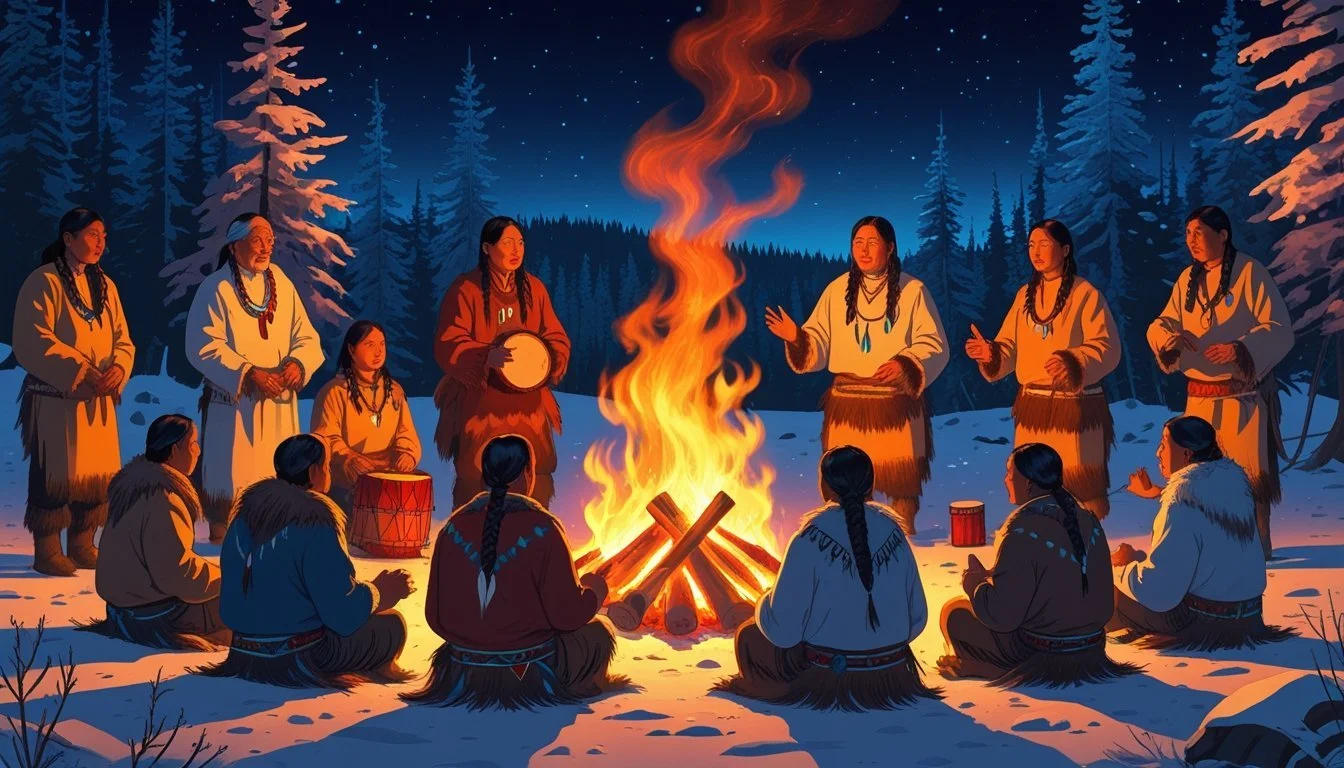
Fire holds a central place in traditional Alaskan spiritual practices, serving both symbolic and practical roles. From purification rituals to social gatherings, it is viewed as both a life-sustaining element and a channel for cultural expression.
Smudging and Purification Traditions
In many Indigenous Alaskan communities, fire is essential for smudging and purification. Smudging often involves burning specific plants, such as sage or local aromatic herbs, to cleanse participants or locations. This act is thought to remove negative energies and prepare individuals for ceremonies.
Smudging ceremonies are typically conducted before important rituals or gatherings. The process may include waving the smoke with a feather or hand to direct it over the body or around a sacred space. Fire transforms the physical herbs into purifying smoke, underscoring the element’s role as a cleanser.
Table 1: Common Elements Used in Smudging
Element Purpose Sage Cleansing, healing Sweetgrass Invoking positivity Local herbs Spiritual focus
Ritual Uses of Fire in Potlatches
Potlatches are complex social gatherings among Indigenous groups in Alaska, featuring feasting, gifting, and ceremonial activities. Fire often acts as a focal point during these events, providing warmth and light for extended gatherings.
The central fire is commonly surrounded by guests and elders, creating an atmosphere for storytelling and group reflection. Cooking and communal meals are frequently prepared over open flames, making fire both a practical tool and a symbol of unity.
On some occasions, ceremonial fires may be lit to mark the opening or closing of a potlatch. The fire’s role in these events emphasizes continuity, tradition, and the shared experience of the attendees.
Spiritual Beliefs and Practices
Fire’s spiritual significance in Alaskan traditions includes connections to ancestral spirits, the cyclical nature of life, and the renewal of spiritual energy. It is often regarded as a bridge between physical and spiritual realms.
During spiritual ceremonies, fire may be invoked through prayer or song. Its flames are seen as guides for both the living and the spirits. Individuals often gather around fires to share legends, communicate gratitude, or seek guidance from elders.
In some practices, offerings are placed in the fire to send prayers or messages to the spirit world. This underscores the belief in the transformative power of fire not only to physically alter, but also to spiritually connect.
Fire in Traditional Dances and Drumming
Traditional dances and drumming sessions frequently incorporate fire as a visual and symbolic element. Bonfires or ceremonial fires illuminate the gathering, highlighting the rhythmic movement of dancers. The warmth and light foster a sense of connection and energy among participants.
Drummers often sit close to the fire, with the beat of the drum echoing the fire’s pulse. The sound and the flames together create a powerful sensory environment, reinforcing themes of unity and continuity.
In some cases, dance movements or drumming rhythms may mimic the movement of flames, underscoring fire’s role as both inspiration and centerpiece in these cultural arts. The interplay between fire, music, and dance acts as a conduit for communal celebration and spiritual presence.
Fire as a Representation of Community and Unity
Fire has long served as more than a practical tool in the lives of Alaskan Bush communities. It symbolizes togetherness, acts as a central point for sharing resources, and plays a critical role in both daily survival and social traditions.
Fire’s Role in Community Gatherings
The flame is often the heart of community gatherings in bush life. People gather around fires during group meals, celebrations, and storytelling, forming a natural circle that fosters facing one another and genuine interaction.
For indigenous communities in Alaska, the fire is not only a source of warmth but also a stage for passing down family histories and traditional teachings. Storytellers use the light of the fire to illuminate faces, helping create bonds between generations. Shared laughter and discussion grow as the fire glows, building a spirit of unity.
Fire ceremonies are meaningful events, such as coming-of-age rituals or seasonal feasts. The fire acts as a symbol of shared identity and connection, making each person feel a part of a larger whole.
Abundance and Sustenance Shared by the Flame
Fire represents abundance by enabling the group to cook, preserve, and enjoy food together. The daily act of preparing meals over an open flame reinforces the idea that everyone’s survival and well-being are interconnected.
When fish, game, or foraged foods are shared around the fire, it marks the moment as one of collective sustenance. This sharing demonstrates mutual support and generosity, with each family contributing what they have. In harsh, remote environments, the fire is a vital resource for preserving meat and fish, ensuring the community endures through scarce periods.
Table: Ways Fire Supports Abundance in Bush Communities
Purpose Example Use Cooking food Roasting game, fish Preserving resources Smoking, drying Heating communal spaces Group shelter warmth
By bringing people together for meals and warmth, the fire becomes a living symbol of the community’s abundance and unity.
Contrasts of Fire: Destruction, Creation, and Hope
Fire stands out in Alaskan Bush People’s storytelling as both a threat and a source of inspiration. Its presence marks moments of loss, change, and resilience, shaping the family’s experiences in the harsh Alaskan wilderness.
Fire as a Force of Destruction and Renewal
In the series, fire has often represented sudden disruption. Forest fires or accidental blazes threaten homes, supplies, and safety. These destructive events serve as reminders of vulnerability in unpredictable environments.
Yet, renewal closely follows destruction. When a fire destroys a structure or a store of food, the family must rebuild with available resources. This process demands creativity and cooperation, which often leads to stronger family bonds. Destruction clears the way for adaptation, mirroring wider natural cycles where new growth follows fire.
The symbolism of fire as a destroyer and creator is clear: it challenges survival but also sparks ingenuity. Key plot points often revolve around this transformation, reinforcing the importance of persistence after loss.
Hope and Healing Amid Adversity
Despite hardships brought by fire, hope remains a recurring theme. The family gathers around campfires, sharing stories and supporting one another after difficult events. Flames offer warmth, light, and a sense of security during long nights.
Moments of healing frequently take place around fire. The act of rebuilding together—the construction of new cabins or repairing burnt fences—creates space for emotional recovery. Fire, in this context, represents both connection and continuity.
Hope emerges from shared adversity, with the fire’s glow symbolizing both endurance and the possibility of better days. This resilience is not just physical, but emotional, helping family members move forward.
The Natural World and Interconnectedness in Fire Symbolism
Fire in Alaskan Bush People’s storytelling is deeply tied to the environment, with symbols drawn from wildlife and daily survival. From the way fire connects communities to the ways it links with animals like salmon and bears, the natural world is at the heart of this symbolism.
Nature as Inspiration: Salmon, Bear, and Other Creatures
Alaskan narratives often look to nature for guidance, with animals such as salmon, bears, wolves, and whales serving as both literal resources and symbolic figures.
Bears represent resilience and strength and frequently appear in fire-side tales as reminders of adaptability. Wolves symbolize cooperation and survival, echoing the communal aspect of fire. Observing these animals teaches necessary skills, like when bears fish for salmon in rivers, or wolves hunt in packs under the stars.
Whales may feature in coastal stories, signifying endurance and navigation—qualities essential for surviving the Alaskan wilds. By using fire as a setting or tool in these stories, people reinforce the value of learning from nature and respecting its interconnected systems.
Salmon Symbol and the Cycle of Life
The salmon is a cornerstone of both subsistence and spirituality in Alaskan cultures. Its journey upstream is often used as a symbol for life's cycles and challenges.
People recount stories around the fire of salmon returning each year, mirroring ideas of renewal and perseverance. The connection between fire and salmon is practical as well; fire is used to smoke salmon, preserving it for winter.
The repeating cycle of the salmon run illustrates interconnectedness—not only with nature but also between generations, as techniques and respect for the resource are passed down. Through the salmon symbol, fire becomes a medium for linking the rhythms of the natural world with family memory and cultural identity.
Fire’s Role in Hunting, Fishing, and Survival
In the Alaskan bush, fire is central to daily life. It provides warmth during long winters, light in the darkness, and safety by deterring predators like bears or wolves.
Fire is also integral to processing food. After hunting or fishing, communities use fire to cook meat, smoke fish, and make tools from bones and hides. These practical uses of fire are taught through stories, reinforcing survival skills.
Learning to handle fire wisely is seen as part of living responsibly within the natural world. It marks an understanding of the delicate balance humans must keep with the land, its creatures, and the cycles they all share.
Spiritual and Mythological Interpretations of Fire
Fire occupies a central place in Alaskan Bush People’s storytelling, weaving together spiritual beliefs, mythic characters, and emotional depth. Its presence reflects both the material realities of survival and deeper symbolic meanings tied to identity and culture.
Raven, Eagle, and Totem Poles in Fire Myths
In many Alaskan Native traditions, the Raven and Eagle are more than familiar animals; they serve as spiritual figures with significant roles in fire myths. The Raven often appears as a creator, a trickster, and a bringer of essential elements, including fire. Stories may recount the Raven stealing or discovering fire, using it either to benefit humanity or to outwit rivals.
Totem poles act as visual storytellers. They frequently depict both the Raven and Eagle alongside flames or symbolic fire tools, directly referencing legendary tales. The presence of fire in these artifacts connects the clan’s ancestors and spiritual beliefs to the natural world, reinforcing the community’s identity and shared history.
Table: Raven vs. Eagle in Fire Mythology
Symbol Role in Fire Myths Key Qualities Raven Bringer/trickster Clever, transformative Eagle Protector/guide Noble, spiritual
Shamans, Trickery, and Intelligence
Spiritual figures such as shamans guide their communities through ritual, often invoking fire to cleanse spaces or connect with the spiritual realm. The act of lighting a ritual fire carries meanings of purification, healing, and the unlocking of hidden knowledge. Fire serves as a conduit between the material and spiritual worlds.
Mythic stories frequently highlight trickery and intelligence, especially in relation to the Raven. These qualities are viewed with respect, representing the ability to adapt and overcome adversity in challenging environments. Whether a shaman uses fire in ceremonies or a mythic character employs wit to obtain it, both cases reflect how critical intelligence and cunning are in both survival and spiritual life.
Fire, Desire, and Passion
Fire’s visual brilliance and warmth are often associated with human desire and passion in storytelling. Campfire tales and ancestral myths speak of how fire kindles ambition, emotional drive, and creativity. Characters inspired by fire tend to pursue their goals with intense focus, reflecting the flame’s energy in their journeys.
In some narratives, fire is the spark for forging deeper relationships or pursuing a purpose. It is also present in moments of conflict or reunion, symbolizing the intensity of feeling among kin or within the broader community. Fire shapes not just daily life but also the foundational myths that drive cultural passion and desire for connection.
Fire Symbolism in Literature and Visual Language
Fire holds a complex position in both literature and visual expression. Its role extends from ancient myths to modern storytelling and art, highlighting themes of transformation, identity, and community.
Fire in Alaskan Bush People’s Oral Traditions
Oral traditions among the Alaskan Bush People often use fire as a central motif in their stories and daily life. Fire is associated with warmth, survival, and the sustaining of family ties, especially in harsh climates. Storytelling around the fire is a ritual that both passes on wisdom and binds the group together.
Legends from the region may depict fire as a gift from the ancestors or even as an entity demanding respect and careful stewardship. Myths and parables reference fire’s dual nature: while it provides light and comfort, it can also threaten if misused. Fire also becomes a metaphor for inner strength and resilience, qualities valued in bush life.
Fire's role in oral literature is not only practical but deeply symbolic. It marks the boundary between safety and wilderness, inviting reflection on human fragility and persistence.
Representation in Visual Arts and Totemic Storytelling
Visual arts in Alaskan Bush cultures reflect fire’s symbolism through objects such as carvings, masks, and totem poles. Flames, embers, and fire circles are depicted using bold colors and shapes, suggesting motion and transformation.
Artists often use contrasting textures and patterns to convey heat or energy. In some cases, fire is depicted alongside animals or spirit beings, signifying its role in creation myths or seasonal change. For example:
Motif Meaning Ember Ancestral presence Flame Spiritual awakening Smoke Connection to skies
Totemic storytelling incorporates fire to express lineage and group identity. Storyboards and woven designs may show fire connecting people to their land or to the elders’ teachings, reinforcing its position as a bridge between generations and as a source of renewal.
Taboos and Restrictions Surrounding Fire
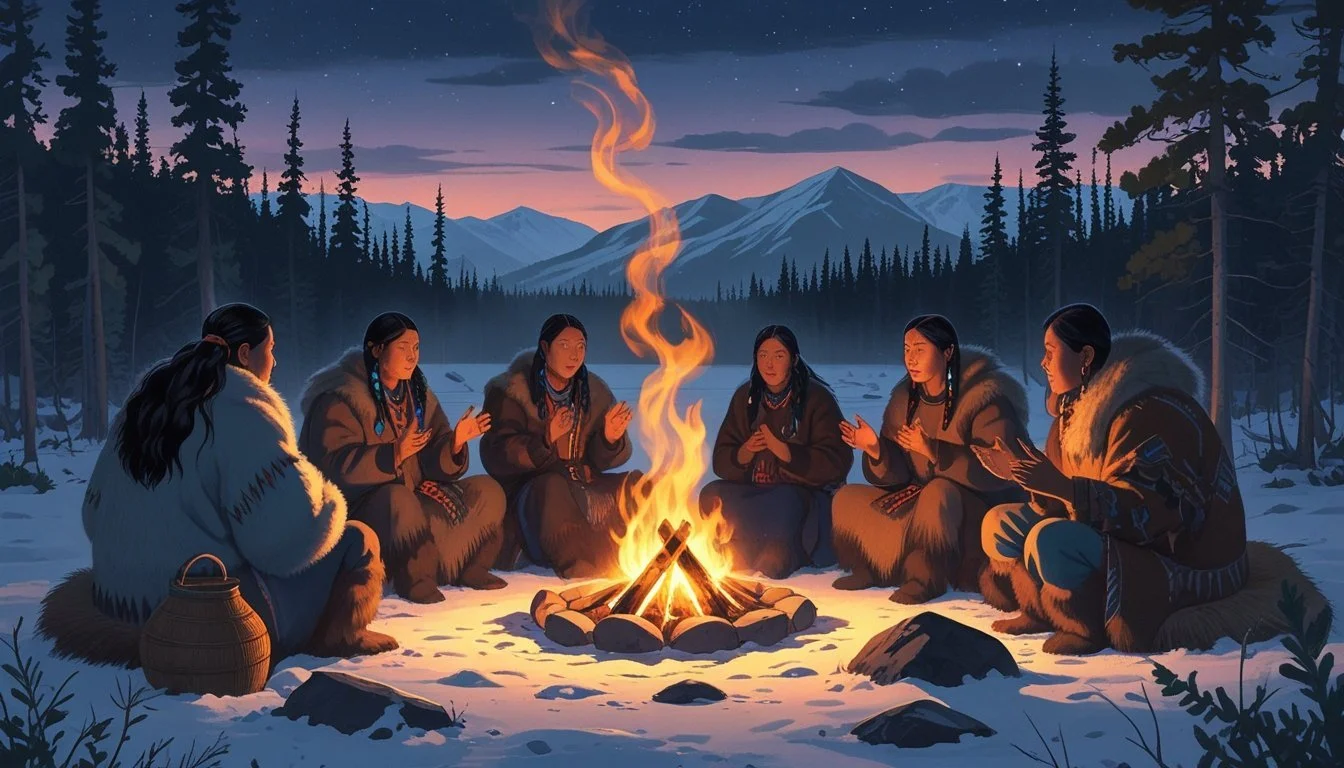
In the context of the Alaskan Bush People, fire holds both practical and spiritual significance. Specific taboos, religious associations, and beliefs about fire help define boundaries for its use in daily and ceremonial life.
Cultural Taboos Relating to Fire
Certain customs in frontier and indigenous cultures treat fire with careful respect. For example, letting a fire burn unattended is often frowned upon, as fire left uncontrolled can cause destruction and is seen as disrespectful to nature’s balance. This practice is especially strict during communal gatherings, where the main fire is maintained and closely watched.
Passing objects directly through a sacred fire is discouraged. Many believe this act insults the spirit of fire or disrupts ceremonial energy. Children are often taught early not to play near or mock ceremonial fires, as these flames symbolize renewal and communal strength.
Cooking or burning waste in sacred or ceremonial fires is strictly avoided. Only designated wood or materials are used, maintaining a sense of purity and purpose for the fire. These rules help preserve the transformative and purifying nature of fire in community rituals.
Religion, Resurrection, and Associations with Hell
Religious symbolism attached to fire is evident in storytelling and belief systems among the Alaskan Bush People. Fire can represent resurrection, as the ashes from an extinguished flame may symbolize new growth or rebirth within a cycle. Campfire tales sometimes focus on fire as a metaphor for overcoming hardship, emerging renewed from destruction.
Associations with hell appear in cautionary stories and warnings, especially for children. Fire’s destructive potential is referenced as a boundary, mirroring narratives about damnation or spiritual danger. However, unlike dogmatic religious interpretations elsewhere, these associations are usually practical rather than punitive.
Fire is often invoked as a spiritual force to ward off negative influences, not just as a symbol of punishment. Discussions about hell or resurrection center around fire’s dual capacity for harm and healing. This approach keeps storytelling grounded in daily life while acknowledging deeper spiritual meanings.
