
What Makes Alaskan Bush People Different From Every Other Survival Show
Unique Family Dynamics and Real Wilderness Challenges

Alaskan Bush People stands out from other survival shows because it focuses on an entire family attempting to build a sustainable life together in remote wilderness, rather than highlighting solo survival or staged competition. While many survival series are structured around isolated challenges and dramatic emergencies, this show follows the Browns as they navigate the ongoing realities of off-grid living, including daily routines, relationships, and long-term projects.
Audiences get a glimpse into not just the technical skills needed to survive, but also the social dynamics and adaptability required to thrive as a group away from modern conveniences. The shifting locations of the family's homestead and their evolving lifestyle keep viewers interested in how their journey unfolds beyond the typical limits of a staged survival scenario.
The Setting: Alaska and Washington State
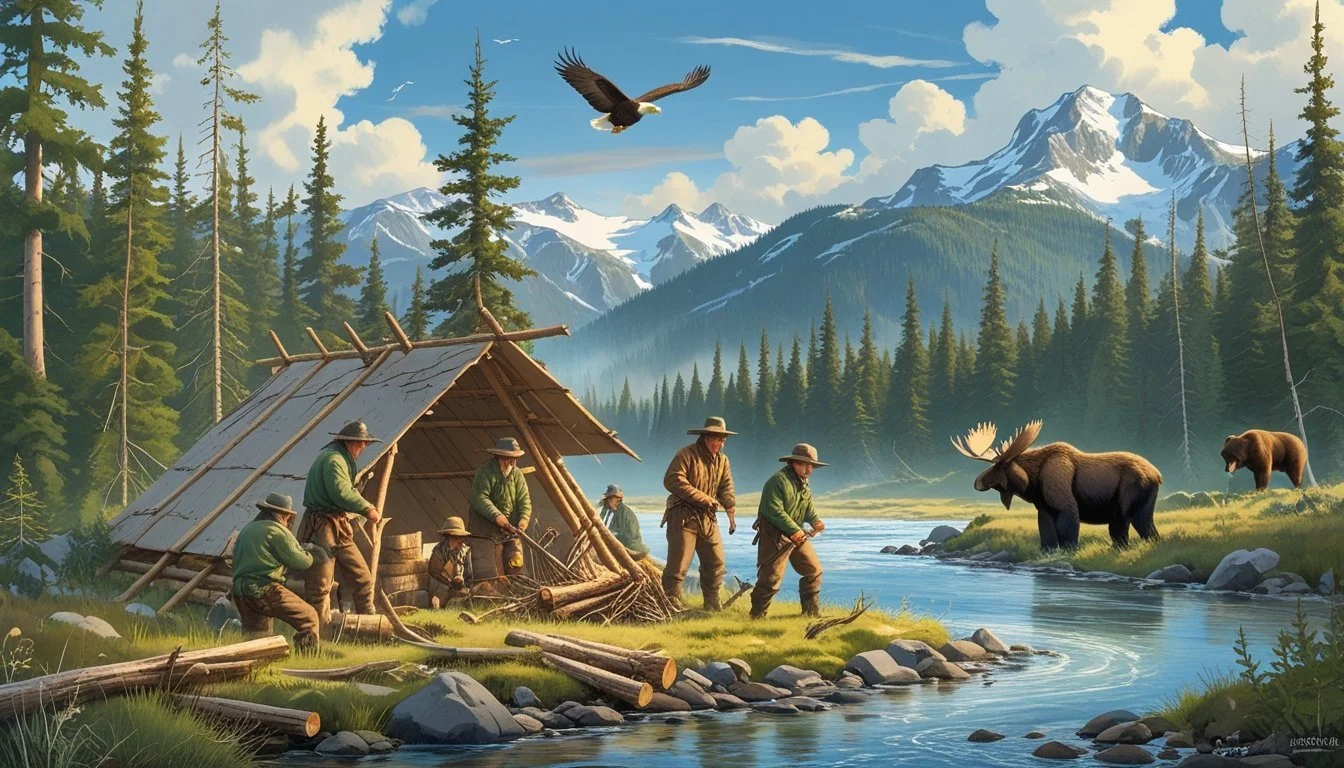
Alaskan Bush People stands out for its ever-changing locations, first set in the Alaskan wilderness and later shifting to rural Washington State. Each region shaped the Brown family's experience, offering distinct climates, geographies, and survival expectations.
Wild and Remote Locations
The original setting of Alaskan Bush People was deep within Alaska’s rugged, isolated terrain. The Brown family built their homestead hours from the nearest town. Their surroundings were dense forest, rough mountain slopes, and unpredictable rivers.
Distance from infrastructure meant limited access to stores, electricity, and communication. Unlike many survival shows that use controlled or accessible sites, this series emphasized off-grid living far removed from modern comforts.
The later move to Washington State introduced a new environment. Still rural, their new location featured thick woods and hilly land. The change altered not only the backdrop but also the set of challenges faced, from different wildlife to less severe winters.
Alaska’s Unique Wilderness Challenges
Alaska’s environment posed specific survival hurdles rarely matched in other reality TV settings. Winters lasted up to eight months. Temperatures dropped well below zero, and daylight could dwindle to just a few hours.
The state’s wildlife included brown bears, wolves, and moose, requiring constant vigilance and specialized trapping skills. Resource scarcity was a daily concern, with fishing, hunting, and gathering all dictated by extreme seasonal changes.
Travel was often by canoe, sled, or foot on trails cut through thick brush. Snowstorms or swollen rivers could isolate the family for weeks. Unlike temperate climates, Alaska demanded rigorous preparation and adaptability from the Browns.
Transition to Washington State
After leaving Alaska, the Browns settled in the North Cascade foothills of Washington State. The region still offered isolation and forested land but with a milder climate and different survival dynamics.
Rainfall is more frequent in Washington, making shelter waterproofing essential. The wildlife includes deer, mountain lions, and smaller predators. These changes required the Browns to adjust skills and routines, moving from coping with arctic cold to handling wet, unstable ground.
Living in Washington State allowed for improved access to supplies and healthcare, yet the Browns maintained their focus on self-reliance. Their new homestead involved clearing land, constructing new buildings, and adapting Alaskan lessons to a distinct landscape.
The Brown Family: Central to the Story
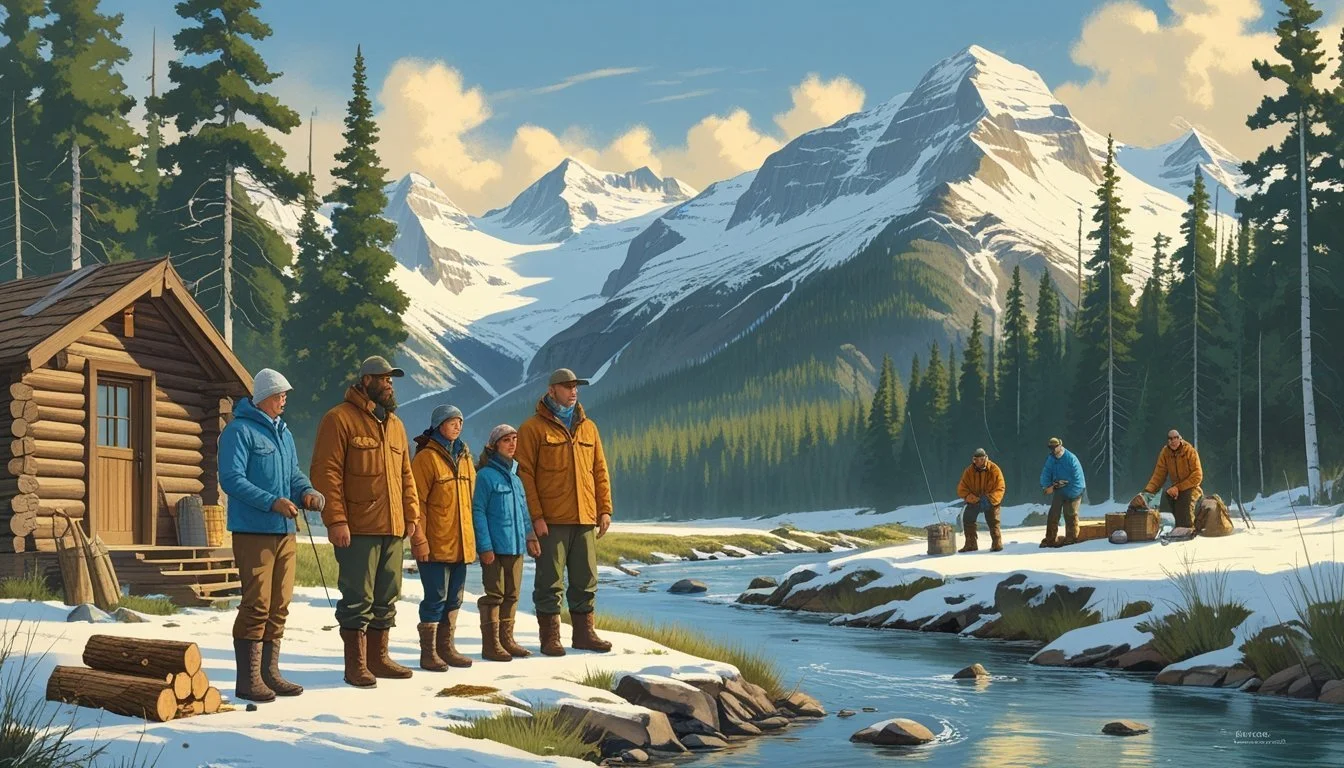
The Brown family is at the core of the show's identity, with their relationships, challenges, and unique lifestyle setting it apart from other survival series. Their commitment to living with minimal outside support distinguishes their experience in the remote wilderness.
Billy and Ami Brown’s Leadership
Billy and Ami Brown founded the family’s off-grid life, guiding the Brown children through the practical and emotional demands of wilderness survival. Their vision shaped the rules, routines, and traditions shown on Alaskan Bush People.
Billy was often seen as the patriarch, providing both leadership and stability for the family. He made critical decisions, from building shelter to teaching survival skills. Ami, in turn, set many family values and daily expectations.
Together, they fostered an environment where each member’s strengths contributed to the group’s resilience. Their unified approach to challenges showed viewers how leadership in isolation relies on both authority and cooperation. Billy’s passing in 2021 had a significant impact on the family’s dynamic, shifting many responsibilities.
Family Roles and Dynamics
Each Brown child had a defined role in maintaining the household, responsible for tasks ranging from hunting and fishing to constructing cabins.
The siblings, seven in all, balanced their unique personalities with the collective needs of the family. While some focused on technical skills, such as toolmaking, others took on leadership of specific projects. This division of labor was made clear through regular group meetings and strict task assignments.
Their isolation demanded close cooperation and real communication. Disagreements were frequent but resolved as essential to survival. Family dynamics were further shaped by a lack of outside social contact, keeping the group reliant only on one another. This structure set the Browns apart from contestants or individuals on other survival shows, highlighting real-life dependence on family bonds.
Ami Brown’s Health Battles
Ami Brown’s diagnosis of advanced lung cancer in 2017 added a serious challenge to the family’s life. Treatment required relocation to the lower 48 for chemotherapy and radiation, temporarily moving them away from their home in Alaska.
Her health struggles and ongoing recovery were documented throughout the series, revealing the emotional toll on all family members. Medical uncertainty forced the Browns to adjust routines, with older children taking on increased responsibility.
The stress of intensive care in a non-rural hospital contrasted sharply with their usually remote lifestyle. Ami’s eventual return to remission highlighted both her resilience and the family's adaptability under pressure. Her experience underscored the show’s focus on authentic hardships rather than manufactured drama.
Core Survival Philosophy and Lifestyle
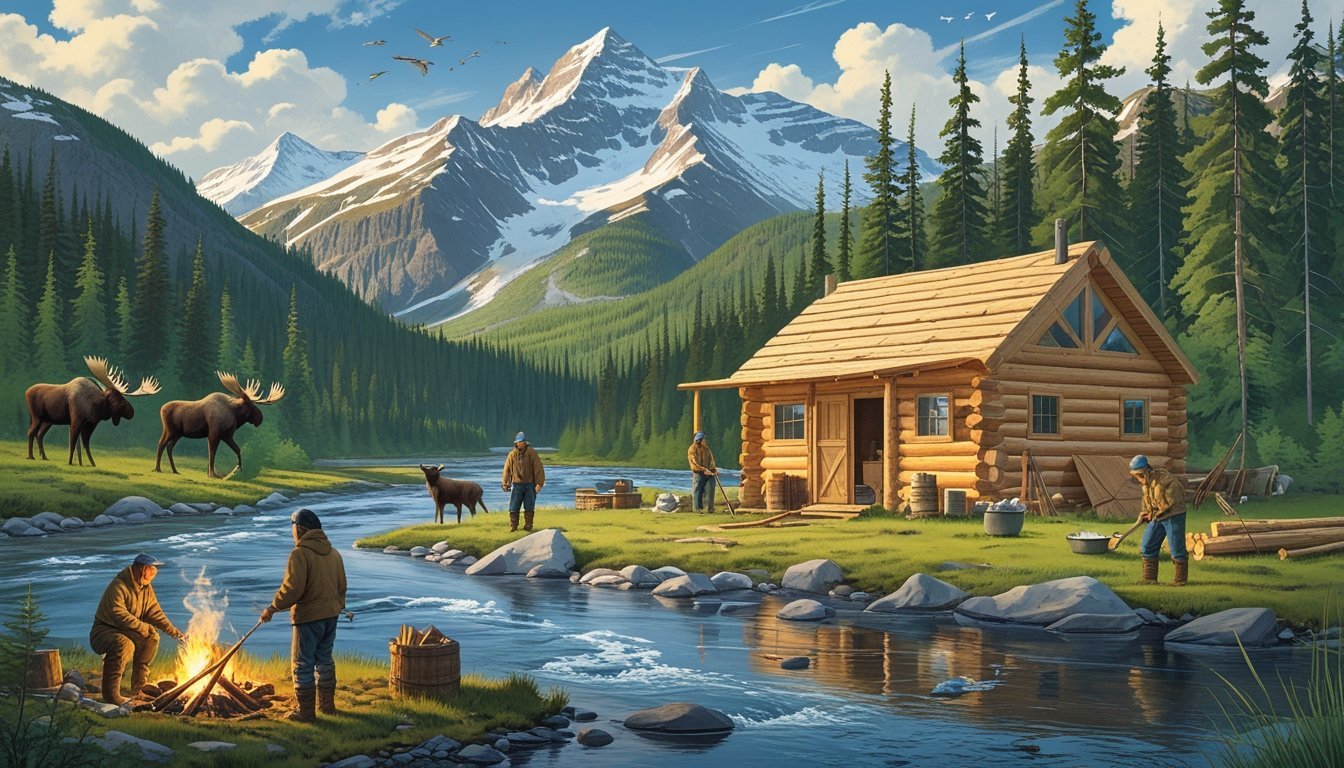
Alaskan Bush People distinguish themselves through their long-term survival focused on daily adaptation and strong family values. Their approach centers on maintaining self-reliance and adapting classic survivalist skills to their unique environment.
Living Off the Grid
The Brown family commits fully to an off-grid lifestyle. They avoid modern conveniences, generating power through sources like solar panels and wind turbines when possible. Homes are built from locally sourced materials, often by hand, reflecting a do-it-yourself attitude.
Resource management is essential. They hunt, fish, and forage for most of their food. Water is gathered from nearby streams and filtered or boiled for safety. Waste is minimized, and usable materials are repurposed to suit immediate needs.
They rely on minimal contact with the outside world and access towns only for essentials that can’t be sourced locally, such as specific medical supplies. Faith and family bond play key roles, supporting morale amid isolation.
Key features of their off-grid life:
No connection to public utilities
DIY construction
Natural food sources
Functional, improvised solutions
Self-Sufficiency
The core philosophy revolves around self-sufficiency. Every family member has specific survivalist skills, such as construction, trapping, mechanical repair, and medical first aid. Skills are taught directly from older to younger generations, creating a continuous learning environment.
They practice strict division of labor based on skills, age, and physical ability. Collaborative problem-solving is frequent, ensuring challenges are managed internally. Resourceful thinking drives them to invent tools or machines from salvaged parts.
Their faith and values are central, orienting their lifestyle and providing resilience in the face of environmental hardship. Unlike most reality TV shows, their self-sufficiency isn’t temporary or episodic; it is a permanent, daily requirement for their chosen way of life.
What Sets Alaskan Bush People Apart from Other Survival Shows
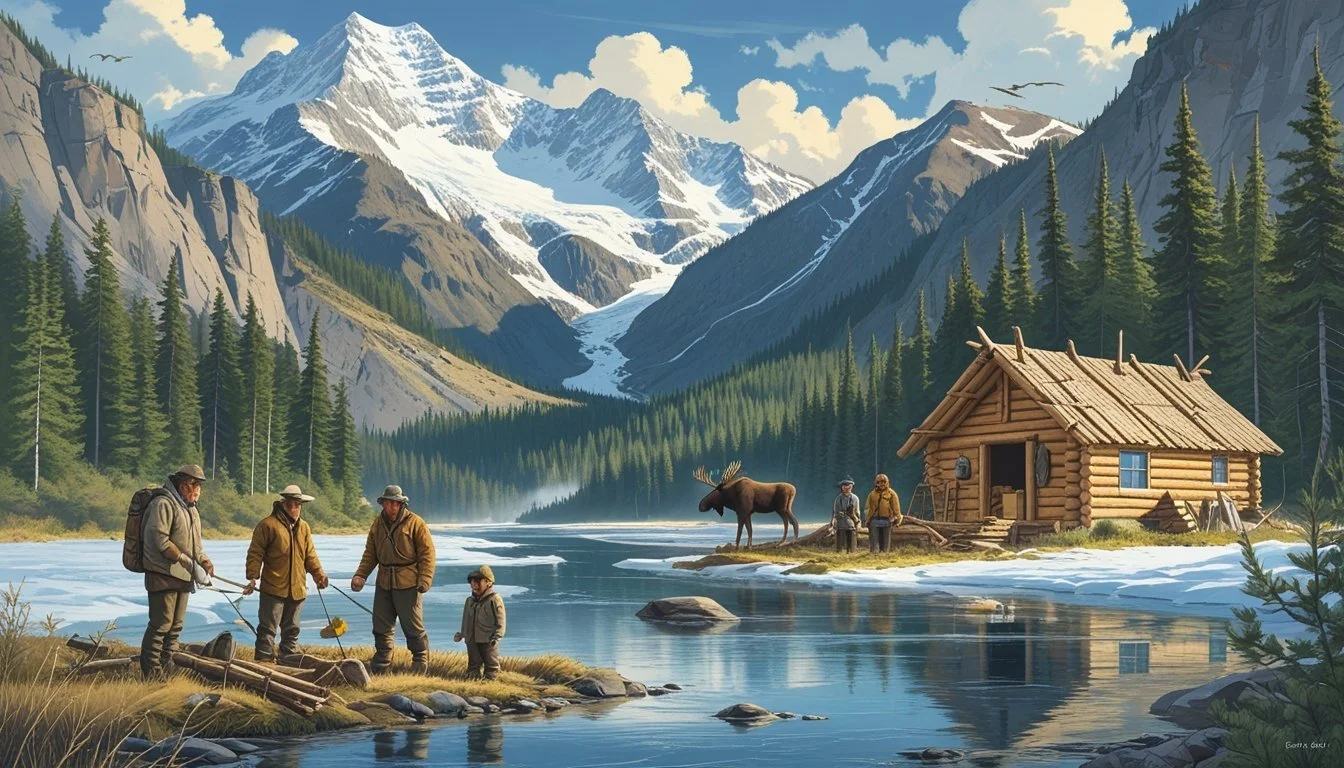
Alaskan Bush People distinguishes itself through its unique portrayal of the Brown family's daily life, their approach to survival, and how family, tradition, and adaptation intertwine in the Alaskan wilderness. Its style, focus, and tone diverge notably from other shows set in Alaska or built on similar themes.
Focus on Real Family Bonds
The central narrative of Alaskan Bush People revolves around the Brown family, living off-grid and relying heavily on each other. Viewers see not just individual survival skills but how nine family members cooperate and make decisions as a unit.
Personal conflicts, celebrations, and shared challenges are frequently highlighted. Unlike many survival shows that emphasize lone adventurers or temporary teams, the family dynamic is continuous. This creates an evolving story, where viewers witness lasting relationships and how generations interact.
By centering on authentic family bonds, the show conveys themes of teamwork and resilience under real-life pressures, rather than on scripted competition or isolated hardship. Examples of daily routines, including hunting and shelter-building, often involve participation from even the youngest family members, underscoring the importance of interdependence.
Comparison to Alaska: The Last Frontier
Both Alaskan Bush People and Alaska: The Last Frontier take place in the Alaskan wilderness, but their perspectives and styles are notably different. Alaska: The Last Frontier, also on the Discovery Channel, follows the Kilcher family, known for their pioneering heritage and sustainable homesteading.
While Alaska: The Last Frontier focuses more on agricultural skills, animal husbandry, and the maintenance of an established homestead, Alaskan Bush People presents a family that is constantly adapting, moving, and constructing new shelters. The Brown family's approach includes blending traditional skills with modern problem-solving, as opposed to the Kilchers' focus on multi-generational practices.
A comparison table:
Show Primary Focus Approach to Survival Alaskan Bush People Brown family unity Building, adapting, new Alaska: The Last Frontier Kilcher family homestead Maintaining, sustaining
These distinctions shape viewer expectations and set the shows apart in tone and pacing.
Differentiation from Reality Show Norms
Many survival reality shows, especially those on networks like Animal Planet, emphasize competition, elimination, or one-on-one survival against nature. Alaskan Bush People forgoes these tropes, framing the struggle against wilderness not as a contest, but as an ongoing family journey.
There are no cash prizes, rankings, or formal challenges. Instead, the stakes are personal—protecting family, improving their homestead, and enduring the elements throughout the seasons. Episodes are built around problem-solving, invention, and overcoming setbacks as a group.
The series also avoids extensive dramatization and instead incorporates elements of documentary-style storytelling. Family members’ personalities come through in quieter moments, and the narrative often lingers on the realities of rural Alaska, from harsh weather to isolation, setting it apart from more sensationalized reality shows.
Historical and Cultural Context
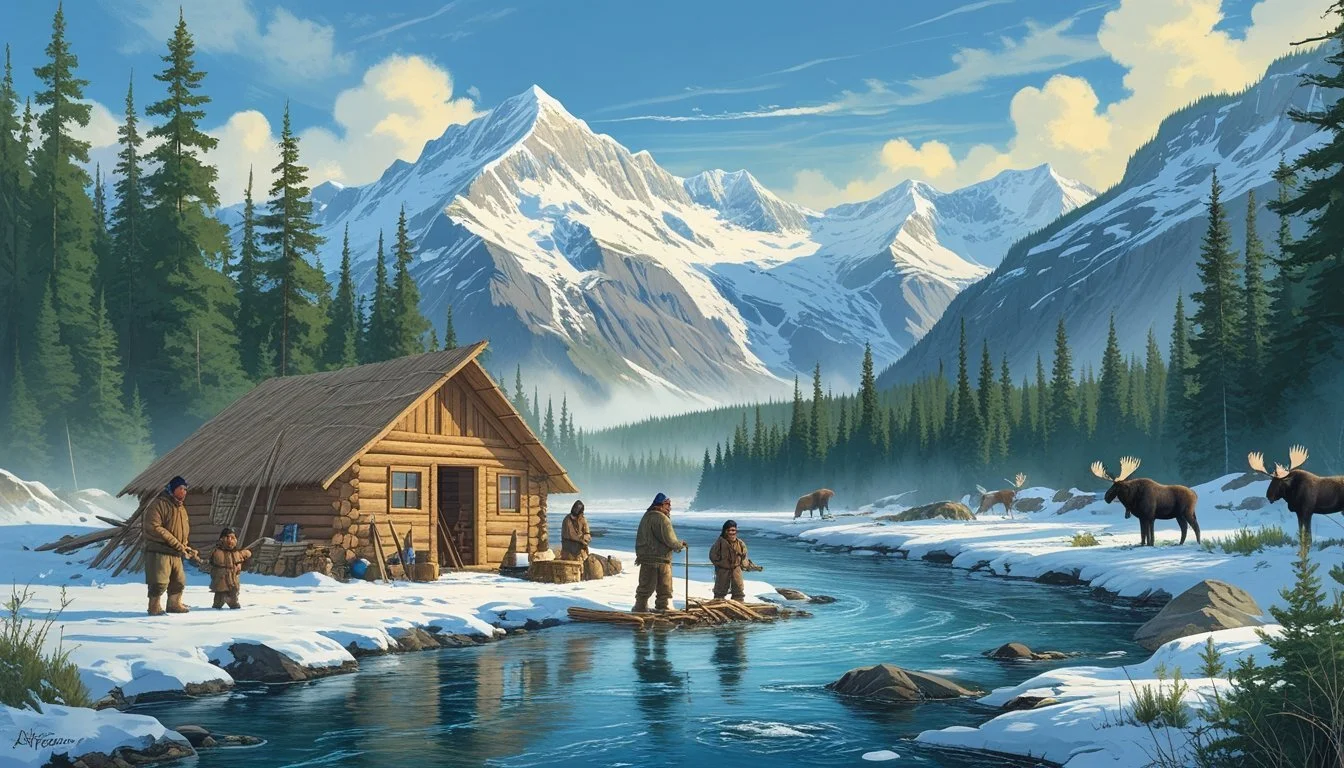
Alaskan Bush People stand out due to their integration with Alaskan laws and unique state programs. Their daily lives and economic strategies are directly impacted by Alaska’s specific systems and authorities.
Alaska State Troopers and Local Laws
The Alaska State Troopers serve as the primary law enforcement agency in most remote areas, including where the Brown family resides. Because many regions lack local police departments, the Troopers handle everything from routine patrols to major investigations.
Alaska’s vast wilderness creates challenges for law enforcement response times. Residents often need to resolve minor disputes on their own or wait hours, even days, for official help. This encourages a high degree of self-reliance and adherence to practical local customs in addition to state law.
The show highlights how the family interacts with regulations, especially those concerning hunting, fishing, and land use. Alaska’s strict resource laws, enforced by the Troopers, often guide family decisions and day-to-day behavior on the show. Compliance becomes a constant consideration, affecting what viewers see.
Permanent Fund Dividend Impact
The Permanent Fund Dividend (PFD) is a unique aspect of Alaskan life. Every eligible resident receives an annual payment drawn from the state's oil revenues. For rural families like the Browns, these payments help supplement income where traditional jobs are scarce.
The PFD can be used for necessities, emergency supplies, or saved for large purchases. In isolated locations, this payment is significant enough to influence budgeting and survival strategies throughout the year.
Reliance on the PFD also reflects broader economic realities of rural Alaska. The dividend is not only a financial boost but part of the fabric of rural existence, reflected in how the Browns and other residents plan their lives and seasons.
Alaskan Bush People’s Lasting Legacy
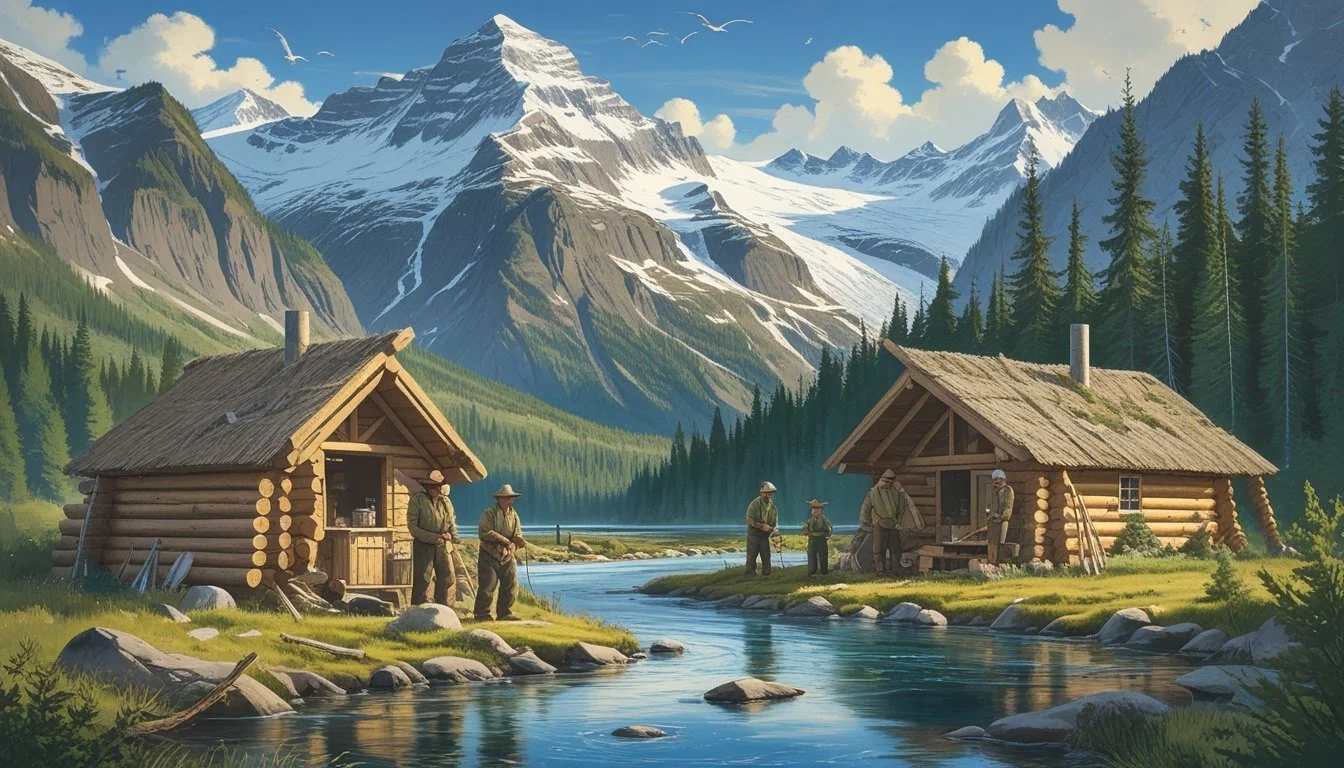
Alaskan Bush People left an indelible mark on reality television by blending family drama with unconventional survival. Its focus on family resilience, as well as a unique portrayal of wilderness living, led to new conversations about authenticity and genre boundaries.
Influence on Survival Genre
Alaskan Bush People, which premiered on the Discovery Channel in 2014, stood out by emphasizing family dynamics over solo survival skills. Unlike standard survival shows that focus on individual endurance in harsh environments, this series showcased a large family working together to build a homestead.
The program’s multi-generational cast highlighted resourcefulness and adaptation by integrating children and adults into daily struggles and successes. This collaborative approach shaped how future survival shows integrated family or group challenges, moving away from the lone-wolf narrative.
Their wilderness lifestyle was less about extreme isolation and more about forging strong, interdependent relationships. Viewers saw not only hunting and gathering, but also homeschooling, medical emergencies, and the emotional complexities of remote living. By weaving these elements together, Alaskan Bush People expanded the scope of the survival genre beyond typical adventure fare.
Public Perception and Criticism
The public response to Alaskan Bush People has been a mix of admiration and skepticism. Many viewers connected with the Brown family's resilience and ability to adapt, while critics questioned the show's authenticity and portrayal of wilderness hardships.
Allegations surfaced about portions of the program being staged or scripted, leading to ongoing debates about reality television ethics and transparency. Some pointed out inconsistencies in the family’s backstory and living conditions, drawing attention to the blurred line between documentary and entertainment.
Despite this criticism, the show maintained a loyal audience and sparked lasting cultural conversations about what it means to live "off the grid." The show's coverage of personal struggles, such as health battles and the death of family patriarch Billy Brown, added emotional depth that set it apart from other Discovery Channel offerings.
