
The Role of Nature in the Emotional Arcs of Alaskan Bush People
Exploring Environmental Impact on Character Development

Nature directly shapes the emotional journeys of the Alaskan Bush People, challenging them, strengthening their family bonds, and influencing their daily decisions. Against the harsh backdrop of the remote Alaskan wilderness, each family member contends with survival, personal growth, and the realities of isolation.
The landscape is not just a setting; it becomes a powerful force that tests their resilience and adaptability. Moments of hardship, celebration, and reflection are closely tied to the environment, making nature a constant presence in their emotional lives.
Viewers witness how the family’s relationship with nature evolves as they face new obstacles and opportunities. The push and pull between dependence on the land and the unpredictability of the wild create emotional highs and lows unique to their lifestyle.
Connecting With the Alaskan Wilderness
Daily life for those living off the grid in Alaska is shaped by direct interaction with the land and animals. Survival, emotional well-being, and personal values are deeply influenced by how they experience, respect, and respond to the challenges and beauty of the region.
Immersion in the Wilderness
The Brown family and others in similar situations integrate their routines with the rhythms of the wild Alaskan landscape. Obtaining food, shelter, and warmth depends on careful observation of the environment. Activities such as foraging, fishing, and tracking require continual adaptation to weather, terrain, and seasonal changes.
Living in the wilderness is not just about physical survival. Emotional resilience grows as individuals adapt to long winters, unpredictable conditions, and isolation from modern society. The scenery—towering forests, mountain valleys, and endless sky—offers moments of awe and quiet reflection. Those raised in these settings form a deep-rooted identity closely tied to the land itself.
Respect for Nature
Respect for nature is both a practical philosophy and a way to protect the future of the region. Families who thrive here do so by practicing environmental stewardship, using resources sustainably, and understanding natural cycles. For example, harvesting only what is needed and leaving enough for regeneration preserves delicate ecosystems.
Many residents look to the wisdom of Alaska Native people, who have built traditions that emphasize balance and humility in the face of nature’s power. Shared values include gratitude for resources and conscious efforts to limit human impact. This mutual respect helps maintain the wilderness for future generations and supports community health.
Interactions With Wildlife
Wildlife encounters are part of everyday life, ranging from tracking game to cautious coexistence with predators. Residents must learn to read signs of bears, wolves, and moose in the forest and adjust activities to avoid dangerous situations. Interactions can be practical—such as hunting or fishing—or moments of awe experienced from a distance.
Wildlife influences emotional states, prompting vigilance, gratitude, or even fear. Lessons in patience and observation are reinforced through direct experience. Over time, these encounters strengthen a sense of connection, responsibility, and respect essential for long-term survival in the Alaskan wilderness.
Nature as a Foundation for Emotional Growth
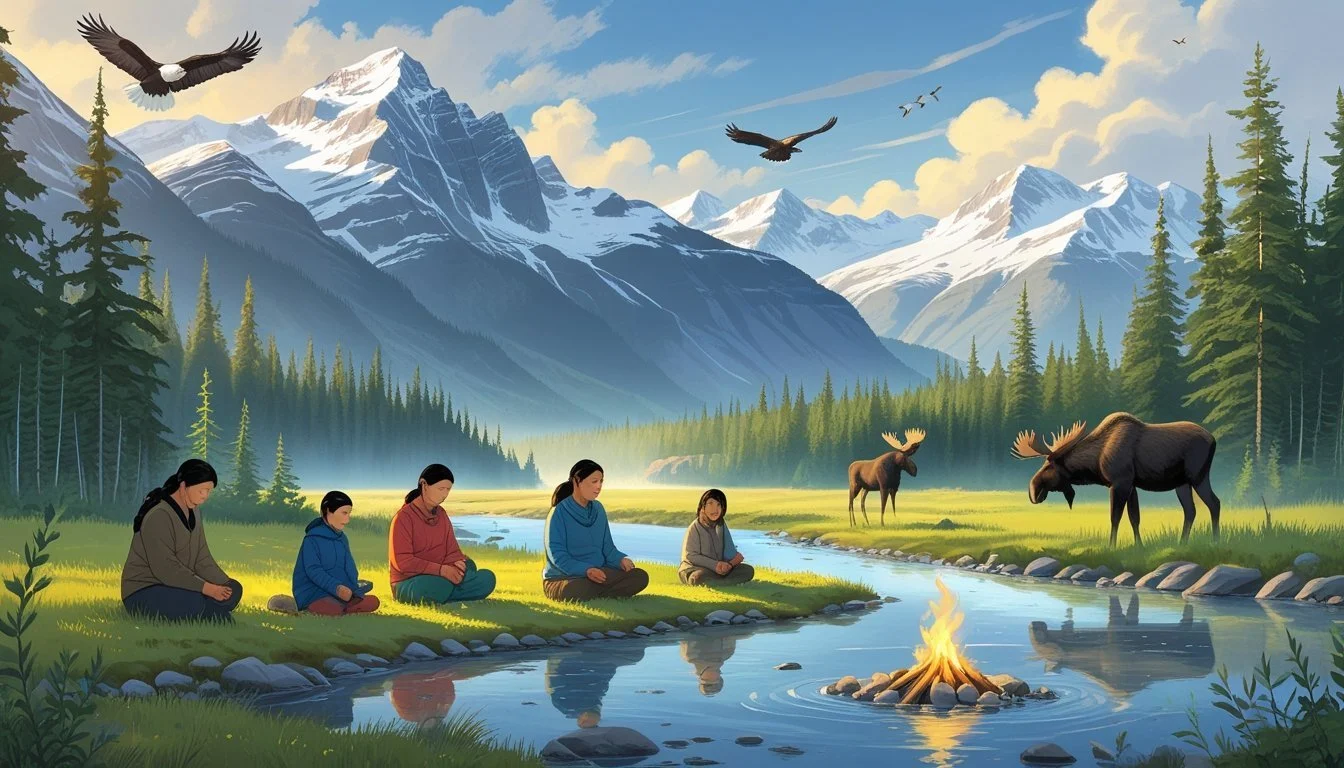
Contact with Alaska’s wilderness deeply impacts the family’s emotional regulation, resilience, and recovery. Natural settings support their mental health, help manage adversity, and shape both their creative and practical responses to life’s challenges.
Resilience Through Adversity
Alaskan Bush People frequently face harsh weather, isolation, and unpredictable events. These elements test emotional strength and adaptability almost daily. Nature’s unpredictability forces the family to respond, adapt, and recover after setbacks, rather than avoid or suppress affect.
Resilience develops through repeated encounters with hardship. Each member must rely on learned skills and group support to survive natural challenges. Resilience often manifests as perseverance in the face of failed hunts, home-building setbacks, or resource shortages.
Tools like collaborative problem-solving and emotional processing in nature reinforce these adaptive responses. Over time, repeated exposure to unpredictable conditions teaches effective emotional regulation.
Health Challenges and Nature’s Role
Members of the Brown family have faced significant health challenges, including cancer, injuries, and mental health strains. Remote living restricts easy access to traditional medical care. In response, the wilderness environment provides both practical healing opportunities and emotional support.
Natural settings have been associated with reduced stress, lower anxiety, and improved mood. Fresh air, physical labor, and a slower pace offer an environment conducive to emotional recovery. Scientific literature suggests that natural surroundings can facilitate the regulation of negative emotions.
For the Browns, facing illness or injury in a secluded environment means relying more on their emotional connection to nature and each other. The mental challenges of isolation and uncertainty are partly offset by the landscape’s calming influence.
Recovery and Rehabilitation
Periods of recovery or rehabilitation, whether from physical injuries or episodes of addiction, are a recurring theme in the family's story. In these moments, the wilderness is more than background scenery—it becomes an active participant in the healing process.
Physical rehabilitation tasks—such as chopping wood or building—double as both exercise and emotion regulation tools. The demands of subsistence living require gradual reintegration into daily routines, which aids both body and mind.
A simple routine, lack of external distractions, and immediate feedback from nature support recovery. Progress is measured against tangible milestones, like returning to group activities or completing a new homestead structure.
Creativity and Artistic Expression
Living deeply connected to Alaska’s landscape inspires creativity and artistic expression among the Browns. Music, storytelling, and handcrafted art emerge directly from their close contact with nature.
Articulating experiences with the land helps members process emotional highs and lows. Some create music to express struggle or celebration, while others use carving, painting, or other crafts as outlets for affect.
Nature provides both subject matter and materials, grounding their creativity in immediate surroundings. The family’s artistic endeavors strengthen emotional bonds, offer healthy outlets for stress, and commemorate personal and collective achievements.
Family Dynamics in a Rugged Environment
The Alaskan Bush People, known as the Brown family or the "Wolfpack," face unique challenges shaped by both their surroundings and their relationships. Their approach to survival, leadership, and personal growth is deeply influenced by the demands of remote wilderness life.
Strengthening the Wolfpack
Surviving in the Alaskan bush requires constant teamwork. The Brown family's close-knit dynamic, often referred to as the "Wolfpack," is tested each day by severe weather, isolation, and limited resources.
Joint responsibilities such as building shelters, gathering food, and maintaining equipment strengthen their trust and communication. Shared struggles—like enduring harsh winters or dealing with unexpected setbacks—often foster a sense of solidarity.
Each member, from Billy and Ami Brown to their children, is expected to contribute. Family traditions, including communal meals and storytelling by the fire, help maintain emotional bonds. In this harsh environment, unity is a key factor in the Wolfpack's resilience.
Individual Journeys
While the Brown family operates as a unit, each member experiences personal growth through individual challenges. Matt, Noah, Gabe, and Rain Brown have all taken on unique roles that highlight their strengths and personal aspirations.
Matt has generally shown an affinity for adventure and solitude. Noah is known for his inventive approach to problems, often building tools to make daily life more manageable. Gabe embraces physical labor, contributing with strength and determination. Rain represents youthful curiosity and adaptability as she matures in the wilderness.
These journeys often involve navigating family expectations while finding personal fulfillment. This balance between group loyalty and self-discovery is a recurring theme throughout their time in the bush.
Family Legacy in the Bush
Billy Brown and Ami Brown established their family's legacy by choosing a life away from modern conveniences. Their children have inherited not just a way of life, but a commitment to the values that define the Wolfpack.
Key aspects of the legacy include self-reliance, adaptability, and a deep respect for nature. The lifestyle is maintained through traditions and lessons passed from parents to children, such as hunting techniques or managing bush cabins.
The sense of continuity is evident as the younger generation takes on more responsibility. As they adapt, the family faces the challenge of preserving their legacy amid changing circumstances in both the environment and their personal lives.
Leadership and Decision-Making
Leadership within the Brown family often centers on Billy Brown, who acted as the primary decision-maker for many years. His guidance, rooted in experience and decisiveness, shaped the family’s routines and priorities.
Major decisions—such as where to settle or how to respond to threats like wildlife or severe weather—require collaboration. As the family has grown older, leadership roles have become more distributed, with older siblings taking on increased responsibility.
Decision-making is a mix of consensus and hierarchy. While Billy's voice has carried authority, input from Ami and their children is crucial for daily survival and long-term planning. This balance allows the Wolfpack to navigate the unpredictable challenges of the Alaskan wilderness.
Traditional Ecological Knowledge and Cultural Heritage
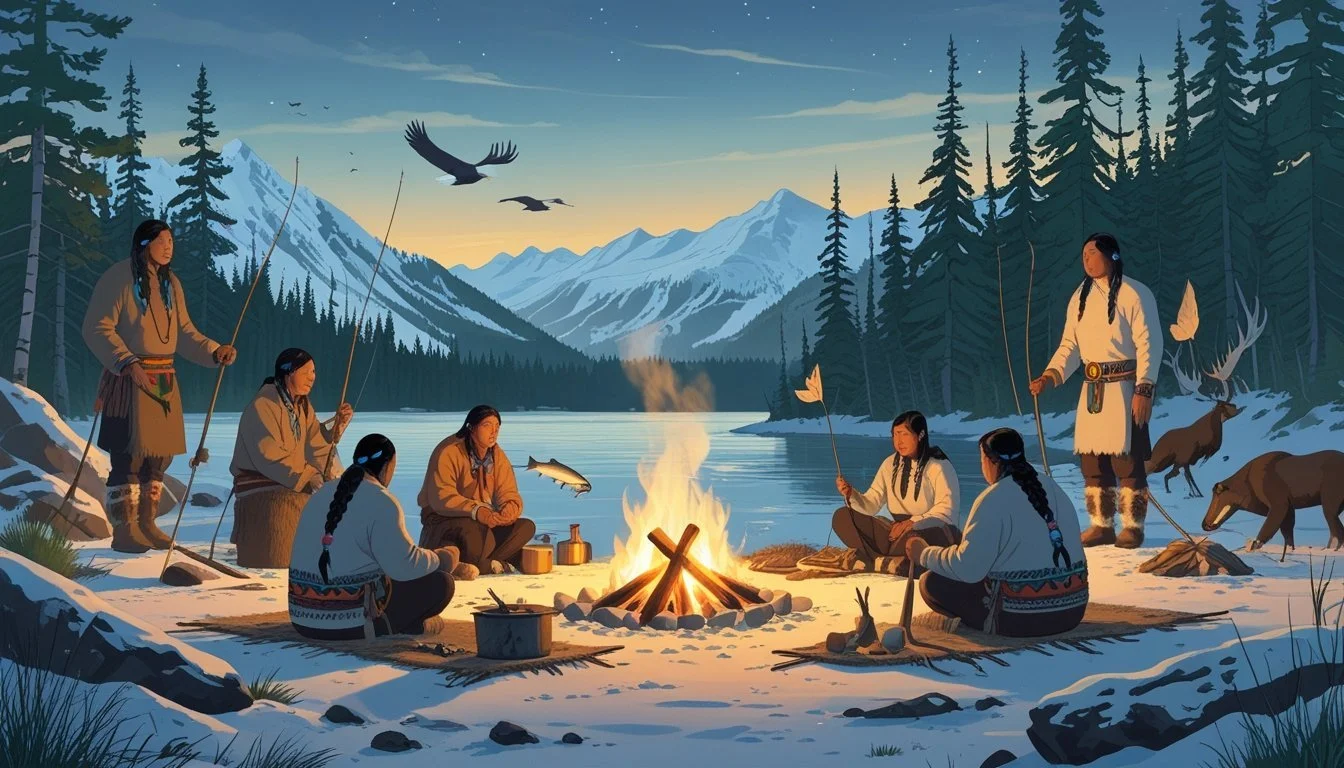
Traditional ecological knowledge shapes daily life and values among Alaska Native peoples. This body of wisdom links cultural heritage with practical survival, blending environmental observation, ancestral experience, and memory.
Alaska Native Practices
Alaska Native groups—including the Inuit and Aleut—rely on a long history of knowledge about their environment. Traditional ecological knowledge (TEK) is observed in methods of housing construction, transport, and food storage adapted to arctic and subarctic conditions.
Key Cultural Elements:
Potlatches, which are ceremonial gatherings that reinforce social bonds and share resources.
Seasonal migration patterns determined by animal movements and weather changes.
Use of materials like bone, ivory, and driftwood for tools and art.
Knowledge is passed orally across generations, and it is grounded in respect for the land and its resources.
Seasonal Activities and Survival Skills
Life in Alaska’s bush requires anticipating and responding to seasonal change. Communities align their activities with natural cycles—spring brings fishing and trapping, summer allows for foraging and plant gathering, while fall and winter focus on hunting and preservation.
Major Seasonal Tasks:
Constructing shelters to withstand extreme cold.
Preparing caches to store food safely from wildlife.
Changing travel routes as rivers freeze or thaw.
Survival skills emphasize attentiveness to changing landscapes, practical problem-solving, and cooperation among community members.
Foraging, Hunting, and Fishing
Subsistence is rooted in foraging, hunting, and fishing, crucial for survival and cultural identity. Elders teach plant identification for gathering berries and roots, and pass on knowledge about animal behaviors and traditional hunting grounds.
Examples include:
Ice-fishing for salmon and whitefish in winter months.
Seal and whale hunting using methods adapted for regional sea ice.
Sustainable gathering practices that avoid overharvesting.
Traditional practices emphasize respecting natural limits, ensuring that resources endure for future generations.
Storytelling and Cultural Preservation
Storytelling is central to cultural preservation among Alaska Natives. Through oral traditions, communities share ecological knowledge, histories, and moral lessons.
Stories often include:
Accounts of past hunting expeditions or foraging successes and failures.
Lessons on survival, respect for animals, and proper conduct during potlatches.
Myths and legends that explain the environment or reinforce community values.
These narratives help maintain cultural continuity and support the sharing of traditional knowledge, even as outside influences and modern pressures grow.
Living Off the Grid: Survival and Self-Reliance
Living off the grid in Alaska requires constant adaptation and resourcefulness. Day-to-day survival depends on building reliable shelters, mastering navigation skills, and facing the direct impact of changing environmental conditions due to climate change.
Building Shelters and Homesteads
A strong homestead provides essential protection against harsh Alaskan weather. Families like the Browns use local resources to construct log cabins, outbuildings, and tool sheds. Their shelter-building process often involves felling trees for timber, insulating walls with moss, and sealing drafts to retain heat.
Heating is typically provided by wood-burning stoves or fireplaces, vital during the freezing winter months. Water collection systems and off-grid power—such as solar panels or generators—are integrated into the homestead. Ensuring a reliable structure supports both daily living and emotional security, fostering deeper ties to the land.
Typical Components of an Off-Grid Homestead:
Structure Purpose Main Cabin Shelter and gathering Smokehouse Food preservation Tool Shed Equipment storage Greenhouse Year-round food supply
Navigation and Outdoor Recreation
Daily life off-grid demands precise navigation through challenging terrain. Residents often rely on physical landmarks, traditional compass use, and sometimes GPS devices when available. They learn to interpret weather signs and adapt routes accordingly.
Recreation is also tied to survival. Hunting, fishing, and foraging require intimate knowledge of the local environment. These activities provide a practical connection to nature and influence emotional well-being by offering a sense of achievement and purpose.
Key navigation skills include:
Map and compass reading
Identifying edible plants and safe trails
Tracking animal movements
Outdoor recreation fosters resilience and adaptability, vital for self-reliance in remote settings.
Climate Change Challenges
Climate change directly affects those living off the grid in Alaska. Warming temperatures can cause unpredictable weather, changes in wildlife patterns, and shifting plant growth cycles. These changes disrupt established survival techniques and require continuous adjustment.
Melting permafrost and reduced snowfall alter water sources and can destabilize homesteads. Residents must monitor environmental changes and develop new strategies to secure food and resources. Emotional resilience is tested when familiar landscapes transform, highlighting the importance of adaptability in both practical and emotional terms.
Adapting to climate change becomes an ongoing part of daily life, influencing everything from construction methods to seasonal routines.
Community, Social Norms, and Environmental Stewardship
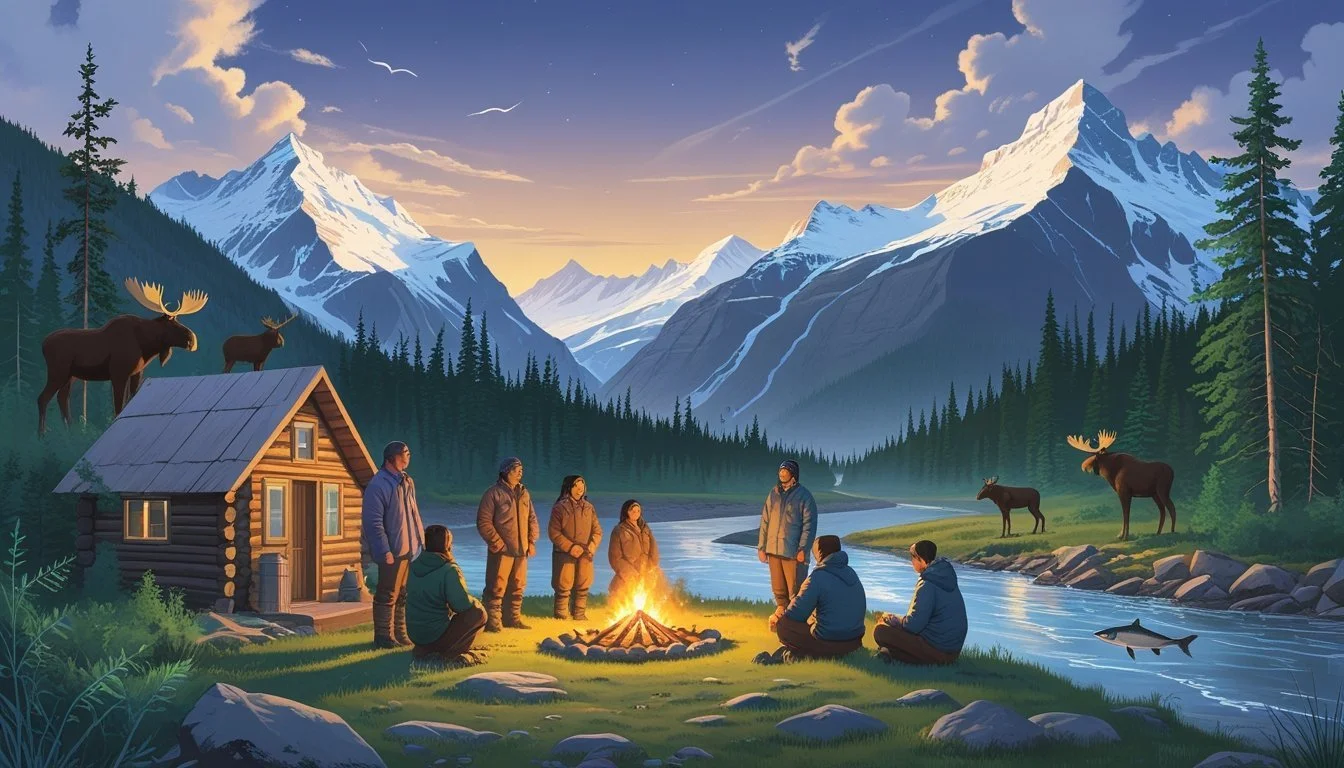
Life at North Star Ranch relies on strong interpersonal ties, shared traditions, and close connections to the natural world. The interplay between daily routines, social customs, and stewardship practices shapes not only the emotional well-being of the Brown family, but also supports community resilience in this remote environment.
Building Community Bonds
Building reliable community bonds is a necessity in rural Alaska, where external resources are limited and self-sufficiency is crucial. The Brown family often collaborates on tasks such as shelter construction, firewood gathering, and food harvesting. Regular cooperation strengthens mutual trust and ensures survival.
Shared challenges, including unpredictable weather and wildlife encounters, reinforce a sense of unity. These experiences often lead to a division of roles based on skills, with older family members teaching younger ones critical bushcraft. Emotional support emerges through daily teamwork, storytelling, and group problem-solving.
Active communication is maintained through structured family meetings. Respect for each individual's strengths and needs builds a supportive atmosphere, emphasizing that success and well-being are tied to the collective rather than the individual.
Social Norms and Responsibility
Distinct social norms define interactions at North Star Ranch. Practical etiquette—such as prioritizing group needs and distributing tasks fairly—guides behavior. Everyone has clear responsibilities, whether managing tools, preparing meals, or tending livestock.
Failing to fulfill one’s duties is addressed through direct, honest feedback. Habitual openness about expectations reduces misunderstandings. The family values accountability, with each member expected to contribute to the group’s daily life.
Respect for elders and traditions further shapes conduct. Celebratory rituals and mealtime gatherings foster mutual appreciation, reinforcing the importance of working together. These shared customs help younger generations internalize norms of responsibility and cooperation.
Recreational and Group Activities
Recreational activities within the group often serve multiple purposes: they foster well-being, teach new skills, and maintain social bonds. Fishing excursions, hunting trips, and camping serve as both leisure and learning experiences, where individuals develop self-reliance while supporting each other.
Board games, music, and storytelling provide entertainment during long winter nights. These group pastimes build morale and break up the monotony of daily chores. Participation is encouraged for all ages, supporting cross-generational learning.
Typical recreational activities:
Fishing and ice fishing
Hunting expeditions
Hikes and nature exploration
Bonfires and shared meals
Board games and crafts indoors
Incorporating recreation into daily life helps reduce stress and improve relationships among family members.
Preserving Nature for Future Generations
Environmental stewardship is a cornerstone of life at North Star Ranch. The family follows practices designed to protect the land and its resources, including sustainable hunting, controlled fishing, and foraging with care. Renewable energy sources, such as solar panels, supplement traditional methods.
Waste minimization is prioritized—materials are repurposed, and leftovers are composted or used as animal feed. These habits ensure minimal ecological impact while supporting the family’s needs.
The Browns also teach children the value of conserving local ecosystems. Lessons often involve hands-on experiences, such as planting new saplings or cleaning up natural debris. This active involvement instills a long-term ethic of stewardship, ensuring the land remains healthy and productive for those who follow.
Behind-the-Scenes Influences and Reality Television Impact
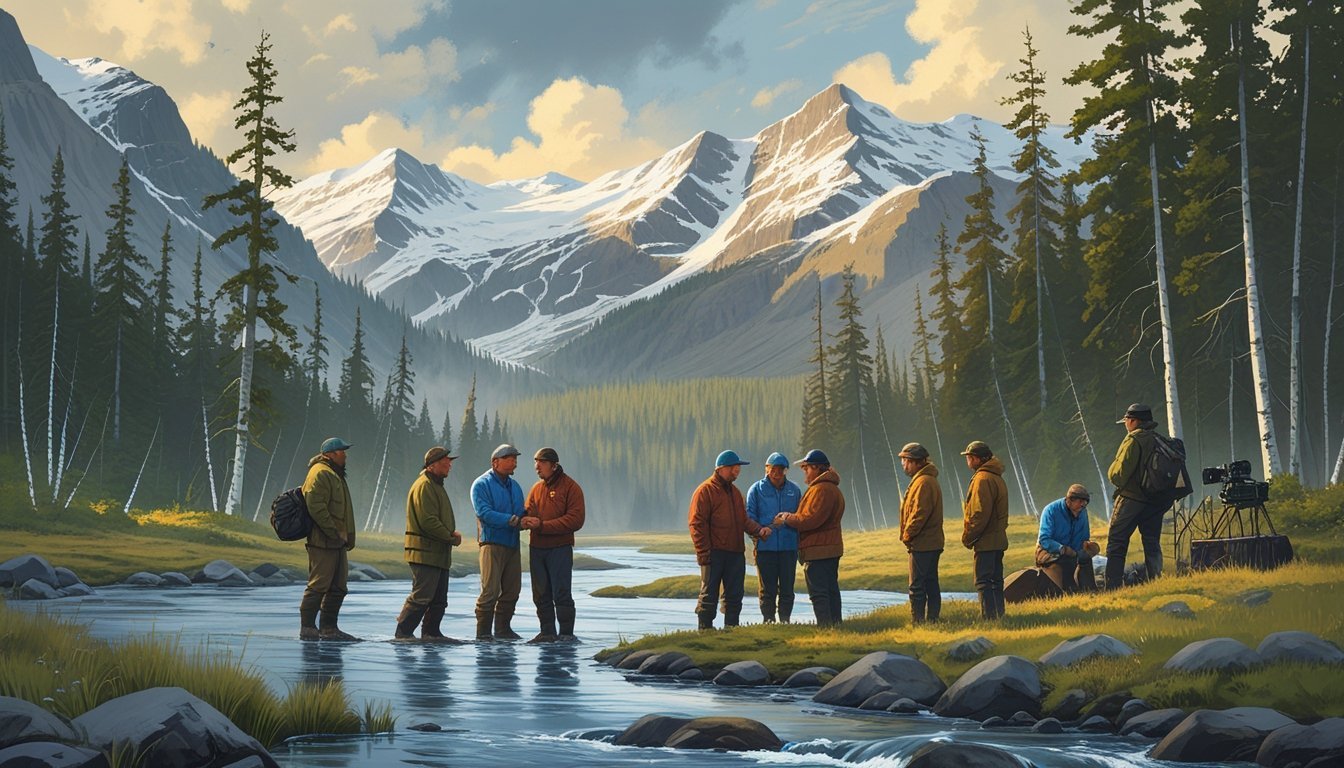
Much of what viewers experience on Alaskan Bush People is shaped by decisions made in production and the unique conventions of reality television. The presentation often blends real emotion with structured storytelling, shaping public conversations and reviews.
Production Choices
In reality television, production teams routinely make choices that influence how events unfold on screen. On Alaskan Bush People, crew members like Joshua "Bam Bam" Brown sometimes take on production roles, such as directing specific scenes, to shape the narrative's flow and authenticity.
Some scenes are reshot or partially scripted to ensure emotional clarity and a consistent storyline. This affects the timing and mood of key emotional arcs, even while maintaining a focus on the family's interactions with the Alaskan wilderness.
Lists of production techniques used include:
Scene reshoots for emotional emphasis
Editing to heighten drama or tension
Direction by cast members for specific moments
Representation and Storytelling
The show's portrayal of nature is central to its emotional storytelling, but representation is carefully crafted. The family's connection to the environment is portrayed to reinforce personal growth, challenges, and triumphs. However, producers sometimes highlight or downplay real-life events to support an overarching theme or narrative.
Alaskan Bush People often employs narrative arcs that create emotional peaks and valleys. These storytelling choices sometimes involve emphasizing dramatic encounters with wilderness or hardship, regardless of their regularity. This narrative structure makes the emotional journey accessible to viewers but can sometimes blur the line between authenticity and entertainment.
Public Perception and Reviews
Public perception of reality television such as Alaskan Bush People is influenced by both the show's content and knowledge of its production processes. Critics and fans often debate how much of the show's drama is authentic versus constructed for entertainment, particularly when behind-the-scenes roles are publicized.
Reviews frequently mention viewer awareness of reshoots, scripting, or staged scenes, which can lead to skepticism about the show's genuineness. However, many appreciate the series for highlighting family dynamics and the emotional impact of nature, even if some moments are shaped by reality TV conventions.
Key review perspectives:
Skepticism about authenticity
Appreciation for nature as a character
Interest in production transparency
