
The Unseen Labor Behind the Brown Family’s Success in Alaskan Bush People
Exploring Daily Challenges and Dedication

Much of the Brown family's success in Alaskan Bush People comes not just from their survival skills, but from the unseen work that exists behind the cameras and beyond the show's dramatic moments. While viewers see a family tackling harsh conditions and remote living, many aspects of their daily labor and the demands of reality television remain hidden from public view.
The Browns have managed to build and sustain an off-grid lifestyle that appears both isolating and demanding, but this image only hints at the real effort required to keep their lives and the show moving. Preparing for episodes, handling logistics, maintaining equipment, and adapting to new environments are just a few parts of their workload that are rarely shown on television.
Understanding these behind-the-scenes challenges gives a fuller picture of what it takes for the Brown family to balance survival in the wilderness with the expectations of a reality TV production. For anyone interested in what truly supports their off-grid success, the realities off-camera are just as compelling as what makes it to the screen.
The Brown Family’s Journey to Fame
The Brown family's unconventional lifestyle started in remote Alaska, eventually capturing the interest of television producers. Their move through fame, network opportunities, and relocation shaped the show and their public image.
Origins in Alaska
The Brown family originally made their home in the rugged wilderness of Alaska. They lived off the land, relying on hunting, fishing, and basic survival skills to meet their needs.
Daily life centered on securing food, maintaining shelter, and enduring harsh weather conditions. Isolation defined their early years, with little exposure to the outside world. Their ability to adapt to the Alaskan environment was central to their story.
Children were homeschooled and learned practical skills from an early age. The family's lifestyle was motivated by a desire for independence and self-reliance. These roots became the foundation of their later television presence.
Discovery Channel Breakthrough
Interest in the Brown family's lifestyle led to the creation of Alaskan Bush People by Discovery Channel. Producers saw potential in showcasing the challenges of living in remote Alaska.
The show debuted in 2014, quickly gaining attention as a unique reality TV series. Its focus on survival, family dynamics, and wilderness ingenuity attracted viewers.
With each episode, audiences witnessed the daily trials faced by the Browns. The production team worked closely with the family to capture both authentic and dramatic moments. This partnership turned the Browns from unknown Alaskans into television personalities.
Evolution of the TV Show
Alaskan Bush People continued to evolve from its first season through to season 15. Storylines adapted as the family faced new obstacles and opportunities.
In later seasons, the Browns tackled larger projects and more complex survival strategies. The siblings took on greater roles in building infrastructure and supporting each other. Viewers watched the family grow, both in size and capability.
Production value increased as the show continued. External influences, such as fame and public scrutiny, became more significant over time. Despite changes, the central theme of survival persisted.
Relocation to Washington State
Due to health concerns and logistical challenges, the Brown family relocated from Alaska to Washington State in later seasons. This marked a significant shift in their environment and daily routines.
The move allowed the family to address Billy Brown's health needs more easily. It also provided greater access to resources and medical care. The show documented their adjustment to a new, forested homestead in Washington.
Although the climate was less extreme than Alaska, the Browns still emphasized self-sufficiency. They adapted their skills to new surroundings while maintaining key aspects of their lifestyle. The relocation also helped the show remain relevant as the family's needs changed.
Unseen Daily Labor and Self-Sufficiency
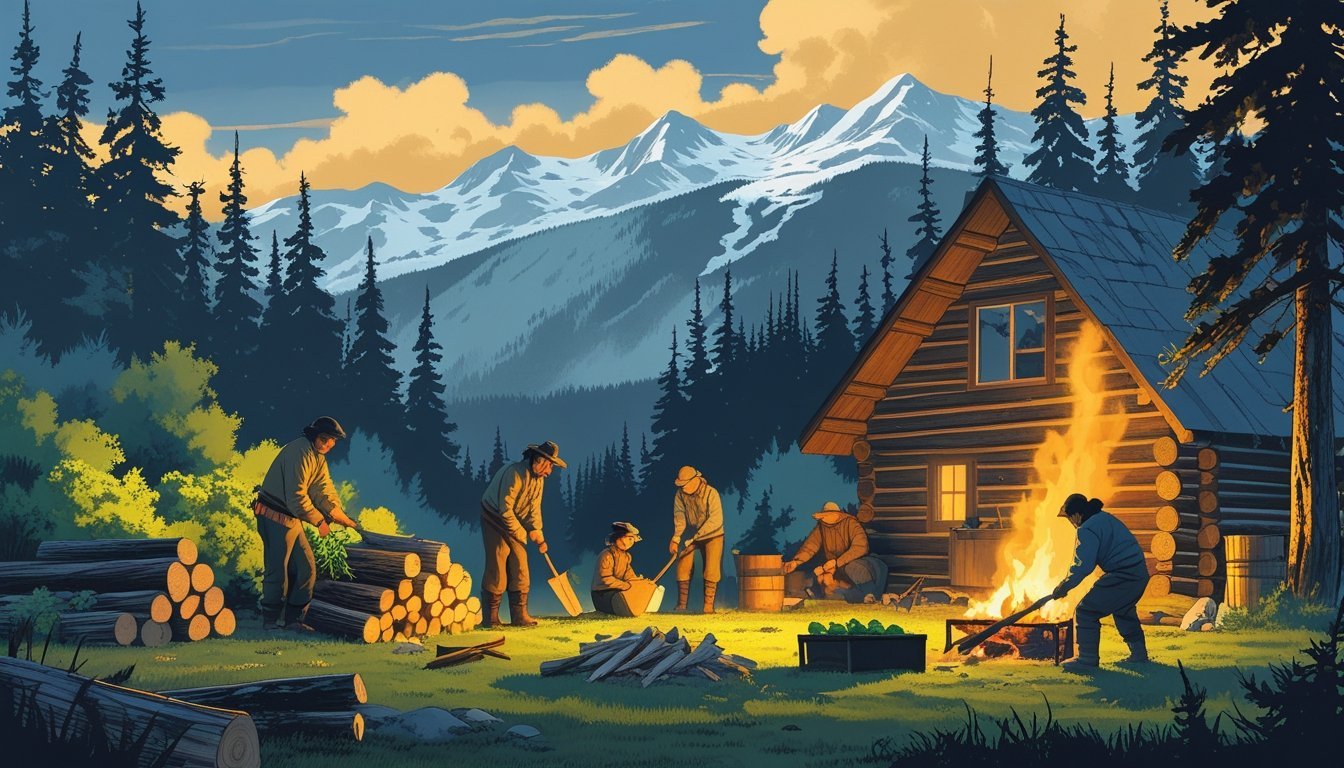
The Brown family’s daily life centers around self-sufficiency and constant work, rarely visible to viewers. Managing the demands of an Alaskan homestead requires both group cooperation and individual effort.
Building and Maintaining Browntown
Constructing and maintaining Browntown, the family homestead, demands year-round attention. Each family member contributes to building cabins, sheds, and other shelters using mostly hand tools and local materials.
Routine maintenance tasks include chopping wood for heating, repairing roofs, and ensuring water systems function during harsh winter months. These duties often go unnoticed but are essential for off-grid living.
Key tasks include:
Collecting and stacking firewood
Repairing fences and structures damaged by weather
Hauling supplies without vehicle access
Staying prepared for Alaska’s unpredictable weather shapes every construction and maintenance decision the Browns make.
Foraging and Sustainable Living
Foraging is vital for supplementing the family’s diet, especially given the remote location and limited grocery access. The Browns routinely gather wild berries, edible plants, and herbs, relying on generations-old knowledge of the land.
They prioritize sustainable living by only harvesting what the environment can replenish. Items foraged include:
Salmonberries, blueberries, and cranberries
Wild greens and mushrooms
Medicinal plants for first aid
Respecting natural cycles allows the family to maintain a consistent food supply. Foraging not only provides nutrition but also minimizes dependency on outside resources.
Fishing and Wildlife Management
Fishing is a primary food source for the Browns, who often set nets or lines in nearby rivers and streams. Salmon and trout are staples, preserved by smoking, drying, or freezing for long-term use.
Wildlife management includes trapping small animals and hunting game, activities rooted in traditional homesteading. The family is careful to follow local regulations and ethical hunting practices to ensure the sustainability of animal populations.
Managing wildlife and fisheries requires constant vigilance and respect for legal limits. These tasks involve early mornings, cold weather, and a deep understanding of animal behavior, all contributing to the family’s self-sufficient lifestyle.
Survival Skills and Wilderness Living
The Brown family faces constant challenges in an isolated, off-the-grid setting. Their commitment to self-reliance is seen in the way they build, adapt, and thrive despite the barriers of wilderness living.
Shelters and Off-Grid Innovations
The Browns construct their own homes from materials found in the wild, often using felled trees and salvaged wood. These shelters are designed for insulation and stability to cope with Alaskan temperatures.
Wood stoves serve as the primary heating source, while improvised rainwater systems collect and store water for daily use. Lighting is typically provided by a mix of lanterns and small solar setups.
A central part of their innovation is the balance between traditional building techniques and creative problem-solving. For instance, they may repurpose abandoned metal scraps for tools or roofing. This resourcefulness allows them to remain independent and sustain a functioning homestead even in isolation.
Resilience in Harsh Conditions
Freezing winters, unpredictable weather, and limited supplies test the family’s resilience year-round. Each member has responsibilities: gathering firewood, repairing damage from storms, and tending to animals.
When faced with extended storms, they shift into a mode of rationing and communal action. Tasks are prioritized for survival: keeping shelters solid, food stores safe, and essential tools in working order.
Isolation from modern infrastructure means the family cannot depend on outside help. Their ability to problem-solve under pressure, such as improvising repairs with minimal gear, has helped them withstand heavy snow, subzero temperatures, and periods of food scarcity.
Survival Techniques Used by the Family
The Browns employ survival skills that include hunting, fishing, and foraging. Game like deer and fish from local waters provide crucial protein. Trapping techniques offer additional food sources during lean times.
They identify edible and medicinal plants native to Alaska, bolstering their diet. Food preservation is achieved through drying and smoking meat, allowing for longer-term storage.
Essential daily routines include tracking weather patterns, maintaining emergency supplies, and practicing safety protocols. Their adaptation to wilderness hazards—such as encounters with bears or equipment failure—reflects a blend of learned skills and ongoing trial and error.
Family Dynamics and Individual Roles
The Brown family's success in Alaskan Bush People is rooted in a clear division of responsibilities, mutual reliance, and adaptability in Alaska's tough environment. Each member holds a defined function, supporting survival and strengthening shared values.
Leadership and the Patriarch Role
Billy Brown, as the family's patriarch, shaped their survival philosophy and daily structure. He emphasized resilience and togetherness, steering the family to function much like a “wolf pack,” where every member supports the whole.
Billy managed long-term planning—including shelter, safety, and resource allocation—while modeling persistence during setbacks.
His decisions were central to major moves and lifestyle changes, including relocating from Alaska to Washington after health and legal challenges.
Legacy remained a priority; Billy instilled a sense of shared identity and responsibility, teaching his children the importance of self-sufficiency and close family bonds.
Ami Brown’s Contributions
Ami Brown’s role expanded beyond traditional domestic work. She provided emotional support and stability, especially when the family faced illness or hardship.
Ami managed the daily logistics of food preparation, homeschooling, and health, often improvising with limited resources.
She encouraged family values such as compassion and perseverance, keeping morale high during times of strain.
Her strength became especially apparent during her battle with cancer, when she continued to guide the family and foster unity despite personal health struggles.
Children’s Unique Strengths
Each Brown sibling brought distinct abilities to the group.
Matt Brown: Known for his creative problem-solving and construction skills.
Bam Bam (Joshua) Brown: Excelled in organization and project management, often taking charge during building projects.
Bear Brown: Specialized in outdoor tasks, hunting, and tracking.
Gabe Brown: Provided muscle and practical work, assisting in physical tasks from logging to animal care.
Noah Brown: Handled technical projects and inventions, increasing the family’s efficiency.
Snowbird and Rain Brown: Took on animal husbandry and gardening, supporting the family’s food needs.
Their individual roles were tailored to personal strengths, but each member adapted as survival demanded.
Family Unity and Bonds
The Browns maintained strong family unity, referring to themselves as a wolf pack for emphasis on cooperation and protection.
They relied heavily on communication to handle conflict and make decisions.
Household routines and shared rituals—like group meals, storytelling, and working together on big projects—reinforced solidarity.
Despite personal differences or external pressures, the family prioritized loyalty and interdependence, passing on these family bonds as their core legacy.
Health Challenges and Personal Struggles
The Brown family has faced persistent health problems, battles with cancer, substance abuse, and ongoing legal disputes. They have also had to confront issues of mental health and rehabilitation, which have both shaped their off-screen lives and affected the series.
Battling Cancer and Illnesses
Ami Brown’s fight with cancer has been one of the most significant challenges faced by the family. Diagnosed with late-stage lung cancer several years ago, she underwent intense chemotherapy and endured a long period of uncertainty. Her health has remained fragile since treatment, and she has dealt with hospitalizations and complications such as pneumonia and recurring illnesses.
In 2022, doctors discovered two large, non-cancerous tumors in Ami’s ovaries, adding to her ongoing health concerns. Monitoring these requires regular checkups and has added stress to family life. Other members of the family have also experienced health scares, but Ami’s struggles have been the most public. Their health battles are a reminder of the unpredictable reality the Browns live with daily.
Key health challenges reported:
Lung cancer diagnosis and recovery
Emergency hospitalizations
Tumor monitoring
Complications from pneumonia
Mental Health and Sobriety
Mental health has been a continual concern for several members of the Brown family, especially as they manage life in remote conditions and the pressures of public exposure. Stress, isolation, and family dynamics have led to reported struggles with anxiety and periods of depression.
Billy Brown’s passing intensified emotional difficulties for his children. Matt Brown, in particular, has discussed his experience with mental health concerns, citing these challenges as a factor in his decision to step away from the show. The family has emphasized the importance of seeking support and maintaining open conversations about mental wellbeing.
The difficulty of balancing fame with a private, turbulent family life has also contributed to their mental health struggles. Regular therapy, community support, and time spent outdoors are common coping strategies within the family.
Substance Abuse and Rehabilitation
Matt Brown’s struggles with substance abuse have been widely publicized. He entered rehabilitation several times to address his issues with alcohol and other substances. His substance use disorder led him to step away from "Alaskan Bush People" in 2018 to focus on recovery.
According to updates, Matt’s journey has included both relapse and periods of sobriety. The process of treatment and rehabilitation was supported by some family members, though it also resulted in strained relationships and time apart. This ongoing experience highlights the realities of addiction and the necessity of professional help.
Other family members have publicly shown their support for Matt’s efforts to maintain sobriety, reflecting a commitment to helping through difficult periods. The topic of substance abuse is addressed with honesty, focusing on the importance of ongoing treatment and healthy habits.
Overcoming Legal and Family Issues
Legal challenges have added further stress to the Browns’ lives. Some family members have faced arrests, restraining orders, and court appearances related to incidents such as domestic disputes and custody matters. For example, co-parenting arrangements have required legal intervention, and restraining orders have been filed during periods of family conflict.
Rain Brown and Bear Brown have both dealt with publicized legal troubles. These incidents have included short detentions and the involvement of law enforcement over personal disagreements. The Browns have sought to resolve these issues while maintaining their family bonds and responsibilities.
Legal battles can disrupt daily life and present obstacles beyond health. The family's ability to work through these public and private disputes is an ongoing aspect of their journey.
Table: Selected Legal and Family Issues
Family Member Issue Year Bear Brown Co-parenting dispute 2023 Rain Brown Reported arrest 2024 Multiple Restraining orders Ongoing
Behind-the-Scenes: Production and Privacy
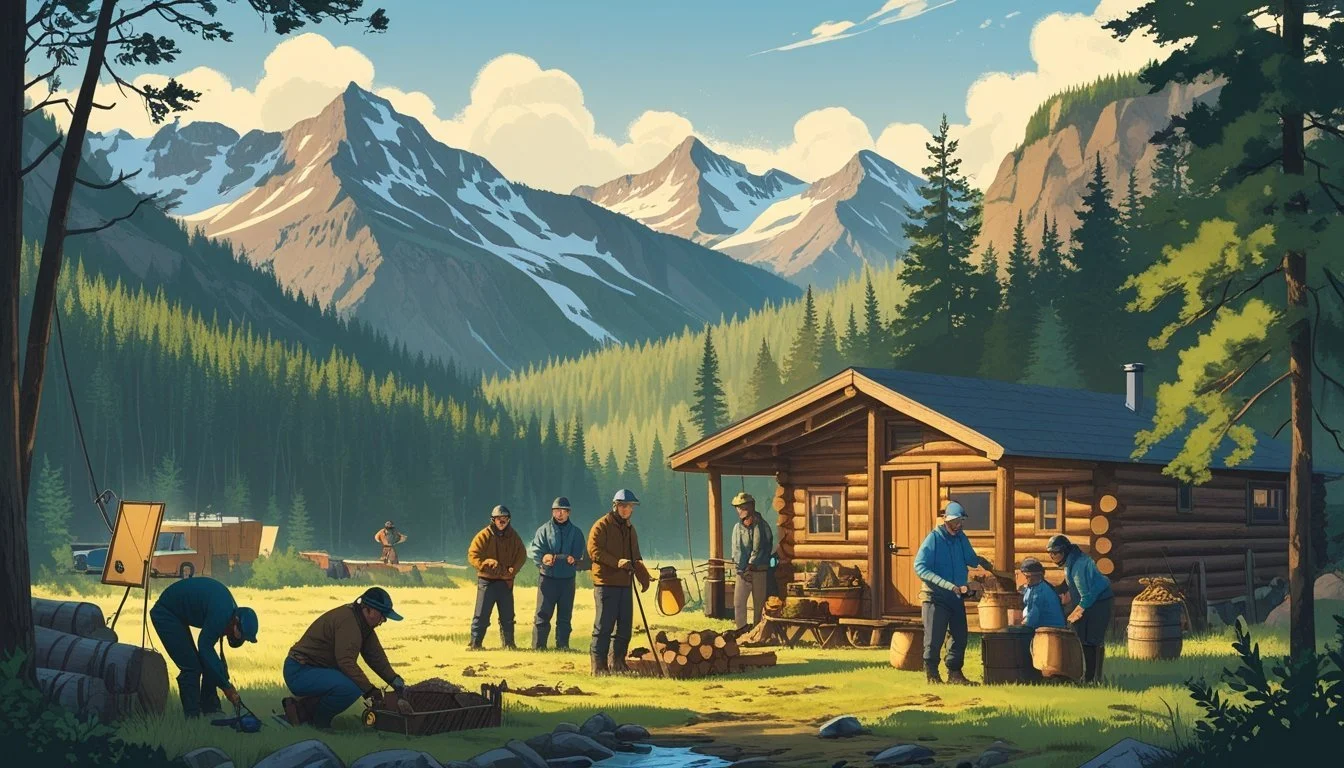
Filming Alaskan Bush People involves ongoing negotiation with issues of personal privacy, authenticity, and the daily realities of production. The cast and crew balance fame and exposure with the need for functional spaces and technology on set.
Dealing with Fame and Authenticity
The Brown family's experience with reality television has fundamentally changed their relationship with privacy. Once relatively unknown, they now face the constant presence of camera crews. Scenes are heavily documented, but the show strives to present their lives as authentically as possible.
Production teams use several filming techniques to record daily routines without heavy interference. Multiple camera angles capture moments in real time, and microphones are placed discreetly to record candid conversations. The family sometimes repeats certain activities for better shots, yet they maintain that core events depicted are genuine.
Many fans question how real the scenarios are, since being on a reality series naturally introduces outside influences. However, producers aim to minimize staging and let real-life challenges unfold onscreen. Authenticity remains a priority, even as fame challenges the boundaries between performance and reality.
Privacy Versus Public Life
Constant filming brings unavoidable tradeoffs between privacy and exposure. Each member of the Brown family manages public attention in their own way. Some, like Rain and Bam, are more open with fans, while others express discomfort with the scrutiny that camera crews bring.
Behind the scenes, the production team sets clear boundaries for filming. Certain family moments, such as personal discussions or times of grief, may be declared off-limits. These agreements allow the Browns to retain some control over what is shared while still delivering compelling content.
Occasionally, media attention and social media make privacy harder to maintain, especially when rumors or controversies arise. The show’s editing team carefully selects what footage airs in order to respect the family's private life, as well as network guidelines.
Modern Conveniences on Set
While the show portrays off-grid living, the reality of television production requires some modern conveniences. Camera crews use battery packs, generators, and portable lighting to record in remote locations. Satellite phones and radio communication ensure safety and continuity of filming, especially in tough weather.
Table: Typical Modern Conveniences Utilized on Set
Equipment Purpose Generators Power for cameras/lights Satellite Phones Communication Portable Wi-Fi File transfers Drones Aerial shots
The Browns themselves may access some of these resources when necessary, but care is taken to limit their presence on camera. Set-up and break-down are coordinated so as not to interrupt the family’s daily activities, preserving the appearance of isolation and self-reliance that defines the series.
Adapting to Change and Relocation
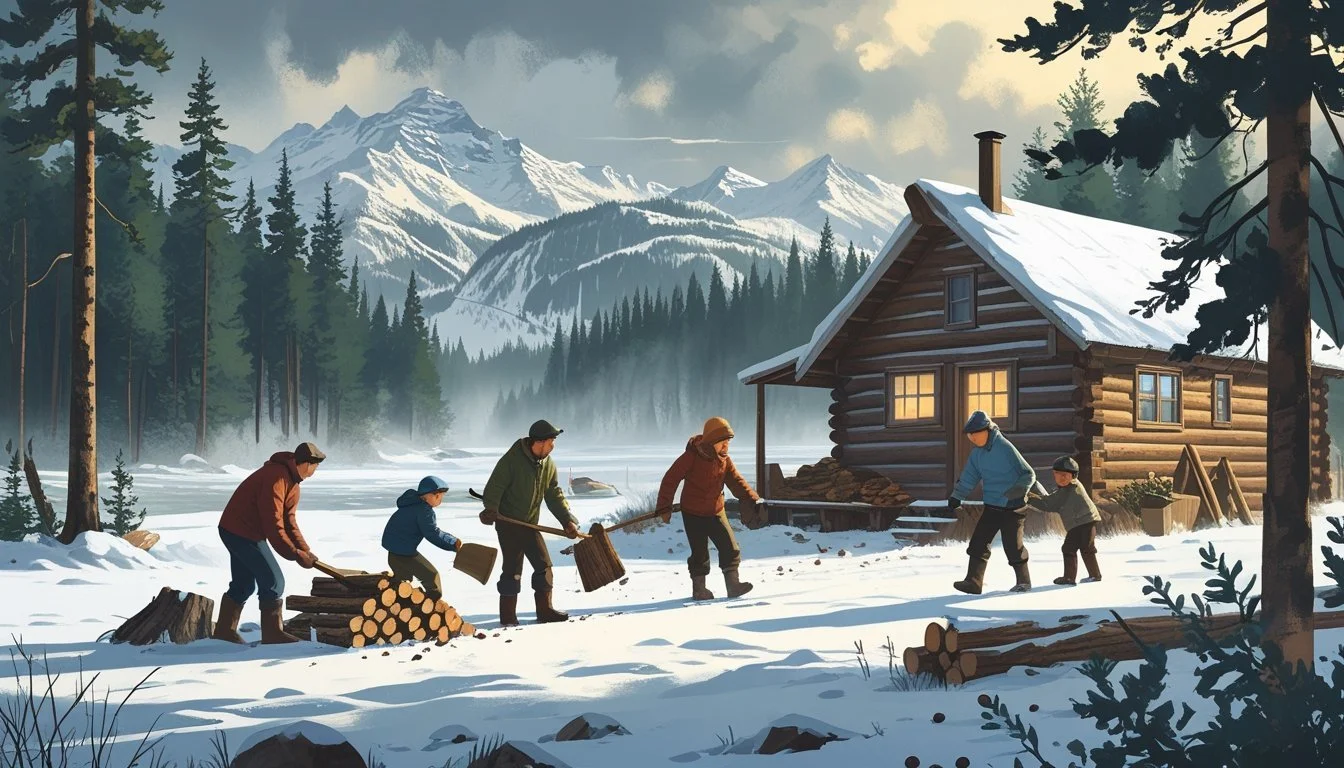
The Brown family's journey demanded frequent adaptation, from leaving remote Alaska for Washington to facing wildfire threats and rebuilding their homestead. Their efforts highlight the complexity of survival and self-sufficiency outside the traditional framework.
Relocating from Alaska to Washington
Relocation was not a choice but a necessity for the Brown family. Matriarch Ami Brown's health issues made access to advanced medical care essential, forcing the move from the harsh Alaskan wilderness to rural Washington state.
Adjusting to Washington brought new conditions. The milder climate required changes in their routines and self-sufficiency strategies. For instance, the family had to source water differently and modify shelter designs for wetter weather.
Day-to-day life changed as well. The proximity to towns added convenience but diminished the isolation that once defined their lifestyle. Despite these changes, the Browns continued to prioritize aspects of their off-grid practices whenever possible.
Wildfire Challenges
After their move to Washington, wildfires posed ongoing threats. The region’s dry seasons led to repeated evacuation warnings, disrupting daily routines and creating stress for the family.
Wildfires not only threatened their physical safety but also endangered their property and livestock. The Browns reinforced firebreaks and cleared underbrush to reduce risk, which required hours of manual labor.
They also developed emergency plans and relocated animals quickly when needed. These preparations were a shift from their Alaska experience, highlighting the added unpredictability of their new environment.
New Homesteading Efforts
With the move, the Browns started new homesteading projects tailored to the land in Washington. They constructed garden plots and attempted raising livestock suited to a less extreme climate.
Choosing crops and animals that could withstand regional conditions took research and experimentation. For example, they grew more vegetables and focused on breeds resilient to western Washington weather.
The family also repaired old outbuildings or built new shelters as needed. Essential homesteading activities—such as food preservation, tool maintenance, and seasonal farming—remained central, but methods evolved as they adapted to their surroundings.
Media Presence and Fan Engagement
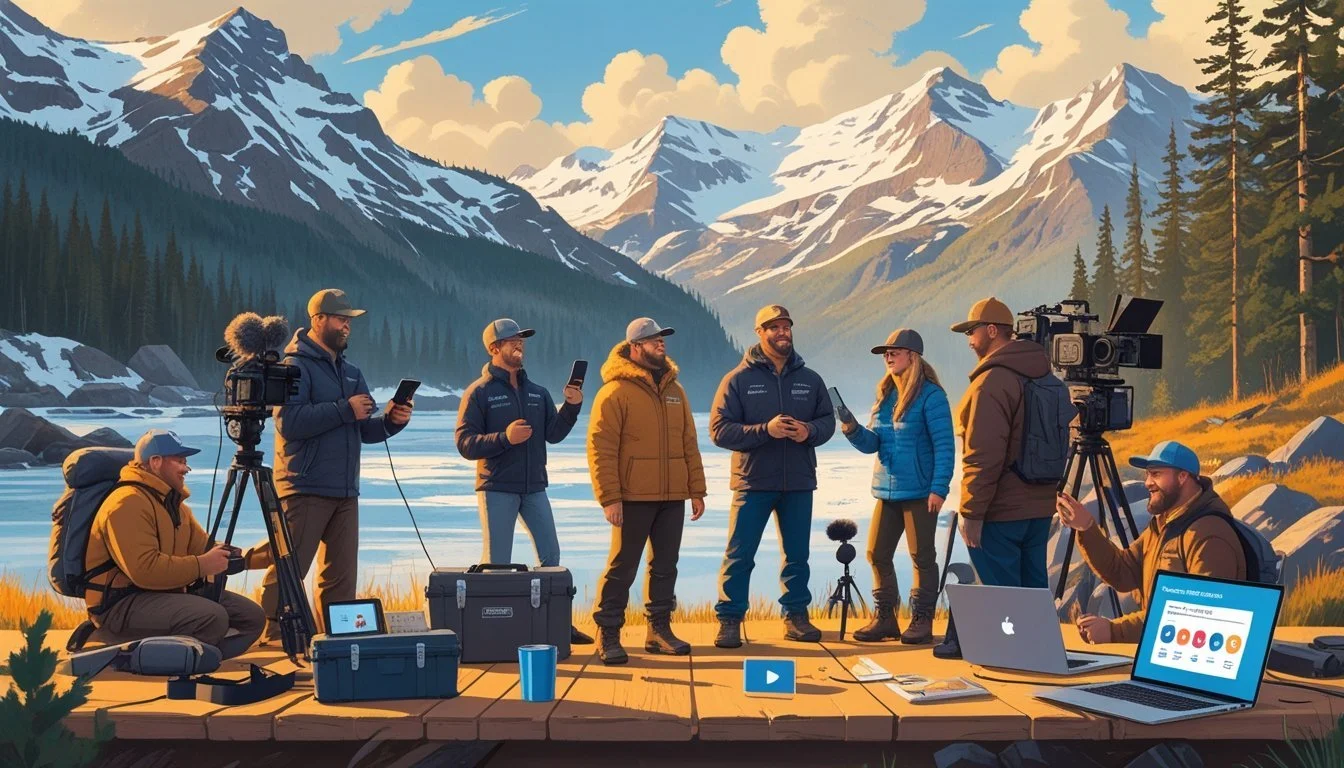
The Brown family extends their influence far beyond television through consistent online activity and multimedia sharing. Their digital platforms capture fans interested in wilderness living, behind-the-scenes moments, and real-time updates on family news.
YouTube and Other Social Media
The Browns maintain an active presence on YouTube, posting content that supplements their television appearances. These videos often showcase day-to-day activities not seen on the show, such as bushcraft demonstrations, Q&A sessions, and updates on family projects.
They have also used other platforms—including Facebook and Twitter—to connect with viewers. Bear Brown and other siblings frequently interact directly with fans, answer questions, and respond to comments. This direct approach keeps the family's popularity high and supports merchandise sales.
The consistency and variety of their videos contribute to a loyal digital following, giving fans broader access to the Browns’ offscreen lives.
Photography and Sharing Wilderness Adventures
Photography plays a prominent role in the Browns’ storytelling. Family members share photographs of their wilderness adventures, capturing the Alaskan landscape, homesteading projects, and local wildlife.
Photo posts give viewers a visual connection to daily life in remote locations. These curated images often document building work, close-up shots of animals, and scenic views. Some images are used in their branded books and marketing materials alongside stories penned by Billy Brown.
This regular sharing of visual content bridges the gap between staged TV moments and real-world bush life, granting fans a deeper appreciation for the effort involved in their lifestyle.
Instagram Influence
On Instagram, the Browns connect with fans using personal stories, milestone announcements, and family updates. Rain Brown, for instance, used her account to discuss personal matters and sign off as Rain K. B. Lorton when she chose to take a break from the platform.
Instagram is often where fans first hear news about significant life changes or upcoming activities. Posts may include partnerships, merchandise launches, or personal milestones like birthdays and anniversaries.
Most engagement on Instagram comes from photo comments and direct messaging, making it a critical part of their interactive media strategy. The Browns’ willingness to communicate directly increases their relatability and keeps the audience invested in their journey
