
What Alaskan Bush People Reveals About Life Off the Grid and Modern Self-Sufficiency
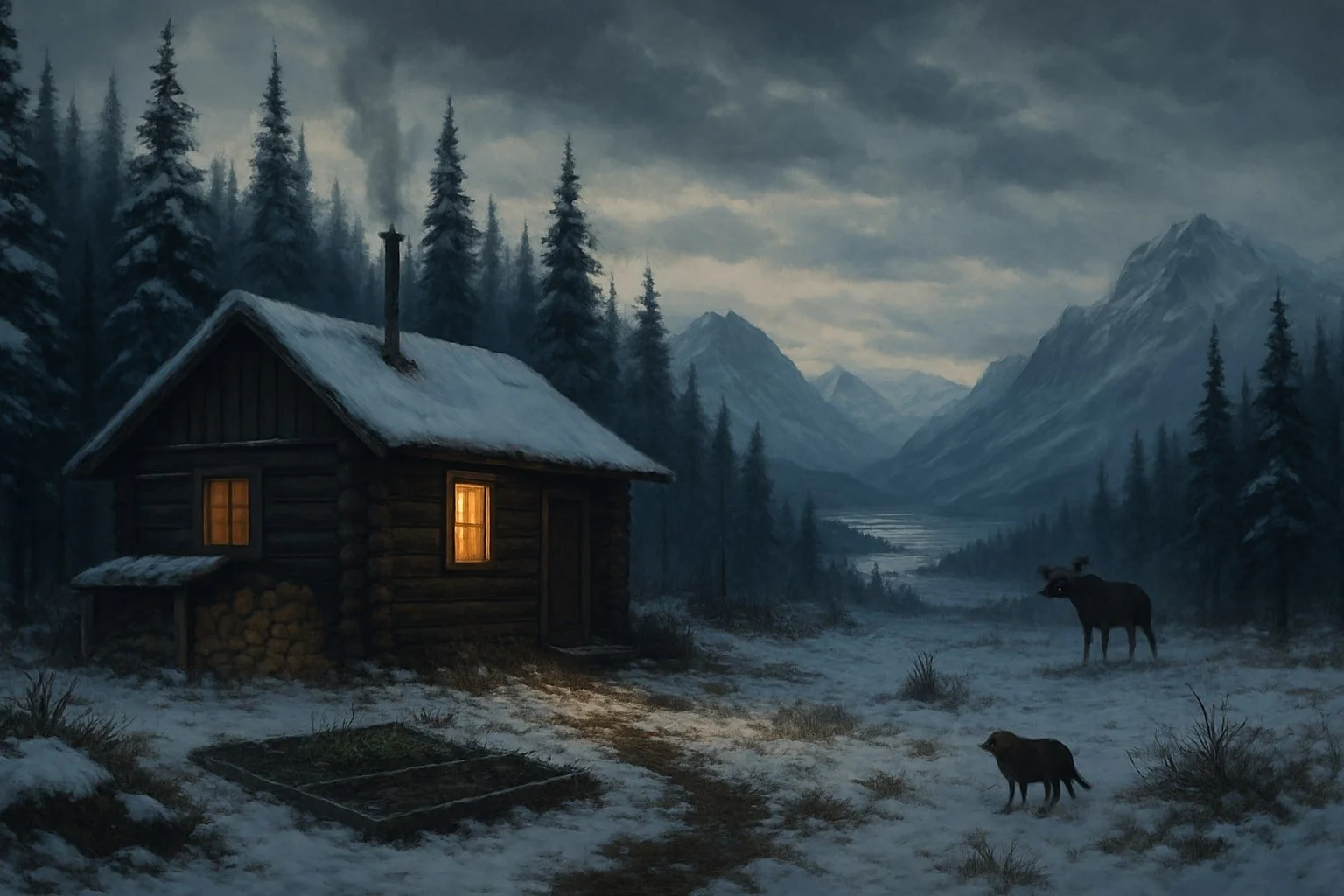
The long-running reality series "Alaskan Bush People" offers a close look at what it truly means to live off the grid in one of America's most remote regions. The show demonstrates that off-grid living in the Alaskan wilderness requires practical skills, adaptability, and a strong sense of community to handle daily challenges without modern conveniences. Viewers see the Brown family building shelters, sourcing food, and dealing with unpredictable weather—showing the realities behind the idea of a self-sustaining lifestyle.
For those curious about self-reliance, the series provides examples of both the hardships and rewards involved in disconnecting from modern society. With each episode, "Alaskan Bush People" strips away the romanticized image of wilderness living and presents the direct, often tough truths of surviving away from roads, electricity, and easy access to supplies.
Overview of Alaskan Bush People and Off-Grid Living
Alaskan Bush People documents the realities of building a self-sufficient life far from urban infrastructure in Alaska. The series provides a close look at the methods, daily routines, and challenges faced by families who choose an alternative path in remote regions.
What Alaskan Bush People Teaches About Life Off the Grid
The show explores the practical skills required for survival in the Alaskan bush, including hunting, fishing, and shelter construction. Each episode demonstrates how necessity shapes resourcefulness in the absence of modern amenities.
Food preservation, water collection, and alternative power sources—such as small-scale solar and generators—are detailed throughout the series. The cast frequently faces issues with unpredictable weather and isolation, highlighting the importance of adaptability.
Viewers see that off-grid living in Alaska means regular problem-solving due to limited access to supplies and medical care. The ability to work together and maintain basic equipment is emphasized as a key factor in thriving in such challenging conditions.
The Brown Family and Their Alternative Lifestyle
The Brown family chooses a lifestyle based on self-sufficiency, separation from mainstream society, and close family ties. Their home sites are typically built from natural materials, often by hand, using timber, salvaged items, and simple tools.
Daily routines involve chopping wood, maintaining shelters, repairing machinery, and processing food. Education for the Brown children is integrated into their daily lives, focusing on survival skills as much as traditional learning.
Key characteristics of their alternative lifestyle:
Reliance on hunting, fishing, and gathering
Minimal reliance on modern technology
Building and maintaining off-grid cabins
Developing skills in navigation, wilderness first aid, and basic craftsmanship
Their approach offers a practical example of adapting to the demands of the Alaskan wilderness instead of relying on established support systems.
Depicting Alaska's Wilderness and Remote Locations
The series is set in the Alaskan bush, a region known for its extreme weather, dense forests, and long distances from urban centers. Locations featured include undeveloped land where access is often limited to boats, small planes, or off-road vehicles.
Alaskan Bush People showcases the environmental hurdles of remote living: harsh winters, brief summers, and seasonal shortages. Challenges like transporting building materials and accessing fresh water are common themes.
Regulations unique to Alaska, such as land use restrictions and hunting permits, are also part of the family’s experience. Visuals in the show highlight both the isolation and the rugged beauty that come with living off the grid in Alaska.
Challenges of Living Off the Grid in Alaska
Life off the grid in Alaska comes with demanding weather, logistical hurdles, and psychological pressures. Individuals and families must regularly confront not only environmental extremes but also issues related to access, self-reliance, and social isolation.
Harsh Conditions and Terrain
Alaska’s weather can be punishing, with winter temperatures in some areas dropping to -40°F. Short daylight hours during winter and extended daylight in summer affect sleep, mood, and routines.
The terrain itself is rugged, with vast stretches of wilderness, mountains, and waterways that can make travel and daily chores exhausting. Persistent snow and ice complicate building projects and maintenance.
Severe storms, unpredictable thaws, and wildfires also pose risks. Successful off-grid living requires both careful planning and the ability to respond quickly to shifting environmental conditions. Residents must invest in quality insulation, protective gear, and sturdy structures tailored for harsh climates.
Access and Supplies
Reaching and staying supplied in remote parts of Alaska is a year-round challenge. Many areas are not connected by roads and may only be accessible by bush plane, boat, or snowmobile, especially during the winter.
Supplies like food, fuel, and building materials are often expensive and delivered infrequently. Budgeting must accommodate high setup costs for infrastructure, such as solar panels, batteries, and water systems. For example, setup costs can range from $80,000 to $200,000 depending on location and needs.
Residents often grow some food in greenhouses or rely on hunting and fishing permits. Running out of key supplies during harsh weather can endanger safety and survival.
Independence and Adaptability
Off-grid living in Alaska requires a high degree of self-sufficiency. Most residents must handle their own repairs, medical emergencies, and daily needs. Mechanical knowledge is valuable for maintaining equipment like generators, water systems, and stoves.
Adaptability is essential. Unpredictable conditions can quickly disrupt plans—the weather, supply chain issues, or equipment failures often mean improvising solutions. Many learn a wide range of practical skills, including carpentry, first aid, trapping, and mechanics.
Isolation may force individuals to take on tasks they’ve never done before. Resilience and a willingness to keep learning are critical traits for anyone seeking a long-term off-grid lifestyle in this environment.
Substance Abuse Issues in Remote Settings
Social isolation and mental health challenges can be amplified in Alaska’s remote settings. Limited access to healthcare, counseling, or community support increases the risk of substance abuse among some off-grid residents.
Alcohol misuse and opioid dependency have been documented in rural Alaska, sometimes triggered by loneliness, harsh living conditions, or lack of opportunities. Medical and addiction resources are usually hours or days away by plane or snowmobile, making intervention difficult.
Support networks may be lacking. The stigma around addiction in small communities can hinder people from seeking help. Addressing substance abuse requires outreach, accessible treatment options, and a strong sense of community vigilance.
Essential Survival Skills and Self-Sufficiency
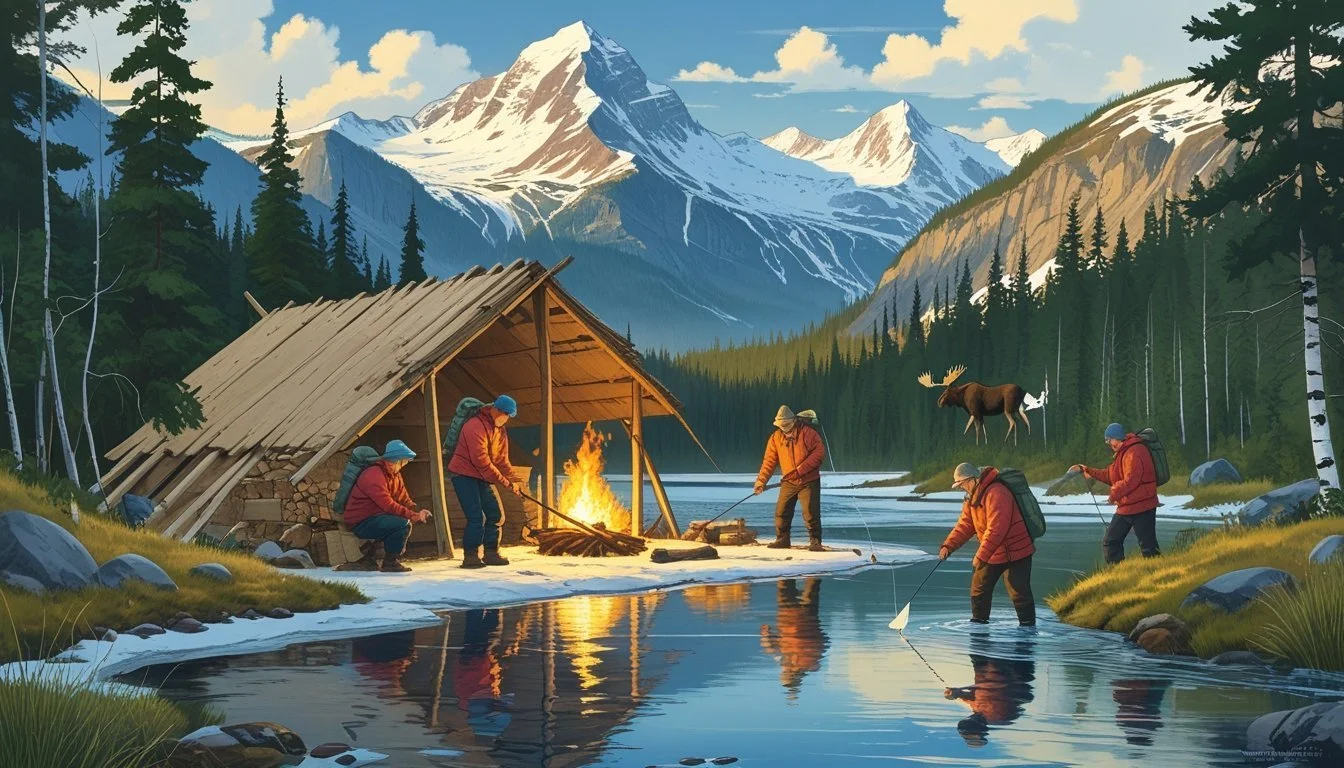
The lives of the Alaskan Bush People highlight how mastering practical survival skills and adaptability can determine success in a remote, off-grid environment. Key abilities include efficient resource use, creative problem-solving, and collaborative learning within the family.
Wilderness Survival Techniques
Surviving in Alaska's harsh wilderness requires proficiency in several key areas. Fire-making is vital for warmth and cooking, and the family routinely demonstrates different ways to build and maintain fires under challenging weather conditions. Shelter construction uses local materials, prioritizing wind resistance and insulation.
Water purification is a daily concern. Filtering and boiling water from rivers, lakes, or melting snow reduces the risk of illness. The family also relies on hunting, fishing, and foraging for food. Understanding animal behavior, local plant life, and seasonal cycles allows them to supplement their diet and avoid common hazards.
Basic first aid and navigation skills are always important. The family prepares for emergencies by keeping medical kits and teaching map-reading, compasses, and tracking in dense forests. Learning these techniques is essential for anyone living far from modern infrastructure.
Problem-Solving and Resilience
Life off the grid comes with frequent, unexpected challenges. The Browns regularly repair or adapt equipment using available materials, demonstrating strong improvisation skills. They solve problems such as power loss, extreme weather, and limited supplies by staying resourceful and calm.
Resilience is developed through repeated exposure to setbacks. The family often faces setbacks like failed hunts, damaged shelters, or sudden storms. They recover by analyzing what went wrong, adjusting their strategies, and maintaining a positive but realistic attitude.
They split work based on skills and experience, ensuring efficient use of time and resources. Open communication about risks and responsibilities allows them to avoid repeating mistakes and build confidence in their self-sufficiency.
Teamwork and Homeschooling
The Browns rely on teamwork, making collaboration essential for survival and daily routines. Tasks such as gathering firewood, hunting, and constructing shelters are planned and executed together. They use clear roles and responsibilities to reduce misunderstandings and improve safety.
Homeschooling is integrated into survival training. Parents pass down traditional skills alongside academic subjects, blending practical lessons with reading, math, and science. Children learn by doing, gaining both knowledge and real-world confidence.
This approach fosters mutual support and independence. Family members teach one another, reinforce shared values, and ensure everyone is prepared for emergencies. Regular involvement in every aspect of homestead life develops both character and competence.
Resource Management and Sustainable Living Practices
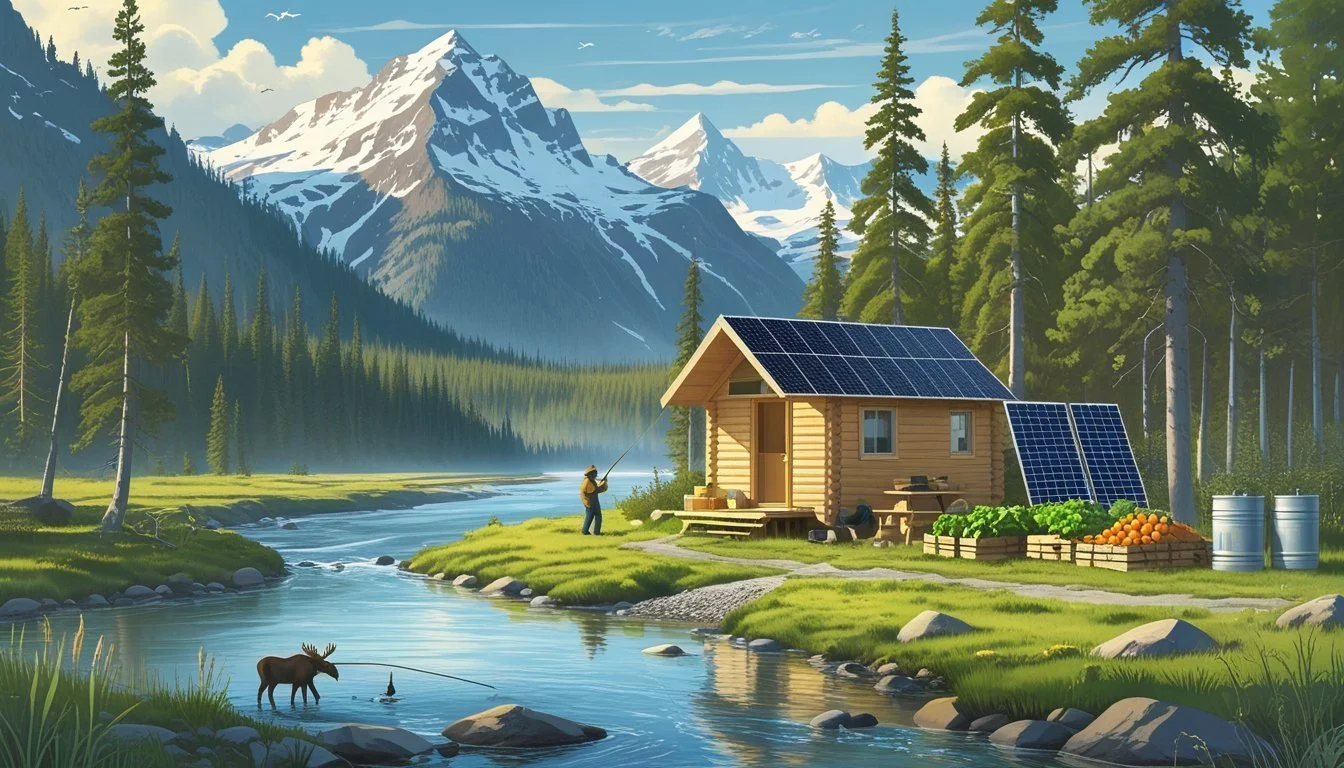
Living off the grid in remote Alaska requires careful resource management, creative problem-solving, and a strong focus on sustainability. The Brown family on Alaskan Bush People demonstrates how practical approaches can make off-grid living possible and efficient.
Water Collection and Waste Management
Accessing and conserving water is crucial in the Alaskan wilderness. The Browns often collect rainwater using improvised gutters and barrels. Melting snow and filtering stream water are regular practices, and they purify water through simple filtration devices or boiling.
Waste management in remote areas depends on separation and responsible disposal. Composting toilets replace standard plumbing, reducing environmental impact. Household waste is sorted for recycling or reuse, and non-compostable waste is minimized to reduce landfill dependence.
Key methods include:
Rainwater harvesting
Snow melting and stream water use
Composting toilets
Waste sorting and reuse
Food Storage and Preservation
Without easy access to stores, effective food storage and preservation are vital. The Browns construct root cellars for storing vegetables and canned goods, leveraging the natural coolness underground. They also smoke and salt fish or game to prevent spoilage for extended periods.
Canning is used for berries, vegetables, and meats. Properly sealed jars allow survival through long winters. Drying foods, such as herbs and wild mushrooms, extends shelf life, conserves resources, and supports self-sufficiency.
A typical preservation setup might include:
Method Used For Benefit Smoking/Salting Fish, Meat Long shelf life Canning Berries, Vegetables, Meats Season-to-season use Root Cellar Root vegetables, Canned goods Consistent cool temp Drying Herbs, Mushrooms Space saving
Gardening and Small-Scale Agriculture
Gardening and small-scale agriculture are at the heart of sustainable living in harsh climates. The family relies on compact garden beds and greenhouses to protect plants from frost and short growing seasons. They grow potatoes, carrots, cabbage, berries, and lettuce, using compost from kitchen scraps as fertilizer.
Seasonal rhythms dictate when planting and harvesting occur, often requiring cold-hardy and fast-growing crops. Manual tools replace powered equipment, saving fuel. The Browns rotate crops to maintain soil health, demonstrating traditional and practical approaches to growing food with limited resources. Their system decreases dependence on outside sources and fosters greater self-reliance.
Renewable Energy and Off-Grid Technology
Alaskan Bush People shows how families can use renewable energy and communication tools to maintain an off-grid lifestyle. Reliable electricity and connectivity make long-term living in remote Alaska possible.
Using Solar Panels and Wind Turbines
Solar panels and wind turbines are primary sources of electricity for many remote Alaskan homes. The Browns and other off-grid families depend on these technologies to power lights, refrigeration, and basic tools.
Solar panels can be mounted on south-facing roofs or open land, collecting sunlight for much of the year. In summer, long daylight hours generate significant electricity, which can be stored in batteries for later use.
Wind turbines help fill in energy gaps during cloudier days or the long, dark winter months. Together, these systems reduce reliance on diesel generators or costly fuel deliveries.
Maintenance is straightforward but essential. Cleaning panels, checking battery health, and ensuring wind turbine blades are clear of ice or debris help maintain steady power throughout the year.
Managing Cell Service and Connectivity
Staying connected in the Alaskan wilderness presents unique challenges. Cell service is limited or unavailable in many off-grid regions. Residents often use satellite phones and signal boosters placed on tall towers to send messages or access emergency help.
Internet access is achieved with satellite dishes or portable wireless hotspots. Data speeds and reliability change with weather, but these systems remain crucial for communication, weather updates, and supplies ordering.
Some families combine multiple technologies to achieve the best connectivity possible. While still less reliable than urban service, these tools have made it easier for off-grid residents to remain in contact and stay informed.
Hunting, Fishing, and Foraging for Sustenance
Life off the grid in Alaska demands direct interaction with the environment, relying on practical skills to meet daily needs. Those who live this way gain food and security from the land and water, often encountering unpredictable challenges.
Hunting and Wildlife Encounters
Hunting forms a core part of sustenance in the Alaskan wilderness. Residents track large game like moose and bear, which can provide meat for extended periods. Knowledge of wildlife behavior and migratory patterns is critical for successful hunts.
Safety is a constant concern, especially when bears are present. Hunters often travel in groups and carry protection, staying alert to signs such as tracks or droppings. Strict hunting seasons and quotas are respected to maintain ecological balance.
Moose offers a high yield of protein, while smaller game fills nutritional gaps. The use of simple, durable equipment such as rifles, traps, and bows is typical. Every part of the animal is valued—meat for food, hides for warmth, and bones for tools.
Fishing Techniques and Traditions
Fishing is a vital food source for Alaskan bush families. Salmon runs, in particular, are crucial events that provide large quantities of nutrient-rich fish for preservation and consumption. Nets, lines, and traditional traps are often used.
Common Fishing Techniques:
Casting and fly fishing in rivers
Setting nets during salmon runs
Ice fishing in frozen lakes during winter
Techniques are adapted to the seasons and water conditions. Ice fishing requires specialized gear, like augers to cut through ice and insulated shelters. Smoked or dried salmon helps sustain families when fresh food is scarce.
Foraging for Edible Plants
In addition to hunting and fishing, foraging diversifies the diet with vitamins and minerals. Edible plants such as berries, wild greens, roots, and mushrooms can be found across different Alaskan ecosystems. Knowledge of safe species is essential to avoid poisoning.
Key Foraged Foods:
Plant Season Uses Blueberries Summer Fresh, preserves Fireweed shoots Late spring Greens, tea Labrador tea Spring-Fall Herbal tea Wild mushrooms* Late summer Soups, sautéed
*Foraging mushrooms requires expert identification due to toxic lookalikes.
Gathering involves careful observation and often strategic planning around animal habitats. Each find is used quickly or preserved, due to the short growing season and harsh climate.
Building Shelters and Fire-Starting
Constructing reliable shelter is vital for survival, especially during Alaska’s unpredictable weather. Structures are typically built from locally sourced logs, brush, and sod. Insulation and sturdy roofing protect against freezing temperatures and snow.
Fire-starting skills ensure warmth, the ability to cook food, and safety from wildlife. Traditional fire-starting techniques include using flint and steel, dry moss, and striker rods. In emergencies, birch bark is a favored tinder due to its high oil content.
A well-built shelter and managed fire are crucial not only for comfort but also for survival, especially when hunting, fishing, or foraging trips become prolonged unexpectedly.
Daily Life, Community, and Off-Grid Property
Living off the grid in Alaska means constant adaptation to the environment, limited resources, and reliance on strong family bonds. Every aspect of daily living, from maintaining property to sourcing supplies, requires planning and resourcefulness.
Maintaining a Homestead
Homesteads in the Alaskan bush are typically remote and face harsh weather patterns, including long winters and short, productive summers. Residents must build and repair shelters, often using locally sourced wood. Regular maintenance checks of roofs, stoves, and insulation are required to keep these homes livable year-round.
Essential systems like water collection, firewood storage, and waste management demand steady attention. People often use rain barrels, hand pumps, and composting toilets because public utilities are unavailable. Reliable access to heat, such as wood stoves, and backup fuels is critical due to frequent power outages or a complete lack of grid electricity.
Fencing or barriers protect gardens and livestock from wildlife. Many homesteaders develop small greenhouses to extend growing seasons and maximize food security. Each task, from chopping wood to collecting eggs, is integrated into the daily routine.
Living with Minimal Supplies
Sourcing supplies off the grid is a logistical challenge, especially when the nearest town may be hours away by rough road, boat, or even plane. Most families must ration basic goods like flour, sugar, and fuel, planning trips into town carefully to minimize travel and cost.
Stockpiling is common, with large pantries and storage sheds filled once or twice a year. A table of essential off-grid supplies might look like this:
Supplies Use Firewood Heating, cooking Canned food Winter sustenance Tools/Hardware Repairs, building Medical kits Emergency care Seeds Gardening
Hunters and foragers rely on wild food sources such as fish, game, berries, and edible plants to supplement purchased goods. Bartering with neighbors for fresh produce, soap, or even homemade bread can further stretch what’s available.
The Role of Community and Family
Strong community ties are a lifeline in off-grid Alaska. Families, like those featured in “Alaskan Bush People,” often work together on the homestead. Daily chores are divided, and responsibilities shift with the seasons and changing needs.
Neighbors may be miles apart, but mutual assistance is common. Shared labor on large projects, such as constructing homes or repairing access roads, strengthens bonds and spreads out difficult tasks. Community gatherings, supply swaps, and shared meals help maintain morale during challenging times.
Children are often involved in subsistence activities, learning skills like hunting, fishing, and basic repairs from a young age. This transmission of practical knowledge, along with emotional support, builds a resilient family structure capable of handling Alaska’s unpredictable conditions.
Celebrating Natural Beauty and Wildlife
Alaska’s remote wilderness showcases striking scenery and rich biodiversity. Life in the Alaskan bush offers daily encounters with rugged mountains, rivers, forests, and a variety of wild animals.
Experiencing Alaska's Landscapes
Off-grid living in Alaska brings people face-to-face with dramatic natural landscapes. Towering snow-capped peaks, sprawling forests, and winding rivers define much of the terrain. Changing seasons provide constant visual variety, from the vivid greens of summer to the frozen, silent beauty of winter.
Many bush residents live far from roads or urban centers, relying on trails or boats for transportation. This isolation brings a sense of peace, but also requires a deep respect for the challenges of the environment. People often build their homes to take full advantage of scenic views.
Table: Notable Landscape Features in Alaska
Feature Description Mountains Snowy, rugged, and expansive Rivers Clear, often fast-moving Forests Dense with spruce and birch Lakes Pristine, important for fishing
Observing Wildlife in the Alaskan Bush
Daily life in the bush means frequent interactions with wildlife. Residents often see moose, bears, eagles, and wolves. Fishing for salmon or watching migratory birds are common routines. Many rely on subsistence hunting and fishing to support their needs, making knowledge of animal behavior essential.
Maintaining a respectful distance and proper food storage is necessary to avoid conflicts, especially with larger predators like brown bears. Wildlife is not just a backdrop; it is closely linked to survival, food, and the rhythms of life. The presence of these animals also creates opportunities for tracking, photography, and learning about ecological cycles.
A typical day may include the sight of caribou crossing open tundra or beavers working along stream banks. These encounters foster a direct appreciation for Alaska’s untamed world.
