
What Alaskan Bush People Teaches Viewers About Adapting to Change in Unpredictable Environments
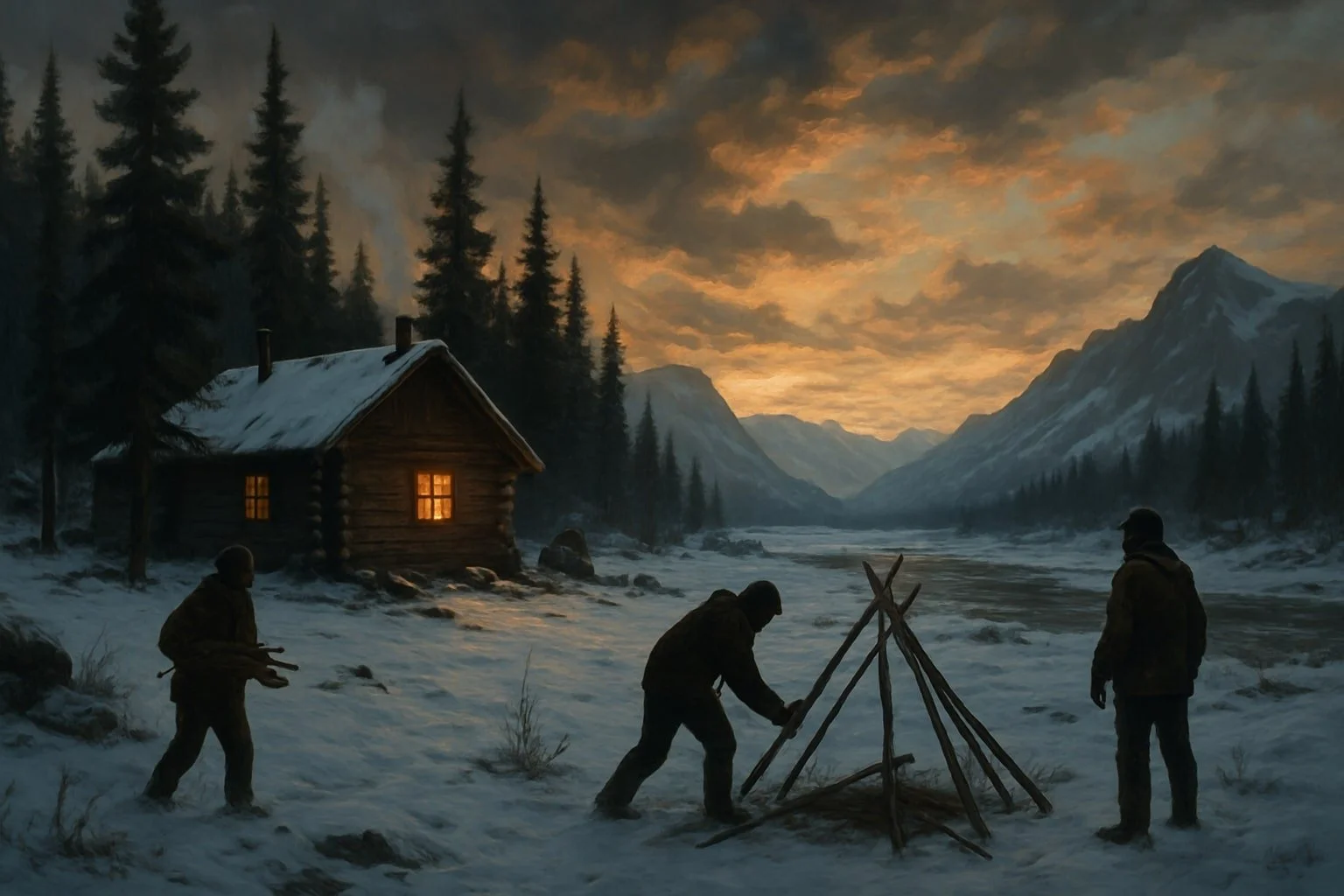
Alaskan Bush People stands out for its honest portrayal of the Brown family’s experiences navigating constant change in the wilds of Alaska. The show demonstrates that adapting to change requires flexibility, resilience, and a willingness to adjust not only one’s lifestyle but also attitudes and expectations. Viewers see real-life examples of the family responding to unpredictable weather, personal loss, and shifting family dynamics.
This ongoing journey provides a rare insight into survival far beyond physical skills, emphasizing personal growth, cooperation, and the ability to find solutions in uncertain situations. Audiences are drawn in not only by the challenges the Browns face but also by how they persistently adapt and move forward together.
Overview of Alaskan Bush People
Alaskan Bush People is a reality TV series on Discovery Channel that follows the Brown family as they strive for self-sufficiency far from conventional society. The show focuses on their adaptation to rugged environments, changing locations, and the evolving dynamic across 14 seasons.
Origins and Concept
The series launched on May 6, 2014, introducing viewers to Billy and Ami Brown and their seven children. The main concept centered on the family's efforts to build a life in remote Alaskan wilderness, relying on bushcraft, improvisation, and teamwork. Alaskan Bush People quickly gained attention for its portrayal of unconventional family life and survival skills.
From the start, the Brown family's story has balanced scripted TV elements with unscripted, day-to-day challenges. The producers emphasized themes of resilience, resourcefulness, and familial collaboration. Discovery Channel positioned the series as a real-life exploration of off-grid living, contributing to its appeal as both entertainment and a glimpse into an alternative lifestyle.
Filming Locations and Setting
The Browns first settled on Chichagof Island, near Hoonah, Alaska. Much of the initial filming used the island’s forests, coastline, and mountainous terrain as a backdrop, highlighting the family's dependence on the natural environment. These settings reinforced the perception of isolation and the hardships faced by the Browns.
In later seasons, the show shifted to Okanogan County, Washington, following legal and environmental changes. Production crews captured the transition from dense Alaskan wilderness to the drier, forested areas of Washington state. Filming locations played a vital role in shaping the narrative, visually emphasizing the family's adaptability to new climates and circumstances.
Evolution Over 14 Seasons
Over the course of 14 seasons, the program evolved significantly. What began as a straightforward account of wilderness survival broadened into a deeper family story, marked by personal challenges, health setbacks, and changing goals. The series showed how the Browns coped with legal troubles, loss, and the need to relocate.
As the children grew older, some branched out while others maintained the family’s self-sufficient ethos. The focus often shifted to individual journeys within the family, charting new homesteading efforts and relationships. The show’s continued success has depended on its ability to blend familiar survival themes with the unpredictable dynamics of reality TV.
Key Lessons in Adaptability
Adapting to the wilderness often demands rapid problem-solving and a willingness to change routines. The experiences of the Brown family highlight clear approaches to facing environmental shifts, setbacks, and challenges using practical strategies and steady resourcefulness.
Adjusting to New Environments
The Brown family’s move from the original Browntown to the North Star Ranch required major changes in how they lived off the grid. New weather patterns and unfamiliar terrain forced them to reevaluate their shelter options, food sources, and daily routines.
They adopted flexible schedules to fit the daylight hours and adjusted building techniques to local resources, such as different kinds of wood or soil. Instead of resisting their new situation, they observed and gradually modified their lifestyle to fit the land.
This adaptability helped the family to maintain independence and self-sufficiency even when faced with severe weather, wildfires, or changing seasons. They demonstrated that accepting a new environment often means developing a new set of survival routines and expectations.
Innovation and Resourcefulness
Living a wilderness lifestyle means conventional solutions are not always available. The family regularly improvised tools, shelter, and energy sources with what could be found on the land.
For instance, when building at the North Star Ranch, they assembled water systems and electricity solutions from salvaged materials. They often used makeshift methods to repair equipment because stores and modern parts were out of reach.
Resourcefulness became central to surviving the off-the-grid conditions. The Browns showed that adaptability hinges on the ability to use limited resources creatively, whether that meant crafting a fishing net from spare rope or constructing shelters from fallen trees.
Overcoming Unpredictable Challenges
Unpredictable setbacks—such as wildfires, illness, or equipment failure—forced the Brown family to regularly reassess their approach. Each sudden event on the show revealed a process of quick decision-making and calm problem-solving.
To deal with emergencies, they often relied on clear division of labor, with each person taking a specific task based on skills. This strategy fostered an environment where adaptability became a group effort and not just an individual trait.
By documenting both failures and successes, Alaskan Bush People illustrate that true adaptability is shown most clearly when plans are disrupted. Their responses to these trials underline the importance of resilience and preparation in the wilderness.
Survival Skills Demonstrated
Adaptation in the wilderness requires practical knowledge and hands-on ability. The cast of Alaskan Bush People gives viewers specific examples of survival, including sourcing food, gathering essentials from nature, and creating shelters with limited supplies.
Hunting and Fishing Techniques
Hunting and fishing are essential survival skills on the show. The Brown family employs a mix of traditional and improvised methods to catch fish and hunt game like deer, bear, and wild birds. They often use homemade fishing poles, nets fashioned from available materials, and simple trapping devices.
Their approach relies on keen observation of animal behavior and habitats. Patience is key—they may wait for hours by rivers or look for natural animal trails. This demonstrates that understanding the local ecosystem greatly increases the chance of finding food.
Processing and preserving meat or fish for later use is also highlighted. Salting, smoking, and drying are used to extend shelf life without refrigeration. Weather, animal migration, and changing seasons affect their techniques, so flexibility and resourcefulness are crucial.
Key techniques:
Crafting simple traps and snares
Fishing with basic gear or by hand
Identifying and tracking game using signs like tracks and scat
Foraging for Essentials
Foraging provides vital supplies beyond protein from hunting or fishing. The family identifies edible plants, fungi, and berries with caution, as many wild options can be toxic. They show viewers how to recognize safe, nutritious foods and the importance of knowledge in preventing illness.
Water is another foraged essential. The Browns locate and collect clean water, sometimes boiling or filtering it with improvised tools to ensure safety. Gathering firewood, medicinal plants, and materials for crafting is done with sensitivity to local resources and sustainability.
Foraging supports not just nutrition but also health and comfort. Plants with medicinal properties are used for minor wounds or illnesses, demonstrating another layer of bushcraft knowledge.
Foraged Items Uses Berries Food, nutrition Medicinal herbs First aid, health Mushrooms Food (with caution) Water Drinking, cooking Firewood Warmth, cooking
Building and Homesteading
Building shelters and establishing a homestead are foundational aspects of wilderness living shown on the series. The Browns often use available timber, salvaged materials, and their own hand tools. Construction projects range from simple lean-tos and cabins to smokehouses and storage sheds.
Each member contributes a different skill, whether it’s carpentry, metalworking, or problem-solving. Crafts such as making furniture, utensils, and storage solutions are routine. This reflects a lifestyle centered on resourcefulness and teamwork.
Living off the grid means handling repairs, power generation, and weatherproofing. The show demonstrates practical, step-by-step solutions for building and maintaining a home far from modern conveniences. They adapt to environmental changes by reinforcing structures and updating their living spaces seasonally.
Homesteading skills featured:
Log cabin construction using hand tools
Building fish and meat smokers for food preservation
Crafting essentials from wood, stone, and salvaged materials
Family Dynamics and Resilience
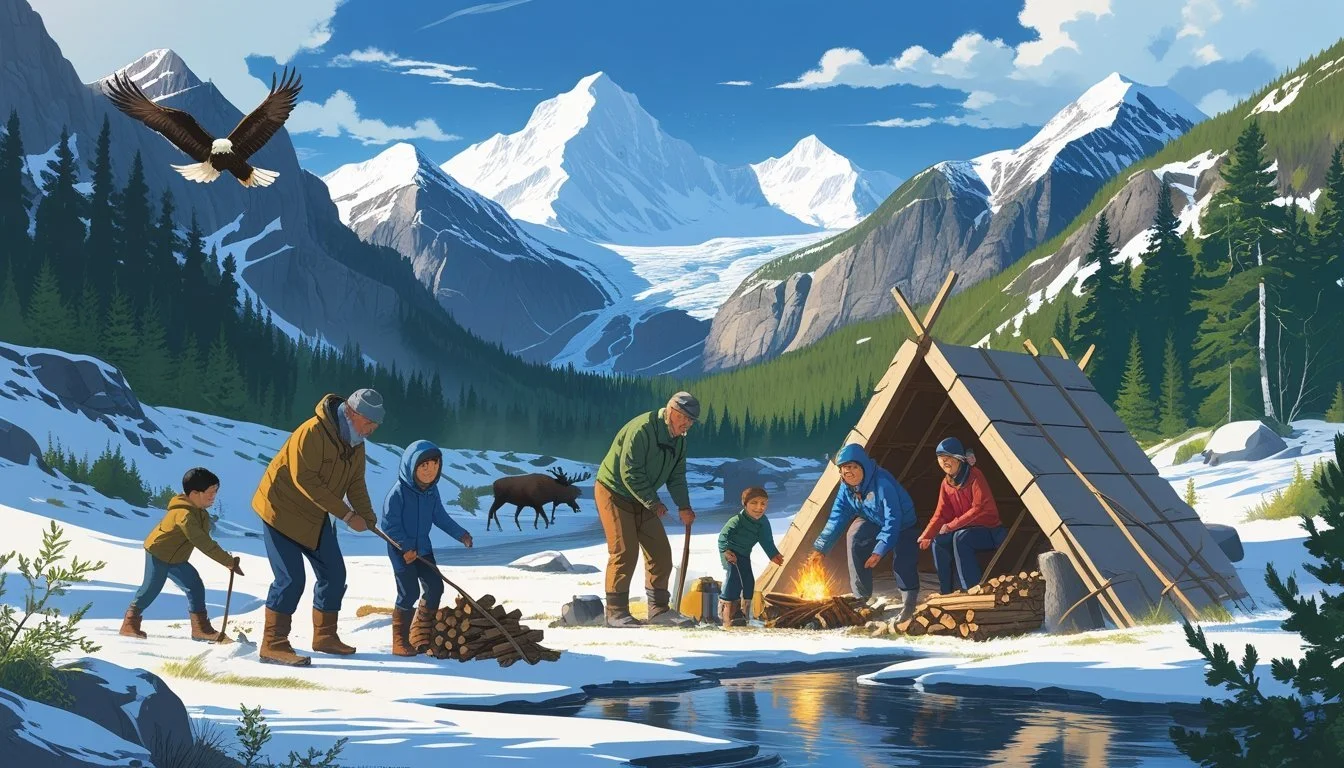
The Brown family's daily life on Alaskan Bush People highlights the power of strong relationships and the adaptability required to face unfamiliar challenges. Their distinct approach to unity and responsibility offers concrete examples of resilience in demanding circumstances.
Importance of Family Bonds
The Brown family, often referring to themselves as a "wolfpack," underscores the value of sticking together when faced with uncertainty. Their collective decisions are based on open communication, shared goals, and a clear sense of responsibility for one another.
Key Traits:
Mutual dependence: Each family member has a defined role.
Emotional support: They maintain group morale during hardships.
Problem-solving: Decisions—such as relocating or adapting to harsh weather—are made as a group.
Challenges like the passing of Billy Brown in 2021 tested the family's unity. Yet, they relied on their bond to adapt and maintain their lifestyle, demonstrating the real-world impact of solidarity. Their story suggests that close family ties are a crucial buffer against stress and environmental change.
Parent-Child Roles and Growth
Parent-child roles within the Brown family evolve as circumstances shift. Billy and Ami Brown established foundational routines and skills, but over time, their children took on more significant responsibilities, such as constructing shelters and managing daily needs.
The show often portrays personal growth, with the Brown children learning from hands-on experience rather than relying solely on parental guidance. Each step toward independence strengthens their ability to overcome challenges.
Development Highlights:
Young family members gradually become leaders of new tasks.
Shared experiences foster maturity and deeper respect among siblings.
Individual roles shift based on need, emphasizing flexibility.
This dynamic allows for both resilience and adaptability. The children’s journey demonstrates that growth is an ongoing process, supported by guidance but eventually driven by personal initiative.
Health Challenges and Personal Growth
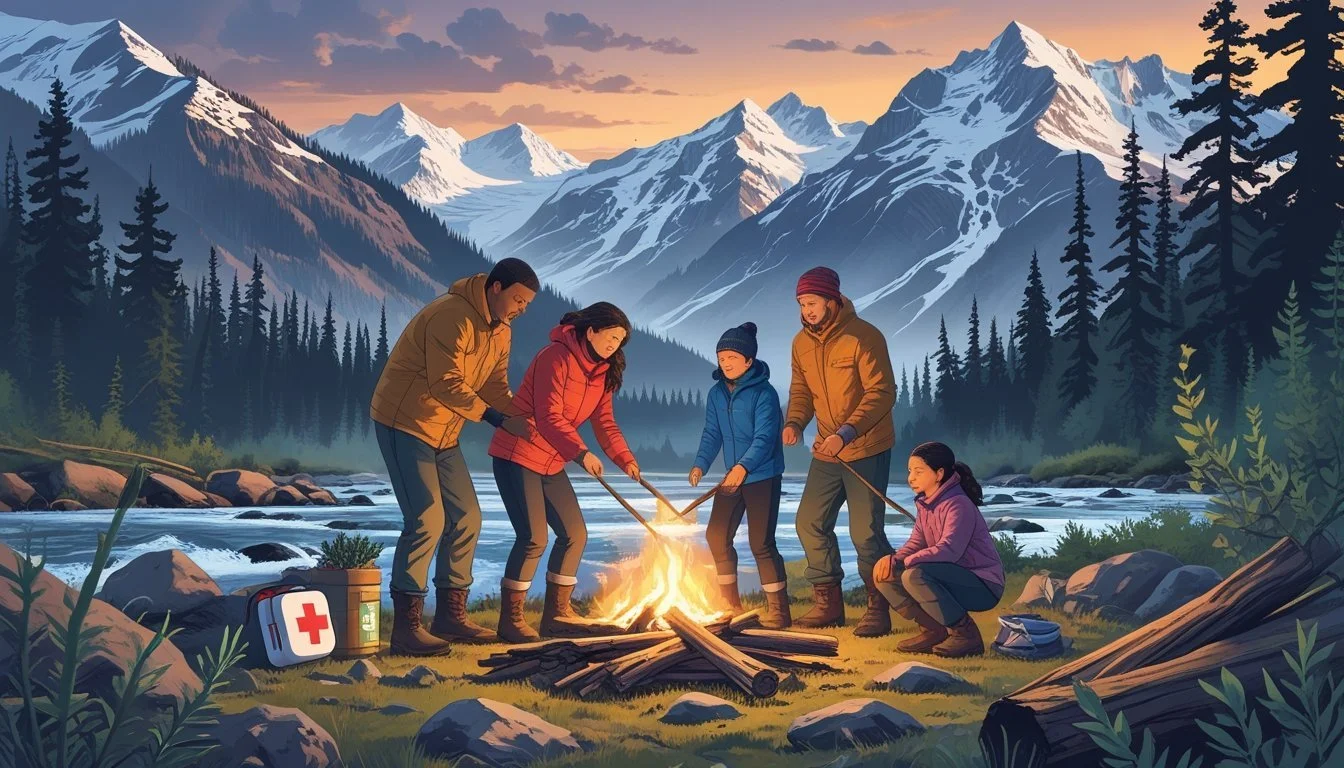
The Brown family’s journey has included significant health hurdles and moments of resilience. Family members have faced illnesses and setbacks, which have driven both personal transformation and stronger connections.
Dealing With Health Issues
Health struggles have been a recurring challenge for the Browns. Ami Brown’s diagnosis with advanced lung cancer required extensive medical treatment and forced the family to leave their remote Alaskan home for medical care.
Billy Brown also faced chronic health issues, including heart problems that required hospitalization. The family openly discussed their worries and the practical steps they took, including frequent doctor visits and adapting their living environment.
These real-life health events underscore how unpredictable life can be, especially when living in isolation. The Browns have shown that seeking proper treatment, embracing necessary lifestyle changes, and not ignoring serious symptoms are crucial to survival, even in a rugged wilderness context.
Overcoming Adversity Together
The strength of the Brown family has often shown itself during their hardest times. When Ami underwent cancer treatment, both family routines and relationships shifted as they worked collectively to support her recovery, often traveling long distances for her care.
Billy Brown’s health also led to shifts in leadership within the family, as different members stepped up to handle daily responsibilities. The need for rehab and recovery periods meant that family members had to lean on each other more than ever, building trust and unity.
In facing these hardships, each member found ways to contribute, showing that adapting to change often requires communication, flexibility, and mutual support. The Browns’ experiences highlight the importance of confronting challenges as a group rather than in isolation.
Notable Brown Family Members
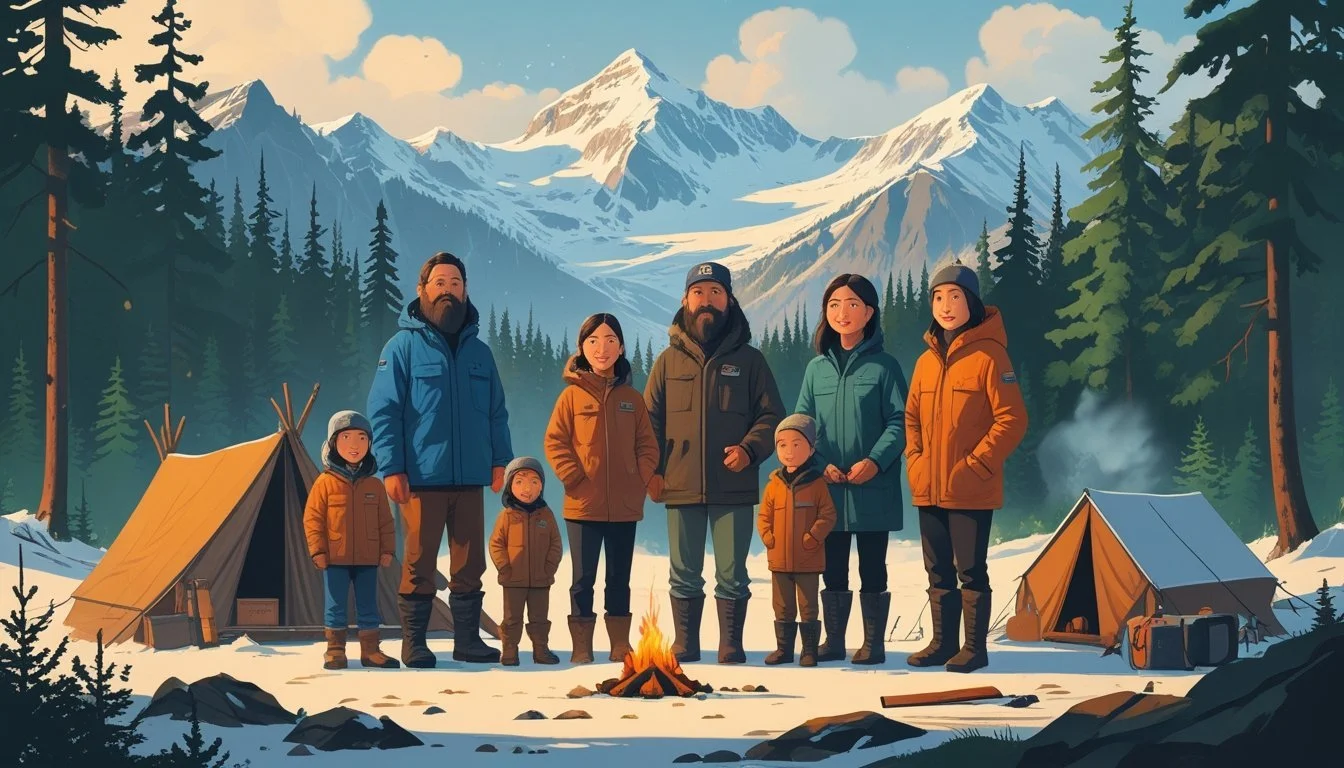
The Brown family’s adaptability is seen through the challenges and changes faced by each member. Their individual stories illustrate personal growth, resilience, and adjustments to unexpected circumstances.
Matt Brown and Personal Battles
Matt Brown, the eldest son, experienced a unique path marked by personal challenges. He struggled with addiction, leading to his departure from the family show and a period of separation from the rest of the Browns. Matt openly addressed his recovery process, emphasizing the importance of mental health and perseverance.
Despite leaving the public spotlight, Matt’s journey highlighted the real-life impact of coping with personal struggles while under scrutiny. His experience serves as an example of how adapting to change sometimes means seeking help and stepping away to focus on one’s well-being. Matt’s time away from the family spotlight was defined by efforts towards self-improvement and finding stability.
Bear, Bam Bam, Gabe, and Noah
The four brothers—Bear, Bam Bam (Joshua), Gabe, and Noah—each took on distinct roles in the family and faced their own transitions. Bear is known for his energetic personality and adventurous spirit, often leading outdoor activities. He also publicly navigated his relationship with Raiven Adams, with whom he shares a son, showcasing how family dynamics adapt to new members.
Bam Bam, the second eldest, valued independence and sometimes distanced himself from the group to pursue personal relationships and professional interests outside Alaska. Gabe and Noah stepped into adult family life, marrying and raising children. Gabe married Raquell Rose, and Noah married Rhain Alicia, welcoming a son named Elijah.
Their experiences reflect how siblings adapt to new responsibilities, relationships, and challenges, illustrating shifting roles within a close-knit family unit.
Snowbird, Rain, and Family Relationships
Snowbird and Rain, the family’s youngest daughters, brought unique perspectives to the group’s evolving dynamics. Snowbird focused on caring for animals and maintaining routines that preserved a sense of normalcy for the family, especially during times of loss and transition.
Rain grew up in the public eye, dealing with the family’s fame and the pressures that accompanied it. She often expressed her identity and thoughts on social platforms, connecting with viewers about mental health and personal growth. The sisters played key roles in holding family relationships together and provided crucial support after the passing of their father, Billy Brown.
Their adaptability was evident as they responded to both internal and external changes, balancing personal ambitions with family loyalty.
The Impact of Social Media and Public Perception
Social media has become central to shaping how “Alaskan Bush People” is received and discussed. Platforms like Instagram and YouTube let the Brown family directly interact with viewers, but also present challenges regarding public perception and authenticity.
Interaction With Fans on Instagram and YouTube
The Brown family regularly connects with their audience through Instagram posts and YouTube channel updates. These platforms allow them to share behind-the-scenes photos, day-to-day routines, and short clips that don’t make it to television.
Instagram is especially used for sharing family photography, updates on projects, and responding to fan questions. Fans appreciate quick responses and real-time storytelling. YouTube enables longer formats, such as Q&A sessions, vlogs, or deeper dives into their lifestyle and survival techniques.
This direct digital connection creates a sense of community and gives fans an ongoing look at life beyond the show. It also helps the family clarify or expand on moments from the series, which can resolve confusion or debate among viewers. These exchanges have become crucial in not just maintaining popularity but also in building loyalty and support from their audience.
Authenticity and Controversies
Questions about authenticity have followed the family as their online presence grows. Some viewers claim that social media content can appear staged or overly curated, especially when compared to the original rugged image shown on television.
Controversies arise when inconsistencies are spotted between what’s posted online and what airs on the show. Observers sometimes point out staged photography or scripted-seeming interactions that seem at odds with the self-sufficient image the series promotes.
Public perception is influenced by these debates. Supporters argue social media gives the Browns control over their narrative and a chance to address rumors or criticism directly. Detractors believe that curated content detracts from the show’s core message about adapting to the wild. These differing perspectives affect the ongoing conversation about what it means to be authentic on and off screen.
Adapting to Life After Alaska
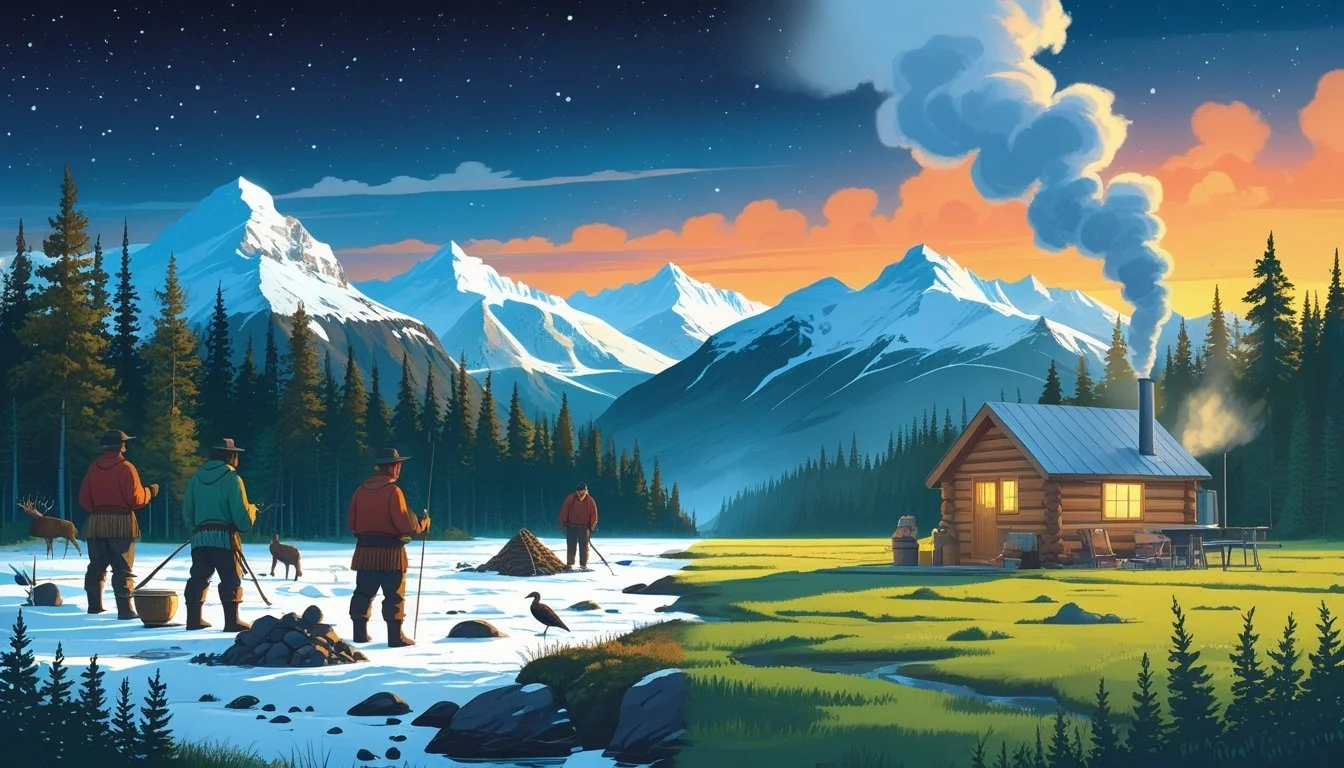
Leaving Alaska meant the Brown family had to adjust to a new climate, landscape, and local culture. Their move provided both fresh challenges and opportunities to apply the resilience and adaptability developed during years of wilderness living.
Relocation to Washington and Okanogan County
The Brown family's transition from Alaska to Washington marked a pivotal shift in their daily life. Relocating to Okanogan County and settling on North Star Ranch exposed them to a drier climate, different wildlife, and new community dynamics.
Unlike the remote Alaskan bush, Okanogan County is more accessible but still offers rugged land ideal for homesteading. Adapting required learning local laws, understanding regional weather patterns, and forming relationships with new neighbors. The family faced the task of rebuilding structures from scratch and adjusting to the land's unique demands.
Their experience highlights key aspects of adaptability. The skills cultivated in Alaska—problem-solving, resourcefulness, and cooperating as a family—remained crucial for this new start. The change in setting did not erode their core approach but rather tested their ability to thrive in unfamiliar conditions.
Continuing the Alaskan Bush Ethos
Despite the move, the Browns continued to practice the self-sufficiency and resilience they championed in Alaska. North Star Ranch became their new base for pursuing a life close to nature, drawing water from nearby sources and relying on off-grid power whenever possible.
They carried forward routines like hunting, foraging, and building with reclaimed materials. Their adaptability was evident in the way they tailored old skills to the region's resources and challenges. For example, coping with Okanogan County's wildfires required specialized preparation and community awareness.
The persistence of their wilderness ethos demonstrates that adaptability goes beyond geography. The Browns’ focus on teamwork, frugality, and respect for the land remained central, inspiring many to see change as a chance to reaffirm core values while learning new ways to persevere.
Legacy and Continuing Influence
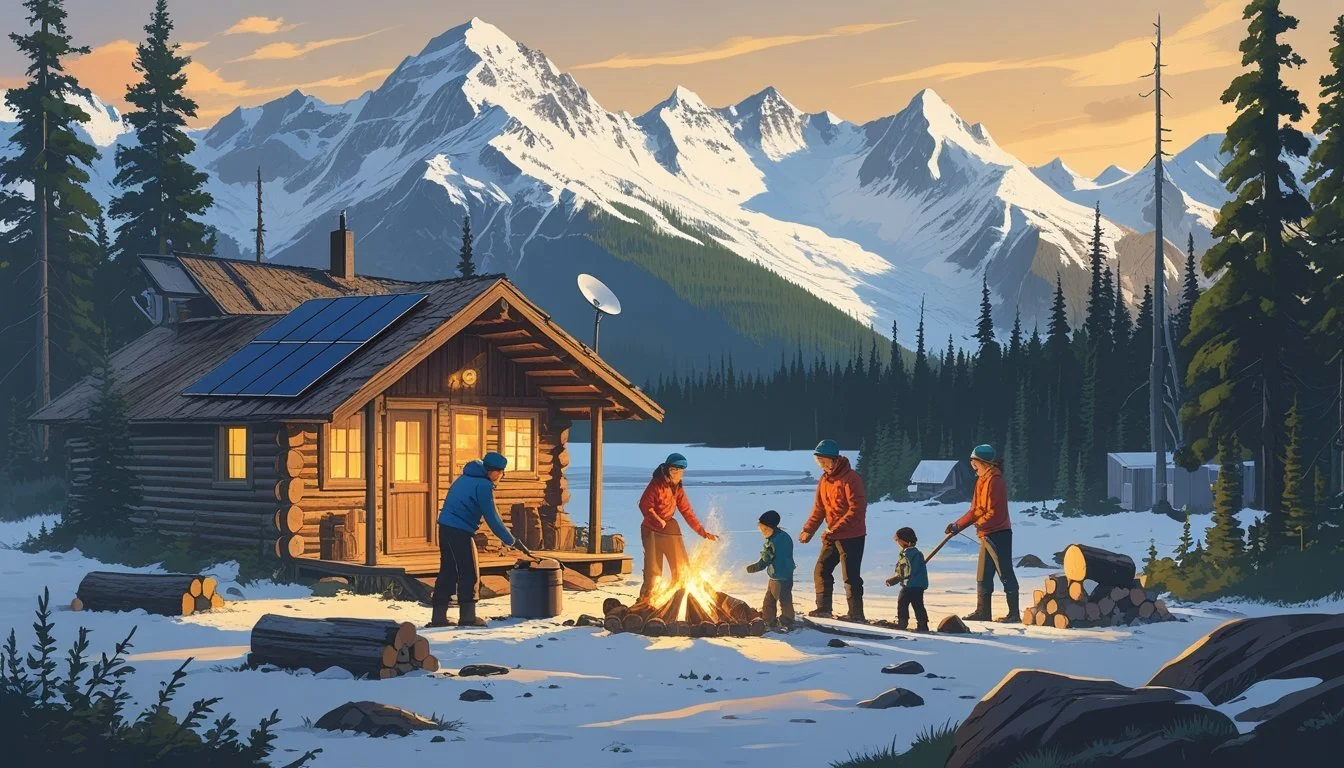
Alaskan Bush People stands out in reality TV for its portrayal of adaptability amid uncertainty and change. The show's enduring popularity has ensured that its influence extends far beyond initial episodes or even the lives of its cast.
Season 15 Developments
Season 15, airing on Discovery Channel, introduced significant shifts in the Brown family’s dynamics after pivotal events, including the passing of Billy Brown. The family faced new challenges in the wilderness, adjusting strategies to survive as leadership shifted and relationships evolved.
Episodes focused on the family’s ability to handle unpredictable events, emphasizing practical problem-solving and teamwork. Fans witnessed the Browns transition from their previous homestead to new locations, reinforcing the theme that adaptability is critical for both physical survival and emotional resilience.
The season continued to blend authentic wilderness struggles with the pressures of reality television, allowing viewers to see both the hardship and ingenuity required for off-grid living. Through their choices and mistakes, the Browns demonstrated a range of responses to personal and external changes, giving a raw perspective on adjustment under pressure.
Inspiration for Viewers
Viewers often cite the show as an inspiration for handling unexpected life changes, whether in their own homes or communities. Many have drawn practical lessons from how the Brown family addresses conflict, leverages available resources, and perseveres through setbacks.
The show’s portrayal of adaptability has influenced audience outlooks, encouraging skills like long-term planning, flexibility, and open-mindedness. Anecdotal feedback and online discussions reveal that fans feel more empowered to confront change after watching the Browns navigate upheaval on screen.
Beyond entertainment, Alaskan Bush People has inspired a niche of wilderness survival literature and discussion, with authors referencing episodes and lessons from the family's experiences. The impact reaches those interested in self-sufficiency and resilience, expanding the show's footprint in both media and everyday life.
