
Why Alaskan Bush People Feels Like a Documentary and a Soap Opera at Once
Examining Its Unique Storytelling Approach

Alaskan Bush People, aired on the Discovery Channel, stands out among reality TV for its distinctive blend of documentary-style storytelling and soap opera-style drama. The show presents the real-life challenges of the Brown family living off-grid in Alaska, while also weaving in dramatic conflicts and evolving relationships that mirror the emotional arcs often seen in soap operas. This mix draws viewers into both the authenticity of wilderness survival and the heightened personal dynamics typical of serialized drama.
Unlike standard documentaries, Alaskan Bush People doesn’t just observe—it invites emotional connections by digging into the highs and lows of the family’s journey. The combination of raw, unscripted moments in the wild and recurring family conflicts keeps audiences invested, making the show feel familiar to fans of both genres. The result is a viewing experience that feels both real and emotionally charged, setting the show apart from other reality series.
The Hybrid Format: Documentary Meets Soap Opera
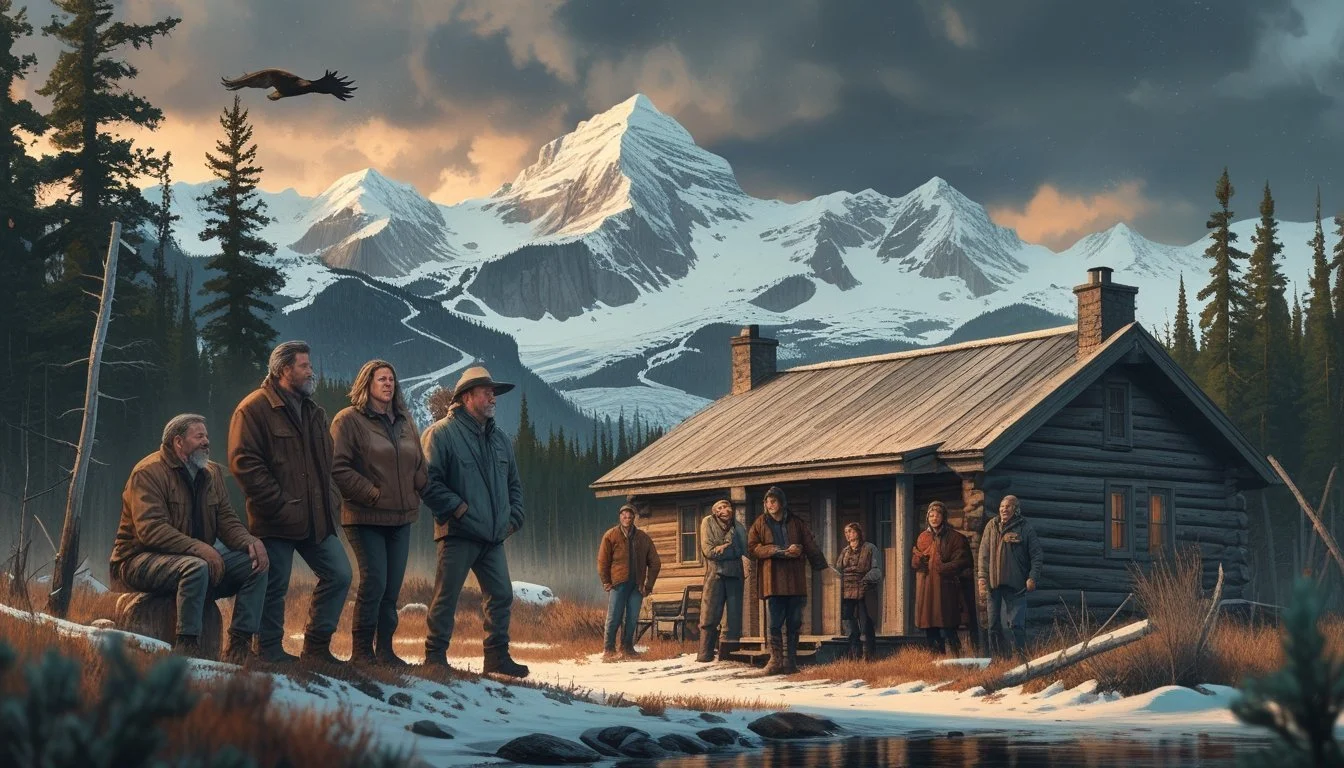
Alaskan Bush People stands out for its unusual blend of documentary realism and soap opera theatrics. This hybrid style shapes how the show portrays the Brown family's life and influences how viewers relate to its mix of truth, editing, and personality-driven drama.
Elements of Documentary Storytelling
The series uses traditional documentary techniques to present the Brown family’s life “off the grid.” It focuses on the family’s efforts to survive in remote environments, highlighting practical activities like hunting, building shelters, and dealing with Alaska’s tough climate.
Cameras capture both action and quieter moments, offering candid interviews and direct commentary from the Browns. The use of natural lighting, real locations, and unscripted everyday problems helps create an air of authenticity.
The Discovery Channel markets the show by emphasizing self-sufficiency, resourcefulness, and survival. This approach appeals to audiences interested in wilderness living and the challenge of remote lifestyles. These documentary aspects give viewers a sense of witnessing genuine struggles and skills.
Features Reminiscent of Soap Operas
Despite its documentary roots, the show incorporates storytelling devices familiar from soap operas. Frequent cliffhangers, dramatic confrontations, and emotional confessions drive the plot forward and keep viewers engaged over multiple episodes.
Recurring themes include family loyalty, betrayal, illness, and relationship strains. Characters are often shown in heightened emotional states, with conflicts sometimes exaggerated for effect. These elements are supported by dramatic music cues and careful editing.
Disputes over family leadership, crises like medical emergencies, and unexpected twists sometimes feel staged rather than spontaneous. This manufactured tension blurs the reality of the Browns’ situation, bringing a serialized, character-focused structure that mirrors popular daytime dramas.
Blurring the Line: A Unique Viewer Experience
Alaskan Bush People does not strictly follow one genre. Instead, it merges the immersive, factual feel of a documentary with the episodic tension and personal drama of a soap opera. Editing choices often interlace real-world tasks with scenes of suspense or heartfelt dialogue.
Viewers are left to question which moments are authentic and which are shaped for entertainment. Court cases, changing settings, and off-screen events have sparked public debates about the show’s accuracy and intent.
This hybrid approach draws fans who appreciate both reality TV’s “slice-of-life” content and the emotional storytelling of soap operas. The result is a show that is equal parts wilderness chronicle and family saga, occupying a unique space on the Discovery Channel's schedule.
Setting and Authenticity in Alaskan Bush People
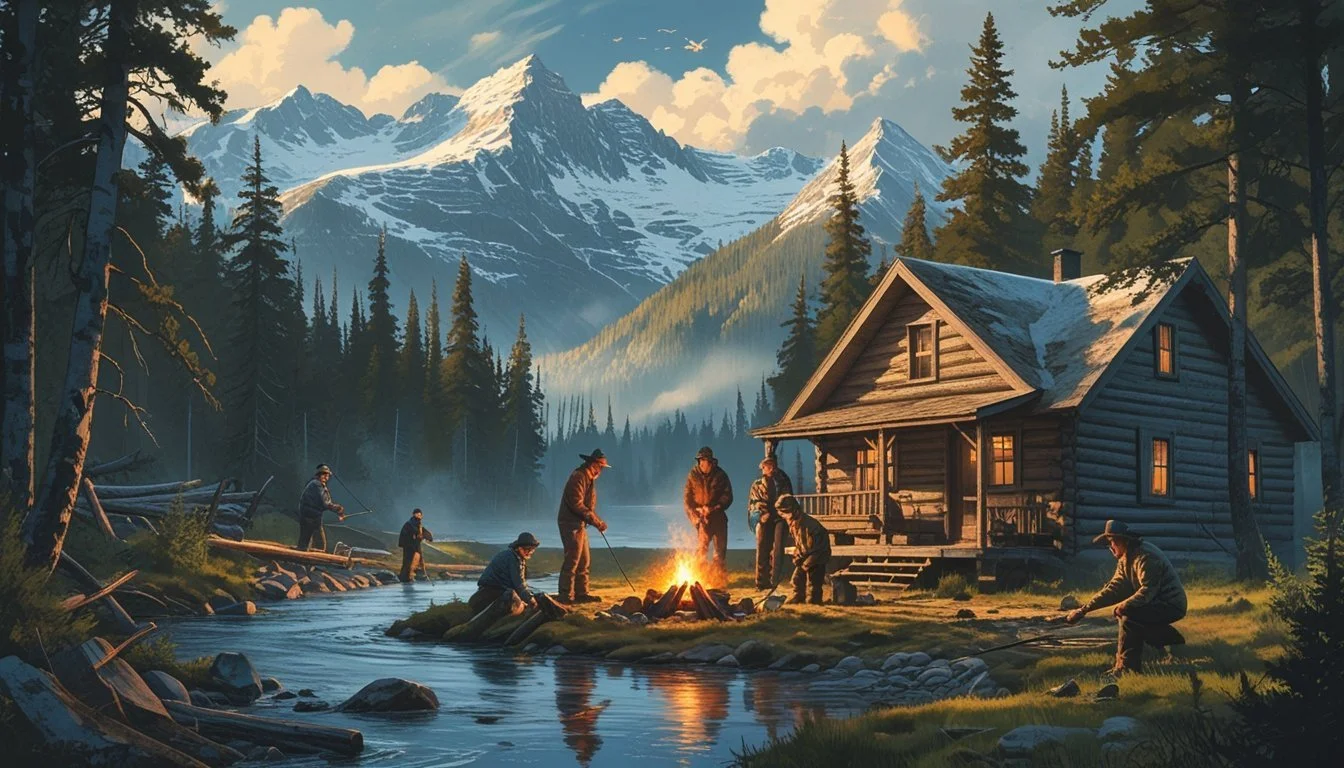
The show is set against the striking backdrop of the Alaskan wilderness, showcasing the Brown family's efforts to build a self-sufficient lifestyle. Key locations such as Browntown and Hoonah play a pivotal role in shaping the show's unique production style and authenticity.
Life in the Alaskan Wilderness
Alaskan Bush People stylizes the Brown family's daily life as a continuous struggle for survival. Episodes highlight harsh weather, remote locations, and the routine challenges of subsistence living.
While the scenery—remote forests, rivers, and snow-laden landscapes—suggests isolation, reports have pointed out that filming often occurs near populated areas. Despite the portrayal, modern conveniences and support crews are sometimes present off-camera, tempering the pure survival narrative. However, the show still captures the vastness and unpredictability of Alaska's wild terrain, which frames much of the family's story.
Constructing Browntown
A central element of the series is the construction and evolution of "Browntown," the Brown family’s off-grid homestead. The show documents building shelters, developing water sources, and creating practical solutions to basic needs.
Set design, tools, and supply runs have been scrutinized by viewers and critics. Some have questioned whether all structures were built solely by the Browns, as evidence suggests outside assistance may have been involved. Lists of materials and visible production equipment hint at some staging. Still, the development of Browntown offers insight into the logistics of creating a new home in rural Alaska.
Filming in Hoonah and on Public Land
Filming frequently takes place around Hoonah, Alaska, a small community accessible by ferry and plane. Its proximity to roads and services has raised questions about the remoteness presented on screen.
Many sequences are shot on or near public land, where restrictions and permits guide what can be depicted. This has occasionally limited activities shown, such as hunting or land use, as well as affected how much the family can interact with wildlife or conduct off-grid tasks. These logistical realities blend with the show’s blend of documentary authenticity and soap opera drama, shaping both the narrative and production approach.
The Brown Family: Real Lives and On-Screen Portrayals
The Brown family is central to the appeal and curiosity surrounding "Alaskan Bush People." Their backgrounds, challenges, and relationships are pivotal in shaping both the reality and the drama of the show.
Billy Brown and Ami Brown
Billy Brown, also known as Billy Bryan Brown, was the family patriarch and a driving force behind the show’s narrative. His leadership often set the family’s direction, both on camera and off. Billy’s vision for off-grid living, mixed with his storytelling, helped shape the series’ identity.
Ami Brown, the matriarch, has faced several personal health battles, including a high-profile fight with cancer. Her resilience and role as the family’s emotional anchor have been featured prominently. The Browns’ challenges—especially concerning Ami’s health—add authenticity but also create moments that feel shaped for television.
Billy and Ami’s partnership is often presented as unwavering, despite their hardships. This steady relationship contrasts with more volatile elements seen elsewhere in the family.
Bear Brown and Matt Brown
Bear Brown is known for his energetic personality and extreme approach to wilderness survival. On the show, he appears fearless, often taking on physical challenges and risky tasks. This portrayal highlights the adventurous aspects associated with the Brown family, though some viewers question how much of it is dramatized.
Matt Brown, the eldest sibling, has had a complex relationship with both the family and the show. His struggles, including battles with addiction, have sometimes led to separation from the main group. Matt’s real-life issues are only partly shown, leaving viewers to piece together the full story from limited on-screen appearances.
The difference between Bear’s constant activity and Matt’s more troubled path adds contrast to the family’s public image. The show sometimes glosses over difficult topics, making the portrayals both revealing and selective.
Family Dynamics and Dramatic Arcs
Relationships between Brown family members are a major source of the show’s drama. Storylines routinely focus on cooperation, conflict, and survival. Arguments about building projects, decision-making, or adapting to new locations are frequent.
Dramatic arcs—such as health scares, legal troubles, and relocations—are often intensified for the audience. Editing and music heighten tension, making the Browns’ experiences appear more dramatic than typical family life.
At times, storylines are shaped around individual challenges and group achievements. This blend of authentic struggle and scripted drama is what leads many viewers to see "Alaskan Bush People" as both documentary and soap opera.
Production Techniques Behind the Scenes
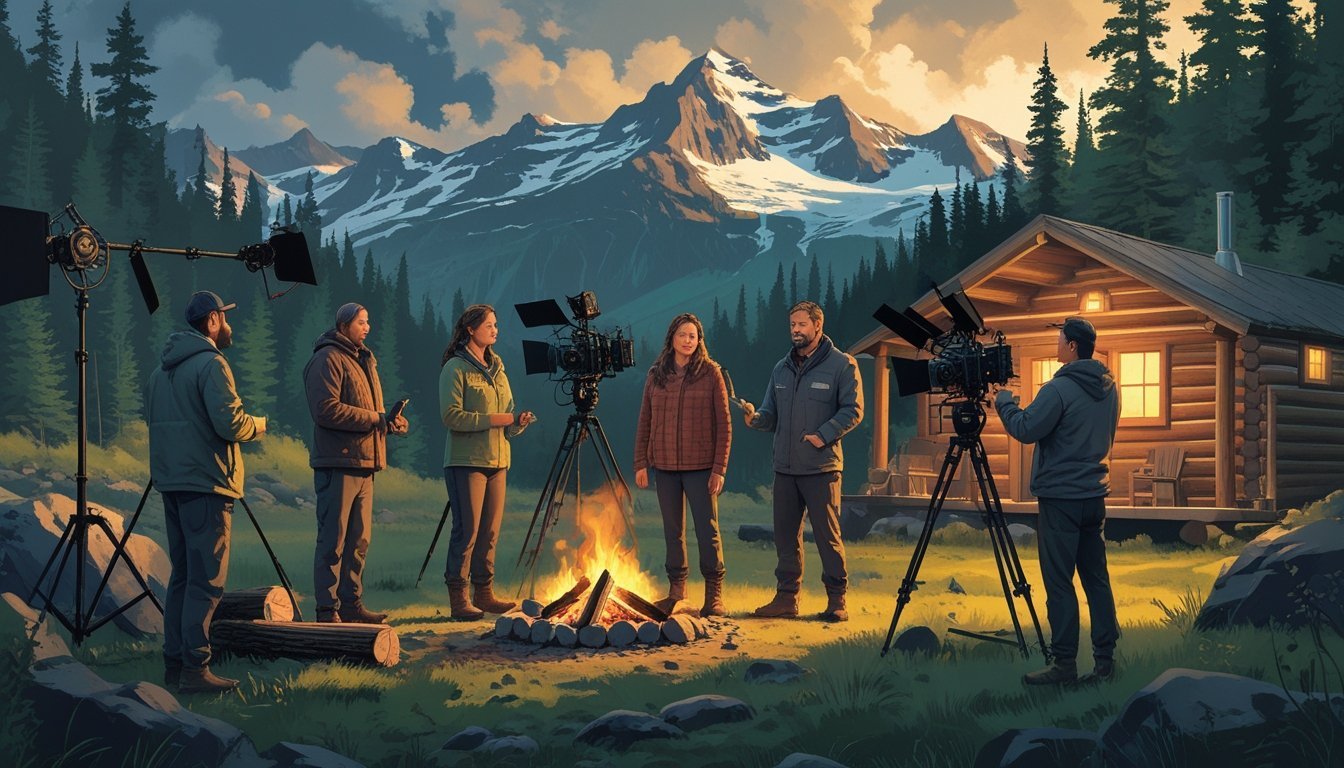
The blend of documentary realism and soap opera drama in “Alaskan Bush People” results from a deliberate mix of production choices and storytelling devices. Elements such as selective editing, staged moments, and narrative planning shape how the Brown family’s life is shown to viewers.
Directorial Decisions and Editing
Directors on “Alaskan Bush People” often make choices that influence how scenes are framed and what moments are emphasized. Cameras sometimes linger on reactions or conversations that create tension, pushing a storyline rather than simply documenting events.
Editing plays a key role in creating a seamless viewing experience, trimming mundane moments and highlighting conflict or emotional beats. Production frequently involves coordinating shots to ensure the wilderness feels both authentic and visually striking.
Example editing techniques:
Cutaways: Used to emphasize emotional responses.
Montage sequences: Compress multiple days into a few minutes.
Selective audio: Amplifies dramatic dialogue and environmental sounds.
The Discovery Channel’s team focuses on balancing realism with entertainment, making editorial choices that appeal to a wide audience.
Narrative Manipulation and Dramatic Devices
The show’s production crew sometimes introduces or encourages certain scenarios to ensure episodes remain engaging. This includes setting up situations—such as family disagreements or survival challenges—that enhance drama without fully scripting outcomes.
Dramatic devices often include foreshadowing, cliffhangers, and emotional confessions, which are staples of soap opera storytelling. Voiceovers and interviews are used to explain motivations and build suspense, blurring lines between fiction and non-fiction.
At times, the timeline is rearranged for coherence or suspense, placing dramatic revelations at key moments. These behind-the-scenes choices help create a storyline that feels both spontaneous and deliberately crafted.
Drama On and Off the Screen
Alaskan Bush People is marked by storylines that extend beyond television. The Brown family's lives have encompassed medical emergencies, legal issues, and public controversies that shaped both the show and its legacy.
Health Struggles and Real-Life Challenges
Ami Brown’s battles with severe health conditions, particularly pneumonia and cancer, brought genuine worry to viewers. Her cancer treatments and hospitalizations were documented, adding realism that set the show apart from many scripted series.
Billy Brown, the family patriarch, also faced health setbacks. Such personal challenges often became central narratives, affecting filming schedules and driving major turns in the family's storylines.
Producers integrated these real-life crises into the episodes, creating overlapping drama that merged actual struggle with the show’s dramatic presentation.
Legal Battles and Lawsuits
The Brown family’s off-screen life involved significant legal troubles. At various points, members faced accusations regarding residency fraud and questions about the authenticity of their claims to live full-time in harsh Alaskan conditions.
In 2020, a lawsuit was filed by Robert Maughon. Alleging breach of contract and seeking financial redress, Maughon argued the family owed him unpaid profits from the show. Below is a simplified breakdown of one prominent legal case:
Plaintiff Issue Outcome Robert Maughon Breach of contract claims Litigation and negotiations
These legal disputes generated headlines that sometimes overshadowed on-screen developments and called aspects of production into question.
Rehab and Personal Controversies
Alaskan Bush People was not without public personal challenges. Family member Matt Brown’s struggle with substance abuse became widely publicized. Matt entered rehab multiple times, and his recovery journey was followed by fans and covered by the media.
This struggle impacted Matt's involvement in filming and created tension both within the family and among viewers. The family's transparency about his rehab and ongoing issues prompted mixed reactions, sparking debates about privacy and exposure.
Other incidents included minor run-ins with the law and social media controversies, keeping the Browns’ off-screen lives a continuous source of attention and speculation.
Viewer Engagement and Public Perception
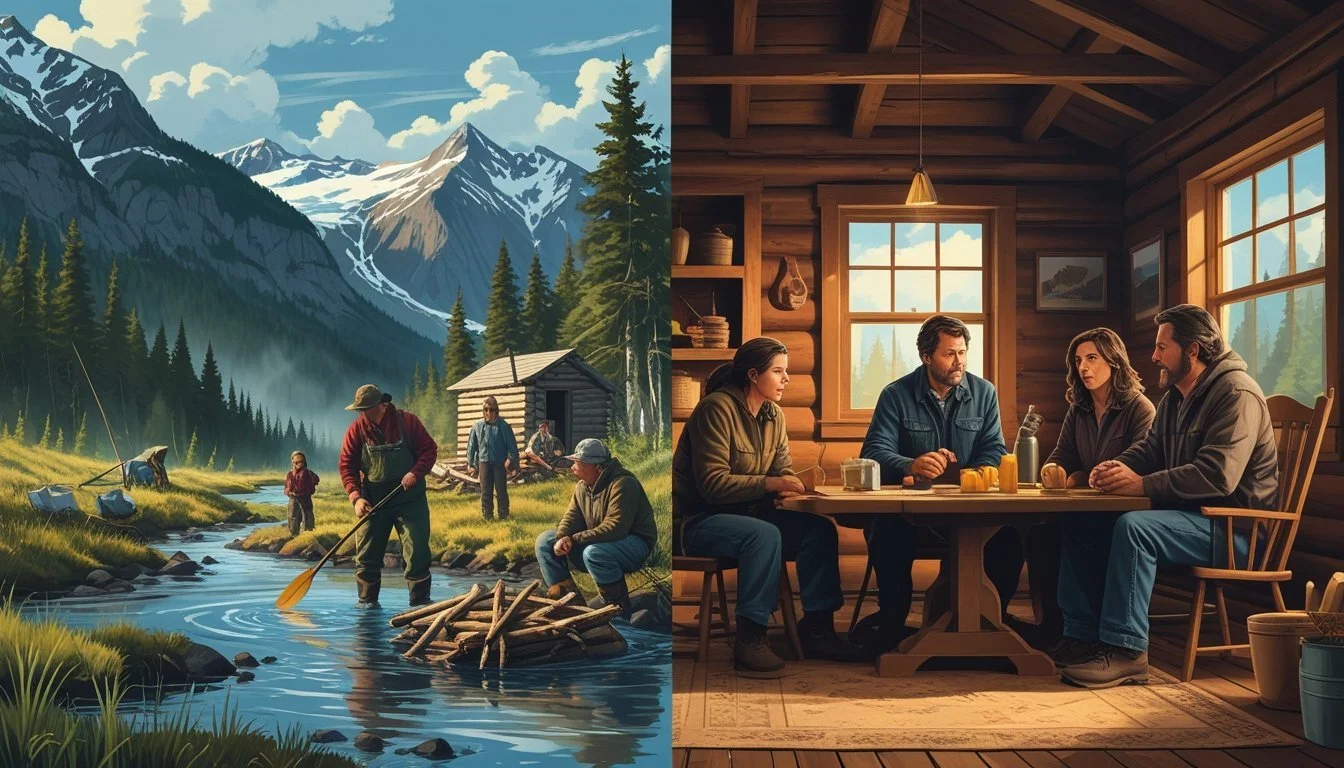
Public reaction to "Alaskan Bush People" often reflects a mix of intrigue and skepticism. Social dynamics both online and within the show's local region have shaped how viewers interpret its authenticity and entertainment value.
The Role of Social Media and Instagram
Social media platforms have amplified discussions about "Alaskan Bush People." Fans and critics use Instagram, Twitter, and Facebook to share reactions, spread behind-the-scenes details, and debate the show's authenticity.
Instagram is especially important for the cast’s personal branding. Members of the Brown family post updates, off-screen photos, and interact with comments, giving fans a feeling of direct access.
The exposure online often leads to heightened scrutiny. Some users dissect episodes for signs of scripting, while others defend the family against criticisms.
Lists of trending hashtags and Instagram stories correlate with episode releases. This engagement keeps interest high even between seasons, as viewers feel personally involved in ongoing narratives.
Neighbors and Community Relations
Relations with local neighbors in Alaska have become a recurring topic in public perception. Some residents nearby have publicly questioned the show's portrayal of bush life and the Browns’ true lifestyle.
Reports suggest the cast lives more conventionally than the show implies, which has fueled debates both online and in local communities. Neighbors have sometimes voiced concerns about increased tourism, privacy, and disruptions caused by filming.
These community opinions are frequently referenced by critics. Local sentiment distinguishes the program from purely fictional soap operas or documentaries and adds complexity to the public’s view of the show's impact and authenticity.
Conclusion: The Enduring Appeal of Alaskan Bush People

The continued interest in Alaskan Bush People comes from its unique blend of reality, drama, and the allure of living off the grid. Viewers are drawn to the series as it offers both an escape from daily routine and a glimpse into a lifestyle many have never experienced.
Authenticity and storytelling work together to keep the audience engaged. The series balances unscripted moments with dramatic family developments, creating a rhythm reminiscent of both documentaries and soap operas.
The Brown family’s journey to live off the grid resonates with fans who value independence and resilience. Their challenges in the Alaskan wilderness serve as both entertainment and a study in self-reliance, reinforcing the show’s documentary qualities.
Nostalgia and emotional connection play key roles. Audiences often watch for the sense of family unity and survival, which provides comfort and familiarity, especially during uncertain times.
Fan Appeal Table
Aspect Documentary Soap Opera Real-life struggles ✓ Family drama ✓ Life off the grid ✓ Emotional storytelling ✓
For many, Alaskan Bush People stands out as a show that offers both reality and emotional drama, making it memorable well beyond its original broadcast years.
