
Why Viewers Can’t Stop Watching Alaskan Bush People Despite the Drama
Exploring the Unbreakable Appeal

Viewers can’t stop watching Alaskan Bush People because the show offers a rare, authentic look at a family trying to live off the grid, despite persistent controversies and claims that parts are staged. The series draws in millions with its raw setting in the Alaskan wilderness, capturing the daily challenges and unique lifestyle of the Brown family—a perspective not often seen on mainstream television.
Despite scandals and criticism over its authenticity, the show’s blend of real-life survival, family dynamics, and occasional drama keeps audiences invested. Fans return season after season, not only for the wilderness survival aspect but also to see how the family navigates hardships and internal conflicts.
Overview of Alaskan Bush People
Alaskan Bush People is a reality TV series centered on the Brown family as they attempt to carve out an independent lifestyle away from urban comforts. Over 14 seasons, the show documented their challenges and unique choices, blending unscripted drama with elements of the documentary format.
Series Origins and Format
Launched in 2014, Alaskan Bush People introduced viewers to Billy and Ami Brown and their seven children as they tried to survive and thrive in the remote Alaskan wilderness. The premise focused on self-reliance, resourcefulness, and living off the grid.
Episodes typically follow the family as they hunt, build shelters, and contend with the harsh environment. The format uses a mix of interviews, family discussions, and on-the-fly filming to create an unscripted, immersive experience. While the "bush" lifestyle is emphasized, some later seasons shifted locations to Washington state, but kept the same survivalist tone and format.
Discovery Channel’s Role
Discovery Channel played a crucial role in developing and promoting Alaskan Bush People. The network is known for original unscripted programming that explores survival, adventure, and real-life challenges, which fit well with the Browns' story.
Through Discovery's global reach, the series reached millions of viewers and was heavily marketed alongside similar wilderness-based reality shows. The channel’s resources allowed for high-quality cinematography and production, elevating the documentary aspects of the show. Discovery’s support ensured multiple seasons, even as public interest fluctuated and the Browns relocated within the Pacific Northwest.
What Sets It Apart from Other Reality TV Shows
Alaskan Bush People distinguishes itself within reality TV by blending staged scenarios with real family interactions in extreme environments. The premise of a large family attempting to live traditionally and independently, often with limited resources, attracted viewers seeking authenticity and resilience.
Compared to other series, Alaskan Bush People minimizes external influences, focusing on internal family dynamics and survival skills. The documentary-style filming adds a layer of realism, while the rural setting and lack of modern conveniences set it apart from urban-based reality programming. The unscripted nature, combined with genuine challenges, gave the show a distinct identity in Discovery Channel’s lineup.
The Brown Family Dynamic
Alaskan Bush People draws attention to the Browns’ complex relationships, daily challenges, and how their connections shift with each significant family event. Social bonds and generational roles are central as viewers watch the family interact in moments of happiness, conflict, and personal growth.
Family Bond and Shared Struggles
The Brown family relies heavily on teamwork and mutual support, especially when facing Alaska’s rugged environment and later, life in Washington. Viewers often see parents Billy and Ami guiding their seven children through practical tasks and emotional hurdles.
Key hardships—such as harsh winters, food shortages, and health issues—become group problems. These situations foster deep family loyalty and sometimes tension as different personalities clash under stress.
The Browns’ willingness to share moments of vulnerability and resolve disagreements on camera adds a level of authenticity. Family meetings and group chores are frequent and give insight into how they maintain unity despite pressure.
Generational Perspectives and Grandparents
The family dynamic is shaped by both older and younger generations, each bringing separate traditions and viewpoints. Billy and Ami, as the parental elders, pass down survival knowledge and expectations for self-reliance.
The absence or minimal presence of grandparents influences the Browns’ culture, as viewers notice an emphasis on parental authority and the importance of direct lineage. Siblings learn not only from parents but also from each other, creating a layered hierarchy.
Children eventually provide fresh perspectives or challenge old habits, fueling inter-generational dialogue. Customary skills and modern ideas collide, especially as the family adapts to new locations or changing lifestyles on the show.
Milestones: Weddings and Anniversaries
Events like weddings and anniversaries play a significant role in the family’s on-screen narrative. Noah Brown and Gabe Brown’s weddings brought the entire family together and exposed both joy and stress in preparing for major life changes.
Anniversaries, particularly of Billy and Ami, act as yearly markers where the family reflects on its journey and bonds. These occasions serve to highlight progress and unity, often celebrated with family gatherings or simple ceremonies.
Such milestones are opportunities for viewers to witness rituals, challenges of integrating new spouses, and the evolving sense of family identity. These moments are often emotional and allow the audience a closer look at intimate family celebrations and transitions.
Authenticity Versus Drama
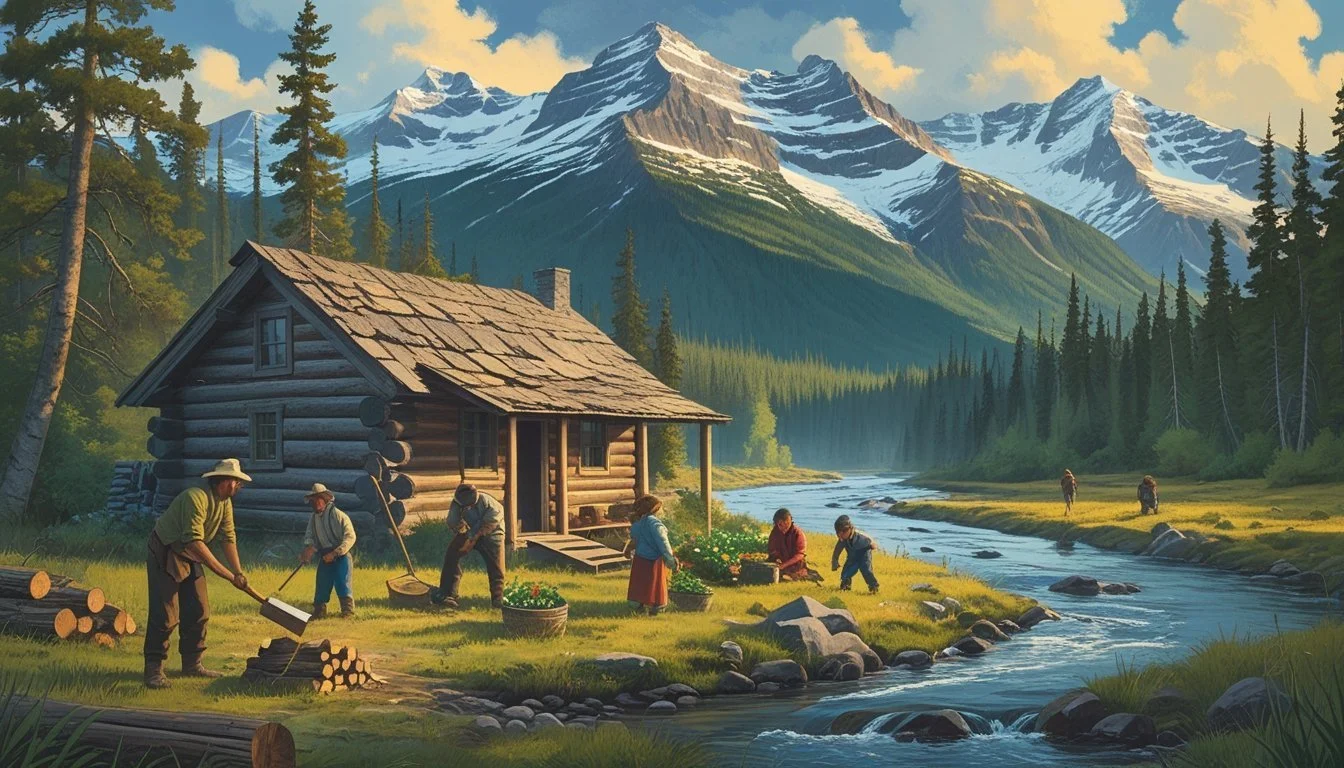
Questions about what is real and what is staged in Alaskan Bush People have persisted throughout its run. The way the show blends genuine wilderness moments with produced drama shapes how fans and critics respond.
Balancing Realism with Entertainment
The show is marketed as an unscripted look into remote family life, but numerous analyses have pointed out moments that seem carefully orchestrated for cameras. Viewers often spot inconsistencies, such as the family temporarily staying away from the bush or using technology not shown on camera.
Producers reportedly balance real survival elements with reality TV storylines. This mix aims to make episodes more engaging, even if some situations appear exaggerated. Fans are aware that dramatic scenes—like sudden animal encounters or urgent repairs—may not always unfold as naturally as presented.
Speculation about scripted content and editing grows with every new season. Yet even those who question the show's truthfulness often remain interested, drawn by the unpredictable mix of wilderness hardship and family dynamics.
Dealing with Controversies and Consent
Controversy has surrounded Alaskan Bush People, from legal disputes to questions over consent for on-screen activities. Family members have occasionally faced scrutiny regarding how much they truly participate in off-grid living.
Allegations of abuse, both verbal and situational, have prompted media attention and online debate. Some critics raise concerns about the involvement of minors and the family's ability to consent fully to certain dramatic situations. These issues sometimes spark public statements or clarifications from the Browns or Discovery Channel.
Despite these controversies, the legal and ethical lines around filming consent in reality television remain complicated. The interplay between presenting real-life hardship and managing a television production continues to be a topic of active discussion among viewers and advocacy groups.
Viewer Analyses and Public Perceptions
Online forums, Yahoo discussion boards, and social media frequently host debates about the show's authenticity. Dedicated viewers dissect episodes, highlighting inconsistencies and theorizing about behind-the-scenes production decisions.
Lists and tables circulating online compare claimed bush skills against footage that appears heavily produced. Many fans openly accept some staged elements, arguing that the combination of fact and fiction enhances their enjoyment.
Viewer analyses reveal a complex relationship with the show: skepticism about what is genuine frequently coexists with ongoing enthusiasm. The drama, whether perceived as real or manufactured, remains a key driver of audience engagement.
Depicting Alaskan Wilderness

Alaskan Bush People often presents viewers with scenes of rugged wilderness, remote living, and subsistence lifestyles. The show features the family navigating daily challenges that are unique to rural Alaska, blending survival with regional realities.
Life Off the Grid in Alaska
Living off the grid in Alaska means relying on natural resources while being cut off from many modern conveniences. The Brown family is frequently shown building their own shelters and sourcing water from nearby streams or lakes.
They use generators or solar panels for electricity, highlighting the adaptations required for harsh Alaskan winters and short, intense daylight hours in summer. The isolation they experience accurately reflects the situation in some remote Alaskan communities.
Access to healthcare, groceries, and fuel often involves long journeys, sometimes by boat or small plane. Extreme weather, such as heavy snowfall and sub-zero temperatures, frequently impacts daily routines.
Traditional Skills: Hunting and Fishing
Hunting and fishing are portrayed as key survival skills for the family. The show includes segments on setting up traps, ice fishing, and processing game like moose or deer, which are all common practices for sustenance in Alaska.
Fishing, whether in rivers or coastal waters, provides salmon and halibut, important sources of protein. The series also sometimes references respecting hunting seasons and local regulations, which is essential for anyone relying on wild resources.
Game meat, berries, and fish are smoked, preserved, or stored for winter, demonstrating food storage techniques. These skills not only reflect traditional knowledge but are vital for cold-weather survival.
Permanent Fund Dividend and Rural Living
Every eligible Alaskan receives the Permanent Fund Dividend (PFD), an annual payment from state oil revenues. The show sometimes alludes to rural life costs, such as transporting goods to remote areas or maintaining equipment, factors that make the PFD significant for families like the Browns.
Rural living means higher expenses for supplies due to challenging logistics. The PFD serves as financial relief, often used by families for essentials or repairs.
Table: Basic Rural Costs and PFD Impact
Expense Type Typical Cost ($) PFD Usefulness Diesel Fuel (per gal.) 5–7 Off-grid power Groceries (monthly) 600–1000 Offsets high prices Repairs 500+ Home/equipment
Highlighting Individual Journeys
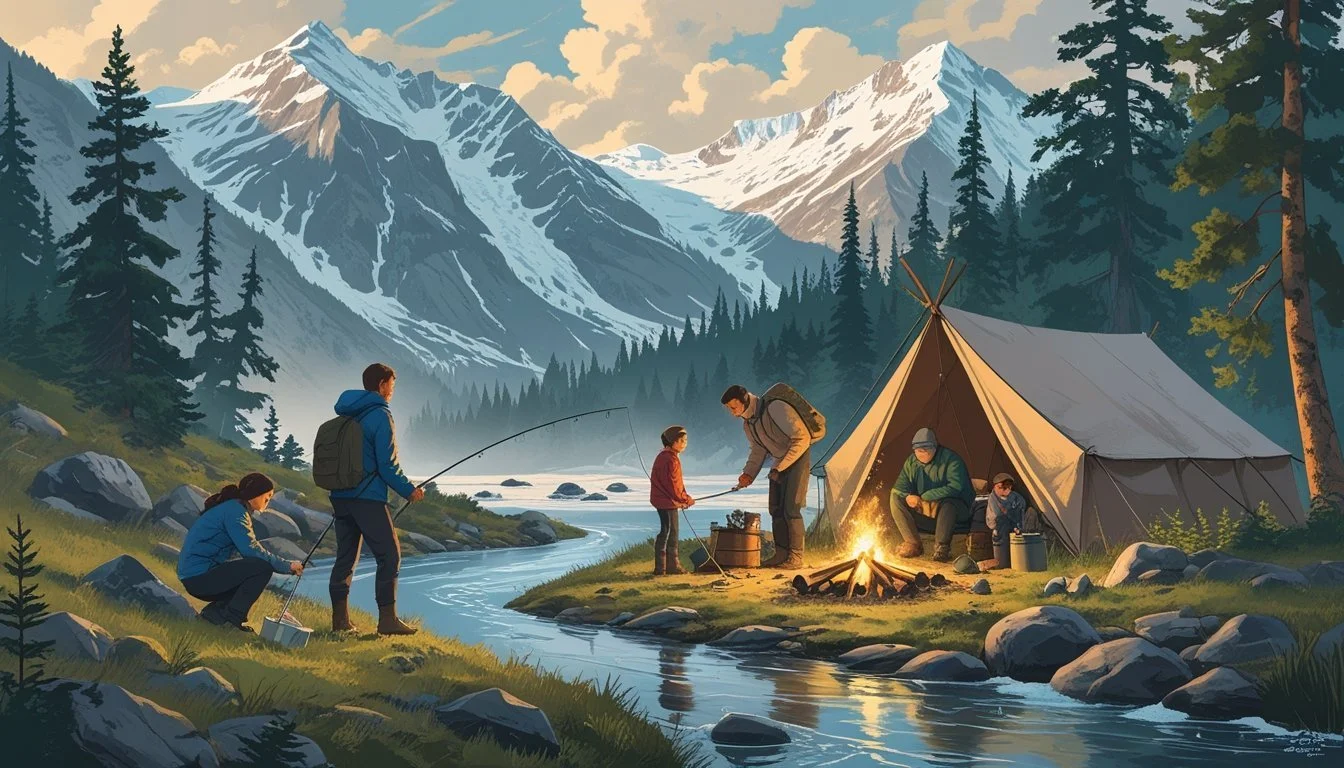
Alaskan Bush People drew many viewers because of the focus on personal stories, marked by perseverance and family change. Key cast members faced real struggles that shaped the trajectory of the show and its emotional resonance.
Spotlight on Noah Brown and Rhain
Noah Brown stood out for his interest in technology and his attempts to balance a modern mindset within an off-grid environment. He married Rhain Alisha, and their relationship brought a new dynamic to the Brown family narrative.
The birth of their son, Elijah Connor Brown, added a layer of responsibility and hope to Noah’s journey. Fans followed their adjustments to parenthood, isolation, and adapting Rhain into the Brown family’s unique way of life.
This storyline illuminated the tension between tradition and adaptation. Noah and Rhain’s choices around raising their child and integrating technology into daily survival tasks created relatable moments for many viewers.
Overcoming Hardships: Lung Cancer and Health Battles
Billy Brown's diagnosis with lung cancer gave the series a somber and deeply human chapter. The family faced his declining health while managing daily survival in harsh conditions.
Ami Brown’s earlier cancer battle had already introduced viewers to the stress and urgency that health crises create in remote living. The show documented real medical setbacks and the logistical hurdles of seeking treatment far from urban resources.
The impact on family roles and emotional wellbeing was apparent. The Browns confronted shifting responsibilities and uncertainty, revealing the depth of their bonds and resilience under duress.
Behind the Scenes and Production Choices
Production decisions on Alaskan Bush People balance authenticity with storytelling, shaping the way the Brown family's life is shown onscreen. Viewer experience is influenced not only by what is filmed in the wilderness but also by how digital platforms and cookies personalize audience engagement.
Apparent Unscripted Moments
Many scenes appear spontaneous, giving viewers the impression that events unfold in real time. The use of handheld cameras, minimal overt direction, and candid dialogue supports this unscripted feel.
However, behind the scenes, producers blend authentic moments with orchestrated sequences. Crew challenges, such as weather and logistics, require adjustments that can lead to retakes or staging certain interactions. Filming conditions in Alaska add complexity; for example, natural lighting and unpredictable events impact both what is captured and how it is presented.
Despite the controlled environment, viewers often discuss how Appar (the apparent reality of scenes) keeps them watching. This blend of reality and guided content creates an atmosphere that feels genuine but is carefully managed.
Key Elements:
Use of real environments
Selective editing
Occasional reshoots or staged dialogue
YAHOO and Cookies: Audience Engagement Online
Audience interaction extends to online platforms like Yahoo, where show information, recaps, and clips attract viewers. Personalization on these platforms is often powered by cookies, which track viewing history and interests.
Engagement strategies online include targeted headlines, recommended articles, and video previews. Yahoo uses cookies to customize content based on the user's preferences, increasing the chance of repeat visits. This targeted approach helps build a loyal fan base, as returning viewers see relevant Alaskan Bush People news and updates at the top of their feeds.
Impacts of Cookies:
Track user behavior
Customize web content
Increase viewer retention through personalized experiences
Impact and Lasting Happiness
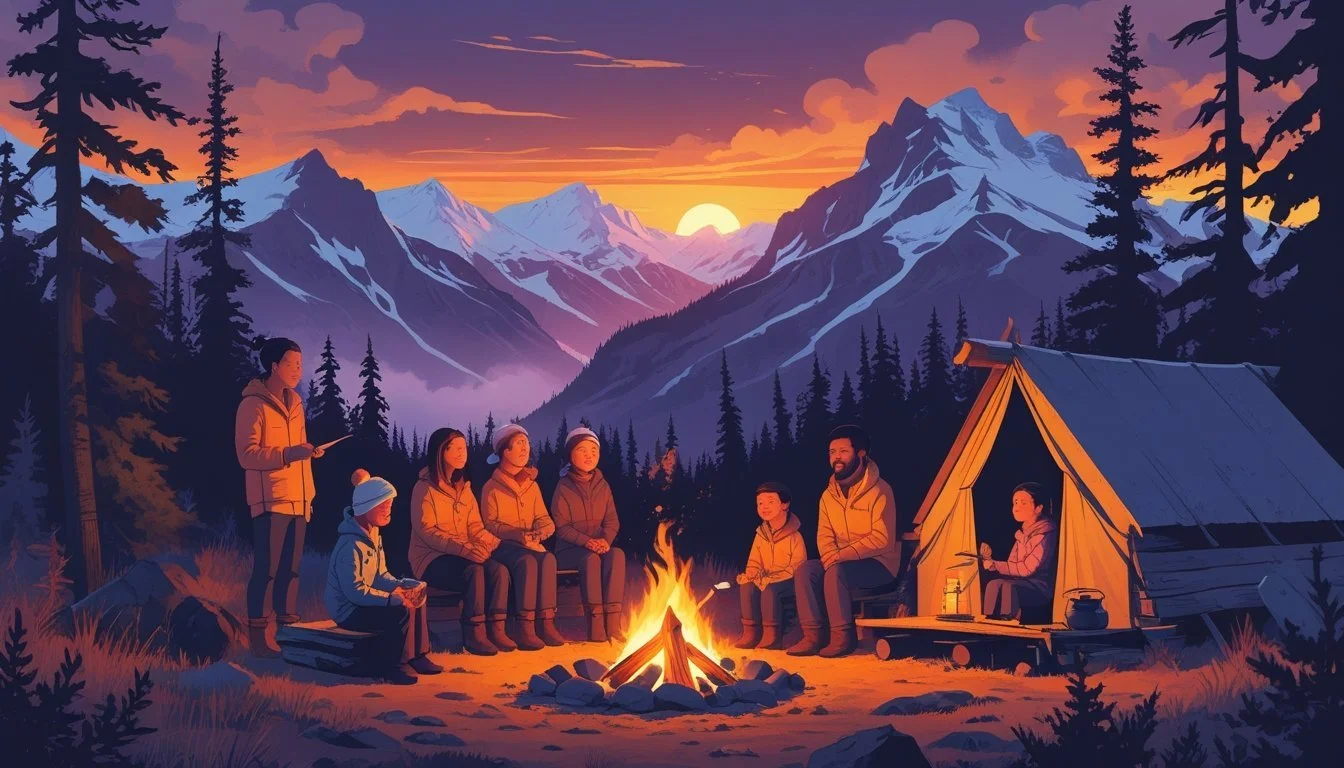
Alaskan Bush People creates a unique blend of rugged daily life and intimate family moments that keeps people invested. The show blends genuine emotion with the pursuit of happiness, even as the Browns face real difficulties.
Emotional Resonance with Viewers
Many viewers connect with the Browns because the show features honest displays of both struggle and affection. Episodes often highlight family gatherings, emotional reunions, and moments of tension that resolve, reminding people of challenges in their own families.
The series explores topics such as illness, relocation, and the loss of Billy Brown, which contribute to the emotional impact. Fans witness how each family member reacts in real time, fostering empathy and a stronger connection with the audience.
Authentic responses from siblings like Rain and Gabe during key events are especially resonant. These moments remind viewers that personal joy and sadness can exist side by side, deepening their attachment to the characters.
Celebrating Happiness Despite Challenges
Despite unpredictable weather, health concerns, and legal difficulties, the Browns consistently seek out moments of happiness together. The show documents traditions and spontaneous celebrations that bring the family joy even in the wilderness.
Key examples include group meals, birthday celebrations, and the family’s creative solutions to daily needs. These scenes underscore how happiness can be found in small victories, teamwork, and shared laughter.
Viewers are shown specific ways the Browns adapt and remain optimistic, such as building a new homestead in Washington after leaving Alaska. The family's resilience serves as a realistic model for finding happiness in less-than-ideal circumstances.
Viewers can’t stop watching Alaskan Bush People because the show offers a rare, authentic look at a family trying to live off the grid, despite persistent controversies and claims that parts are staged. The series draws in millions with its raw setting in the Alaskan wilderness, capturing the daily challenges and unique lifestyle of the Brown family—a perspective not often seen on mainstream television.
Despite scandals and criticism over its authenticity, the show’s blend of real-life survival, family dynamics, and occasional drama keeps audiences invested. Fans return season after season, not only for the wilderness survival aspect but also to see how the family navigates hardships and internal conflicts.
Overview of Alaskan Bush People
Alaskan Bush People is a reality TV series centered on the Brown family as they attempt to carve out an independent lifestyle away from urban comforts. Over 14 seasons, the show documented their challenges and unique choices, blending unscripted drama with elements of the documentary format.
Series Origins and Format
Launched in 2014, Alaskan Bush People introduced viewers to Billy and Ami Brown and their seven children as they tried to survive and thrive in the remote Alaskan wilderness. The premise focused on self-reliance, resourcefulness, and living off the grid.
Episodes typically follow the family as they hunt, build shelters, and contend with the harsh environment. The format uses a mix of interviews, family discussions, and on-the-fly filming to create an unscripted, immersive experience. While the "bush" lifestyle is emphasized, some later seasons shifted locations to Washington state, but kept the same survivalist tone and format.
Discovery Channel’s Role
Discovery Channel played a crucial role in developing and promoting Alaskan Bush People. The network is known for original unscripted programming that explores survival, adventure, and real-life challenges, which fit well with the Browns' story.
Through Discovery's global reach, the series reached millions of viewers and was heavily marketed alongside similar wilderness-based reality shows. The channel’s resources allowed for high-quality cinematography and production, elevating the documentary aspects of the show. Discovery’s support ensured multiple seasons, even as public interest fluctuated and the Browns relocated within the Pacific Northwest.
What Sets It Apart from Other Reality TV Shows
Alaskan Bush People distinguishes itself within reality TV by blending staged scenarios with real family interactions in extreme environments. The premise of a large family attempting to live traditionally and independently, often with limited resources, attracted viewers seeking authenticity and resilience.
Compared to other series, Alaskan Bush People minimizes external influences, focusing on internal family dynamics and survival skills. The documentary-style filming adds a layer of realism, while the rural setting and lack of modern conveniences set it apart from urban-based reality programming. The unscripted nature, combined with genuine challenges, gave the show a distinct identity in Discovery Channel’s lineup.
The Brown Family Dynamic
Alaskan Bush People draws attention to the Browns’ complex relationships, daily challenges, and how their connections shift with each significant family event. Social bonds and generational roles are central as viewers watch the family interact in moments of happiness, conflict, and personal growth.
Family Bond and Shared Struggles
The Brown family relies heavily on teamwork and mutual support, especially when facing Alaska’s rugged environment and later, life in Washington. Viewers often see parents Billy and Ami guiding their seven children through practical tasks and emotional hurdles.
Key hardships—such as harsh winters, food shortages, and health issues—become group problems. These situations foster deep family loyalty and sometimes tension as different personalities clash under stress.
The Browns’ willingness to share moments of vulnerability and resolve disagreements on camera adds a level of authenticity. Family meetings and group chores are frequent and give insight into how they maintain unity despite pressure.
Generational Perspectives and Grandparents
The family dynamic is shaped by both older and younger generations, each bringing separate traditions and viewpoints. Billy and Ami, as the parental elders, pass down survival knowledge and expectations for self-reliance.
The absence or minimal presence of grandparents influences the Browns’ culture, as viewers notice an emphasis on parental authority and the importance of direct lineage. Siblings learn not only from parents but also from each other, creating a layered hierarchy.
Children eventually provide fresh perspectives or challenge old habits, fueling inter-generational dialogue. Customary skills and modern ideas collide, especially as the family adapts to new locations or changing lifestyles on the show.
Milestones: Weddings and Anniversaries
Events like weddings and anniversaries play a significant role in the family’s on-screen narrative. Noah Brown and Gabe Brown’s weddings brought the entire family together and exposed both joy and stress in preparing for major life changes.
Anniversaries, particularly of Billy and Ami, act as yearly markers where the family reflects on its journey and bonds. These occasions serve to highlight progress and unity, often celebrated with family gatherings or simple ceremonies.
Such milestones are opportunities for viewers to witness rituals, challenges of integrating new spouses, and the evolving sense of family identity. These moments are often emotional and allow the audience a closer look at intimate family celebrations and transitions.
Authenticity Versus Drama
Questions about what is real and what is staged in Alaskan Bush People have persisted throughout its run. The way the show blends genuine wilderness moments with produced drama shapes how fans and critics respond.
Balancing Realism with Entertainment
The show is marketed as an unscripted look into remote family life, but numerous analyses have pointed out moments that seem carefully orchestrated for cameras. Viewers often spot inconsistencies, such as the family temporarily staying away from the bush or using technology not shown on camera.
Producers reportedly balance real survival elements with reality TV storylines. This mix aims to make episodes more engaging, even if some situations appear exaggerated. Fans are aware that dramatic scenes—like sudden animal encounters or urgent repairs—may not always unfold as naturally as presented.
Speculation about scripted content and editing grows with every new season. Yet even those who question the show's truthfulness often remain interested, drawn by the unpredictable mix of wilderness hardship and family dynamics.
Dealing with Controversies and Consent
Controversy has surrounded Alaskan Bush People, from legal disputes to questions over consent for on-screen activities. Family members have occasionally faced scrutiny regarding how much they truly participate in off-grid living.
Allegations of abuse, both verbal and situational, have prompted media attention and online debate. Some critics raise concerns about the involvement of minors and the family's ability to consent fully to certain dramatic situations. These issues sometimes spark public statements or clarifications from the Browns or Discovery Channel.
Despite these controversies, the legal and ethical lines around filming consent in reality television remain complicated. The interplay between presenting real-life hardship and managing a television production continues to be a topic of active discussion among viewers and advocacy groups.
Viewer Analyses and Public Perceptions
Online forums, Yahoo discussion boards, and social media frequently host debates about the show's authenticity. Dedicated viewers dissect episodes, highlighting inconsistencies and theorizing about behind-the-scenes production decisions.
Lists and tables circulating online compare claimed bush skills against footage that appears heavily produced. Many fans openly accept some staged elements, arguing that the combination of fact and fiction enhances their enjoyment.
Viewer analyses reveal a complex relationship with the show: skepticism about what is genuine frequently coexists with ongoing enthusiasm. The drama, whether perceived as real or manufactured, remains a key driver of audience engagement.
Depicting Alaskan Wilderness
Alaskan Bush People often presents viewers with scenes of rugged wilderness, remote living, and subsistence lifestyles. The show features the family navigating daily challenges that are unique to rural Alaska, blending survival with regional realities.
Life Off the Grid in Alaska
Living off the grid in Alaska means relying on natural resources while being cut off from many modern conveniences. The Brown family is frequently shown building their own shelters and sourcing water from nearby streams or lakes.
They use generators or solar panels for electricity, highlighting the adaptations required for harsh Alaskan winters and short, intense daylight hours in summer. The isolation they experience accurately reflects the situation in some remote Alaskan communities.
Access to healthcare, groceries, and fuel often involves long journeys, sometimes by boat or small plane. Extreme weather, such as heavy snowfall and sub-zero temperatures, frequently impacts daily routines.
Traditional Skills: Hunting and Fishing
Hunting and fishing are portrayed as key survival skills for the family. The show includes segments on setting up traps, ice fishing, and processing game like moose or deer, which are all common practices for sustenance in Alaska.
Fishing, whether in rivers or coastal waters, provides salmon and halibut, important sources of protein. The series also sometimes references respecting hunting seasons and local regulations, which is essential for anyone relying on wild resources.
Game meat, berries, and fish are smoked, preserved, or stored for winter, demonstrating food storage techniques. These skills not only reflect traditional knowledge but are vital for cold-weather survival.
Permanent Fund Dividend and Rural Living
Every eligible Alaskan receives the Permanent Fund Dividend (PFD), an annual payment from state oil revenues. The show sometimes alludes to rural life costs, such as transporting goods to remote areas or maintaining equipment, factors that make the PFD significant for families like the Browns.
Rural living means higher expenses for supplies due to challenging logistics. The PFD serves as financial relief, often used by families for essentials or repairs.
Table: Basic Rural Costs and PFD Impact
Expense Type Typical Cost ($) PFD Usefulness Diesel Fuel (per gal.) 5–7 Off-grid power Groceries (monthly) 600–1000 Offsets high prices Repairs 500+ Home/equipment
Highlighting Individual Journeys
Alaskan Bush People drew many viewers because of the focus on personal stories, marked by perseverance and family change. Key cast members faced real struggles that shaped the trajectory of the show and its emotional resonance.
Spotlight on Noah Brown and Rhain
Noah Brown stood out for his interest in technology and his attempts to balance a modern mindset within an off-grid environment. He married Rhain Alisha, and their relationship brought a new dynamic to the Brown family narrative.
The birth of their son, Elijah Connor Brown, added a layer of responsibility and hope to Noah’s journey. Fans followed their adjustments to parenthood, isolation, and adapting Rhain into the Brown family’s unique way of life.
This storyline illuminated the tension between tradition and adaptation. Noah and Rhain’s choices around raising their child and integrating technology into daily survival tasks created relatable moments for many viewers.
Overcoming Hardships: Lung Cancer and Health Battles
Billy Brown's diagnosis with lung cancer gave the series a somber and deeply human chapter. The family faced his declining health while managing daily survival in harsh conditions.
Ami Brown’s earlier cancer battle had already introduced viewers to the stress and urgency that health crises create in remote living. The show documented real medical setbacks and the logistical hurdles of seeking treatment far from urban resources.
The impact on family roles and emotional wellbeing was apparent. The Browns confronted shifting responsibilities and uncertainty, revealing the depth of their bonds and resilience under duress.
Behind the Scenes and Production Choices
Production decisions on Alaskan Bush People balance authenticity with storytelling, shaping the way the Brown family's life is shown onscreen. Viewer experience is influenced not only by what is filmed in the wilderness but also by how digital platforms and cookies personalize audience engagement.
Apparent Unscripted Moments
Many scenes appear spontaneous, giving viewers the impression that events unfold in real time. The use of handheld cameras, minimal overt direction, and candid dialogue supports this unscripted feel.
However, behind the scenes, producers blend authentic moments with orchestrated sequences. Crew challenges, such as weather and logistics, require adjustments that can lead to retakes or staging certain interactions. Filming conditions in Alaska add complexity; for example, natural lighting and unpredictable events impact both what is captured and how it is presented.
Despite the controlled environment, viewers often discuss how Appar (the apparent reality of scenes) keeps them watching. This blend of reality and guided content creates an atmosphere that feels genuine but is carefully managed.
Key Elements:
Use of real environments
Selective editing
Occasional reshoots or staged dialogue
YAHOO and Cookies: Audience Engagement Online
Audience interaction extends to online platforms like Yahoo, where show information, recaps, and clips attract viewers. Personalization on these platforms is often powered by cookies, which track viewing history and interests.
Engagement strategies online include targeted headlines, recommended articles, and video previews. Yahoo uses cookies to customize content based on the user's preferences, increasing the chance of repeat visits. This targeted approach helps build a loyal fan base, as returning viewers see relevant Alaskan Bush People news and updates at the top of their feeds.
Impacts of Cookies:
Track user behavior
Customize web content
Increase viewer retention through personalized experiences
Impact and Lasting Happiness
Alaskan Bush People creates a unique blend of rugged daily life and intimate family moments that keeps people invested. The show blends genuine emotion with the pursuit of happiness, even as the Browns face real difficulties.
Emotional Resonance with Viewers
Many viewers connect with the Browns because the show features honest displays of both struggle and affection. Episodes often highlight family gatherings, emotional reunions, and moments of tension that resolve, reminding people of challenges in their own families.
The series explores topics such as illness, relocation, and the loss of Billy Brown, which contribute to the emotional impact. Fans witness how each family member reacts in real time, fostering empathy and a stronger connection with the audience.
Authentic responses from siblings like Rain and Gabe during key events are especially resonant. These moments remind viewers that personal joy and sadness can exist side by side, deepening their attachment to the characters.
Celebrating Happiness Despite Challenges
Despite unpredictable weather, health concerns, and legal difficulties, the Browns consistently seek out moments of happiness together. The show documents traditions and spontaneous celebrations that bring the family joy even in the wilderness.
Key examples include group meals, birthday celebrations, and the family’s creative solutions to daily needs. These scenes underscore how happiness can be found in small victories, teamwork, and shared laughter.
Viewers are shown specific ways the Browns adapt and remain optimistic, such as building a new homestead in Washington after leaving Alaska. The family's resilience serves as a realistic model for finding happiness in less-than-ideal circumstances.
