
The Transition From Alaska to Washington in Alaskan Bush People
How the Brown Family Adapted to a New Life

The Brown family’s move from Alaska to Washington on Alaskan Bush People was driven by medical needs and life changes, not just a desire for a new location. After several seasons in the Alaska wilderness, viewers were surprised when the show shifted its focus to rural Washington state. The move was largely prompted by Ami Brown’s battle with cancer, which required her to be closer to specialized medical care.
Fans of the series quickly noticed the differences as the family adapted to a new environment, facing new challenges while holding onto their off-grid lifestyle. This transition raised questions about how the Browns would handle the dramatic change in landscape and what it would mean for their iconic way of life.
Background of Alaskan Bush People

Alaskan Bush People is a reality TV show that first aired on Discovery Channel in 2014. The series follows the Brown family, a group known as the "Wolfpack," as they build a life off-grid in remote wilderness settings.
The Premise and Origins of the Show
Alaskan Bush People centers around the daily lives and challenges of the Brown family as they attempt to survive in harsh, isolated environments. Launched by the Discovery Channel in 2014, the show quickly gained attention for its depiction of bushcraft and family cohesion under tough circumstances.
The series was filmed initially in various remote regions of Alaska. The Browns pursued a self-reliant lifestyle, constructing shelters, securing food, and navigating unpredictable weather.
Viewers were drawn to the authenticity of family relationships and the survival challenges presented. With each season, the show underscored the realities of living far from modern conveniences.
Key Members of the Brown Family
The Brown family, often called the "Wolfpack," consists of Billy and Ami Brown and their seven children: Matt, Bam Bam (Joshua), Bear, Gabe, Noah, Bird (Amora), and Rain (Merry Christmas). Each member played a significant role both on and off-screen.
Billy, the family patriarch, was a key decision-maker and storyteller, while Ami, the matriarch, provided emotional support. The siblings have distinct personalities and skills. Matt was known for his inventive problem-solving, while Bam Bam took on more practical responsibilities.
The family dynamic emphasized cooperation. Their interactions and personal journeys form the core of the series, offering viewers insight into life as a close-knit, self-sufficient unit.
Life in Browntown
"Browntown" was the name given to the Browns' hand-built homestead in the Alaskan bush. Constructed using mostly basic tools and natural resources, Browntown highlighted the family’s ingenuity and persistence.
Key structures included a communal cabin, storage sheds, and various DIY projects for food and water supply. The Browns relied on hunting, fishing, and small-scale farming for survival.
Browntown’s remote location and constant exposure to harsh Alaskan elements tested the family's resilience. Their day-to-day resourcefulness and teamwork became a prominent feature of Alaskan Bush People, illustrating the challenges of wilderness living.
Life in the Alaskan Wilderness

The Brown family’s years in the Alaskan wilderness centered on building a homestead by hand, creating systems for survival, and learning to adapt in a remote environment. Their daily life involved significant physical labor, a dependence on nature’s cycles, and frequent encounters with unpredictable challenges.
Homesteading in Hoonah
The Browns settled near Hoonah, Alaska, where they built their own homestead on a remote property called "Browntown." This land, spanning about 30 acres, was accessible mainly by boat, highlighting its isolation from nearby communities. Each family member had clear responsibilities ranging from constructing log cabins to maintaining basic shelter and gathering firewood.
Much of their time was spent developing essential infrastructure. They built storage areas for food, a water system that relied on rain and streams, and basic animal pens for livestock. Schooling for the children was handled at home with a focus on practical knowledge and traditional academics.
This hands-on lifestyle demanded resourcefulness and teamwork. The family’s achievements included building multiple structures from local timber and adapting spaces to the rugged terrain.
Living Off the Grid
The Browns lived without reliable access to electricity, running water, or conventional heating. Their property operated fully off the grid, using generators, wood-burning stoves, and primitive tools. They sourced water from nearby streams, collected rainwater, and rationed fuel to power essential equipment.
Daily routines included:
Chopping wood for heat
Fishing, hunting, and gathering wild berries for food
Repairing tools and maintaining equipment by hand
Even refrigeration was achieved using natural cold storage methods. Modern conveniences were rare or improvised, requiring custom solutions for warmth and cooking. Communication with towns was limited, which influenced how supplies were managed and emergencies handled.
Challenges and Adventure
Life in the Alaskan wilderness posed constant challenges. The family faced long, harsh winters, frequent storms, and encounters with wildlife like bears and wolves. Isolation increased the difficulty of medical emergencies, equipment failures, and food shortages.
Adapting to the unpredictable climate was essential. The terrain made travel dangerous, and supply runs could be delayed for weeks by weather. The Browns relied on their ingenuity and preparation to endure unexpected setbacks.
Adventure was part of daily life. Routine tasks such as food gathering, hunting, or traveling into town often became risky undertakings. The remote setting tested their resilience, forcing them to adapt and invent new solutions to ongoing problems.
Ami Brown’s Health Journey
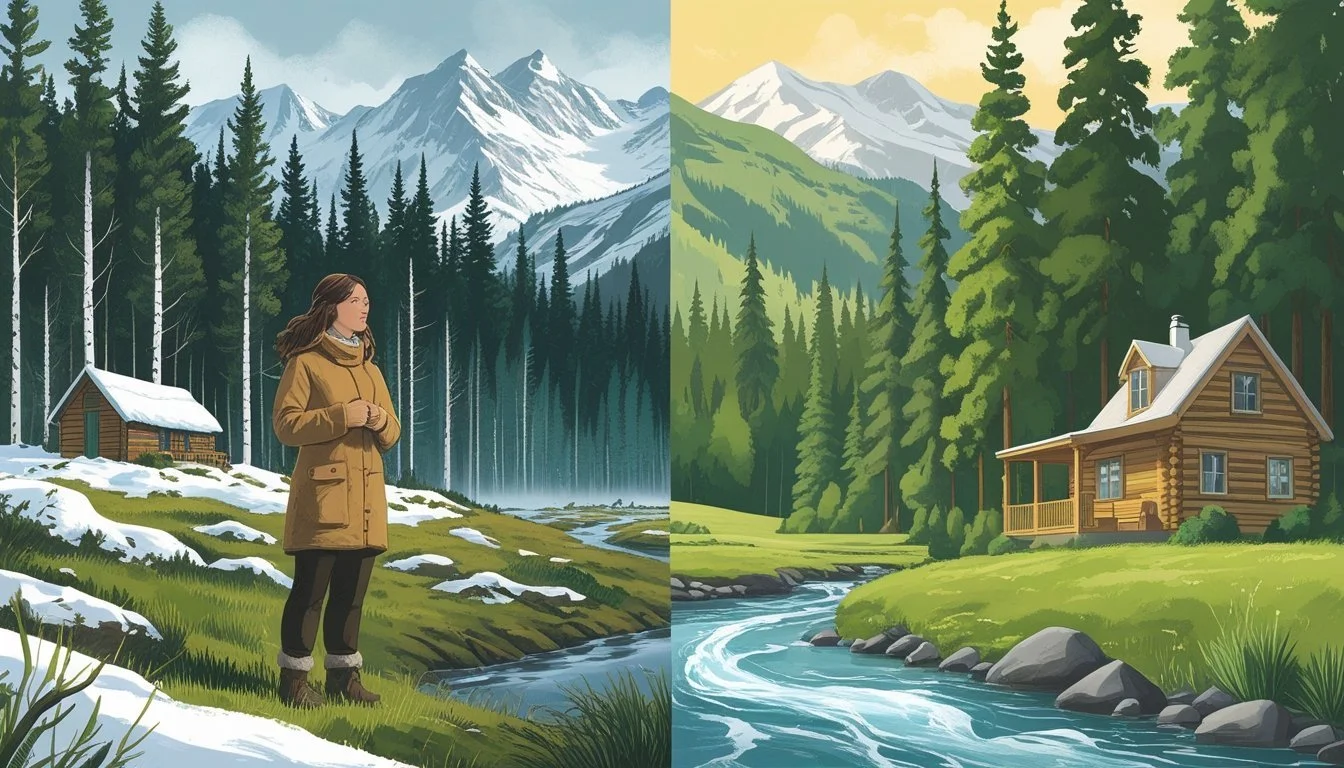
Ami Brown’s experience with cancer reshaped the Brown family’s daily lives and ultimately drove the move from Alaska to Washington. Her medical crisis required difficult choices and drastically changed the course of "Alaskan Bush People" and the family's future together.
Cancer Diagnosis and Treatment
In April 2017, Ami Brown was diagnosed with stage 3 lung cancer. This diagnosis brought sudden upheaval to the Brown family, forcing them to leave their remote Alaska home so Ami could access urgent medical care. The family relocated to the lower 48, settling first near California’s UCLA Medical Center for treatment.
Treatment for stage 3 lung cancer is intensive and often includes a combination of chemotherapy and radiation. Ami endured several months of these therapies at UCLA. Throughout her cancer battle, the family provided constant support, helping her manage side effects and treatment schedules. The diagnosis and treatment defined their daily reality, with Ami’s health as the top priority.
Impact on the Family
Ami’s health crisis meant the Browns had to pause their longstanding Alaskan lifestyle. The entire family shifted focus to her care, leaving "Browntown" behind. The move to Washington State was largely motivated by the need to stay close to quality medical facilities and support services.
The emotional and psychological strain was significant. The uncertainty of Ami’s prognosis brought the family closer, but also introduced new pressures as they adapted to modern conveniences and a different way of living. They often split their time between visiting Los Angeles for treatment and adjusting to life on their new 435-acre ranch in the North Cascade Mountains.
Recovery and Becoming Cancer-Free
After months of difficult treatments, Ami Brown received the news that she was in remission by late 2017. Medical scans showed no evidence of cancer, a result that marked a major turning point for both her and the entire family. Her cancer-free status brought relief but ongoing vigilance and medical follow-ups remained necessary.
Ami’s recovery inspired further lifestyle changes. The family maintained a presence in Washington, balancing Ami’s medical needs with their desire to continue living off the land. Her health journey was openly shared with viewers, reflecting both the challenges of a serious illness and the significance of perseverance and support.
The Decision to Move to Washington

The Brown family’s relocation from Alaska to Washington State was driven by a combination of environmental changes, personal needs, and unforeseen circumstances. These included both practical concerns and essential health requirements.
Factors Behind the Relocation
Several factors contributed to the Browns' move out of Alaska. Severe weather, shifting climate patterns, and natural disasters had made their previous location increasingly difficult to inhabit.
Legal and regulatory pressures also played a role. New land use rules and environmental restrictions limited the family’s ability to live as they had before in Alaska. Washington’s North Cascade region offered a new wilderness, but with more favorable conditions for building a home and maintaining their lifestyle.
Practical considerations, such as distance from essential services and accessibility, also influenced the move. After years of isolation, proximity to medical care, supplies, and infrastructure became more important.
Role of Ami Brown’s Health
Ami Brown’s cancer diagnosis was a central factor in the family’s decision to leave Alaska. Treatment required access to specialized medical facilities, leading the family to California, where she could receive the necessary care.
After successful cancer treatment, doctors advised that Ami avoid the extreme conditions typical of Alaska. Medical guidance prioritized a milder climate to support her ongoing recovery and health maintenance.
Staying in Alaska was not an option because returning could have jeopardized Ami’s well-being. Washington State’s more moderate climate and closer proximity to health services in California provided a balance between wilderness living and access to care.
Leaving Alaska for California
When Ami Brown’s illness was diagnosed, the family left Alaska for California to ensure she could receive advanced cancer treatment. The seriousness of her condition demanded immediate relocation to a state with major hospitals and resources.
During her treatment period in California, the Browns faced the reality that the move might become permanent. They were unable to return to Alaska because continued access to treatment and a stable environment for recovery were essential for Ami.
Instead of returning north, the family ultimately chose Washington State. This location allowed them to maintain aspects of their off-grid lifestyle while meeting Ami’s long-term health needs and staying close to necessary medical support.
Establishing North Star Ranch

The Brown family purchased North Star Ranch in Washington after years of living in Alaska. Their relocation required careful selection of land, new construction efforts, and ongoing maintenance of a large property.
Choosing the North Cascade Mountains
When selecting a new home, the Browns settled on the North Cascade Mountains in Washington.
The area offered rugged terrain and relative seclusion, aligning with their desire for privacy and self-sufficiency. The location also gave Ami Brown better access to medical care following her cancer diagnosis, a practical factor influencing their decision. The property consisted of several parcels totaling roughly 436–500 acres, allowing the family to pursue their off-grid lifestyle goals.
Proximity to local resources and communities was also a consideration. While the setting remained remote, the Browns could reach towns for supplies, medical services, and other necessities. These logistical factors, as well as the landscape’s picturesque qualities, made the North Cascade Mountains a viable new home.
Building the New Homestead
Setting up the new homestead on North Star Ranch required significant effort.
The family had to construct living quarters and supporting structures from the ground up. Some aspects of their setup included building cabins, storage sheds, and workspace areas for daily activities. Given the size of the property, location selection for each structure was planned for functionality and accessibility.
Key construction challenges:
Harsh weather conditions, such as heavy rain and cold
Transporting materials to the remote location
Ensuring basic utilities like water, heat, and power
They also incorporated sustainable features similar to their Alaskan homestead, including wood stoves and off-grid power options. Some family members lived in nearby towns temporarily during periods of heavy construction or difficult seasons.
Managing 500 Acres of Land
North Star Ranch spans about 500 acres, requiring regular upkeep and planning.
Tasks included maintaining trails, fencing off specific areas, and protecting the homestead from potential hazards like wildfires. The family divided responsibilities, with each member managing aspects such as agriculture, livestock, and building repairs. The property's size made it necessary to use vehicles and tools for land management.
Some areas of the ranch were left wild to preserve the natural environment. They also established gardens and small-scale animal husbandry to supplement their food supply. Managing such a large property called for routine inspections and addressing both seasonal changes and longer-term maintenance needs.
Life in Washington State
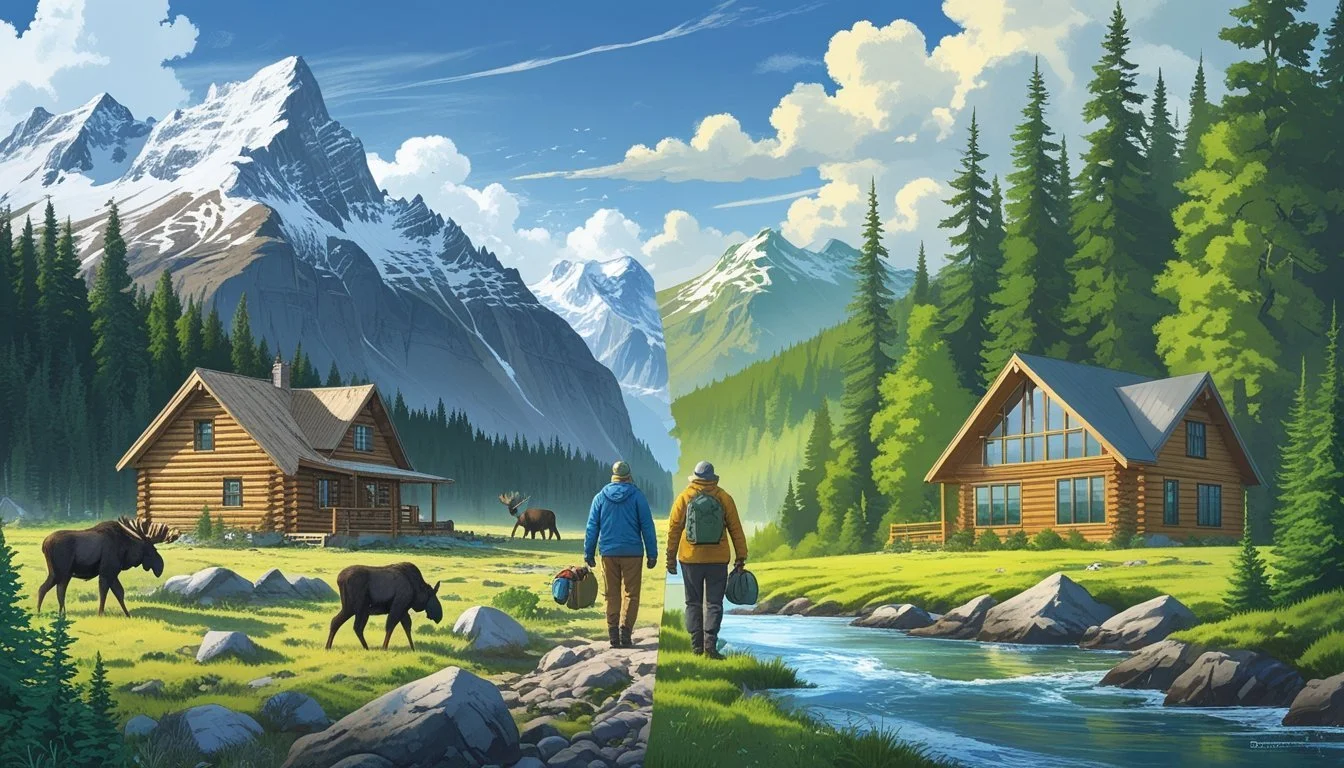
After relocating from Alaska, the Brown family settled in Washington State’s North Cascade Mountains. Their move introduced new routines, environmental challenges, and different ways of engaging with the local community compared to their former Alaskan life.
Adjusting to the Pacific Northwest
The Pacific Northwest presented a stark contrast to the Alaskan bush. Washington State’s climate brought more rain, milder winters, and a longer growing season. The Brown family had to adapt to new ecological conditions, learning how to work with the land at their 435-acre property, known as North Star Ranch.
They used the extended seasons to experiment with planting orchards and growing their food rather than relying solely on hunting and fishing. Wildlife differed, so they learned the habits of new animals and adapted their skills for local conditions. Each member of the family took on specific roles to manage the property’s resources and upkeep.
Daily Routines and Challenges
The Browns set up new daily routines focused on self-sufficiency. Their days often began early with chores including caring for livestock, maintaining structures, and managing their orchard. Unlike in Alaska, reliable access to resources like water and supplies was more feasible, though they still faced rural challenges.
Tasks now involved more farming and animal husbandry rather than subsistence hunting. The family handled equipment repairs and homebuilding projects using both traditional methods and some modern tools available in Washington. Seasonal tasks, such as preparing firewood and preserving food, were also a priority.
Routine Task Alaska Washington State Food Source Hunting/Fishing Orchard/Farming Weather Prep Extreme Cold Wet/Mild Winters Structure Building Cabins Ranch Outbuildings
Community and Local Life
The Browns’ move to Washington increased their interaction with neighboring communities. Unlike their isolated life in Alaska, the proximity to small towns meant better access to medical care for Ami and educational opportunities for the younger family members.
They occasionally visited local markets for supplies and engaged in regional events when possible. Relationships with neighbors and nearby farmers became more important, providing support systems and shared knowledge. The local culture of the Pacific Northwest influenced their lifestyle, from food choices to approaches in land management and conservation.
Connecting with others also meant balancing privacy with openness, as public interest in their new life remained high due to their ongoing television presence.
The Lives of the Brown Family Members
After leaving Alaska for Washington, the Brown family faced major changes in their daily lives and family roles. The move tested leadership, responsibilities, and relationships among the family, especially for Billy Brown, Matt Brown, and Noah Brown.
Billy Brown’s Leadership
Billy Brown served as the leader and guiding force for the Brown family both in Alaska and after their relocation to Washington. His experience with remote living and survival provided the basis for much of the family’s approach to self-sufficiency and resourcefulness.
Billy prioritized unity and resilience as the family transitioned from the isolated wilderness of Alaska to the unfamiliar terrain of Washington state. The shift came with new challenges, such as legal matters, land use regulations, and adapting to a community environment.
Billy’s influence continued to shape the family’s values and decisions following their move. After his death in February 2021, his absence left a significant gap and required other family members to reconsider their roles and responsibilities. The period after his passing marked a turning point in family dynamics and leadership.
The Next Generation: Matt and Noah Brown
Matt Brown, the eldest son, experienced personal struggles over the years that impacted his involvement with the family and the show. As the family settled into their Washington property, Matt spent much time away seeking treatment for addiction issues and focusing on his recovery.
Noah Brown embraced the new opportunities that living in Washington brought. He started a family of his own, married Rhain, and welcomed their children. Noah adapted by building a home and applying practical skills learned in Alaska to a very different environment.
While both Matt and Noah took distinct paths, their choices highlighted the evolving nature of the Brown family after the move. Noah remained closely involved with family projects, while Matt’s journey led him to focus on personal growth more independently. The family’s adaptation in Washington illustrated each member’s ability to carve out unique roles amid ongoing change.
Return to Alaska: Reconnecting with Their Roots
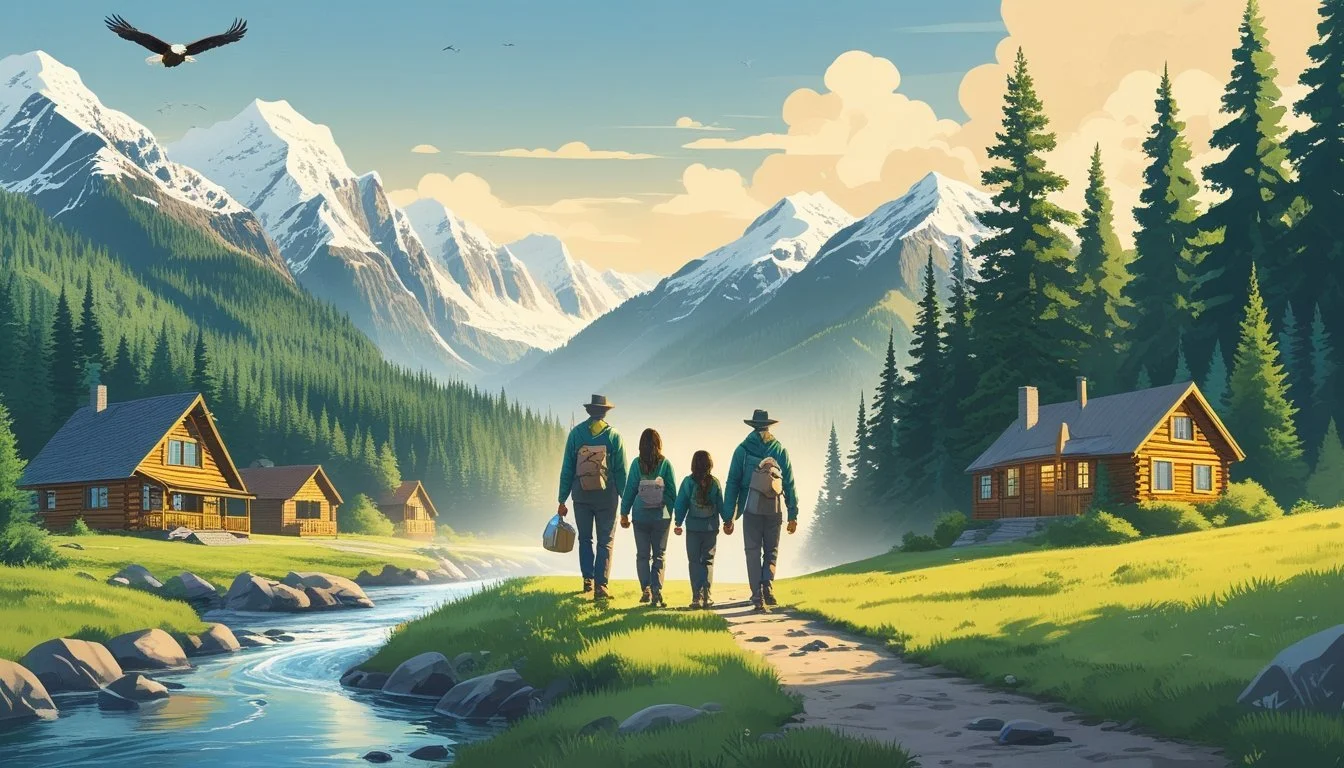
After several years based in Washington, the Brown family’s renewed focus on Alaska marks a major shift for Alaskan Bush People. Their motivations center on revisiting formative places and highlighting past and present connections to the Alaskan wilderness.
Visits and New Episodes Highlighting Alaska
Recent updates confirm that Bear Brown and his family members have been making trips back to Alaska. These visits are not only personal journeys but also serve as sources for new episodes in the series. The goal is to document both the challenges and the emotional impact of returning.
Footage from these episodes features familiar landscapes and tasks unique to the region, such as fishing, building shelters, and interacting with local wildlife. Scenes emphasize the contrast between life in Washington and the stricter demands of the Alaskan environment.
Producers have promoted upcoming segments featuring the Brown family’s adaptations during these returns. This direction aims to reconnect viewers with the core experiences that defined earlier seasons, using Alaska’s natural setting as a backdrop for both nostalgia and new storylines.
The Significance of Their Wilderness Origins
The Brown family’s connection to Alaska is deeply rooted in both their personal history and the central theme of Alaskan Bush People. The wilderness provided the backdrop for the family’s most transformative moments, shaping their identity and influencing their methods of survival.
Returning to Alaska is significant because it brings the family back to their origins. Activities such as hunting, trapping, and building with limited resources continue to test their skills and endurance. These elements are central to their portrayal as self-reliant and adaptable.
The show emphasizes that Alaska is more than a filming location—it represents the values and traditions the Browns seek to uphold. This return appeals to long-term fans who associate the series with the raw, unfiltered challenges specific to Alaska’s terrain and climate.
