
Did Skyler Deserve Better?
A Feminist Take on Breaking Bad Characters and Narratives

Skyler White’s treatment in Breaking Bad, from both the show's narrative and the audience's backlash, reveals clear double standards and highlights the challenges strong female characters still face on television. As Walter White’s wife, Skyler navigates moral dilemmas and personal turmoil, often showing resilience and agency in extremely difficult circumstances. Despite her complexity and the critical role she plays, she received disproportionate criticism and hate compared to her male counterparts.
Skyler's journey is not just about her marriage to Walt, but also about her struggle for autonomy and respect as a woman. The reaction to her character raises important questions about sexism in media and how society views women who refuse to quietly accept their roles. This article explores why Skyler deserved better—both within the story and from the audience watching at home.
Skyler White in Breaking Bad: Character Overview
Skyler White stands as a central figure in Breaking Bad, shaped both by her own actions and by the choices of those around her, particularly her husband, Walter White. Her evolution is driven by a tangle of moral dilemmas, familial responsibilities, and shifting loyalties.
Core Traits and Motivations
Skyler, portrayed by Anna Gunn, is introduced as intelligent, pragmatic, and protective of her family. She is resourceful, often thinking several steps ahead when it comes to household matters or potential threats.
Her primary motivation is the well-being of her children and maintaining family stability. Skyler shows a willingness to question Walt’s decisions, acting as a moral center early in the series.
While often criticized for her confrontational stance, her assertiveness stems from a deep sense of responsibility, not personal ambition. Her actions, from probing Walt’s lies to making difficult compromises, highlight her determination to shield her family.
Key Storylines and Turning Points
Skyler’s trajectory in Breaking Bad is defined by her gradual discovery of Walter’s criminal life. Early in the series, she grows suspicious of Walt’s erratic behavior and secretive actions, sparking one of the show’s central tensions.
After learning the truth about Walt’s meth manufacturing, Skyler first seeks to distance herself. However, she becomes more involved, helping with money laundering for the car wash business. This shift complicates her moral position.
The affair with her boss, Ted Beneke, marks another turning point, reflecting both personal desperation and strategic maneuvering. Each major decision Skyler makes adds complexity to her character and to the series’ storytelling.
Relationship with Walter White
Skyler’s relationship with Walter is often strained and layered with mistrust. Initially, their marriage is marked by routine, but Walt’s double life amplifies secrecy and manipulation on both sides.
Their dynamic evolves from traditional partnership to adversarial cohabitation. Skyler’s responses to Walt’s deceptions range from confrontation to reluctantly aiding his schemes.
Her evolving views on Walt—oscillating between fear, anger, and reluctant support—underscore the psychological impact of his criminal actions. The tension between their private struggles and public facade serves as a driving force in Breaking Bad’s narrative.
Public Perception and the 'Skyler Hate' Phenomenon
Skyler White became one of television’s most divisive characters, drawing intense criticism and sparking debate across fan communities. Much of this negative attention centered on online forums and media outlets, with sexism and double standards frequently discussed as contributing factors.
Online Backlash and Its Origins
Skyler White faced sustained criticism in online spaces, with threads and posts across sites like Reddit discussing her actions and character. Many users expressed strong dislike or even hatred, often harsher than criticism toward similarly flawed male characters.
The backlash began early in the show's run and intensified as Skyler became more involved in Walter White’s criminal life. Some fans cited her attempts to intervene or confront Walt, viewing these actions as nagging or obstructive. Accusations of "breaking up the fun" were common, with some arguing that Skyler didn’t “help” the situation.
This negativity extended beyond character analysis, with misogynistic language and personal attacks on actress Anna Gunn. The online hate reached such levels that it became an integral part of discussions about both Skyler and the series as a whole.
Comparing Reactions to Male and Female Characters
Reactions to Skyler often contrasted starkly with responses to male characters like Walter White or Jesse Pinkman. While Walt also made questionable decisions, he remained widely popular and was often excused or even glorified by viewers for his actions.
Fans tended to view Skyler through a stricter moral lens. Actions considered justified or exciting for male characters were criticized as manipulative or cold when Skyler did them. This double standard reflected underlying issues of sexism in fan communities, where female characters often face harsher scrutiny for behavior that receives approval or leniency when exhibited by men.
Such disparities highlighted how ingrained social expectations influence public perception and contribute to the notion of Skyler as a “most hated character.”
Media Analysis: The New York Times and Entertainment Weekly
Major media outlets recognized and addressed the "Skyler hate" phenomenon. In 2013, Anna Gunn published an op-ed in The New York Times discussing the vitriol she received and connecting much of the backlash to broader trends of misogyny and sexism in media fandoms.
Entertainment Weekly and other publications analyzed how audience reactions reflected discomfort with strong, complex female characters. These outlets pointed out that Skyler’s actions—opposing Walt’s drug empire or protecting her family—were logical within the story but often led to disproportionately negative responses compared to male characters.
Media coverage played a key role in raising awareness of the issues surrounding hate directed at female characters and challenged audiences to reconsider their biases.
Evaluating Skyler's Actions: A Feminist Interpretation

Skyler White’s actions in Breaking Bad highlight the pressures faced by women within a male-dominated narrative. Her role provides a lens through which to examine cultural attitudes about gender, power, and morality on television.
Gender Roles in Breaking Bad
Skyler exists in a story deeply entwined with traditional gender expectations. From the outset, she is positioned as wife and mother, supporting Walt while managing the household and their finances. Walt’s descent into crime disrupts these roles, thrusting Skyler into situations where typical “feminine” duties conflict with her ethical boundaries.
She negotiates what it means to be both a caregiver and a protector. When Walt involves her in money laundering, Skyler steps outside the conventional boundaries assigned to women on television, using intelligence and agency to confront threats to her family. Her actions challenge passive female stereotypes frequently seen in TV history.
Misogyny and Female Characters on Television
Skyler’s character received harsh criticism from sections of the audience, much of it rooted in gendered double standards. Fan reactions and online commentary frequently labeled her as “unlikable” or an obstacle to Walt’s ambitions. This dynamic reflects a broader pattern of misogyny toward female characters who take active roles or oppose male protagonists.
Academic discussion and feminist scholarship have emphasized how Skyler’s arc exposes sexism embedded in television narratives. The discourse around Skyler reveals discomfort with women who reject subservience or disrupt the viewer’s sympathy for male anti-heroes. The backlash against her is recognized as part of a historical tendency to vilify women who resist patriarchal norms.
Support vs. Resistance: Skyler’s Moral Dilemmas
Skyler’s choices are marked by complex moral conflicts. She navigates between supporting her husband as a spouse and rejecting his criminal actions to uphold her own values. Her cooperation with Walt, such as participating in money laundering, is often a pragmatic survival strategy rather than simple acceptance.
At critical points, Skyler resists Walt’s manipulation and criminality—seeking divorce, withholding information, or taking steps to protect her children from danger. Her dilemmas illustrate the limited options many women face within patriarchal systems, especially when the law, family loyalty, and personal ethics collide. Through Skyler, Breaking Bad interrogates the consequences of forcing women into impossible choices on television.
Skyler’s Relationship with Walter White: Complex Dynamics
Skyler White’s relationship with Walter White is defined by shifting power, emotional strain, and the consequences of Walt’s criminal choices. Their marriage reveals the tensions between control and vulnerability, honesty and secrecy.
Power Struggles and Agency
From the series’ beginning, Skyler and Walt’s marriage is marked by a dynamic power struggle. When Walter is diagnosed with cancer, he withholds the truth about his criminal activities, undermining Skyler’s ability to make informed decisions for her family.
Skyler frequently pushes back against Walt’s secrecy and manipulation. She asserts her voice, especially when it concerns the safety and future of their children. Despite Walt’s efforts to keep her in the dark, Skyler gradually gains agency, using her intelligence to navigate the dangerous circumstances.
Her decision to become involved in laundering money is not made from a position of free choice. Instead, it’s a response to being cornered by Walt’s escalating criminal behavior. This underscores the limits of her agency within their relationship.
Animosity, Trust, and Betrayal
Trust between Skyler and Walt erodes quickly as Walt’s lies mount. Emotional connection is replaced by suspicion and animosity. Skyler’s discovery of Walt’s criminal activities marks a turning point where she feels betrayed, both as a partner and as a mother.
Her affair with Ted Beneke can be seen as an act of desperation. It serves as a way to assert control and seek emotional validation outside her marriage. The move further damages their already fragile trust and intensifies existing resentments.
Walt’s manipulation goes beyond secrecy; he often uses their children as leverage, leaving Skyler in an impossible emotional position. The relationship is punctuated by frequent conflict, mistrust, and a growing emotional distance fueled by Walt’s escalating actions.
Impact of Walter’s Criminality
Walter's involvement in the drug trade fundamentally alters every aspect of their family life. Skyler becomes an unwilling participant, forced to confront laundering money and shielding their children from the dangers associated with Walt's criminal world.
The constant threat of violence forces Skyler into a state of persistent anxiety. She becomes hyper-vigilant, trying to manage the risks tied to Walt’s actions while protecting her family’s future.
Skyler’s reputation and personal safety are both put at risk, as law enforcement scrutiny and the threat from Walt’s criminal associates loom. Her attempts to maintain some semblance of normalcy highlight the high personal cost she pays because of Walt’s choices.
Behind the Scenes: Casting, Performance, and Production
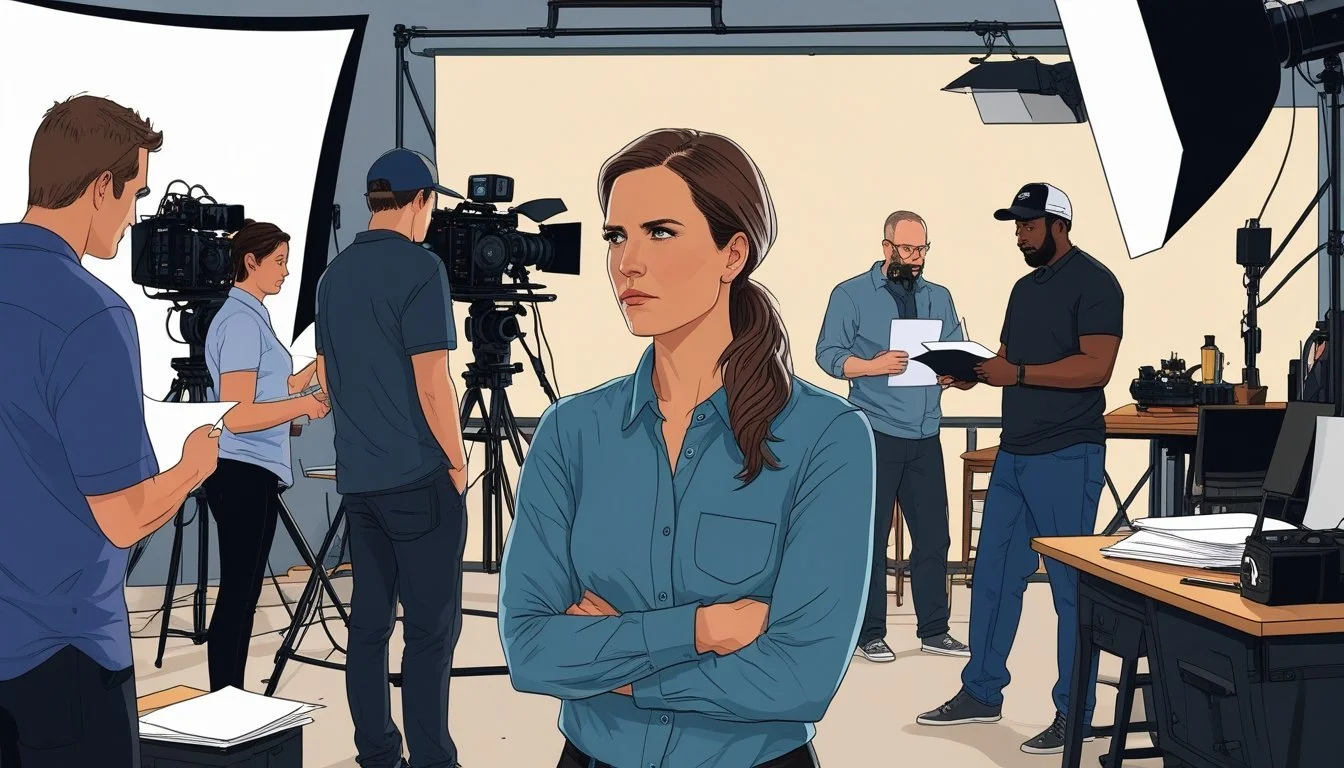
Casting choices and actor performances shaped how audiences saw Skyler White. Production decisions and critical recognition played key roles in framing her trajectory and the reactions surrounding her character.
Anna Gunn’s Portrayal of Skyler
Anna Gunn was cast as Skyler White after a rigorous audition process. She brought nuance to a difficult role that demanded both vulnerability and strength. Gunn balanced the character’s moral dilemmas with emotional authenticity, earning praise from both fellow cast members like Bryan Cranston and critics.
Her performance helped turn Skyler into a fully realized character rather than a simple foil for Walter White. Gunn had to navigate complex scenes, including those with Aaron Paul and Giancarlo Esposito, requiring subtle shifts in tone. She frequently expressed that her approach was rooted in understanding Skyler’s motivations, often defending her choices when responding to audience backlash.
Vince Gilligan’s Character Intentions
Series creator Vince Gilligan envisioned Skyler White as a crucial anchor to Walter White’s descent. He deliberately wrote her character with agency and complexity, avoiding one-dimensional portrayals. Gilligan has stated that he wanted Skyler to serve as both a moral counterpart and a mirror to Walt’s transformation.
Gilligan publicly voiced concern over the degree of backlash Anna Gunn and the character received, describing it as troubling and sometimes rooted in sexism. Writers made active choices to allow Skyler moments of resistance, highlighting her intelligence and independence. The production team saw her as essential to the show’s narrative structure and thematic depth.
Critical Acclaim and Awards
Anna Gunn received widespread industry acknowledgment for her work on Breaking Bad. She won two Primetime Emmy Awards for Outstanding Supporting Actress in a Drama Series in 2013 and 2014. This recognition underscored the craft involved in bringing Skyler to life.
Breaking Bad as a series was lauded by critics, with Gunn’s performance often cited alongside the work of Bryan Cranston, Aaron Paul, and Giancarlo Esposito. While the audience reception was polarized, industry peers consistently praised her nuanced portrayal. The show’s balance of a strong ensemble cast was seen as a key factor in its critical and awards success.
Legacy and Cultural Impact
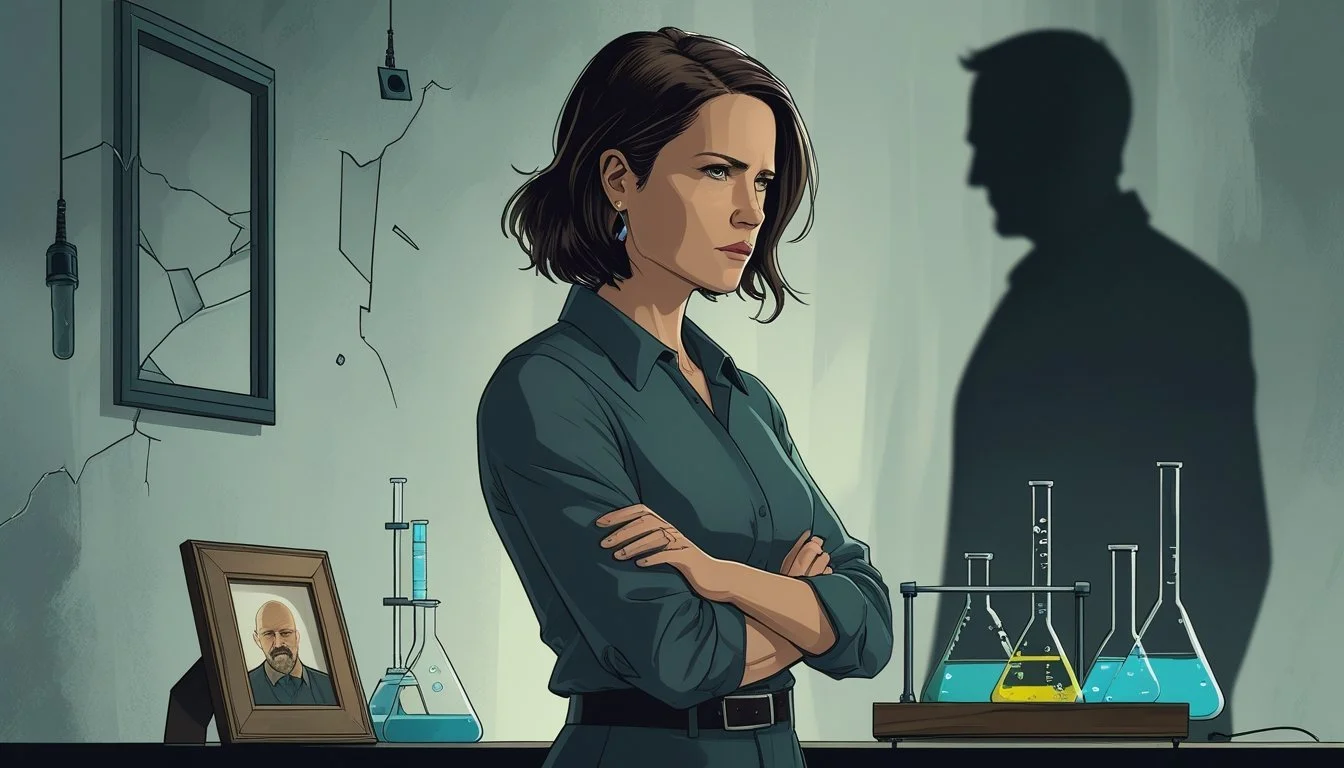
Skyler White’s portrayal generated significant discussion about gender, agency, and the depiction of wives in crime dramas. Her character’s reception continues to shape analyses of female roles in modern television and inspires reconsideration of audience biases.
Influence on Subsequent Female Characters
Skyler’s role in Breaking Bad highlighted the challenges faced by women positioned opposite male antiheroes. Writers and showrunners have since reconsidered how to create more multidimensional female characters who are not simply obstacles or foils.
After Breaking Bad, series such as Better Call Saul and Ozark introduced women with greater agency and complexity, avoiding the flat characterization often seen in earlier dramas. Characters like Kim Wexler, Ruth Langmore, and Wendy Byrde exist in morally ambiguous worlds but receive more narrative depth and balanced development.
These portrayals reflect an industry recognition that audiences expect—and benefit from—more nuanced female leads who are integral to the overall story, not merely accessories or antagonists to male protagonists. This shift owes much to the discourse and lessons drawn from the backlash against Skyler’s character.
Discussions in Better Call Saul
Better Call Saul, the prequel to Breaking Bad, indirectly addresses criticisms about gender representation by developing Kim Wexler as a central character with her own motivations, ethical dilemmas, and story arcs. Unlike Skyler, Kim is shown driving the narrative and shaping the series’ events in partnership with Jimmy McGill.
Writers seem consciously aware of Skyler’s reception and construct Kim’s storyline to invite empathy rather than hostility. The show’s fan community and critics have noted this intentional change, frequently comparing the two characters. This discourse suggests a shift in audience attitudes but also highlights how Breaking Bad played a role in catalyzing the conversation about fair representation.
Kim’s character has been praised for her complexity, independence, and agency. This approach serves both as a response to previous backlash and as a benchmark for future television narratives featuring women.
Skyler's Place in Television History
Skyler’s legacy in television history is complex. She stands as one of the most discussed secondary characters from a prestige drama, sparking debates about audience expectations for female roles. The widespread vitriol directed at her prompted public reflection, including op-eds and academic analysis on the intersection of gender politics and audience identification.
While Breaking Bad received acclaim for its writing, the hostile response to Skyler became a case study in how female characters are scrutinized compared to their male counterparts. The series creator, as well as actress Anna Gunn, openly addressed this phenomenon, fueling broader discussions about sexism within fan cultures.
Skyler’s impact remains visible. Her reception encouraged both industry professionals and scholars to examine how women are written and perceived in television dramas, ensuring that the conversation about equitable representation continues in the context of both Breaking Bad and its successors.
Conclusion

Skyler White’s character consistently challenged typical gender roles often found in crime dramas. Rather than acting only as a bystander or victim, she made complex decisions and asserted her own agency inside a dangerous situation.
Despite this, many viewers responded with strong negativity, sparking intense debate about the fairness of this backlash. The criticism directed at Skyler frequently stemmed from gendered double standards and biases, as noted by the show’s creator and media analysis.
Key points:
Skyler navigated both victimhood and agency within the story’s patriarchal structure.
Audience responses to her revealed underlying cultural attitudes toward women in television.
Feminist interpretations continue to emphasize her complexity and importance to the narrative.
Skyler’s role remains essential when examining the intersection of gender and storytelling in modern television. Her journey invites viewers to question how women’s choices and actions are received and judged compared to their male counterparts.
