
How Breaking Bad Created the Golden Age of TV and Redefined Modern Storytelling

Breaking Bad helped usher in the Golden Age of Television by raising expectations for complex storytelling, cinematic visuals, and morally ambiguous characters. Led by Vince Gilligan, the series challenged viewers with a chemistry teacher-turned-drug lord at its center and set a new standard for what audiences could expect from television dramas.
The show's intricate plots and high production values drew in viewers who were used to simpler narratives and less ambitious projects. Its approach inspired other programs to take risks, contributing to a wave of prestige dramas that prioritized character depth and visual storytelling.
Audiences responded by making Breaking Bad a cultural touchstone, sparking widespread discussion and changing the way people consumed television. Its impact continues to influence both creators and viewers, cementing its place as a key force behind television's Golden Age.
Breaking Bad’s Revolutionary Impact on Television
Breaking Bad reshaped the television landscape, changing how dramas are written, produced, and received. Its influences are evident in both the creative approach of modern series and the high expectations viewers now bring to prestige television.
Redefining Prestige Television
Breaking Bad, created by Vince Gilligan and aired on AMC, is often credited with refining the concept of "prestige television." Unlike standard episodic dramas, it offered serialized storytelling with deep character arcs and moral ambiguity. The show’s antihero, Walter White, was a chemistry teacher-turned-drug lord whose transformation challenged traditional protagonist roles.
The series solidified AMC's reputation as a network capable of delivering critically acclaimed content, joining the ranks of channels like HBO. Breaking Bad was frequently compared to The Wire and The Sopranos for its complex narrative and dramatic scope. Its success encouraged networks to pursue more ambitious, high-quality dramas that pushed creative boundaries.
Critics and audiences alike began to look for series that brought similar seriousness and craftsmanship. The label of "prestige TV" became a mark of quality storytelling, production, and concept.
Shifting Audience Expectations
Audiences’ expectations shifted significantly with the rise of Breaking Bad. Viewers were drawn in by the show's commitment to tightly plotted storylines and character depth. The series demonstrated that audiences would follow morally complex characters through prolonged, challenging developments rather than just episodic resolutions.
As Breaking Bad gained popularity, it sparked more conversations about characters’ motivations and the ethics of their choices. Fan forums, social media, and critical discussions flourished around the show, illustrating an engaged and invested viewership.
The international success on platforms like Netflix expanded the demand for serialized, high-quality dramas. Today, audiences expect TV dramas to offer layered characters, slow-burn plots, and ambitious narrative arcs—a standard that Breaking Bad helped set.
Elevating Storytelling and Production Values
Breaking Bad raised the bar for storytelling precision and production values within entertainment. Vince Gilligan and his team prioritized meticulous screenwriting, with each episode building on themes and foreshadowing later events. The narrative structure was carefully planned, rewarding attentive viewers with payoffs and callbacks.
Visually, the series set itself apart with striking cinematography and symbolic imagery. The use of the New Mexico setting was not just a backdrop—it became integral to the mood and texture of the story. Creative use of color, camera angles, and sound design made each episode feel cinematic rather than formulaic.
Production standards influenced by Breaking Bad are now evident in later dramas. Networks invest more in writing, directing, and technical aspects, recognizing that quality on this level attracts both critical acclaim and loyal, engaged audiences.
How Breaking Bad Sparked the Golden Age of TV
Breaking Bad is widely recognized for raising the artistic standards of television drama. Its success reshaped expectations for TV storytelling, acting, and production quality in the years that followed.
Catalyst for Peak TV
Breaking Bad arrived at a time when cable television was starting to invest in ambitious, serialized stories. The show's complex narrative and morally ambiguous characters offered a new standard for what scripted shows could achieve. Its focus on long-form storytelling, character development, and visual style set it apart from traditional network dramas.
The series became a frequent Emmy winner, drawing critical acclaim and widespread attention. Its influence helped transform television into a medium seen as equal to film, especially among adults seeking more challenging material. This shift contributed to the era now known as the Golden Age of Television, often called "Peak TV," where dozens of high-quality shows compete for both audience and awards.
Breaking Bad's impact is evident in the way networks and streaming services now prioritize serialized narratives, invest in top-tier writing and acting, and focus on complex, adult themes.
Paving the Way for Scripted Shows
The show demonstrated that there was a large audience for sophisticated, serialized scripted shows. Its success proved that viewers would follow multi-season narratives centered on flawed protagonists and moral dilemmas. This approach directly influenced the greenlighting of later prestige dramas.
A range of popular shows, such as Better Call Saul, True Detective, and Fargo, emerged after Breaking Bad by adopting similarly high standards for writing, direction, and ensemble casting. This shift resulted in a sharp increase in scripted television output and quality, helping to define the current era of television.
Networks and streaming platforms invested more heavily in original series rather than relying on reality TV or syndicated content. Breaking Bad's model showed that critical and commercial success could come from riskier, more ambitious storytelling, leading to an explosion of genre-defining scripted content during television's golden age.
Influence on Streaming and On-Demand Culture
Breaking Bad played a significant role in changing how television shows were consumed, especially as audiences shifted toward streaming platforms and on-demand services. The series demonstrated new viewing habits and accelerated the popularity of full-season and series binge-watching, while directly contributing to the growth of major streaming services.
Binge-Watching Phenomenon
When Breaking Bad became available on streaming services, its serialized and suspense-driven storytelling encouraged viewers to watch multiple episodes in a single sitting. Binge-watching quickly turned from a trend into a standard way to experience complex TV dramas.
Fans who joined late could easily catch up, making real-time appointment TV less important. This behavior gradually set expectations for entire seasons of shows to be released simultaneously. Before Breaking Bad, most networks favored weekly releases, but its streaming success highlighted growing demand for on-demand bulk viewing.
The show’s ability to sustain viewer engagement across episodes helped cement the binge-watch model as a key part of modern television culture. That pattern influenced not only audience habits but also how studios and writers structured future series.
Rise of Services like Netflix and Hulu
Breaking Bad’s partnership with Netflix marked a turning point for streaming platforms. After AMC’s original broadcasts, the series found new life and a wider audience when full seasons became available on Netflix. This move showcased the value of streaming as a viable second home for cable dramas.
With greater access and on-demand convenience, services like Netflix and Hulu grew in popularity, partly fueled by word-of-mouth recommendations among binge-watchers. Breaking Bad’s streaming numbers demonstrated to studios that online platforms could boost a show’s cultural reach and longevity.
List of Key Streaming Services Impacted:
Netflix: Provided access to prior seasons and jumpstarted the binge-watch culture.
Hulu: Followed as another major on-demand service supporting serialized content.
Amazon: Entered the market with similar models, learning from the popularity of shows like Breaking Bad.
The show helped redefine the relationship between original broadcasters and streaming companies, encouraging other high-quality programs to follow suit.
Inspiration for Modern TV Dramas
Breaking Bad set new standards for narrative complexity and character development. Its impact is seen across cable and streaming dramas that launched in its wake, pushing boundaries in storytelling, tone, and production values.
Legacy on Shows Like Mad Men and House of Cards
Breaking Bad influenced how Mad Men and House of Cards approached character-driven plots. While Mad Men, airing on AMC alongside Breaking Bad, delivered intricate story arcs and morally ambiguous protagonists, it drew from Breaking Bad's success in sustaining audience investment through slow-burn narratives.
House of Cards, debuting on Netflix, used serialized storytelling elements, such as layered antiheroes and ongoing tension, that Breaking Bad helped popularize. The show's success reinforced studios' confidence in producing long-form, adult-oriented drama for streaming platforms.
Many of these series adopted bold cinematography and careful pacing reminiscent of Breaking Bad. Showtime and FX also invested in original programming with complex plots, often featuring flawed characters at the center of morally charged stories.
Influence on Game of Thrones and Orange Is the New Black
Game of Thrones premiered while Breaking Bad was still on air. Both series shared a willingness to challenge viewers by killing major characters and depicting the impact of power and corruption. This approach differed from earlier TV shows, helping redefine what audiences expected from primetime drama.
Orange Is the New Black took inspiration from Breaking Bad’s blend of dark comedy and unsettling realism. The Netflix original, like Breaking Bad, focused on ensemble casts and shifting perspectives, highlighting diverse personal journeys within a broader narrative.
French series like Spiral also adopted complex structures and character arcs that became popular after Breaking Bad. International networks began exploring deeper character studies, shifting TV trends around the world.
Key Themes and Storytelling Techniques
Breaking Bad is recognized for redefining television through its deep character work and its critical exploration of social aspirations. The series stands out through nuanced writing, moral complexity, and a sharp critique of cultural ideals.
Complex Character Development
Breaking Bad’s character design is notably intricate, especially in its portrayal of Walter White’s transformation. From a struggling chemistry teacher to a criminal mastermind, Walter’s journey is depicted with subtle changes in his beliefs, values, and behavior. The audience witnesses each pivotal decision, revealing how small moral compromises evolve into greater ones.
Other characters, such as Jesse Pinkman and Skyler White, are also developed with careful attention to their motivations and internal conflicts. Their progression is influenced by interactions with Walter and shifting circumstances. The series often blurs the distinction between hero and villain, compelling viewers to constantly reconsider their judgments.
By using non-linear narratives and revealing character backstories at critical moments, the show creates empathy for flawed individuals. Breaking Bad helped set industry standards for psychological depth and multi-dimensional character arcs in television drama.
Exploration of the American Dream
The series offers a pointed analysis of the American Dream, presenting it as both an aspiration and a cause of personal downfall. Walter White’s initial motivation—to provide for his family—reflects classic ideals of success and financial security.
As the story progresses, Walter’s pursuit of prosperity becomes entangled with pride and ego. This escalation critiques the notion that individual achievement outweighs moral or legal boundaries. The show exposes the darker consequences of unchecked ambition and questions whether the American Dream is attainable without significant ethical costs.
Through Walter’s choices and eventual descent, Breaking Bad challenges viewers to reconsider what the American Dream means and the sacrifices that come with trying to achieve it. The narrative encourages deeper reflection on how societal pressures can drive ordinary people to extraordinary actions.
Breaking Bad’s Place Among TV Icons
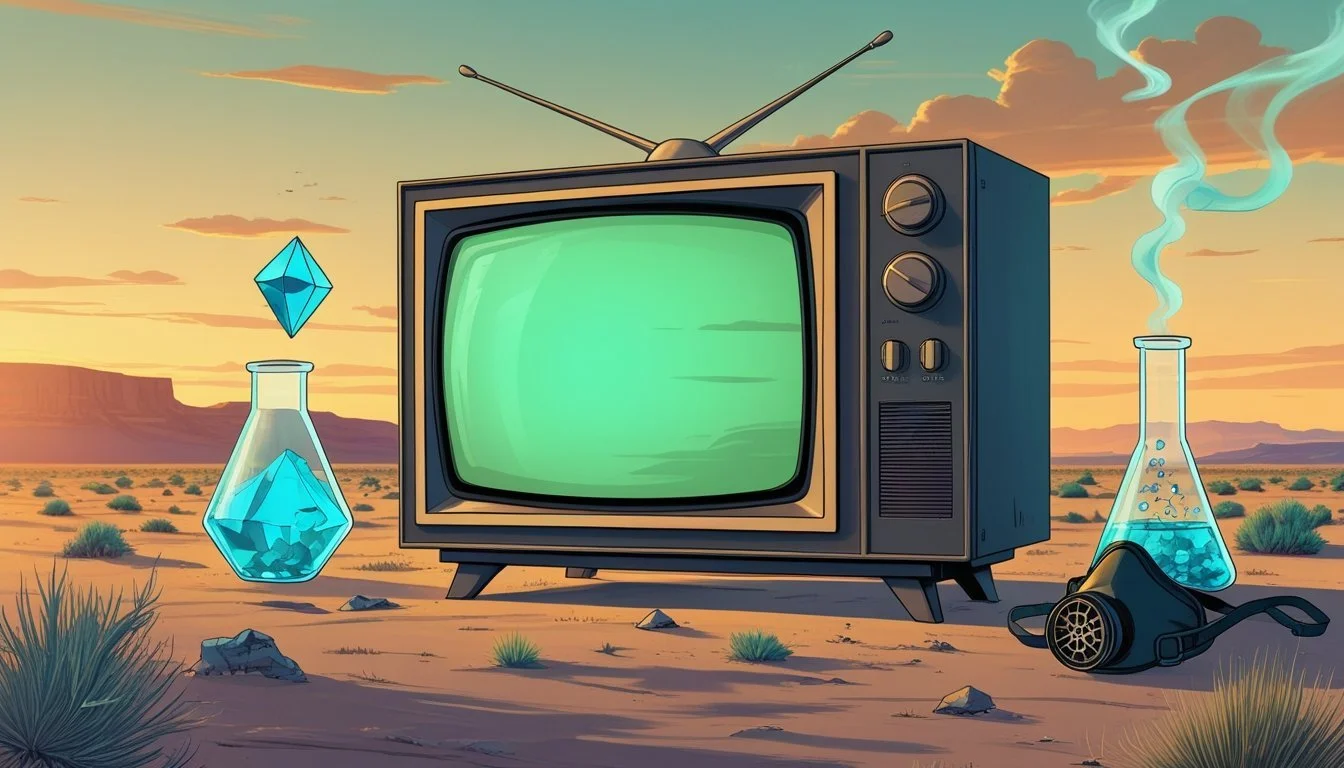
Breaking Bad is frequently discussed alongside landmark series that shaped modern television. Its legacy is defined by both direct comparisons to earlier icons and its influence on the direction of television drama.
Comparisons with The Sopranos and The Wire
Breaking Bad is often grouped with The Sopranos and The Wire, two acclaimed HBO programmes that set early standards for prestige TV. All three shows are recognized for complex antiheroes and narratives that challenge viewers.
Tony Soprano, Walter White, and Stringer Bell became cultural references because of their layered personalities. The Sopranos focused on the psychological depth of a mob boss, while The Wire offered a systemic look at urban decay.
Breaking Bad stands out for the transformation of Walter White from an everyman to a criminal mastermind. Where The Sopranos and The Wire examined the consequences of power from institutional and personal perspectives, Breaking Bad centered the change in one character.
These three series also share a cinematic style, high production values, and willingness to address moral ambiguity. Their influence is seen in how modern dramas are evaluated.
Connections to the Evolution of Dramas
Breaking Bad arrived near the end of HBO’s initial run of groundbreaking dramas, marking a new era in serialized television. By pushing the boundaries of storytelling on cable TV, it demonstrated that complex series could thrive outside of premium networks.
It used nonlinear narratives, visual symbolism, and layered character arcs, expanding on techniques introduced by previous titles. Unlike earlier dramas, Breaking Bad’s rise coincided with streaming and digital platforms, increasing its impact and accessibility.
The show's approach to tension, character transformation, and moral questions set new expectations for what TV dramas could achieve. This shift encouraged more networks to invest in ambitious, genre-defying programmes. The result was an expanded “Golden Age” that built on what The Sopranos and The Wire had started, but carried those ideas to a wider audience.
Cultural and Industry Shifts After Breaking Bad
Breaking Bad’s success influenced both the type of shows audiences expected and how the television industry structured programming. These shifts are evident in the evolving nature of popular genres and the growing presence of international productions across major networks and platforms.
Paradigm Shift in Light Entertainment and Comedies
Before Breaking Bad, network schedules were dominated by light entertainment and comedies. Sitcoms and variety shows, such as those on Sky or network TV, held prime slots and were considered safe for advertisers.
After Breaking Bad, audiences demanded more ambitious narratives. Dramas with layered characters and morally complex plots became increasingly popular, pushing some comedies and light entertainment to adapt. Shows like Empire incorporated more serialized storytelling and heightened drama as a result.
Comedies responded by evolving their formats. Some, like mockumentary-style series, adopted more cinematic techniques and pursued darker themes. This transition made variety in TV genres more pronounced, as lighter fare began exploring themes of ambiguity and nuance once reserved for dramas.
Growth of International Series and Documentaries
Global reach and critical acclaim for Breaking Bad accelerated the appetite for quality content across international borders. Streaming services capitalized on this momentum, investing in diverse programming including documentaries and international series.
Networks and platforms began acquiring and promoting shows from non-U.S. markets, as seen with Scandinavian noir dramas and British crime series. Documentaries also saw a surge in prestige, with high production values and serialized storytelling drawing wider audiences.
DVD sales and streaming made it easier for audiences to access foreign content and limited series. This led to a richer, more competitive landscape, where international productions could achieve critical and commercial success alongside traditional U.S. television.
