
How Breaking Bad Captures the Narcissism of Evil Through Character Depth and Storytelling
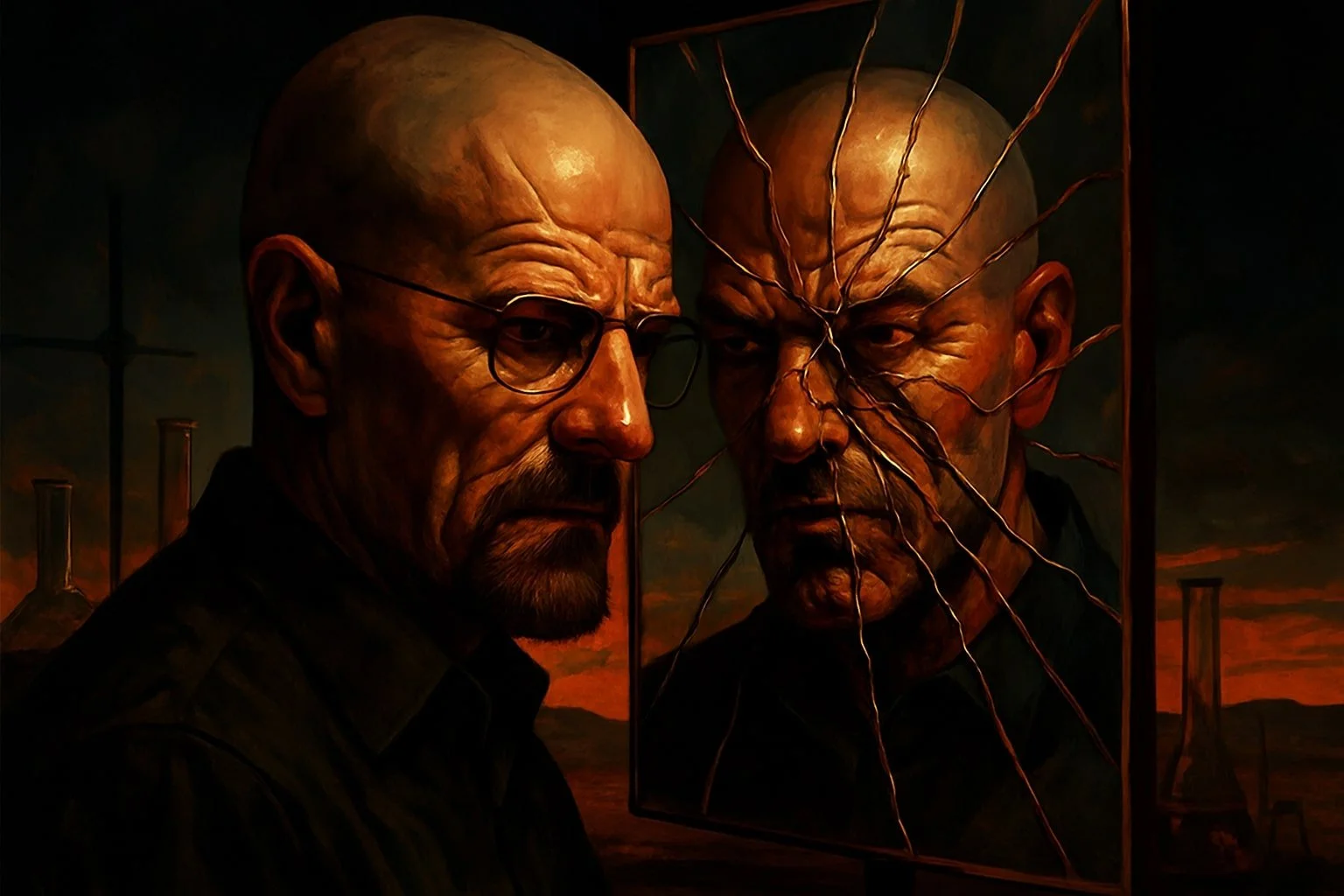
Breaking Bad, created by Vince Gilligan, explores complex moral landscapes through its depiction of Walter White’s gradual descent from a seemingly ordinary teacher to a ruthless criminal. The series offers a clear illustration of how narcissistic traits can serve as a foundation for evil actions, as Walter’s self-justification and desire for recognition fuel his transformation into “Heisenberg.”
Storylines emphasize how characters confront their own egos and moral boundaries, particularly as they pursue power, validation, or self-preservation. Walter’s choices highlight the dangers of unchecked ambition and the psychological mechanisms individuals use to rationalize harmful behavior.
Viewers witness not just criminality, but how personal narratives and self-importance can enable and justify destructive decisions. This portrayal stands out for showing that evil often grows from narcissism, entitlement, and the gradual erosion of empathy, making Breaking Bad’s narrative both unsettling and thought-provoking.
The Psychological Foundations of Evil in Breaking Bad
Breaking Bad explores how personal ambition, self-interest, and rationalization contribute to the emergence of evil. Through Walter White’s journey, the series reveals how ordinary motivations can become the basis for profound moral decline.
Understanding Narcissism Through Walter White
Walter White’s narcissism grows quietly but pervasively from his first blue meth cook onward. At the start, he is driven by humiliation and the trauma of missed opportunities. His pride at being overlooked by former colleagues feeds resentment.
As Walter’s criminal success increases, so does his sense of specialness. He develops a conviction that he alone deserves recognition for his talents. This belief justifies manipulations and dangerous choices, even at his family's expense.
Key Traits Driving Narcissism:
Trait Example in Walter White Pride Seeks credit for meth purity and empire Resentment Feels cheated by ex-partners Grandiosity Believes no one else can do what he does
Walter’s sense of self-importance steadily overwhelms his earlier motives, turning his quest from survival to dominance.
Heisenberg: The Transformation of Self
Walter White’s criminal persona, Heisenberg, embodies his transformation from victim to perpetrator. The creation of Heisenberg allows him to distance himself from moral responsibility and indulge his ambition without restraint.
As Heisenberg, Walter sheds his insecurities and exercises power with increasing comfort. His intimidation of rivals and cold manipulation highlight the psychological split between his public and private identities.
This transformation is not instant. Gradually, Heisenberg’s decisions override Walter’s earlier concerns for family and ethics. The two “selves” blur, producing a figure willing to rationalize almost any act for the sake of his ego and goals.
Heisenberg is not a mask but a realization of Walter’s deeper impulses—especially pride and desire for recognition.
The Role of Rationalization and Self-Interest
Rationalization is a central tool for Walter White’s moral decline. At each stage, he frames his actions as necessary, defending them as being for his family's future, even when self-interest is the true motivator.
This pattern appears in many forms, from justifying violence against rivals to manipulating his wife and friends. Every act is reframed in language that makes it appear virtuous or inevitable.
Examples of Rationalization:
Claiming violence protects his family.
Insisting drug money will only benefit loved ones.
Dismissing lawbreaking as a response to unfair circumstances.
Self-interest becomes the underlying engine of Walter’s decisions. The more he achieves, the more he feels entitled to break rules and ignore consequences. This gradual process exposes the psychological mechanics by which ambition and rationalization can erode moral judgment and drive the creation of evil.
Depiction of Relationships and Power Dynamics
Breaking Bad illustrates how Walter White’s quest for power, money, and control distorts his closest relationships. The show uses his manipulations and interactions to explore the impact of narcissistic behavior on others and exposes the changing power balance between characters.
Jesse Pinkman: Morality and Influence
Walter White and Jesse Pinkman’s relationship starts as a partnership of necessity between a chemistry teacher and his former student. Walter’s paternal approach quickly shifts into a pattern of manipulation, as he exploits Jesse’s loyalty and vulnerability.
Jesse’s morality is frequently tested by Walter’s actions. He is pulled deeper into criminal activity, sometimes against his will, highlighting the imbalance of influence between the two. Walter often frames his manipulations as mentorship, but it serves his goals and cements his authority.
The dynamic reveals how narcissistic leaders can deform moral boundaries and erode the autonomy of those around them. Jesse’s shift in attitude—his growing resistance and despair—underscores the psychological toll of being trapped in such a relationship.
Controlling Others: The Need for Dominance
Walter’s craving for dominance grows as his criminal enterprise expands. He uses emotional leverage, threats, and financial incentives to control associates, family, and rivals.
He often withholds information or manipulates circumstances to keep others dependent on his knowledge and resources. This control extends to business partners and adversaries alike. Examples include his dealings with Gus Fring and Saul Goodman, where Walt asserts himself through calculated risks and intimidation.
Walter’s focus on power is more than monetary; it’s about being the smartest and most indispensable person in every room. The show details how this hunger for dominance increasingly isolates him, damaging both business and personal ties.
Impact on Family and Partners
Walter’s narcissistic pursuit of money and self-importance deeply affects his family, especially Skyler White. He hides the criminal truth, then later demands loyalty, expecting his family to conform to his worldview.
Skyler is placed in a precarious position—control over family finances and household stability are wrested from her as Walt’s illegal earnings reshape their lives. The transformation in their marriage is marked by secrecy, mistrust, and coercion.
Walt’s son and even extended family members become pawns in his schemes. The show carefully documents how relationships, once based on genuine care, are corroded by deception and the relentless need for control.
Ethics, Morality, and the Consequences of Choices
Breaking Bad examines how ethical boundaries erode when individuals rationalize choices for personal gain. The show unpacks the impact of Walter White’s actions on his integrity, relationships, and sense of self.
The Anti-Hero and Moral Ambiguity
Walter White’s transformation from high school chemistry teacher to meth kingpin embodies the anti-hero trope. He retains traces of sympathetic motivation—providing for his family after a cancer diagnosis—yet his decisions quickly spiral past traditional ethical lines.
The distinction between good and evil becomes increasingly unclear. Each choice Walter makes tests his moral compass, reflecting how repeated exposure to smaller transgressions can slowly dull one’s sensitivity to right and wrong. Breaking Bad illustrates the psychological process by which justification and self-interest foster moral ambiguity.
Characters like Jesse Pinkman and Skyler White serve as moral barometers, reacting to Walter’s shifting values. This ongoing tension highlights how personal ambitions and justifications complicate ethical boundaries.
Integrity Versus Fulfillment
Walter’s journey forces a direct conflict between maintaining personal integrity and achieving a sense of fulfillment. Initially, his actions are justified by a desire to secure his family’s future. However, as he accumulates power and wealth, his motivations shift toward pride, control, and self-importance.
A brief table below summarizes this shift:
Phase Integrity Fulfillment Early Series High (family) Low (unfulfilled potential) Mid-Series Moderate Growing sense of power End of Series Abandoned Fulfillment from dominance
Walter’s choices consistently prioritize his own sense of fulfillment over ethical standards. This erosion of integrity is at the heart of his moral decline, showing how the desire for validation can undermine even deep-seated values.
Guilt, Redemption, and Failed Transformation
Breaking Bad traces Walter’s complex relationship with guilt and the elusive prospect of redemption. Despite significant harm to others—such as Jesse’s suffering and the unraveling of his family—Walter rarely expresses true remorse. His attempts at reconciliation or confession appear calculated rather than sincere.
Guilt is present but subdued, overshadowed by rationalizations and self-preservation. Efforts at redemption are incomplete, as he fails to fully accept responsibility for the consequences caused by his choices. Walter’s inability to transform or seek real atonement cements his downfall.
The series presents this failed transformation as the lasting legacy of his moral decisions, reinforcing how unchecked ambition and ethical denial shape the consequences faced by the anti-hero.
Symbolism and Cinematography: Visualizing Narcissism and Evil
Breaking Bad's use of symbolism and visual storytelling deepens the audience’s understanding of its characters’ moral decay and self-absorption. Through visual motifs and strategic cinematography, the show conveys complex psychological themes without relying solely on dialogue.
The Pink Teddy Bear as a Symbol
The pink teddy bear recurs as a powerful emblem in Breaking Bad, especially throughout the second season. Its damaged appearance—scorched fur, missing eye—directly mirrors the consequences of Walt’s narcissistic decisions. The bear floats in the pool, a setting close to Walt’s domestic life, highlighting how his actions corrupt what should be a place of safety.
Viewers often see the bear in fragmented shots, underscoring the fragmented morality at play. Its color contrast—vivid pink against blue water—signals innocence lost and draws viewers’ attention to the emotional cost of evil. The bear ultimately connects back to the plane crash, symbolizing not just guilt but the far-reaching impact of Walt’s egocentric choices.
Key details:
Represents collateral damage
Connects innocence with destruction
Reappears during moments of self-reflection or crisis for Walt
Cinematic Techniques and Emotional Resonance
Breaking Bad’s cinematography uses color, framing, and lighting to illustrate both narcissism and evil. Color symbolism is central, with blue often representing purity or legitimacy, while yellows and greens suggest decay or moral compromise. These visual cues shift as a character changes internally.
Lighting design often isolates characters, accentuating their growing detachment. Tight camera angles create intimacy but also discomfort, forcing the viewer to confront characters’ self-obsession. Long, unbroken takes and deliberate camera movements mirror the slow unraveling of Walt’s psyche.
Techniques such as reflection shots or framing Walt alone in vast spaces reinforce his isolation—a symptom of narcissism. By weaving these choices together, the show strengthens emotional connections and visualizes the internal descent into evil.
Breaking Bad’s Place in Television and Its Cultural Impact
Breaking Bad reshaped perceptions about the potential of television drama. It not only set new standards for storytelling but also sparked debates about morality, human nature, and the allure of crime.
Crime Drama Reinvented: Legacy and Influence
Breaking Bad changed how audiences and creators view the crime drama genre. By centering on Walter White’s transformation from a mild-mannered teacher to a ruthless criminal, the show revealed darker layers of human behavior and motivations.
Many subsequent series, such as Better Call Saul and Ozark, adopted its serialized, morally ambiguous style. Breaking Bad’s structure, focusing heavily on character psychology, influenced the tone and depth of crime narratives across both American and international television.
The show also fostered discussions around themes of evil, narcissism, and the complexity of human choices. Its success demonstrated that viewers were ready for antiheroes and stories without clear notions of joy or redemption.
Awards, Acclaim, and Lasting Discussion
Breaking Bad received critical acclaim throughout its run. It won 16 Primetime Emmy Awards, including multiple Outstanding Drama Series honors, underscoring its impact on both the industry and audiences.
The writing, acting, and direction were widely praised, particularly for Bryan Cranston’s portrayal of Walter White. Critics and scholars continue to analyze its depiction of morality and the dark corners of human nature.
Debates about the show’s ethical questions and cultural significance remain active years after its finale. Breaking Bad’s legacy is visible in its awards record and the ongoing discussions about its exploration of evil and consequence in modern television.
