
Mike Ehrmantraut in Breaking Bad:
The Last Professional and His Enduring Legacy
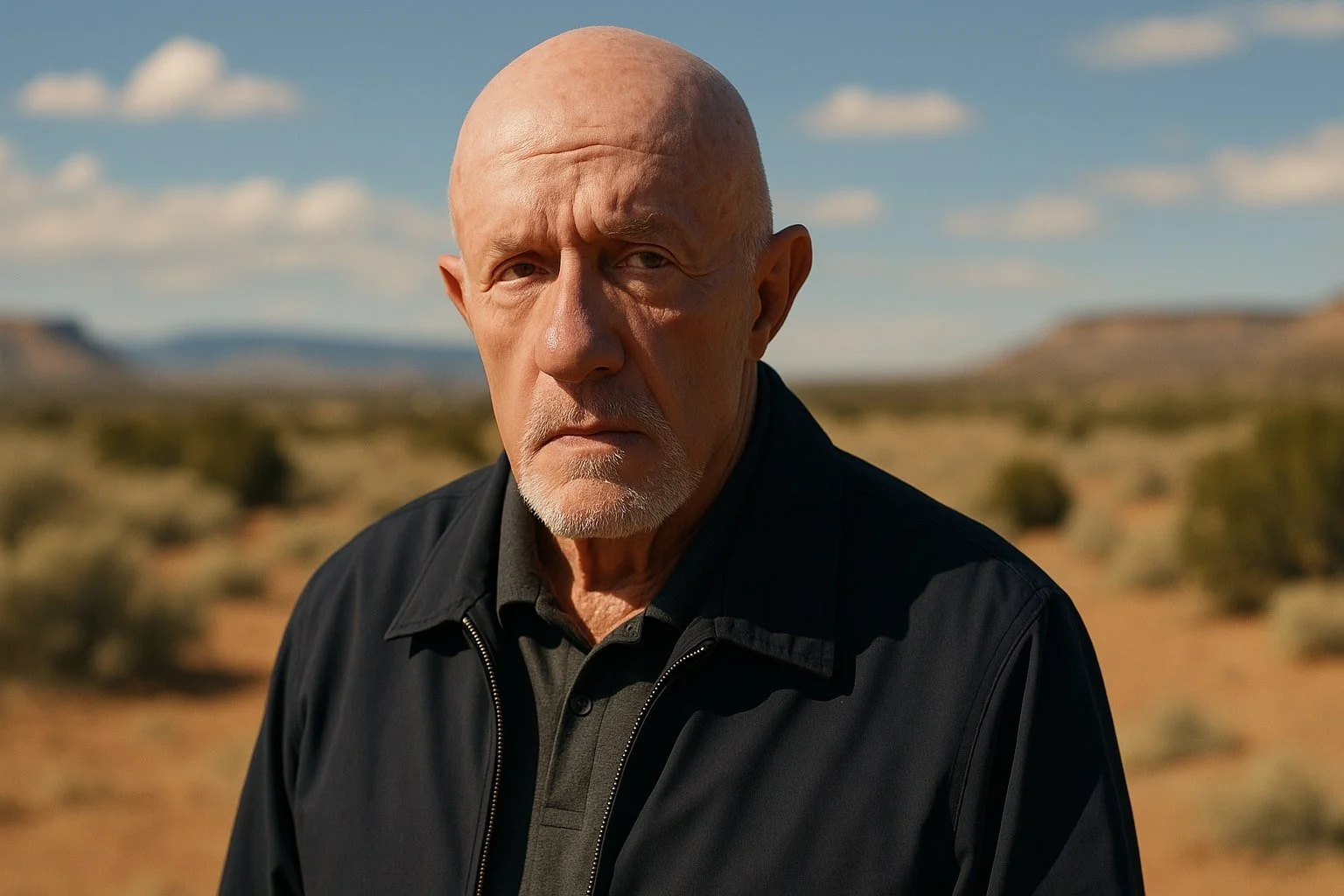
Mike Ehrmantraut stands out in Breaking Bad as a rare figure of unwavering professionalism amid chaos, bringing a disciplined approach to every situation he faces. A former Philadelphia cop turned fixer, Mike is known for his calm, calculating demeanor and his expertise in handling matters few others would dare touch. His loyalty to his employer and his singular focus on supporting his family set him apart from others in the criminal underworld.
Throughout Breaking Bad, Mike operates with a level of restraint and precision that makes him indispensable to powerful figures like Gustavo Fring. His steady presence and unique moral code draw a sharp contrast to the recklessness and desperation that surround him, making his story compelling to watch. For many viewers, Mike’s quiet skill and dedication to his granddaughter Kaylee make him one of the series’ most memorable characters.
Mike Ehrmantraut’s Origins and Principles
Mike Ehrmantraut stands out in Breaking Bad as a complex character shaped by his law enforcement background and a strict set of personal values. His history as a police officer and unwavering adherence to his own code influence every decision he makes.
Former Police Officer
Before entering the criminal underworld, Mike Ehrmantraut served as a police officer in Philadelphia. His time on the force was defined by both dedication and moral compromise. Mike’s work involved not just upholding the law, but also navigating a culture of corruption among his fellow officers.
He participated in illegal activities while still wearing a badge, ultimately leading to a personal crisis and the loss of trust from those closest to him. This duality laid the foundation for his later life, influencing his sense of loyalty and caution.
Mike’s law enforcement experience equipped him with valuable skills: surveillance, interrogation, and a measured, methodical approach to problem solving. His transition from officer to enforcer was marked by the wisdom he gained on the streets—skills that later made him indispensable to figures like Gus Fring.
Personal Code and Principles
Despite his role as a fixer and enforcer, Mike operates by a rigid personal code centered around loyalty, trust, and professionalism. He carefully chooses whom to trust, making decisions based more on principle than profit. This selective loyalty often sets him apart from other criminals.
Mike’s principles guide every aspect of his work. He approaches violence as a last resort, avoiding unnecessary cruelty and emphasizing restraint. He values clear boundaries; betrayal and reckless behavior are, to him, unacceptable breaches.
His wisdom comes from years of mistakes and survival, leading him to mentor others in the criminal world. Mike’s personal code is never just about self-preservation—it’s a deliberate framework built on hard-earned lessons, shaping both his actions and reputation.
Role in Breaking Bad: The Last Professional
Mike Ehrmantraut stands out as the consummate professional within Breaking Bad’s chaotic criminal underworld. His roles as an enforcer, fixer, and mediator shape key outcomes for Gus Fring, Walter White, and Saul Goodman.
Enforcer for Gus Fring
Mike acts as Gus Fring’s trusted enforcer, handling threats with precision and restraint. He is tasked with jobs ranging from surveillance and intimidation to direct elimination of rivals.
His background in law enforcement and the military equips him with unique skills that set him apart from typical criminals. Through disciplined methods, Mike ensures the success and security of Gus’s meth operation, often neutralizing risks before they escalate.
Key responsibilities Mike takes on for Gus include:
Overseeing security at the meth lab and distribution channels
Investigating potential leaks or betrayals
Protecting the product and employees from outside threats
Mike plays a crucial role in maintaining Gus's reputation and minimizing exposure to law enforcement.
Relationship With Walter White
Mike’s relationship with Walter White is marked by tension and mistrust. Initially, Mike views Walt as a liability due to his unpredictable behavior and willingness to manipulate or threaten others for control over the meth business.
As Walt’s ambitions grow, Mike frequently clashes with him on ethical and operational grounds. He tries to enforce a strict code of conduct, while Walt seeks more power and control.
Mike never fully trusts Walt, openly criticizing his decisions and attempts to lie or withhold information. This conflict culminates in violent confrontations, particularly as Walt becomes more ruthless and pushes the limits of what Mike considers “professional.”
Interactions With Saul Goodman
Saul Goodman relies on Mike to handle sensitive and often illegal matters for his clients. Mike’s work for Saul includes gathering intelligence, acting as muscle, and cleaning up after criminal missteps.
Saul values Mike’s ability to operate discreetly and handle uncomfortable tasks that other associates cannot. Through their partnership, Mike helps Saul expand his operations and manage the fallout from risky schemes.
Their dynamic is rooted in mutual respect, though Mike prioritizes the job’s demands over Saul’s personal interests. Mike never hesitates to turn down Saul’s requests if they threaten the operation’s security or cross the boundaries of professionalism.
Connections to the Criminal World
Mike Ehrmantraut’s position in the criminal underworld is shaped by his tactical approach and careful attention to trust and loyalty. He navigates tense relationships with both powerful cartels and ambitious figures, balancing revenge and survival in every move.
Dealing With the Cartel
Mike’s relationship with the Mexican cartel is defined by calculated professionalism and direct conflict management. As Gus Fring’s trusted enforcer, he handles threats from cartel operatives without hesitation, conducting surveillance, gathering intelligence, and executing missions as needed.
His calm tone and methodical style set him apart in a world where violence is often impulsive. When cartel emissaries test Gus’s operation, Mike stands as a buffer between chaos and order, often negotiating in high-stress conditions to avoid unnecessary escalation.
Despite working as a fixer and hitman, Mike resists outright villainy. He sees the cartel’s brutality firsthand—particularly in events involving revenge killings and power struggles—yet always tries to find solutions that safeguard those he’s loyal to rather than seeking bloodshed solely for personal gain.
Underworld Loyalty and Betrayal
Loyalty is one of Mike’s defining attributes in the criminal underworld. He demonstrates steadfast allegiance to Gus Fring, remaining by his side through internal betrayals and shifting criminal alliances. For Mike, loyalty is transactional but also tied to personal principle; he watches for signs of duplicity in associates and responds quickly to betrayal.
The concept of trust shapes all his interactions. He evaluates partners and adversaries with a keen eye, setting clear boundaries and expecting others to do the same. When trust is broken—most notably by Walter White’s impulsiveness—Mike responds with firm action, aware that such betrayals can unravel entire criminal structures.
His approach blends caution with commitment. Mike’s actions, shaped by his past as a lawman and his role in organized crime, show how loyalty and calculated responses to betrayal drive much of his conduct in Breaking Bad’s criminal world.
Key Storylines and Pivotal Moments
Mike Ehrmantraut’s trajectory in Breaking Bad is built on his expertise in criminal operations and his complex sense of responsibility towards those around him. His actions in both business and personal relationships reveal the unique mix of professionalism and guarded compassion that define his legacy.
Methylamine Heist and Profit
Mike’s involvement in the methylamine heist marks one of his most resourceful moves. Tasked with securing a large quantity of methylamine to maintain production and profit, Mike partners with Walt and Jesse to execute a high-stakes train robbery. The operation requires meticulous planning, relying on Mike’s surveillance and logistical skills.
Profit is a driving force for Mike, but so is loyalty. After the heist, as police scrutiny increases, Mike becomes the pragmatic leader, focusing on keeping the group anonymous and dividing the profits fairly. He orchestrates the distribution of money and ensures that everyone on Gus Fring’s former payroll is kept loyal with regular payments, recognizing the gravitational pull of revenge within the criminal environment.
Throughout these events, Mike’s restraint sets him apart from other characters driven solely by greed. His cautious approach is highlighted when tensions escalate between Walt and their crew, signaling the fragility of alliances when large sums are involved.
Mike’s Role as a Father Figure
Beyond his criminal activities, Mike’s role as a father figure stands out in his interactions with Jesse Pinkman and his granddaughter, Kaylee. He provides Jesse with structure, guidance, and a sense of dignity absent in Jesse’s relationships with others. Mike shields Jesse from Walt’s manipulation, often offering blunt but honest advice to keep Jesse grounded.
With Kaylee, Mike shows a softness that contrasts with his otherwise stoic demeanor. He works tirelessly to set aside money for her future, motivated by a desire for redemptive purpose amid the violence of his profession. Lists and routines reveal Mike’s need to bring order and security to her life.
Mike’s mentorship is rooted in action rather than sentiment. His decisions, from protecting those under his care to quietly teaching lessons about loyalty and consequence, make his surrogate fatherhood both compelling and authentic.
Personality and Character Traits
Mike Ehrmantraut is a complex character noted for his measured approach, strong personal code, and deeply pragmatic worldview. His actions are shaped by professional discipline and an undercurrent of personal grief, presenting a unique balance of wisdom and cold detachment.
Stoicism and Wisdom
Mike demonstrates a consistent stoic demeanor, rarely displaying strong emotion and maintaining control even in high-stress situations. This trait makes him an effective problem solver and a trusted ally to those who value dependability. He absorbs tragedy and disappointment silently, revealing a man familiar with loss and hardship.
His wisdom is evident in both his tactical thinking and personal advice. Mike often counsels others to avoid impulsive actions, emphasizing patience and strategic planning. His experience as a former police officer and Marine informs his calm judgment, which stands in stark contrast to the volatility of other characters.
Mike's life revolves around practical solutions and a clear-eyed view of consequences. His actions stem from a long-term perspective rather than emotion, underlining his role as a stabilizing force within chaotic environments.
Professionalism Versus Sociopathy
Mike is defined by his strict professionalism. He completes jobs with precision and upholds a code—never allowing personal feelings to compromise his work or endanger innocents if avoidable. This approach separates him from outright sociopathic characters, who lack empathy or a moral center.
Despite being an enforcer, Mike is not devoid of compassion. His devotion to his granddaughter, Kaylee, and subtle concern for colleagues show that he retains empathy beneath his hardened exterior. He draws clear lines between business and personal life, avoiding unnecessary violence whenever possible.
Unlike true sociopaths, Mike’s choices often involve protecting those he cares about and acting out of necessity, not cruelty. He uses violence as a tool, not for pleasure or dominance. His professionalism coexists with moral boundaries, marking him as more than just a cold operative.
Legacy in Better Call Saul

Mike Ehrmantraut’s role in Better Call Saul provides critical depth to his character, revealing origins and motivations unseen in Breaking Bad. Both his personal history and professional code are explored, highlighting relationships with other key figures like Gus Fring and Saul Goodman.
Expanded Backstory
Mike’s introduction in Better Call Saul delves into his life before arriving in Albuquerque. Previously a Philadelphia police officer, he is shown wrestling with the aftermath of his son Matt’s death, a pivotal trauma that shapes his worldview.
His involvement in corrupt police activities becomes clear, adding moral ambiguity to his background. The series details how Mike’s skills—from surveillance to enforcement—transition him from law enforcement to criminal enterprises.
His early jobs often involve carrying out discreet assignments. These experiences introduce him to fringe associates and gradually to Gus Fring, who recognizes Mike’s discipline and reliability. The complexities of his personal motivations—particularly to provide for his granddaughter—are woven into his choices, showing the pressures behind each step into the criminal underworld.
Character Evolution
In Better Call Saul, Mike transforms from a grieving father into a calculated and reliable fixer. His interactions with Saul Goodman illustrate his blend of caution and professionalism, often operating as a stabilizing force in dangerous situations.
Working for Gus Fring, Mike displays efficiency and loyalty, setting clear personal rules and maintaining a methodical approach to problem-solving. He carefully manages relationships to keep both allies and threats at arm’s length.
The show highlights his pragmatism through lists and plans, often presented visually or in dialogue:
Evaluate every risk
Keep personal life separate from work
Minimize violence unless essential
Through these principles, Mike becomes indispensable to Gus’s operations yet remains motivated by deeply personal obligations, making him a unique figure within the criminal landscape explored by Better Call Saul.
