
The Cold Opens in Breaking Bad Are Tiny Works of Genius and Redefine Television Storytelling

The cold opens in Breaking Bad are masterful short segments that set the tone, build intrigue, and often reveal critical pieces of story before the opening credits even roll. These miniature prologues use striking visuals, unexpected scenarios, and careful pacing to hook viewers immediately, making them an essential part of the show’s narrative style. Whether it’s a cryptic pink teddy bear in the pool or a tense introduction to new characters, each cold open serves as a glimpse into Breaking Bad’s meticulous storytelling.
By compressing emotion, mystery, and information into just a few minutes, these scenes manage to advance the plot, deepen characters, and hint at future twists. Their effectiveness lies in their subtlety and creativity, drawing the audience in and prompting questions that pay off as the episode unfolds.
Breaking Bad’s cold opens are not just attention-grabbing—they are tiny works of genius that elevate each episode and contribute to the show’s legacy as a landmark in serialized drama.
Defining Cold Opens in Breaking Bad
Breaking Bad’s distinctive cold opens set the narrative tone before the main credits appear. These segments blend sharp storytelling, visual cues, and suspense, laying groundwork for the episode or foreshadowing major developments.
What Are Cold Opens?
A cold open, also called a teaser, is an opening scene that appears before the title sequence of a TV show. This approach drops viewers directly into the story, often without any exposition or context. The intent is to capture immediate attention and provide crucial story elements upfront.
In Breaking Bad, cold opens often introduce images or scenarios that seem unrelated at first. Examples include the pink teddy bear in the pool or a mysterious flashback. These scenes frequently set up dramatic tension or intrigue that unfolds later in the episode or season.
On AMC, Breaking Bad became known for intricate teasers that challenged viewers to piece together connections themselves. The goal was to spark curiosity and make each episode’s structure more compelling.
The Evolution of the Cold Open in TV
Cold opens have existed in television for decades, especially in dramas and comedies. Traditional cold opens would quickly recap previous events or set up a central conflict before the show’s credits. Early teasers were usually short and formulaic.
Over time, especially in serialized dramas—shows that tell a continuous story across episodes—cold opens became more experimental. Writers used them to deliver backstory, flashbacks, or abstract montages. This evolution allowed cold opens to become less about plot setup and more about atmosphere, character, or theme.
Breaking Bad utilized and expanded on this evolution. Its teasers often stood alone as self-contained vignettes, providing different perspectives or visual motifs. Sometimes, these scenes featured supporting characters or foreshadowed major twists, adding depth and complexity to the show’s storytelling.
How Breaking Bad Redefined the Teaser
Breaking Bad’s opening scenes consistently pushed the boundaries of what a teaser could achieve on TV. Some featured shocking images with no immediate explanation, using visual storytelling instead of dialogue. Others offered glimpses into the future or the past, forcing viewers to pay close attention to details and timelines.
The show’s approach to cold opens turned them into signature elements of its narrative. Writers like Vince Gilligan crafted teasers that worked as mini-short films—sometimes presenting dark humor, at other times presenting deeply unsettling moments. For instance, the visual of the charred teddy bear reappearing across several episodes built suspense without spelling anything out.
By regularly making the opening minutes essential to the overall narrative, Breaking Bad set a new standard for serialized drama on AMC and beyond. Its cold opens have influenced many subsequent series in how they approach storytelling before the credits roll.
Storytelling and Screenwriting Innovation
Breaking Bad’s cold opens elevate drama by leveraging inventive narrative techniques, striking visuals, and purposeful ambiguity. These scenes offer efficient introductions to theme and character, helping define the show’s reputation for serialized suspense.
Key Elements of an Effective Breaking Bad Cold Open
The effectiveness of Breaking Bad’s cold opens relies on concise storytelling, immediate intrigue, and visual symbolism. These scenes rarely waste time on exposition and instead favor action or imagery to quickly set the tone. Iconic examples include the pink teddy bear in Walt’s pool and the montage of Mexican cartel shrines.
Writers prioritize clarity and relevance in scripting these sequences. Every detail, like a seemingly unimportant object or a moment of silence, is deliberate. This focus creates a sense of cohesion between the cold open and the rest of the episode.
Table: Typical Elements
Key Element Purpose Visual Symbolism Establishes mood/theme visually Action or Ritual Provides immediate engagement Minimal Dialogue Emphasizes tension and subtext Narrative Allusion Invites curiosity, sets up later payoffs
Building Suspense and Hooking the Viewer
Almost every cold open in Breaking Bad is a masterclass in suspense building. The writers often begin with a scenario that is confusing or tense, such as erratic behavior, a crime in progress, or a disjointed timeline. This confusion is not accidental; it’s an essential device for captivating the audience from the start.
The show’s serialized format benefits from these hooks, encouraging viewers to invest emotionally and intellectually in the unfolding drama. Suspense is heightened with tight editing, silences, and clever sound design—sometimes letting tension simmer for minutes before cutting to the show’s credits.
This direct engagement means each episode starts with a dramatic question or visual puzzle, creating a need for resolution that threads through the story. The result is a stronger emotional payoff when the episode’s full narrative is revealed.
Themes and Foreshadowing in Opening Scenes
Breaking Bad’s cold opens frequently introduce themes that will be further explored in the episode or the broader season. These scenes are often loaded with foreshadowing, sometimes years in advance, such as the recurring pink teddy bear motif that hints at tragedy and consequence.
Writers use visual cues, recurring objects, and sometimes out-of-chronology story beats to seed ideas about morality, fate, or transformation. The screenwriting subtly challenges viewers to piece together recurring thematic elements as part of the show’s larger puzzle.
Common themes introduced include the moral ambiguity of characters, the cost of choices, the tension between chaos and control, and the corrupting influence of power. These motifs reappear throughout the drama, especially in serialized arcs, giving the cold opens lasting resonance.
Narrative Techniques Unique to the Series
Breaking Bad’s approach to the cold open displays a willingness to play with narrative time and structure. Some scenes occur far in the future or past, while others happen outside the context of the main story, inviting viewers to decode their relevance as the drama unfolds.
The show often uses silence instead of dialog, emphasizing action and facial expressions over words. This technique amplifies tension and reveals character without overt exposition.
Editing and camera work are used innovatively. For example, unconventional angles, color grading, and meticulous composition enhance suspense and symbolism. Screenwriters and directors collaborate closely to ensure the cold opens feel purposeful rather than decorative.
This blend of innovative narrative structure and visual storytelling sets Breaking Bad’s openings apart, deepening the impact of each episode and contributing to the show’s reputation as a benchmark in thriller and drama screenwriting.
Visuals, Tone, and Direction
The cold opens in Breaking Bad rely on careful visual language and meticulous direction to draw viewers in from the very first scene. The show’s film-inspired styling, focus on atmosphere, and unique use of its New Mexico setting all contribute to these striking opening moments.
The Cinematic Approach of Vince Gilligan
Vince Gilligan’s vision for Breaking Bad was influenced by film, not just television. He often used wide cinematic shots, intentional framing, and subtle camera movements. These choices helped create cold opens that felt visually distinct and instantly recognizable.
Camera techniques such as slow tracking, overhead shots, and close-ups on everyday objects provided a movie-like experience. The cold open in the episode “Ozymandias,” for example, opens on a desert landscape, using silence and composition to foreshadow tragedy.
Gilligan’s direction avoided conventional handheld realism and instead emphasized visual storytelling. He wanted each opening scene to communicate story elements before a single word was spoken, using images and pacing rather than exposition.
Establishing Tone and Atmosphere
Cold opens were often used to set the emotional and stylistic tone for each episode. The show's directors layered sound design, music choices, and lighting to quickly communicate whether viewers should expect tension, dark humor, or foreboding dread.
Consistent color palettes—such as the ever-present desert yellows or the clinical whites in lab scenes—helped reinforce the mood. At times, scenes unfolded with almost no dialogue, relying on the ambient sounds of wind, engines, or footsteps to convey suspense.
Notable cold opens like the introduction of the pink teddy bear or the flash-forward sequences in black and white made clear use of atmosphere to setup narrative mysteries. The pacing and visual cues often reflected Walter White’s shifting state of mind.
Use of New Mexico as a Setting
New Mexico’s landscape was not just a backdrop; it was integral to the tone and style of each cold open. The AMC drama made full use of the region’s deserts, suburban vistas, and stark blue skies to build a distinctive visual identity.
The openness of the terrain frequently symbolized isolation or exposure. Shots of the Sandia Mountains or the vast emptiness around Albuquerque helped create a sense of scale and vulnerability for the characters.
The unique color tones of New Mexico—rich ochres, reds, and arid sunlight—became part of Breaking Bad’s story language. The setting grounded even the most surreal or tense cold opens in a real, physical world that felt tangible, amplifying the sense of risk and consequence.
Iconic Breaking Bad Cold Opens Explained
Breaking Bad’s cold opens reveal critical themes and set the tone for each episode. By combining visual storytelling and recurring motifs, these moments build tension, foreshadow events, and deepen the audience’s understanding of character motivations and conflicts.
The ‘Fly’ Episode’s Cold Open
In season three’s episode “Fly,” the cold open places viewers in Walter White’s lab as a single fly buzzes around. This ordinary nuisance quickly becomes an obsession for Walt, symbolizing his need for control and the creeping anxieties that haunt him.
This open stands out for its use of minimal dialogue and tight editing. The camera lingers on Walt’s tense reaction, highlighting his growing paranoia and relentless need to perfect every detail. There are no cartel threats or violent confrontations—just a man at war with himself.
The fly is used as a metaphor for contamination, both literally in the lab and figuratively in Walt’s life. As the episode unfolds, the open takes on new meaning, shedding light on Walt’s guilt and inner turmoil over past actions.
Flash-Forward Sequences and Symbolism
Breaking Bad is renowned for its use of flash-forward cold opens that drop viewers into the future with minimal context. These sequences often introduce powerful symbols, such as the pink teddy bear floating in Walt’s pool or the "52" birthday breakfast scene.
In the case of the pink teddy bear, the scorched object drifts in water, representing fallout from the plane crash and Walt’s escalating choices. These visuals are not immediately explained, creating a puzzle that unfolds over several episodes.
Flash-forward opens are effective because they hint at looming conflict and tragedy. By using fragmented visuals—a charred object, a distant explosion—they keep viewers guessing, building suspense that pays off when the narrative catches up to those moments.
The Significance of Ricin and Blue Meth
Several cold opens focus on key items: ricin and blue meth. Ricin, a subtle but deadly poison, becomes a recurring element through cleverly staged sequences, such as Walt crafting it in secret or hiding it in cigarettes. These opens underscore the meticulous planning required for Walt’s schemes.
Blue meth, with its distinct color, is visually associated with the empire Walt builds. Early cold opens featuring blue crystals and meticulous lab work show the method behind the operation, setting it apart from the cartel’s product and making it instantly recognizable to viewers and criminal rivals.
Both ricin and blue meth function as symbols for the duality of Walt’s world—precision and danger. By focusing on these substances in the cold opens, the series highlights the transformation of chemistry from science to weapon, and the consequences that follow.
Character and Narrative Development
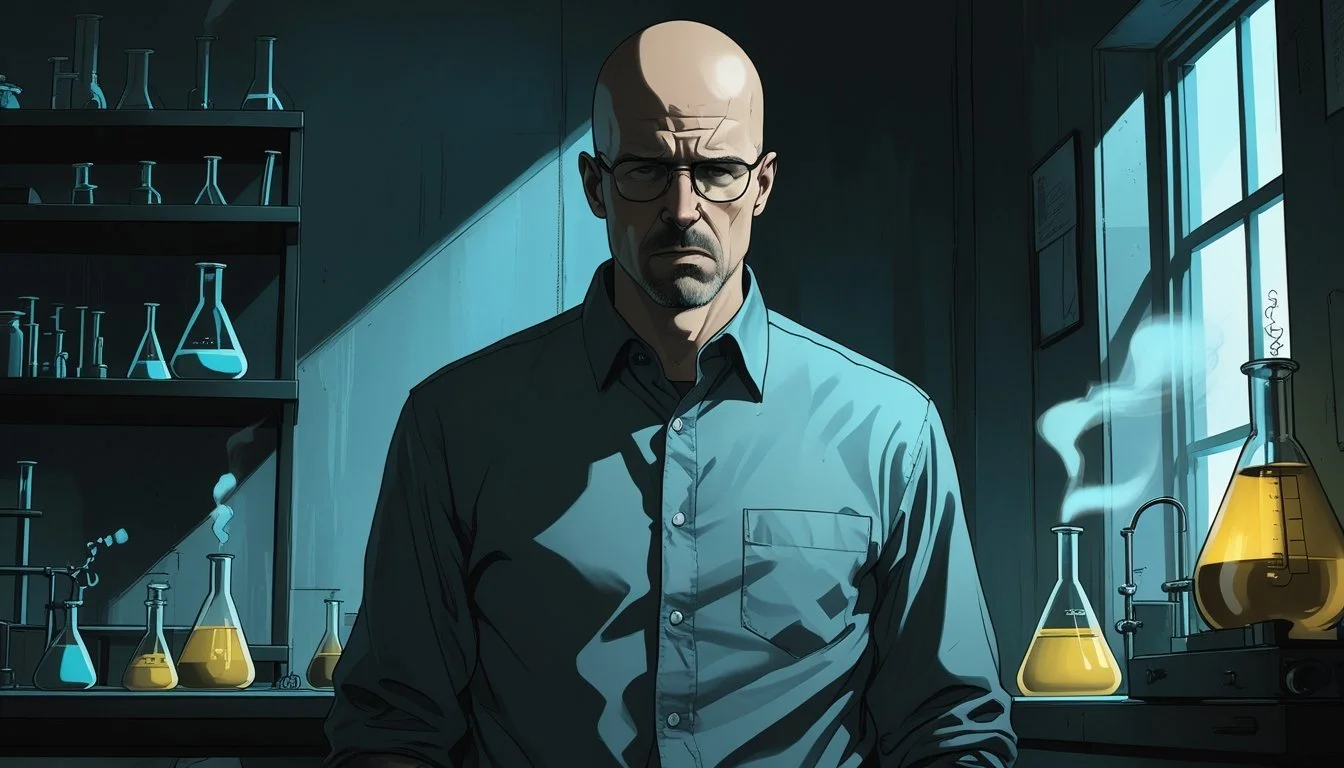
Breaking Bad’s cold opens provide unique insights into its central characters and structure. These brief scenes often reveal key moments of transformation and show how the narrative weaves together personal choices with broader consequences.
Walter White’s Journey Through Teasers
The series frequently uses cold opens to highlight Walter White’s progression from a high school chemistry teacher to a criminal figure. Key teasers, such as the opening from “Box Cutter” or the mysterious pink teddy bear moments, present Walter at pivotal crossroads.
These segments often foreshadow his future actions, offering glimpses of his mindset before events fully unfold in the main episode. By placing Walter in situations that capture his moral descent or ingenuity, the narrative builds a sense of inevitable change.
Cold opens like the one featuring Walt in the “confession” video or preparing for a heist use visual storytelling to convey his growth in confidence and moral ambiguity. Each teaser functions as a snapshot of his shifting identity.
Cold Opens as Antihero Portraits
Breaking Bad’s cold opens frame Walter White, and occasionally other characters, as complex antiheroes. These scenes establish a tone where criminality and vulnerability interact, challenging viewers to judge characters by their actions and motivations.
Visual motifs—such as blood, fractured objects, or silent tension—underscore the unpredictable paths these antiheroes take. Instead of clear right and wrong, the narrative uses the cold open to blur ethical boundaries and humanize flawed figures like Walter.
By starting episodes with suspenseful or reflective glimpses into a character’s world, the show establishes depth early and signals the layered narrative to come. The cold open evolves from simple intrigue to a tool for nuanced exploration of character and moral ambiguity.
Lasting Impact and Influence
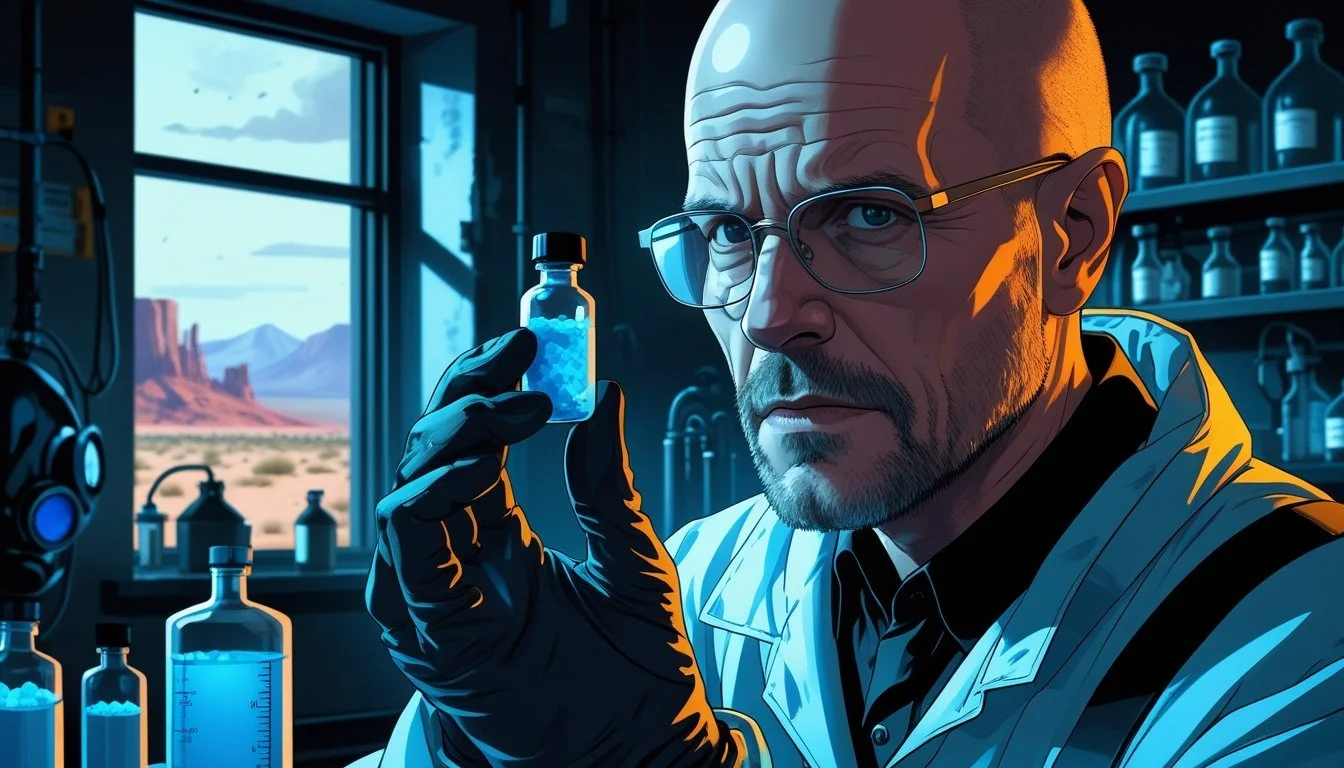
Breaking Bad’s cold opens have become widely recognized for their originality and craftsmanship. Their unique structure and bold creativity have left a visible mark on television and inspired format experimentation in both TV and film.
Legacy in TV and Film Storytelling
The cold opens in Breaking Bad redefined how shows open their episodes. Instead of just recapping previous events or setting up the plot, these segments often delivered striking visuals, mysterious scenes, or self-contained narratives that actively engaged viewers from the start.
This approach influenced many serialized dramas, encouraging creators to treat openings as spaces for thematic depth and visual experimentation. Some shows adopted similar techniques by using unexpected or symbolic imagery, quick character vignettes, or time-jumps to capture attention quickly.
Writers and directors across the industry now recognize the cold open as a storytelling device rather than just exposition. It is common to see episodes launch with tension, ambiguity, or key moments that later tie back to the central narrative.
Influences on Better Call Saul and The X-Files
Better Call Saul, a direct spin-off of Breaking Bad, adopts and expands on the cold open format. The series frequently uses cold opens for backstory, time-shifted scenes, or to set up emotional stakes. For example, its noir-inspired black-and-white openings explore Saul Goodman’s fate beyond Breaking Bad.
Breaking Bad’s co-creator Vince Gilligan had prior experience writing for The X-Files, which also used distinctive cold opens to hook viewers with strange phenomena or crimes before the main titles. This stylistic influence is clear, as both series embrace mystery and suspense with their pre-title sequences.
This shared DNA is evident in pacing, tonal setup, and use of visual motifs in all three shows. The result is a playbook for using the cold open to set the mood, build intrigue, and immediately immerse the audience in the story’s world.
Breaking Bad’s Final Season: Pushing the Cold Open Further
During the final season, Breaking Bad transformed the cold open from a narrative hook into a tool for suspense and character revelation. These sequences often set the tone for major turning points and revealed just enough to build anticipation.
Heightened Stakes in the Series’ Climax
In the last episodes, cold opens frequently foreshadowed grim outcomes or major shifts in Walt’s world. The opening shot of Walt’s abandoned house, for example, hints at his downfall without directly explaining how it happens.
Tension is built through visuals: an empty swimming pool, a stray teddy bear, or the camera lingering on small objects that gain meaning later. Dialogue is sparse, and the uncertainty becomes part of the suspense.
These cold opens often use flash-forwards. By glimpsing the aftermath of Walt’s actions—such as the M60 in the trunk—viewers are left piecing together events. This approach deepens audience engagement, making every detail relevant as the season races toward its conclusion.
