
The Hidden Role of Music in Breaking Bad’s Storytelling
How Sound Shapes the Series’ Narrative
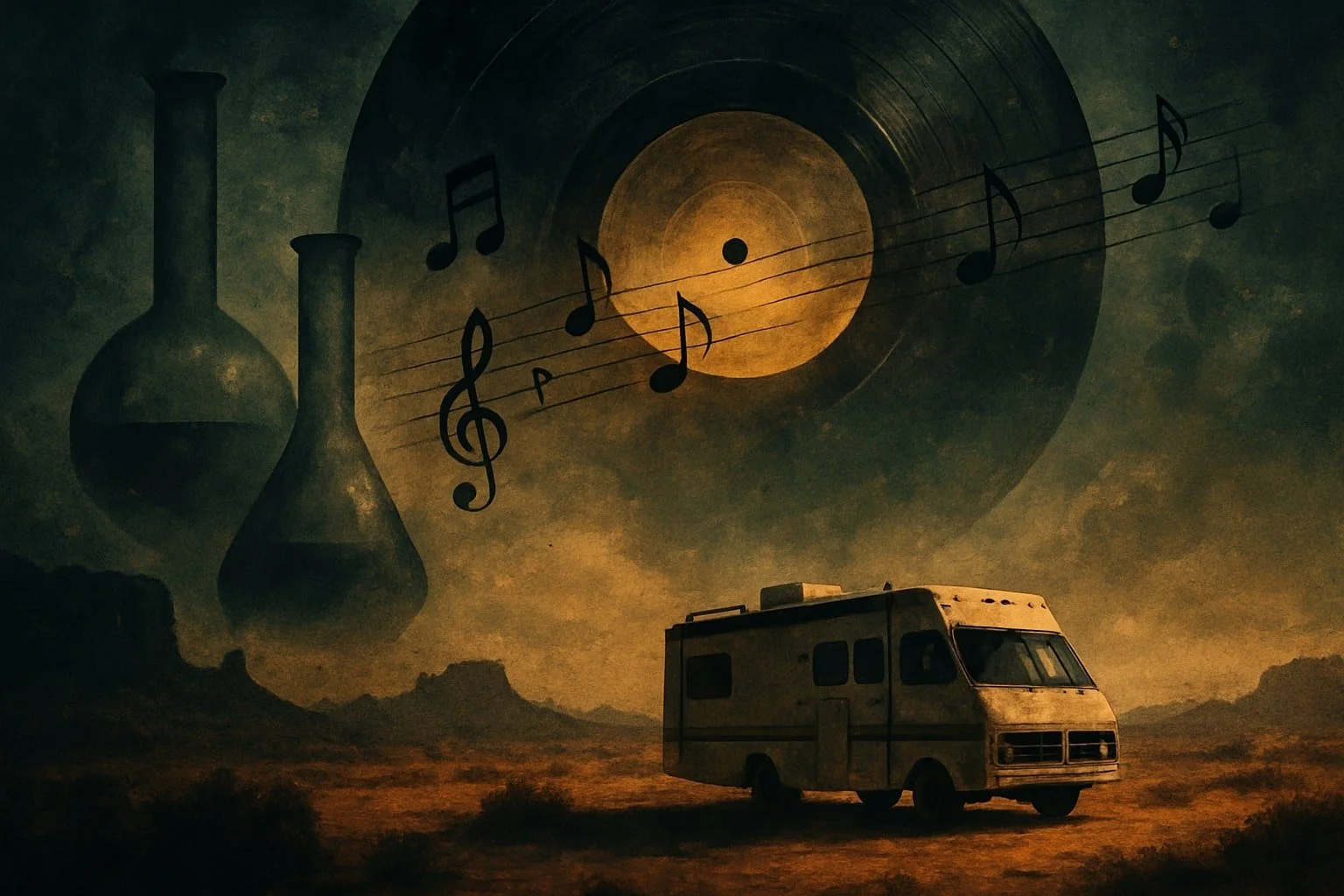
Music in Breaking Bad does more than fill background noise; it shapes the atmosphere, guides viewer emotions, and deepens the storytelling in ways that are easy to overlook. The real power of music in Breaking Bad lies in how it subtly steers the audience’s perception of characters and events, amplifying the impact of every major twist and emotional moment.
Through Dave Porter’s original score and carefully chosen licensed tracks, the show uses music to mirror Walter White’s transformation and highlight the underlying tension in each episode. This approach sets Breaking Bad apart from many television shows and played a major role in turning it into a cultural phenomenon.
By hearing the atmospheric soundscapes and selective song choices, viewers experience a richer narrative—one where music becomes an essential, if hidden, character in the series itself.
The Importance of Music in Breaking Bad’s Storytelling
Music in Breaking Bad is deliberately chosen to serve narrative needs, support character development, and deepen the atmosphere. The show’s soundtrack relies on a mix of original score and carefully selected songs, working together to shape viewer perceptions and experiences.
Setting the Tone and Enhancing Atmosphere
Breaking Bad’s music establishes mood from the very first episode. Composer Dave Porter’s original score uses minimalist, often electronic sounds to evoke the show's stark New Mexico setting. The use of regional and period-specific tracks also helps ground scenes in reality.
Atmospheric details often come from both diegetic (source music heard by the characters) and non-diegetic (background score) music. For example, the twang of a guitar or a haunting synth line can subtly reflect Walter White’s internal state. The soundtrack guides how viewers interpret a given scene, whether tranquil or chaotic.
Table: Examples of Atmosphere-Setting Music
Episode Song/Score Effect on Mood Pilot Dave Porter score Tension, unease “Caballo Sin Nombre” America - “Horse with No Name” Irony, surreal calm “Ozymandias” Minimalistic score Grief, devastation
Distinct musical cues signal specific moods without dialogue, making the setting feel immersive and alive.
Creating Tension and Suspense
Music is a key tool for generating suspense in Breaking Bad. Certain scenes rely almost entirely on the soundtrack to build anxiety before major plot developments. The score uses pulsing rhythms, abrupt pauses, and discordant tones to elevate tension between characters.
For example, during crucial confrontations or action sequences, the absence of music can be just as telling as its presence. Silence or sparse sound design makes every footstep and breath audible, focusing attention and heightening viewer anticipation.
Notable moments, such as the train heist or various stand-offs, feature rising soundscapes that escalate stress. The careful balancing of music and silence gives scenes impact far beyond the visuals alone.
Driving Emotional Impact
Emotional resonance in Breaking Bad is intensified by music that matches or contrasts with the characters’ journeys. Porter’s score often utilizes recurring motifs, linking current events to earlier pivotal moments in the series. Emotional peaks—such as personal betrayals, victories, or losses—are frequently underscored by quiet, mournful themes or jarring, energetic cuts.
Songs like “Baby Blue” by Badfinger, played over the series finale, directly invoke the audience’s feelings about Walter’s arc. Other instances pair iconic tracks with distress or triumph, making the emotional content of a scene more memorable.
Strategic use of music ensures that key scenes leave a lasting impression, tying emotions to the story’s most critical turning points.
Reinforcing Themes and Motifs
The soundtrack in Breaking Bad reinforces central themes such as transformation, morality, and consequence. Certain motifs repeat throughout the series, linking characters or ideas through shared melodies. For instance, subtle variations of a theme can indicate a character’s regression or evolution.
Motifs are often embedded in both score and licensed tracks. For example, songs that play during scenes of criminal activity may contain lyrical or instrumental nods to deception or power struggles. These musical choices bolster narrative motifs without overpowering the dialogue.
Even the shift from lighthearted or quirky tracks to somber, reflective pieces mirrors the series’ progression from absurdity to darkness. This careful alignment of musical elements helps anchor the show’s storytelling and underscore its major narrative arcs.
Original Score and Sound Design
Breaking Bad’s distinct atmosphere is shaped by a carefully crafted original score, innovative soundscapes, and deliberate use of silence. Music supervisor Thomas Golubić and composer Dave Porter worked together to blend music, sound, and environmental noise, making the series’ audio design essential to its storytelling.
Dave Porter’s Signature Style
Dave Porter composed the original score for Breaking Bad, establishing a sound that is both understated and tense. His approach involved subtle melodies and motifs rather than conventional themes or grand orchestration.
He often chose textures over traditional melodies, allowing the score to support the emotional undercurrent without overpowering the scene. Porter worked closely with the show's creators to ensure the music communicated the psychological states of key characters, particularly Walter White.
His style relies on restraint and timing. Porter’s choices underscore key moments, such as the gradual transformation of Walter, by employing understated cues that reinforce tension and uncertainty. This minimalistic yet deliberate scoring sets Breaking Bad apart from many other television dramas.
Use of Synthesizers and Soundscapes
The score’s signature sound owes much to Porter’s use of synthesizers and electronic instruments. Analog synths, processed samples, and digital effects create an atmosphere that often blurs the line between music and environmental noise.
Instead of sweeping arrangements, many tracks consist of layered tones, rhythmic pulses, and shifting drones. This technique gives the sense of unease and unpredictability that matches the show's narrative. Synth strings and electronic percussion heighten suspense during scenes of conflict or clandestine activity.
By merging music and ambient sound, Porter’s compositions become an almost invisible part of the show’s environment. The result is a textured audio backdrop that enhances the emotional stakes without distracting from the visual storytelling.
Role of Silence and Sound Effects
Silence plays a crucial role throughout Breaking Bad. Porter and the sound team frequently pull back on music, letting scenes unfold with only diegetic sound—footsteps, breathing, or the hum of fluorescent lights.
This selective use of silence amplifies discomfort and tension, providing a stark contrast to moments underscored by music. In confrontational scenes, the absence of music sharpens the focus on dialogue and subtle character actions.
Sound effects are treated with as much importance as the score itself. The interplay between these effects and Porter’s music creates a seamless audio experience, making the world of Breaking Bad feel both real and emotionally charged.
Music Selection and Licensed Tracks
Music selection in Breaking Bad was deliberately crafted to serve both narrative and atmosphere. The creative team relied on a skilled music supervisor, made thoughtful song choices, and integrated tracks seamlessly with complex storytelling.
Role of Music Supervisors
The process of choosing music for Breaking Bad depended heavily on the expertise of music supervisor Thomas Golubić. He played a key role in identifying licensed tracks that matched the show's emotional tone and thematic requirements.
Golubić worked closely with the show’s writers, especially Vince Gilligan, to ensure that every music cue reinforced specific moments or character arcs. This collaboration between supervisor and writing team allowed for the use of both popular tracks and obscure gems.
The music supervisor’s method included compiling playlists that related to script drafts. These playlists helped the team visualize the eventual mood and pacing of a scene before filming. Such attention to detail meant that the final music used in the series felt entirely organic to the storyline.
Iconic Song Choices
Breaking Bad is recognized for several memorable licensed tracks that punctuated key moments. Songs like "Negro y Azul: The Ballad of Heisenberg" added both narrative depth and irony, reflecting the external perception of Walter White’s alter ego.
The use of “A Horse with No Name” by America in season 2 and "Baby Blue" by Badfinger in the series finale are widely cited as pivotal music choices. These tracks not only underscored character journeys but also became closely associated with the show’s most significant scenes.
Licensed songs spanned various genres, including folk, rock, flamenco, and reggae. This eclectic mix provided unexpected contrasts and helped anchor important moments without overpowering the storytelling. Choosing a wide range of artists ensured that the series avoided musical repetition.
Integration with Narrative
Licensed music in Breaking Bad was never arbitrary. Each track selected was integrated into the writing and visual storytelling to reflect character transformation and foreshadow events.
For example, upbeat or ironic tracks often accompanied sequences of moral ambiguity, highlighting the dualities in Walter White’s personality. The choice of song during a particular scene could intensify suspense or subvert audience expectations.
Writers and editors strategically placed music to complement shifts in mood or setting. This technique made music more than just a background element—it became a narrative tool that guided viewers’ emotional responses and enhanced thematic resonance.
Diegetic and Non-Diegetic Music
Breaking Bad uses both diegetic and non-diegetic music as vital tools within its storytelling framework. These forms of sound design work together to shape character perspectives and intensify narrative moments.
Exploring Diegetic Music in Scenes
Diegetic music appears when a song or musical cue is present within the story’s world, meaning characters can hear it. In Breaking Bad, this includes moments like Walter White listening to the radio while driving, or music coming from a bar's jukebox during tense confrontations.
These music choices connect scenes to real-world environments, clarifying time and place for the viewer. A well-placed diegetic track might deepen a character’s mood without the need for extended dialogue. For example, a cheery pop song playing in a background store can sharply contrast with underlying violence or tension.
This type of sound design is effective for creating immersive atmospheres. Breaking Bad often uses familiar songs or background noise to ground its scenes, making the world feel authentic and lived-in.
Non-Diegetic Cues for Audience Perception
Non-diegetic music refers to the soundtrack elements that exist only for the audience and are not heard by the characters. Breaking Bad relies on Dave Porter’s original score to heighten drama, signal shifts in emotion, and foreshadow events.
Non-diegetic cues play a key role during pivotal plot developments or internal moments of decision. The series employs these cues to subtly guide the audience’s perceptions and trigger emotion. For example, intense, suspenseful themes often play over scenes of planning or confrontation, building tension that the characters themselves are not aware of.
Sometimes, non-diegetic music blends with ambient sound design, creating a seamless auditory experience that shapes audience understanding. This technique allows the show to direct attention and amplify impact without distracting from the story’s realism.
Character Development Through Music
Music in Breaking Bad is used strategically to highlight subtle changes in character and underscore emotional and psychological shifts. Soundtracks and original scores shape the viewer’s perceptions of Heisenberg’s rise, Jesse Pinkman’s turmoil, and the evolving identity of Walter White.
Heisenberg’s Transformation
From early episodes, specific music cues track Walter White’s evolution into Heisenberg. When Walter first adopts his alter ego, unsettling electronic tracks and tense rhythms signal a transition from high school chemistry teacher to criminal mastermind.
For instance, the use of Dave Porter’s suspenseful original score during scenes of illicit activity draws attention to Walter’s increasing moral ambiguity. The switch to darker, more industrial sounds accompanies key turning points, subtly reinforcing his descent into ruthlessness.
The music underscores not just external actions but also Walter’s internal acceptance of power. This sonic shift mirrors behavioral changes, helping audiences trace the emergence of Heisenberg’s cold, calculated persona.
Jesse Pinkman’s Emotional Arc
Jesse Pinkman’s journey is marked by music that emphasizes his vulnerability and conflicted conscience. Melancholic tracks, slow tempos, and stripped-down instrumentation often accompany Jesse’s moments of grief, guilt, or regret.
Distinctive diegetic music choices—songs Jesse listens to alone in his apartment—reveal his struggle with trauma and alienation. Gentle guitar pieces or ambient electronic sounds frequently appear during scenes of intense personal reflection, making his suffering more palpable to viewers.
Changes in musical themes parallel his attempts at redemption and coping with bleak circumstances. The soundtrack thus plays a key role in signaling Jesse’s emotional depth and amplifying his journey through moral decay and sporadic hope.
Impact on Walter White’s Identity
Music is instrumental in sonic cues illustrating Walter White’s fractured identity. The oscillation between warm, familiar melodies in domestic scenes and ominous, tension-filled tracks during criminal conduct delineates the divide between Walter the family man and Heisenberg the drug lord.
For example, scenes in the White family home often feature softer, almost mundane background music, emphasizing the ordinary side of his life. In contrast, sequences involving illegal operations abruptly shift to harsher tones and complex layering, underscoring inner conflict.
These deliberate musical contrasts help articulate Walter’s dual nature. They chart his movement from sympathetic protagonist to an ambiguous, morally compromised identity, making each stage of his transformation both recognizable and palpable.
Musical Motifs and Character Themes
Distinctive musical motifs and character themes are central to Breaking Bad's unique storytelling style. Carefully chosen melodies, recurring sounds, and symbolic cues contribute to emotional resonance and provide insight into the characters’ inner worlds.
Recurring Musical Motifs
Breaking Bad employs recurring musical motifs to create continuity and highlight important narrative beats. For example, the use of minimalist electronics and industrial sounds reflect the meth-cooking process and underscore the transformation of ordinary life into chaos.
Motifs such as the ticking of a clock, subtle bass pulses, or recurring guitar riffs often build tension during key scenes. These aural signatures repeat throughout the series, linking pivotal moments and giving them a sense of inevitability.
Motifs often serve as audio cues for thematic shifts—subtly reinforcing dramatic turns without distracting from the action. This strategic repetition builds subconscious familiarity for the audience, making themes of decay, danger, or transformation feel more immediate.
Theme Music for Key Characters
The series assigns unique musical themes to major characters, helping distinguish their arcs and emphasize their psychological states. Walter White’s theme, for example, evolves in complexity as he descends deeper into criminality.
Jesse Pinkman has a theme that incorporates suspenseful percussion and ambient tones, often reflecting his emotional volatility and unpredictability. Gustavo Fring's musical cues include cold, precise arrangements—mirroring his methodical approach.
These character-driven themes often adapt to changing circumstances, illustrating growth, regression, or conflict. By modulating instrumentation or altering melodies, the score parallels character development and signals major turning points.
Symbolism in Musical Choices
Symbolic use of music is woven into the series by matching sonic elements to story context, creating deeper meaning beyond the immediate narrative. Songs are chosen for their lyrical content or cultural associations, reinforcing themes such as moral compromise or personal loss.
When Walter rises in power, the soundtrack may shift to reflect grandeur or menace. Conversely, softer or dissonant tones appear during moments of vulnerability. The score sometimes uses juxtaposition, pairing upbeat tracks with violent outcomes to highlight irony.
These symbolic decisions strengthen the legacy of Breaking Bad’s music. They allow viewers to experience key moments with heightened empathy, ensuring that the emotional resonance of the story lingers long after each episode ends.
Iconic Musical Moments in Breaking Bad
Music in Breaking Bad isn’t just background noise—it actively shapes the narrative, emphasizes character arcs, and enhances emotional resonance. Key musical choices in the series deliver memorable scenes, define characters, and ground the show in its specific cultural setting.
Crystal Blue Persuasion Sequence
One of the most talked-about musical moments in Breaking Bad comes in Season 5 when Tommy James & The Shondells’ “Crystal Blue Persuasion” plays. The scene uses the song to underscore the success and scale of Walt and Todd’s meth operation.
The upbeat, psychedelic rock tune contrasts sharply with the illegal activities on screen. This use of irony not only highlights the transformation of Walt but also adds depth to the montage format. Music and visuals work closely: blue crystals sparkle, money piles up, and the consequences mount.
Showrunner Vince Gilligan intentionally selected this track due to its name and serene vibe, demonstrating how pop music can deepen and complicate storytelling. The choice has since become iconic among fans and critics.
Baby Blue and the Series Finale
The series finale features “Baby Blue” by Badfinger, played during the climactic final moments of Walt’s story. The lyrics—“Guess I got what I deserved”—mirror Walt’s fate, tying the song directly to narrative closure.
Details:
Detail Description Song “Baby Blue” – Badfinger Episode "Felina" (Series Finale) Narrative Purpose Acknowledges Walt’s ownership of his actions
The track’s inclusion was symbolic, highlighting Walt’s emotional attachment to his creation—the meth empire. The power of the scene comes from the way music amplifies Walt’s final journey, bringing his arc full circle with understated emotion. The use of a rock anthem during a farewell scene was a deliberate, carefully considered choice.
Notable Cameos: Marty Robbins and Los Cuates de Sinaloa
Music from established artists features throughout Breaking Bad. In Season 2, “El Paso” by Marty Robbins plays as Walt’s journey begins to resemble that of the song’s tragic outlaw narrator, reinforcing themes of fate and consequence.
Another famous appearance is by Los Cuates de Sinaloa, whose narco ballad “Negro y Azul” opens a key episode. The song narrates “Heisenberg’s” infamy in the style of Mexican corridos, blending story and cultural commentary.
These choices don’t just set tone; they tell parts of the story. Both Robbins and Los Cuates de Sinaloa help place the show firmly in the American Southwest, connecting pop culture, regional music, and plot development.
Cultural References and Music
Breaking Bad uses specific tracks to anchor its narrative within the real world and reflect on wider cultural themes. Music serves as a subtle bridge between character psychology and the environment of Albuquerque.
The selection of songs like “Crystal Blue Persuasion” and “El Paso” reflects both the period and the borderland setting. The inclusion of Spanish-language tracks and narco ballads provides cultural authenticity and draws attention to the broader social issues depicted in the show.
These musical cues are rarely incidental. They are handpicked for their lyrical or stylistic connection to the moment, expanding the story beyond visuals and dialogue. By weaving recognizable music into storylines, Breaking Bad creates a layered experience that resonates with viewers on multiple levels.
Music’s Role in Story Arcs and Visual Storytelling
Music shapes how viewers perceive the rise and fall of Breaking Bad’s drug empire, guiding their emotional response to every shift in the story arc. The score interacts directly with visual elements, amplifying suspense, violence, and the show’s striking use of color and cinematography.
Building Suspense in the Drug Trade
The world of Breaking Bad’s drug trade thrives on uncertainty and tension. Music is used purposefully to enhance these feelings, often leaning on minimalistic, pulsing beats or subtle ambient sounds.
Scenes depicting early meth cooks, cartel negotiations, or Walter White’s transformation employ music that slowly builds and withdraws, creating prolonged anticipation.
For example, the use of sparse percussion underscores the threat of discovery or betrayal. This careful arrangement aligns the audience with the anxiety experienced by the characters, heightening the stakes as they navigate the dangerous hierarchy of the meth business.
Amplifying Chaos and Violence
Moments of chaos—such as shootouts, confrontations, or deaths—are accentuated by abrupt musical cues and erratic melodies. Breaking Bad often sets violent scenes to music that either contrasts with or magnifies the brutality on screen, intensifying the impact.
When a drug kingpin asserts power or a criminal operation spirals out of control, discordant tones and sudden shifts in tempo are prominent.
Music sometimes drops out completely before a surge, creating an audio void that makes the violence feel even more jarring. This approach syncs with rapid changes in cinematography, drawing attention to the overwhelming disorder and danger facing the characters.
Enhancing Visual Elements and Colors
The show’s music is carefully curated to match bold visual choices, influencing how colors and scenes are interpreted by the viewer. Bright yellows, stark blues, and deep reds—each representing different aspects of the narrative—are often paired with atmospheric tracks or recurring motifs.
Silence is equally important, used to draw attention to significant visual moments or character emotions through abrupt musical pauses.
A synergy between score and color design enriches Breaking Bad’s visual storytelling, making every frame feel more purposeful. Music accentuates changes in lighting, shot composition, and movement, guiding the audience’s focus and shaping their emotional perception of the story’s visual world.
Integration of Music with Setting and Culture
Music in Breaking Bad does more than support the drama—it carefully shapes the physical and cultural sense of place. Both location and local identity are reflected in the musical choices, deepening viewers’ immersion in Albuquerque and New Mexico.
Albuquerque and New Mexico Soundscapes
Breaking Bad’s soundtrack frequently incorporates elements that echo the desert environment and local atmosphere. Composer Dave Porter uses sparse, ambient tones, letting silence and lingering notes evoke the vast openness of Albuquerque’s landscapes. This sound design gives many scenes a dry, sun-bleached feeling that aligns with the region’s geography.
Traditional instrumentation, such as acoustic guitars and local percussion, appears in key scenes to underscore ties to Southwestern culture. Important locations, like car washes and desert meeting spots, are often paired with understated musical cues that subtly ground the story in New Mexico. Non-diegetic and diegetic sounds—including local radio songs or mariachi bands—further anchor the series in its setting, making the environment feel authentic.
Reflections of Local and Cultural Identity
Musical selections in Breaking Bad often reference the cultural diversity of New Mexico, highlighting Hispanic, Native, and Anglo influences. Tracks from regional artists or Spanish-language songs are used during family gatherings, drug deals, and neighborhood scenes, signaling the area’s bilingual and multicultural character.
Specific moments, such as Walter White’s interactions with Tuco Salamanca or cartel members, feature norteño, mariachi, or ranchera music. This use of music is not just atmospheric—it communicates social context, power dynamics, and character identity without direct exposition.
The integration of these musical elements helps reinforce Breaking Bad’s periodic table motif. Like chemical elements, each musical choice becomes a building block, constructing an authentic world that resonates with the real Albuquerque and its surrounding culture.
Lasting Influence and Legacy of Music in Breaking Bad
Music was essential to Breaking Bad’s distinct identity, shaping critical scenes and deepening viewers’ understanding of its characters and themes. Its approach influenced how television crime dramas use soundtracks while also impacting popular culture and the expectations of audiences.
Music’s Contribution to Breaking Bad’s Legacy
The careful selection and use of both original compositions and licensed tracks gave Breaking Bad an atmospheric depth rarely matched in other crime dramas. Dave Porter’s score underscored the tension and descent into moral ambiguity as Walter White’s story progressed.
Each season’s music choices became part of the show’s signature style. For instance, the use of “Baby Blue” by Badfinger in the finale gave emotional closure to Walter’s journey. These memorable musical moments etched themselves into the show’s identity, ensuring Breaking Bad stood out as a cultural phenomenon.
Inspiration for Other Crime Dramas
Breaking Bad set a new standard for music in television by weaving songs and score directly into the narrative structure. Subsequent crime dramas like Better Call Saul and Ozark have followed this approach, incorporating music to enhance mood and reinforce storytelling.
Music cues are now seen as strategic storytelling tools rather than mere background noise. This influence encouraged other creators to invest more effort in impactful music selection, viewing soundtracks as essential to world-building and emotional weight. The legacy of Breaking Bad’s music continues to guide new series in the genre.
Impact on Audience and Pop Culture
The show’s music choices resonated strongly with audiences, often turning lesser-known tracks into cult favorites and reviving older songs. Some viewers sought out the soundtrack, contributing to a renewed interest in featured artists.
Online discussions, playlists, and breakdowns of iconic scenes emphasized the role of music in shaping critical moments. Breaking Bad’s approach to music selection helped cement key scenes in popular memory and demonstrated how soundtracks could become a central part of a series’ cultural footprint.
Conclusion
Music in Breaking Bad functions as a subtle but vital component of its storytelling. The careful use of both original score and licensed tracks adds depth to character development, especially for Walter White. These musical choices were never accidental and often highlighted psychological states or pivotal narrative turns.
The collaboration between composer Dave Porter and the show’s creators ensured each cue was meaningful. Instead of relying on background tracks, music was deliberately inserted to sharpen or contrast emotions within a scene. The result is a sonic landscape that complements the show without overshadowing its writing or performances.
Key aspects reinforced by music:
Emotional tone: Score amplifies or undercuts tension
Character arcs: Specific motifs mirror transformation
Narrative shifts: Silence and sound mark important moments
Music has contributed to Breaking Bad's lasting legacy. The series demonstrates how sound can be used sparingly yet effectively in scripted drama. Its approach continues to influence how other shows think about the impact and intention behind music.
