
The Influence of Chuck McGill Even After Death in Better Call Saul
Lasting Impact on Character Development and Plot

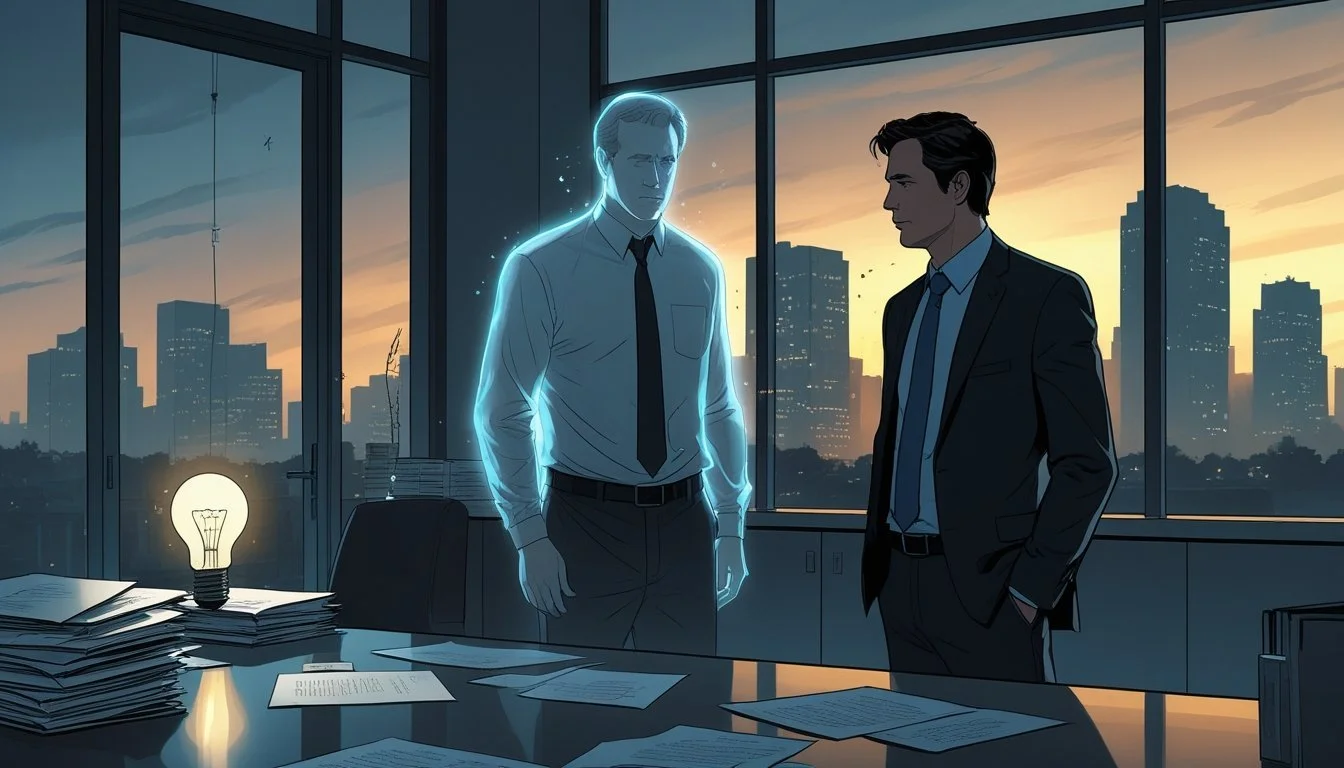
Chuck McGill’s presence shapes much of “Better Call Saul,” and his death marks a turning point that continues to affect the series long after he is gone. His actions and values linger over Jimmy McGill’s life, deeply influencing his journey into becoming Saul Goodman. The complicated relationship between the brothers doesn’t end with Chuck’s passing, as guilt, rivalry, and unresolved issues echo throughout Jimmy’s transformation.
Fans notice that Chuck’s impact extends beyond the story’s events—he serves as a lasting influence on Jimmy’s ethical conflicts and the choices he faces. The consequences of Chuck’s decisions, and the weight of his expectations, become motivators and obstacles for Jimmy in both subtle and direct ways. Even after his death, Chuck’s shadow remains central to the show’s themes of family, ambition, and moral struggle.
Chuck McGill's Character and Legacy
Chuck McGill stands as a complex figure whose presence continues to shape the events and characters around him in Better Call Saul. Through his actions, values, and struggles, Chuck’s impact is both personal and professional, extending far beyond his life.
Brief Profile of Chuck McGill
Chuck McGill is introduced as Jimmy McGill's older brother. He is depicted as highly intelligent, meticulous, and deeply committed to personal integrity.
Chuck suffers from what he describes as electromagnetic hypersensitivity. This condition significantly affects his daily routine, leading to a life of seclusion and ritual.
Despite his ailments, Chuck is not only respected but is also seen as a formidable figure within his professional and personal circles. His strict moral code and skepticism toward Jimmy create frequent conflict, fueling the show’s dramatic tension.
Role in the Legal Profession
Within the legal profession, Chuck McGill is respected for both his intellect and dedication. He co-founded the law firm Hamlin, Hamlin & McGill, earning significant status and recognition in Albuquerque’s legal community.
Chuck’s commitment to the law borders on reverence. He considers the legal system sacred and upholds high ethical standards, sometimes to a fault. These ideals directly influence his actions toward Jimmy, especially when he believes the law is being threatened.
His insistence on following the letter of the law contrasts sharply with Jimmy’s flexible approach. Chuck’s professional decisions, such as attempting to have Jimmy disbarred, underscore his unwavering loyalty to legal principles above family bonds.
Portrayal by Michael McKean
Michael McKean brings depth and nuance to Chuck McGill. His performance conveys both Chuck’s brilliance and vulnerabilities without sentimentality.
McKean uses subtle facial expressions, cautious body movements, and deliberate speech to express the character’s physical and psychological struggles. This grounded approach avoids caricature, presenting Chuck as both sympathetic and flawed.
His portrayal highlights Chuck’s internal conflict—his pride, fears, and the weight of his rivalry with Jimmy. Michael McKean’s work earned critical acclaim, making Chuck one of the standout characters in the television series.
Chuck McGill's Influence on the Narrative
Chuck McGill’s actions and beliefs set pivotal events into motion throughout Better Call Saul. His efforts to block Jimmy’s legal ambitions push Jimmy toward adopting the Saul Goodman persona.
Even after Chuck’s death, his influence lingers. Jimmy’s transformation is shaped by his brother’s opposition and skepticism, serving as both punishment and motivation.
Chuck's legal legacy and personal standards continue to affect how characters approach the law. The consequences of his choices ripple throughout the series, affecting relationships, professional trajectories, and ethical dilemmas.
Chuck’s Impact on Jimmy McGill and Saul Goodman
Chuck McGill’s influence over Jimmy McGill did not end with his death; it shaped the course of Jimmy’s life and directly affected his transformation into Saul Goodman. This ongoing shadow included both psychological and practical effects, touching on family, mentorship, rivalry, and persistent emotional consequences.
Mentorship and Rivalry with Jimmy McGill
Chuck McGill acted as both mentor and rival to his younger brother, Jimmy. As an accomplished attorney, Chuck set a standard that Jimmy aspired to but struggled to meet, given their differing views on ethics and the law.
Throughout their relationship, Chuck openly doubted Jimmy’s integrity. He made efforts to stop Jimmy's legal career, such as preventing him from becoming a legitimate lawyer at HHM. This rivalry fostered a mix of admiration and resentment in Jimmy, fueling his drive to prove himself.
Key Points:
Mentorship: Chuck gave Jimmy opportunities but with clear reservations.
Rivalry: Their competition intensified as Jimmy’s ambition clashed with Chuck’s ideals.
Example: Chuck’s intervention at the bar hearing highlighted this conflict.
The ongoing tension pushed Jimmy toward making choices he felt were justified, even as they risked crossing ethical lines.
Contribution to Jimmy’s Transformation Into Saul Goodman
Chuck’s actions played a direct role in Jimmy’s shift into Saul Goodman. The repeated rejections and lack of familial support left Jimmy disillusioned with ideas of legitimacy and justice.
After Chuck’s betrayal and public humiliation of Jimmy, Jimmy’s faith in traditional legal paths eroded. He adopted shortcuts and manipulations that later defined his alter ego, Saul Goodman. Chuck’s antagonism didn’t force Jimmy’s hand; rather, it provided a catalyst for decisions that accelerated his moral decline.
A Quick Comparison Table:
Chuck’s Influence Jimmy’s Response Questioned Jimmy’s ethics Pursued shortcuts Withheld support Adopted Saul Goodman persona Publicly exposed Jimmy Embraced criminal clientele
Chuck unintentionally molded Jimmy’s sense of self, leading him away from legitimacy.
Family Relationship and Emotional Turmoil
The relationship between Chuck and Jimmy was deeply personal and fraught with emotional distress. Jimmy sought acceptance from his older brother, who instead remained distant and critical.
Chuck’s distrust left Jimmy constantly seeking validation. Their adversarial dynamic reached its peak when Chuck engineered Jimmy’s suspension from practicing law. This betrayal intensified Jimmy’s feelings of rejection, sparking significant emotional turmoil.
After Chuck’s suicide, Jimmy experienced guilt and unresolved anger. The secrecy and grief surrounding Chuck’s death created a lingering psychological burden. These emotions influenced Jimmy’s outlook, hardening him and diminishing his empathy as he became Saul Goodman.
Chuck’s Ongoing Presence After Death
Even after his death, Chuck’s presence lingered in Jimmy’s life. Chuck’s legacy haunted Jimmy, shaping his attitudes toward the law and morality.
Flashbacks and memories of Chuck resurfaced during pivotal moments, reminding Jimmy of his past failures and the impossibility of meeting Chuck’s high expectations. This mental presence guided many of Jimmy’s later choices, sometimes acting as a conscience and other times, a source of defiance.
List of Ongoing Effects:
Flashbacks impacting decisions
Persistent sense of guilt or justification
Use of Chuck’s memory as a moral reference point
Chuck’s influence extended into every major step of Jimmy’s transformation, acting as both a burden and a motivator as Jimmy embraced his identity as Saul Goodman.
Key Events Shaping Chuck’s Posthumous Influence
Chuck McGill's legacy in Better Call Saul is defined by pivotal events that continued to affect characters and institutions after his death. His actions had lasting consequences for the legal community and his brother, Jimmy.
The Chicanery Episode and Courtroom Loss
The "Chicanery" episode features the courtroom battle where Chuck attempts to expose Jimmy’s unethical behavior. During this scene, Chuck tries to demonstrate that Jimmy doctored evidence and violated legal codes.
However, the trial ends with Chuck’s credibility damaged. Jimmy and Kim Wexler’s careful strategy reveals Chuck’s mental illness (electromagnetic hypersensitivity) to his colleagues and the judge.
This public exposure undermines Chuck’s authority at HHM, leaving him isolated. The event leads to a sharp decline in Chuck's personal and professional life, triggering a chain of events that persist even after his death.
The Lantern Incident and Tragic End
Chuck’s life takes a turning point in the aftermath of his courtroom defeat. Facing forced retirement from HHM and losing his sense of identity as a lawyer, Chuck isolates himself.
He removes the last lightbulbs from his house, symbolizing his descent into despair. In a final act, Chuck intentionally kicks over a lantern, setting his home ablaze and ending his life.
This incident is a turning point both narratively and emotionally. Chuck’s tragic end deeply affects Jimmy, serving as a source of guilt and motivation in later seasons.
Chuck’s Death and Impact on HHM
Chuck’s death brings significant financial and reputational pressure to the firm, Hamlin, Hamlin & McGill (HHM). The aftermath forces Howard Hamlin to cover Chuck’s share of affairs and debts, straining the stability of HHM.
The firm's reputation suffers, with clients questioning its management. Howard privately confesses feeling responsible for Chuck’s suicide, bearing a burden that influences decisions throughout the series.
Chuck’s demise shifts the power dynamics at HHM and contributes to the firm’s gradual decline. His absence leaves a leadership vacuum and reshapes relationships among staff and major characters.
Chuck McGill’s Psychological Complexities
Chuck McGill emerges as a figure shaped by a complex intersection of psychological challenges, personal insecurities, and spiraling mental health. His unique struggles strongly influence the characters around him and drive central conflicts in Better Call Saul.
Electromagnetic Hypersensitivity (EHS) and Mental State
Chuck claims to suffer from electromagnetic hypersensitivity (EHS), a condition he describes as severe physical reactions to any exposure to electricity or electronic devices. Despite his insistence, medical professionals—including Dr. Cruz—find no physical evidence for EHS, indicating a psychosomatic or psychological origin.
His symptoms lead him to live almost entirely without modern technology, isolating him in his own home. This isolation heightens his anxieties and deepens his reliance on certain rituals and routines. Observers often interpret his condition as an external sign of deeper psychological instability rather than a confirmed medical diagnosis.
Chuck’s insistence on EHS, despite contrary medical advice, demonstrates a profound disconnection between his perception and objective reality. This not only affects his daily life but also drives a wedge in his personal and professional relationships.
Themes of Pride and Control
Chuck is defined by his intellectual pride and need for control in both his legal career and family life. He holds a strong belief in moral and professional order, often seeking perfection both for himself and others. This perfectionism leads him to rigid and inflexible thinking.
His interactions with Jimmy, his younger brother, reveal a deep mistrust and condescension rooted in this pride. Chuck’s inability to accept Jimmy as an ethical equal causes repeated conflicts, fueling their rivalry and resentment. He tries to exercise control over the family's law firm and Jimmy’s career using manipulation rather than direct confrontation.
This obsession with being “right” and maintaining authority adds to his stress, straining his mental resilience. Pride ultimately blinds Chuck to his own failings and vulnerabilities, creating a barrier that isolates him from potential support.
Mental Breakdown and Suicide
The culmination of Chuck’s psychological struggles results in a severe mental breakdown. He becomes increasingly paranoid, obsessive, and withdrawn as his illness and circumstances worsen. Repeated setbacks—such as his forced departure from the law firm and growing estrangement from Jimmy—intensify his sense of loss and humiliation.
As his routines spiral out of control, Chuck’s behavior turns more erratic. He destroys his own home in a desperate attempt to rid it of electricity, symbolizing the complete collapse of his coping mechanisms. The lack of meaningful support, coupled with his unyielding pride, leaves him feeling hopeless.
Chuck’s suicide is portrayed as the tragic outcome of isolation, untreated psychological conditions, and overwhelming internal pressure. His death becomes a turning point for the narrative, highlighting the consequences of unresolved mental health issues.
Long-Term Effects of Chuck’s Actions in the Series
Chuck McGill’s decisions left lasting marks on the legal landscape and the lives of key characters. His influence persisted, affecting lawsuits, law firms, and the professional community in Albuquerque.
The Sandpiper Lawsuit Aftermath
Chuck played a pivotal role in steering the direction and handling of the Sandpiper Crossing lawsuit. His insistence on legal precision and ethical standards set a high bar for both HHM and Davis & Main, impacting how the case was managed after his death. The settlement negotiations—already fraught with tension—became even more contentious without Chuck’s stabilizing presence.
Jimmy McGill's manipulations surrounding the case were partly a reaction to Chuck’s expectations and legacy. The resolution of the Sandpiper case was ultimately shaped by the brothers’ rivalry, Chuck's prior legal maneuvers, and his deep skepticism about Jimmy’s ethics. Many partners and clients at HHM watched closely, knowing that Chuck's standards were still echoing in the firm’s decisions.
Howard Hamlin and HHM’s Downfall
Chuck’s departure and subsequent death destabilized HHM, both emotionally and financially. Without Chuck’s legal acumen and reputation, Howard Hamlin faced mounting challenges in maintaining the firm’s credibility. Legal battles over Chuck’s insurance issues and disagreements about the firm’s direction accelerated its decline.
Howard personally suffered from the weight of Chuck’s unresolved legacy. The ripple effects strained his leadership and ultimately contributed to the law firm’s collapse. Key lawyers and prestigious clients lost confidence, viewing Chuck’s absence as an unrecoverable loss. HHM, once an elite Albuquerque institution, contracted dramatically in size and influence.
Ripples in Albuquerque’s Legal Community
Chuck’s strict adherence to legal tradition influenced peer attorneys and judges across Albuquerque. His aggressive pursuit of perceived misconduct reinforced a culture of heightened scrutiny within the city’s legal scene. After his death, lingering suspicions and rivalries persisted between firms and individual lawyers.
The shifts at HHM, coupled with the fallout from the Sandpiper case, reshaped hiring, partnerships, and client loyalties in the area. Chuck’s reputation for integrity remained a reference point in professional debates and case strategies. Legal professionals—supporters and critics alike—continued invoking his standards during key disputes and ethical dilemmas.
Chuck McGill’s Enduring Influence in Later Seasons
Chuck McGill’s death casts a long shadow, deeply affecting both the narrative trajectory and the psychology of key characters in Better Call Saul. His absence creates ripple effects, most notably on Jimmy McGill’s choices and actions in season 6.
References and Echoes in Season 6
Season 6 consistently references Chuck through both dialogue and visual cues. Jimmy is haunted by memories of Chuck, especially during crucial legal and personal turning points. In flashbacks, Chuck’s presence is evoked in scenes such as the library conversation, where he encourages Jimmy to “do the right thing,” hinting at the older brother’s lingering influence over Jimmy’s moral compass.
Saul Goodman’s office is frequently shown with details that subtly echo Chuck’s legacy, including law books and a meticulous workspace. Kim Wexler and Howard Hamlin also reference Chuck’s words and attitudes, framing events as either continuations or rejections of his ideologies. The show uses these callbacks to reinforce the constant pressure Jimmy feels from living up to—or trying to escape—his brother’s standards.
Shaping the Final Fate of Jimmy McGill
Chuck’s impact persists in Jimmy’s transformation into Saul Goodman and, later, in his reckoning as Gene Takavic. The burden of guilt over Chuck’s suicide becomes a catalyst for Jimmy’s descent into the Saul persona, as highlighted by his emotional reactions and justifications for increasingly questionable acts.
In the series’ final episodes, Jimmy’s ultimate decision to admit the truth in court is tied directly to memories of Chuck. The show juxtaposes early sibling flashbacks with scenes of Jimmy’s confession, making clear that his actions are motivated by a need for honesty and resolution. This final turn can be attributed to Chuck’s lingering principles, influencing Jimmy to finally confront his failures and accept responsibility.
Cultural and Narrative Legacy Beyond Better Call Saul
Chuck McGill’s role extends outside the immediate events of Better Call Saul. His legacy shapes character development, audience perceptions, and the creative decisions of the showrunners.
Chuck’s Presence in Breaking Bad
Although Chuck is never seen or mentioned in Breaking Bad, his absence is strongly felt in Jimmy McGill’s actions as Saul Goodman. The internal conflicts and legal maneuvering displayed by Saul often reflect Jonathan Banks' and Bob Odenkirk’s earlier character arcs, influenced heavily by Chuck’s impact on Jimmy's moral compass.
The secrecy about Chuck’s history helps explain Saul Goodman’s cynicism. His ethical struggles and tendency to embrace shortcuts are rooted in years of opposition and judgment from Chuck, establishing an underlying motivation in the Breaking Bad narrative.
Chuck’s presence lingers through the subtle references in Better Call Saul to events and traumas that later shape Saul’s approach to law and relationships.
Influence on the Genre and Viewers
Chuck McGill’s character offers a nuanced take on sibling rivalry and professional jealousy in modern drama. Unlike conventional protagonists or villains, Chuck blurs the line between antagonist and tragic figure. This nuanced portrayal distinguishes Better Call Saul from other crime dramas.
The series raises questions about mental health, family loyalty, and the complexities of legal ethics. Audiences often debate whether Chuck was a villain or a deeply flawed victim of circumstance, leading to extensive online discussions and think pieces. These debates contribute to the show's strong presence in pop culture conversations and internet forums.
The show’s approach to character depth has influenced later series by prioritizing psychological realism and ambiguous motivations in supporting characters.
Impact of the Showrunners: Peter Gould and Vince Gilligan
Peter Gould and Vince Gilligan were instrumental in crafting Chuck’s role as both a narrative force and an ideological opponent to Jimmy. Their creative choices emphasize moral ambiguity, focusing on character-driven conflict over traditional plot-driven storytelling.
The showrunners designed Chuck’s arc to underscore the consequences of personal pride and inflexibility, impacting Jimmy’s transformation into Saul Goodman. This focus on cause and effect has been praised for adding depth to the shared universe of Breaking Bad and Better Call Saul.
Gilligan and Gould’s commitment to nuanced storytelling helped set a new standard for television spinoffs, influencing how writers approach legacy characters and prequel narratives. Their work ensures that Chuck’s influence is felt long after the show concludes.
Conclusion
Chuck McGill’s presence lingers throughout Better Call Saul, shaping the behavior and decisions of those around him long after his death. His complicated relationship with Jimmy continues to influence Jimmy’s moral choices and personal transformation in later seasons, especially during and after the events of 2022.
Key aspects of Chuck’s lasting influence:
Professional Legacy: Chuck’s high standards and vision for the law profession remain significant benchmarks for both HHM and Jimmy.
Personal Impact: His final interactions and the words he left behind drive much of Jimmy’s emotional journey.
Jimmy’s transformation into Saul Goodman is closely connected to the trauma and guilt stemming from Chuck’s actions and suicide. Chuck’s ideals and criticisms serve as both guidance and burdens.
Even after his tragic death, Chuck’s influence can be seen in the conflicts, motivations, and fears of several main characters. The repercussions of his choices echo through each episode, making his legacy central to the narrative of Better Call Saul.
