
The Legacy of Walter White: Examining the Line Between Monster and Martyr

Walter White stands as one of television’s most debated characters, embodying both the qualities of a calculating antagonist and a desperate man trying to regain control of his life. Walter White is ultimately neither a pure monster nor a martyr; his legacy is defined by a complex blend of self-interest, ambition, and the drastic choices that transformed him from a mild-mannered teacher to the infamous Heisenberg.
Viewers watched as he crossed moral boundaries time and again, justifying his actions for family and survival, only to later admit he did it for himself. Walter’s story forces an uncomfortable reflection on how easily anyone might cross the line between right and wrong under pressure, leaving his legacy open to interpretation and debate.
Understanding Walter White's Transformation
Walter White's journey in Breaking Bad is defined by dramatic shifts in identity, morality, and ambition. The changes he undergoes reflect complex motivations driven by survival, pride, and a desire for control, all set against the stark backdrop of New Mexico and the ever-present threat of the DEA.
From Teacher to Criminal Mastermind
Walter begins as a high school chemistry teacher living modestly with his family in Albuquerque, New Mexico. His diagnosis of terminal lung cancer acts as a catalyst, forcing him to confront both his mortality and his family's future financial security.
Initially, Walter's decision to manufacture methamphetamine seems like an act of desperation. However, his partnership with former student Jesse Pinkman quickly reveals a talent for leadership and strategic thinking. He moves from being a passive educator to an active participant in the dangerous meth trade.
His gradual detachment from his old identity is marked by pivotal moments, such as outsmarting competitors and eluding the DEA. Over time, Walter's transformation into "Heisenberg" is complete, signifying the birth of his criminal alter ego and the erasure of his former self.
Themes of Power and Corruption
As Walter delves deeper into the drug trade, themes of power and privilege become central to his story. What begins as a quest to provide for his family soon shifts into an obsession with dominance and influence.
Walter's abuse of power is evident as he manipulates allies and intimidates rivals to maintain control. Money and survival are no longer his sole motivations; his actions increasingly reflect personal pride and a craving for recognition.
Throughout his rise, the line between victim and victimizer blurs. Walter justifies his escalating violence as necessary for survival, but it often stems from a need to assert authority. This exploration of corruption highlights how proximity to life and death, paired with unchecked power, transforms even the most unassuming individuals.
The Monster Within: Assessing Walter's Morality

Walter White’s transformation from a high school chemistry teacher into a drug kingpin brings forward debates about inner darkness, family destruction, and the blurred boundaries between monster and martyr. His actions reflect complex motivations shaped by personal tragedy, ambition, and his connections to those closest to him.
Moments of Ruthlessness and Tragedy
Walter White’s story is marked by incidents of callousness and tragedy. Early in his criminal career, he rationalizes crimes as necessary for his family’s survival, yet his decisions grow increasingly ruthless.
He poisons Brock, arranges Jane’s death by inaction, and orchestrates the murder of rival dealers. These moments are signals of a profound moral decline. The development of his alter ego, “Heisenberg,” marks his embrace of a remorseless persona.
Tragedy is not absent from his journey. Walt’s cancer diagnosis and loss of control over his life are central motivational forces. However, his growing taste for power overshadows any initial sympathetic causes, demonstrating a steady shift from necessity to cruelty.
Impact on Family and Brethren
Walter’s actions profoundly damage his closest relationships. Though motivated by a desire to provide for his family, his criminal choices lead to the breakdown of trust and safety in his household.
His wife Skyler is pulled into his schemes, forced to launder money and live in fear. Walt Jr. and Holly are subjected to lies and moral confusion, while Hank, his brother-in-law, is ultimately killed due to Walter’s decisions.
His involvement in the drug trade brings tragedy not just to his family but to his broader circle or brethren. Collateral damage ensues, as friends and associates either suffer, die, or become complicit in his crimes. The destruction left in his wake extends well beyond personal gain.
References to Frankenstein and the Noble Savage
Parallels to Mary Shelley’s Frankenstein emerge as Walter becomes the architect of his own monstrous fate. Like Dr. Frankenstein, he creates forces he cannot control, leading to irreversible consequences.
The “noble savage” concept is inverted. Walter begins as an ordinary man but becomes corrupted by his environment and his own ambition, losing any purity the idea might suggest.
Science fiction’s cautionary tales about unchecked ambition and unintended consequences apply directly. Walter’s journey serves as a modern analogue, showing how tragedy and hubris combine to blur the lines between creator and creature, and between victim and monster.
Martyr Complex: Is Walter White a Martyr?
Walter White’s life is marked by choices at the intersection of family loyalty, self-justification, and the search for meaning in the face of death. His actions and motivations invite debate about whether his journey represents true martyrdom or self-serving rationalizations.
Self-Sacrifice and Redemption Attempts
Walter begins his journey with a terminal lung cancer diagnosis—a confrontation with death that sets the stage for his decisions. He claims his criminal actions are intended to provide for his family after he's gone, emphasizing an image of self-sacrifice.
Throughout the series, Walter repeatedly insists his motives are to protect and support his loved ones. However, his confession in the final episode—admitting, "I did it for me"—casts doubt on his narrative of sacrifice.
Attempts at redemption are present, particularly as he tries to secure financial stability for his children and rescue Jesse from captivity near the end. Yet, these actions often blur genuine selflessness with a desire for personal legacy and control.
Comparison to Revolutionary War Martyrs
Martyrs of the Revolutionary War are typically remembered for their faith in a cause greater than themselves, often sacrificing everything for ideals like freedom or justice. In contrast, Walter’s motives are murkier and defined by personal interests as much as by concern for others.
These historical martyrs sought forgiveness, reconciliation, and recognition of their faith-driven convictions. Walter’s actions rarely align with such altruism. Unlike those who died with the hope of bettering their nation, Walter works to secure his family’s future and his own reputation.
The difference underscores that Walter’s story, while marked by suffering and risk, diverges from the martyr’s traditional path. His sacrifices, though significant, lack the clear societal or ideological purpose seen in true martyrs.
Faith and Reconciliation in His Final Choices
Walter’s confrontation with his own mortality leads to key moments of faith and reconciliation, especially near his life’s end. When he visits Skyler for the final time, he seeks forgiveness and admits his true motivations—dropping the mask he wore for so long.
In his last acts, Walter shows some faith in the value of truth and attempts to make amends by eliminating threats to his family and giving Jesse a chance at freedom. These moments are as much about personal closure as about atonement.
Although his late actions hint at reconciliation with his family and acceptance of his fate, they cannot wholly erase the pain he caused. His approach to forgiveness and faith is personal and incomplete, more a reckoning with his own legacy than an embrace of traditional martyrdom.
Symbolism and Themes in Breaking Bad

Breaking Bad uses dense symbolism and careful pacing to elevate its character arcs and narrative. The series draws on classic literature and modern visual artistry to explore Walter White’s transformation and eventual downfall.
Ozymandias and the Fall of Power
The concept of "Ozymandias," both in the episode title and its reference to Percy Bysshe Shelley’s poem, serves as an explicit metaphor for the rise and decay of power. Walter White builds an empire only to see it crumble, mirroring the fate of Ozymandias’s ruined statue in the desert.
Symbolic imagery such as the crumbling desert setting and the constant references to legacy reinforce this parallel. Walter’s attempt to immortalize himself through Heisenberg ultimately ends in ruin and loss.
The series also weaves in visual symbolism—from the colors of characters’ clothing reflecting moral shifts to key props like the Heisenberg hat. The show’s artwork, including painted murals and distinct meth-blue colors, underscores the tension between creation and destruction that defines Walter’s journey.
Storytelling Techniques and Pacing
Breaking Bad employs tight pacing and methodical storytelling to mirror the characters’ psychological descent. Each scene is deliberately structured, using silence, slow reveals, and sudden violence to maintain tension.
The deliberate pace never sacrifices momentum; instead, it allows the audience to grasp the significance of each development. Non-linear storytelling, such as flashforwards and callbacks, deepens the sense of inevitability and fate.
These techniques reflect influences from graphic novels like Watchmen, with a focus on visual storytelling and thematic motifs. Elements such as repeated imagery, parallel scenes, and carefully crafted dialogue all contribute to an immersive and cohesive narrative experience.
Cultural Impact and Adaptation
Walter White’s legacy extends beyond his own actions, resonating through television, art, and philosophical debate. The portrayal of his character has fueled discussions about fame, morality, and representation in modern storytelling.
Fame and Pop Culture Legacy
Walter White, as depicted in Breaking Bad, rapidly became a symbol of anti-hero complexity in contemporary television. His transformation from chemistry teacher to criminal mastermind attracted extensive public attention and made him a central figure in popular culture.
Numerous awards and references in mainstream media affirm the strong cultural impact of his story. Fans still discuss key episodes, often citing pivotal moments like the "I am the one who knocks" scene. His alter ego "Heisenberg," recognized by the black hat and glasses, is commonly referenced in internet memes, parodies, and merchandise.
The character’s fame demonstrates how audience fascination with flawed protagonists has shifted expectations for TV storytelling. The widespread recognition of Walter White’s persona reflects an audience drawn to morally ambiguous figures who break conventional hero-villain molds.
Adaptations and References in Other Media
Walter White's story has been adapted, referenced, and reinterpreted in various formats. The TV spin-off Better Call Saul explores related characters and events, deepening the original show's universe. References also appear in music videos, comic artwork, and even educational discussions on chemistry.
Table: Key Appearances of Walter White in Media
Media Type Example TV Spin-off Better Call Saul Artwork Fan art, murals, and digital paintings Parodies/Satire Saturday Night Live, animated skits Merchandising T-shirts, figurines, posters
These adaptations highlight the broad influence of Breaking Bad. The series continued to impact other writers and artists, who reinterpret Walter White’s journey through their own creative lenses.
Romanticism vs. Enlightenment Perspectives
Debates about Walter White’s legacy often contrast romanticism, which emphasizes emotion and individualism, with enlightenment ideas that prize reason and ethics. Some critics and viewers see Walter White as a tragic romantic figure—misunderstood, passionate, and driven by personal conviction.
Others interpret his trajectory through an enlightenment lens. This view focuses on the consequences of his decisions, the rational processes he follows, and the moral lines he repeatedly crosses, regardless of his intentions.
Such philosophical discussions appear in academic articles, video essays, and fan forums. The ongoing analysis reveals how Walter White remains a subject for both artistic admiration and ethical scrutiny, reflecting the complexity and enduring interest his character inspires.
Breaking Bad and Historical Allusions
Breaking Bad incorporates a range of historical references to ground Walter White’s transformation in a broader cultural context. Throughout the series, connections to both infamous political groups and religious authority create multiple layers of symbolism.
References to Nazis and Historical Figures
Nazis appear directly in the final season, with the gang led by Jack Welker. Walter’s collaboration with them signals his moral collapse and willingness to align with organized evil for power. This draws a clear line between Walter’s personal ambitions and the real-world atrocities associated with Nazism.
Allusions to historical outlaws and criminal figures, such as Al Capone, underscore Walter’s reputation. Much like Capone, Walt’s legacy is debated: Is he a criminal mastermind, or just another cautionary tale?
The show's setting moves from Albuquerque to New Hampshire, a state steeped in American revolutionary history. Walt’s time in New Hampshire channels themes of exile and downfall, connecting his story to broader narratives of failed rebellion and isolation once seen in England and New England.
Religious and Political Symbolism
Breaking Bad frequently utilizes religious symbolism, especially through characters like Gus Fring and even Walter himself. Authority figures, including bishops and the church, are referenced to highlight themes of sin, redemption, and punishment. This can be seen in episodes where characters discuss morality or invoke biblical language.
Political symbolism appears in the naming of legal institutions and roles within the show. For example, parallels are drawn between figures like John Strachan—a bishop who played a significant role in Canadian politics—and the show’s law enforcement characters. Both operate in spaces defined by the tension between the “crown” (authority) and those “elected” by the people, mirroring the struggle between personal will and societal law in Walter White’s journey.
Breaking Bad uses these references to draw subtle connections between the dynamics of power in church, parliament, and criminal empires, reinforcing the complex and shifting legacy of Walter White.
Peripheral Characters and Their Influence

Walter White’s transformation is deeply shaped by the people around him. Relationships with allies, enemies, and those caught in the crossfire are pivotal, revealing hidden motives and consequences not always obvious in the main narrative.
Supporting Cast: Impact on Walter's Journey
The actions of Jesse Pinkman stand out as both a catalyst and a complication for Walter’s rise and fall. Jesse’s troubled loyalty and emotional turmoil often force Walter into difficult moral decisions. Walter frequently manipulates Jesse's vulnerabilities, with their dynamic helping escalate minor conflicts into life-altering events.
Skyler White plays a complex role as both a support and a barrier, confronting Walter’s growing criminality while sometimes enabling it. Her choices with money laundering and family protection highlight the shifting lines between victim and accomplice.
Hank Schrader, as both brother-in-law and DEA agent, introduces constant tension. His investigation is not just a legal threat but a personal test of Walter's duplicity and resolve.
Entities such as Max, Michael, Charles, Powers, Fox, Robson, and Etta are peripheral yet help to texture the environment around Walter. For example, Max's fate drives Gus Fring’s actions, influencing Walter's trajectory. Michael, Charles, and others often embody the collateral damage or indirect consequences created by Walter’s decisions.
Role of Agents, Allies, and Antagonists
Law enforcement figures, allies in the trade, and criminal antagonists act as both blockades and spurs for Walter. Agents like Hank, and others such as Powers and Fox, bring layers of investigative pressure, probing both professional and personal vulnerabilities.
Ally figures—such as Saul Goodman and Mike Ehrmantraut—provide Walter with resources, guidance, and at times, dissent. Their expertise expands Walter's reach but also exposes new risks and moral hazards.
Antagonists like Gus Fring and Jack Welker represent organized threats. Their actions force Walter to confront the growing costs of his ambition, as when Max’s and Robson’s fates intersect with cartel interests. Supporting characters like Etta are sometimes caught in the fallout, their roles highlighting the ripple effects of Walter’s transformation.
Every agent, ally, and adversary not only influences Walter's decisions but shapes the world that reacts to his ambition and downfall.
Enduring Questions and Controversies
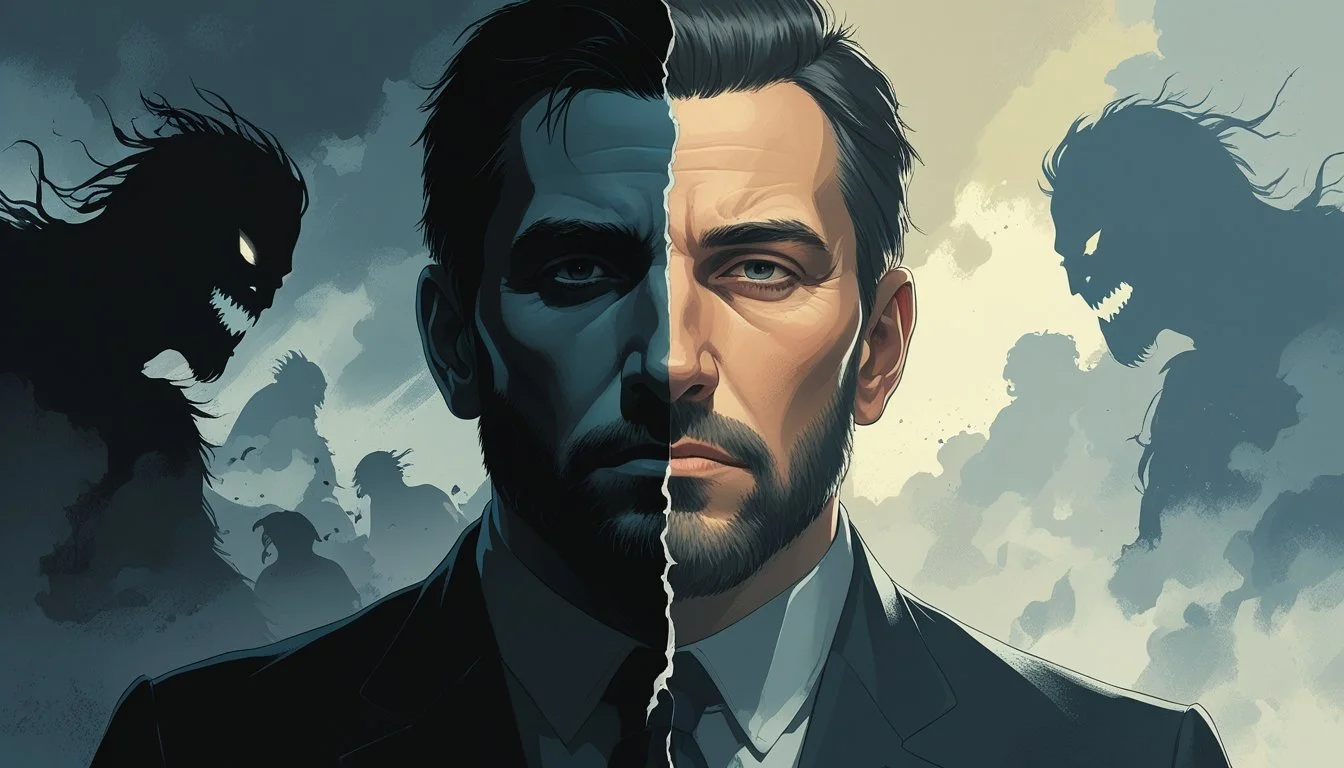
Walter White’s transformation compels audiences to confront uncomfortable truths about morality and personal responsibility. The debate continues about whether his legacy is defined by monstrous actions or sympathetic motives.
Debates on Good Versus Evil
Walter White’s descent from teacher to drug kingpin blurs the conventional boundaries between good and evil. He begins with a desire to help his family but soon resorts to manipulation, violence, and crime. Many viewers discuss if his initial motives excuse or mitigate his later crimes.
This debate is not limited to academic circles; it lives on in forums, reviews, and scholarly articles. The Faustian bargain mentioned in the search results draws parallels to classic tales where good intentions are corrupted for personal gain. Walter’s choices highlight the difficulty of labeling actions as purely evil or good, creating space for ongoing disagreement.
Audience Attraction and Resistance
There is a persistent fascination with Walter White’s journey—a tension between audience attraction to his charisma and resistance to his moral failings. People are drawn in by his intelligence, resourcefulness, and vulnerability. This attraction is often challenged by moments when he crosses significant ethical lines.
Discussions often focus on whether the show asks viewers to sympathize with a character who is, at times, a murderer and manipulator. Some viewers resist these appeals, expressing discomfort or rejecting the notion of rooting for an antihero. This push and pull is a key reason why Breaking Bad remains so frequently debated.
Accommodation of Different Viewpoints
Breaking Bad’s storytelling accommodates a wide spectrum of interpretations, from those who see Walter as a tragic martyr to those who view him as a villain. The show does not force a single moral message but encourages viewers to draw their own conclusions.
Fans, critics, and scholars regularly exchange perspectives, creating fringe theories and discussing underlying superstitions or cultural beliefs about crime and punishment. The series’ ambiguity invites both rigorous analysis and passionate disagreement, supporting a durable legacy of discussion.
Viewer responses demonstrate the capacity of modern television to unite and divide, depending not just on what is shown, but on the willingness to accommodate different viewpoints.
Legacy of Breaking Bad: Conclusions and Reflection

Walter White’s impact extends beyond the confines of his own story, shaping modern television and pop culture. His journey as Heisenberg raises enduring questions about morality, ambition, and the true cost of choices.
Evaluating Walter White's Enduring Influence
Walter White’s transformation through five seasons, especially in season four, redefined the anti-hero in television drama. He evolved from a high school chemistry teacher into a symbol of ambition and ruthlessness.
His actions forced viewers to confront uncomfortable truths about justice, responsibility, and the boundaries of personal rights. The legacy of Walter White is seen in how he blurs the lines between villain and victim, sparking debate over whether his motives as a terminally ill man justify his criminal trajectory.
The migration of his influence is noticeable in television's embrace of flawed protagonists. Characters with moral ambiguity, much like Walter White, have become a standard on numerous acclaimed shows. His story has influenced discussions about personal choice, complicity, and the societal consequences of desperate acts.
Lessons for Modern Storytelling
Breaking Bad demonstrated the value of tightly written, serialized storytelling. The show’s commitment to narrative detail, particularly in season four’s plotting, set a new bar for pacing and escalation in drama.
Writers now use Breaking Bad as a template for nuanced character arcs. The show’s exploration of themes like rights, retribution, and loyalty appeals to audiences who value complex character studies more than one-dimensional heroes or villains.
A key lesson lies in how Breaking Bad respects viewers’ intelligence by presenting moral questions without clear answers. Its influence is visible in the migration of darker, more mature storylines into mainstream television, reshaping how character legacy and consequence are depicted.
