
The Most Cinematic Shots in All of Breaking Bad
Visual Mastery Behind Iconic Scenes
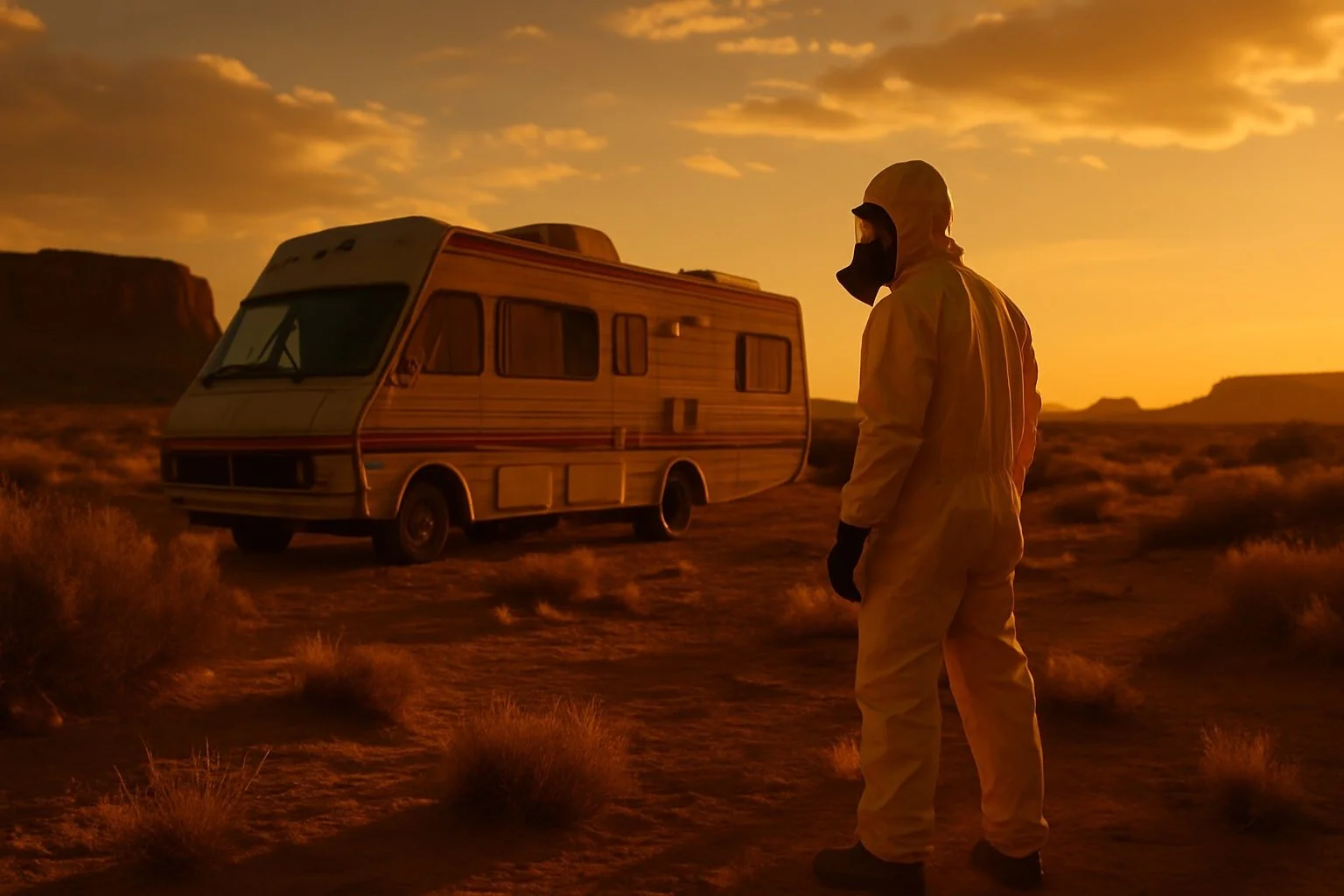
Breaking Bad, AMC's acclaimed drama series, is recognized not only for its gripping narrative but also for its masterful cinematography. Some of the most cinematic shots in all of Breaking Bad include the sweeping desert vistas, striking time-lapses, and carefully composed scenes that highlight both the vastness and isolation of the New Mexico landscape. These moments give the show its unique visual signature and amplify the tension and drama in each episode.
From the haunting image of the pink teddy bear floating in Walter White’s pool to the dramatic wide-angle views of desert showdowns, the visuals are as integral as the storytelling itself. Thoughtful camera work—such as the use of time-lapse photography and artful framing—creates a sense of scale and atmosphere that few television series match.
Viewers can spot AMC’s commitment to visual storytelling in each season, with memorable scenes that linger long after the credits roll. These iconic shots not only define Breaking Bad’s style but also set a standard for cinematic television.
Defining Cinematic Shots in Breaking Bad
Breaking Bad set itself apart with its inventive visual language, careful shot composition, and deliberate camera movement. Through close collaboration among Vince Gilligan, his directors, and cinematographers, the series captured not only the external action but also the inner lives of its characters.
Visual Storytelling Techniques
Breaking Bad frequently uses visual motifs to reinforce plot and character development. Recurrent elements such as the color-coding of wardrobe and the placement of objects help signify changes in a character’s arc. For example, Walter White’s clothing palette shifts from beiges and tans to darker hues as his morality slips.
Cinematic shots often isolate characters in vast landscapes or confine them in tight, claustrophobic spaces. This is especially visible in shots that place Walter or Jesse against New Mexico’s sprawling deserts, highlighting themes of isolation and consequence. Objects and settings do not merely serve as backdrops; they help reveal state of mind and tension.
Sound design frequently complements these visuals, whether through silence or minimal ambient noise, further intensifying key moments. Dialogue is sometimes sparse, letting the images and sound carry the story forward.
Role of Cinematography in Narrative
The cinematography in Breaking Bad does more than provide visual appeal—it actively shapes the storytelling. Wide shots are used to create a sense of scale, showing small figures against vast, empty landscapes. This underscores vulnerability and the consequences of choices.
Tight close-ups often focus on objects, hands, or faces, conveying anxiety and ethical conflict. Scenes like the camera lingering on the ricin cigarette or the slow zoom on Walter’s eyes during moments of realization showcase this approach.
Vince Gilligan and his team rely on shifts in lighting, depth of field, and shot duration to communicate shifts in story tone. High-contrast, shadow-drenched moments emphasize secrecy and threat, while sun-drenched exteriors often suggest vulnerability or exposure.
Signature Camera Angles and Movements
Unique camera angles and unconventional placements became a hallmark of the series. Notable examples include the use of point-of-view (POV) shots from inside objects like barrels, car trunks, or even appliances, immersing the viewer directly into the scene.
High and low angles are employed to convey changing power dynamics. A low-angle shot looking up at Walter as he declares “I am the danger” frames him as both ordinary and menacing—a pivotal visual choice.
Tracking shots and time-lapses establish pace and tension, leading viewers through the transformation of environments or the escalation of action. Breaking Bad’s willingness to experiment with both static compositions and dynamic movement added layers of meaning, making the cinematography integral to Vince Gilligan’s vision.
Iconic Moments: The Most Cinematic Shots
Breaking Bad uses visual storytelling to capture pivotal transformations and memorable sequences. The show’s cinematography draws attention to details, character arcs, and creative shot composition.
Walter White’s Transformation
Walter White’s descent into Heisenberg is illustrated through powerful visual choices. One defining shot occurs in Season 1 when Walt, standing in his tighty-whities in the desert with a gun, sets the tone for his vulnerability and coming change.
In later seasons, the use of shadows and tight framing highlights his increasing control and moral decline. The famous “I am the one who knocks” scene uses a low angle to give Walter a dominant, imposing presence.
Cinematography often isolates Walter using overhead shots or deep focus, showing the weight of his actions. His transformation is also symbolized through mirrored reflections and gradual changes in costuming and posture.
The Pink Bear Sequence
The pink teddy bear floating in the pool is one of Breaking Bad’s most striking visual motifs. Introduced in season 2, it foreshadows a tragedy tied to the crashing of Jane Margolis’s airplane.
Close-ups of the burned bear’s eye and water-logged fur are used with high-contrast lighting. The imagery is unsettling, hinting at chaos and loss infiltrating the White household.
Editor Kelley Dixon enhances tension with fragmented shots of floating debris, building suspense. This sequence uses color symbolism—pink against the stark blue of the pool—emphasizing contamination of innocence.
Gus Fring’s Last Stand
Gus Fring’s death in Season 4 is remembered both for its content and its artful execution. The shot of him calmly walking out of Hector Salamanca’s room, apparently unscathed, shocks viewers before the camera reveals the half-destroyed side of his face.
A long tracking shot follows Gus into the hallway, using silence for dramatic effect. The reveal is presented in profile, with slow, deliberate camera movement heightening the moment’s surreal quality.
This sequence relies on practical effects and precise shot timing. The aftermath, with Gus adjusting his tie before collapse, visually encapsulates his controlled persona crumbling in a single, unforgettable frame.
The Train Heist
In Season 5, the train heist sequence demonstrates the show’s capacity for tension and visual suspense. Sweeping aerial shots establish the desolate New Mexico landscape, creating isolation and urgency.
Fast cuts and kinetic handheld camera work immerse viewers in the covert operation. Extreme close-ups of gears, hoses, and nervous glances build intensity as the plan unfolds.
A chart can help clarify the sequence’s key elements:
Element Visual Technique Setting Wide, static shots Action Quick-cut edits Characters Reaction close-ups Objects Macro lens details
By the scene’s climax, the use of silence and abrupt sound cues heightens suspense. The final shot, focusing on the shocked witness, signals the heist’s unintended consequences.
Character-Driven Cinematic Excellence
Breaking Bad’s cinematography excels by integrating visual style with character arcs, creating moments where framing and movement reveal more than dialogue could. Iconic shots capture the psychological states and motives of major characters through lighting, composition, and deliberate pacing.
Jesse Pinkman’s Descent
Jesse Pinkman’s journey is visualized through a gradual shift in lighting and framing. Early seasons use bright, open shots to emphasize his immaturity and recklessness. As he descends into guilt and trauma, the camera adopts tighter close-ups and stark shadows, narrowing the space around him.
One notable technique is the use of time-lapse photography during Jesse’s periods of isolation. These sequences compress hours or days, visually reflecting his emotional stagnation. In scenes of heavy drug use, the camera often lingers or moves listlessly, mirroring his disorientation.
Aaron Paul’s performance is amplified by this visual strategy. The camera doesn’t just observe— it pulls the viewer into Jesse’s emotional turmoil, especially during pivotal moments like the aftermath of Jane’s death or Andrea’s murder. The result is a compelling visual record of a character’s unraveling.
Mike Ehrmantraut’s Silence
Mike Ehrmantraut is defined by restraint, both in speech and motion. The cinematography aligns with his stoicism by employing static frames and extended silences. Shots frequently capture him in profile or from a distance, suggesting his watchful isolation.
The visual storytelling prioritizes silence— scenes linger on Mike as he surveys a room or contemplates his options. His presence is often marked by symmetrical composition and minimal camera movement, reinforcing his calm and control.
Chiaroscuro lighting is a common technique in Mike’s scenes. This use of deep shadows suggests a moral complexity beneath his calm demeanor. When violence or action occurs, the camera rarely flinches, keeping viewers in Mike’s perspective and emphasizing his calculated approach.
Saul Goodman’s Introduction
Saul Goodman’s first appearance is marked by bold colors and exaggerated framing. The cinematography mirrors his flashy persona, deploying wide-angle shots and comic timing to establish tone. His office— decked in garish decor— becomes a visual extension of his character.
Camera angles often tilt or move dynamically during Saul’s early scenes, highlighting the contrast between his world and the dangerous realities of Walter and Jesse’s activities. Visual cues, like the oversized Constitution mural and elaborate props, reinforce his blend of opportunism and performance.
Lighting in Saul’s introduction is notably brighter and more even than for other characters. This calculated visual approach calls attention to his theatricality and sets the stage for how he shifts the narrative space when he enters. Saul’s entrances and exits are choreographed to separate him from the show’s darker visual palette.
Breaking Bad’s Signature Visual Motifs
Breaking Bad’s visual storytelling relies on distinct imagery and symbolism. The use of color and carefully crafted environments directly shapes the viewer’s understanding of character motivations and narrative shifts.
Color Symbolism Throughout the Series
Color in Breaking Bad is not just for style; it identifies characters and hints at their changing allegiances or states of mind. Walter White is often seen wearing green, reflecting both his connections to money and transformation. Skyler White gravitates towards blue and white, symbolizing clarity but also detachment as tensions rise within her family.
Jesse Pinkman’s wardrobe shifts dramatically—early seasons feature bright reds and yellows, later replaced by muted tones as his life becomes more complicated. The series uses color-coded environments as well: the stark reds in Saul Goodman’s office suggest his chaotic influence, while the whites and sterile colors in hospital scenes highlight feelings of vulnerability.
Directors also use color contrast in significant scenes. For instance, vibrant purples in Marie Schrader’s home reinforce her desire for control. The careful assignment of colors acts as a subtle narrative thread.
Methamphetamine Lab Visuals
The meth lab scenes are defined by meticulous composition, sterile lighting, and industrial blues and greens. These visuals evoke both a scientific precision and a sense of clinical detachment. The production design includes stainless steel, chemical glassware, and shadows, reinforcing the duality of order and danger within these spaces.
Time-lapse shots and wide-angle cinematography in the labs emphasize both the scale and the isolation experienced by the characters, especially Walt and Jesse. Director of Photography Michael Slovis crafts these sequences to underscore the tension between systematic operation and underlying chaos.
The meth itself—a signature blue hue—stands out in lab scenes, acting as both a narrative device and a visual cue for purity and ambition. This deliberate visual approach cements the labs as one of the most memorable and iconic backdrops in the series.
The Craft Behind the Cinematic Shots
Breaking Bad’s standout visuals come from a careful blend of visual technique and audio mastery. Distinct lighting, precise composition, and immersive sound create the show’s unique atmosphere.
Lighting and Composition Choices
Breaking Bad uses lighting to heighten drama, reveal character states, and shape mood. Scenes often rely on high-contrast lighting, making shadows as important as highlights. Interiors might be bathed in harsh sunlight, while nighttime scenes use stark practical lights or natural darkness.
Camera angles and shot composition reflect the emotional tone. For example, overhead shots emphasize isolation, while close-ups pull viewers into moments of tension. The series frequently uses time-lapse photography to depict the passage of time, adding a cosmic, impartial perspective to the story.
Iconic shots, such as those by cinematographer Michael Slovis, feature simple but elegant setups. Objects like the pink teddy bear in the pool or the RV in the desert become visual anchors. Wide shots convey scale, while tight framing shows intimacy or pressure. Each frame feels intentional, supporting Vince Gilligan’s vision.
Sound Design and Atmosphere
Sound in Breaking Bad is crafted to amplify visual storytelling. The show integrates diegetic sounds—like the hum of lab equipment and the rattle of tools—with atmospheric design to immerse the audience. Silence isn’t empty; it often builds tension, echoing the characters’ anxiety.
Ambient noise from Albuquerque’s environment—wind, distant traffic, insects—grounds scenes in reality. Subtle effects, such as shifting footsteps or doors creaking, add another layer of detail. Music is used sparingly but deliberately, often building suspense or signaling a shift in mood.
Vince Gilligan and the sound team coordinate closely with the visual elements. Audio cues highlight important visual moments, shaping the emotional impact. The result is a sense of realism and immersion that supports every iconic shot.
Legacy and Influence of Breaking Bad’s Cinematography
Breaking Bad’s visual language introduced a precise, expressive style to narrative television, marked by its inventive camera placement, dynamic lighting, and narrative-driven composition. This influence continues in spin-offs and dramas that aim for similarly high production values and storytelling through visuals.
Impact on Better Call Saul
Better Call Saul, as a prequel produced by AMC, draws heavily from Breaking Bad’s established visual style. Key cinematographers like Arthur Albert and Michael Slovis carried over techniques such as wide desert vistas, creative point-of-view shots, and strong use of color to convey mood and character emotion.
The show consistently uses deliberate framing to echo its predecessor, employing slow push-ins, lingering close-ups, and long takes. These visual motifs connect both series aesthetically but also help build tension and deepen character study, especially in scenes featuring Saul Goodman or Mike Ehrmantraut.
Table: Shared Visual Techniques
Technique Breaking Bad Better Call Saul Unique POV shots ✓ ✓ Desert Landscapes ✓ ✓ Strong use of color ✓ ✓ Time-lapse sequences ✓ ✓
This stylistic continuity has become one of the hallmarks of AMC’s storytelling universe, with audiences associating these cinematic choices directly with Gilligan's creative direction.
Influencing Modern Television Drama
The signature style of Breaking Bad’s cinematography has influenced a wide range of modern television dramas. Series across various networks have adopted techniques such as time-lapse photography and unusual camera angles to elevate their own visual narratives.
Breaking Bad's mean average shot length was more in line with feature films than typical TV shows, lending a cinematic pacing that many later dramas emulate. Elements such as expressive lighting and carefully chosen lenses are now common tools used by modern cinematographers aiming to add depth and meaning to their stories.
Notable Aspects Emulated:
High-contrast lighting reflecting tone shifts.
Symmetrical and purposeful framing for narrative impact.
Use of landscapes as emotional storytelling devices.
Breaking Bad demonstrated that television can match, and sometimes exceed, the visual ambition of film, setting a new standard for future productions. Shows produced by AMC and beyond have recognized the benefits of prioritizing cinematography as an integral narrative element.
Performance Highlights in Cinematic Moments
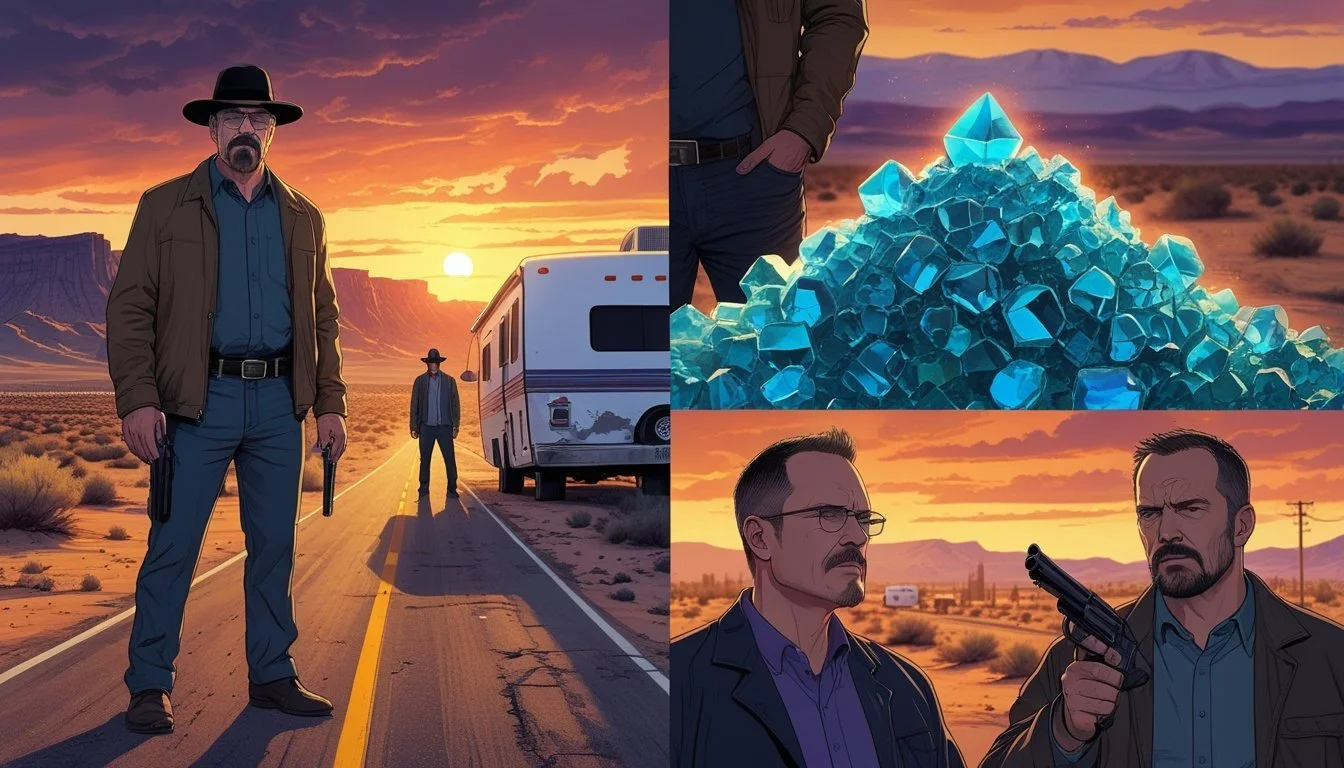
Many of Breaking Bad’s most visually iconic moments gained their impact through the performances of its two leads. These scenes were enhanced not just by lighting and camera work, but by the depth and subtlety brought by Bryan Cranston and Aaron Paul.
Bryan Cranston’s Portrayal of Walt
Bryan Cranston anchored Breaking Bad with a performance that shaped the narrative from the first episode. His transformation from high school chemistry teacher to commanding criminal is at its most visible during scenes like “I am the one who knocks.” The intensity in his expression adds weight to every word, making the shot memorable beyond just its quote.
In the “Crawl Space” scene, the camera’s gradual pullback emphasizes Walt’s loss of control. Cranston’s transition from panic to unhinged laughter, highlighted by close-ups, turns a simple moment into a disturbing visual. The authenticity in his movements—trembling hands, wide eyes—draw viewers deeper into the tension of the moment.
Cranston often used silence and minimal movements effectively. In moments of contemplation, the cinematography lingered on his face, capturing tiny shifts in emotion. These choices paired with strong visual framing made Walt’s most pivotal decisions even more gripping.
Aaron Paul’s Role as Jesse
Aaron Paul’s portrayal of Jesse Pinkman is a key reason certain scenes resonate so strongly. After Jane’s overdose, the devastated form of Jesse, bathed in harsh lighting, pulls focus. Paul’s physical collapse and tearful breakdown in Walt’s arms deliver emotional weight the camera does not shy away from.
Paul’s range is seen when Jesse is at his lowest at the crack house. His lost stare and broken posture, shown in tight, dimly lit frames, underline his struggle. The cinematography works with Paul’s expressive face and restrained gestures to emphasize the character’s pain.
Paul also excels in scenes requiring quiet vulnerability. When Jesse contemplates his role in Walt’s operations, the visual contrast of isolation—a lone figure in a wide shot—reinforces the internal battle. These moments, driven by Paul’s nuanced acting, allow viewers to feel Jesse’s conflict in powerful, cinematic terms.
Symbolism and Deeper Meanings
Many of Breaking Bad’s most cinematic shots are rich with visual symbolism that enhances the motivations and fate of Walter White. The show’s imagery reflects both his ongoing confrontation with danger and his personal struggle with lung cancer.
References to Danger and Mortality
Breaking Bad frequently uses specific symbols and motifs to communicate themes of risk and looming death. The recurring sight of the pink teddy bear, half-burned and floating in Walter’s pool, stands as a visual marker for the ever-present threat to his family and psyche. This bear, with its missing eye, is linked to the doomed airplane collision, subtly foreshadowing personal loss and unintended consequences of Walter’s choices.
Color is also used intentionally. Red, often linked to violence or blood, appears in scenes just before or after a major act of aggression. In several shots, the colors worn by characters or appearing in the environment shift as their morality changes—darker, more intense shades appear as criminal activity escalates.
Some of the show’s camera angles reinforce power dynamics, with low angles showing Walter’s growing dominance and high angles suggesting a character’s exposure to danger. This careful visual language underlines how close Walter is to mortality whenever he seeks more power.
Lung Cancer Imagery
Walter White’s lung cancer serves as more than a plot device; it’s often depicted through careful cinematography that makes his diagnosis feel omnipresent. There are powerful shots of x-rays and medical scans, directly confronting viewers with his body’s vulnerability.
Scenes set in hospitals or exam rooms almost always use harsh, clinical lighting and a cold color palette. These elements remind viewers of Walter’s mortality, emphasizing that his criminal journey begins in desperation. The oxygen tanks and breathing apparatus are shown in close-up, reinforcing the ever-present reality of his illness even as he acts with increasing ruthlessness.
At key moments, Walter’s cough returns, interrupting tense scenes and drawing attention back to his physical limitations. The tension between his frailty and his desire for control is visually expressed in quiet, solitary shots where he faces his reflection, caught between life and death.
