
The Power of Walt’s Silence in the Breaking Bad Finale and Its Lasting Impact on Television
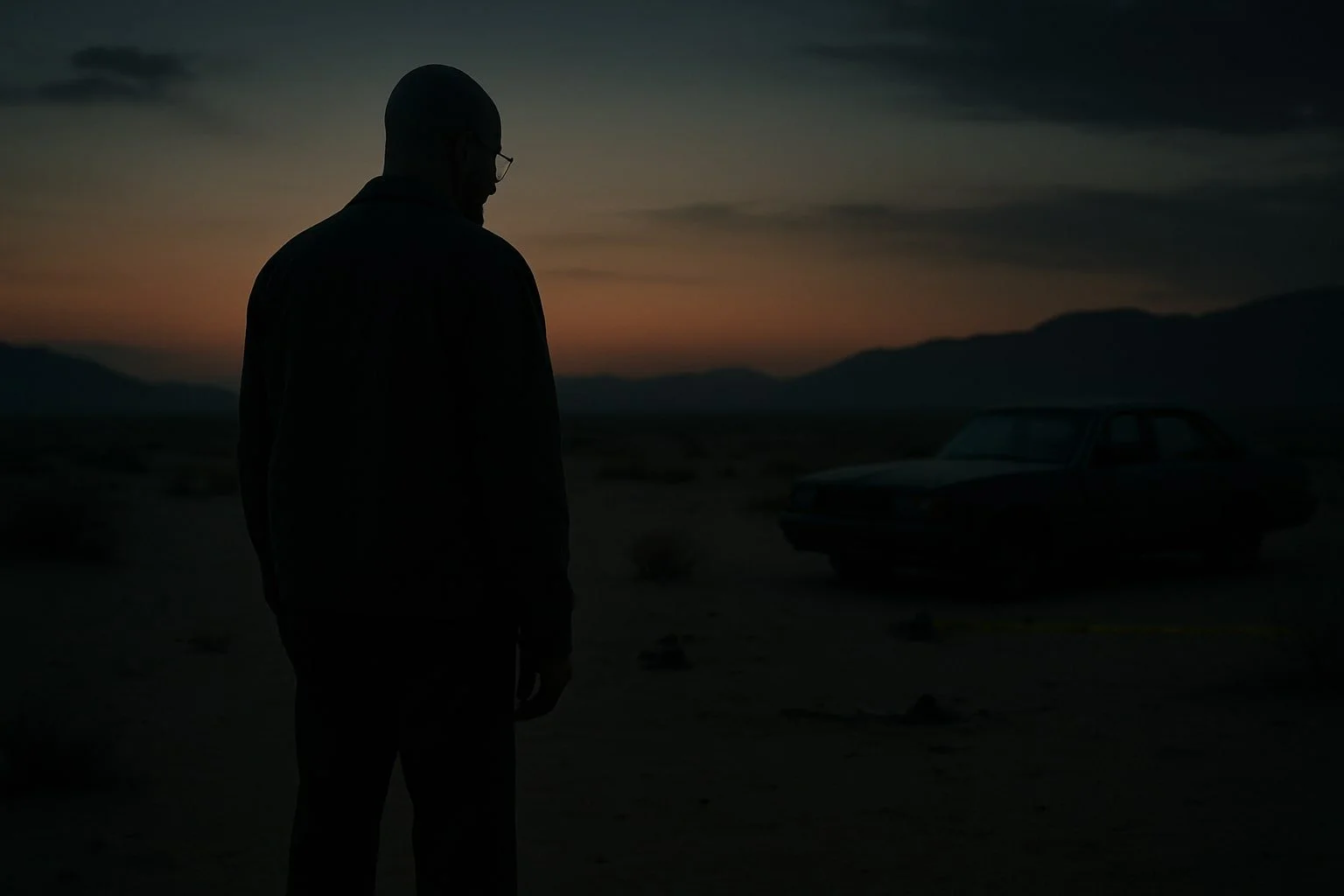
In the series finale of Breaking Bad, Walter White’s silence speaks as loudly as his words, shaping the emotional weight and finality of his story. Across the last episode, moments without dialogue amplify his motivations, regrets, and the consequences of his choices, inviting viewers to read between the lines of his actions and expressions.
The power of Walt’s silence in the finale reveals a man stripped to his core, forced to confront the truth behind his legacy. Audiences witness not only his vulnerability and desperation but also his acceptance of responsibility in the closing chapters of the celebrated television series.
This wordless tension becomes a defining element that sets the Breaking Bad finale apart, offering insight into Walter White’s inner world as the show draws to a close.
The Significance of Walt’s Silence in the Breaking Bad Finale
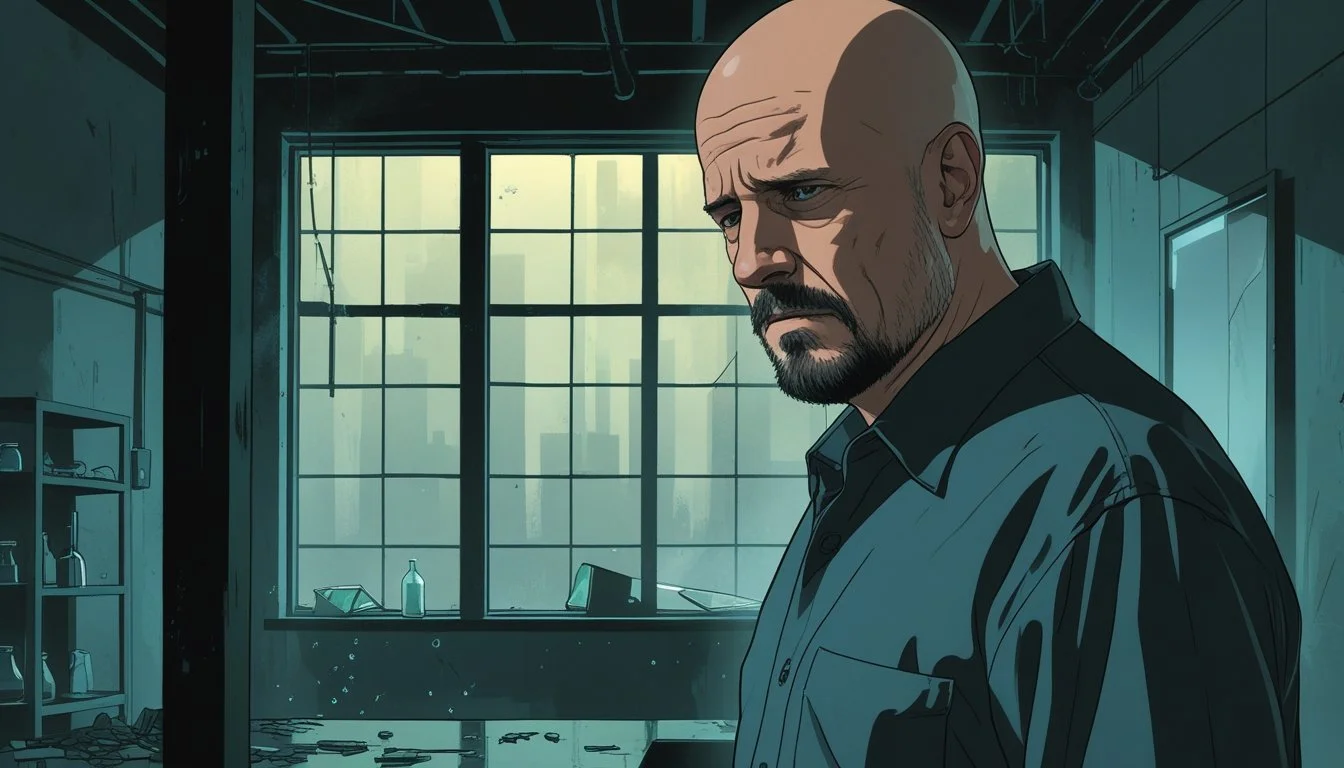
Walt’s silence in the final episode, “Felina,” plays a crucial role in shaping the emotional impact, drawing a sharp contrast to his earlier persona and marking his evolution. These moments of quietness are not just for cinematic effect—they serve to illuminate his internal state and underscore the narrative crafted by Vince Gilligan.
Setting the Tone of ‘Felina’
The finale opens and closes with sequences where Walt says little to nothing, relying on measured gestures and facial expressions. Bryan Cranston’s performance emphasizes Walt’s isolation; every pause and silence carries weight.
This restraint creates a tense and reflective atmosphere. Instead of explosive confrontations, subtle looks and withheld words communicate regret, resignation, and focus as Walt sets his endgame in motion.
Felina relies heavily on nonverbal storytelling, which allows viewers to consider Walt’s motives without distractions. The quiet moments highlight the gravity of each decision, especially as he revisits old haunts and faces the outcomes of his choices.
Contrast with Walt’s Earlier Behavior
Throughout most of Breaking Bad, Walt—both as himself and as Heisenberg—uses words as weapons. He manipulates, intimidates, and justifies with long monologues and emotional outbursts.
In Felina, this pattern shifts dramatically. Walt often allows silence to fill the space where threats or self-justification once stood. When meeting characters like Skyler or Lydia, his lack of chatter sets a new dynamic—one of acceptance, not domination.
Viewers accustomed to Walt’s verbosity notice this change immediately. It signals a loss of certainty and a move towards honesty, making his rare spoken lines more impactful. This contrast reveals how the journey of the series finale diverges from what came before.
Connection to Walt’s Transformation
Walt’s silence is key to understanding the man he has become by the ending. Vince Gilligan uses this restraint to mark Walt’s separation from the arrogant Heisenberg persona.
By speaking less, Walt acknowledges his failures instead of masking them. During his last talk with Skyler, he admits, “I did it for me,” with no need to elaborate further. This stark honesty, delivered quietly, contrasts with earlier attempts at rationalization.
The muted approach in “Felina” highlights both despair and resolution. It is in these silent moments that Walt’s transformation is laid bare, as Cranston’s portrayal lets viewers witness the true cost of his choices. Through stillness, the series finales with a character stripped down to the core of who he really is.
Character Development Through Silence
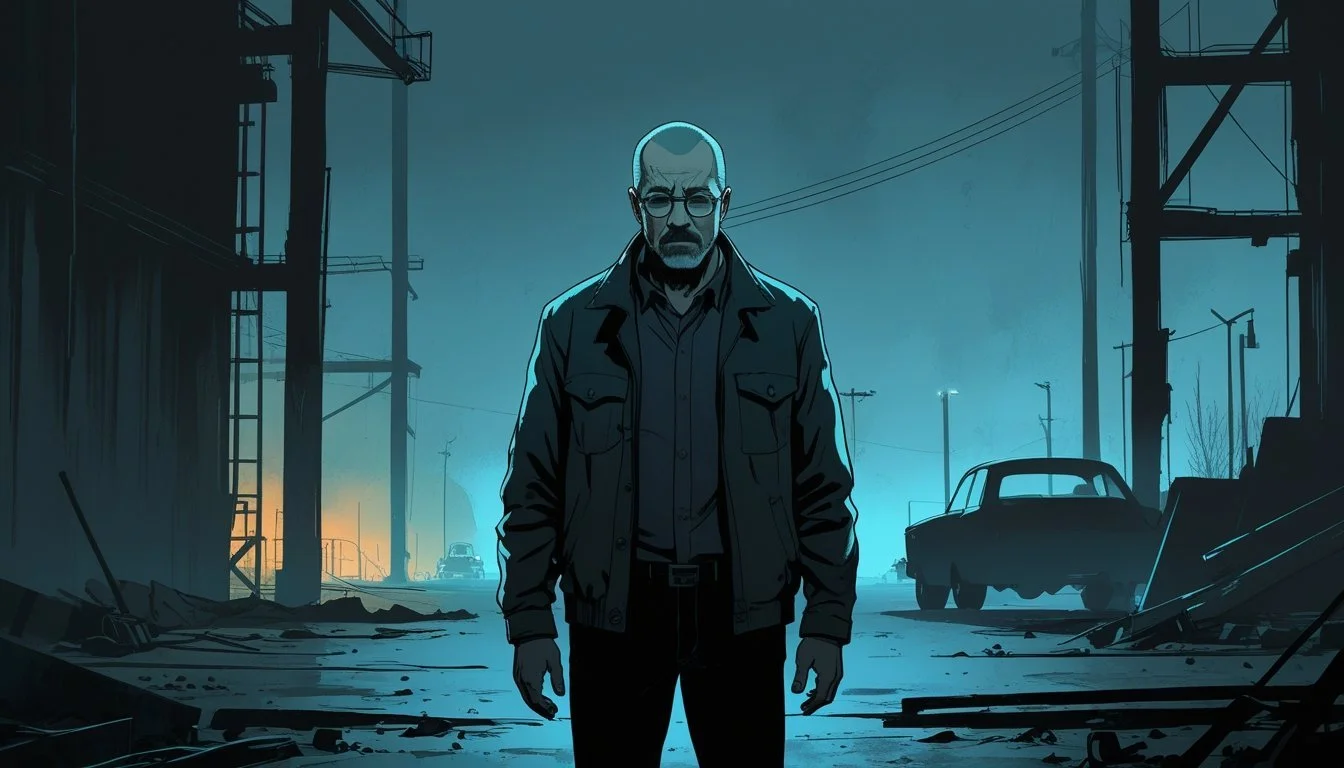
Walter White’s silence in the Breaking Bad finale shapes his relationships and exposes his evolution from a chemistry teacher to a complex antihero. His quiet moments communicate unresolved emotions and intentions, highlighting the deep schisms and subtle bonds between characters.
Emotional Impact on Jesse Pinkman
Walt’s silence during his final encounter with Jesse Pinkman (Aaron Paul) is charged with meaning. After years of partnership and betrayal, few words are exchanged, but the absence of speech says much more than dialogue could.
Jesse’s reaction to Walt’s silence is one of confusion, relief, and release. He refuses to kill Walt despite the opportunity and his own suffering. The lack of words underscores mutual recognition: Jesse is finally free from Walt’s influence.
Facial expressions and body language become crucial. Walt’s quiet consent as Jesse chooses not to shoot him—just a nod and lingering eye contact—marks the end of their fraught connection. Breaking Bad frequently uses wordless scenes, and here, silence becomes Jesse’s liberation, closing a transformational relationship with restraint instead of confrontation.
Character Key Emotion Outcome Jesse Relief Emancipation Walt Acceptance Isolation
Unspoken Communication With Skyler
In Walt’s last scene with Skyler, words are minimal and heavy, allowing silence to do the emotional labor. Walt stands in the kitchen, both physically and emotionally distanced. His hushed confession, “I did it for me,” is followed by long pauses that stress regret and resignation.
Skyler’s silence in return is equally potent. Anna Gunn’s performance shows the weight of Walt’s choices on her through body language—averted eyes, measured breaths, stillness. These moments allow viewers to understand their damaged trust without melodrama.
The lack of confrontation and the use of stillness convey the irreparable cracks in their marriage. This silent exchange communicates years of shared pain and failed redemption with more clarity than shouted arguments ever could, bringing closure through understated interaction.
Critical Scenes Highlighting Walt’s Silence
Walt’s silence becomes a defining element during the series finale, shaping both the tone and impact of key moments. The absence of dialogue in his final actions communicates resolve, regret, and the weight of his choices, especially as he confronts the consequences of his path.
Confrontation in the Meth Lab
Inside the hidden meth lab during Felina, Walt moves with purposeful quiet. He avoids small talk with the neo-nazis and lets his silence do the talking, highlighting the gravity of the situation. The visual tension grows as he surveys the chemistry setup one last time.
This scene balances tension with restraint. Walt meticulously inspects the lab, reflecting on what he built and the destruction it caused, all while barely uttering a word. The silence is only broken by brief, necessary dialogue.
List of key elements from the scene:
Walt’s observation of Jesse in chains.
The focus on lab equipment, reinforcing lost ambitions.
No vocal outburst, only a silent handoff of the ricin device.
This restraint underscores his internal conflict and resignation as he makes critical decisions that close his criminal chapter.
Final Encounter With Jack Welker
Walt’s showdown with Jack Welker is markedly subdued. When Jack is cornered, Walt offers almost no verbal negotiation. Instead, his silence is used as a form of psychological pressure, letting Jack scramble to plead for his life and explain his actions.
Jack’s neo-nazi gang, central to the finale’s violence, becomes silent victims themselves. Walt’s expression remains mostly blank; he watches without responding as Jack tries to justify keeping Jesse alive. This lack of reply illustrates Walt’s focus on action over words.
The core plot point here is Walt’s silent execution of Jack. There are no grand speeches, just a deliberate act, emphasizing the finality of Walt’s journey and his refusal to grant Jack—or himself—any further justification or redemption. His silence leaves the dying moments heavy, reflecting the cost of everything that led to this ending.
Themes Reflected by Walt’s Silence
Walt’s silence in the Breaking Bad finale signals deep internal change and reveals the complexities of his character’s journey. His quiet moments communicate more than words could, highlighting his struggle with moral failure, his quest for personal redemption, and his legacy as both a criminal and a former high school chemistry teacher.
Morality and Redemption
Throughout the finale, Walter White’s silence underscores the weight of his moral choices. Instead of lengthy justifications, he often responds with wordless acceptance, especially when facing the consequences of his actions in the drug trade. These moments strip away his previous rationalizations, leaving his guilt and regret exposed.
Walt’s reluctance to speak to Skyler directly about his regrets, and his silent acknowledgment of Jesse’s suffering, reflect his awareness of the harm he’s caused. Unlike earlier episodes, where he justifies his pursuit of drug money as a means to protect his family, his silence now conveys contrition.
When Walt saves Jesse without fanfare, he lets his actions and silence communicate remorse and a final attempt at redemption. In these wordless exchanges, he acknowledges the collapse of his moral code and accepts responsibility for the fallout.
The Pursuit of Legacy
Walt’s desire to leave behind a legacy is also encapsulated through his silence. In his final moments, he surveys the meth lab not with pride, but with quiet reflection. This visual storytelling approach reveals how the things he built—both as a chemistry teacher and a drug lord—define his memory.
His silent observation of the lab’s equipment, bathed in cold, sterile light, evokes the duality of his legacy: scientific achievement corrupted by criminal enterprise. The stacks of drug money and the careful arrangement of lab gear act as physical reminders of his transformation and the permanence of his choices.
Silence in these scenes allows viewers to contemplate the legacy Walt leaves for his family and the world. His lack of words offers a stark contrast to the loud violence of the drug trade, reinforcing that legacies are written as much by what is left unsaid as by overt accomplishments.
Symbolism and Motifs in the Finale
Several objects and visual choices in the Breaking Bad finale deliver deeper insights into Walt’s mindset and his decisions. The use of silence, specific weapons, and meaningful props help drive home the story’s bleak tone and reinforce its primary plot points.
The Role of Ricin and the Machine Gun
Ricin reappears in the finale after being foreshadowed for several seasons. Walt’s careful retrieval and strategic use of ricin to poison Lydia signifies his calculated approach to eliminating enemies without direct confrontation. This method stands in contrast to the violence of the machine gun, which Walt uses in a more overt and destructive way to end the lives of the neo-Nazis.
The hidden ricin serves not only as a plot device but as a symbol of Walt’s commitment to controlling outcomes. The machine gun, concealed in the trunk and unleashed with clinical efficiency, demonstrates Walt’s engineering mindset—turning even a deadly weapon into a tool of precise intent. The contrast between these two methods underlines the extremes Walt is willing to go to protect his legacy.
Visual Storytelling and Silence
The finale uses silence as a powerful motif. Many crucial scenes—such as Walt’s final moments in the meth lab—occur with minimal dialogue, relying on visuals to convey tension and resolution. This lack of speech underscores both Walt’s isolation and his acceptance of the consequences of his actions.
Lighting and camera work contribute to the somber atmosphere, especially as Walt quietly surveys the equipment and environment that defined his transformation. In these moments, the silence is not empty; it is punctuated by the visual weight of the “Felina” episode’s key symbols, from the lab to the blood on Walt’s shirt. These choices deepen the bleak tone, emphasizing the cost of Walt’s choices without the need for words.
The Lasting Impact of Walt’s Silent Moments
Walt’s wordless scenes in the Breaking Bad finale influenced both the tone of major television endings and the narrative choices in related series. These moments shaped how audiences interpret character legacies in the broader Albuquerque universe.
Influence on Series Finales in Television
Walter White’s silence during critical scenes set a new precedent for series finales, emphasizing nonverbal storytelling over dramatic exposition. The final moments in the lab, with Walt quietly examining his work and fate, let viewers draw their own conclusions about his remorse or pride.
Many later television finales referenced Breaking Bad’s reserved style or adopted similar techniques. Writers increasingly looked to silence as a tool for emotional depth, rather than relying solely on dialogue or action.
The deliberate quiet in these scenes invites interpretation, increasing engagement among viewers. It signals a trust in the audience to find meaning, influencing shows across genres. Several notable finales—including those for dramas set outside Albuquerque—have since mirrored Breaking Bad’s approach to concluding major arcs.
Connection to El Camino and Better Call Saul
The legacy of Walt’s silent moments extended into both El Camino: A Breaking Bad Movie and Better Call Saul. In El Camino, Jesse Pinkman’s reflective silences echo Walt’s, portraying trauma and resolve with minimal words. These scenes underscore the ongoing impact of Walt’s actions.
Better Call Saul also incorporated strategic silences, particularly in character-driven episodes centered on Jimmy and Mike. The show’s creators continued the precedent of using quiet tension and unspoken thoughts to build suspense and reveal motivations.
Through these spin-offs, Breaking Bad’s style endures within the layered storytelling of the Albuquerque saga. Studying these moments across series highlights the value placed on subtlety and restraint within Vince Gilligan’s television universe. This storytelling approach strengthens connections across the franchise and allows each series to explore new facets of silence and legacy.
