
Why Chuck McGill Is the Most Complex Villain in Better Call Saul and How His Character Redefined Antagonists
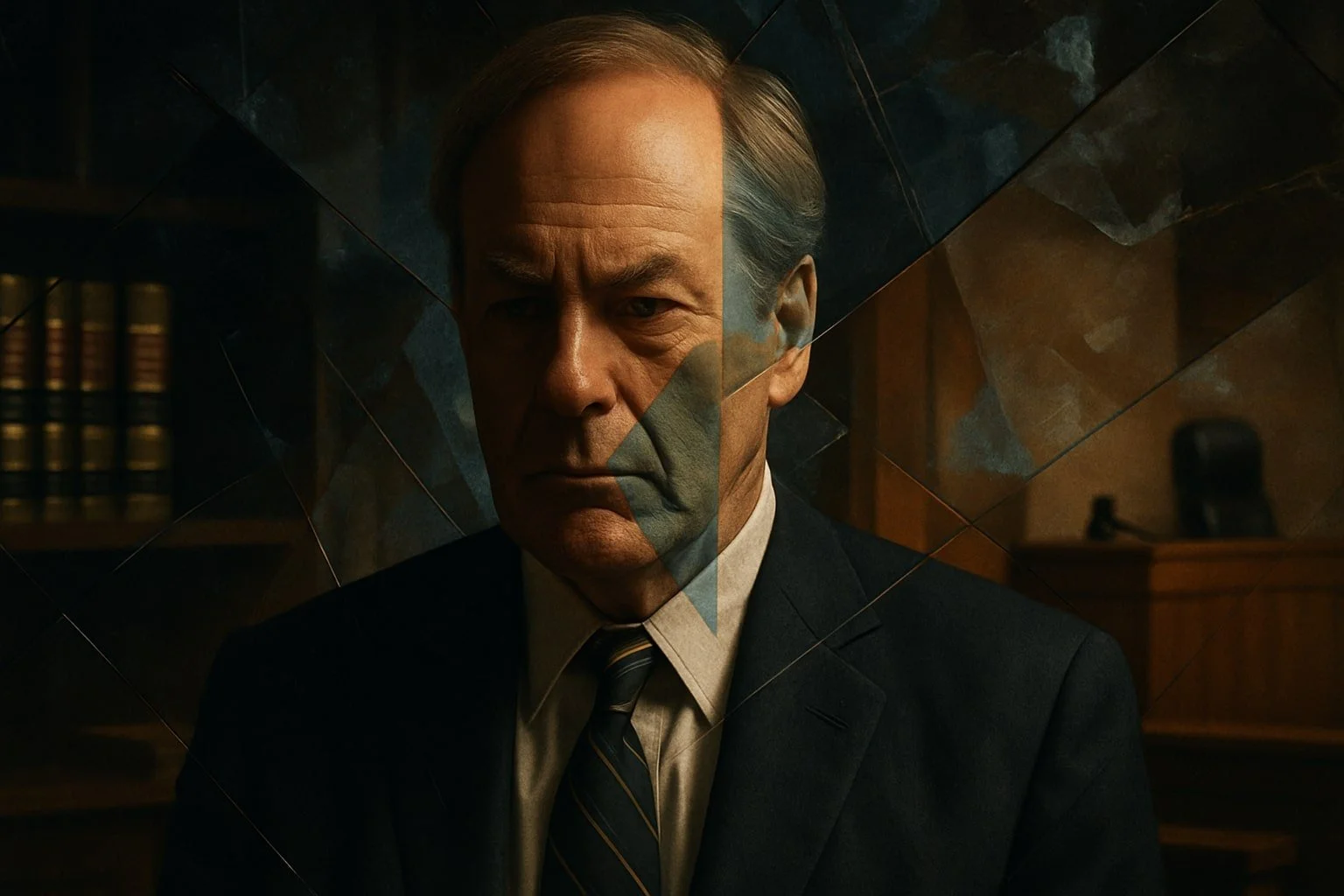
Chuck McGill stands out as the most complex villain in Better Call Saul because his motivations and actions are driven by deeply personal conflicts rather than clear-cut malice. Unlike other antagonists, Chuck’s opposition to Jimmy McGill combines sibling rivalry, professional jealousy, and a genuine—if often misguided—belief in the rule of law.
His character is multi-dimensional, showing both vulnerability in his struggles with mental health and unpredictability in his pursuit to stop Jimmy. This unique blend of intellect, pride, and personal pain makes Chuck a villain whose actions are sometimes understandable, even as they cause significant harm.
The depth of Chuck’s character keeps viewers questioning his intentions and sympathies, making his arc one of the most compelling and tragic in the series.
Chuck McGill’s Character in Better Call Saul
Chuck McGill stands at the heart of "Better Call Saul" as a complicated force driving much of the series’ drama. His motivations, relationships, and actions give unique insight into the legal and emotional landscapes of Albuquerque.
Background and Personality
Chuck McGill, portrayed by Michael McKean, is introduced as a brilliant attorney and co-founder of the prestigious law firm Hamlin, Hamlin & McGill (HHM). Known for his intelligence and legal expertise, Chuck is widely respected in Albuquerque’s legal community.
He is characterized by his intense commitment to principles and a deeply analytical mind. Chuck also experiences a severe sensitivity to electromagnetism, which he believes is debilitating, although it is psychosomatic. This condition isolates him from daily society and adds to his complex, sometimes reclusive persona.
Chuck’s perfectionism borders on obsession. His struggle to accept flaws—both in himself and others—fuels much of the internal and external conflict he faces throughout the series.
Key Relationships
Chuck’s relationship with his younger brother, Jimmy McGill, forms the core of his personal narrative. He mentors Jimmy in the basics of law, yet consistently doubts Jimmy’s moral integrity and abilities as an attorney.
Despite moments of kindness, Chuck is openly antagonistic to Jimmy’s legal career. He actively works to keep him out of HHM and orchestrates setbacks for him, motivated by a belief that Jimmy is unfit to practice law. This relationship turns increasingly adversarial as the series progresses.
Interactions with Howard Hamlin, Chuck’s business partner at HHM, highlight Chuck’s influence and the respect he commands. Chuck’s failing health and growing isolation impact these relationships, leading to tension both in professional and personal contexts.
Role in the Legal Profession
Chuck is celebrated as one of Albuquerque’s top attorneys. His attention to legal detail and unwavering adherence to ethics shape much of HHM’s reputation and operations.
He is methodical and exacting, setting high standards for himself and those around him. Chuck’s rigid interpretation of the law often puts him at odds with colleagues and particularly with Jimmy, whose approaches are more flexible and unorthodox.
Despite his professional stature, Chuck’s illness and personal struggles begin to interfere with his work. His actions to undermine Jimmy expose a more vindictive side, influencing key firm decisions and legal proceedings that ripple across Albuquerque’s legal community.
Chuck as the Antagonist
Chuck McGill stands apart from typical TV villains by bringing nuance and internal conflict to his antagonism. He shapes the story not through brute force, but through his intellect, pride, and fraught relationship with Jimmy McGill.
Motivations and Pride
Chuck's actions stem from deep-seated pride in his identity as a renowned attorney. He views the law as sacred and feels a personal duty to protect its integrity, which fuels his antagonism towards Jimmy's unorthodox methods.
This sense of superiority often blinds him to his own flaws. Chuck's belief that he is honest and just conflicts with his readiness to undermine his brother's career. Over time, his pride motivates him to go to great lengths—including surveillance and legal scheming—to ensure Jimmy cannot tarnish the legal profession.
Rather than simple malice, it's Chuck’s pride and view of himself as a gatekeeper for morality that drive his most consequential decisions.
Complexity as a Villain
Unlike many villains in the Vince Gilligan universe, Chuck does not fit the mold of an immoral criminal. His conflict with Jimmy is rooted in a genuine, if misguided, concern for ethical standards in law.
He is vulnerable, struggling with a psychosomatic condition that isolates him from others. This condition emphasizes Chuck’s loneliness and deepens his resentment, adding layers to his antagonism.
Instead of direct violence, Chuck wields institutional power. He fights using courtrooms, rules, and influence, showing that a villain can be dangerous through intellect rather than physical threat.
Moral Ambiguity
Chuck's role in Better Call Saul demonstrates the show's commitment to moral ambiguity. Unlike characters such as Lalo Salamanca, whose criminality is clear, Chuck operates in the gray areas of ethics and personal vendetta.
He often believes his actions are justified, even when they cause lasting harm. Chuck is capable of compassion but chooses paths that are legally sound but ethically questionable. Actions such as recording Jimmy’s confession and manipulating legal proceedings illustrate these dilemmas.
This moral complexity challenges viewers to question who the true villain is, especially when compared with more openly dishonest or violent figures from Breaking Bad.
Comparison to Other Antagonists
Chuck differs from traditional villains like Lalo Salamanca or the antagonists in Breaking Bad. Where Lalo and figures like Gus Fring embody overt immorality and violence, Chuck’s villainy comes from his principles taken to extremes.
He neither seeks power for its own sake nor indulges in crime, yet his actions are damaging on a personal and professional level. This sets him apart from the more black-and-white antagonists in the wider Vince Gilligan universe.
Chuck's intellectual battles with Jimmy highlight a different kind of threat—one built on ideology, personal history, and deep emotional wounds. This distinct nature gives him a unique place among Better Call Saul’s antagonists.
Sibling Rivalry with Jimmy McGill
The ongoing conflict between Chuck McGill and Jimmy McGill shapes their relationship and underpins much of the tension in Better Call Saul. Their rivalry is rooted in personal history, exposing deep-seated resentments and pivotal betrayals that affect their choices and identities.
Origins of Their Conflict
Chuck and Jimmy’s relationship began with typical familial affection but quickly evolved into rivalry due to differences in character and values. Chuck, a disciplined and respected lawyer, saw himself as a moral guardian, while Jimmy became known for his charm and rule-bending ways.
From early adulthood, Chuck viewed Jimmy’s transformation from “Slippin’ Jimmy” to law student with suspicion. He believed Jimmy cut corners and lacked the integrity required for the legal profession.
This mistrust was magnified by lingering resentment. Family incidents, such as their father’s financial ruin—often implied to be influenced by Jimmy—left Chuck believing his brother was fundamentally dishonest. The pain was intensified by their mother’s last words, which called for Jimmy instead of Chuck, deepening feelings of neglect and jealousy.
Key Moments of Betrayal
Several key betrayals define the depth of Chuck and Jimmy’s sibling rivalry. When Jimmy worked tirelessly to get a law degree and join Chuck’s law firm, Chuck secretly sabotaged his chances, believing Jimmy was unfit to practice law.
Chuck’s actions, such as objecting to Jimmy’s bar admission and orchestrating his eventual disbarment, were justified by him as protecting the legal profession. However, these decisions were deeply personal and emerged from a long-held belief that Jimmy would never be a true peer or equal.
A notable moment occurred when Chuck covertly recorded Jimmy admitting to falsifying legal documents. This act not only damaged Jimmy’s career but also solidified Chuck's role as an antagonist. The betrayal was not just legal but familial—a brother turning against another through elaborate, calculated means.
Impact on Jimmy’s Transformation
Chuck’s contempt and repeated betrayals shaped the course of Jimmy’s evolution into Saul Goodman. Feeling rejected and unwanted by his own brother, Jimmy lost faith in the idea of respectability and legitimacy within the law.
This led Jimmy to embrace his former persona, “Slippin’ Jimmy,” and pursue more ethically questionable paths. Chuck’s persistent efforts to push Jimmy out of the legal world only reinforced Jimmy’s cynicism and willingness to bend rules further.
The rivalry did not just define their relationship—it propelled Jimmy toward choices that ultimately made him Saul Goodman. Each setback caused by Chuck drove Jimmy to adopt the darker, more resourceful behavior that would become his trademark.
Chuck’s Legal Battles and Courtroom Tactics
Chuck McGill’s most defining moments in Better Call Saul often unfold within the courtroom, where his strategic mind and deep knowledge of the law come to the forefront. His legal battles with Jimmy McGill display both personal grievances and professional rigor, leaving a lasting impact on the legal profession depicted in the series.
Chicanery and the Law Degree Incident
Chuck’s suspicion about Jimmy’s law degree from the University of American Samoa becomes a pivotal issue. He questions the legitimacy of Jimmy’s qualifications and views his younger brother’s career as a threat to the sanctity of the legal profession.
In the infamous “Chicanery” courtroom scene, Chuck orchestrates a detailed plan to expose Jimmy’s alleged unethical behavior. He plants evidence, coordinates with Howard Hamlin, and leverages his reputation within the bar association to advance his case.
The climax comes when Chuck tries to prove Jimmy’s misconduct, only for Jimmy to reveal Chuck’s supposed electromagnetic hypersensitivity as a psychological condition. This undercuts Chuck’s credibility before the court and the bar association, highlighting his willingness to bend legal tactics to personal motives.
Disbarment of Jimmy McGill
Chuck’s pursuit of Jimmy’s disbarment is driven by a mix of personal rivalry and a rigid adherence to legal standards. He meticulously documents Jimmy’s actions, collecting recordings that detail his brother’s confession to evidence tampering.
During the hearing, Chuck presents himself as a guardian of legal ethics. He uses both documentary evidence and pointed testimony to argue for Jimmy’s removal from the bar association, framing Jimmy as unfit to practice law.
However, Chuck's approach exposes his own ethical blind spots. He manipulates legal processes and stretches the boundaries of professional conduct. This contributes to a courtroom atmosphere charged with personal vendetta, casting doubt on Chuck’s motivations even among his colleagues.
The Sandpiper Crossing Case
The Sandpiper Crossing case is a mass action lawsuit focused on elder law, with both Chuck and Jimmy originally on the same side. Chuck’s legal expertise is crucial in building the class action against Sandpiper, and he is instrumental in negotiating with the defendants.
His involvement reveals his strategic thinking in complex litigation. Chuck works closely with HHM (Hamlin, Hamlin & McGill), ensuring all motions and discovery are handled professionally. He seeks the maximum settlement for the elderly plaintiffs, showing a more traditional legal commitment.
Yet, as conflicts deepen, the courtroom becomes another battleground between the brothers. Chuck’s maneuvering affects not only the case outcome but also the structure of legal negotiations, reflecting both his strengths and his growing isolation within the bar association and the broader legal community.
Struggle with Electromagnetic Hypersensitivity (EHS)
Chuck McGill’s life is deeply affected by his claims of electromagnetic hypersensitivity (EHS), a key aspect shaping his behavior and relationships. His journey with EHS complicates his work, personal life, and ultimately impacts his downfall in both subtle and dramatic ways.
Portrayal of EHS
Better Call Saul presents Chuck’s EHS as a serious, debilitating condition. He avoids all electrical devices, covers his house in insulation, and uses lanterns instead of lights. The show never confirms if his symptoms have a physical cause. Multiple scenes highlight his visible distress—sweating, anxiety, and even collapsing—when near electronics. This paints his EHS as both a genuine struggle and a possible psychological issue.
Chuck’s insistence on the reality of his illness isolates him from family and colleagues. He stands by his experience, despite skepticism from doctors and his brother Jimmy. The show draws attention to the controversy around EHS in real life, where scientific studies generally find no physical cause. In Chuck’s case, the ambiguity of his condition is never fully resolved, making it integral to his complexity as a character.
EHS and Chuck’s Downfall
Chuck’s EHS contributes directly to key events that lead to his personal and professional decline. Because of his condition, he takes an extended leave from his prestigious law firm Hamlin, Hamlin & McGill. Jimmy and others are forced to accommodate Chuck’s needs—even removing electronics from the office and home.
The disorder fuels Chuck’s intense need for control. He uses EHS to justify his mistrust of Jimmy and to position himself as a victim. These patterns increase conflict with his brother and colleagues, making him appear stubborn and uncompromising.
During pivotal moments, such as court hearings, Chuck’s EHS is weaponized against him. For example, Jimmy exposes Chuck’s condition as psychosomatic by planting a battery, leading to Chuck’s humiliation and discrediting in court. This moment marks a sharp turn in Chuck’s reputation and accelerates his professional and emotional unraveling.
Chuck McGill’s Relationships within the Legal World
Chuck McGill’s professional interactions are defined by power, loyalty, and rivalry. His approach to law influences those around him, shapes the course of Hamlin, Hamlin & McGill (HHM), and directly impacts colleagues like Kim Wexler and Howard Hamlin.
Relationship with Kim Wexler
Chuck views Kim Wexler as talented but often keeps her at a distance. He recognizes her legal skills but rarely offers genuine mentorship. Instead, Chuck’s attitude is polite but reserved, and he hesitates to support her advancement within HHM.
When Kim’s loyalty to Jimmy becomes apparent, Chuck’s skepticism toward her grows. He suspects her judgment is affected by her relationship with his brother, and his disapproval is subtle but clear. Chuck refrains from involving Kim in the firm’s most critical issues.
Kim’s efforts for Mesa Verde—especially when Jimmy intervenes on her behalf—highlight Chuck’s unease. He questions her professional choices and aligns himself against her behind the scenes, emphasizing the divide between them in HHM’s rigid hierarchy.
Conflicts with Howard Hamlin
Chuck’s long-term relationship with Howard Hamlin is marked by mutual respect overshadowed by tension. Although they co-founded the firm alongside Howard’s father, the balance of power shifts as Chuck’s illness takes hold. Chuck remains deeply involved in major decisions, often overruling Howard.
Key conflicts arise over the handling of Jimmy’s legal career. Chuck pushes for strict barriers, and Howard, usually appearing as the enforcer, often finds himself carrying out Chuck’s wishes—even when conflicted. This dynamic causes significant stress within HHM.
Chuck manipulates Howard’s actions in several key firm decisions, including the path of Kim’s career and HHM’s handling of major clients like Mesa Verde. Howard frequently finds himself mediating between Chuck’s rigid principles and the realities of running a business.
Influence on the Law Firm
Chuck’s presence at HHM shapes the firm’s culture, structure, and reputation. As a founding partner, his insistence on legal ethics and strict procedural conduct sets the bar for everyone. Chuck’s decisions heavily influence hiring, promotions, and client management strategies.
His tenure is marked by several disputes over high-profile clients, such as Mesa Verde. Chuck’s unwillingness to yield or compromise leads to drawn-out conflicts, affecting HHM’s relationships both inside and outside the firm.
Chuck’s illness also becomes a point of contention, creating uncertainty about his leadership. Over time, his personal struggles and professional rigidity feed into internal tensions, leaving a lasting impact on HHM’s direction and reputation.
Legacy and Impact on the Series
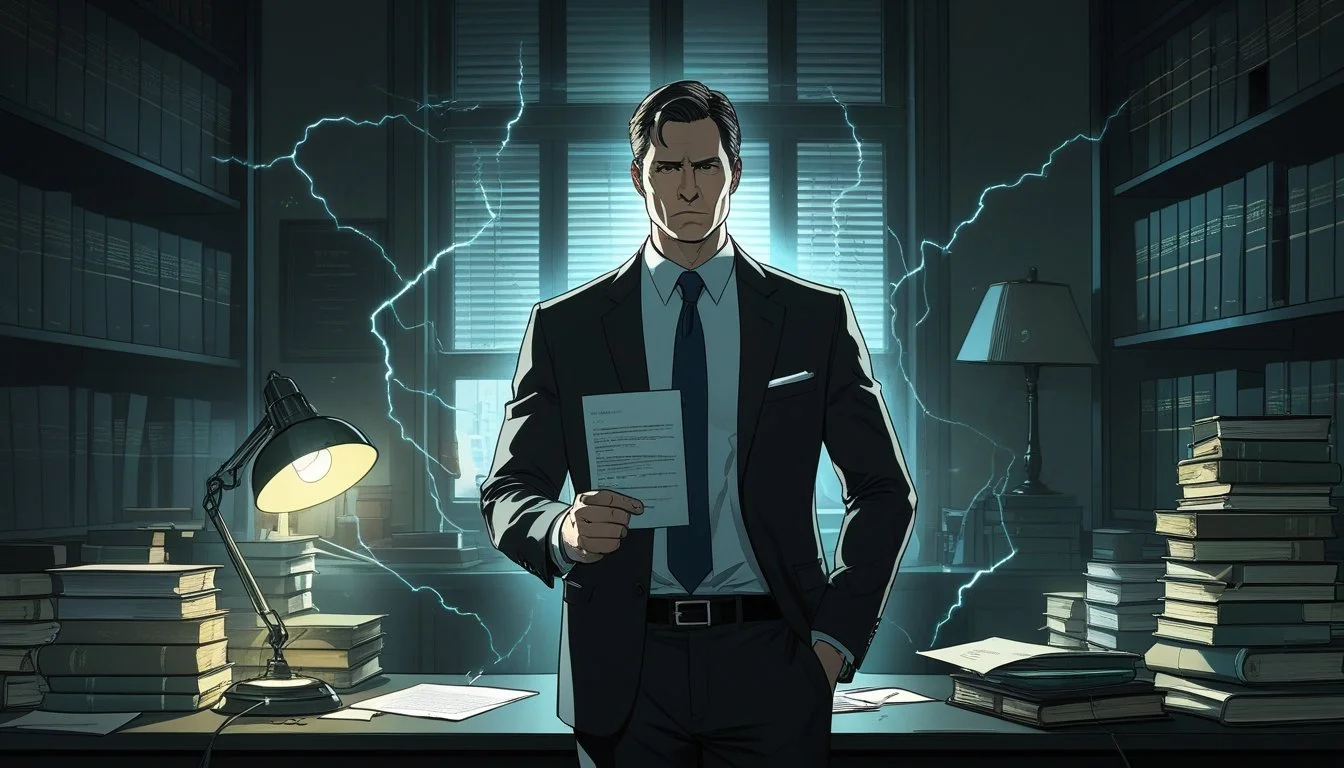
Chuck McGill’s actions and beliefs reverberate through Better Call Saul, shaping central characters and the environment of Albuquerque itself. His ethics, rivalries, and ultimate downfall remain integral to the transformation of Jimmy McGill into Saul Goodman and influence the fabric of the show’s moral universe.
Effect on Jimmy’s Evolution to Saul Goodman
Chuck’s persistent skepticism and refusal to acknowledge Jimmy’s reform efforts create a steady source of conflict. Every barrier Chuck sets, from challenging Jimmy’s law degree to manipulating events in court, pushes Jimmy toward moral ambiguity.
The intense rivalry between the brothers is a catalyst for Jimmy’s transformation. Chuck’s insistence that Jimmy can never truly change or deserve respect as a lawyer feeds a cycle of resentment and rebellion. Chuck’s legacy is inseparable from Saul Goodman’s emergence as a persona built on defiance and resourcefulness.
Key moments:
Chuck sabotaging Jimmy’s legal career
The court tape revelation
Chuck’s final words to Jimmy, cementing his self-doubt
Jimmy’s shift from seeking approval to embracing his outlaw identity is rooted in the adversarial relationship with Chuck, making Chuck’s influence central to the show’s narrative arc on Netflix.
Lasting Influence on Other Characters
Chuck’s presence affects more than just his brother. Howard Hamlin is profoundly shaped by Chuck’s expectations and later, by the fallout of Chuck’s downfall. Howard’s attempts to maintain the firm’s reputation are a direct response to Chuck’s standards.
Kim Wexler, another vital figure in Albuquerque’s legal scene, observes first-hand the consequences of Chuck’s uncompromising stance. Chuck’s downfall demonstrates the dangers of pride and rigidity, influencing her own decisions and ethical boundaries.
Chuck’s deteriorating mental health and actions send ripples through the legal community, affecting HHM’s standing and sparking changes in alliances and personal trajectories. Characters recalibrate their priorities and approaches based on both their loyalty to Chuck and the mess left behind after his exit.
Representation of Morality in Albuquerque
Chuck embodies a rigid moral absolutism, serving as both a challenge and a warning to others in the series. His belief in unyielding rules stands in stark contrast to the flexible ethics displayed by his peers, including Jimmy.
His fate highlights the limits of moral purity in the messy world of Albuquerque’s legal and criminal circles. The destruction of his reputation and life is not due to any single failure, but rather an inability to adapt, forgive, or accept complexity.
In the worldview of Better Call Saul, Chuck’s story demonstrates that inflexible morality can be just as destructive as outright criminality. His legacy prompts others to reconsider the value—and the danger—of living strictly by principles, shaping how characters like Kim and Howard make critical decisions well after his departure.
