
The Symbolism of Walt’s Pants in the Breaking Bad Pilot
Hidden Meanings and Character Insight
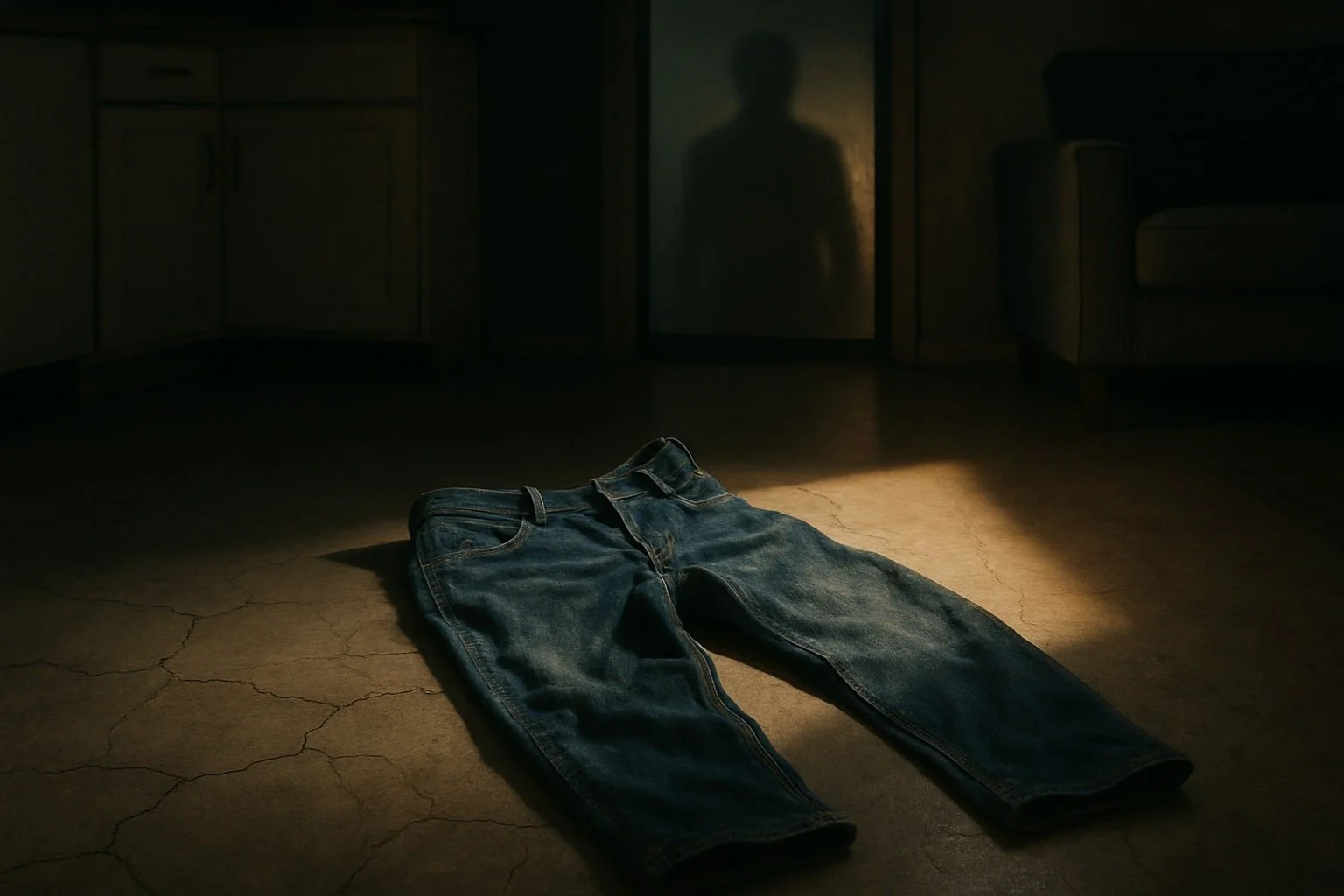
The pilot episode of Breaking Bad is packed with visual storytelling, but few images are as memorable or loaded with meaning as Walter White’s pants. From the opening scenes, these khaki pants flying through the desert air catch the eye, setting the stage for the transformation of a high school chemistry teacher into the notorious figure known as Heisenberg. Walt’s pants in the pilot serve as a powerful symbol of his ordinary life unraveling, capturing the shift from mundane routine to chaos and criminality.
The choice to show Walt stripped down to only his tighty whities and apron further reinforces his vulnerability and the sudden loss of control in his life. Color symbolism is also at work, as the green apron hints at his emerging greed and ambition, while the white briefs reflect the purity and normalcy he’s about to leave behind. With these wardrobe choices, Breaking Bad uses costume design to foreshadow the deep changes that will define the series.
Context of Walt’s Pants in the Pilot Episode
Walter White’s pants play a highly visible role in the opening of Breaking Bad, signaling deeper themes through a seemingly mundane detail. Their prominence in the pilot not only sets the tone for the series but also underscores the contrast between Walter’s ordinary life and the chaos that soon engulfs him.
Brief Overview of the Opening Scene
The pilot episode of Breaking Bad begins with a chaotic image: a pair of khaki pants flying through the air over the New Mexico desert. This visual appears alongside a frantic Walter White, who is driving an RV while wearing only his underwear and a green shirt. The discarded pants quickly become an unmistakable symbol of the turmoil that has upended his orderly existence as a high school chemistry teacher.
The camera lingers on these pants, emphasizing the absurdity and gravity of Walter’s situation. The sequence immediately communicates that Walter’s life has deviated from normalcy. The urgency of the opening—and the state of his attire—implies that something dramatic and dangerous has occurred, creating a sharp contrast between Walter White’s past persona and the chaotic world he now faces.
Setting and Character Backdrop
Walter White is introduced as a reserved, diligent high school chemistry teacher whose life is marked by monotony and quiet frustration. His home and workplace reflect an unremarkable middle-class routine, highlighted by his modest clothing and unassuming demeanor.
The pilot frames his transformation through visible details. His khaki pants represent more than clothing—they hint at his attempt to maintain normality amidst a breakdown of order. Set against the stark New Mexico landscape, the image of his abandoned pants underscores how far he has fallen from his stable past. The contrast is sharpened by the setting: the sun-bleached desert makes his vulnerability and desperation stand out, reinforcing how his old life—and identity—are slipping away.
Symbolism in Walt’s Pants: Visual Storytelling and Motifs
Walt’s pants in the Breaking Bad pilot are not just a costume piece but a deliberate symbol that supports the show’s visual storytelling. The appearance, use, and context of his pants serve to illustrate core aspects of his character, personal conflicts, and the transformation he undergoes.
Representing Walter White’s Duality
Walt’s khaki pants, lost in the desert in the opening episode, underscore the dramatic shift between his two identities: mild-mannered teacher versus emerging criminal. The ordinary, neutral color and style reflect his mundane, law-abiding life. Yet, their abandonment as he steps into the criminal world highlights the shedding of his former self.
This wardrobe choice is a visual motif that runs throughout the series. The recurring imagery of the discarded pants becomes a subtle reminder of the double life Walt is leading. The physical separation from his pants during pivotal moments is a practical representation of his moral split.
Such use of costume emphasizes the visual storytelling approach of the show, where clothing marks transitions and conflicts in identity. The pants act as a symbol of the tension between Walt’s two personas.
Masculinity and Vulnerability Conveyed
The famous shot of Walt standing in the desert wearing only his underwear immediately communicates vulnerability and exposure. By stripping away his pants, the show exposes not just his body but his anxieties and insecurities about his masculinity and status.
This image contrasts sharply with conventional depictions of male power—Walt is uncertain, frightened, and far from authoritative. The “tighty whities” motif recurs when the character faces moments of humiliation or fear, emphasizing his fragile sense of self.
In these scenes, the choice of costume puts Walt’s internal conflict on display. He is both stripped of power and yet, paradoxically, set on a path toward aggressive masculinity as he compensates for his loss of control.
Textile, Texture, and Costume Design Meaning
The specifics of Walt’s pants—fit, fabric, and color—contribute further meaning. Their utilitarian cotton blend and faded khaki color evoke ordinariness and the routine of suburban life. By choosing such unremarkable trousers, costume design grounds Walt’s identity firmly in his role as an everyman.
Texture plays a subtle part: the worn fabric mirrors the wear and fatigue in Walt’s life. As the story progresses and his wardrobe darkens, the costume choices echo his growing moral complexity and descent.
The pants as a recurring object are part of a larger system of visual motifs, consistently used to reinforce themes of identity, change, and the evolving nature of Walt’s actions within the show’s visual language.
Transformation and Identity: From Chemistry Teacher to Heisenberg
Walter White’s arc in Breaking Bad’s pilot marks a striking evolution of both identity and purpose. The symbolism of his pants intertwines with this journey, reflecting foundational changes that transform him from a mild-mannered high school chemistry teacher into the persona of Heisenberg, the drug lord.
Shifts in Walt’s Self-Image
When the pilot opens, Walt is a high school chemistry teacher facing terminal cancer and financial anxiety. His role is defined by routine and powerlessness, emphasized visually when he stands exposed in his underwear after losing his pants. This image underlines a man stripped of dignity, status, and control.
As circumstances force Walt into crime, his sense of self begins to shift. Each step into the drug world uncovers abilities and desires previously buried by his meek persona. The loss of his pants is more than comedic; it visually signals a loss of the old, constrained self.
He begins to justify his actions as being driven by necessity rather than choice. His shifting self-image is marked by growing confidence, seen in his interactions with Jesse and those who underestimate him. Walt’s transformation becomes a psychological journey, expanding his sense of agency and rewriting his internal narrative.
The Emergence of Heisenberg
The birth of Heisenberg marks a turning point in Walt’s transformation. Naming himself Heisenberg, he creates a distinct identity that contrasts starkly with his former self as a chemistry teacher. This alter ego is defined by decisiveness, ruthlessness, and a desire for control.
The symbolism of the missing pants remains relevant, showing a man who has discarded conventions along with his past vulnerabilities. Heisenberg’s persona becomes inseparable from Walt’s increasing comfort with violence and crime. He moves from being a victim of circumstance to a self-empowered figure.
Table: Key Changes in Walt’s Identity
Phase Dominant Traits Symbolism of Pants Chemistry Teacher Meek, anxious, powerless Powerlessness, exposure Heisenberg/Drug Lord Assertive, calculating Shedding old limitations
This deliberate transformation is neither sudden nor accidental. The emergence of Heisenberg is the result of cumulative choices that redefine Walt’s sense of self, culminating in the abandonment of both literal and metaphorical constraints.
Color, Imagery, and Pop Culture Impact
Walt's pants in the Breaking Bad pilot reveal more than just his state of mind—they use deliberate color and stark imagery to reflect his transformation. The visual choices made in this scene became memorable moments that found their place in pop culture discussions and references.
Color Symbolism in the Pilot
The colors worn by Walt at the start of the series are intentional. His beige pants and white underwear serve as symbols of his earlier mundane existence. These light, neutral tones represent the innocence and ordinariness of his life as a high school chemistry teacher.
As the episode progresses, the visual starkness of his underwear against the harsh desert landscape amplifies his vulnerability. This use of muted color contrasts with the intensity of his actions, highlighting the dramatic shift in his character. The color symbolism in the pilot sets up a language that the show continues to use, marking the stages of Walt’s transformation from innocence to darker, morally ambiguous territory.
Iconic Imagery and Its Influence
The shot of Walt’s pants—floating alone in the desert air—became one of the show’s most distinctive images. This visual was not only striking but immediately established a unique and memorable aesthetic for the series. The pants symbolize the loss of Walt’s old identity as they disappear into the landscape, leaving behind a man on the brink of reinvention.
Pop culture quickly embraced this imagery. It appeared in fan art, parodies, and even merchandise, joining other symbols from the show such as the pink teddy bear. The recurring use of visual objects like these deepened the series’ impact and helped cement Breaking Bad’s reputation for effective, meaningful symbolism in television storytelling.
Narrative Consequences: Plot Development and Motifs
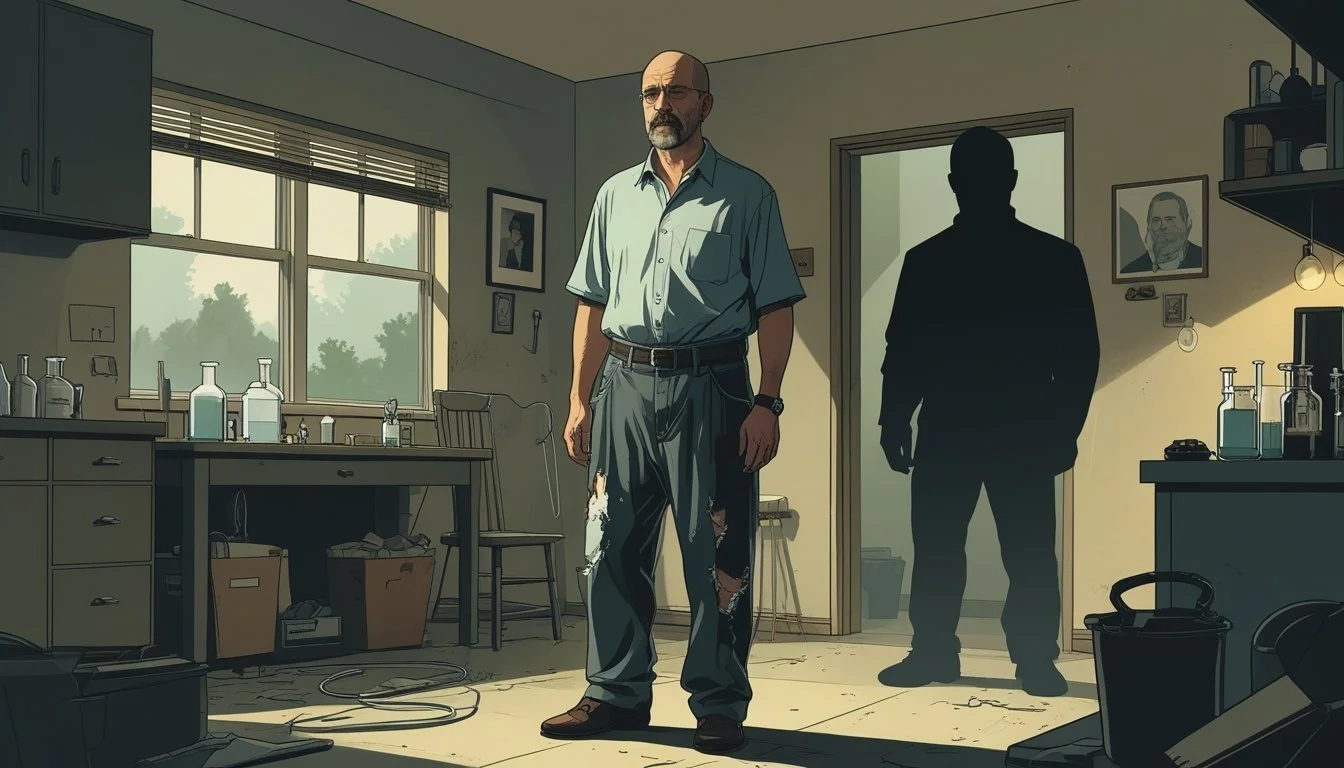
Walter White’s pants in the Breaking Bad pilot serve as more than just a visual gag; they play a role in shaping the story’s structure and underlying motifs. Vince Gilligan leverages this choice to communicate character arc, theme, and future narrative directions.
Foreshadowing and Storytelling Techniques
The sight of Walt’s pants flying off in the desert foreshadows the chaotic consequences of his criminal decisions. This early image is revisited in later seasons, making the pants a visual callback that connects Walt’s descent back to its origin. It marks a loss of control, a motif that underpins much of the series.
Vince Gilligan uses this detail to subtly communicate the transformation of Walt’s identity. The mundane object becomes a storytelling anchor, threading the pilot to later episodes. Visual motifs like the pants reinforce major plot points and serve as reminders of how far the character deviates from his initial self.
Jesse Pinkman’s Interactions and Symbolic Parallels
Jesse Pinkman plays a pivotal role in shaping the narrative and themes of Breaking Bad’s pilot. His interactions with Walt reveal key aspects of their relationship and spotlight contrasting identities and symbolic elements.
Jesse’s Introduction and Dynamic with Walt
Jesse Pinkman is introduced as a small-time meth producer and former student of Walter White. Their initial reunion sets the tone for a relationship built on uneasy alliance and mutual need. Walt requires Jesse’s knowledge of the local drug scene, while Jesse needs Walt’s scientific expertise to produce purer meth.
Early in the pilot, Jesse’s actions stand in stark contrast to Walt’s. He’s impulsive, frequently anxious, and not accustomed to planning ahead. This dynamic is exemplified in their frantic escape from the DEA, where Jesse’s improvisation and street smarts come into play.
The power imbalance between them is clear. Walt quickly asserts dominance, while Jesse oscillates between resistance and grudging cooperation. Actions such as running from the authorities or reluctantly accepting Walt’s orders highlight Jesse’s subordinate but increasingly integral role in the partnership.
Comparing Jesse and Walt’s Identities
Jesse’s public persona is vastly different from Walt’s carefully concealed criminal life. While Walt wears the pants of authority in both his household and his new criminal enterprise, Jesse is depicted as an outsider who lacks both respect and direction.
A key symbolic parallel can be observed in the contrast between Walt’s literal loss of pants and Jesse’s constant struggle to find his own “fit” in life. Walt’s pants become a metaphor for lost control and newfound recklessness, while Jesse is perpetually between roles—never entirely comfortable in the drug world or in his personal life.
Their evolving relationship also reflects symbolic shifts in identity. As Walt sheds his former, passive self, Jesse too faces a redefinition—often mirroring or contrasting Walt’s choices, both visually and thematically, throughout the series’ opening sequences. These contrasts are not just narrative but also reflected in symbolic props and actions, reinforcing their divergent yet interlinked journeys.
White Briefs: A Subtle Statement

Walter White’s choice of white briefs in the pilot of Breaking Bad is not an accidental wardrobe decision. The briefs become a visual emblem of both his ordinary life and the deep changes he is about to undergo.
Connotations of White Briefs in Characterization
White briefs often symbolize innocence, routine, and an unremarkable existence. For Walter White, these undergarments reflect his life as a mild-mannered high school chemistry teacher.
The starkness and simplicity of the white briefs highlight Walt’s conformity and lack of rebellion at the series’ beginning. This sense of ordinariness grounds the character before his gradual moral decline.
The color white traditionally suggests purity or naivete, which contrasts with the dangerous world Walt soon enters. Viewers may see these briefs as a physical representation of the life he is leaving behind as he embarks on a path of crime.
Contrast with Drug Lord Persona
As Walt’s journey progresses, his identity shifts dramatically from law-abiding teacher to calculating drug lord. The meek image created by his white briefs becomes increasingly ironic as he gains power as “Heisenberg.”
The contrast between the humble undergarments and his growing ruthlessness serves as a visual reminder of his transformation. Scenes featuring the briefs mark a clear separation between Walt’s former self and his criminal alter ego.
While he adopts new clothing and behaviors associated with authority, the memory of his white briefs lingers as a symbol of his lost morality. The use of such an everyday item underscores the tension between appearance and reality throughout his moral decline.
Underlying Themes: Morality and Decline
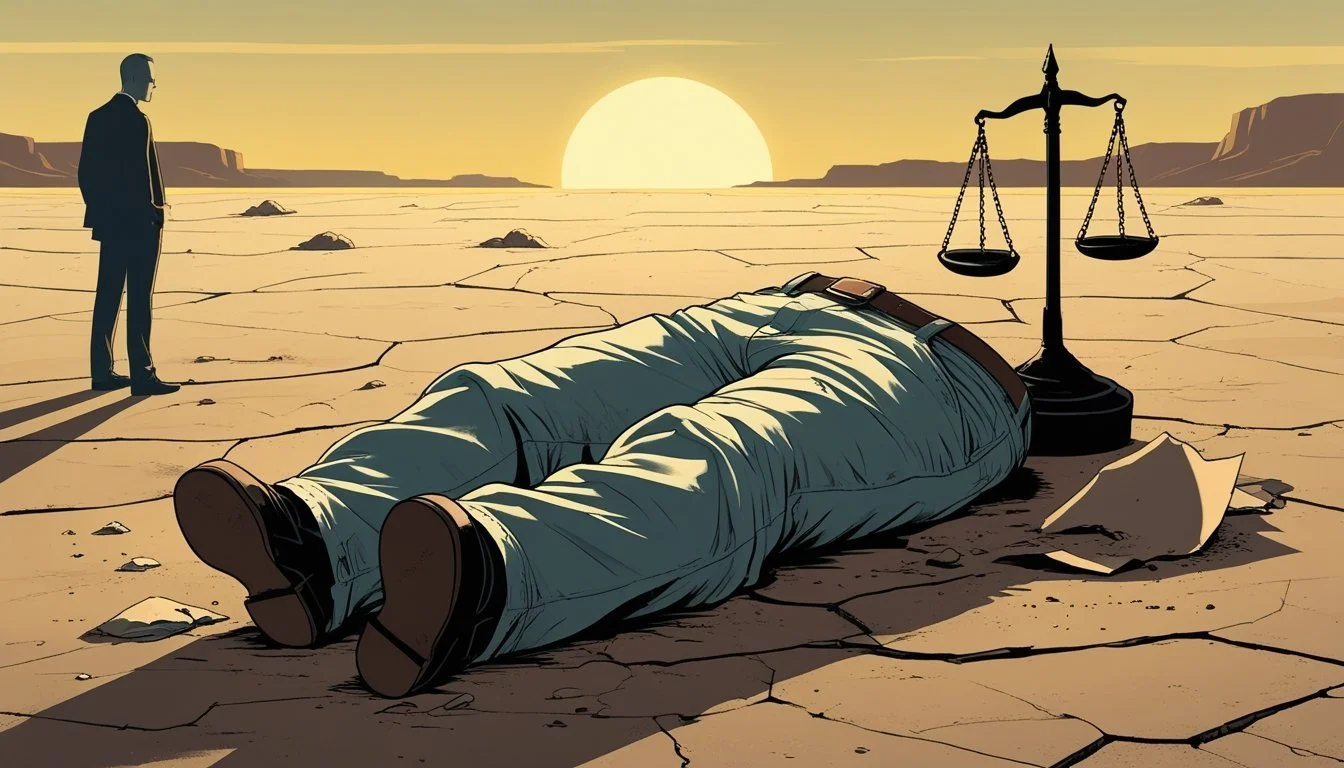
Walt’s pants in the Breaking Bad pilot serve as a visual symbol of his unraveling life and the consequences of his sudden choices. The imagery connects his journey to powerful themes of moral decay and the impact of personal crisis.
Moral Decline Traced Through Symbolism
The discarded pants in the desert highlight Walt's rapid moral transformation. In the pilot, the sight of khaki slacks tossed from the RV’s window stands in stark contrast to his former, mundane life as a chemistry teacher. This moment marks the beginning of his willingness to break the law.
As the series progresses, these pants become more than just clothing—they represent the abandonment of his previous ethical boundaries. Their loss coincides with his decision to manufacture meth, a clear step away from the man he once was. The audience sees this physical shedding as a metaphor for Walt discarding his old morals.
Color plays a role as well; the beige pants blend with the desert landscape, reinforcing how Walt’s ethical lines blur as he ventures into crime. The recurring image of lost clothing in Breaking Bad often underlines a character’s transformation or downfall.
Lung Cancer as Catalyst
Walt’s lung cancer diagnosis acts as the initial push toward his moral decline. The disease brings fear, desperation, and a perceived necessity to provide for his family by any means possible. This marks a dramatic shift in priorities and justifies, in his mind, the turn to illegal activity.
Cancer also strips Walt of control over his own body, paralleling the loss of his pants during the chaos in the desert. Both events expose his vulnerability and foreshadow the extreme choices he will make. The illness does not merely threaten his health—it alters his moral reasoning.
The pants scene and cancer diagnosis together reveal how sudden trauma can drive someone to abandon deeply held principles. These elements ground the narrative in realism, showing how Walt’s decline is not abrupt, but triggered and explained by personal crisis.
