
Why Breaking Bad Still Sets the Gold Standard for Prestige TV
Examining Its Enduring Influence and Legacy

Breaking Bad remains the defining benchmark for prestige television thanks to its intricate storytelling, complex characters, and lasting cultural impact. Years after its debut, few series have matched its ability to blend cinematic style with a grounded, multi-layered narrative that pushed the boundaries of TV drama.
While many shows have aimed to capture a similar blend of tension and depth, Breaking Bad’s mastery of character development, moral ambiguity, and visual storytelling continues to influence modern television. Its influence is clearly seen in how new dramas approach themes, pacing, and production quality.
Audiences and critics alike return to Breaking Bad not just for its gripping plot, but for the way it reshaped expectations around what television could achieve. The show’s legacy still shapes conversations about what makes a drama series truly outstanding.
Defining Prestige TV and Its Evolution

Prestige TV is defined by ambitious storytelling, high production values, and complex characters. Its development is closely tied to key networks and the rise of streaming platforms, which have changed the landscape for drama series.
What Is Prestige TV?
Prestige TV refers to television shows that prioritize sophisticated narratives, deep character development, and elevated production standards. These dramas often tackle mature themes and emphasize strong writing and direction. Shows like The Sopranos and The Wire helped set this standard.
Critics and audiences see prestige television as a departure from formulaic network programming. These series adopt serialized storytelling rather than standalone episodes, encouraging viewers to follow long and intricate plots. Key elements include cinematic visuals, moral ambiguity, and multi-dimensional performances.
Hallmarks of prestige TV:
Creator-driven content
Strong ensemble casts
High production budgets
Artistic risk-taking
Prestige TV often attracts notable directors and film actors, drawing further attention to the format.
The Rise of Prestige Dramas
The late 1990s and early 2000s marked a shift in what viewers expected from television drama. HBO led this transformation with Oz and The Sopranos, demonstrating that television could rival film in depth and quality. AMC joined this movement with Mad Men and Breaking Bad, solidifying its own reputation for quality original programming.
By the mid-2010s, streaming platforms like Netflix, Amazon, and Hulu began producing original television, expanding the notion of what prestige drama could be. These platforms invested in unique stories, allowing for greater diversity in genre and perspective.
The increasing competition led to an era often referred to as "peak TV," with more original dramas released than ever before. This abundance pushed networks and streamers to prioritize distinctiveness and critical acclaim over mass-market appeal.
Key Networks and Streaming Platforms
Some of the most influential players in prestige TV include HBO, AMC, and streaming services such as Netflix, Amazon Prime Video, and Hulu. Each platform contributed to the evolution of television drama by focusing on original, high-quality programming.
HBO set early standards with series like The Sopranos, The Wire, and Game of Thrones.
AMC elevated cable TV with Mad Men and Breaking Bad, demonstrating that dramatic storytelling thrived outside premium networks.
Netflix shook up the model with binge releases, starting with House of Cards, and quickly expanding its portfolio of original dramas.
Amazon and Hulu followed suit, prioritizing prestige dramas such as Transparent and The Handmaid’s Tale.
These networks and platforms compete for top creators and actors, ensuring that prestige television remains innovative and at the forefront of cultural conversation. The rise of streaming has blurred the lines between film and television, giving more freedom to experiment with stories, formats, and episode lengths.
Breaking Bad: The Blueprint for Modern Prestige Dramas
Breaking Bad reshaped modern television by raising expectations for narrative complexity, visual execution, and critical success. It has influenced many subsequent prestige dramas, demonstrating what serialized storytelling can achieve on the small screen.
Narrative Innovation and Storytelling
Breaking Bad stood out for its relentless focus on gradual character evolution and tightly connected plot lines. The series tracked Walter White's transformation from a high school chemistry teacher to a methamphetamine kingpin with precision and patience, avoiding shortcuts.
The show's creator, Vince Gilligan, structured the narrative to reward both weekly viewers and binge-watchers. Cliffhangers, complex moral dilemmas, and shifting alliances became central, setting standards that many other television series would later follow.
Its serialized format encouraged deep audience engagement and conversation. Breaking Bad demonstrated that network television could sustain layered narratives capable of attracting and maintaining high Nielsen ratings season after season.
Visual Style and Direction
Breaking Bad elevated its genre by adopting a cinematic approach rarely seen before on basic cable. Under the direction of numerous skilled directors and with innovative cinematography, the series used color, wide-angle shots, and symbolic imagery to reinforce themes and character arcs.
The visual language of the show supported its storytelling as much as the script. AMC’s commitment to high production values helped set a benchmark for prestige dramas, inspiring networks to invest more in visual quality.
Breaking Bad’s desert landscapes, uses of silence, and creative action set pieces became iconic. The show’s visual consistency contributed to its immersive environment, making it a reference point for future TV shows seeking critical and popular acclaim.
Critical Acclaim and Industry Recognition
Throughout its run, Breaking Bad accumulated widespread critical acclaim, including numerous Emmy Awards for Outstanding Drama Series. Its final season drew larger audiences, with the series finale reaching over 10 million viewers—a striking feat for a cable network drama, surpassing many primetime competitors in Nielsen ratings.
Critics praised the performances, writing, and overall impact. The show’s consistent presence in awards discussions solidified its status among the most accomplished television series of its era.
Breaking Bad’s success encouraged AMC and other networks to develop more prestige dramas, reshaping the industry’s perception of what serial storytelling could achieve in both quality and ratings.
Character Development and Complexity
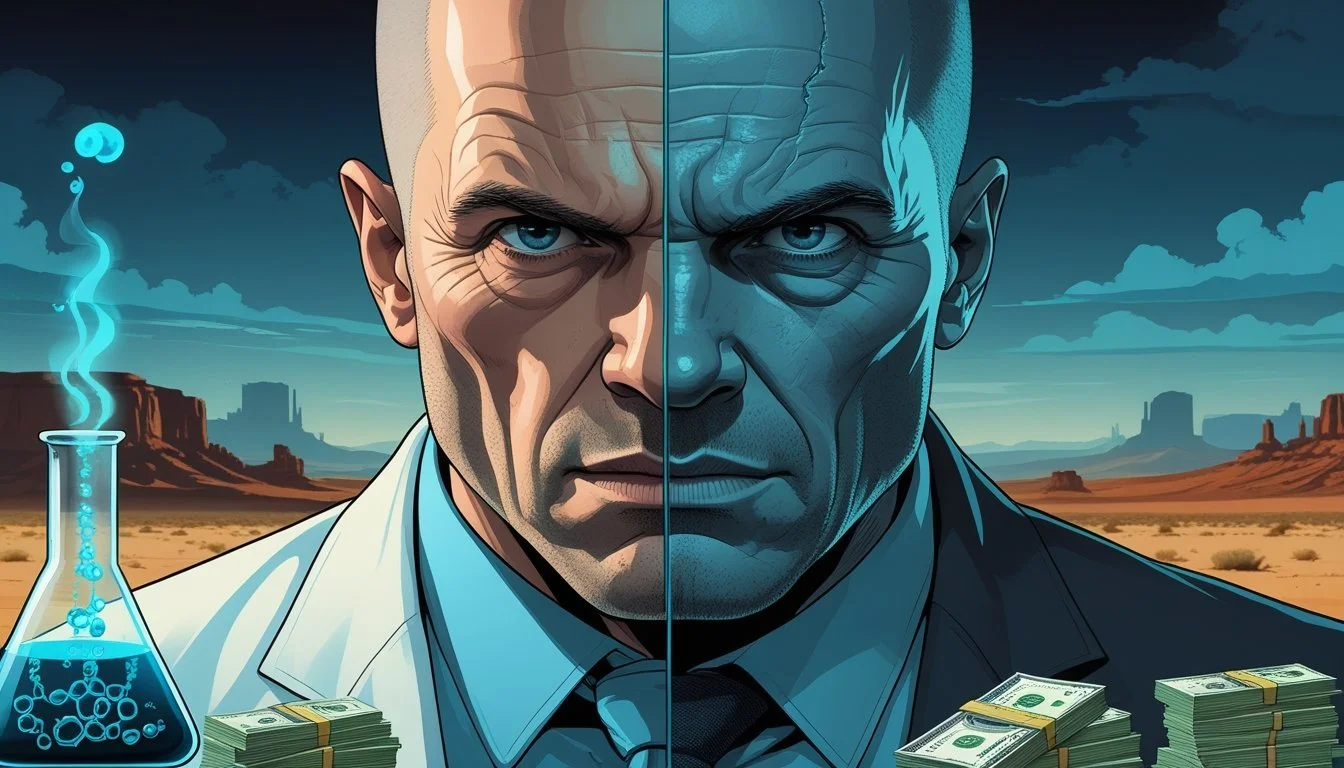
Breaking Bad is widely recognized for its intricate characterization, exploring transformations driven by desperation, ambition, and personal flaws. Through its focus on mental health, shifting loyalties, and blurred morals, the series delivers psychologically believable and memorable characters whose decisions drive the story.
Walter White: The Antihero Archetype
Walter White evolves from a quiet, depressed chemistry teacher into a calculating criminal mastermind. His descent is depicted gradually, grounded in anxiety about his family’s future and his own mortality after a cancer diagnosis.
Walter’s transformation embodies the antihero archetype. His actions, initially fueled by necessity, become entangled with pride and ego. As he mentors Jesse Pinkman, he oscillates between guidance and exploitation, pushing both of them further into moral ambiguity.
The show’s realism lies in revealing Walter’s contradictions. Viewers experience his moments of vulnerability—such as anxiety over losing control—alongside acts of calculated cruelty. Walter’s complexity challenges viewers to reconsider their sympathies as his arc unfolds.
Supporting Characters and Their Impact
Breaking Bad gives depth to its supporting cast, allowing characters like Jesse Pinkman, Skyler White, and Saul Goodman to evolve alongside Walter. Each character faces unique moral conflicts, shaping the narrative beyond Walter’s journey.
Jesse’s struggle with depression and guilt stands out, as he continuously seeks redemption while being mentored and manipulated by Walter. Skyler’s transformation from a concerned spouse to a reluctant accomplice demonstrates her own conflict with anxiety and complicity.
Saul Goodman, the savvy lawyer, introduces comic relief while acting as both mentor and nemesis. These secondary characters are never static; their decisions have real stakes and consequences, affecting the direction and tone of the series.
Themes of Moral Depravity and Redemption
The series centers on themes of moral depravity, with characters facing ethical dilemmas that reveal their limits and vulnerabilities. Walter’s journey especially highlights how rationalizations lead to deeper corruption.
Breaking Bad explores redemption in subtle ways. Jesse, for instance, seeks atonement for past actions, battling inner turmoil and guilt. The show openly addresses consequences of criminal acts, including anxiety, paranoia, and the erosion of self-worth.
Characters repeatedly confront choices that test their values. The consistent exposure to moral decline—contrasted with acts of attempted redemption—creates tension, illustrating the human cost of unethical decisions.
Influence on Contemporary Television Series
Breaking Bad’s impact on television continues to shape how networks, creators, and actors approach scripted and prestige programming. From direct spinoffs to setting industry standards, the show’s influence is evident across the modern TV landscape.
Direct Descendants: Better Call Saul and Beyond
Better Call Saul stands as the most prominent direct descendant of Breaking Bad. It expands the universe by diving deeply into the backstory of Saul Goodman and other key characters. The spinoff’s nuanced storytelling and visual precision reflect the high production values viewers have come to expect from prestige TV.
This success has encouraged other creators and networks to develop interconnected universes and character-driven narratives, such as in Fargo and The Walking Dead franchise. Breaking Bad demonstrated that complex, morally ambiguous characters, as well as cinematic techniques, can sustain audience attention across multiple series and years.
The performances of actors like Bob Odenkirk, Rhea Seehorn, and Jonathan Banks in Better Call Saul further showcase how spin-offs can maintain a high bar for acting and writing. It also set a template for original programming, motivating showrunners to explore prequels and sequels with confidence.
Shaping the Golden Age of TV
Breaking Bad is widely credited with elevating the standards for scripted shows during the so-called "peak TV" era. Its critical and commercial success pushed networks and streaming services to invest in bolder, more ambitious prestige programming. The show’s use of cinematic storytelling, complex plotting, and deliberate pacing became a new norm for original series.
Other shows—such as The Handmaid’s Tale and The Boys—have adopted Breaking Bad’s approach to moral ambiguity and detailed world-building. Hollywood now views television as a platform equal to film for high-quality narratives, attracting top-tier actors, writers, and directors.
The show’s legacy endures, as it continues to influence decisions by executives, inspire showrunners to take creative risks, and raise audience expectations around what scripted television can achieve.
Comparisons With Other Prestige Television Landmarks
Breaking Bad’s status in the Prestige TV era is anchored by its narrative focus, complex characters, and a style that put it alongside—and often in direct conversation with—other defining shows of the 21st century. Understanding its influence and achievements is easier viewed next to major landmarks like The Sopranos, Mad Men, Boardwalk Empire, Game of Thrones, and True Detective.
The Sopranos and American Antiheroes
The Sopranos is often cited as the show that redefined what American television could achieve. Tony Soprano, both villain and sympathetic figure, paved the way for Walter White’s transformation from a struggling chemistry teacher to meth kingpin.
Both shows revolve around flawed antiheroes whose moral ambiguity fueled viewer discussion and set a template for character-driven drama. Breaking Bad, however, distinguishes itself by making Walt's descent more gradual and his actions more visibly consequential, whereas The Sopranos layered psychological and familial conflicts over organized crime.
These two series demonstrated how serialized TV could rival film in storytelling depth and complexity. Breaking Bad built on The Sopranos’ foundation, but focused more on transformation, chemistry, and consequences.
Mad Men, Boardwalk Empire, and Period Dramas
Mad Men and Boardwalk Empire, set in the 1960s advertising world and Prohibition-era Atlantic City respectively, use historical backdrops to explore personal ambition, identity, and changing social norms. Don Draper, Mad Men’s lead, embodies the American Dream but reveals its contradictions and costs in a way that is both subtle and compelling.
Breaking Bad differs by functioning as a modern morality play rooted in contemporary America. Where Mad Men and Boardwalk Empire use period detail to examine societal change, Breaking Bad is concerned with ordinary people committing extraordinary acts.
Unlike the cool reserve of Mad Men or the sprawling ensemble of Boardwalk Empire, Breaking Bad uses a tightly focused narrative and everyman characters to ground its stakes. This has made its take on ambition and downfall more immediately relatable.
HBO’s Influence: Game of Thrones and True Detective
HBO set the tone for Prestige TV, and series like Game of Thrones and True Detective continued that tradition with distinctive approaches. Game of Thrones embraced fantasy, complex politics, and high-stakes conflict, while True Detective stood out for its anthology format and philosophical undertones. Both are known for their cinematic production values.
Breaking Bad shares with these HBO shows a commitment to high production quality and a willingness to take storytelling risks. Its visual style, meticulous plotting, and character depth put it in conversation with Game of Thrones’ scope and True Detective’s thematic ambition.
However, Breaking Bad remains singular in its focus on personal transformation within a contained setting. While HBO’s series often expand into elaborate worlds, Breaking Bad stays rooted in domestic settings, emphasizing the extraordinary within the ordinary.
Impact on Streaming, Viewership, and TV Consumption

Breaking Bad marked a turning point in how audiences watched television by bridging traditional networks and emerging streaming platforms. Its popularity highlighted changes in viewership habits, entertainment technology, and audience expectations.
Binge-Watching Culture and Netflix
Breaking Bad became one of the most talked-about shows on Netflix after AMC made the series available for streaming. This shift enabled viewers to watch multiple episodes back to back rather than wait for weekly airings.
The ease of access on Netflix coincided with a dramatic surge in binge-watching, which fundamentally altered how audiences engaged with serialized storytelling. For many, the experience of watching Breaking Bad on Netflix turned the series from a cable hit with moderate live ratings into an international phenomenon.
This new model allowed viewers to catch up on earlier seasons quickly, fueling interest in the show’s final episodes. Binge-watching, popularized in part by Breaking Bad’s streaming release, has since become a core feature of television consumption habits.
The Role of Streaming Platforms
The availability of Breaking Bad on streaming services, particularly Netflix, played a decisive role in its growth. Before its streaming debut, Breaking Bad's cable viewership figures remained modest compared to contemporary hits.
Once the series became accessible on-demand, word-of-mouth recommendations spread more easily. As a result, a larger audience engaged with the series, and viewership rose sharply for later seasons—including the highly-watched series finale.
Streaming platforms provided flexibility that traditional television could not offer, allowing people to watch episodes on their schedules. This convenience helped redefine how successful shows gain and maintain audiences across different demographics and time zones.
Ratings and Audience Attention
When Breaking Bad’s early seasons aired, the traditional measure of success was Nielsen ratings, which tracked live broadcast viewers. These metrics showed only a fraction of the total audience once streaming and delayed viewing became widespread.
By the time the show reached its last season, live Nielsen ratings rose significantly, underscoring its growing popularity. However, these figures only partially captured the real impact, as many viewers consumed episodes via streaming, often days or weeks after release.
The shift illustrated by Breaking Bad highlights how attention is measured differently in the streaming era. Success is now about total engagement, which includes streaming numbers alongside traditional ratings, reflecting changes in broader TV consumption trends.
Broader Legacy: Shaping Genres and Storytelling Trends
Breaking Bad fundamentally changed how major drama series approach narrative form and genre boundaries. Its impact is clear both in the structure of modern TV programming and in ongoing discussions within media criticism.
Narrative Form and Episodic Structure
Breaking Bad shifted the television landscape by introducing serialized storytelling methods with tight narrative arcs that spanned whole seasons rather than isolated episodes. The show used long-term consequences—each character decision mattered and shaped the plot, which demanded audience attention and created a higher standard for episodic drama.
The writers balanced complex character development with clear, plot-driven momentum. Techniques such as non-linear storytelling, visual motifs, and cliffhangers became central to building suspense and bridging episodes. Table-style formatting appeared in writers’ rooms, plotting out character journeys for consistency and pay-off:
Technique Effect on Storytelling Non-linear Narrative Heightens suspense, depth Serial Arcs Increases emotional investment Cliffhangers Drives binge-watching and talk
These choices encouraged other drama series to build interconnected, season-long arcs and paved the way for “prestige TV” expectations seen in later programming.
Genre-Blending: Drama, Comedy, and Crime
Another lasting influence was the seamless blending of multiple genres. Breaking Bad mixed intense crime drama with moments of black comedy, finding humor in absurdity without undermining dramatic stakes. For example, scenes featuring Saul Goodman provided levity, while violence or tension moments would often include unexpected, darkly comic elements.
This genre fusion led to more nuanced storytelling and richer characterizations not usually seen in conventional crime or drama series. It has inspired future shows to experiment with tone and style, allowing media criticism to highlight how diverse moods can exist within a single narrative.
Blending drama, comedy, and crime, the show set a new template for programming, where emotional depth and tonal shifts coexist within tightly written plots and layered character studies.
Breaking Bad’s Cultural Impact and Lasting Influence
Breaking Bad reshaped expectations for television, leaving distinct fingerprints on both pop culture and the strategies of modern showrunners. Its influence extends from internet memes to the artistic ambitions of Hollywood storytelling.
Pop Culture References and Memes
Breaking Bad’s imagery and dialogue have become ingrained in popular culture. Phrases like “I am the one who knocks” and visual motifs such as the blue meth are widely recognized, even by those who have never seen the show.
Its main characters—Walter White and Jesse Pinkman—frequently appear in internet memes, animated parodies, and commercials. According to fan communities and social media trends, references to Heisenberg’s hat and the RV have become shorthand for transformation and moral ambiguity.
Major brands and entertainers often allude to Breaking Bad in advertisements or comedy sketches, highlighting its visibility. The series’ legacy is further cemented by its recurring presence in Halloween costumes and pop culture conventions.
Influence on New Generations of Showrunners
Showrunners in Hollywood now cite Breaking Bad as a blueprint for building morally complex characters and tightly woven narratives. The show’s “novelistic” approach, featuring slow-burn plots and high-stakes decision-making, shifted industry standards for serialized storytelling.
Key ways Breaking Bad influenced TV production:
Raised expectations for cinematic visuals and production quality
Set a higher bar for character development and narrative depth
Inspired creators to take risks with antiheroes and unconventional plots
As a result, networks now support more ambitious projects—echoing Vince Gilligan’s willingness to defy formula. This approach is visible in later series like Better Call Saul, Ozark, and Barry, each reflecting Breaking Bad’s legacy in their storytelling choices.
Honorable Mentions: Other Defining Prestige Dramas
Prestige television in the 21st century has not been defined by a single show or approach. Across genres and themes, several dramas have pushed boundaries and expanded what audiences expect from serious serial storytelling.
Homeland and the Evolution of Spy Drama
Homeland redefined the modern spy drama by focusing on psychological complexity rather than traditional espionage tropes. Carrie Mathison, portrayed by Claire Danes, introduced viewers to a protagonist driven as much by personal crisis as professional duty.
The show's depiction of intelligence work blurred the line between heroism and moral ambiguity. High-stakes plots involving terrorism and surveillance tapped into contemporary anxieties, giving Homeland an urgent relevance.
Key supporting characters, such as Nicholas Brody, demonstrated how identity and loyalty could be manipulated by political pressure. The series frequently explored ethical gray zones, challenging viewers to question motives and alliances.
Dexter and Dark Antiheroes
Dexter stood out among drama series by centering on a protagonist who is both a serial killer and a forensic analyst. Michael C. Hall’s performance as Dexter Morgan made the audience complicit in rooting for a character who meticulously concealed his crimes while pursuing justice in his own way.
The show’s signature structure—mixing procedural elements with internal monologue—provided a singular look at a mind divided between violent urges and moral codes. Each season pitted Dexter against antagonists who reflected his own duality, intensifying the suspense.
By foregrounding a deeply flawed character as its lead, Dexter contributed to the rise of the “antihero” era in television. The series asked challenging questions about morality, justice, and redemption.
Orange Is the New Black and Social Commentary
Orange Is the New Black brought ensemble drama to new territory by spotlighting women’s stories within the walls of a minimum-security prison. The series blended dark humor with strong social commentary, addressing issues such as systemic inequality, race, sexuality, and the failings of the American justice system.
Its cast represented a diversity of backgrounds and personalities rarely seen on mainstream TV. Stories unfolded through a mixture of flashbacks and present-day struggles, illustrating how each character’s past shaped her prison experience.
The show’s candid approach to controversial topics and nuanced character arcs led to frequent critical acclaim. It served as a catalyst for broader conversations about incarceration and justice reform.
Unique Voices: The Americans and The Good Wife
The Americans offered a unique spin on drama by chronicling the lives of two Soviet spies posing as an American couple during the Cold War. The show was known for its slow-burn tension, deep emotional development, and exploration of personal versus political loyalty.
Elizabeth and Philip Jennings were the core of the narrative, torn between duty to their homeland and their manufactured family life. The series excelled at building suspense in both the domestic and espionage arenas.
In contrast, The Good Wife combined legal thriller with personal drama. Centered on Alicia Florrick’s journey from political spouse to accomplished lawyer, the show challenged expectations of female-driven narratives on network TV. Its mix of timely legal cases and evolving relationships provided consistent critical praise.
Series Name Focus Notable Theme Homeland Spy Drama Psychological Complexity Dexter Antihero Crime Moral Ambiguity Orange Is the New Black Prison/Ensemble Social Commentary The Americans Espionage/Family Personal vs. Political Loyalty The Good Wife Legal/Personal Growth Female Protagonist, Public Scandal
Expanding the Prestige TV Landscape
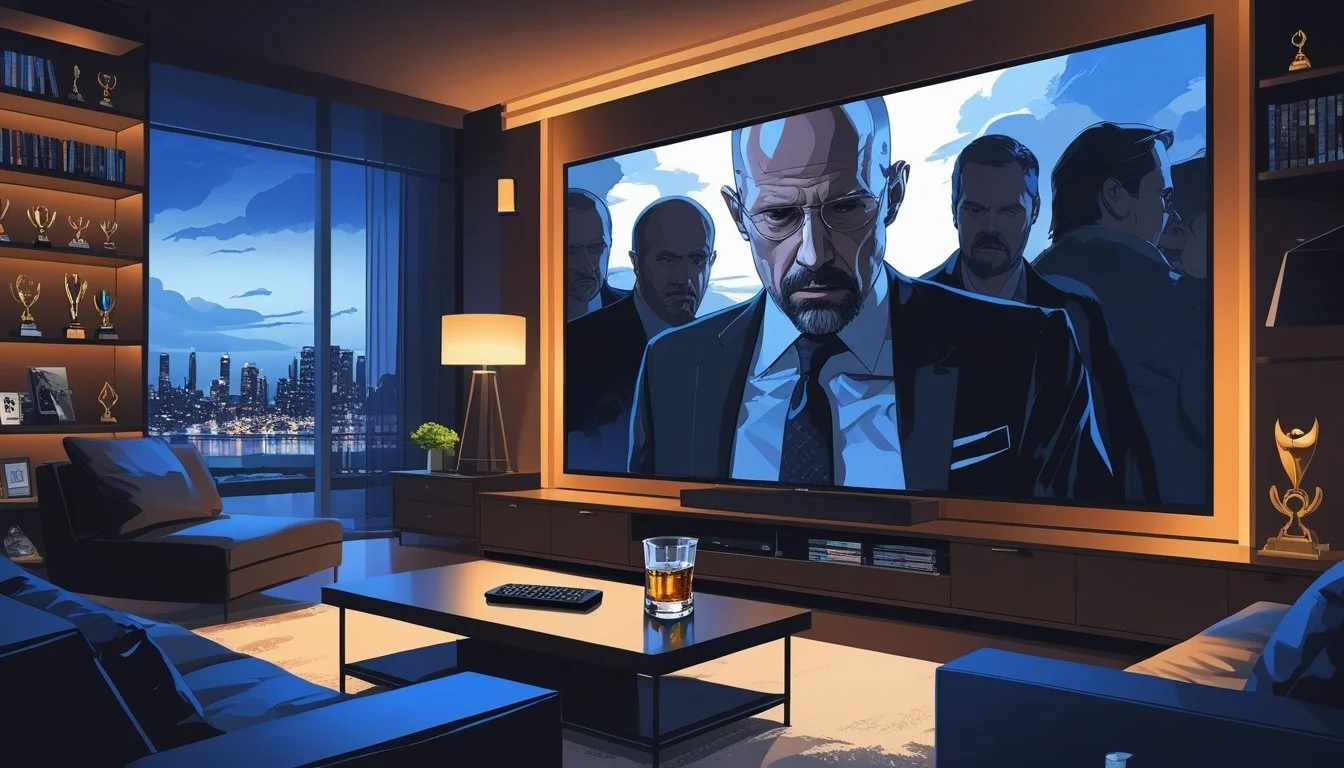
Following Breaking Bad's influence, television has seen broader experimentation across themes, genres, and platforms. Notably, new series have showcased narratives and characters that stand apart from traditional drama, diversifying what qualifies as "prestige" in television.
Diversity in Programming: Veep, Outlander, and Beyond
Prestige TV now incorporates genres far beyond crime and drama, with Veep and Outlander serving as examples.
Veep redefined political satire, leveraging sharp writing and Julia Louis-Dreyfus’ performance to win multiple Emmy Awards. Its blend of biting humor and political commentary set it apart from more serious fare, demonstrating that comedy could be as sophisticated and award-worthy as dramatic series.
Outlander introduced rich historical storytelling with elements of romance, sci-fi, and fantasy. This mix attracted a diverse global audience and brought prestige to Starz, a network previously overlooked in high-profile television discussions. The show's unique blend of genre and its complex characters marked a clear departure from earlier prestige TV formulas.
Other networks, such as The CW, have also attempted to enter the prestige conversation, though with varying results. Their series often target younger audiences, experimenting with genre hybrids and serialized storytelling, broadening the definition of what prestige programming can be.
Groundbreaking Series on Cable and Streaming
Cable and streaming platforms have been instrumental in evolving prestige TV since Breaking Bad's run. Showtime introduced series like Homeland and Billions, emphasizing complex character studies and morally ambiguous plots. This cemented Showtime as a significant player in the era of high-quality television.
Streaming services such as Hulu and Amazon have changed audience expectations by making entire seasons available at once. Hulu’s The Handmaid’s Tale became the first streaming series to win the Emmy for Outstanding Drama, setting a new benchmark for what streaming platforms could accomplish. Amazon has championed acclaimed series like The Marvelous Mrs. Maisel and Transparent, which brought further diversity in subject matter and representation.
These changes signal how the prestige TV landscape continues to expand beyond traditional cable, encouraging innovative storytelling and broader access for audiences.
