
Why Jesse’s Guilt Arc in Breaking Bad Hurts More Than Any Death
Exploring the Emotional Toll on Viewers

Jesse Pinkman’s journey through Breaking Bad is defined by struggles far greater than life or death. While the series is filled with shocking losses, Jesse’s persistent battle with guilt stands out as the show’s most devastating and enduring pain. His remorse over Jane’s death, the harm to children, and the consequences of his choices create a psychological burden that shapes his actions and relationships throughout the story.
Unlike the sudden finality of death, Jesse’s guilt is ongoing and relentless. It leads to self-destructive behavior, fractured trust, and deep isolation. His arc highlights how the weight of regret can linger long after any single tragedy, leaving wounds that never fully heal.
Watching Jesse cope with this guilt offers viewers a raw perspective on consequence and responsibility that is rarely seen in fiction. The emotional fallout is not only deeply personal but also essential to understanding why Breaking Bad remains one of television’s most powerful dramas.
The Evolution of Jesse Pinkman’s Guilt
Jesse Pinkman’s journey in Breaking Bad shows the weight of accumulated guilt shaping every decision he makes. His evolving conscience, combined with repeated traumas, sets him apart from those around him and transforms his role in the series.
From Small-Time Dealer to Haunted Survivor
At the start, Jesse is introduced as a low-level drug dealer with little concern about the consequences of his actions. Partnering with Walter White pulls him deeper into a criminal lifestyle, exposing him to more violence and moral dilemmas.
Each season, the consequences become more severe, forcing Jesse to confront the harm he inflicts on others. Deaths such as Jane Margolis’ and later Andrea, combined with his guilt over the use of children in their operations, weigh heavily on him.
Unlike others, Jesse cannot compartmentalize his trauma. The guilt becomes a constant presence, driving his behavior and even his moments of rebellion against Walt.
Key Moments That Define Guilt
Several events serve as turning points for Jesse’s developing conscience:
Jane’s Death: He blames himself for her overdose, though Walt’s secret involvement adds a tragic layer.
Brock’s Poisoning: Jesse nearly breaks down believing he caused Brock’s illness, not knowing Walt manipulated the situation.
Gale’s Murder: Forced by Walt to kill Gale, Jesse is burdened with remorse, showing visible signs of trauma and regret.
Each of these moments not only increases Jesse’s feelings of guilt but also leads to lasting psychological distress. He turns to drugs, isolation, and self-destructive behavior, showing how guilt can be more punishing than death itself.
Comparison to Other Characters’ Arcs
Walter White and other figures in Breaking Bad often rationalize or deny their guilt. Walt, for instance, continuously justifies his actions as necessary, rarely expressing genuine remorse.
Jesse, by contrast, shows a heightened sensitivity to the consequences of their crimes. Where characters like Saul Goodman or Mike Ehrmantraut maintain emotional distance, Jesse internalizes every mistake.
This contrast makes Jesse’s guilt arc unique. While Walt’s story centers on pride and ambition, Jesse’s is defined by a constant, evolving struggle with regret and accountability. This ongoing guilt shapes his fate more than any single loss.
Why Jesse’s Guilt Hurts More Than Death
Jesse Pinkman’s experience in Breaking Bad shows that surviving can be more painful than dying. His guilt leads to long-lasting trauma, shaping both his decisions and the audience's reaction in distinct ways.
Emotional Impact and Viewer Empathy
Jesse's guilt is not just a private experience—viewers consistently witness his suffering, which invites empathy on a deeper level than most character deaths. Where death is final, guilt lingers, resurfacing whenever Jesse confronts memories, moral dilemmas, or the consequences of his actions.
Scenes showing Jesse’s regret, such as his reaction to Jane’s death or the poisoning of Brock, establish a cycle of internal suffering. This pain feels immediate and raw, as the show spends time exploring his psychological torment.
Viewer empathy for Jesse grows because his trauma is ongoing. The absence of closure around his guilt keeps the audience emotionally invested, as they see him continually struggle for redemption—or simply relief from overwhelming shame.
The Cost of Survival
Surviving the events of Breaking Bad does not grant Jesse freedom. Instead, he faces an emotional toll that often appears worse than death. He carries the weight of the destruction around him—the deaths he’s witnessed, the harm he’s caused to others, and his own complicity.
Survival forces Jesse to confront each memory daily, amplifying his trauma. He is unable to rationalize his involvement, nor does he find easy forgiveness, either from others or himself.
His ongoing existence becomes marked by isolation, substance abuse, and attempts at escape, such as when he tries to give away his money or seek punishment. These behaviors highlight how survival can mean bearing injuries that never properly heal.
Consequences Beyond Mortality
Death in Breaking Bad often brings closure, but guilt lingers for years. Jesse’s guilt extends the impact of his actions far past the immediate consequences. He loses his sense of self, struggles with relationships, and faces lasting psychological scars.
The lack of redemption is a key element of his suffering. Even when offered chances at a new life, Jesse finds it difficult to start over because trauma colors his every choice.
His enduring guilt signals that some fates are worse than dying in the show’s world. This long-term suffering makes his arc uniquely painful, as the consequences of his actions stick with him—and with the viewer—long after the credits roll.
Pivotal Events Fueling Jesse’s Pain
Jesse Pinkman's experiences in Breaking Bad are marked by profound loss, regret, and persistent trauma. Each turning point in his life leaves a lasting mark, shaping his emotional state and deepening his struggle with guilt.
Jane’s Death and Its Lingering Effects
Jane’s death is the foundation of Jesse’s emotional unraveling. He witnesses her overdose, knowing he played a role in both her addiction and the fatal night. The memory haunts him, as he blames himself for her passing and struggles with the guilt of being unable to save her.
Walter White’s involvement in Jane’s death intensifies Jesse’s pain. Jesse never fully learns the truth, but his suspicions add confusion and anger to his grief. He revisits Jane's memory throughout the series, seeking solace and understanding but always encountering unanswered questions and guilt.
The trauma from Jane’s death shapes his relationships, especially his ability to trust others or maintain hope. Jane’s influence lingers, with her absence fueling his ongoing despair and self-doubt.
The Tragedy of Andrea and Brock
Jesse’s relationship with Andrea and her son Brock offers a glimpse of stability and hope. When Andrea is killed by Todd, Jesse is forced to watch, powerless and devastated. The event shatters his faith in redemption and undoes what little peace he had found with Andrea.
Brock’s poisoning is a further blow, manipulated by Walt to serve his own agenda. Jesse’s horror at Brock’s suffering echoes his earlier trauma, reinforcing a vicious cycle of guilt. He blames himself for bringing danger into Andrea and Brock’s lives, unable to escape the consequences of his involvement in the drug world.
Each moment with Andrea and Brock is clouded by a sense of responsibility and overwhelming grief. The loss of Andrea and the pain inflicted on Brock solidify Jesse’s belief that everyone he loves suffers because of him.
Rage and Remorse After Combo
Combo’s death acts as a turning point for Jesse’s moral compass. Combo is killed as a direct result of the business they are in, and this reality destroys any illusion Jesse has about victimless crime. The guilt is immediate and paired with helpless anger.
Jesse’s grief manifests outwardly as rage—first toward himself and then toward Walt, who drew him deeper into the meth trade. This rage quickly morphs into self-condemnation; Jesse sees himself as responsible for Combo’s fate, believing that his choices directly led to a friend's death.
He attempts to cope through substance abuse and isolation. The cycle of guilt, anger, and regret grows more severe with each loss, feeding into Jesse’s downward spiral.
Haunted by Todd and the Nazis
Todd's entrance into Jesse’s life brings a new facet to his trauma. Todd’s casual violence, particularly toward innocent people, profoundly disturbs Jesse. The most brutal example is Andrea’s murder while Jesse is held captive, which he is forced to witness as punishment and control.
The Nazis’ treatment of Jesse strips away his autonomy and identity. Forced into slavery, he is subjected to relentless abuse and dehumanization, making his old wounds more painful. Todd’s unpredictability, especially his calm demeanor paired with violence, makes Jesse’s captivity worse.
Through recurring flashbacks and visible fear, Jesse reveals the deep psychological scars left by his time with Todd and the Nazis. The combination of terror and helplessness from these events ensures the trauma endures long after his release.
Breaking Bad’s Unique Use of Guilt Versus Traditional Deaths
Breaking Bad focuses on emotional fallout as much as physical consequences. Jesse Pinkman’s guilt arc stands out because it creates pain that is persistent and crushing, different from the immediate shock of death.
Contrasts with Major Character Deaths
Unlike sudden deaths such as Hank’s execution in “Ozymandias” or even Jane’s death earlier in the series, Jesse’s suffering is slow and psychological. When a character dies, the impact is powerful but final. Jesse, however, must continually face the trauma caused by his involvement in crime.
Death, though tragic, gives viewers a conclusion. For Jesse, there is no such closure. He carries responsibility for acts like the death of Jane and the poisoning of Brock, as well as indirect consequences from Walt’s choices.
This weight manifests in his behavior: depression, substance use, and emotional withdrawal. The viewer witnesses the mental cost of crime stretched over several seasons, far exceeding the aftermath of single-episode deaths.
The Show’s Treatment of Consequences
Breaking Bad does not portray crime as victimless or easily escapable. The show uses Jesse’s prolonged guilt to demonstrate that true consequences extend beyond physical loss. Even when Jesse survives through to “Felina,” he is deeply marked by everything he has done and witnessed.
His guilt creates a cycle of self-punishment, including isolation and self-destructive choices. The show’s approach underlines that emotional trauma, especially unchecked, can be more destabilizing than death itself.
By placing Jesse at the center of this emotional fallout, Breaking Bad gives a face to the kind of suffering that lingers. His storyline makes the cost of crime unavoidably human, showing the lasting scars that choices—especially violent ones—leave behind.
Walt’s Role in Jesse’s Suffering
Walter White was not merely a partner to Jesse Pinkman; he was the architect of much of Jesse’s pain. Through a pattern of manipulation and moments of cruel betrayal, Walt intensified Jesse’s guilt and drove many of his hardest decisions.
Manipulation and Betrayal
Walter White, also known as Heisenberg, repeatedly manipulated Jesse for his own benefit. He convinced Jesse to stay in the meth business, often framing the partnership as mutually beneficial when Walt’s true motives were self-preservation and power.
One of the most devastating betrayals occurred when Walt let Jane die. He watched Jesse's girlfriend overdose and chose not to intervene, knowing her death would remove a threat to his operation. Later, Walt weaponized this fact against Jesse by coldly confessing his inaction, deepening Jesse’s sense of guilt and failure.
Walt also poisoned Brock and framed it as Gus Fring's doing, deliberately using Jesse’s emotions to turn him into an unwitting accomplice. These actions contributed to Jesse’s downward spiral, making him question his own morality and driving up his internal torment.
Table: Examples of Walt’s Manipulation
Action Outcome for Jesse Letting Jane die Intensified guilt, grief Poisoning Brock Paranoia, confusion, mistrust Repeated gaslighting Loss of self-confidence
Complicated Partnership
The partnership between "Mr. White" and Jesse was built on shifting ground. If Jesse was the streetwise apprentice, Walt was the calculating mentor—though one who routinely sacrificed Jesse's well-being for his vision of success.
Walt’s scientific knowledge elevated their product, but this success came with a moral cost, often paid by Jesse. Jesse endured blame for mistakes and shouldered responsibilities for Walt’s illegal activities, leading to emotional isolation.
The dynamic oscillated between fatherly concern and cold utilitarianism. Walt sometimes expressed genuine care for Jesse; however, this was overshadowed by repeated uses of guilt and manipulation to keep Jesse compliant. Their partnership thus became another source of Jesse’s suffering, forcing him to reconcile loyalty with his growing sense of betrayal.
Key traits of their partnership:
Unequal power balance
Repeated emotional manipulation
Constant shifting between trust and suspicion
The Art of Portraying Guilt: Vince Gilligan’s Vision
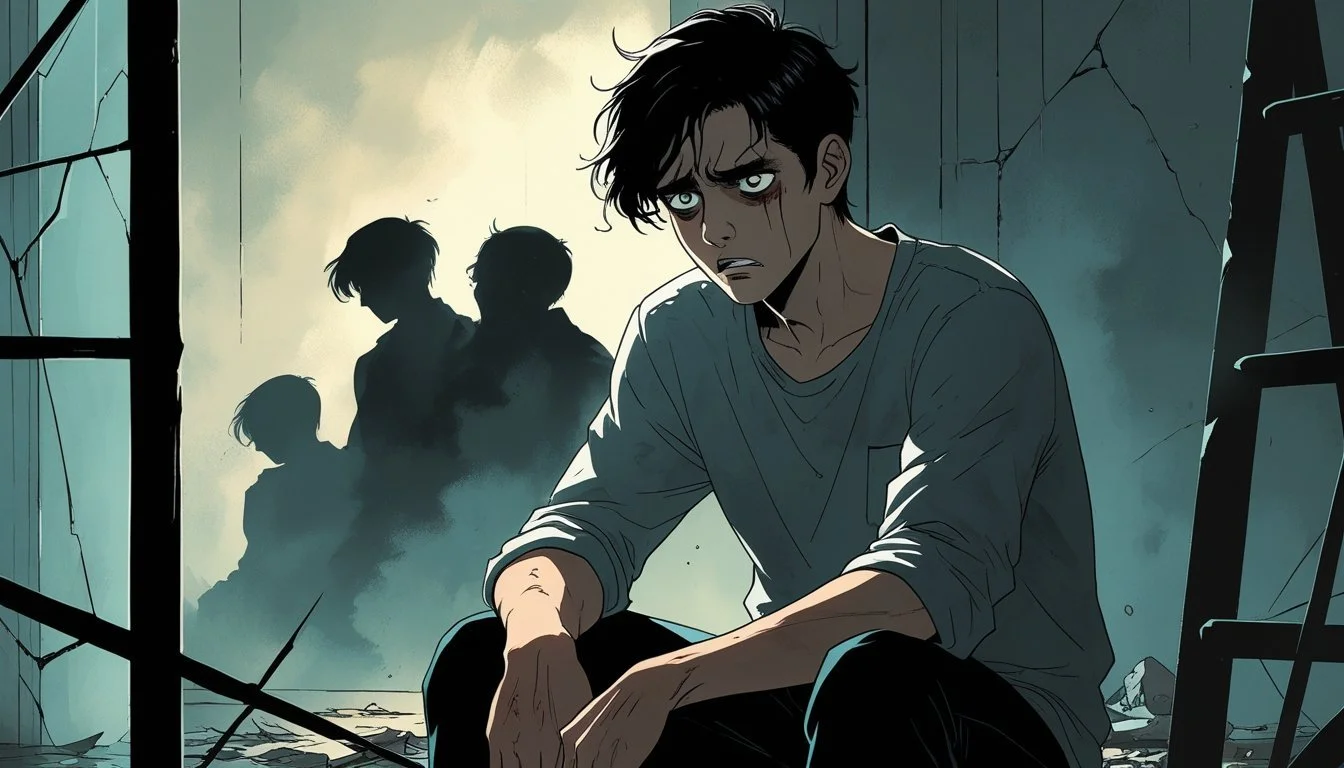
Jesse Pinkman's guilt is shaped by deliberate creative choices that emphasize psychological tension over graphic tragedy. His arc stands out partly due to Gilligan’s careful direction and the nuanced response it has received from critics and viewers.
Writing and Directing Choices
Vince Gilligan, as the showrunner, placed guilt and consequences at the center of Jesse’s journey. From the early seasons, Jesse's remorse is not masked or minimized. Instead, scripts highlight his emotional spirals through dialogue, silent scenes, and recurring motifs like repeated apologies.
Michelle MacLaren, who directed several pivotal episodes, utilized close-ups and lingering shots to emphasize Jesse’s inner turmoil. Scenes often hold on his face a moment longer, allowing viewers to witness his regret and shame in real-time. This approach made discomfort palpable.
Sound design and music cues—such as muffled noise or silence during moments of grief—further underscore Jesse’s isolation. These elements replace melodrama with subtle, persistent psychological distress, differentiating his story from more traditional portrayals of trauma.
Critical Reception and the Legacy of Jesse’s Arc
Reviews consistently note that Jesse’s arc avoids easy closure. Critics have cited the lingering effects of his guilt as one of the series’ most realistic aspects, emphasizing that his pain does not simply disappear after key events.
Recaps often highlight episodes directed by Michelle MacLaren as benchmarks for emotional storytelling. Breaking Bad is frequently praised for refusing to offer simplistic redemption, and much of that praise is directed at Jesse’s journey. His vulnerability resonated with viewers and led to widespread discussion about guilt in contemporary television.
Many assessors credit Vince Gilligan’s vision for making Jesse’s suffering just as memorable and impactful as any on-screen death. These choices have influenced how future shows portray psychological consequences, arguing for depth and authentic emotional fallout instead of closing narratives with finality.
Morality, Redemption, and Humanization
Jesse Pinkman's struggles with morality set him apart from every other character in Breaking Bad. More than any single act of violence or loss, his ongoing guilt and search for redemption reveal his complexity and humanity.
Reflections on Right and Wrong
Throughout the series, Jesse faces moral dilemmas that force him to confront the consequences of his actions. His involvement in the drug trade begins with a simple partnership but grows rapidly into situations involving death, betrayal, and irreversible harm.
Unlike Walter White, whose sense of right and wrong erodes, Jesse remains sensitive to ethical boundaries. He is visibly affected by the deaths of innocents, such as Jane Margolis and the young boy Drew Sharp. His guilt is not fleeting; it haunts his decisions and leads to episodes of deep emotional distress.
Jesse's hesitation, self-doubt, and frequent remorse highlight a core conflict: he wants to be better, but his environment keeps pulling him back. The weight of conscience shapes his reactions and drives much of the show's tension.
Jesse’s Pursuit of Redemption
Jesse’s search for redemption manifests in his repeated attempts to make amends, even at great personal cost. He tries to protect others caught in the criminal world, from Andrea and her young son to the addicts he meets through Narcotics Anonymous.
His efforts at closure include confessing to his role in terrible events and seeking punishment, whether by confronting Walter or surrendering to the authorities. Jesse often sacrifices his own safety in hopes of sparing others or balancing his moral ledger.
The audience witnesses his desperation for a clean slate, yet closure is always out of reach. This unending journey, marked by attempts at atonement, leaves Jesse a deeply human figure—wounded, but never resigned to be morally lost.
The Endgame: Jesse’s Guilt in the Final Episodes
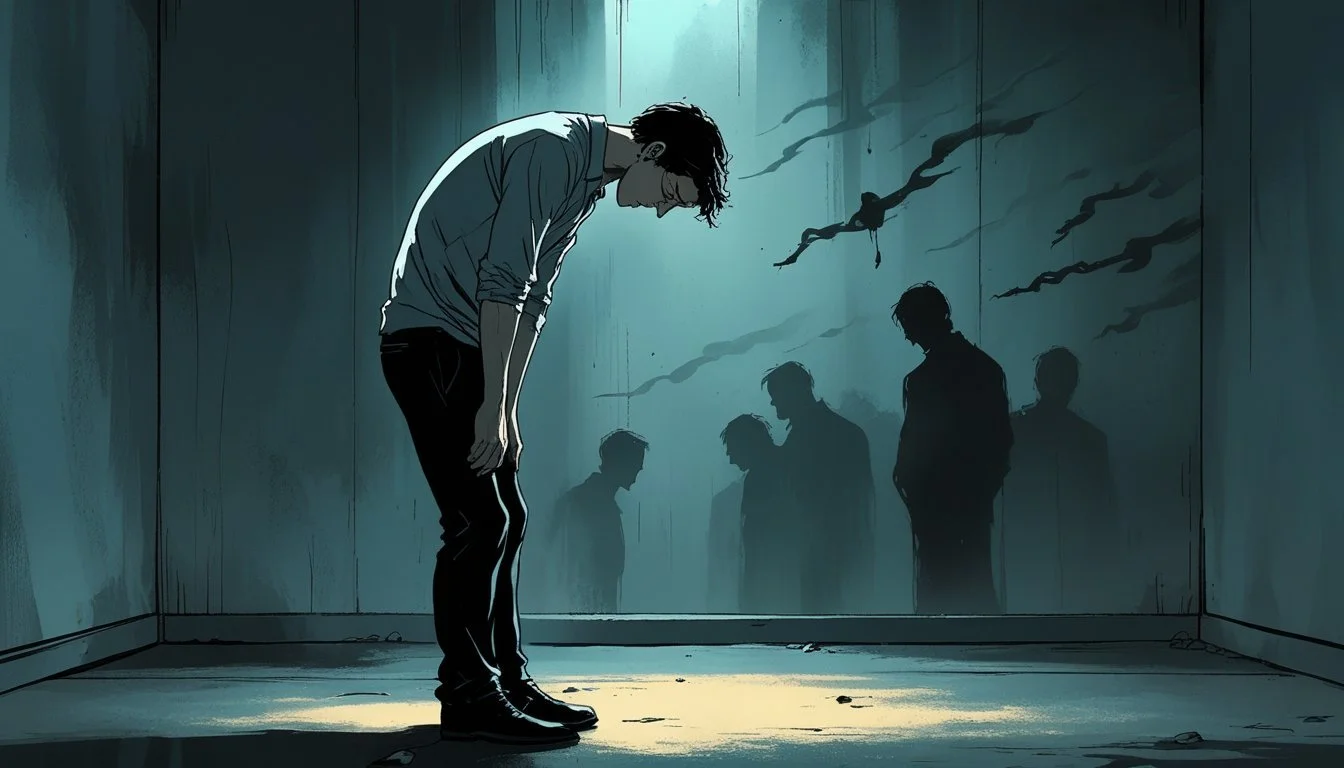
Jesse’s journey in the last episodes of Breaking Bad is defined by isolation, relentless guilt, and the desperate search for freedom. As the story nears its end, the weight of his remorse shapes his actions and reveals how deeply trauma has scarred him.
Granite State and Felina as Emotional Crescendos
In "Granite State," Jesse is depicted at his lowest point—enslaved and dehumanized by Jack’s gang. His guilt over Andrea’s death and the pain from Jane’s earlier demise manifest in visible anguish, making him a shell of himself.
Unlike other characters whose deaths offer finality, Jesse endures the torment of survival and memory. The cold environment, physical restraints, and constant surveillance drive home the unending nature of his suffering.
"Felina" amplifies these emotions. Jesse's refusal to kill Todd on command and his breaking free from captivity show that his guilt is closely tied to his moral code. The series visually emphasizes his trauma through battered expressions and muted demeanor, making the audience feel the depth of what he carries.
The Search for Freedom and Forgiveness
Jesse’s escape in "Felina" marks a significant attempt to reclaim agency, not just over his situation but also his sense of self. Freedom is depicted as both physical and psychological—a chance to confront and possibly move past the damage caused by his involvement in crime.
His last interaction with Walt, where he refuses to kill him out of his own volition, reflects a moment of moral clarity. Jesse chooses not to add to his burdens, even when given the opportunity for revenge, suggesting the beginnings of self-forgiveness.
The final shot of Jesse speeding away does not promise closure, but it does offer a sliver of hope. His haunted expression indicates unresolved guilt, yet there is a subtle shift toward the possibility of healing as he seeks escape from the cycle of trauma and violence.
Jesse’s Guilt in the Context of Crime Drama
Jesse Pinkman’s story in Breaking Bad highlights a deep psychological struggle that stands out from typical crime drama character arcs. His evolving sense of guilt and relentless self-reflection shift the focus from external consequences to internal suffering.
Comparisons to The Sopranos and Mad Men
While many crime dramas portray protagonists wrestling with morality, Jesse’s arc is distinct. Tony Soprano from The Sopranos copes with guilt but rarely seeks meaningful redemption, compartmentalizing his actions with therapy and denial. Don Draper in Mad Men escapes his past with identity shifts, but his remorse centers more on personal failings than any criminality.
Jesse, on the other hand, is continuously overwhelmed by tangible guilt resulting from his involvement in the cartel and the drug trade. His attempts at atonement, such as trying to make amends for victims’ families, set him apart. Unlike Tony, whose violence is often rationalized, or Don, whose remorse fades into self-loathing, Jesse’s moral struggle is visible, raw, and persistent. Reviews often note how audience sympathy for Jesse largely stems from witnessing this ongoing internal battle, which rarely resolves.
Impact on Contemporary Television
Jesse’s guilt arc has influenced how modern crime dramas approach emotional fallout from criminal life. Contemporary series now devote more attention to character psychology, illustrating guilt as an evolving, consuming force rather than a brief plot device.
Writers construct multidimensional characters who cannot easily escape the emotional costs of their actions. Series inspired by Breaking Bad show protagonists or antiheroes exhibiting visible remorse and consequences for involvement in crime, particularly organized crime or the drug trade. This approach also invites deeper critical discussion in reviews, as viewers compare Jesse’s arc with similar characters on other shows, reinforcing expectations for authenticity in depicting psychological trauma.
Conclusion
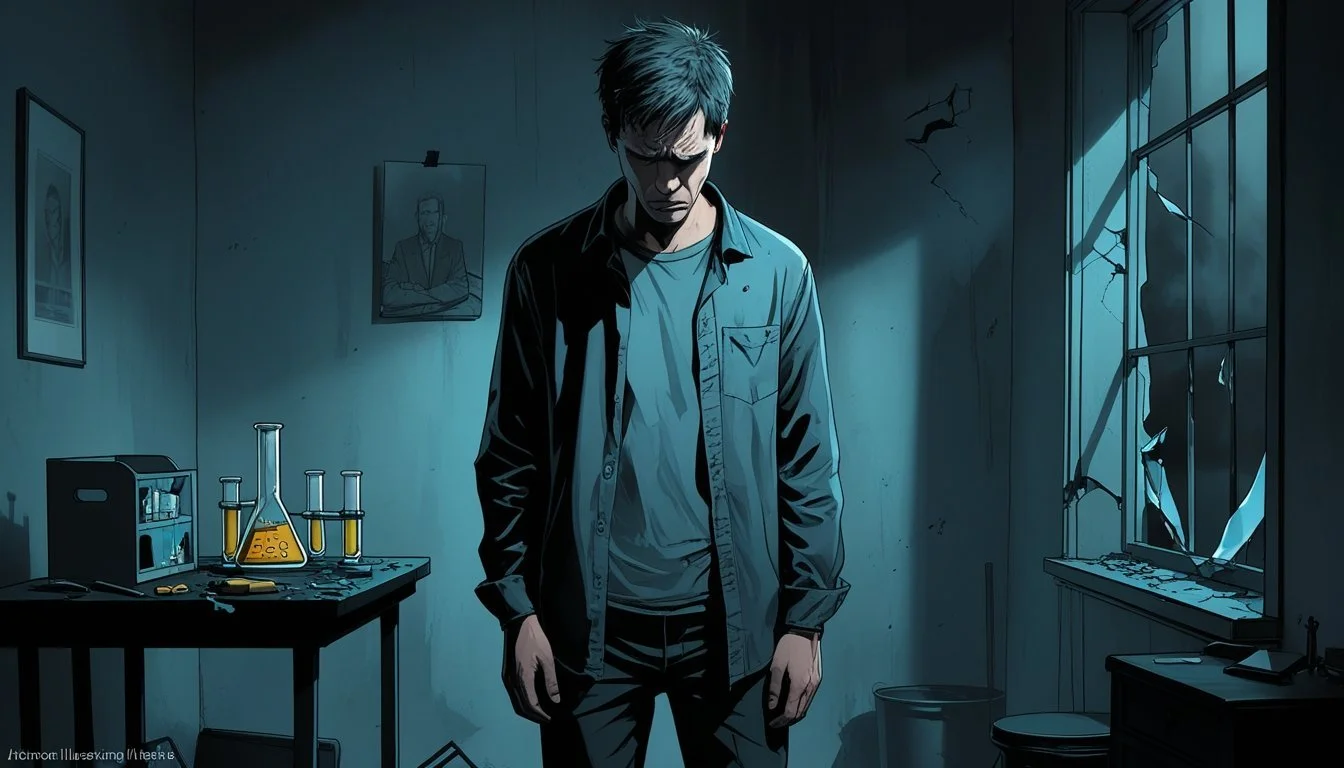
Jesse’s journey in Breaking Bad is defined by an ongoing struggle with guilt rather than with death itself.
Unlike other characters who face finality, he continues to live, carrying the weight of his actions, losses, and trauma. This persistent internal conflict shapes his every decision.
He experiences remorse for Jane's death, Brock's poisoning, and his role in Walt’s crimes. His guilt becomes a defining thread throughout the series.
A simple list highlights what haunts Jesse:
Responsibility for Jane Margolis’s overdose
Brock Cantillo’s poisoning
Participation in criminal acts under Walt’s direction
Death brings an end; guilt brings a lingering pain that gives no closure.
Jesse doesn’t find peace. Instead, Breaking Bad shows him searching for a path forward, burdened by memories and consequences he cannot undo.
The endurance of Jesse’s guilt sets his arc apart and leaves a deeper impact than any on-screen death.
