
Why Say My Name Is the Most Chilling Line in Breaking Bad and What It Reveals About Walter White

Few lines from television have resonated as much as Walter White’s “Say my name” from Breaking Bad. This moment stands out in a series known for its tension and transformation, highlighting the full extent of Walt’s shift into the feared persona of Heisenberg. The line’s chilling impact comes from how it cements his total embrace of power, intimidation, and ego.
Viewers remember the scene not just for its memorable delivery but for what it represents in the context of the show. Walt’s demand isn’t simply about recognition; it’s about establishing dominance and sealing his frightening reputation. The tone, the setting, and the stakes all combine to create an unforgettable turning point in the series.
As one of the most quoted and referenced lines in modern television, “Say my name” encapsulates a change that’s both captivating and unsettling. The sheer confidence and menace captured in that moment are why the scene continues to stand out for fans and critics alike.
Origins of the “Say My Name” Line
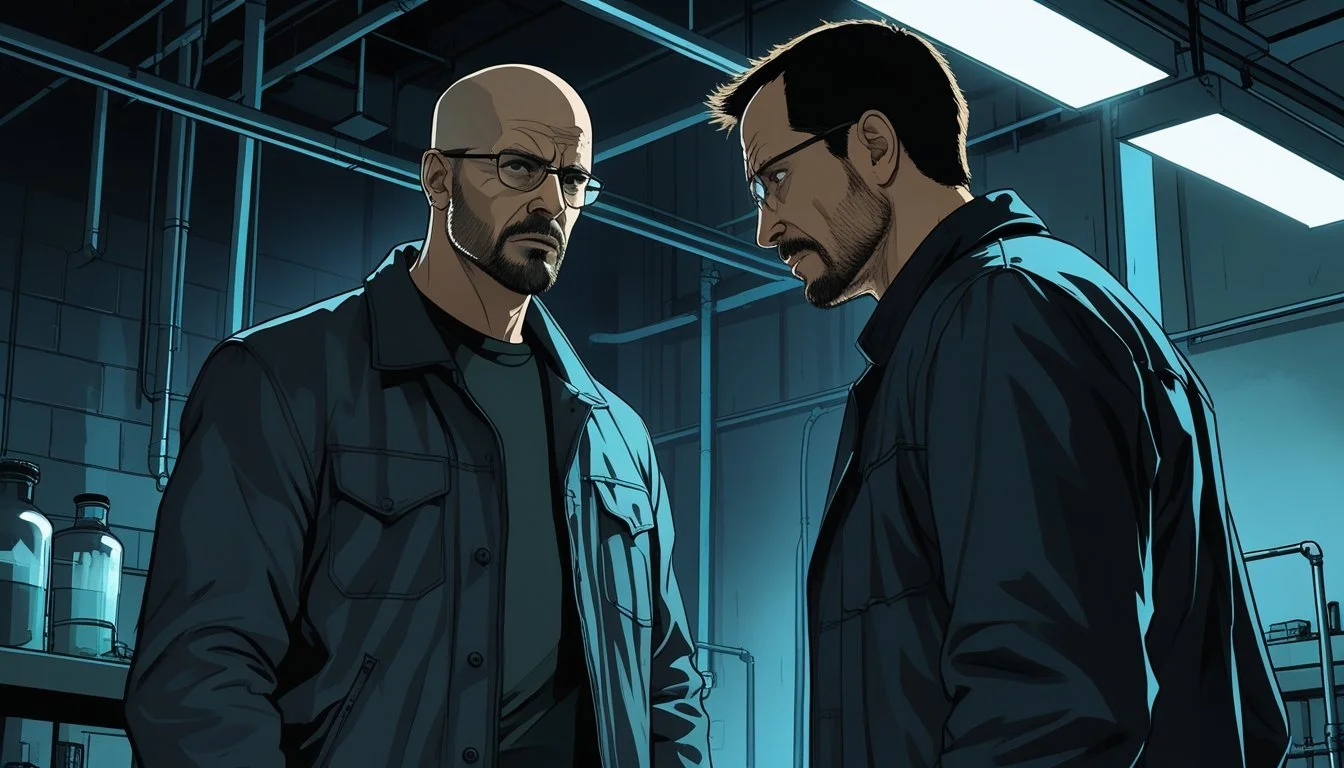
The “Say My Name” moment in Breaking Bad is notable for its stark tension and the characters it brings together at a pivotal point in the story. This scene highlights Walter White’s evolution and how others—like Declan, Jesse, and Mike Ehrmantraut—respond to his new identity.
Scene Context and Key Characters
The line “Say my name” is delivered during a confrontation in Season 5, Episode 7, where Walter White faces Declan, a rival meth distributor. Walt asserts himself in front of Jesse Pinkman and Mike Ehrmantraut, whose presence adds gravity to the negotiation.
Jesse stands by, uneasy as Walt’s dominance grows. Mike, who has seen both Walt’s vulnerability and ambition, watches the exchange carefully, signaling the shifting power dynamics. Declan, initially skeptical, is forced to acknowledge Walt’s reputation.
Key characters present:
Walter White (Heisenberg)
Jesse Pinkman
Mike Ehrmantraut
Declan
This interaction is not just a business deal—it’s Walt’s public unveiling as “Heisenberg.” Declan’s eventual response, “Heisenberg,” cements Walt’s altered identity and sends a clear message about who now holds power in the drug trade.
Walter White’s Transformation into Heisenberg
Walter White’s journey to “Heisenberg” reaches a critical juncture in this scene. What began as a desperate attempt to secure his family’s future now becomes a bold claim for dominance and recognition. The demand that Declan “say my name” is less about respect and more about control.
Walt’s mild-mannered past as a chemistry teacher is gone. He now expects his criminal peers to recognize his authority and expertise. The transformation is not physical but psychological, marking his complete departure from his old self.
The line also signals a change in his relationship with Jesse and Mike. While Jesse feels increasingly alienated by Walt’s ego, Mike grows wary of Walt’s need for recognition. Walt’s insistence on being called “Heisenberg” is both a threat and a declaration—he is no longer just Walter White.
Exploring the Chilling Impact of the Line
The phrase "Say my name" encapsulates more than just a demand for identity; it represents a climax of power and transformation within Breaking Bad. Walter White’s journey from teacher to drug lord reaches its most unsettling peak during this exchange.
Symbolism of Power and Dominance
Walter's insistence on being called "Heisenberg" marks his full embrace of his criminal identity. The line is delivered in front of rival drug dealers, serving as a public declaration of dominance within the drug trade.
This moment serves as a turning point, where Walter is no longer hiding behind his old persona. Instead, Heisenberg is recognized by name, signaling to everyone present that the man before them is not to be underestimated.
The act of demanding others to acknowledge his chosen name symbolizes his control over his new environment. The name itself becomes a symbol of his authority, overshadowing the empire he built with fear rather than respect.
Establishing Control and Reputation
Recognition is essential in the criminal world shown in Breaking Bad. By compelling others to address him as "Heisenberg," Walter is demanding acknowledgement of his role as a drug lord, enforcing the reputation he has carefully constructed.
Control comes partly from the perception of power. Walter gains psychological advantage by forcing his adversaries to speak his name, a subtle reminder that his reach extends beyond chemistry and into psychological warfare.
This moment is a demonstration of his control over not just drugs, but the narrative around his empire. His reputation is no longer whispered; it is spoken out loud, confirming his transformation and solidifying his position at the top of the criminal hierarchy.
Themes Underpinning Walter White’s Words
Walter White’s demand—“Say my name”—encapsulates his growing hunger for power and validation. The line marks a crucial point where his motivations, approach, and sense of identity have fundamentally shifted since the series began.
Ego and Need for Recognition
Walter White’s ego reaches a high point during the “Say My Name” scene. By compelling Declan to say “Heisenberg,” he seeks confirmation of his dominance in the drug trade. This action isn’t simply about business—it's about personal validation.
His transformation from a humble high school chemistry teacher to a feared meth kingpin is driven in large part by a craving for respect. Walter’s demand to be recognized by name, not as an anonymous operator, but as a figure worthy of fear and acknowledgment, reflects a major shift in his psyche.
For Walter, recognition serves as proof of his intelligence and power. The need for status and acknowledgment overshadows his earlier motivations, pushing him to claim a reputation at any cost.
From Survival to Ruthlessness
Walter’s early actions in the series are about survival and providing for his family. By the time he issues the “Say My Name” command, those priorities have shifted toward asserting control and instilling fear. The line signals his departure from self-preservation toward open ruthlessness.
His shift is clear in the way he handles his adversaries. Negotiation gives way to intimidation. Morality becomes secondary as Walter seizes every opportunity to consolidate his power.
He embraces actions and decisions that were once unthinkable to him. The chilling tone of the scene underscores how far he has come from acting out of necessity to acting out of desire for dominance.
Legacy and Transformation
Walter’s insistence on his name serves a dual purpose: it’s about power in the present and reputation for the future. He is no longer content with anonymity. He wants his legacy as “Heisenberg” secured in drug world lore.
This pursuit of legacy is tied to his transformation. He seeks to be remembered as someone exceptional, not just to his family but to everyone in his world. The notorious name becomes a symbol of everything he has built and the lengths he was willing to go.
The act of forcing others to acknowledge “Heisenberg” cements his new identity, marking the completion of his transformation from Walter White to someone feared, respected, and ultimately, changed forever.
Heisenberg’s Evolution and the Drug Empire
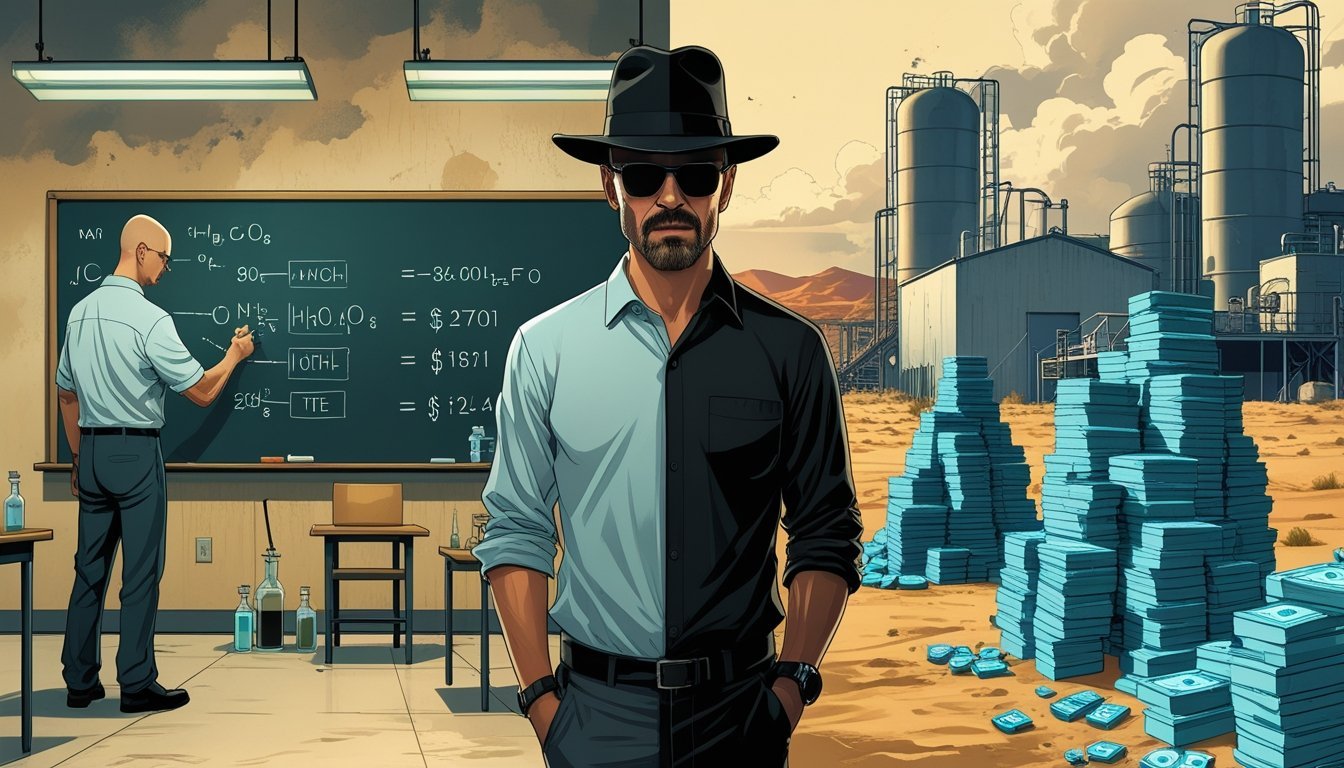
Walter White’s shift from chemistry teacher to drug kingpin hinges on his drive for dominance and a need for control. The methods he uses to build and maintain his empire reveal how fear and product innovation redefine power within the world of Breaking Bad.
Building the Empire Through Fear
Heisenberg’s empire is rooted not in alliances or friendship, but in intimidation. Walt deliberately cultivates a reputation for ruthlessness, making it clear to both rivals and partners that he is not to be challenged.
A pivotal moment is the desert standoff with Declan, where Walt commands respect by demanding recognition: “Say my name.” The scene marks his full transformation, with fear serving as his primary tool for establishing authority.
Those around him—like Jesse and Mike—quickly realize that Walt’s motives have shifted from survival to a relentless quest for criminal stature. By showing no hesitation in making threats and demanding submission, he demonstrates that fear is the currency that keeps his empire functioning.
Role of Blue Meth in Power Dynamics
Blue meth, characterized by its unmatched purity, is the foundation of Heisenberg’s power. The product’s quality sets a new standard in the meth market, making Walt indispensable and difficult to rival.
This unique formula doesn’t just make Walt wealthy; it underlines his status as the source of the most desirable meth available. Distributors and competitors know they cannot replicate his success without his involvement.
Key aspects of blue meth’s influence:
High purity ensures premium pricing.
Creates dependency among both distributors and users.
Crafts Walt’s identity and leverage within the underworld.
Walt’s chemical expertise thus cements his reign, ensuring that his empire thrives while competitors are left struggling to keep up.
Relationships and Consequences
The phrase “Say My Name” marks a turning point in Walter White’s evolution and sends ripples through his closest relationships. Walter’s shift in attitude affects his family, his partnership with Jesse, and the dangerous dynamics with key figures like Mike and Hank.
Impact on Family and Jesse
Walter’s transformation into Heisenberg brings a growing sense of alienation in his family. His wife, Skyler, becomes increasingly distressed by his actions, feeling unsafe and trapped. Communication between Walter and his wife breaks down as his obsession with power overshadows family concerns.
Jesse Pinkman, once Walter’s apprentice and confidant, also feels the consequences. The “Say My Name” moment signals to Jesse that his partner is no longer the teacher he once knew. The demand for respect reveals Walter’s desperation for control, pushing Jesse further away.
Tension mounts as Jesse is forced to confront the man Walter has become. He begins seeing the moral and personal cost of staying involved, which leads to deeper conflict and a rift that shapes the remainder of their relationship.
Tension with Mike and Hank
Walter’s dealings with Mike Ehrmantraut reflect escalating mistrust. The “Say My Name” confrontation shows Walt using intimidation to assert dominance over Mike, who previously kept drug operations stable and professional. This growing hostility disrupts their ability to work together, accelerating Mike’s doubts and dissatisfaction.
At the same time, Walter’s boldness directly increases the risk of exposure to law enforcement, especially Hank Schrader. Hank, as Walter’s brother-in-law and a DEA agent, intensifies his pursuit of the elusive Heisenberg. Walter’s arrogance from his “Say My Name” moment raises the stakes and brings Hank dangerously close, putting everyone around Walter—including his own family—at greater risk.
Tensions reach unsustainable levels as these relationships crumble, each conflict fueling the destructive path Walter sets into motion.
Link to Law Enforcement and the DEA
Walter White’s declaration, “Say my name,” comes at a crucial stage in the hunt by the DEA for Heisenberg. The line’s chilling effect is closely tied to the risks to his own survival and the intensifying investigation led by Hank Schrader.
Effects on the DEA Investigation
As Walter embraces the Heisenberg identity, law enforcement struggles to connect the dots. The DEA, and specifically Hank Schrader, persistently close in on the mysterious meth kingpin but remain just out of reach.
This proclamation solidifies Walter’s dominance in the drug business, directly impacting the pace and focus of the DEA’s efforts. Hank’s pursuit becomes more personal, raising the stakes for everyone involved.
Key developments influenced by this moment:
Increased pressure on the investigation as the scale of Heisenberg’s enterprise becomes undeniable.
Shift in survivability for both Walter and DEA agents—their worlds are bound to collide.
Hank’s motivation grows, tying the case directly to family and escalating the urgency of his actions.
The line marks a point where the balance of power begins to shift, setting up inevitable confrontation.
