
6 Documentaries about the Crusaders
Explaining Historical Insights
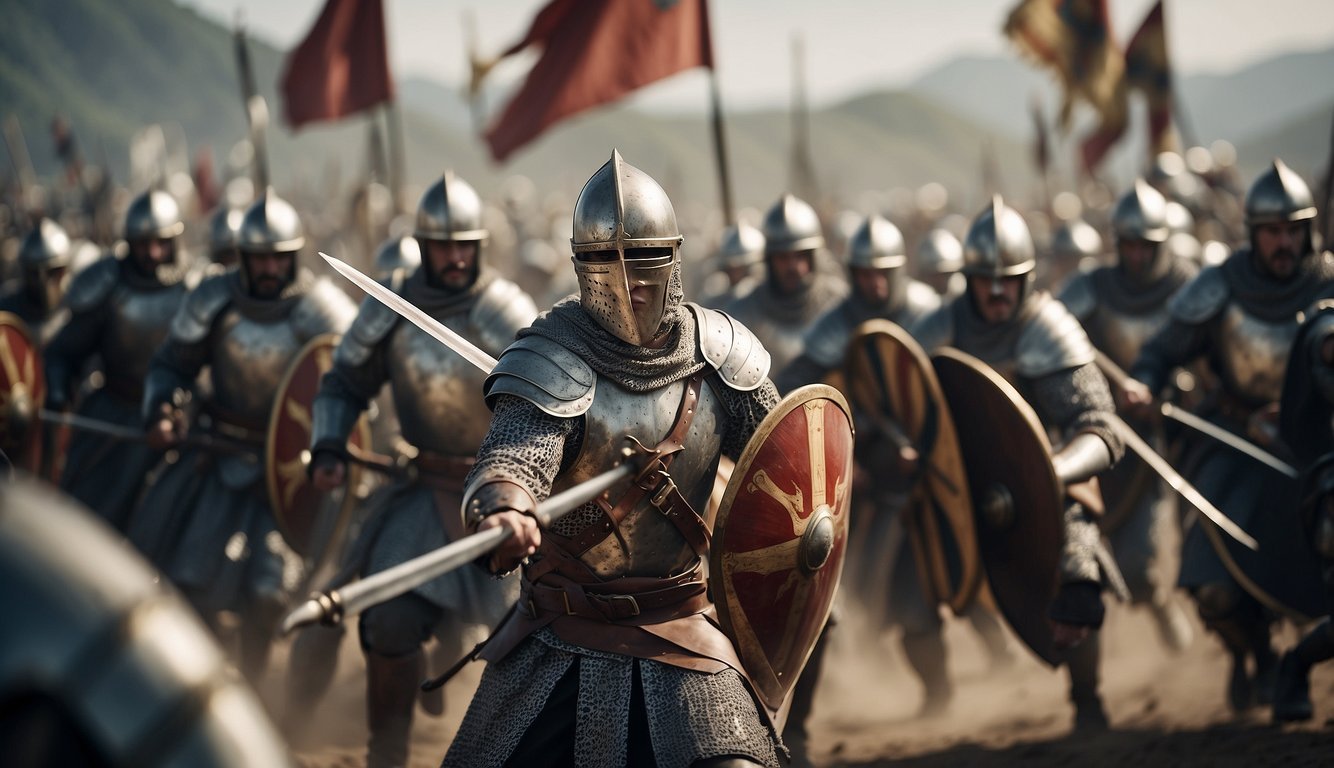
The Crusades represent one of the most complex and pivotal periods in human history, marked by intense military campaigns, religious fervor, and lasting impact on the social and cultural landscapes of the involved regions. These historical wars have fascinated scholars and the general public alike, inspiring numerous documentaries that aim to provide a deeper understanding of the events and figures involved.
How do you uncover the multifaceted story of the Crusaders through documentary film? This article explores six exceptional documentaries that offer various perspectives on the Crusades, helping viewers gain insightful historical context and a nuanced view of this significant epoch. By delving into these films, audiences can explore the intricate narratives and significant moments that defined the era.
1) Kingdom of Heaven: The Ridley Scott Film (2005)
"Kingdom of Heaven," directed by Ridley Scott and released in 2005, is an epic historical drama focusing on the events leading to the Third Crusade.
The story centers on Balian of Ibelin, portrayed by Orlando Bloom, a blacksmith who becomes a nobleman and defender of Jerusalem.
The film features a prominent ensemble cast, including Eva Green, Jeremy Irons, Liam Neeson, and David Thewlis.
Critically acclaimed for its grand scale, the film provides a heavily fictionalized narrative while maintaining a strong historical backdrop.
The movie was shot in locations in Spain and Morocco, enhancing its authenticity and visual appeal.
Its portrayal of religious and political complexities during the Crusades has generated various discussions and criticisms.
For more information about "Kingdom of Heaven," visit the Wikipedia page or its IMDb listing.
2) The Crusades: Crescent & the Cross (2005)
"The Crusades: Crescent & the Cross" offers a detailed examination of the epic battles between Christian Crusaders and Muslim forces. Directed by Stuart Elliott and Mark Lewis, this documentary is known for its thorough narrative and historical accuracy.
The two-disc set offers a comprehensive look at the First, Second, and Third Crusades. Starting with the call of Pope Urban II, it explores the motivations behind the Crusades and their significant impacts.
Narrated by Keith David, the documentary provides valuable insights into the lives and battles of key figures from both sides of the conflict. Through interviews and re-enactments, viewers get a vivid picture of the era.
The documentary is well-regarded among historians and educators for its balanced portrayal. It delves into the complex interplay of faith, power, and politics that defined the Crusades.
For those interested in medieval history and religious conflicts, "The Crusades: Crescent & the Cross" is a must-watch. More information can be found on its IMDb page.
3) Jerusalem: The Making of a Holy City (2011)
"Jerusalem: The Making of a Holy City" is a documentary that explores the rich history of Jerusalem.
Simon Sebag Montefiore, a renowned historian, takes viewers on a journey through the city's past.
The film examines Jerusalem's significance for Jewish, Christian, and Muslim faiths.
The documentary provides a detailed account of how Jerusalem became a central religious site.
Montefiore traces the city's development from ancient times to its current status.
The narrative discusses various invasions and events that shaped the city's history.
This documentary offers insights into the multifaceted religious and historical importance of Jerusalem.
Interested viewers can find more information on IMDb.
4) The Crusades: An Arab Perspective
"The Crusades: An Arab Perspective" (2016) is a four-part documentary series produced by Al Jazeera. This series offers a unique vantage point by presenting the history of the Crusades through Arab eyes. It begins with the seizing of Jerusalem under Pope Urban II in 1099 and continues through its recapture by Salah ad-Din.
The series covers significant events such as the battles, the strategies employed by both sides, and the political maneuvers. It also delves into the socio-cultural impacts on the region, providing a balanced view of how the Crusades affected both the Arab and European worlds.
Each episode focuses on a different phase of the Crusades, illustrating not just the military campaigns but also the human stories behind the events. This documentary stands out because it provides an often-overlooked perspective in Western narratives.
For more information, visit Al Jazeera.
5) Crusader Castles: Fortresses of Faith
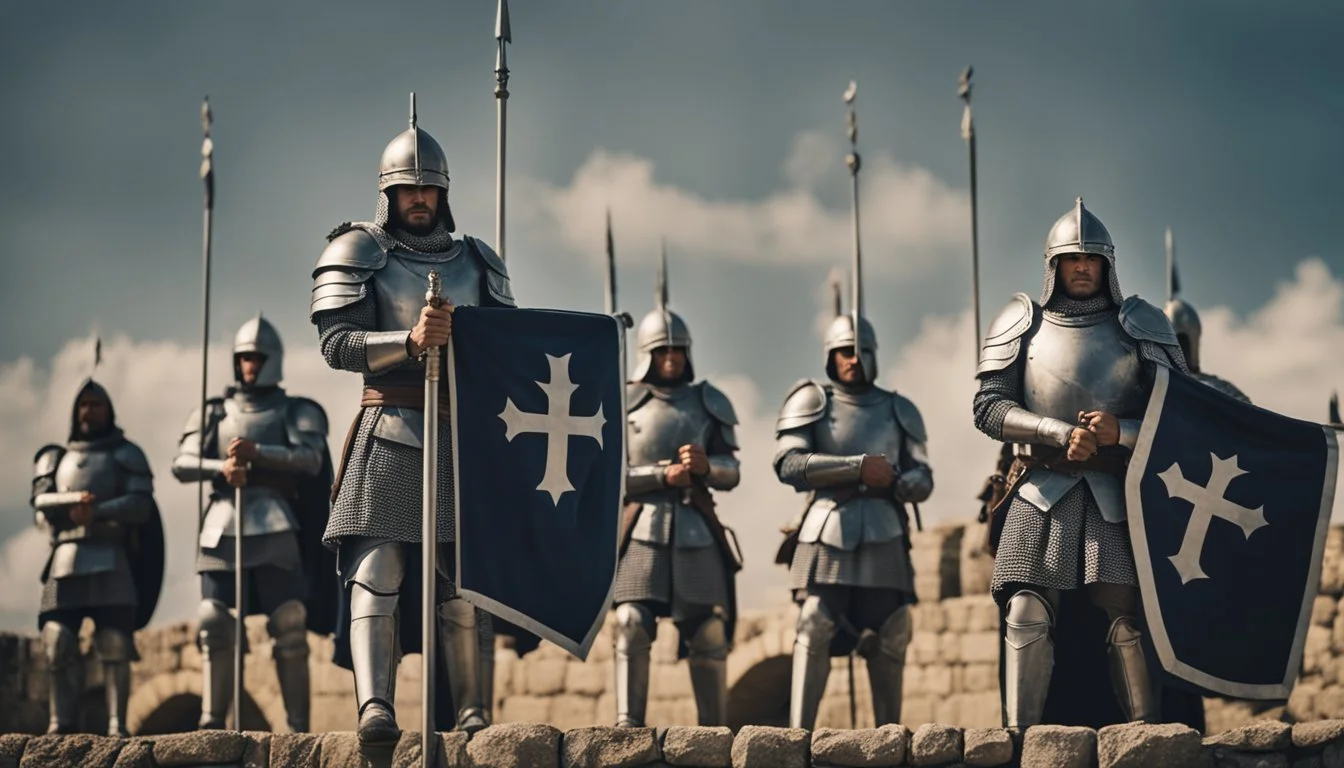
"Crusader Castles: Fortresses of Faith" explores the military architecture of the Crusades through a captivating lens. This documentary highlights various significant strongholds built by the Crusaders during their campaigns across the Middle East.
The film provides a comprehensive look at prominent castles like Krak des Chevaliers, which served as the headquarters for the Knights Hospitaller.
Through detailed visuals, the documentary showcases the engineering marvels and strategic importance of these fortresses. Each castle reflects the military prowess and architectural ingenuity of the Crusaders. It's an essential watch for anyone interested in medieval military history.
For more information, click here.
6) Documentary: The Crusades by Terry Jones (1995)
The Crusades by Terry Jones blends historical analysis with a touch of humor and creativity. Released in 1995, this documentary series explores the medieval religious wars known as the Crusades.
Terry Jones, a member of Monty Python, presents the series with a unique style. He incorporates elements of black comedy and uses actors in masks and costumes to depict historical figures.
The production's unconventional approach makes the subject more relatable and engaging. This documentary stands out for presenting historical events in an entertaining yet informative manner.
For more information, visit IMDb or Wikipedia.
Historical Context of the Crusades
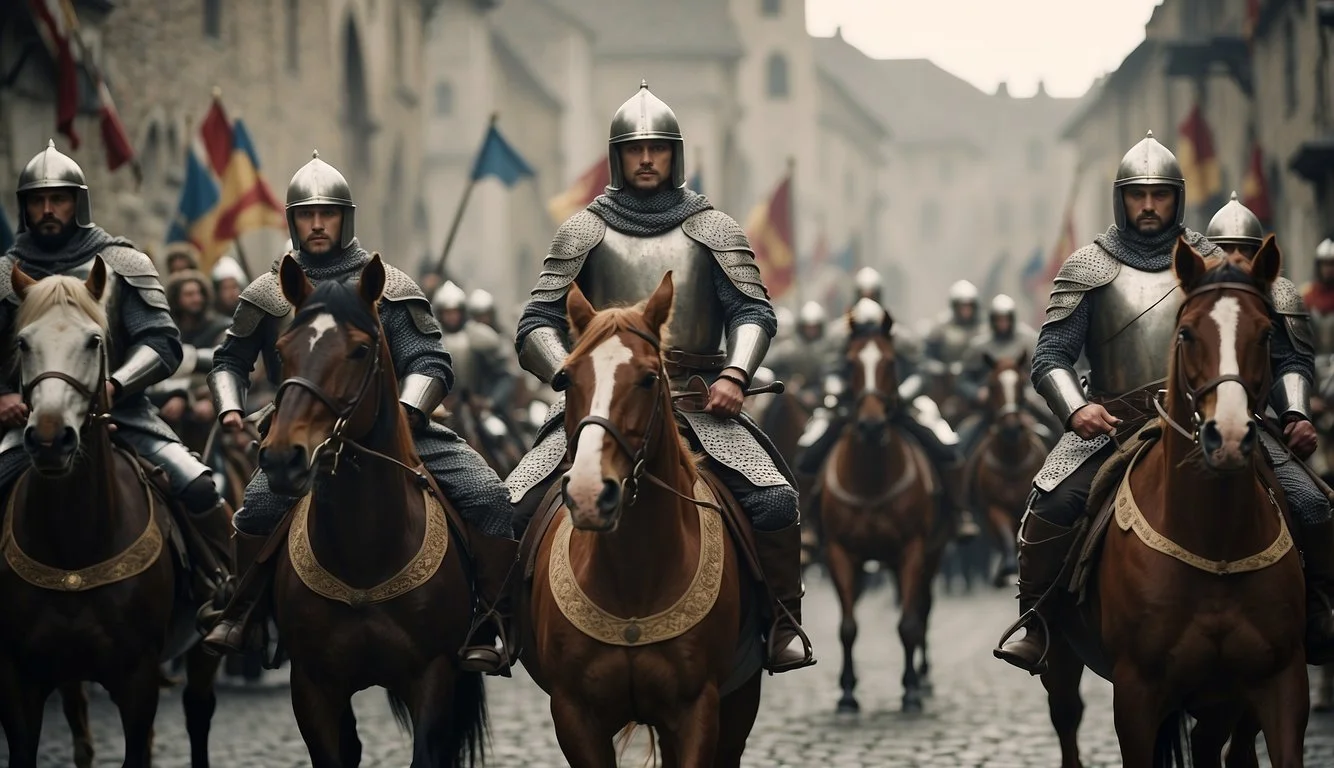
The Crusades were a series of religious and military campaigns between the 11th and 15th centuries, primarily waged by Western European Christians aimed at reclaiming the Holy Land from Muslim control. These expeditions had profound impacts on both European and Middle Eastern societies.
Background and Origins
The origins of the Crusades can be traced back to the call for assistance from the Byzantine Emperor Alexius I to Pope Urban II. The latter responded by initiating the First Crusade in 1095. Europe faced internal conflict and a fragmented political landscape, prompting the Christian militaries to unite against a common external foe.
This movement was also profoundly influenced by religious fervor. Pilgrimages to the Holy Land had become increasingly dangerous due to Seljuk Turkish control. This spurred Pope Urban II's passionate appeal at the Council of Clermont, inspiring thousands to take up the cross.
Medieval History and the Religious Wars Between East and West
The Crusades were not isolated events, but part of a larger pattern of religious wars that shaped medieval history. Documentaries about this period often explore how Europe and the Middle East were deeply connected through trade, conflict, and shared cultural exchanges, even during times of intense fighting.
These films acknowledge the complex truth behind the war for control of Jerusalem and the surrounding land. They examine how Christian and Muslim armies clashed in brutal battles, sieges, and campaigns that affected entire towns, women, and children. Rather than presenting a simple good-versus-evil story, the best documentaries on the Crusades explore the human cost, the atrocities committed by both sides, and the long-term impact on the world.
By exploring these events through video and expert commentary, audiences gain access to a more balanced understanding of how religion, power, and political ambition shaped the past.
Pope Urban and the Call to Arms
Any serious documentary about the First Crusade will mention Pope Urban II and his famous call to join the fight. His speech in France became a turning point in history, urging Christians to take up the cross and defend the Holy Land. For many poor knights and common people, this was seen as a sign from God and a path to salvation.
Documentaries often examine how Pope Urban’s message spread across Europe, inspiring thousands to join the army marching east. Some sought religious redemption, others hoped for land, money, or status in a distant kingdom. The narrative surrounding his call reveals how powerful words can mobilize entire nations and reshape the course of history.
Through expert analysis, viewers can better understand the political motivations, religious passion, and social pressures that fueled this massive movement years ago.
The First Crusade and the Struggle for Jerusalem
The First Crusade remains one of the most dramatic chapters in the history of the Crusades. Documentaries frequently focus on the brutal siege of Jerusalem, the intense battle for control, and the devastating killing that followed the city’s capture.
These films explore how crusaders traveled across the Middle East, facing hunger, lack of resources, and constant fighting. When they finally reached Jerusalem, the siege marked a decisive moment that reshaped the balance of power in the region. Both Christian and Muslim sources describe the violence and the destruction that followed, and modern historians continue to comment on the scale of the atrocities.
By listening to historians and examining surviving records, viewers can connect with the human stories behind the battlefield and better understand how these events shaped relations between Europe and the Muslim world for decades.
Crusader States and the Fight to Defend a New Kingdom
After the early victories, the Crusaders established the Crusader States in the Holy Land. These fragile kingdoms required constant support from Europe to survive. Documentaries often highlight how these states struggled to maintain control in a hostile environment, surrounded by powerful Muslim forces determined to reclaim the land.
The effort to defend these territories led to repeated wars, alliances, and political maneuvering. Leaders like Richard the Lionheart are often mentioned in films covering this period, especially during the later Crusades, when the battle for Jerusalem once again became central.
Through documentary storytelling, audiences can explore how these states functioned, how they connected east and west, and why many of them were eventually lost.
The Middle East: Culture, Conflict, and Lasting Impact
The Crusades deeply affected the Middle East, shaping its political, religious, and cultural landscape. Modern documentaries increasingly acknowledge perspectives from the region, exploring how Muslim leaders, local communities, and entire countries experienced these wars.
By presenting stories from both sides, filmmakers attempt to move beyond simplified narratives and examine the lasting impact of centuries-old conflict. These documentaries explore how religion, power, and fear can drive nations to war, while also showing moments of cooperation and shared humanity.
Watching the best documentaries on the Crusades allows audiences to explore not just battles and sieges, but also the broader truth about how these religious wars changed the world. Through careful research and balanced storytelling, each documentary provides hope that by understanding the past, we can better interpret the present.
Why These Are the Best Documentaries on the Crusades
The best documentaries on the Crusades do more than simply recount battles or list historical dates. They explore the deeper forces that shaped medieval history — faith, power, ambition, fear, and the struggle for control over the Holy Land. Through expert commentary, dramatic reenactments, and carefully constructed narrative storytelling, each documentary helps viewers understand how these religious wars reshaped Europe and the Middle East for centuries.
From the call of Pope Urban II during the First Crusade to the brutal siege of Jerusalem and the rise and fall of the Crusader States, these films examine both the spiritual motivations and the political realities behind the conflict. They acknowledge the role of Christian crusaders and Muslim armies alike, exploring the battlefield decisions, alliances, and atrocities that defined this turbulent period. Rather than presenting a simple story of good versus evil, they encourage audiences to listen, question, and seek the historical truth behind events that still influence the modern world.
Whether you choose to watch a cinematic interpretation like Kingdom of Heaven or a detailed historical documentary series, these films offer valuable insight into a time when religion, war, and power were deeply intertwined. By exploring these stories, viewers gain not only knowledge of the past, but also a clearer understanding of how the Crusades continue to shape global history today.
