
Extreme Arctic Trucking Challenges: The Harsh Realities of Ice Road Truckers
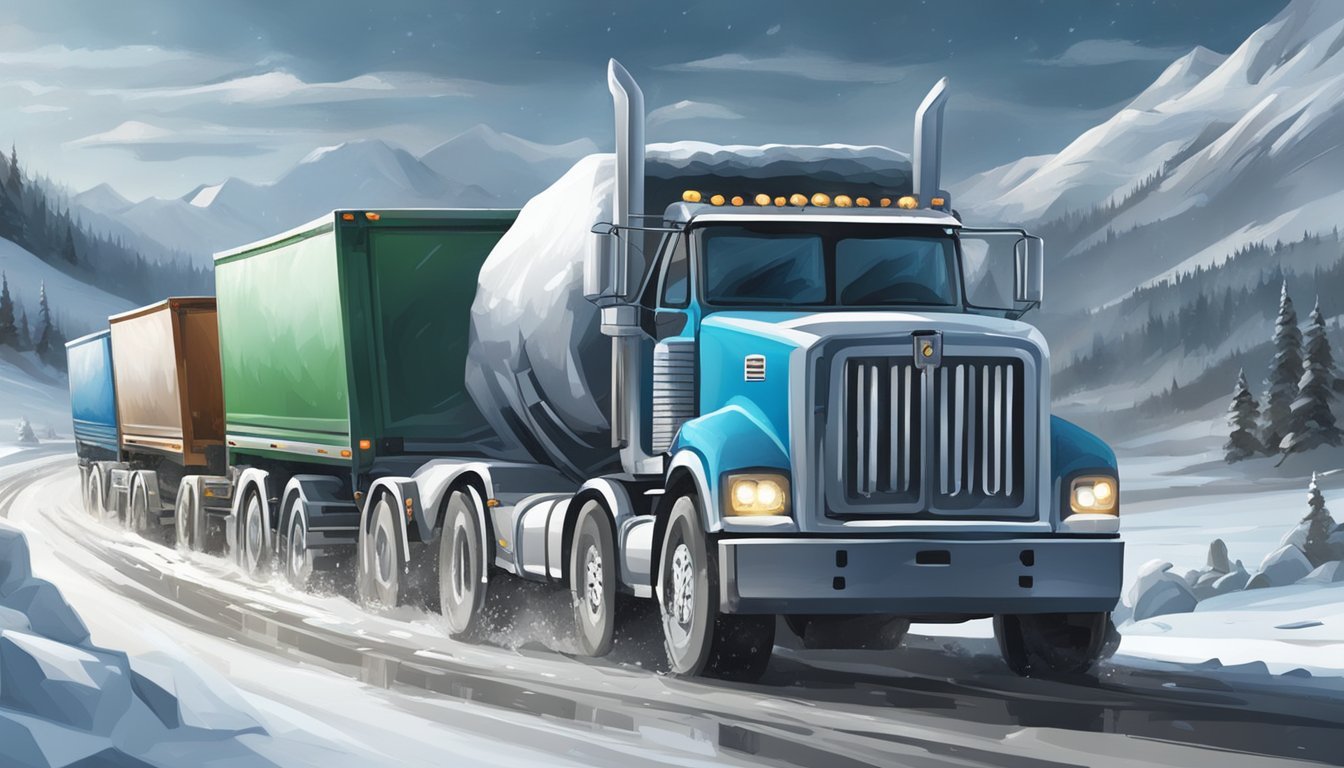
Ice road truckers operate in some of the world’s most challenging environments, facing freezing temperatures, unpredictable weather, and hazardous roads covered in ice and snow. The extreme conditions of ice road trucking require constant vigilance, advanced driving skills, and meticulous vehicle maintenance to ensure safety and success. From slippery surfaces to treacherous terrain, these drivers must navigate risks that go far beyond standard trucking routes.
Daily routines include rigorous safety checks, careful load planning, and quick adaptability to sudden changes in weather or road conditions. The combination of isolation, reduced visibility, and the ever-present danger of accidents means that every trip on the ice roads tests both the equipment and the driver’s endurance.
For anyone interested in understanding the reality behind this demanding profession, exploring the extreme conditions faced by ice road truckers reveals the dedication and expertise required to keep supply routes open in some of the most remote and unforgiving places on earth.
The World of Ice Road Trucking
Ice road trucking is a specialized field that connects remote regions to essential resources during harsh winter months. These trucking operations directly support critical sectors and geographic areas that would otherwise be inaccessible for much of the year.
The Role of Ice Road Truckers
Ice road truckers are responsible for transporting vital goods and equipment over temporary roads formed on frozen lakes, rivers, and tundra. Because these routes are only accessible during certain months, timing and safety are crucial.
Drivers must frequently check weather reports, road thickness, and load weights to reduce the risk of breaking through ice or being stranded. Professionalism and strict adherence to safety protocols are essential for those who work these routes.
Duties often include rigorous pre-trip inspections and securing loads to withstand extreme vibrations from the rough, icy terrain. Communication skills are necessary, as truckers often operate far from help and must stay in touch with dispatchers and emergency services. The psychological pressure from long stretches of isolation and hazardous conditions requires high resilience and experience.
Regions Featuring Ice Roads
The majority of ice road trucking occurs in northern regions such as Alaska and Northern Canada. Key routes include the Tibbitt to Contwoyto Winter Road in Canada and the Dalton Highway in Alaska, both vital for moving supplies to isolated communities.
Most ice roads in North America open between December and March, depending on climate and thickness of the ice. Beyond North America, India has some high-altitude and cold-weather routes used seasonally, but they are less extensive and primarily serve smaller mountain communities.
In Canada, these frozen routes link mining outposts, indigenous villages, and oil facilities to larger distribution centers. Weather conditions can change rapidly, so roads are continuously monitored and closed if ice integrity becomes questionable.
Key Industries Supported by Ice Road Trucking
Ice road trucking enables the movement of supplies and equipment for mining, oil and gas, hydroelectric, and construction projects. For mining operations in the Canadian Arctic, these trucks bring in machinery, building materials, fuel, and food.
Oil and gas exploration in both Alaska and northern Canada also relies on seasonal trucking to haul drilling rigs and camp infrastructure. Hydroelectric dam sites are resupplied during the window when lakes and rivers are solid enough to support heavy vehicles.
Construction is another major industry supported. Materials, prefabricated components, and maintenance supplies must reach roadless areas, making ice road trucking essential to regional development. Without these routes, supply costs would escalate, and some projects could be delayed for months.
Facing Extreme Environmental Challenges
Ice road truckers encounter a combination of threats that impact their work safety and efficiency. Rigorous weather, unstable ice, and environmental changes require continual adaptation and awareness.
Temperature Extremes
Ice roads in Alaska and northern Canada frequently see temperatures plunge well below -30°C (-22°F).
Low temperatures affect not only drivers but also the mechanical reliability of their vehicles. Diesel fuel can gel, batteries lose power rapidly, and metal becomes brittle.
Exposed skin is at high risk for frostbite within minutes, especially during high winds or blizzards.
Truckers must use heavy insulated clothing and keep emergency heating supplies on board. Cabin heaters and engine block warmers are essential for survival and vehicle function.
Working in extreme cold also slows response times in emergencies. When problems arise, waiting for help outside in such conditions can be dangerous.
Thin Ice Hazards
Ice roads are only as safe as the ice is thick. The ice must be at least 30–40 centimeters (about 12–16 inches) thick to support heavy trucks.
Ice thickness is constantly monitored with ground-penetrating radar and manual drilling, but rapid weather shifts can still create weak spots that are hard to detect visually.
Driving over thin ice poses the risk of partial or total vehicle submersion. If a truck breaks through, escaping can be extremely difficult due to cold shock and swift vehicle sinking.
For added safety, truckers sometimes drive with windows open and seatbelts off when crossing suspect areas to aid escape.
Travel is often restricted to certain speeds—usually less than 25 km/h (about 15 mph)—because faster speeds can send waves under the ice, increasing the risk of cracks and collapses.
Avalanches and Other Natural Risks
Avalanche hazards are a persistent danger, especially along stretches flanked by mountainous terrain in Alaska and northern Canada.
Heavy snowfall and shifting temperatures can trigger avalanches that bury roads or block access for weeks. Rockslides and whiteout blizzards are also common and can halt journeys unexpectedly.
Truckers rely on weather updates, avalanche forecasts, and road patrols to minimize risks.
In many cases, avalanche control teams use explosives to trigger slides before drivers are allowed onto certain routes.
Encounters with wildlife, such as moose, caribou, or even bears, further heighten driving risks in remote territories.
Impact of Climate Change
Climate change is causing shorter and less predictable ice road seasons in Alaska and northern Canada. Warmer winters reduce the period during which roads are safe to use, impacting supply chains for remote communities.
Increased freeze-thaw cycles cause the ice to weaken and deteriorate more quickly. Rainfall instead of snow leads to slush that further undermines stability.
Truckers and engineers must now contend with repairing roads more frequently and monitoring conditions with advanced technology.
There is ongoing research into alternative transport methods as traditional ice routes become less reliable due to rising average temperatures and shifting climate patterns.
Survival and Safety on the Ice
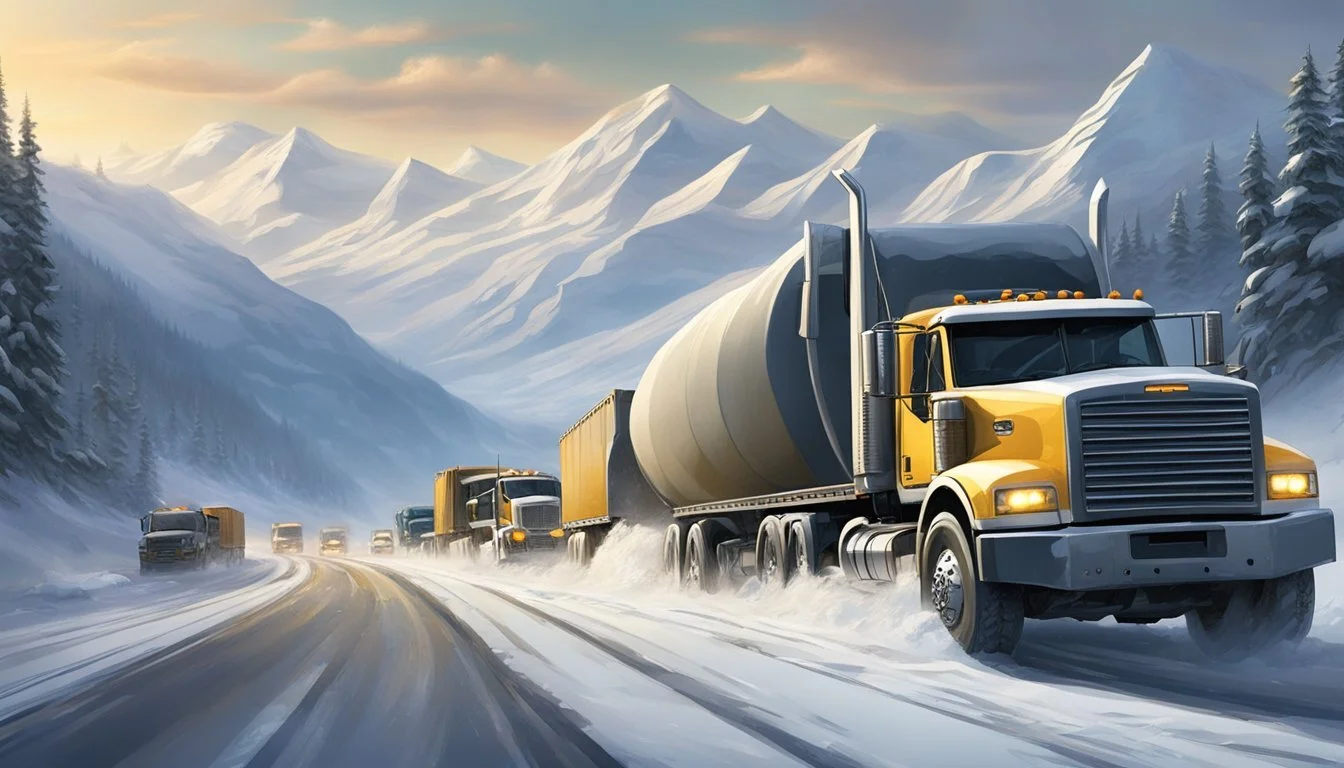
Operating on dangerous roads in ice road trucking requires strict attention to survival, emergency readiness, and vehicle upkeep. Severe cold, isolation, and rapidly changing weather mean preparedness is not optional but necessary for safety.
Essential Survival Skills
Surviving as an ice road trucker starts with having the right skills and mindset. Drivers must know how to stay warm, ration food, and source water in freezing environments. Layered clothing, insulated boots, and thermal gloves help protect against hypothermia and frostbite.
Navigation in whiteout conditions can be challenging. Skills in using a compass, GPS, or map are essential, especially when visibility drops. Communication is critical; carrying a satellite phone or radio allows them to call for help when standard signals fail.
Adapting to isolation is also important. Truckers often spend hours alone on treacherous ice roads, requiring mental resilience and the ability to remain calm under stress. A checklist for survival packs usually includes:
Non-perishable food
Emergency blankets
First-aid supplies
Fire-starting tools
Emergency Preparedness
Accidents or equipment failure can leave a driver stranded far from help. Emergency preparedness centers on both planning and the right equipment. Truckers must check local weather, inform dispatchers of their route, and undergo safety briefings before each trip.
Every vehicle is stocked with emergency kits containing:
Reflective vests and road flares
Shovels and sand for traction
Spare batteries and power banks
Knowing how to safely exit a vehicle onto unstable ice is crucial. Truckers practice egress drills and learn signs of ice cracking to avoid fatal mistakes.
They also carry extra fuel, as getting stranded without heat can quickly become life-threatening. Teams are usually trained in basic first aid to treat injuries until professional help arrives.
Vehicle Maintenance in Harsh Conditions
Vehicles used in ice road trucking face continuous stress from frigid temperatures and uneven surfaces. Routine inspections focus on checking tire treads, brakes, and engine fluids designed for low temperatures.
Mechanics look for tiny leaks, as fluids can freeze and expand, causing damage. Electrical systems must be tested because batteries lose efficiency in the cold. Many truckers use engine block heaters and fuel additives to prevent mechanical failures.
Visibility is another priority. Headlights and windshields are cleared frequently, and wiper blades are checked for ice buildup. Maintenance records are kept meticulously. Preventative care greatly reduces breakdowns on isolated, dangerous roads.
Mental and Physical Demands
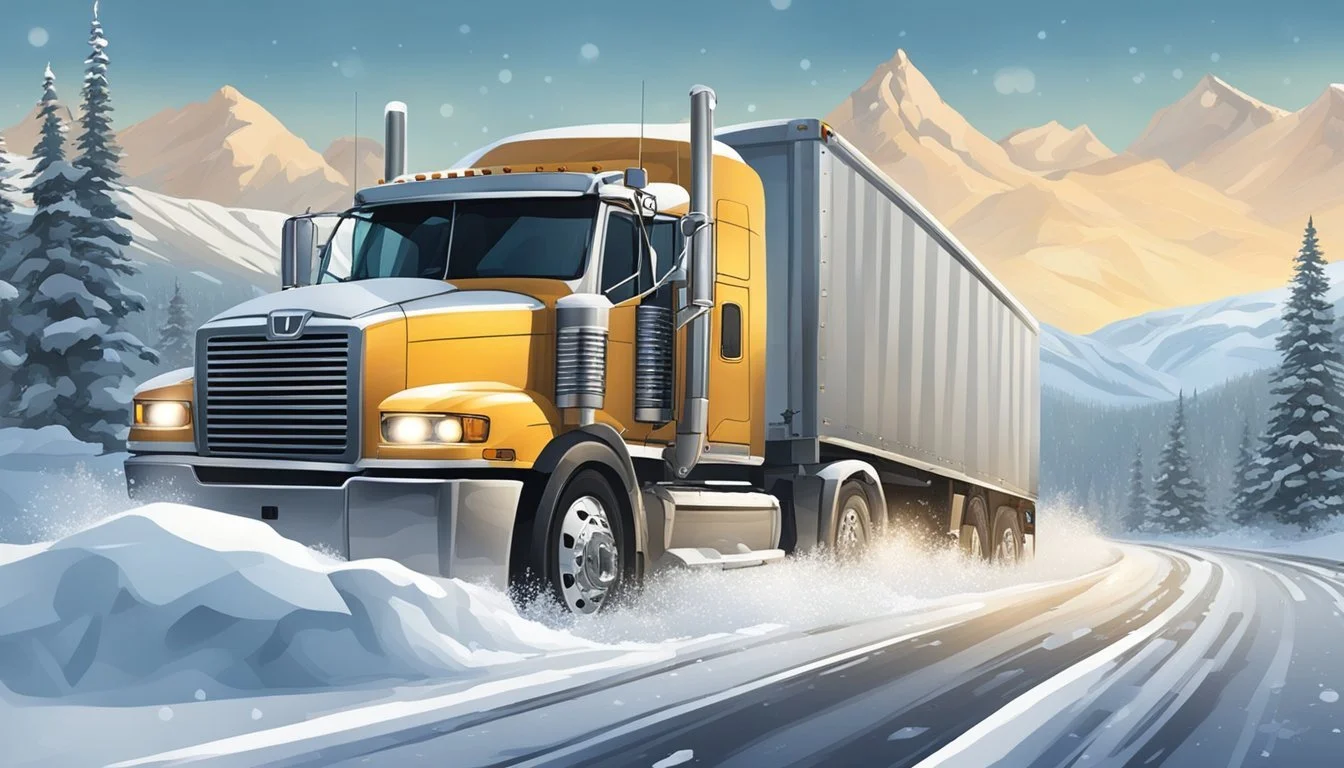
Ice road trucking requires significant resilience and determination. Drivers regularly face harsh weather, long hours, and emotional challenges that test both body and mind.
Mental Toughness Required
Ice road truckers must maintain intense focus during every shift. The constant threat of mechanical failure or accidents due to thin ice and blizzards demands unwavering concentration. Mental fatigue can develop rapidly during multi-day trips, especially when there is little room for mistakes.
Stress is compounded by the pressure of delivering essential cargo on tight deadlines. High-stakes decisions must be made quickly, often in isolation, creating a mentally taxing environment. Drivers also manage anxiety about road safety, mechanical breakdowns, and far-reaching consequences if loads do not arrive on time.
Maintaining communication with dispatch and families is challenging but crucial for support. Overcoming fear and handling emergencies with a clear head are essential skills for any ice road trucker.
Physical Endurance on the Road
Operating a heavy truck in extreme cold — often below -40°C — demands strength and stamina. Repeated manual labor, such as checking equipment, chaining tires, and clearing ice, is hard on muscles and joints.
Sitting for long stretches, sometimes 16 hours a day, causes fatigue and stiffness. Sleep disruption is common, as rest periods may be shortened by road closures or mechanical issues.
Proper nutrition, hydration, and layered clothing are critical for health and safety. Slips, falls, and frostbite are real risks. A table below summarizes some common physical challenges:
Physical Challenge Severity Prevention Extreme Cold High Insulated gear, truck cab heaters Fatigue High Regular breaks, sleep management Injuries Medium Safety checks, proper lifting methods
Coping with Isolation
Ice road routes can extend for hundreds of kilometers through remote, featureless terrain. Limited human contact is the norm, often going hours or days without seeing another person.
Isolation affects mental health and increases stress for both drivers and their families back home. Many drivers combat loneliness by maintaining radio contact with other truckers or scheduling regular check-ins with loved ones.
Some truckers rely on music, audiobooks, or onboard entertainment to fill the silence. Establishing predictable communication routines helps strengthen family relationships despite long absences from home. For many, the sense of adventure and accomplishment outweighs the solitude.
Driving Skills and Techniques
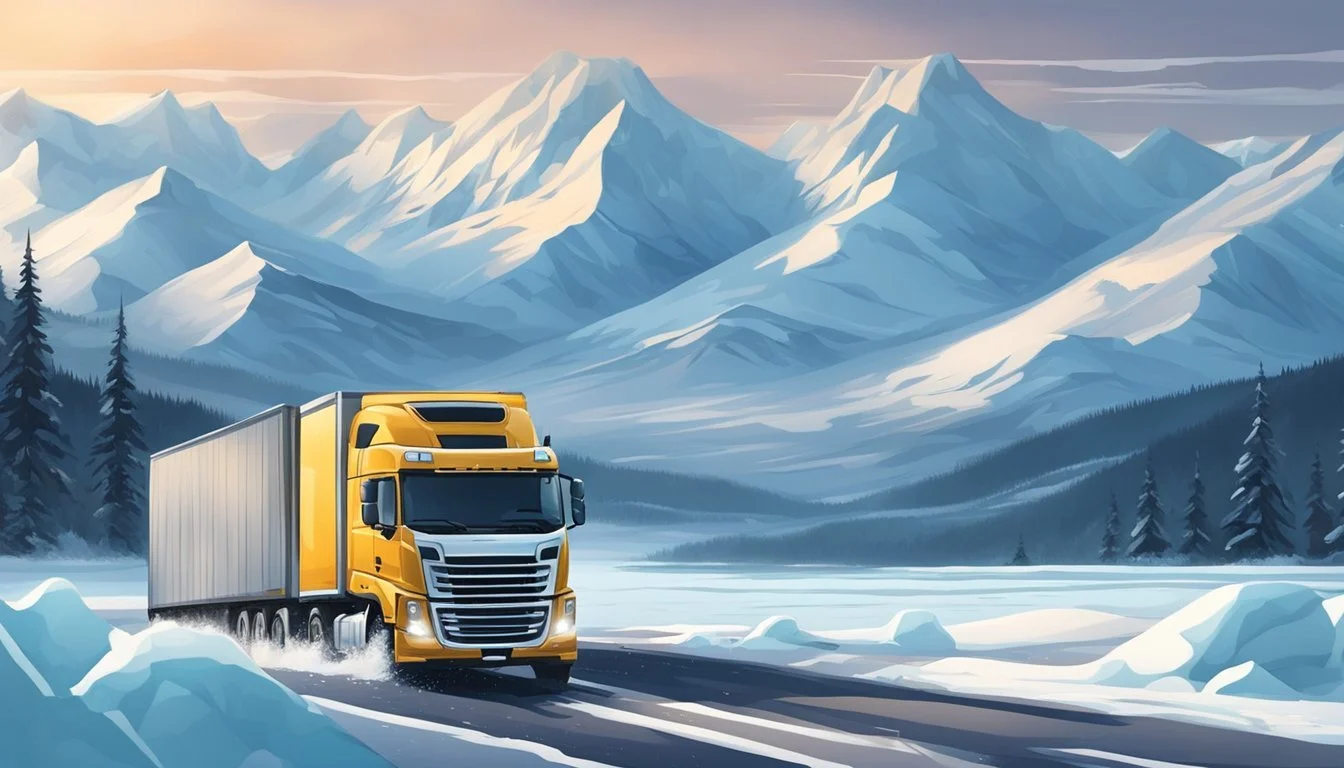
Skillful handling on icy roads is what sets ice road truckers apart from other drivers. Navigating dangerous roads, they rely on highly specialized driving techniques, adaptability, and consistent vehicle maintenance to stay safe and complete their jobs.
Mastering Ice Road Navigation
Driving on ice roads requires precise control and constant vigilance. Drivers must maintain a steady pace to avoid sudden acceleration or braking, which can cause skidding or loss of traction. Speed control is crucial, with most experts recommending staying well below posted speed limits.
Proper tire placement matters. Truckers often keep wheels in established tire grooves for better grip. When crossing weak spots, they minimize vibrations by reducing speed and avoiding abrupt maneuvers.
Visibility can drop suddenly due to snow or blowing ice. Many rely on fog lights and high-visibility markers to navigate through whiteout conditions. In extreme cold, ice build-up on mirrors and windows is a challenge, so regular clearing is essential.
Adapting to Unpredictable Terrain
Ice roads change constantly as shifts in temperature and weather conditions affect the stability of the surface. Truckers must read the road closely, looking out for cracks, slush, or dark patches that signal weak ice.
Inclines and steep grades are especially hazardous on icy surfaces. Drivers often approach hills slowly and use low gears to descend, keeping control without relying heavily on brakes. On inclines, momentum is managed carefully to prevent getting stuck or sliding backward.
Adaptability is necessary each day. Changing weather can bring drifting snow or create new hazards, requiring drivers to alter routes or adjust tactics quickly. They must stay informed about predictions and current conditions to make safe decisions on the move.
Maintaining Truck Performance
Rigorous truck maintenance is a daily requirement for anyone driving dangerous roads in extreme cold. Before each trip, drivers perform comprehensive checks on brakes, lights, tires, and defrosters.
Engine heaters and anti-gel additives are routine for diesel engines to prevent fuel from solidifying. Air lines are checked for moisture, which can freeze and disable braking systems.
Emergency kits are kept aboard, including extra warm clothing, food, and tools for self-rescue if the truck is stranded. Keeping all equipment functioning, especially in freezing temperatures, reduces mechanical failures, which are dangerous far from help.
Truck Maintenance Checklist Check brakes and fluids Inspect tires and chains Test heaters and defrosters Prepare emergency supplies Add anti-gel to fuel
Notable Personalities and Stories
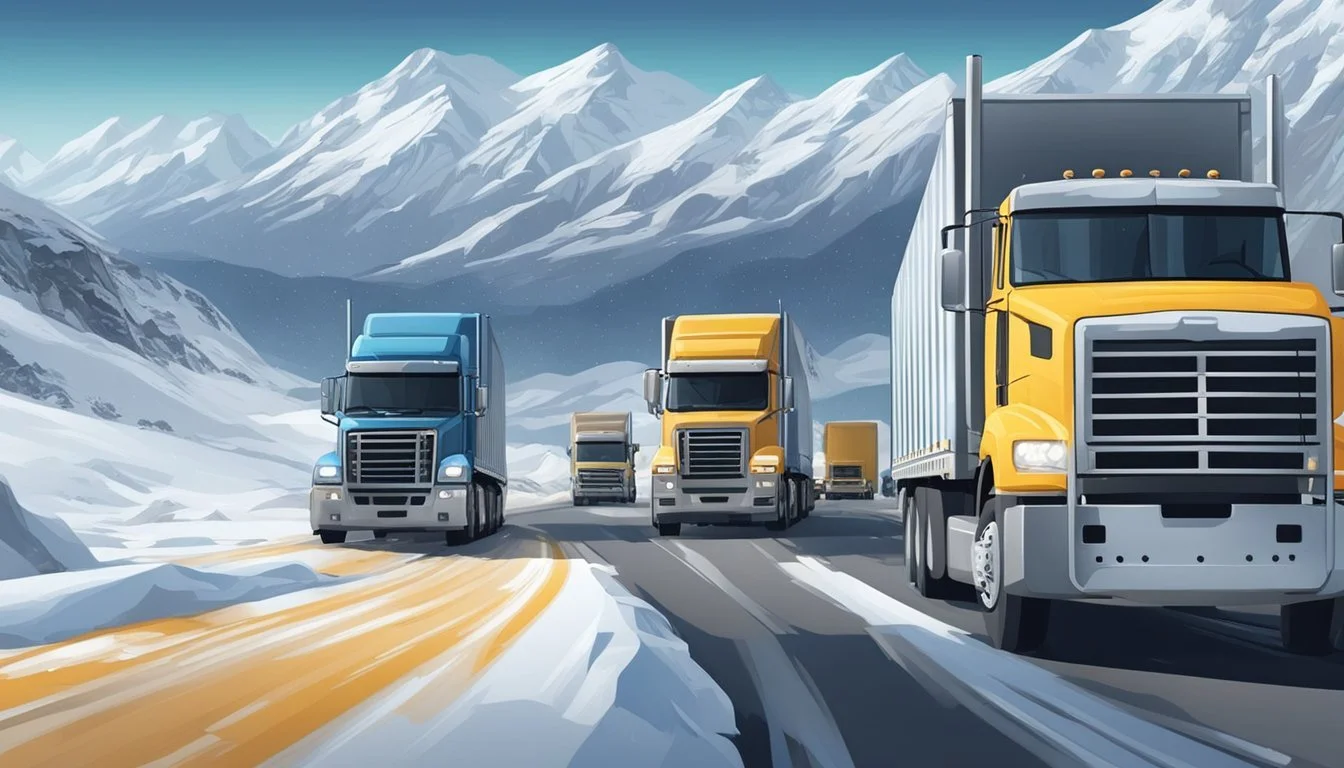
The challenges confronted by the drivers of Ice Road Truckers are heightened by the unique personalities who navigate them. Personal risks, remarkable moments, and the deep effect on loved ones all shape the legacy of the show.
Alex Debogorski’s Adventures
Alex Debogorski stands out as one of Ice Road Truckers’ most iconic figures. With decades of experience, he became known for his humor under pressure and skill driving across frozen landscapes. His resilience in subzero temperatures and ability to troubleshoot truck failures mid-journey won respect among viewers and fellow drivers.
Throughout the series, Alex faced frequent near-misses with thin ice and breakdowns. He often shared stories of early morning starts in darkness, the blinding whiteout conditions, and long stretches without communication. His approach underlined the mental and physical stamina required to survive each run.
Alex’s approach to danger was methodical and sometimes lighthearted, helping to ease tension for himself and those around him. He often described the adventure as both a job and a lifestyle, emphasizing the constant need for alertness and preparation.
Memorable Moments from the Series
Numerous episodes of Ice Road Truckers have showcased harrowing attempts to cross lakes where the ice sometimes groaned and cracked beneath massive trailers. At times, drivers navigated blizzards with visibility close to zero, relying only on instinct and experience to stay on route.
Notable events include:
Multi-vehicle convoys breaking through to remote construction camps.
Emergency repairs while exposed to fierce winds and frigid temperatures.
Hauling oversized equipment under severe time constraints.
These key moments provided a window into the daily uncertainties and crises that drivers like Lisa Kelly, Hugh Rowland, and Alex Debogorski confronted. The stakes in each episode were real, as failing to deliver supplies could halt entire mining operations in the north.
Impact on Truckers' Families
The extended absences and dangers inherent in ice road trucking placed significant pressure on families. Spouses, children, and loved ones endured long periods with little contact, often relying on sporadic satellite phone calls.
Many families expressed ongoing concern about the ever-present threat of accidents on desolate roads. Partners took on extra responsibilities at home, managing daily life alone during the trucking season.
The stress of the job’s risks was balanced by a sense of pride and community. Families found support from fellow truckers’ loved ones, forming a close-knit group that followed each other's journeys and celebrated safe returns. This aspect added emotional depth to the stories of adventure and endurance featured in the series.
Global Reach and Cultural Impact
Ice road trucking extends beyond delivering goods; it bridges isolated communities and influences global perspectives on transportation. The profession's challenges and achievements have sparked international interest and shaped popular culture.
Ice Road Trucking in North America
In North America, ice road trucking plays a crucial role in connecting remote northern regions, especially in Canada and Alaska. These seasonal roads, constructed over frozen lakes and rivers, support the delivery of essential supplies to industries and communities cut off during winter.
Truckers in this region often drive in subzero temperatures, facing hazards such as thin ice, whiteouts, and mechanical breakdowns. Equipment is specially adapted with insulated cabs and reinforced frames to survive extreme weather.
Television shows, like “Ice Road Truckers,” have brought attention to the real dangers truckers face and the logistical feats required to keep communities supplied. This visibility underscores the industry’s importance in supporting economic activity and regional development.
Emergence of Ice Roads in India
India has seen a growing use of ice roads in its high-altitude regions, such as Ladakh and parts of the Himalayas. These temporary roads are vital during winter months when traditional paths become impassable due to snow.
Ice road trucking supports military outposts, local populations, and construction projects. Drivers must navigate narrow mountain passes, unstable ice, and fluctuating temperatures. Safety is a significant concern, with guidelines enforced to manage vehicle weight and timing.
The adoption of ice road techniques from North America has led to improvements in vehicle preparation and safety protocols in India. This cross-regional exchange demonstrates the global applicability of ice road logistics under extreme conditions.
Influence on Popular Culture
The challenges and human stories from ice road trucking have been widely portrayed in media. Reality TV series, such as “Ice Road Truckers,” have showcased the resilience of drivers, highlighting the occupation’s unique risks and camaraderie.
Such portrayals have raised public awareness about the logistics of remote supply chains and the critical roles truckers play in harsh environments. This impact extends to books, documentaries, and news coverage, cementing ice road trucking as a topic of cultural interest.
Popular culture’s focus on ice road trucking has also inspired new generations to pursue careers in the field and has driven interest in cold-region logistics and engineering.
