
How Ice Road Truckers Captures Extreme Adventure and Survival on Frozen Highways
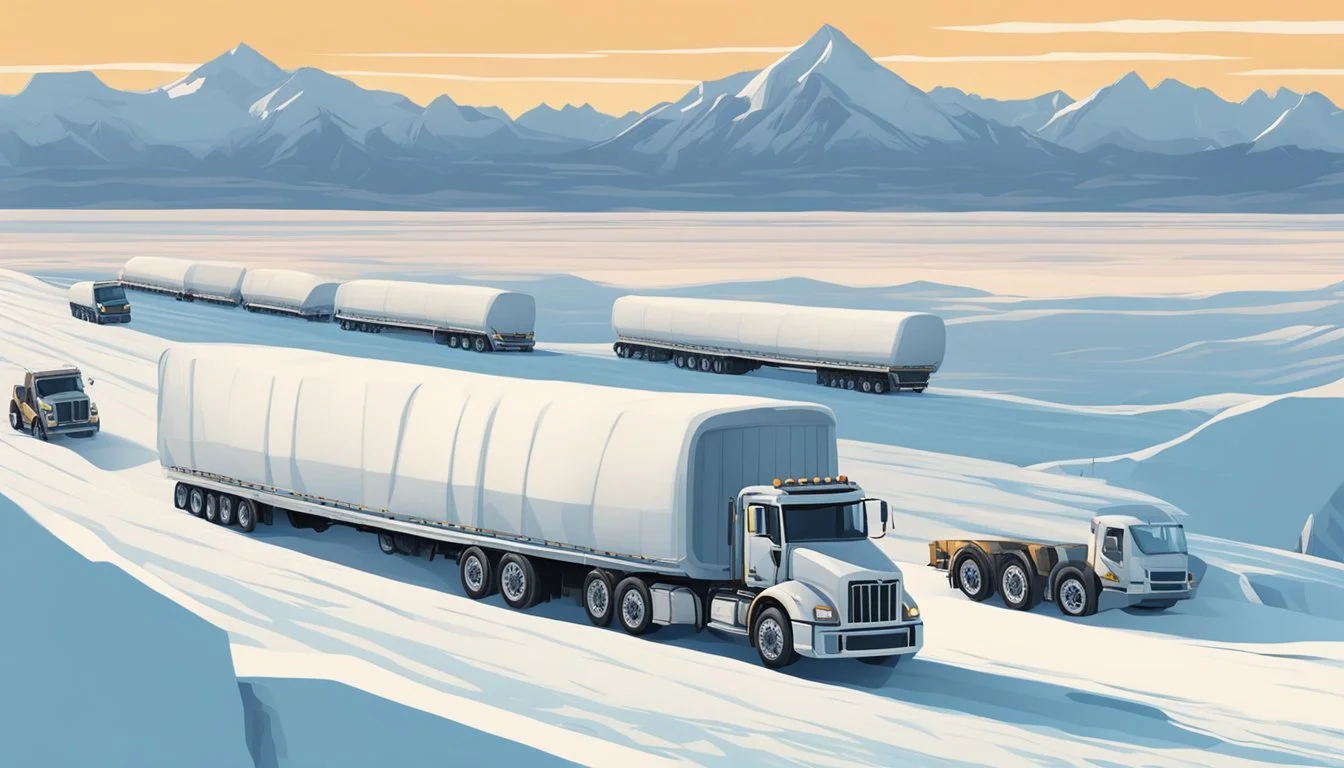
Ice Road Truckers showcases the spirit of adventure by following real truckers as they navigate some of the world’s most hazardous and unpredictable roads. This reality series captures the risks and resilience required to cross frozen lakes and icy highways in remote, challenging environments. Every journey brings new obstacles, from severe weather to rapidly changing ice conditions, which demand both skill and courage from the drivers.
The show doesn’t just highlight the technical challenges of ice road trucking; it also demonstrates the determination and camaraderie that define the trucking community. Viewers see firsthand how these truckers push their limits, adapt to sudden dangers, and rely on their experience to keep moving forward. Through its honest depiction of this demanding job, Ice Road Truckers brings the spirit of adventure to life, offering a window into a world where survival depends on grit and teamwork.
Overview of Ice Road Truckers
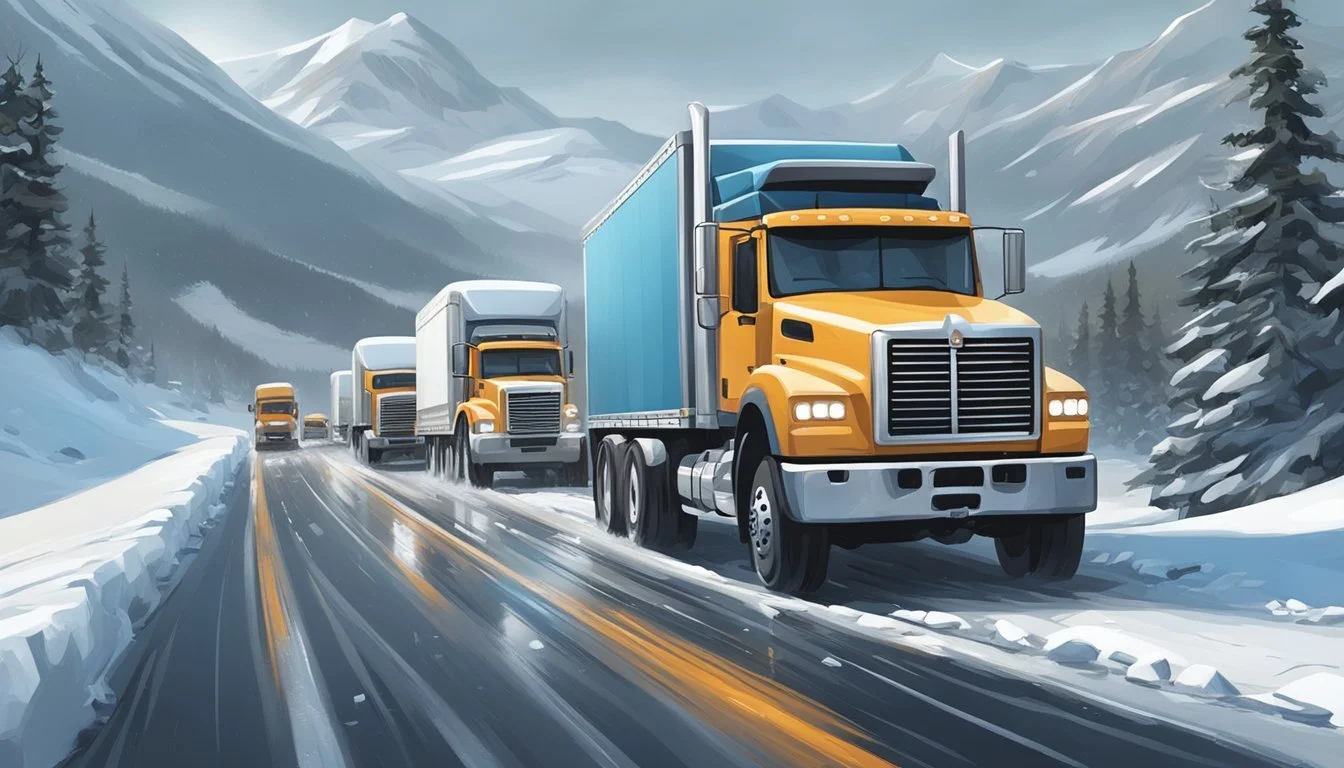
Ice Road Truckers is a reality series that explores the high-risk business of driving heavy trucks across frozen lakes and remote ice roads in the far north. The show focuses on the skills, personalities, and dangers that define this unique profession, providing viewers with real-world insights into ice road trucking.
Origins and Concept
Ice Road Truckers debuted with the goal of documenting the challenges faced by truck drivers who transport essential goods to isolated communities. The ice roads—temporary routes formed by freezing over lakes, rivers, and tundra—serve as the only link for supplies during the harsh winter months.
The idea behind the show was to highlight not only the treacherous conditions but also the resourcefulness required to navigate such routes safely. This includes attention to weight limits, weather patterns, and structural integrity of the ice itself. The show is grounded in actual industry practices, with drivers shown performing pre-trip inspections, managing shifting loads, and dealing with emergencies.
Its focus on real-life logistics and survival tactics sets it apart from other reality series. The concept proved immediately compelling, attracting fans who appreciated both the technical details and the personal stories of the drivers.
Broadcast History and Networks
Ice Road Truckers premiered on History in June 2007 and quickly became one of the network's highest-rated reality shows. Produced by Original Productions, the series ran for 11 seasons, with new episodes debuting each year until its finale in 2017.
For its fifth season, the show expanded coverage to include routes in both Canada and Alaska, broadening its scope and viewership. The program was later syndicated to other networks such as Lifetime, bringing it to new audiences outside its original History Channel platform.
The series' popularity led to international airings and adaptations. Its straightforward format and consistent focus on the job’s realities helped establish it as a staple of documentary-style television, attracting viewers interested in survival, mechanics, and adventure.
Cast and Notable Figures
The cast is made up of real truck drivers, each with their own reputation and area of expertise. Notable figures include Lisa Kelly, Hugh “The Polar Bear” Rowland, and Alex Debogorski, who became widely recognized for their skills and on-screen personalities.
Lisa Kelly, introduced in later seasons, gained attention as one of the few female drivers on the show, challenging stereotypes in the trucking industry. Hugh Rowland became known for his straight-talking attitude and extensive experience on the ice roads.
Throughout season 5 and the rest of the series, cast members often competed for contracts, navigated dangerous situations, and managed the mechanical challenges of their vehicles. Their stories are central to the show’s appeal, offering a mix of personal drama and professional skill, with new faces and veterans alike adding depth to the ongoing narrative.
Capturing the Spirit of Adventure
Ice Road Truckers brings viewers into a world where survival hinges on skill and courage. The show documents not just the challenges of the frozen highways but also the drive that keeps truckers persistent in the face of adversity.
Exhilaration of the Ice Roads
The ice roads serve as a backdrop for adventure, with every mile presenting risks and rewards. Truckers must navigate treacherous, shifting surfaces and thin ice while hauling massive loads, creating a constant sense of suspense.
The thrill comes from the unpredictable environment. Sudden snowstorms, whiteouts, and cracking ice keep even the most experienced drivers alert.
Unique to these routes is the sheer isolation. Drivers contend with long stretches of emptiness, which amplifies any small mistake. This setting pushes them to rely on their instincts and skills at every turn.
Showcasing Determination and Resilience
Each episode places a spotlight on the determination required in ice road trucking. The job demands long hours, intense focus, and the will to continue despite setbacks.
Delays caused by mechanical failures or brutal weather often test the commitment of every trucker. Stopping is rarely an option; freight supplies are critical for isolated communities.
Resilience is visible in their ability to recover from breakdowns and keep moving. The show often highlights scenes where quick thinking and resourcefulness are vital to overcoming obstacles.
Facing Extreme Conditions
The harsh climates in which ice road truckers operate are central to the show’s narrative. Temperatures frequently plunge below -40 degrees, creating conditions that push both trucks and drivers to their limits.
Common challenges include engine failures, frozen fuel lines, and rapidly changing weather. These obstacles demand constant vigilance and maintenance.
The environment itself becomes an adversary. Ice cracking under the weight of heavy rigs and blizzards blinding sightlines add danger to every journey.
This constant exposure to danger demonstrates the survival instincts and adaptation skills necessary for this profession.
Portrayal of the Human Spirit
Ice Road Truckers consistently reflects the enduring strength of the human spirit. The drivers’ perseverance in the face of difficulty showcases both individual grit and a sense of camaraderie.
Moments of teamwork stand out. Truckers often assist one another during breakdowns or emergencies, forming bonds that go beyond competition.
The show also highlights how personal motivations, such as providing for families or chasing personal achievement, drive their actions.
Each story underlines the mental and emotional resilience that is as critical as technical skill in surviving the ice roads.
Life on the Ice Roads
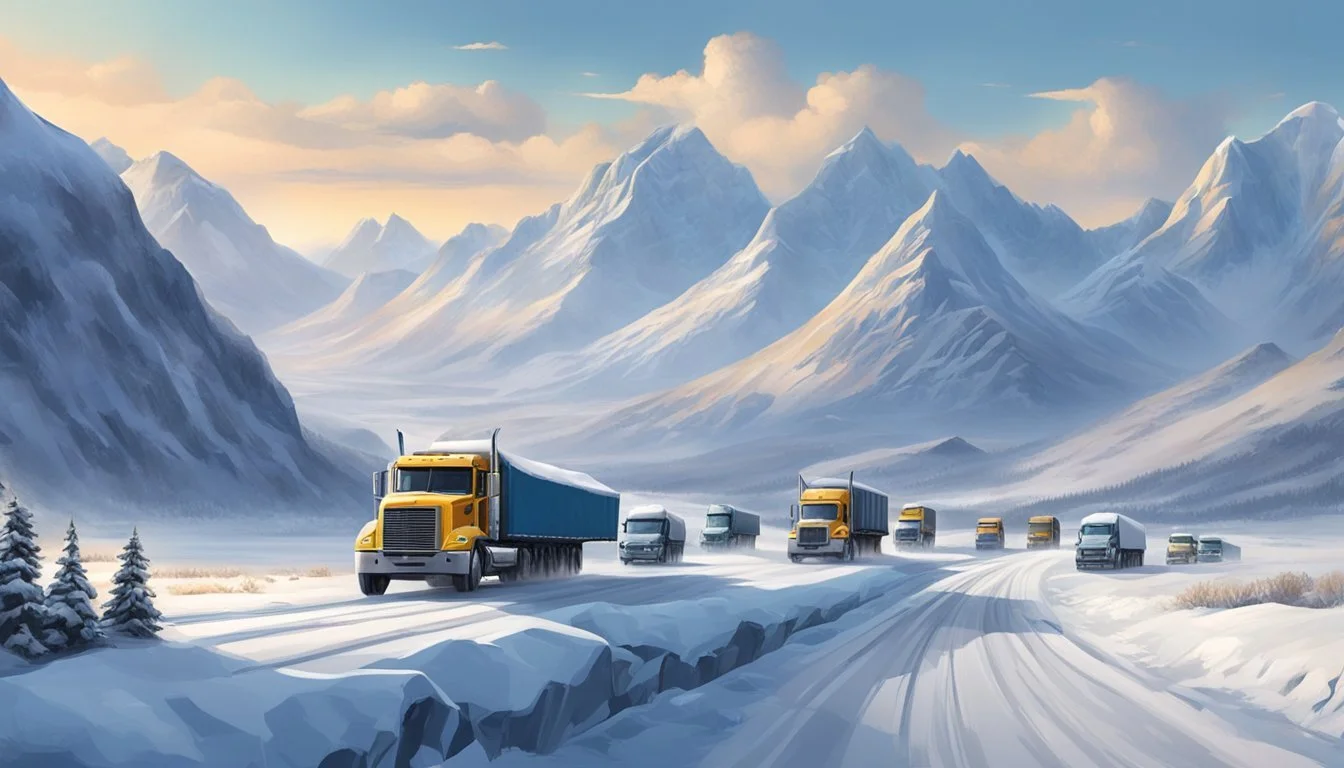
Every season, ice road truckers navigate hundreds of frozen miles, facing temperatures that can plunge well below -40°C. The work demands constant focus, adaption to rapid weather changes, and the ability to respond quickly to dangerous situations.
Challenging Terrain and Arctic Wilderness
Ice roads are built over frozen lakes, rivers, and tundra, creating temporary pathways through remote northern regions. Drivers must stay alert as the surface is often uneven, with cracks and pressure ridges posing serious risks to heavy vehicles.
Visibility is frequently limited. Blizzards and whiteouts can set in quickly, making it difficult to see the road and any obstacles ahead. Wildlife, such as moose or caribou, also cross these routes, creating sudden hazards.
Most routes run through isolated stretches of the arctic wilderness. Access to help is limited; communication is often via radio or satellite. The landscape is breathtaking but unforgiving, setting a demanding backdrop for every trip.
Daily Routines and Hazards
Each day for an ice road trucker starts early, often before sunrise, and includes equipment checks and route planning. Drivers need to monitor tire pressure, fluid levels, and the integrity of the truck’s frame, as extreme cold can cause metal to become brittle.
Common hazards include black ice, snow drifts, and thin patches where the ice may not support a fully loaded truck. Drivers communicate regularly to share updates on road conditions and potential dangers.
Hours are long, and fatigue is a constant risk. Truckers build routines around safety, such as scheduled stops and emergency drills. Meals and sleep are often grabbed wherever possible, usually in the cab of the truck.
Equipment Failure and Survival Tactics
Equipment failure on the ice can be life-threatening due to the harsh conditions and remoteness. Engines may refuse to start, brakes can freeze, and heaters sometimes fail, leaving the driver at risk of hypothermia or frostbite.
Truckers are trained to perform on-the-spot repairs. Many carry emergency kits with tools, spare parts, extra food, insulated clothing, and portable communication devices.
Key survival tactics include:
Keeping the engine running to maintain warmth
Using chains or sand for traction if stuck
Relying on satellite phones to call for assistance
Employing reflective markers if forced to leave the vehicle
Staying calm and prepared is essential, as the margin for error is extremely small when far from help in the arctic wilderness.
Truckers: Stories of Courage and Camaraderie
Ice Road Truckers highlights the real-life challenges and bonds formed on some of the world’s toughest routes. Drivers face extreme climates, mechanical failures, and the constant threat of danger, but they also share moments of mutual support and respect.
Profiles of Key Drivers
The series introduces viewers to a diverse group of drivers, each with unique backgrounds and motivations. Hugh Rowland ("The Polar Bear") is known for his risk-taking and competitive edge, often taking on some of the most dangerous hauls in harsh conditions.
Alex Debogorski, recognized for his wit and faith, is a veteran driver who provides mentorship to newcomers. His calm approach contrasts with the intensity of road challenges, while Darrell Ward brings experience in both business and technical driving.
These profiles illustrate how truckers are driven not only by the job but by a spirit of adventure and the drive to succeed where others might falter. Each driver contributes to a culture of inspiration in the ice road trucking community.
The Role of Lisa Kelly
Lisa Kelly stands out as one of the most prominent female ice road truckers. She is respected by peers for her resilience and technical skill, often handling routes that challenge even the most experienced drivers.
Facing skepticism as one of the few women in this male-dominated field, Kelly's persistence and success have made her a symbol of inspiration for aspiring truckers of all backgrounds. She emphasizes preparation, safety, and a willingness to learn, qualities that have helped her build a strong reputation.
Her story is especially significant as it demonstrates how determination and competence can overcome stereotypes. By breaking industry barriers, Lisa Kelly has left a lasting impact on the series and the real-world trucking profession.
Teamwork Amidst Isolation
Despite spending hours alone behind the wheel, ice road truckers frequently rely on each other for help. Dangerous situations—including mechanical breakdowns and sudden weather changes—require swift collaboration and trust.
Drivers communicate via radio to share warnings about road conditions or coordinate group hauls over fragile ice stretches. Mutual respect is essential, as a single mistake can put multiple lives at risk.
Camaraderie develops through shared hardship. Whether assisting with tire chains or rescuing a stranded colleague, these moments reinforce the value of teamwork and the strong bonds formed on the ice.
Inspiring Viewers Beyond the Screen
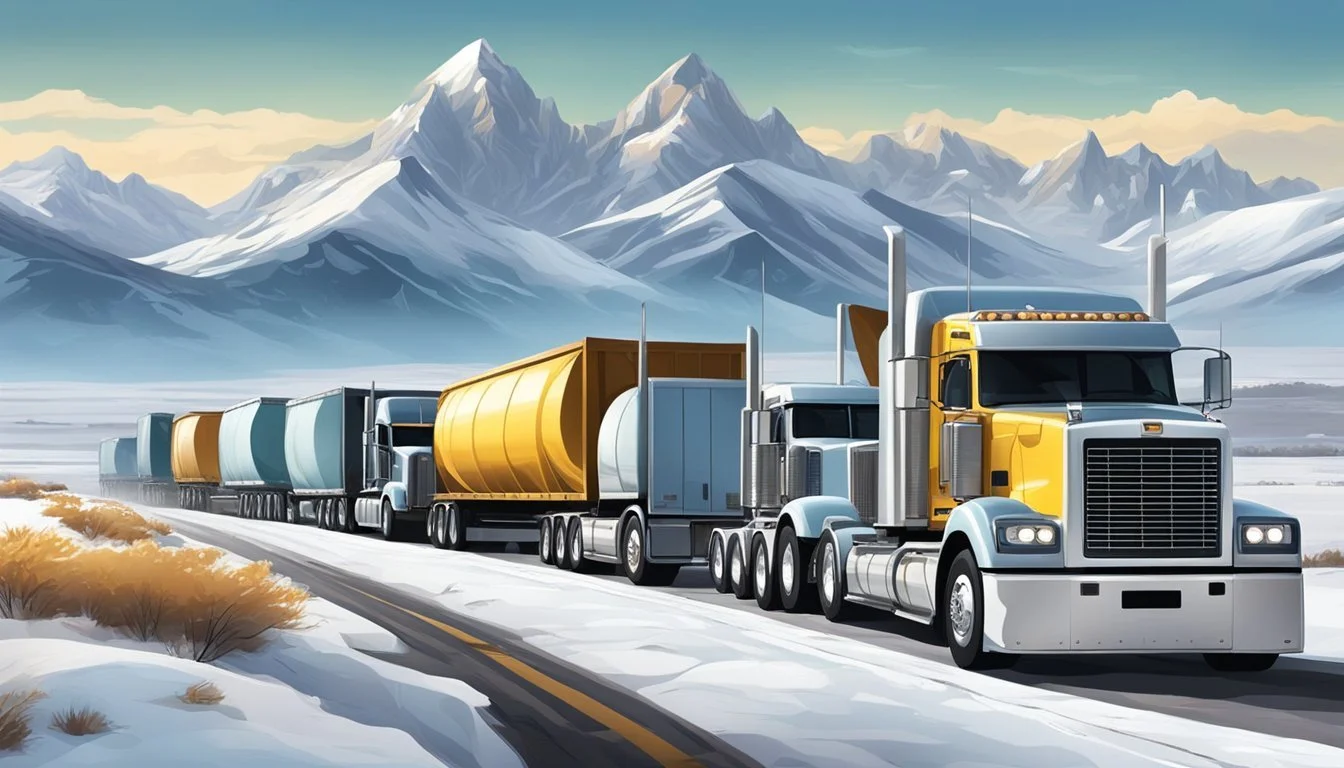
Ice Road Truckers often motivates viewers to embrace new challenges by highlighting the perseverance and fortitude required in high-risk situations. The program demonstrates real-world adventure and resilience, which has influenced many who watch the show.
Enduring Impact on Adventure Enthusiasts
Fans of Ice Road Truckers frequently cite the series as a source of inspiration when seeking thrilling activities or considering careers in extreme environments. The show introduces audiences to the stark beauty and hazards of ice roads in Alaska and Canada, consistently appealing to those fascinated by adventure and exploration.
The personal journeys of truckers such as Alex Debogorski and Lisa Kelly give viewers firsthand insight into life on treacherous roads. This authentic portrayal helps break stereotypes about truck driving and highlights the sense of accomplishment that comes from conquering fear and adversity.
List of key ways the show inspires:
Making dangerous routes accessible to the wider public through storytelling
Prompting viewers to explore similar adventure-based television or real-life experiences
Demonstrating the everyday heroism of ordinary individuals
Encouraging Resilience in Adverse Situations
Each season features numerous incidents where drivers must adapt to rapidly changing conditions. Equipment failures, sudden storms, and freezing temperatures illustrate how grit and adaptability are essential for survival in remote regions.
The truckers routinely display resourcefulness and self-reliance, whether they are repairing a broken axle in subzero weather or navigating over thin ice. Watching these moments can cultivate a mindset focused on perseverance and calm problem solving under pressure.
Many viewers report that the problem-solving skills and determination modelled on the show have helped them approach setbacks in their own lives with increased confidence and resolve. The emphasis on teamwork and mutual support among drivers also reinforces the importance of community when facing hardship.
Cultural and Educational Relevance
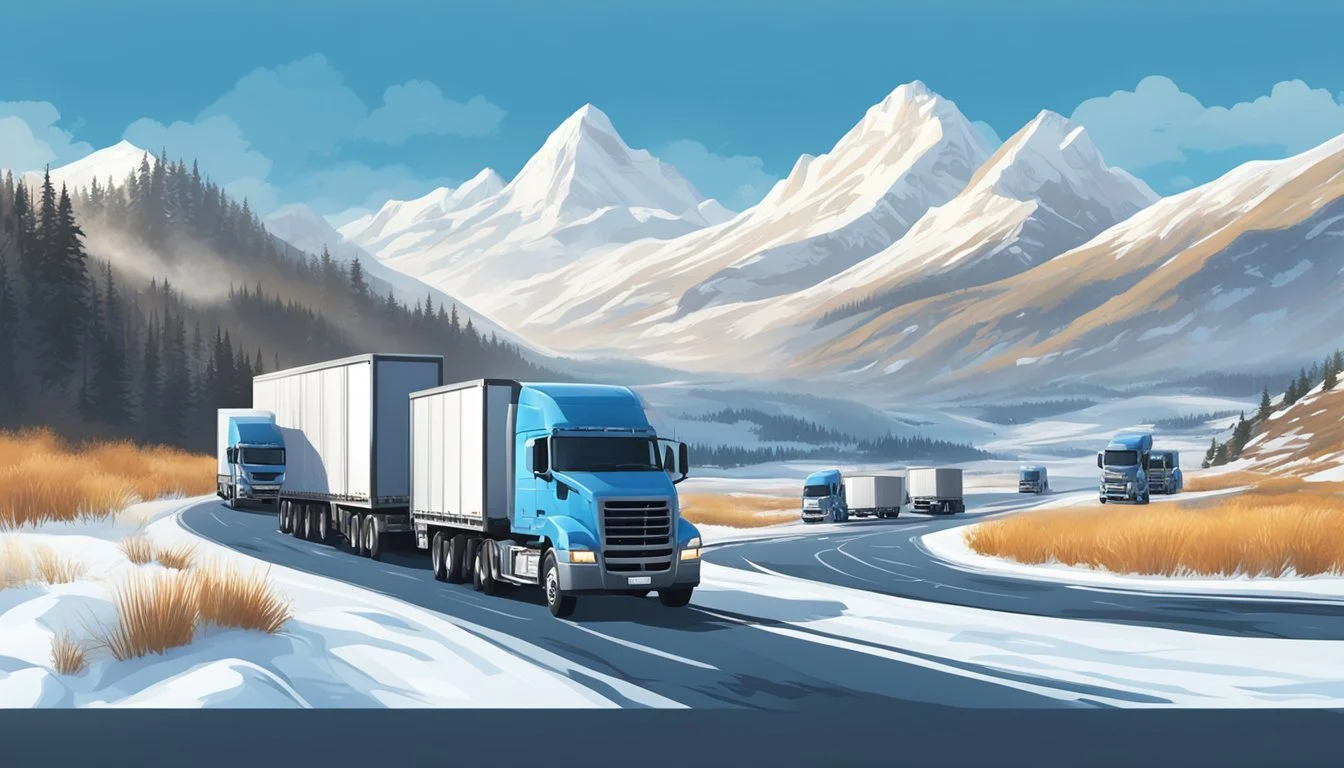
Ice Road Truckers is more than just entertainment. Its unique perspective provides insight into both adventurous professions and how rugged work shapes regional identities and education.
Academic Perspectives on Ice Road Truckers
Universities often reference Ice Road Truckers in discussions on risk management, logistics, and Arctic cultures. The show’s real-world examples highlight topics like safe transport of goods over hazardous terrain, emergency planning, and the human factors involved in logistics.
Professors in fields such as geography and business use its scenarios to illustrate key curriculum points. For instance, case studies of decision-making in extreme environments help students grasp the complexities beyond textbook theory.
Because the show depicts true working conditions, it also encourages debates on occupational safety and mental resilience. This academic value keeps Ice Road Truckers relevant in classroom discussions about high-risk professions.
Connection to University of North Alabama
The University of North Alabama has referenced Ice Road Truckers in classes that teach logistics, supply chain management, and occupational safety. Faculty have pointed to the show’s high-stakes operations as examples of adaptive thinking in unpredictable settings.
Guest speakers with backgrounds in transportation or cold-weather operations have visited the university, sometimes citing Ice Road Truckers to connect lessons with real industry experiences. This approach makes concepts more accessible for students and helps bridge the gap between theoretical knowledge and applied practice.
Assignments sometimes encourage students to analyze episodes critically, focusing on teamwork, leadership, and ethical challenges. This approach supports the school’s focus on preparing graduates for careers in dynamic industries.
Influence in Florence and Beyond
In Florence, Alabama, Ice Road Truckers has sparked interest among residents in unfamiliar career paths, especially fields that combine adventure and specialized skills. Community groups and local media have used scenes from the series to prompt discussions on perseverance and adaptability.
Public libraries in Florence have highlighted documentaries about Arctic and sub-Arctic livelihoods, often mentioning Ice Road Truckers. These events aim to inspire curiosity about different environments and the people who work there.
The show’s influence extends past Florence, shaping perceptions of harsh-weather jobs in other communities as well. Its realistic portrayal invites audiences nationwide to consider the human stories behind essential supply chains.
Legacy and Continued Fascination
The appeal of Ice Road Truckers lies in its unique approach to reality television, featuring real challenges faced by drivers on treacherous frozen roads. Its enduring popularity is attributed to memorable seasons and consistent viewer interest.
Season 5 Highlights
Season 5 stands out for introducing new faces and rivalries, especially with the arrival of drivers like Darrell Ward and Dave Redmon. Their interactions with established drivers such as Lisa Kelly and Alex Debogorski brought fresh dynamics to the show.
Key routes like the Dalton Highway remained central, but the increased competition led to higher personal stakes among cast members. Notable moments included near-fatal breakdowns, fierce blizzards, and scenes showcasing teamwork under pressure.
This season also depicted the evolving relationship between rival companies, such as Polar Industries and Ice Road Truckers' legacy partner, Carlile Transportation. The drivers' daily routines highlighted not only the technical skills required, but also the mental resilience demanded by the environment.
Longevity of the Reality Series
Ice Road Truckers ran for eleven seasons, premiering in 2007 and ending in 2017. This longevity underscores its sustained viewer engagement and the fascination with dangerous jobs set in extreme places.
A consistent audience was maintained due to a mix of authentic workplace drama, high-stakes logistics, and personal stories of the drivers. Extreme weather conditions and the threat of equipment failure kept the stakes high throughout the series.
The show remains a reference point for reality series that focus on real-life, high-risk professions. Its legacy has influenced other production companies to explore similar topics, further cementing its impact in the reality TV genre.
