
Ice Road Truckers: Inside the High-Risk Arctic Trucking and Reality TV Drama
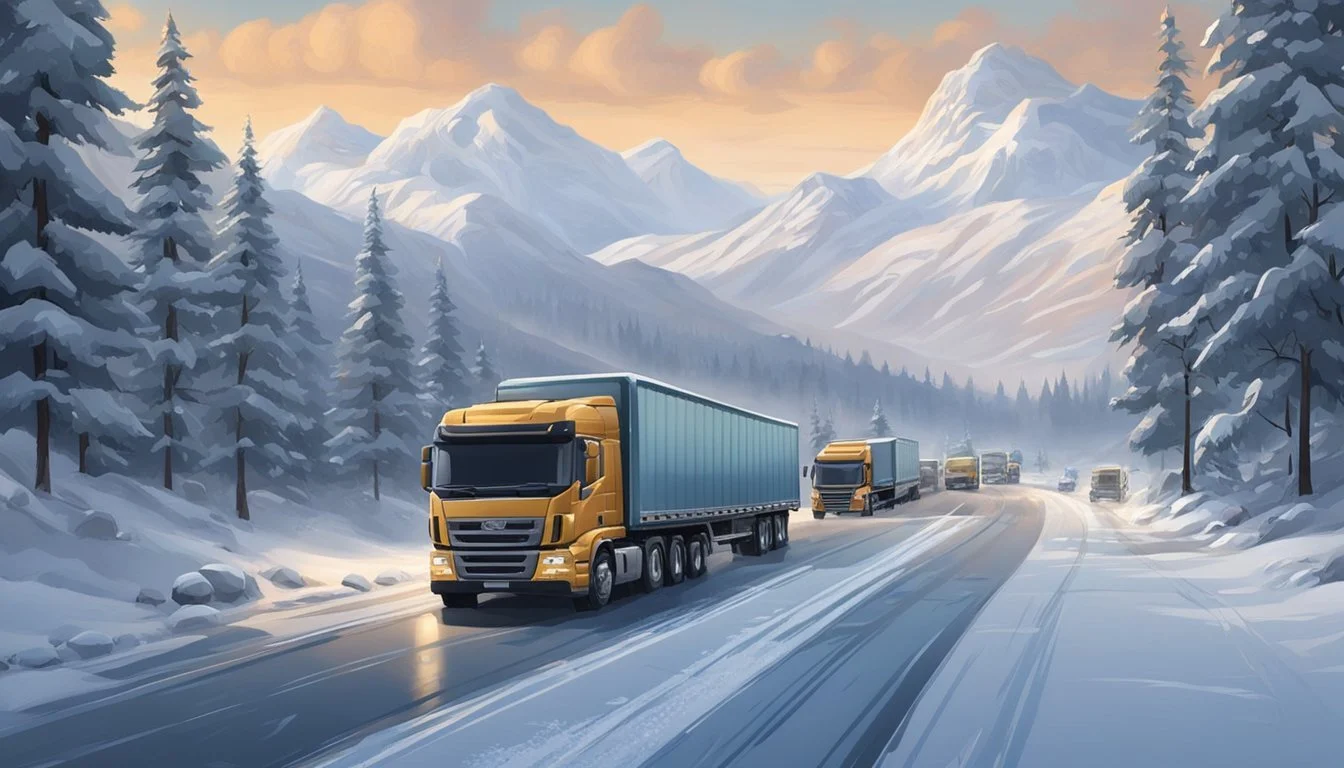
Ice Road Truckers brought viewers into the world of drivers who face harsh weather, dangerous roads, and a race against time far above the Arctic Circle. The show blends real high-risk trucking challenges with elements of reality TV production, offering glimpses of both genuine danger and behind-the-scenes staging.
While many of the intense situations are grounded in actual risks faced by ice road drivers, aspects of the series were planned for dramatic effect, following typical reality TV practices. This balance of authenticity and structured storytelling gives fans insight into what it takes to survive the ice roads, while also making for compelling television.
Those interested in what happens off-camera and how the show navigated the line between reality and entertainment will find the behind-the-scenes details both surprising and informative.
The Concept of Ice Road Truckers
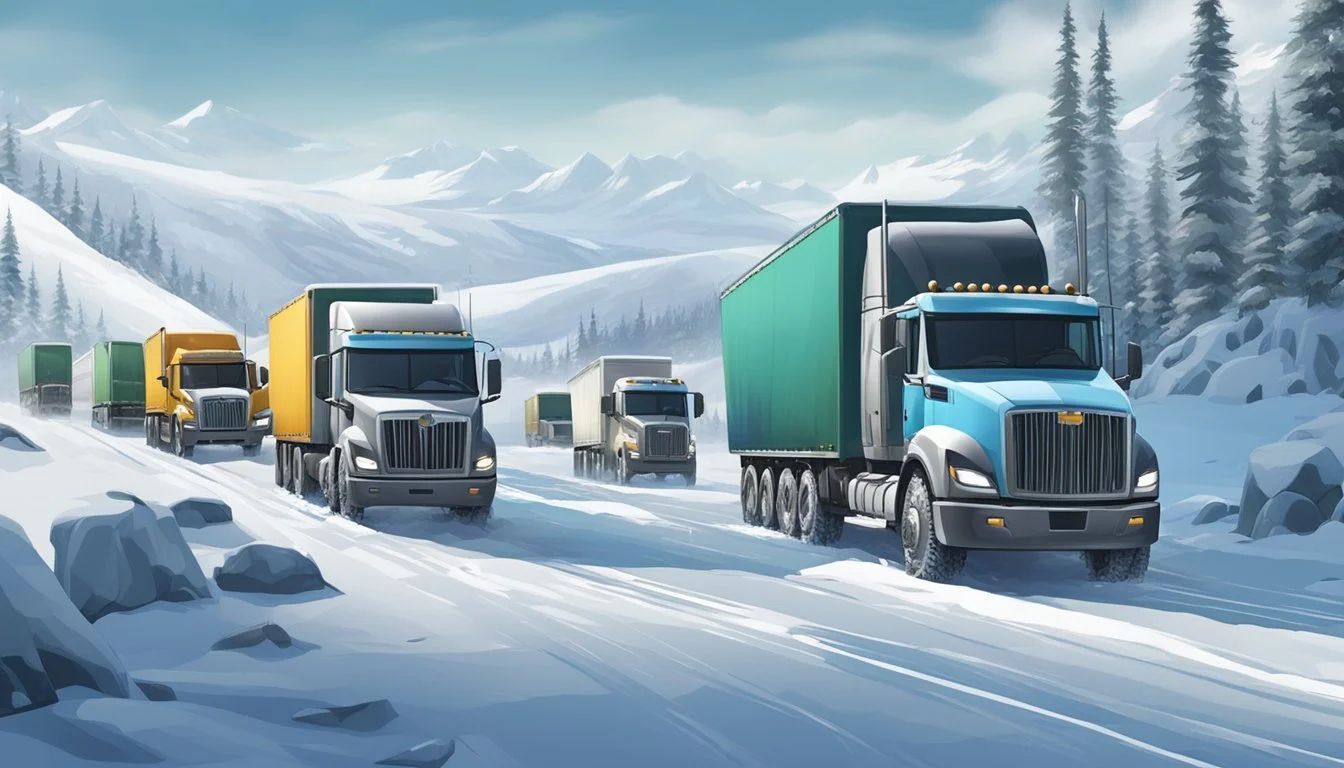
Ice Road Truckers is a reality television series that showcases the dangerous work of truck drivers navigating frozen roads in extreme northern environments. The show’s presentation, structure, and setting distinguish it from other reality TV, providing a unique look at both the profession and the risks involved.
Origin and Inspiration
The concept for Ice Road Truckers emerged from the real-life need to transport goods across remote regions of Alaska and northern Canada during harsh winter months. These areas become accessible only through temporary ice roads that form across frozen rivers and lakes.
Producers saw the potential in documenting this line of work due to the extreme conditions and real danger faced by drivers. The History Channel wanted to highlight the physical and mental endurance required for these jobs, which are essential for supplying isolated communities.
The first season, debuting in 2007, was inspired by both historical freight routes and the modern logistics challenges faced by trucking companies. Authenticity was prioritized to show the actual complexities of building, maintaining, and driving on seasonal ice roads.
Key Differences From Other Reality Shows
Unlike many reality programs that focus on interpersonal drama or competitions, Ice Road Truckers centers on occupational peril and technical skill. The show avoids manufacturing conflict and instead relies on the genuine hazards of ice road driving to drive tension.
A distinctive feature is its focus on job function rather than personal relationships; episodes often highlight truck maintenance, route planning, and handling mechanical breakdowns in subzero temperatures. The series also presents a documentary-style narration rather than competitive elements or staged events.
Through detailed coverage of deliveries and logistical challenges, Ice Road Truckers offers insight into a rarely seen industry. This commitment to realism sets it apart from more sensational or heavily scripted reality shows commonly found on television.
Depiction of Alaska’s Treacherous Terrain
Ice Road Truckers emphasizes the harshness of Alaska’s landscape, especially the vulnerability of ice roads to shifting temperatures and heavy vehicle loads. Viewers see trucks navigating over frozen rivers and vast snowy expanses, where weather conditions can change rapidly.
The series uses frequent visuals, maps, and on-screen temperature readings to illustrate the unpredictable dangers faced by the drivers. Unstable ice, whiteouts, and isolation are regularly shown as hazards, emphasizing the importance of constant vigilance and preparation.
Filming in these locations required coordination with local authorities and extensive safety measures. By focusing on Alaska’s unique geography and climate, the show conveys the daily realities that separate ice road trucking from most other forms of commercial transportation.
Production and Filming Challenges
Ice Road Truckers required unique production solutions to capture the hazards and logistics of trucking in remote, frozen regions. Each aspect of filming demanded strict safety measures as crews worked alongside truckers on unstable ice roads, near 1,000-foot cliffs, and in subzero conditions.
Extreme Weather and Frozen Conditions
The cast and crew were routinely exposed to temperatures dropping to -40°F, which posed immediate risks such as frostbite and equipment failures. Cameras and other electronic gear had to be specially modified to function in extremely cold environments.
Ice thickness, often less than ideal, added urgency to every scene. Production teams used portable shelters and heating systems to protect workers during extended shoots. Unpredictable snowstorms and whiteout conditions frequently interrupted filming schedules and forced last-minute route changes.
Maintaining clear visibility for both truckers and videographers was critical. The team relied on constant weather updates and communication with local support teams to ensure safety. Sophisticated tracking and weather equipment helped anticipate rapid shifts in frozen terrain.
Filming on Dangerous Roads
Filming took place on active ice roads—with sections spanning lakes, rivers, and areas perched above 1,000-foot cliffs. The production team mounted cameras inside and outside heavy trucks, placing both operators and equipment close to hazardous drop-offs.
The constant movement of trucks over narrow, unstable routes required mobile filming setups. Remotely operated cameras and drones were often employed to capture difficult shots without endangering crew members. Equipment breakdowns due to vibration and cold were a common challenge.
Close coordination with drivers was necessary. Detailed pre-filming briefings ensured that camera angles would not distract or endanger the truckers while crossing fragile ice or skirting dangerous roads.
Safety Protocols and Support Systems
Strict safety protocols governed every stage of shooting. Crew members completed specialized training in ice road survival and emergency response, preparing them for possible incidents on the ice or near cliffs.
Support systems included chase vehicles equipped with rescue gear, satellite communication devices, and mobile warming shelters. The production maintained direct contact with emergency responders in the region.
Filming was frequently paused to conduct ice thickness measurements or verify the stability of the roads. Safety spotters monitored both the ice and surrounding terrain for cracks or weak spots, ensuring rapid evacuation if conditions turned critical.
Cast and Crew: Faces Behind the Show
Ice Road Truckers combined the real experiences of veteran ice road drivers with the dedicated efforts of a hardworking behind-the-scenes crew. Every season showcased the unique backgrounds, skills, and personalities that made the show compelling and authentic.
Profiles of Key Drivers
The cast featured truckers from varied walks of life, each with a reputation for surviving the region’s toughest journeys. Notable names include Hugh Rowland, known for his bold approach, and Lisa Kelly, recognized as one of the few female drivers taking on the dangerous routes.
Darrell Ward stood out for his calm under pressure and longtime experience in hauling loads across frozen lakes. Dave Redmon and Art Burke added their own regional know-how, bringing different perspectives on truck maintenance, route planning, and teamwork.
While Alex Debogorski often grabbed attention, other drivers such as “Abus” and “Cookie” contributed expertise to the group. Their routes spanned Alaska’s Dalton Highway, Canada’s ice roads, and northern logging trails; each adapting to truck breakdowns, unexpected storms, and time-sensitive deliveries.
The cast’s diversity highlighted how ice road trucking demands not just skill, but flexibility, endurance, and camaraderie under pressure.
Role of Alex Debogorski
Alex Debogorski emerged as the show’s most prominent and enduring driver. With decades of experience, Alex became the unofficial face of Ice Road Truckers. His sense of humor, strong work ethic, and candid commentary resonated with viewers.
He often drove older-model trucks, relying on intuition and hands-on know-how rather than modern tech. Alex faced mechanical issues and harsh weather with practical solutions, often helping less experienced drivers troubleshoot problems or overcome dangerous patches.
Known for his distinctive look—a bushy beard, deep voice, and large frame—Alex’s backstory as a father of eleven and longtime Yellowknife resident shaped his on-screen persona. Fans appreciated his unfiltered approach and commitment to safety, qualities that made him a role model for aspiring drivers.
Memorable Crew Members
Despite the focus on drivers, the success of Ice Road Truckers depended heavily on the crew behind the camera. Field producers, camera operators, and safety advisors played key roles in capturing the high stakes on film.
A typical crew included several camera operators who braved the same extreme cold, slippery ice, and risk of breakdown as the drivers. These professionals mounted cameras in truck cabs, filmed on treacherous ice, and coordinated shots at loading docks.
Safety personnel, often unseen, were critical. They monitored ice conditions and the physical health of both drivers and crew. Without their diligence, documenting such dangerous work would not have been possible.
The combined efforts of both cast and crew ensured that each trip down the ice was recorded accurately, bringing viewers close to the reality of remote northern trucking.
Life on the Ice Roads
Truckers on the ice roads rely on skill, adaptability, and mental toughness to safely deliver their loads. To complete each journey, they battle harsh natural elements, use practical ingenuity, and spend long hours coping with isolation.
Daily Routines and Ingenuity
A typical day for an ice road trucker starts before dawn with thorough vehicle checks. They inspect everything from tire chains to air brakes due to the extreme cold’s effect on mechanical parts. Safety gear, such as cold-weather clothing and emergency supplies, is packed every trip.
Truckers must adapt their driving to shifting ice conditions and weight restrictions. If a problem arises—like a frozen brake or cracked windshield—the driver often repairs it on the spot. Creative fixes and practical know-how are necessary because help can be hours away.
Breaks are rare. Most rely on hot drinks and simple meals eaten quickly in the cab. Every detail, from route choice to radio communication, can be the difference between a smooth trip and a serious issue.
Essential Equipment:
Item Purpose Tire Chains Traction on slick ice Emergency Rations Survival if stranded Extra Fuel Prevents freezing Satellite Phone Remote communication
Facing the Forces of Nature
Ice road truckers face subzero temperatures, blizzards, and “whiteouts” that erase road markings. The ice itself may be thin or form dangerous cracks—drivers listen for subtle sounds signaling ice shifting beneath them. A wrong move on weak ice can have severe consequences.
Visibility regularly drops to only a few meters, so slow speeds, headlights, and constant attention to weather reports are critical. Blown snow and gale-force winds make even simple maneuvers risky.
Short winter daylight means many hours are spent driving in darkness. When ice creaks or snowdrifts pile up, drivers must quickly decide whether to wait or push through. Natural hazards often dictate the pace and safety of each leg.
Coping With Isolation and Patience
Miles of empty white landscape mean solitude for hours or even days. Communication is limited, especially on the most remote stretches, increasing feelings of isolation. Human contact comes from short radio chats with other drivers or at the occasional truck stop.
Patience is crucial as progress is often slow. Delays from dangerous ice or mechanical breakdowns are part of the job. Drivers learn to keep calm and manage stress, sometimes waiting hours in the cab for safe conditions to return.
Mental endurance matters as much as physical skill. Truckers develop routines and mental strategies to avoid fatigue and maintain focus over long, monotonous hauls. Many say that a steady mindset is what keeps them going until the next safe stop.
Equipment, Trucks, and Technology
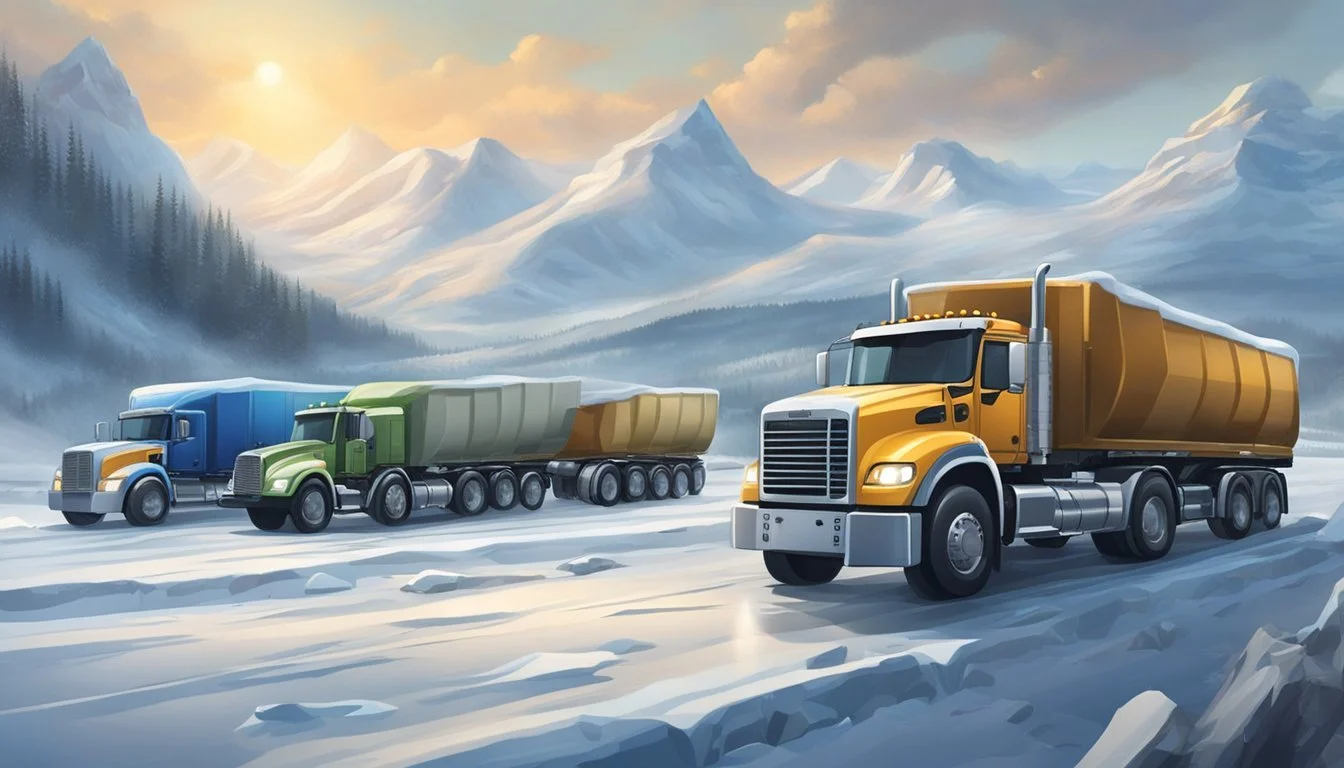
The trucks featured on Ice Road Truckers are heavily modified to survive in freezing temperatures and endure treacherous terrain. The drivers rely on specific equipment and technical support to stay operational in environments where failure can quickly become dangerous.
Specialized Vehicles
The backbone of the series is the fleet of semi-trucks engineered for the North American ice roads. These vehicles often include brands like Kenworth, Peterbilt, and Volvo. Trucks are selected for their power, durability, and ability to haul loads up to 100,000 pounds across unstable, icy surfaces.
Key modifications include:
Double-walled insulated cabs for protection against the cold
Oversized fuel tanks to reduce refueling stops
High-traction tires or chained tires for grip on slick surfaces
Custom cold weather engine oil and lubricants
Drivers sometimes equip their trucks with reinforced bumpers and heated mirrors. Each vehicle is also stocked with emergency gear, such as portable heaters and first aid kits, in case of breakdowns in remote areas.
Maintaining Operation in Frozen Climates
Supporting a truck’s operation in subzero climates requires constant attention and preparation. Crews use engine block heaters and battery warmers overnight to prevent freezing. Engines may be left idling for hours to keep fluids circulating and parts warm.
Routine maintenance includes frequent checks:
Monitoring coolant and antifreeze levels
Inspecting air lines for moisture that could freeze and block brakes
Checking tire pressure, as air contracts in the extreme cold
Technical support teams are always on standby during trips to assist with breakdowns or frozen parts. The support network often coordinates by radio, offering real-time assistance to keep trucks moving and drivers safe on isolated routes.
Crossovers and Connections With Other Shows
While Ice Road Truckers stands apart for its focus on arctic trucking, it shares themes and connections with several other reality series. These links highlight the popularity and evolution of high-risk reality television across different settings and formats.
Comparing Ice Road Truckers and Deadliest Catch
Both Ice Road Truckers and Deadliest Catch air on the History Channel and Discovery Channel, respectively, focusing on dangerous jobs in harsh environments. Their crews operate in remote, unforgiving locations: icy northern roads for truckers, and the Bering Sea for crab fishermen.
Each show emphasizes teamwork, equipment failures, and the unpredictability of nature. The dangers—thin ice or violent waves—shape the drama and the stakes for both truckers and fishermen.
Viewer comparisons often highlight the occupational hazards faced in both series, even though one revolves around fishing and the other on-road transport. Despite the different vehicles and landscapes, the structure of risk and reward remains strikingly similar.
Links to Deadliest Roads and Alone
Ice Road Truckers inspired various spin-offs, most notably IRT: Deadliest Roads. In this series, familiar drivers take on some of the world’s most perilous roads in India, Bolivia, and Peru. This crossover brought a new layer of cultural challenge and exposure to unique dangers beyond North America.
Connections to Alone are less direct but present. Unlike Ice Road Truckers' team-based missions, Alone focuses on solitary survival. However, the harsh conditions and need for practical survival skills show a shared DNA of pushing human endurance against nature.
Overlap in production values and audience demographics has also helped all three shows establish loyal followings who appreciate extremes of environment and self-reliance.
Influence on Other Documentaries
Ice Road Truckers helped set a template for reality documentaries centered on high-risk jobs. Its popularity encouraged producers to spotlight careers filled with danger and unpredictability, not just on roads but in fisheries, logging, and mining.
Many newer series adopted the show's techniques, such as using in-cab cameras, real-time weather updates, and interviews with the cast. These storytelling elements enhanced suspense and gave viewers a more immersive experience.
The success of Ice Road Truckers demonstrated a clear demand for programs that portray hazardous work realistically. This influence is visible in later shows like Deadliest Catch, Dangerous Grounds, and Ax Men, which echo its methods and intense focus on survival.
Broadcast, Streaming, and Global Reach
Ice Road Truckers has maintained strong visibility through a mix of traditional TV broadcast and digital streaming platforms. Its appeal has also extended to viewers outside of North America, bringing the world of frozen-road trucking to a global audience.
History Channel’s Influence
Ice Road Truckers premiered on the History Channel in June 2007 and became one of its signature reality series. The show’s high production values and gripping subject matter contributed to its strong ratings during its early years.
The History Channel's marketing and scheduling strategies played a major role in building the show’s brand. By featuring the series in primetime and running regular marathons, the network brought wider attention to the challenges faced by drivers on dangerous northern roads.
Throughout its run, the consistent presence on History allowed the series to build a dedicated viewer base across the United States and Canada. The network’s investment in behind-the-scenes content and cast interviews reinforced its reputation as a prominent reality program.
Availability on Netflix, Hulu, and Yahoo
Ice Road Truckers has been available on several popular streaming platforms, though availability can vary by region and over time.
At different points, full seasons have appeared on Netflix in certain countries, introducing the show to new audiences beyond cable subscribers. Hulu has also offered some episodes or seasons, though access has not always been consistent or comprehensive.
Yahoo provided online streaming of a selection of episodes, catering to users seeking digital alternatives. Availability may change as licensing agreements are updated, so viewers often need to check the most current offerings on each service.
The table below summarizes historical and regional access:
Platform Availability Notes Netflix Select regions/seasons Varies, not always complete Hulu Limited episodes/seasons U.S. only, changes over time Yahoo Partial episodes Typically short-term
International Reception
The international response to Ice Road Truckers has been positive, drawing interest from audiences across Europe, Australia, and Asia.
Broadcasters in the United Kingdom, such as Channel 5, have aired multiple seasons. The series has also appeared on Australia’s 7mate and similar networks in other countries, often with local marketing to emphasize the harsh, real-world conditions faced by the drivers.
Subtitled and dubbed versions have made the content accessible to non-English-speaking audiences. The universal appeal of high-risk jobs, along with the dramatic settings of ice and snow, have helped the show attract a diverse viewer base worldwide.
