
How Ice Road Truckers Filming Overcomes Extreme Weather Challenges in Remote Frozen Landscapes
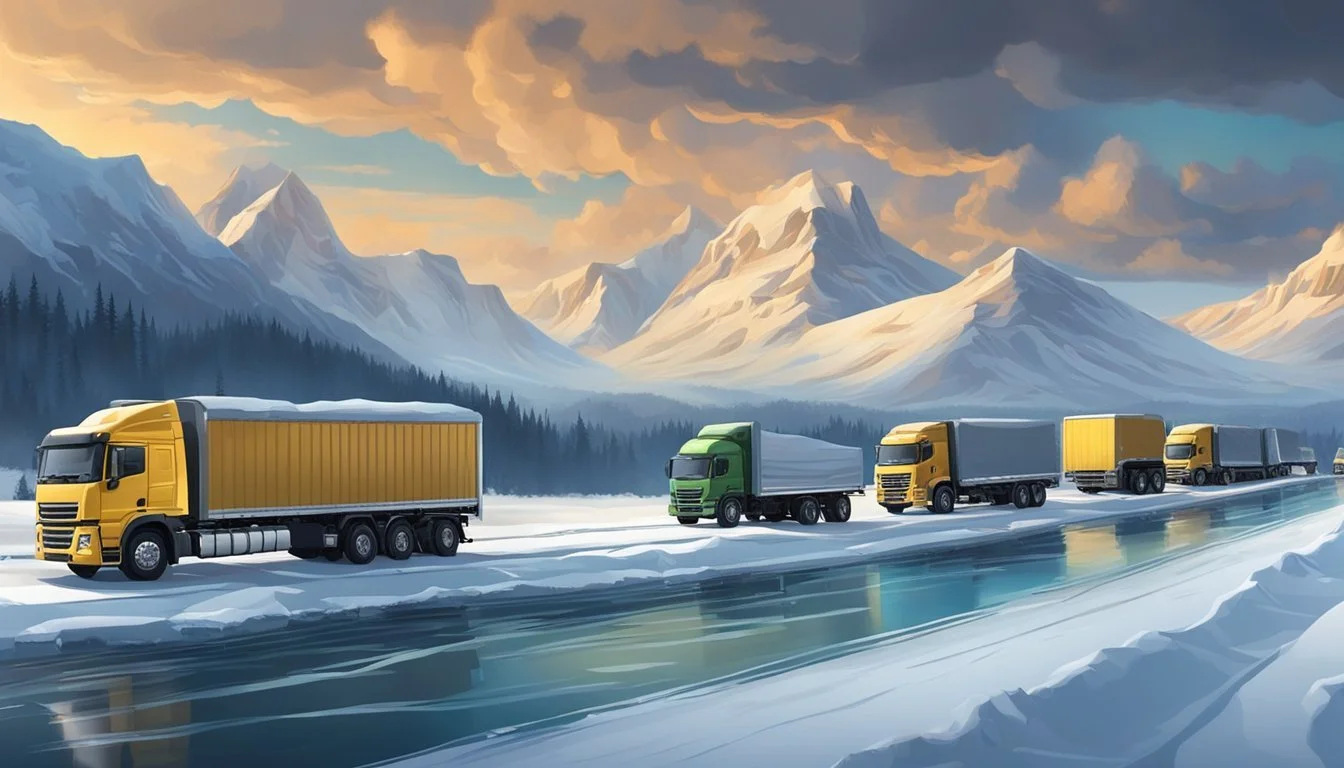
Filming Ice Road Truckers requires a precise logistical effort to capture the daily challenges faced by truck drivers in extreme environments. The purpose of the show is to document the reality of ice road trucking, showcasing both the dangers and the skill involved as drivers traverse frozen roads in remote regions. Camera crews must contend with freezing temperatures, unpredictable weather, and limited daylight, all while keeping equipment functioning and safe.
The production team coordinates closely with drivers and support staff to follow the action in real time without interfering with operations. Every shot depends on careful planning, from equipping vehicles for subzero conditions to ensuring reliable communication in isolated locations. These behind-the-scenes logistics reveal just how demanding and complex it is to bring the life of ice road truckers to television audiences.
Overview of Ice Road Truckers Filming Locations
Ice Road Truckers was filmed across remote areas known for their demanding terrain and subarctic environments. Locations are selected with a focus on logistical feasibility, actual ice road accessibility, and the presence of critical supply routes serving isolated facilities.
Geographical Settings
Most filming took place in northern regions of Canada and Alaska. The Canadian Northwest Territories, particularly near Yellowknife, served as a key hub due to its proximity to major ice roads.
Other important sites included the Dalton Highway in Alaska, spanning from Fairbanks to the North Slope oil fields. These routes traverse vast rural areas and cross frozen lakes, rivers, and tundra, connecting industrial facilities such as diamond mines and oil extraction sites.
Logistics teams scouted locations for accessibility by large trucks and television production equipment. The selected environments were chosen for their authenticity in representing the full scale of operational ice roads.
Seasonal Timing and Extreme Conditions
Filming schedules revolved around the brief window when ice roads are operational, typically late winter through early spring. These periods coincide with consistently low ambient air temperatures, often reaching -40°C or below, ensuring ice thickness required for heavy vehicle passage.
Production crews worked in extreme conditions that demanded specialized clothing, heated shelters, and emergency protocols. Ice conditions changed rapidly based on weather, requiring real-time monitoring of actual emissions from truck engines and generators to avoid additional environmental hazards.
Equipment functionality was critical; cameras, sound gear, and support vehicles had to withstand the cold and limited daylight hours. Delays or unexpected weather shifts posed significant logistical challenges for capturing all scheduled footage.
Definitions and General Provisions
For clarity, facilities refer to the industrial sites (e.g., diamond mines, oil refineries) serviced by the supply trucks featured on the show. Ice roads are defined as temporary routes built over frozen bodies of water or permafrost, open only during specific cold months.
General provisions for filming required compliance with local regulations on land use, emissions, and safety. Applicability of these rules extended to both transport operations and the television crew’s footprint in rural areas.
Production agreements detailed access rights, environmental protections, and relationships with local authorities. Each location adhered to protocols for minimizing disruption and ensuring safe working conditions in hazardous settings.
Logistical Challenges in Harsh Environments
Filming on ice roads involves unique mobility and transportation limitations, as well as evolving weather threats that must be managed in real time. Strict protocols help mitigate safety and environmental risks for crews and equipment.
Transportation and Mobility Constraints
Crews must transport heavy camera equipment, lighting, and control devices across remote ice roads where traditional public transport is unavailable. Specialized trucks, frequently fitted with chains for added traction, are used to navigate icy terrain safely.
Ice-road truckers play a critical role, not only hauling production gear but also serving as guides through hazardous routes. Delays often stem from weather-induced road closures or weakened ice—a particular problem for vehicles carrying incinerators or generators.
Maintaining mobility on these roads requires constant monitoring of road conditions. Open burning is prohibited in many regions, so equipment used for warmth or power is carefully chosen to limit particulate matter emissions and comply with regulations.
Weather Risks and Adaptation Strategies
Rapidly shifting weather, including blizzards and subzero temperatures, presents constant threats to both cast and crew. Filming must often pause for whiteout conditions or unsafe visibility, which can persist for hours or days.
Crews adapt by using high-quality thermal gear and portable shelters, and by establishing heated zones inside their vehicles and support trucks. Sensitive electronics are double-cased and insulated to protect against frost and moisture.
Safety protocols require that all team members be equipped with communication devices and emergency supplies at all times. Control devices for remote cameras allow some shots to be captured without exposing personnel to the harshest conditions, reducing risk on dangerous ice stretches.
Filming Operations and Equipment
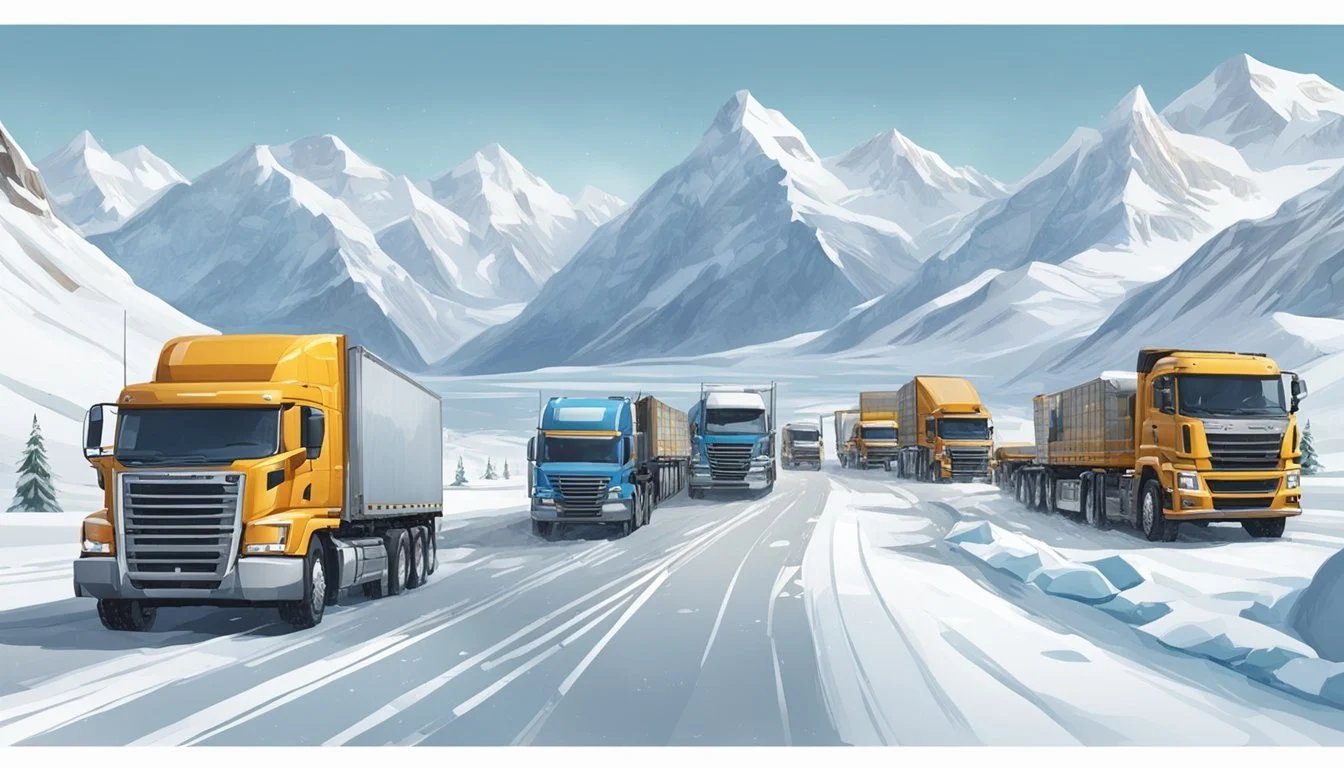
Capturing Ice Road Truckers in remote, hazardous conditions demands careful planning and specialized resources. Production teams must balance technical filming goals with the need for dependable safety protocols and crew coordination.
Technical Requirements for Filming
Filming in subzero temperatures and harsh winds challenges both equipment and crew. Cameras are selected for their resistance to extreme cold, often featuring insulation or external power sources to prevent battery drain. Lens heaters and anti-fog devices are essential to maintain clear footage during blizzards or sudden cold snaps.
Audio recorders and wireless microphones are shielded from wind and ice by foam covers and weatherproof enclosures. Drones add value by capturing wide landscape shots, but they must comply with airspace regulations and face operational limits in freezing conditions. Portable lighting rigs with low energy consumption are used to minimize air pollutant emissions, following American National Standards Institute (ANSI) guidelines wherever practical.
Facilities such as heated shelters or mobile units are stationed at strategic points along the route. These provide crew with access to spare parts, charging stations, and workspaces protected from fugitive emissions or smoke generated by nearby truck maintenance.
Safety Protocols and Crew Management
The safety of film crews is a top priority, especially when working alongside heavy trucks on icy roads. Standard operating procedures are established for all movements, with clear communication channels maintained between drivers and camera operators via radios or headsets.
Crew training addresses not only basic filming techniques but also emergency survival skills and hazard recognition specific to ice roads. All personnel are issued Arctic-rated clothing and high-vis gear. First aid kits, fire suppression tools, and emergency shelters are kept accessible within every vehicle and facility.
Environmental protocols aim to reduce risks of air pollutants and fugitive emissions from filming equipment. Dedicated roles, such as safety officers, monitor crew placement and oversee adherence to safety guidelines. Regular briefings and check-ins support mental and physical well-being throughout each filming day.
Environmental Impact of Production
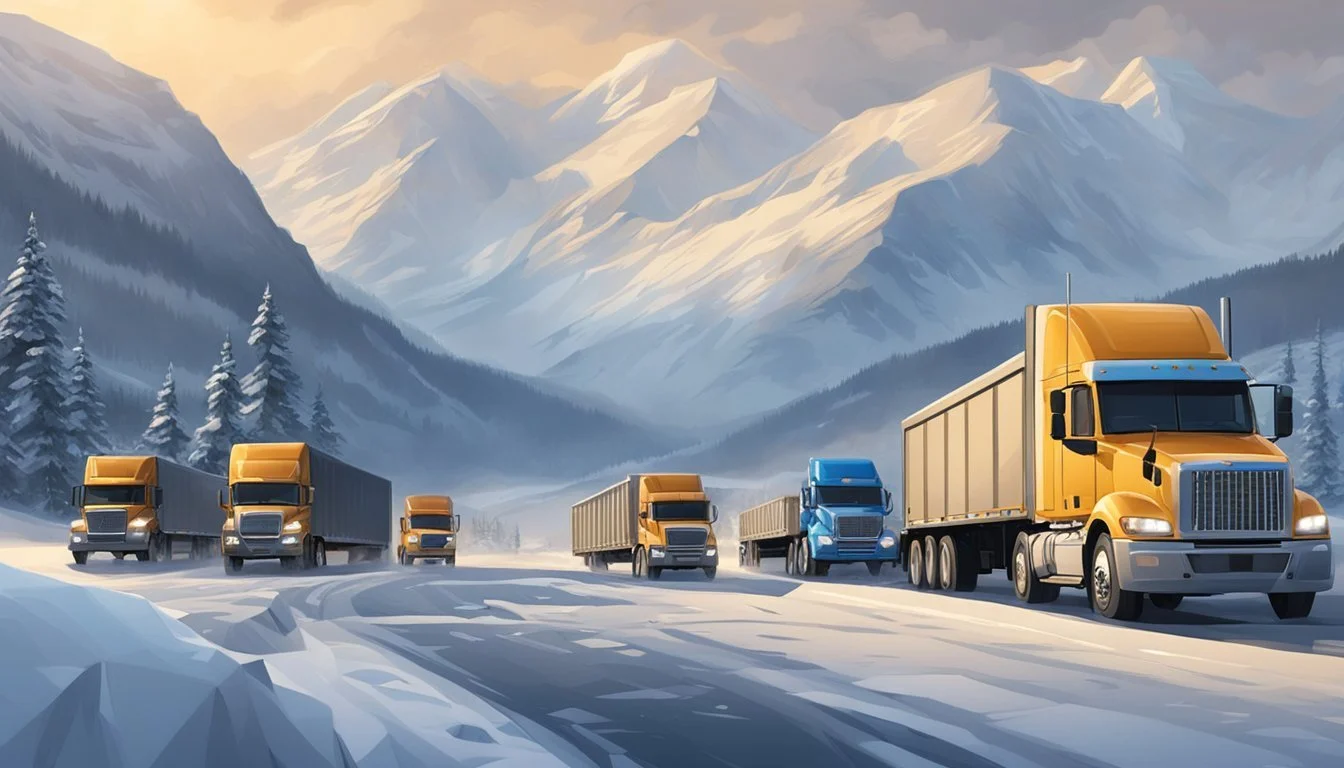
Filming "Ice Road Truckers" in remote and harsh Arctic regions presents specific environmental challenges. The use of heavy vehicles and equipment produces emissions and particulates that can affect air quality, making pollution control a necessary part of the production process.
Emissions from Vehicles and Machinery
Production relies on large trucks, film crews’ vehicles, and support equipment, all of which emit carbon dioxide (CO₂), nitrogen oxides (NOₓ), and particulate matter. The trucks used for hauling cargo, including those featured in the show, often run diesel engines known for higher particulate matter emissions and greenhouse gases.
Moreover, operation in extreme cold requires frequent engine idling to ensure machinery reliability, which increases actual emissions. Generators and heating equipment also contribute to total output of pollutants. Since filming often takes place far from populated areas, dispersal patterns may be affected, increasing the risk of localized air pollution around work sites.
Key emission sources during production include:
Diesel truck exhaust
Portable power generators
Support vehicles and snow machines
Air Pollution Control Measures
Producers have adopted several measures to mitigate air pollutant releases during filming. These include using low-sulfur diesel fuel and equipping vehicles with emission control devices to limit smoke and particulate output. Routine maintenance of machinery helps reduce unnecessary emissions.
Temporary air pollution controls such as exhaust filtration systems are sometimes installed on-site. Production schedules may be designed to limit equipment idling and concentrate activities to reduce overall atmospheric disturbance. Fuel-efficient driving practices are encouraged among crew members to curb unnecessary emissions.
Checklists and monitoring protocols allow crews to track actual emissions and identify areas where improvements can be made. These practical steps help minimize the environmental footprint associated with on-location production in sensitive Arctic environments.
Ethical and Regulatory Considerations
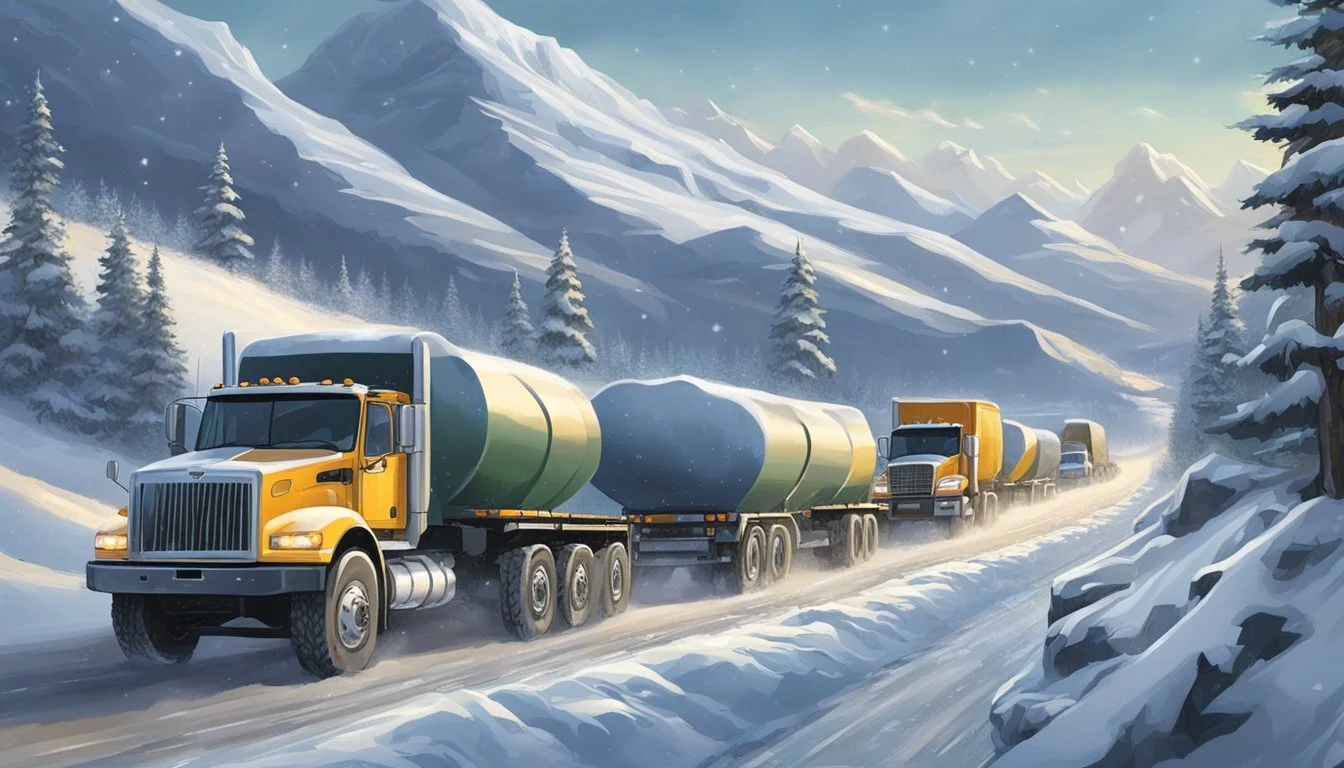
Filming in remote and extreme environments such as ice roads involves specific legal and ethical responsibilities. Production teams need to address rules on environmental protection, waste disposal, and how regulations are enacted and enforced to remain compliant.
Compliance with Environmental Standards
Film crews operating on ice roads must meet rigorous environmental protocols established under general provisions for these ecosystems. Most filming activities are subject to environmental impact assessments that check for compliance with federal, state, and sometimes indigenous land regulations.
Applicability of the American National Standards Institute (ANSI) guidelines is often required for equipment and crew safety. These standards help limit negative effects on wildlife and habitat by controlling equipment noise, minimizing ground disturbance, and ensuring safe fuel storage and transport.
A checklist is typically used to monitor compliance. Non-compliance can result in fines, permit revocations, and bans from future filming activities in designated sensitive zones.
Waste Management and Open Burning Regulations
Managing refuse is critical in harsh ice road environments, where proper waste removal can be difficult. Crews must strictly follow specific rules for waste storage, transport, and disposal, which often prohibit on-site open burning due to the risk of releasing particulate matter into the fragile Arctic atmosphere.
Instead, waste—whether general, hazardous, or organic—must be sorted and removed to approved disposal or recycling facilities. Failure to comply with open burning and waste regulations may result in immediate stoppage of filming or legal penalties.
Best practices include using sealed containers, scheduled pickups, and careful logging of all refuse generated during production. This minimizes environmental harm and supports regulatory accountability.
Prevention of Circumvention
Circumvention describes any attempt to bypass or manipulate regulatory processes or environmental protections. In ice road environments, this can include misreporting of emissions, improper waste handling, or ignoring permit requirements.
Authorities monitor for circumvention by requiring detailed logs, GPS tracking of vehicles and refuse, and regular inspections.
Production companies must train staff on the legal consequences of circumvention, which may include heavy fines, civil liability, and reputational damage. Clear procedures and third-party audits are often used to prevent attempts to avoid compliance, ensuring transparent and lawful operations.
Coordination with Local Communities and Authorities
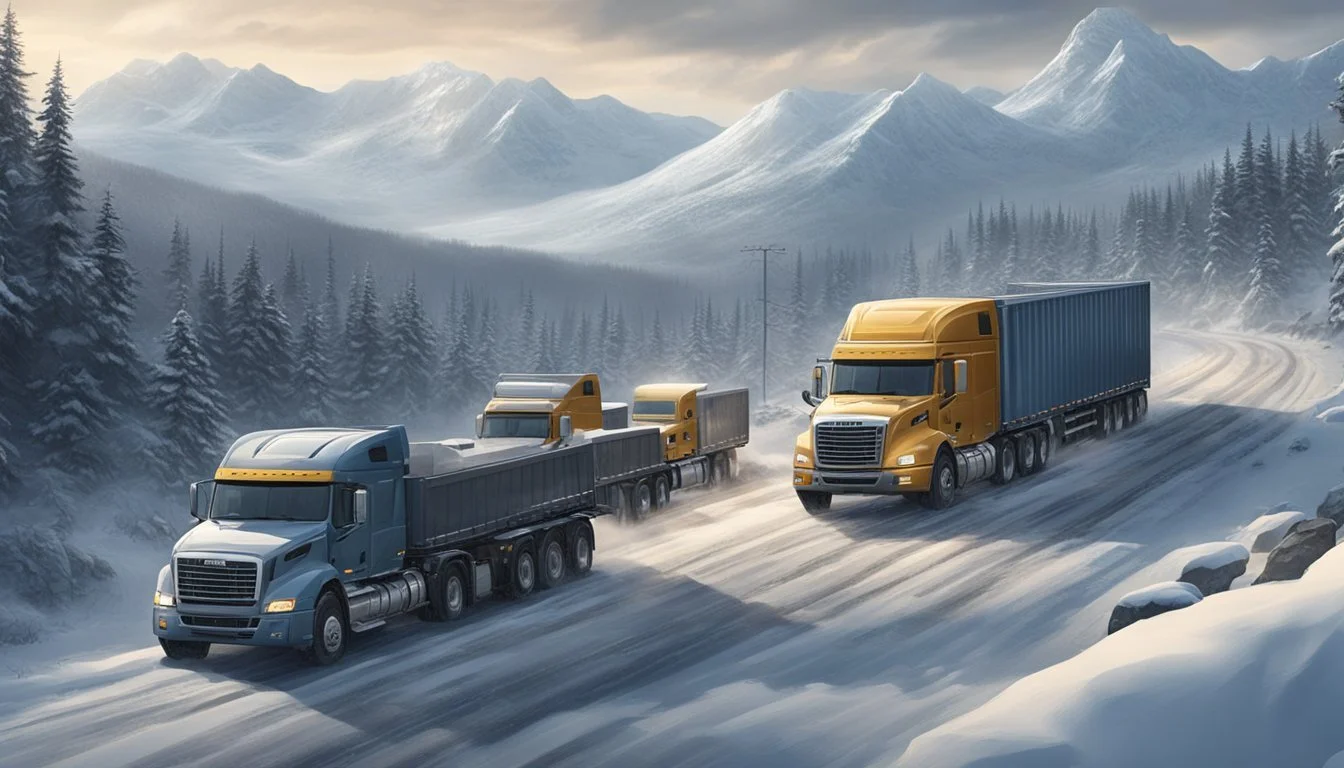
Filming in remote and challenging environments like those seen in Ice Road Truckers requires careful planning with local stakeholders. Coordination ensures smooth logistics, safety, and cultural sensitivity when interacting with both public infrastructure and rural regions.
Collaboration with Local Agencies
Production teams often work directly with local agencies in areas such as Yellowknife or other rural regions. They must secure permits for road access, especially on ice roads that pass through municipal or territorial jurisdictions.
Local authorities may provide essential support, such as updates on ice thickness, weather conditions, and the suitability of routes for heavy vehicles. Collaboration can also involve coordinating the timing of filming to avoid interfering with public transport or community events.
Facility access is managed through liaison with public officials to minimize disruptions to local services. Emergency plans are often designed in conjunction with emergency response units in the region. These steps help ensure that filming does not compromise public safety or efficient operation of public transportation and facilities.
Respecting Regional Practices and Regulations
Productions must follow strict regulations enforced by local governments, particularly concerning environmental protection and community safety. In places like Yellowknife, guidelines may include restrictions on noise, the use of certain types of vehicles, or the transport of hazardous materials.
Understanding and respecting indigenous or local customs is critical when filming in rural areas. This may require consulting with community elders or leaders before accessing specific sites.
Key practices include:
Complying with seasonal transport limits based on ice conditions
Observing community boundaries and zones closed to filming
Incorporating feedback on regional practices into daily operations
Adhering to these rules and incorporating local knowledge helps maintain strong relationships with the communities and protects both people and the environment.
Aviation and Emergency Response Support

Aviation logistics and well-practiced emergency protocols are indispensable for remote filming on ice roads. Aircraft, control devices, and facilities play crucial roles in maintaining safety and efficiency throughout production.
Integration of Aviation Logistics
Helicopters and small fixed-wing planes are regularly used to transport crew, equipment, and supplies across vast and often inaccessible ice-covered terrains. Timely aerial resupply keeps production steady, particularly when ground travel is hindered by storms or unsafe ice conditions.
Aviation control devices, such as GPS trackers and communication radios, help maintain coordination between units and monitor aircraft locations in real time. Establishing temporary landing or refueling facilities near base camps reduces turnaround times and supports consistent operations.
Key aviation strategies used:
Scheduled flights for supply drops and medical evacuation.
Use of drones for aerial scouting and safety assessments.
Pre-established maintenance plans for all aircraft and ground support devices.
Careful planning ensures minimal disruption from weather and maximizes crew safety.
Emergency Protocols in Isolated Locations
Ice road environments create unique hazards—extreme cold, shifting ice, and sparse infrastructure. Production teams implement Airport Emergency Plans (AEPs) modeled after FAA standards, detailing specific steps for rapid incident response and coordination with local authorities.
Medical kits, heating shelters, and reliable radio access are positioned at all sites. Regular safety drills and designated emergency response leaders help crews respond swiftly to incidents.
Facilities feature backup power, satellite communications, and clear signage for evacuation routes. Local aviation resources remain on standby for urgent evacuations, ensuring any serious medical emergency can be addressed within critical windows.
Transport manifests, incident logs, and contact lists are updated daily by control room staff to maintain oversight and regulatory compliance.
